Few appliances are as indispensable as the food processor. Capable of chopping, grinding, blending, kneading, and more, these multi-utility kitchen marvels can unlock an entire cookbook’s worth of recipes, transforming complex, time-consuming preparations into easy, manageable tasks.
So, what are the capabilities and benefits of a food processor? Discover how these powerful machines can enhance your recipes and your enjoyment of cooking them.
What is a food processor?
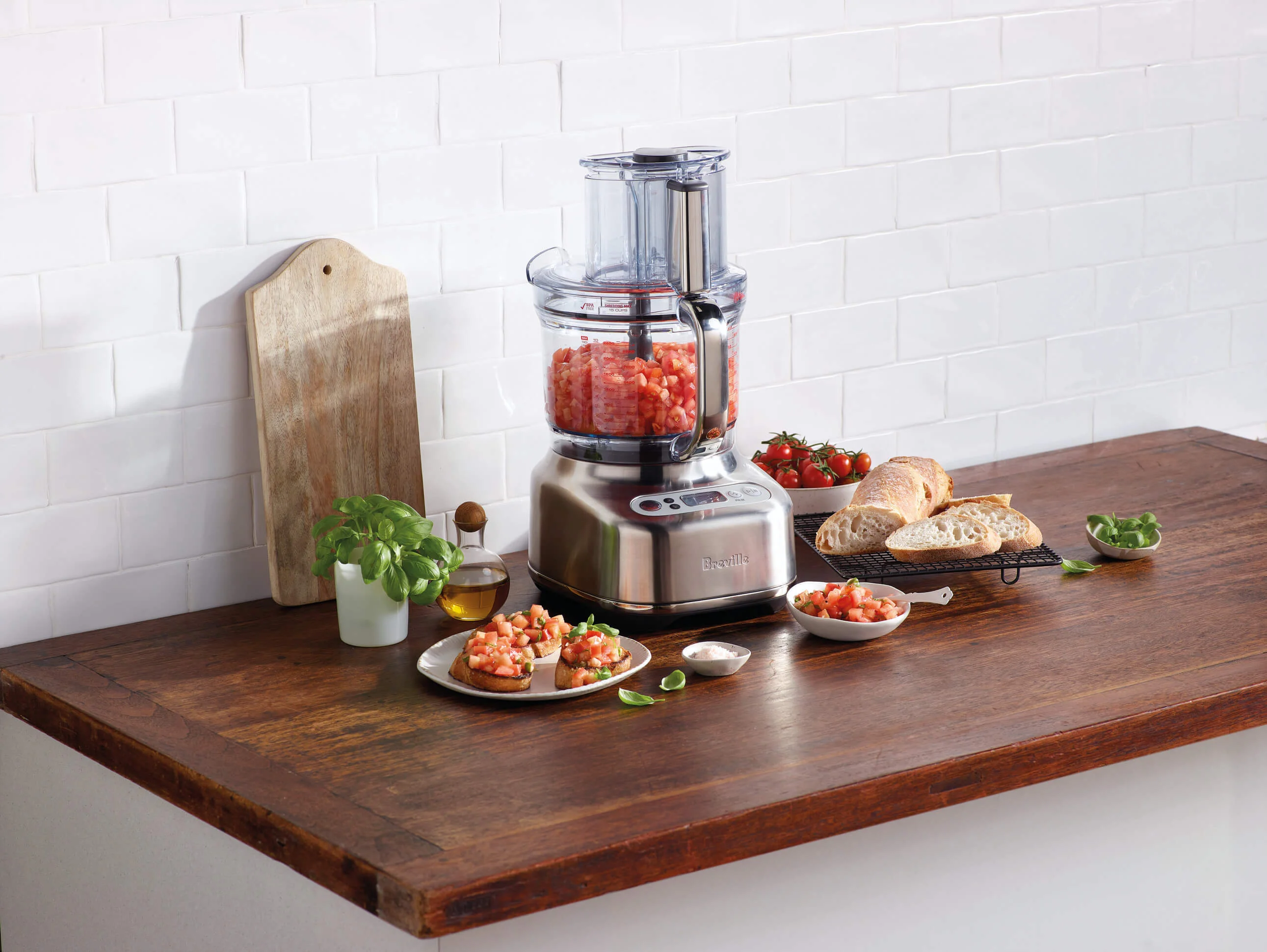
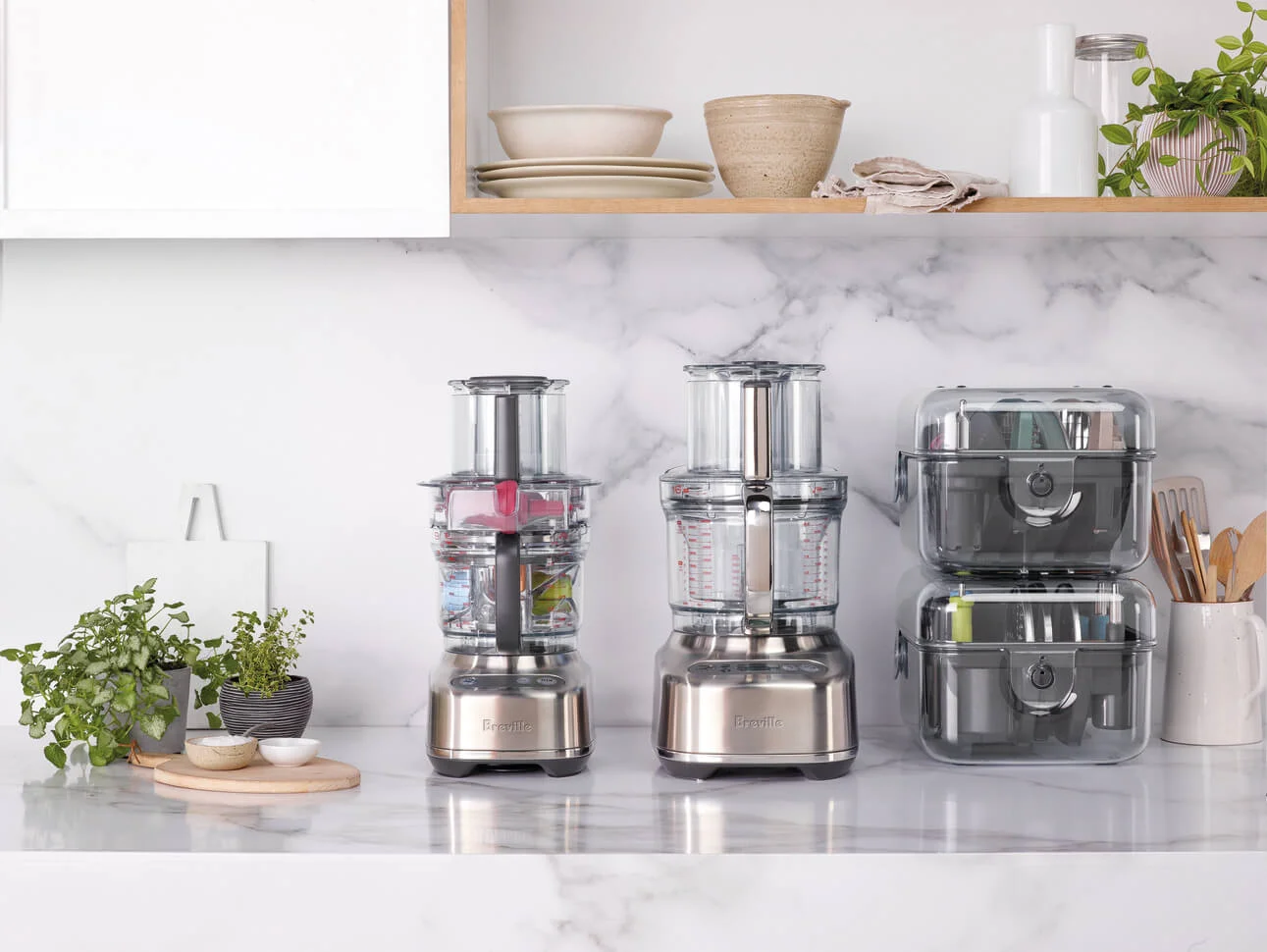
A food processor, also known as a batch-bowl food processor, is a versatile kitchen appliancecapable of performing multiple food prep tasks related to chopping.
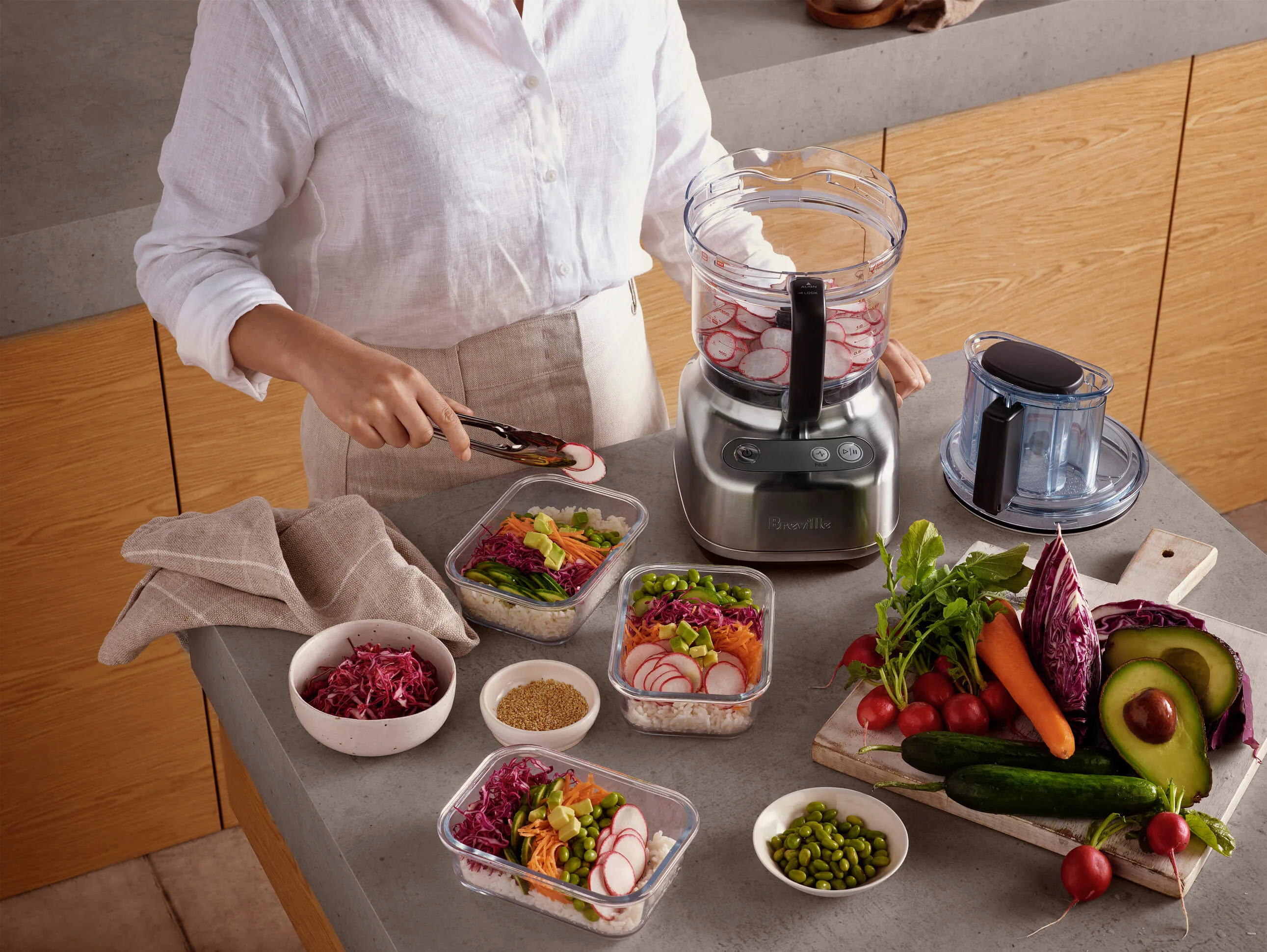
Most food processors follow the same straightforward design, consisting of a sturdy motor, a bowl (typically ranging from 6 to 16 cups), and a lid with a feed chute. The more versatile food processors come with several detachable blades to serve different functions, like chopping, puréeing, shredding, slicing, or kneading. And more advanced, industrial-grade models may also boast specialty attachments made for tasks like dicing or peeling. Despite these functions, there are key differences when comparing a food processor vs. a blender or a food chopper vs. a food processor.
The power of the high-torque motor combined with the sharpness and design of the blades ensures that food processors can process a broad range of ingredients. Nuts, cheeses, spices, veggies—you name it.
For both home cooks and professional chefs alike, a food processor opens up a world of cooking possibilities and is a must-have staple in any kitchen.
6 benefits of a food processor
So, what are the advantages that food processors can help unlock?
#1 Speed and efficiency
Even if you have spent years honing your knife skills, in the time it would take you to finely dice a single onion, a food processor can blitz through several simultaneously. Food processors work using speed, chopping and blending food at a much faster pace.
Consider, for example, the process of making a basil pesto alla Genovese.
The traditional Italian method is often done by hand, using a mortar and pestle to grind up the fresh basil leaves, garlic, and pine nuts. This is a process that could easily take 10 minutes or more. And then you'd still have to stir in the Parmigiano Reggiano and olive oil manually, to try and achieve a smooth, even consistency.
But with a food processor, you simply toss in the ingredients and press a button. In just a minute or two, you'll have perfectly blended pesto, ready to be added to a pizza or pasta. The machine not only saves you a significant amount of time, but it also ensures a much finer and more consistent texture.
#2 Less effort
Food processors don’t just save you time, they also reduce the effort involved throughout the various prep and cooking processes.
Imagine preparing a large meal, such as a hearty veggie soup or ratatouille, for a dinner party or a family get-together all by yourself.
By hand, you might have to spend hours finely chopping a mountain of vegetables for the dish. Between dicing onions, mincing garlic, slicing zucchini, cubing eggplants, and grating carrots, the prep work could be overwhelming.
However, with a food processor, these strenuous tasks become simple. Just load the vegetables into the bowl and choose the appropriate blade or disc for the cut you want, and voilà! In a matter of minutes, you have all your ingredients chopped, sliced, and grated to perfection—ready to be tossed into your pot or pan.
The food processor takes the hard work out of prep work. And, when you’re in a race against the clock or faced with a laundry list of ingredients to prepare, it’s an indispensable ally that can reduce the physical effort involved with cooking.
#3 Versatility
What can a food processor do? A better question is what can’t a food processor do?
A food processor is capable of far more than simply chopping up ingredients. Thanks to the various disk and blade attachments, industry-grade processors can also:
● Large dice – For prepping root veggies and starches for a hearty stew
● Fine dice – For making mirepoix (onions, celery, and carrots) the flavor base for a multitude of dishes, from soups and stews to sauces and braises
● Purée – For making silky-smooth and creamy sauces, soups, or baby foods
● Whip – For transforming creams, egg whites, or butters into airy, whipped versions
● Mix – For blending ingredients such as homemade veggie or burger patties
● Emulsify – For combining liquids for homemade vinaigrettes or mayonnaise
● Slice – For making even slices (whether horizontally or vertically) in veggies and starches
● Shred – For quickly shredding cheese for fondues, pastas, tacos, or pizzas
● Peel – For peeling potatoes, apples, or other produce items
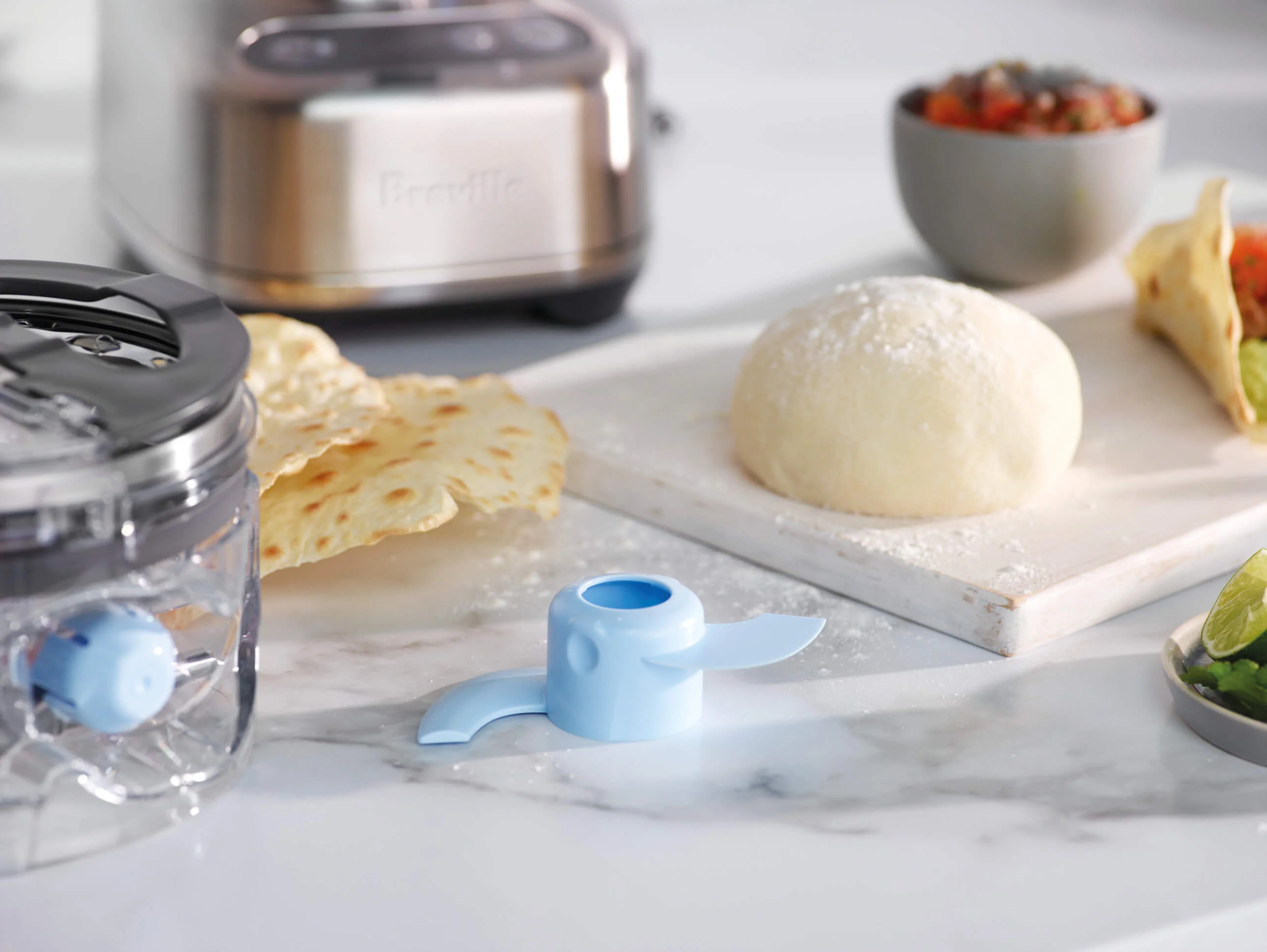
● Knead – For making homemade pizza dough, bread, and pasta
#4 Culinary exploration
Tired of cooking the same old recipes? A food processor opens up a world of possibilities that might otherwise be too time-consuming or challenging without one.
In the world of home cooking and food prep, there’s so much to explore. Whether you want to try the foods of Italy, the Mediterranean, Thailand, or Mexico, a food processor is your perfect companion, making it possible to create homemade versions from scratch that taste like the real deal.
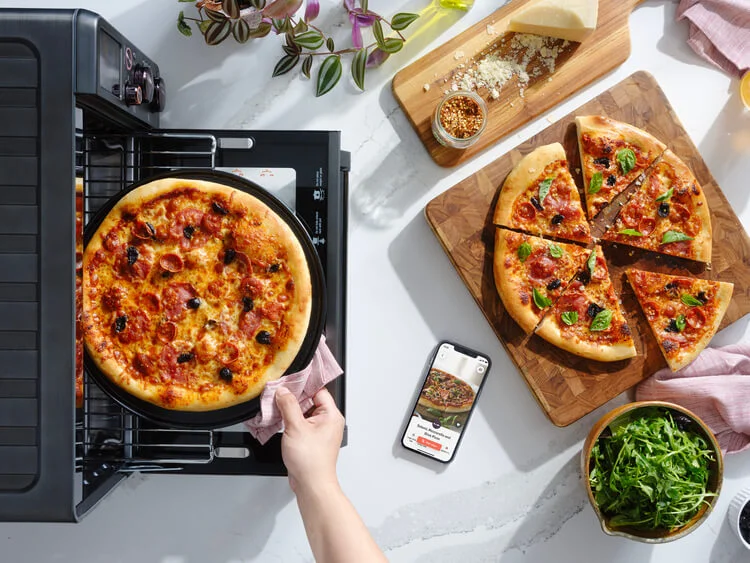
● Pizza – A food processor could help you knead the pizza dough, shred the cheese, and even slice the pepperonis.
● Aioli – Add the garlic, egg yolks, and a squeeze of lemon juice to the processor, then slowly drizzle in the oil as the processor runs. Within minutes, you'll have a beautifully emulsified aioli, perfect for dipping, spreading, or drizzling over your favorite dishes.
● Thai curry paste – With a food processor, you can grind the various ingredients (Thai red chili peppers, garlic, ginger, shallots, cilantro, lemongrass paste, spices, fish sauce, and so on) into a fine paste in minutes that will serve as the basis for the different Thai curries.
● Guacamole – A food processor can easily chop and then blend up the onions, tomatoes, cilantro, jalapenos, and avocados into a chunky, creamy guac.
#5 Specialty diets and healthy meals
A high quality food processor can be an invaluable tool for those following specialty diets or seeking to prepare healthy meals. Whether you’re vegan, gluten-free, or just looking to incorporate more vegetables into your diet, a food processor makes it easy to adhere to special food preparation tasks and specific dietary needs.
For instance, one significant advantage is the ability to grind up gluten-free flours using grains like rice, oats, or quinoa. Or, a food processor can help you explore plant-based alternatives to dairy products like vegan nut cheeses and butter.
When it comes to maintaining a healthy diet, cooking at home is often a better option than ordering take-out. But as most home cooks know, working with fruits, vegetables, and healthy ingredients can be time-consuming. With a high quality food processor, you can turn vegetables into tangy sauces, beans into spicy dips, and whole grains into delicious bread.
The food processor can come to your rescue by significantly reducing the time and effort involved with ingredients prep, making healthy eating a more accessible and convenient option.
#6 Going gourmet
Does a recipe call for a more advanced chop or blend than what you can achieve with your chef’s knife? With the right food processor, even the most advanced culinary techniques are within your grasp.
In addition to the standard attachments that come with the average food processor, some top-line models are packed with features and may come with an array of attachments that can turn your kitchen into a professional space, including:
● Vegetable peeler disks capable of peeing up to 7 potatoes at a time
● Dicing kits for a greater variety in precision cuts
● Three feed chute options for every shape of food
● Heavy duty induction motors capable of handling the toughest of jobs
● Variable slicing disks that let you choose the thickness of slices
● Mini 2.5 cup bowl for smaller recipes
● Dough blade for kneading bread and dough
● Julienne disc used to cut food into long, thin matchsticks
● Citrus juicers to squeeze fruits and vegetables and strain the juice
● French fry cutting discs for perfect fries
With these options, you can diversify your recipes and delight guests and family members alike—all from your own home kitchen.
Try the Breville food processors today
Food processors are must-have kitchen appliancesfor any home. By learning how to use a food processor, you can work more efficiently, reduce physical effort, add versatility to your cooking, explore a world of global cuisines, impress with gourmet dishes, and even cater to specific dietary needs with ease.
Looking for the best food processors on the market?
You’ve come to the right place. Breville’s food processors are the perfect tool to take your home cooking to the next level. Shop our collection of advanced food processors today.
Sources:
1. Serious Eats. The Best Pesto alla Genovese (Classic Basil Pesto Sauce) Recipe. https://www.seriouseats.com/best-pesto-recipe
2. Pinch of Yum. Easy Thai Yellow Curry Paste. https://pinchofyum.com/easy-homemade-yellow-curry-paste