Loose-leaf tea offers a richer, more nuanced flavor than tea bags, yet many home brewers hesitate to try it because the process seems complicated.
How to use a tea infuser: Easy steps for perfect tea
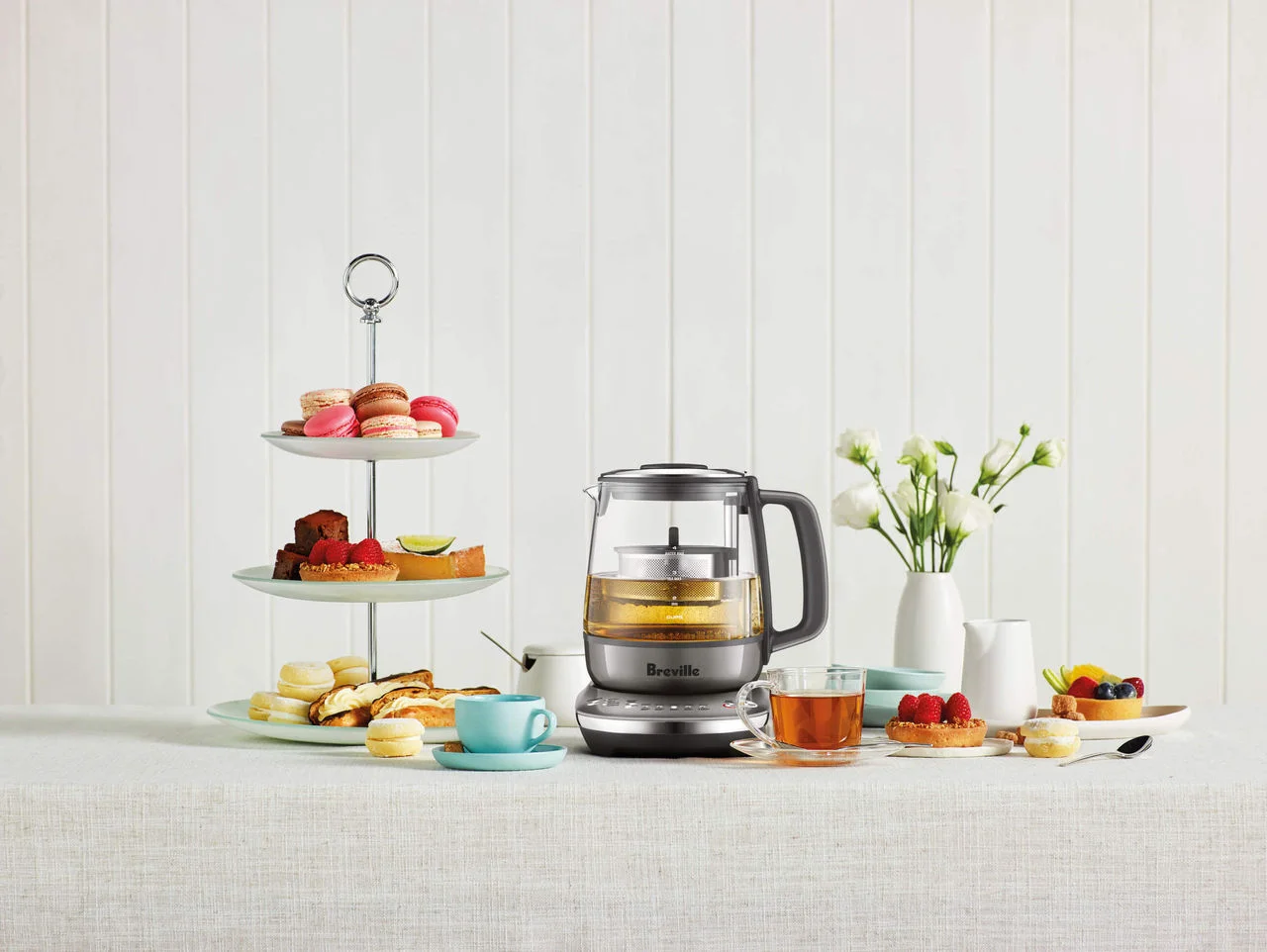
Learning how to use a tea infuser properly simplifies brewing and helps you get the most out of every cup. Paired with high-quality tea kettles and tea makers, it’s easier than ever to achieve consistent flavor and perfect steeping at home.
In this guide, you’ll learn:
● How to choose the right tea infuser for your favorite tea types.
● Steps for brewing loose-leaf tea with precision.
● Tips to avoid common mistakes and improve flavor and consistency.
With the right technique and tools, you can elevate your tea ritual and enjoy a perfectly brewed cup every time.
What is a tea infuser?
A tea infuser is a small container with holes that holds loose-leaf tea while it steeps in hot water. Given that tea is the most widely consumed beverage in the world next to water, learning to use an infuser properly can significantly enhance your daily tea experience.
Unlike tea bags, infusers give you control over brew strength by using loose leaves, which helps you manage your caffeine intake.
The extra space in an infuser allows the leaves to expand fully, ensuring optimal extraction. This expansion helps release their complete flavor profile, including bioactive compounds like theanine, caffeine, and polyphenols.
You'll find several types designed for different brewing needs:
● Basket infusers: Large containers that fit inside mugs or teapots.
● Ball infusers: Small spherical mesh containers that clasp together.
● Built-in infusers: Integrated into electric kettles for automated brewing.
Step-by-step: How to use a tea infuser
Using a tea infuser is one of the simplest and most effective ways to brew loose-leaf tea. It allows the leaves to expand fully, releasing their natural flavors and aromas while keeping cleanup easy. Whether you’re new to tea brewing or refining your technique, follow these steps to create a perfectly balanced cup every time.
Step 1: Measure 1–2 teaspoons of loose-leaf tea per cup
Start with one teaspoon of loose-leaf tea for every six ounces of water. You can easily adjust this amount based on how strong you prefer your tea, keeping in mind general recommendations for daily caffeine intake.
Step 2: Place tea in the infuser basket or ball
Open your infuser and add the measured tea leaves, ensuring there is space for expansion. The leaves will absorb water and grow during the steeping process.
Step 3: Heat water to the correct temperature for your tea type
Tea water temperature is key for proper flavor extraction. While many teas steep well around 195°F (90°C), delicate varieties may require lower temperatures.
Step 4: Pour hot water over the leaves
Place the infuser in your mug or teapot, then slowly pour hot water over the leaves to ensure even saturation. If using a teapot, cover it to retain heat during the steeping process.
Step 5: Steep for the recommended time
Allow the tea to steep according to the specific instructions for your blend, as different teas require varying steeping times for optimal flavor development.
Step 6: Remove the infuser to avoid over-steeping
Once steeping is complete, lift the infuser out to stop the extraction process. Set it aside on a small dish since quality teas can often be re-steeped for additional cups.
Step 7: Enjoy your perfectly brewed cup
Your tea is now ready to drink as is, or you can customize it with milk, sugar, or lemon to suit your taste preferences.
Matching your infuser to your tea type
Different teas require varying amounts of space to expand properly, which directly affects the taste and quality of your final cup. Since 84% of all tea consumed is black tea and 15% is green tea, mastering infuser selection for these varieties will cover most home brewing needs.
Here's how to match infusers to common tea types:
● Green tea: Use larger basket infusers that allow whole leaves to fully expand.
● Black tea: Most infuser types work well since black tea uses smaller, broken leaves.
● Herbal tea: Choose fine-mesh infusers to prevent small particles from escaping, similar to preparing beverages like matcha.
● Oolong tea: Select spacious basket infusers as these leaves unfurl dramatically.
Tips for getting the best results with an infuser
Small adjustments to your brewing technique can significantly enhance the flavor and consistency of your tea.
Keep these key points in mind for consistently better results:
● Use filtered water: Start with fresh, clean water for the purest taste.
● Don't overcrowd: Fill your infuser no more than halfway to allow proper expansion.
● Follow timing: Over-steeping extracts too many tannins and creates bitterness.
● Clean immediately: Rinse your infuser after each use to prevent flavor buildup.
Brew loose-leaf tea with ease
A tea infuser transforms loose leaf brewing from complicated to simple, consistently delivering café-quality results at home. When you pair the right infuser with proper technique, you'll enjoy flavorful, aromatic tea every time.
For those seeking precision and convenience, Breville tea makers and variable temperature kettles offer automated control over temperature and steeping time, helping you make perfect tea with minimal effort and maximum consistency.
Frequently asked questions
How long should you steep tea in an infuser?
Steeping time varies by tea type, typically ranging from 1-2 minutes for green tea to 5+ minutes for herbal blends. Always remove the infuser when time is complete to prevent over-extraction.
Should you remove the tea infuser before drinking?
Yes, remove the infuser after steeping is complete to stop the extraction process. Leaving it in will continue releasing tannins and make your tea bitter.
What is the difference between a tea strainer and tea infuser?
A tea infuser holds leaves during steeping and gets removed afterward, while a tea strainer catches loose leaves when pouring already-brewed tea from a pot.
How much loose-leaf tea should you use per cup?
Use approximately one teaspoon of loose-leaf tea per six ounces of water as your starting point. Adjust the amount based on your taste preferences and tea type.
Can you reuse tea leaves in an infuser?
High-quality loose-leaf teas can often be steeped multiple times, with each infusion revealing different flavor notes. Most teas work well for 2-3 steepings.
How do you clean a tea infuser to prevent odors?
Rinse immediately after use with warm water, then wash with mild dish soap. For stubborn odors, soak in warm water and white vinegar solution before rinsing thoroughly.
Sources:
1. U.S. Census Bureau. National Hot Tea Month: January 2024. https://www.census.gov/newsroom/stories/hot-tea-month.html
2. National Institutes of Health PubMed. Effects of Tea (Camellia sinensis) or its Bioactive Compounds l-Theanine or l-Theanine plus Caffeine on Cognition, Sleep, and Mood in Healthy Participants: A Systematic Review and Meta-Analysis of Randomized Controlled Trials. https://pubmed.ncbi.nlm.nih.gov/40314930/
3. U.S. Food and Drug Administration. Spilling the Beans: How Much Caffeine is Too Much? https://www.fda.gov/consumers/consumer-updates/spilling-beans-how-much-caffeine-too-much