Shelf life of cold brew
Cold brew’s shelf life depends largely on how it’s made and stored.
● Homemade cold brew coffee stays good for about 5 to 7 days but is best enjoyed within the first day or two.
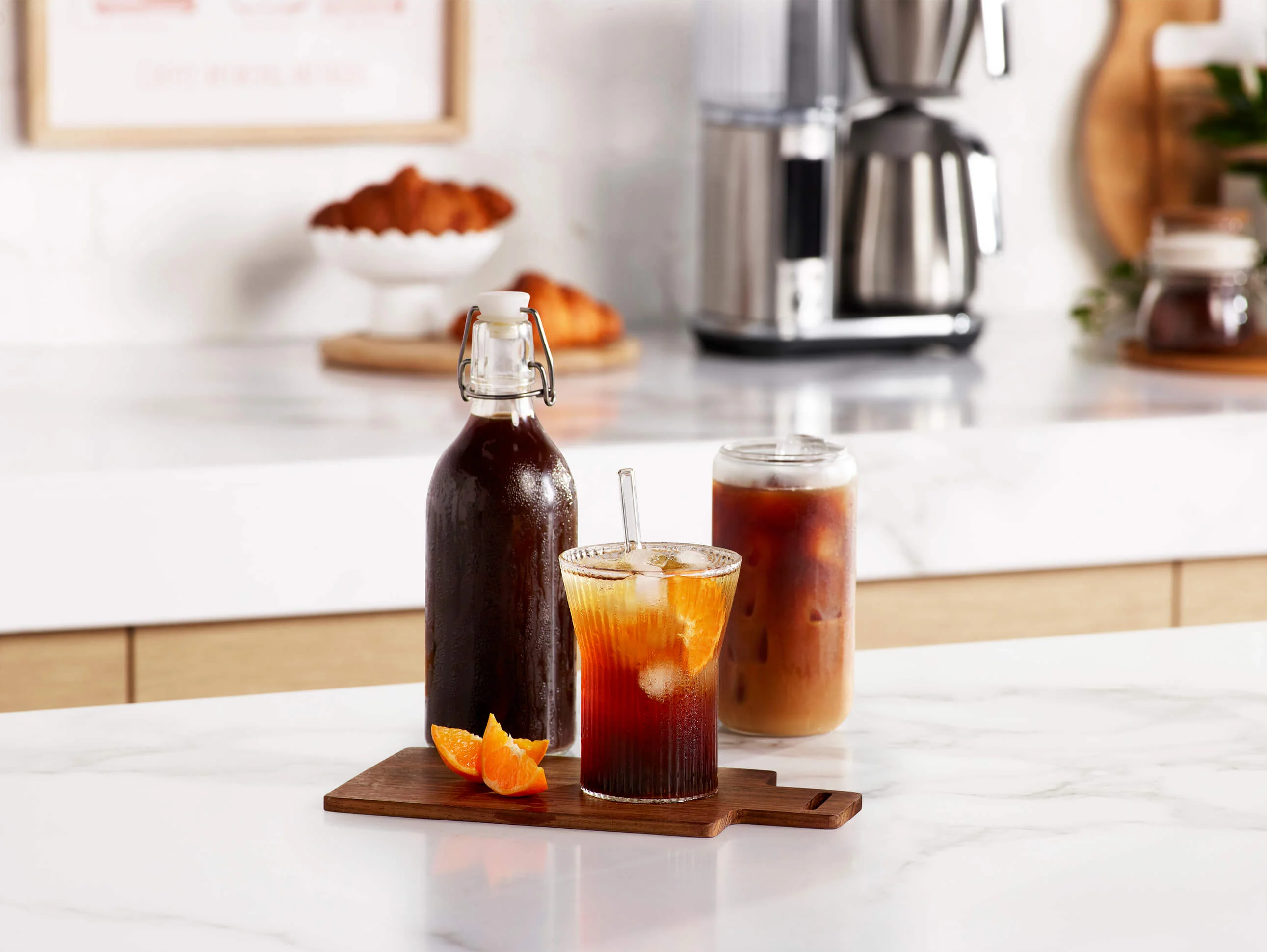
● Store-bought bottled cold brew coffee can last much longer, sometimes up to 6 months from the listed brew date (if unopened).
This difference in shelf life comes down to commercial processing and packaging methods. While you might not be able to replicate those conditions at home to achieve a longer shelf life, there are plenty of ways to maximize the longevity of your homemade cold brew coffee.
Best practices for storing cold brew
Storage is the single biggest factor in determining how long your cold brew stays fresh. Consider a few tips to maintain its rich coffee flavor for as long as possible.
Proper refrigeration
While some prefer brewing at room temperature, cold brewed coffee should always be stored in the refrigerator once the brewing process has been completed. Doing so can help:
● Slow oxidation
● Prevent rancid flavors from developing as quickly
● Reduce bacterial growth
For best results, ensure your refrigerator is well-sealed and maintains a low temperature.
Can you freeze cold brew?
Another common question is: How long does cold brew last in the freezer? While freezing cold brew can extend its shelf life by around 3 months, it often results in a muted coffee flavor once thawed.
Instead of freezing large batches, opt for an ice cube tray—perfect for blending into iced lattes or keeping your cold brewed coffee chilled without dilution.
Signs your cold brew has gone bad
While the “10-day rule” provides a general guideline, the speed at which your cold brew loses freshness depends on several factors, such as:
● Roast level
● Brewing temperature
● Storage method
With so many variables, how can you best tell if your cold brew is still good? Trust your senses to ensure optimal freshness.
Changes in taste and smell
The first sign of deterioration is usually in flavor and aroma. Fresh cold brew is smooth and slightly sweet, but as it ages, it can develop sour, fermented, or musty notes. While a stale palate doesn’t necessarily mean your brew is unsafe, it certainly reduces your enjoyment.
Visible mold or separation
Next, take note of your coffee’s appearance. A thin film or light clumping of solidified coffee oils or natural separation is expected, but unusual textures could indicate you have expired cold brew.
Signs to watch for include:
● White spots floating on the surface
● “Fuzzy” mold-like growths
● Murky, clumpy separation
If you spot mold, do not attempt to salvage your spoiled cold brew. Discard anything that looks suspicious.
How long is too long? When to toss your brew
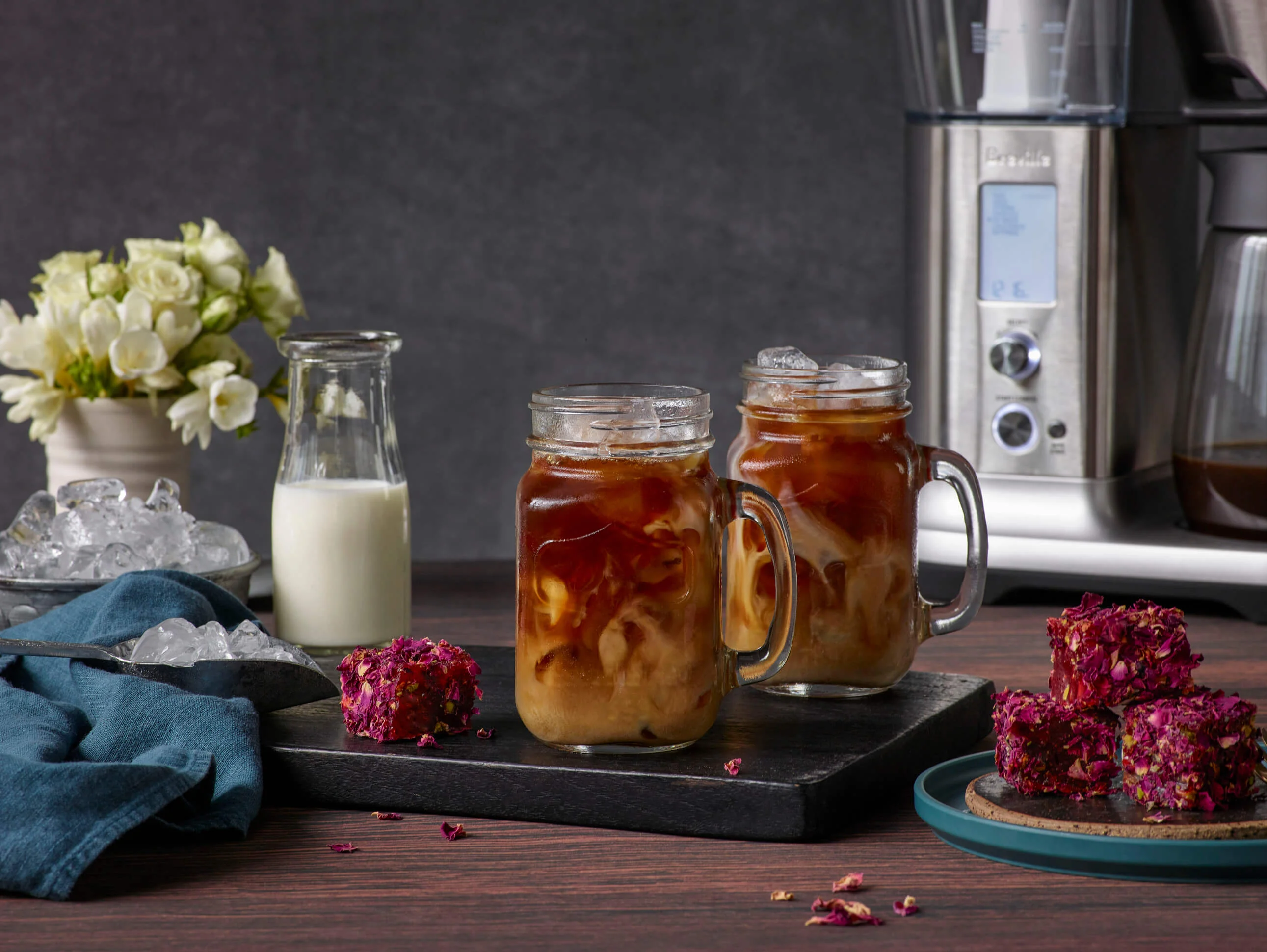
Cold brew might still look fine after a week, but if any of the above warning signs appear, it’s time to say goodbye. This is especially true if you add any dairy or alternative milk; it should be consumed within 2 to 3 days.
Since cold brew doesn’t use any hot water to kill bacteria, it’s always best to err on the side of caution. Remember: No coffee is worth risking your health!
Tips to extend cold brew freshness
Since cold brew takes so long to cook up, it’s only logical to brew in batches that last as long as possible. Here are three tips to extend your cold brew’s freshness:
1. Use airtight containers: Exposure to oxygen breaks down cold brew’s flavorful compounds and can cause it to absorb unwanted odors. An airtight (preferably glass) container helps preserve its smooth taste while preventing oxidation.
2. Store cold brew concentrate and dilute cold brew separately: While it may be tempting to pre-mix your cold brew with water or milk, doing so accelerates its breakdown. Store the cold brew concentrate separately and only mix what you need per serving.
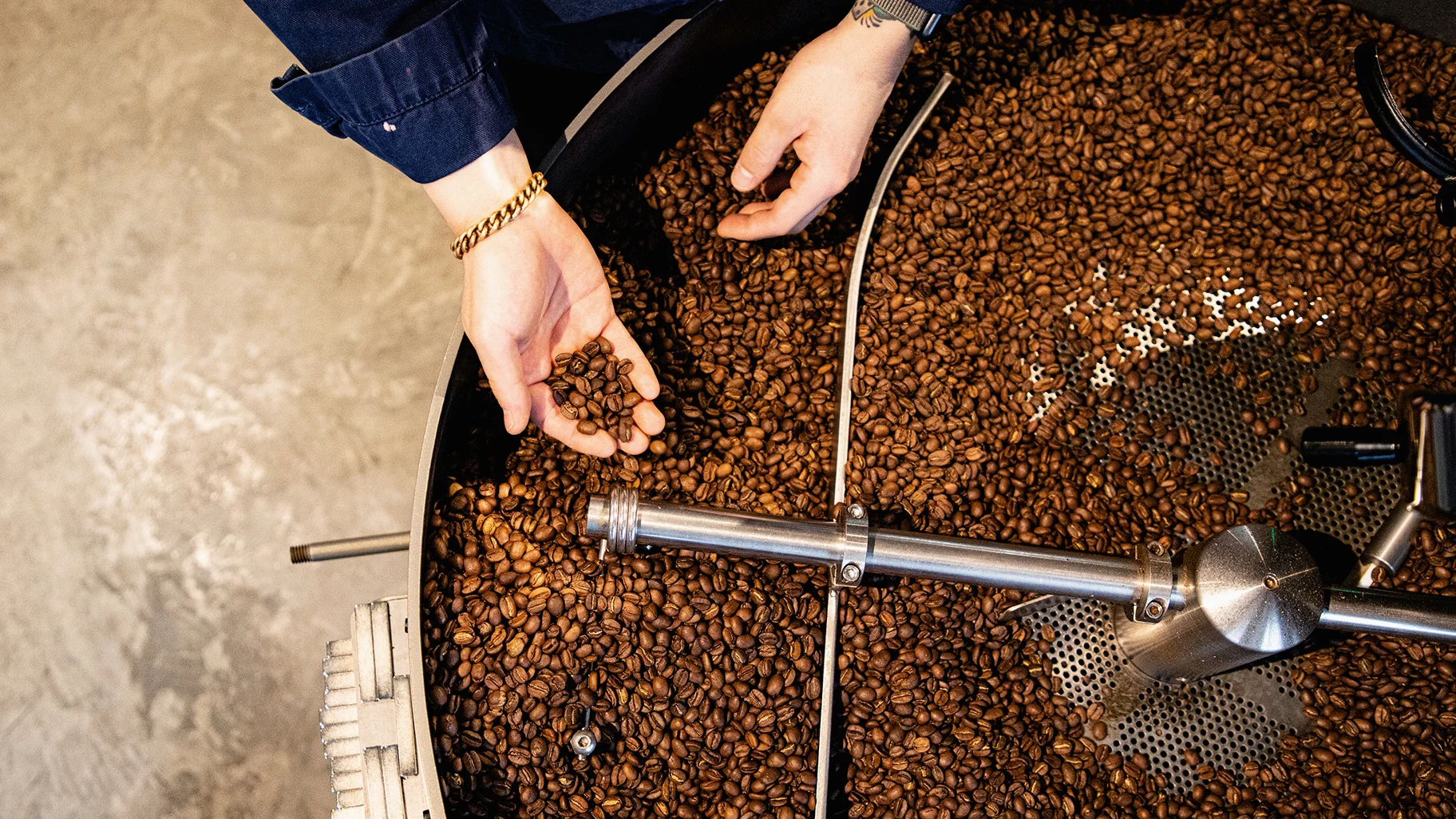
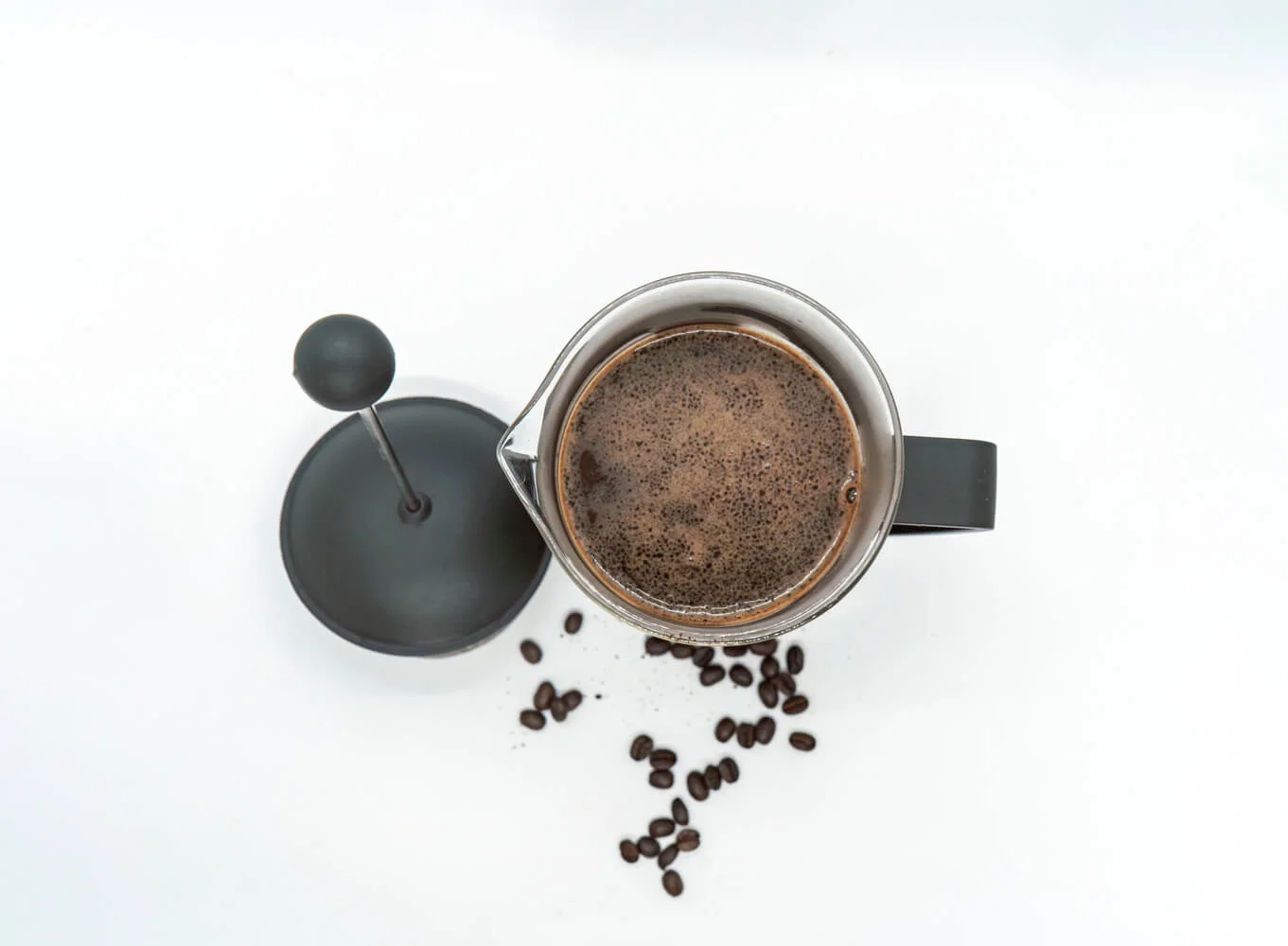
3. Buy fresh beans and grind before brewing: Pre-ground coffee loses its aroma and richness quickly, impacting the final flavor. Opt for freshly roasted, whole beans and grind them just before brewing to ensure the best possible taste.
If you find that your batch loses its freshness before you finish it, consider brewing smaller portions so you can always enjoy your cold brew at its peak.
Cold brew confidently with Breville
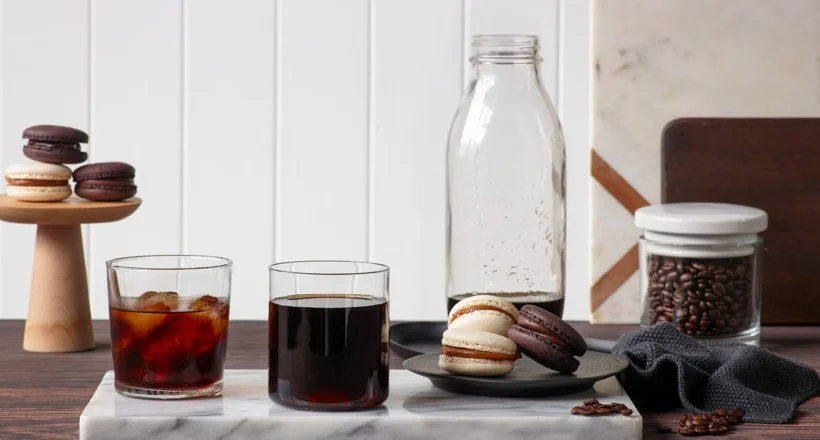
So, how long does cold brew last? While the answer varies, taste and aroma are the best indicators of freshness—which degrades quickly after the first two to three days. By refrigerating your cold brew concentrate, using airtight containers, and grinding fresh coffee beans, you can ensure every glass is as crisp and refreshing as the first.
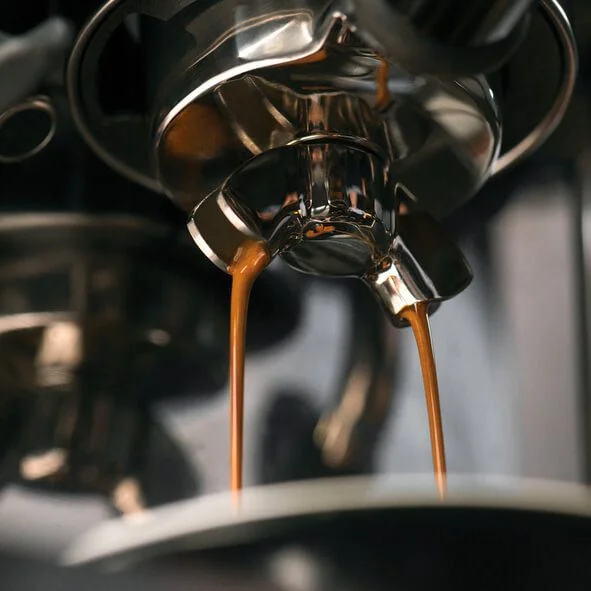
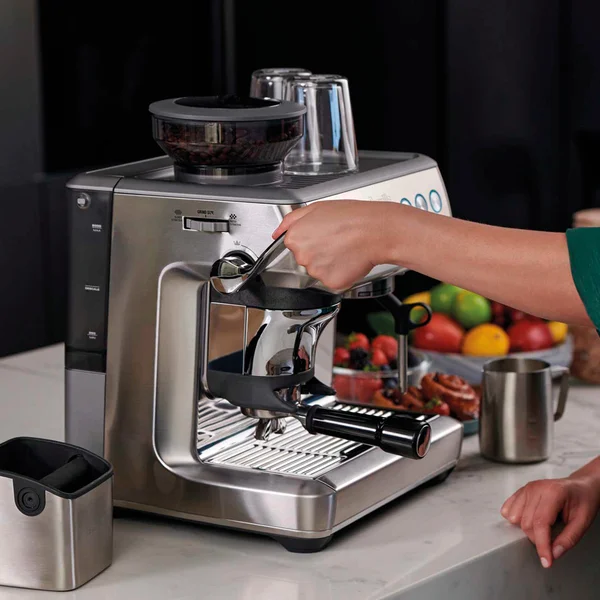
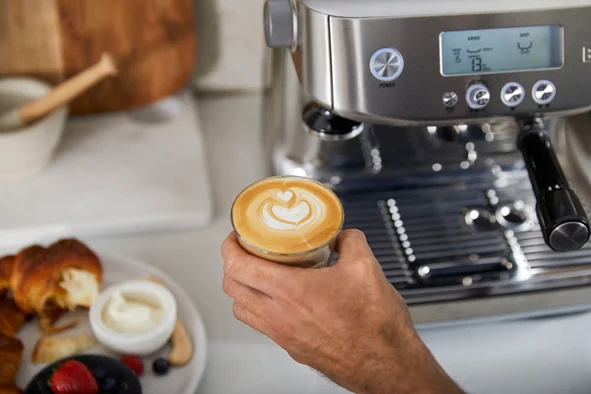
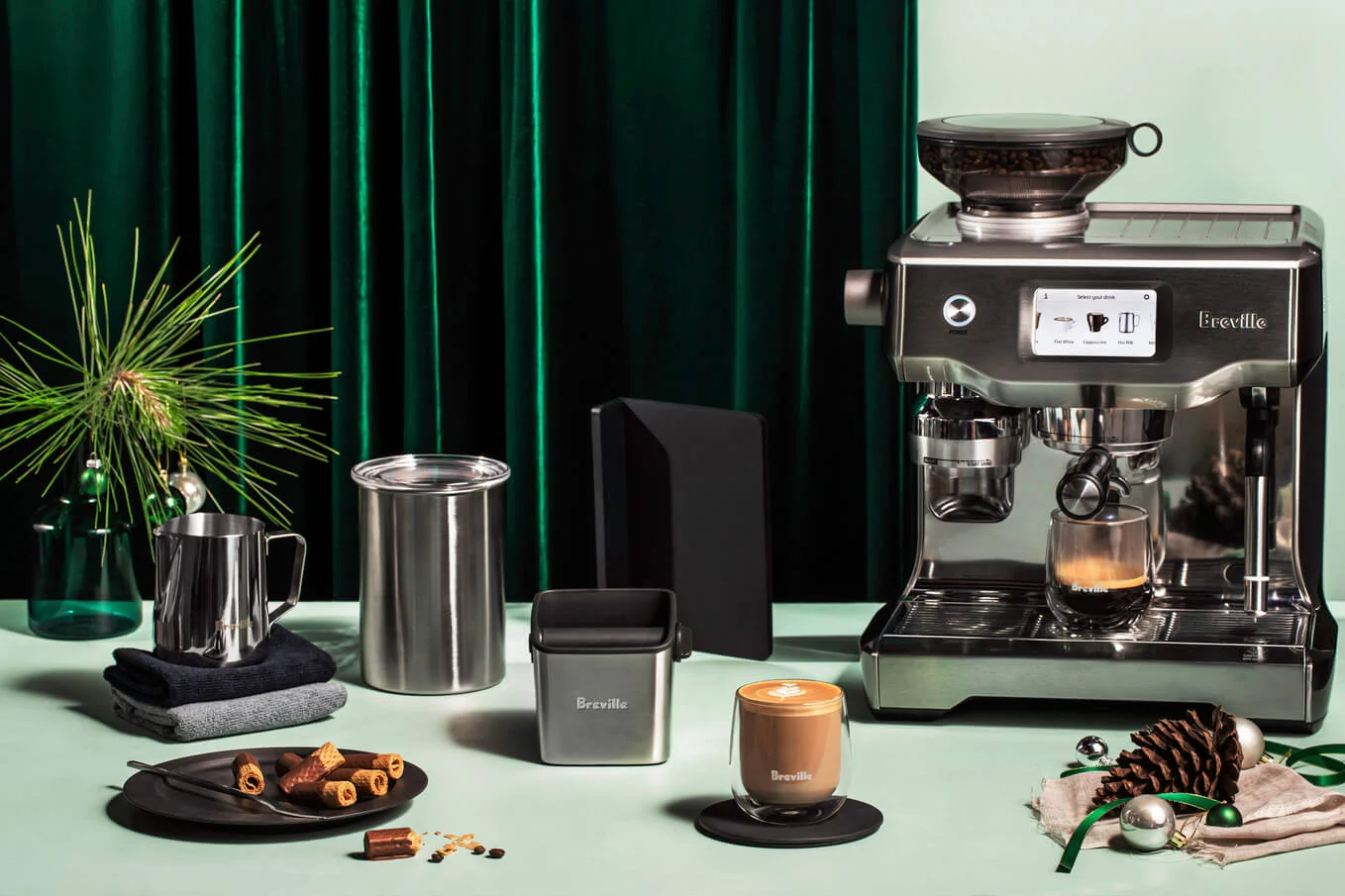
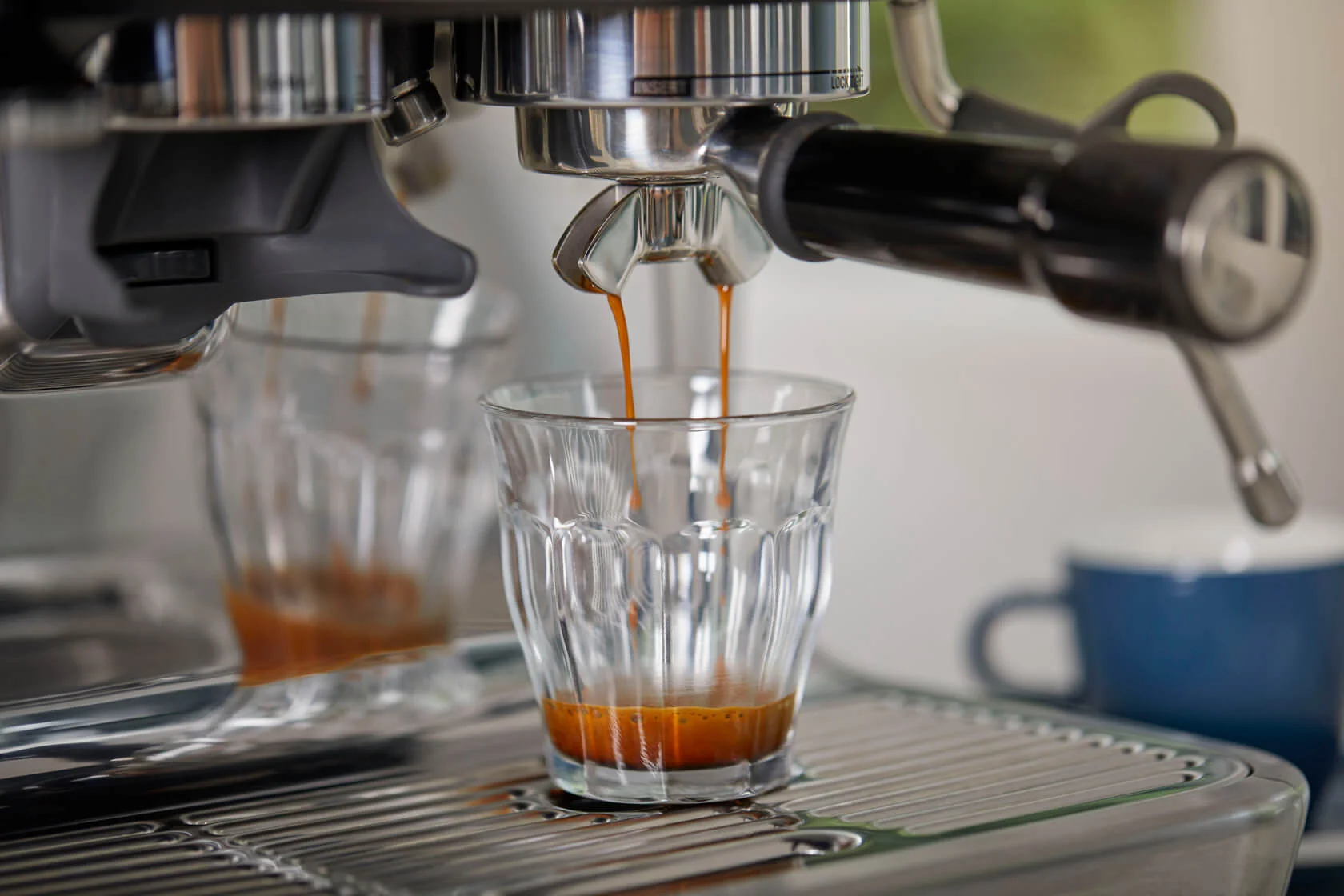
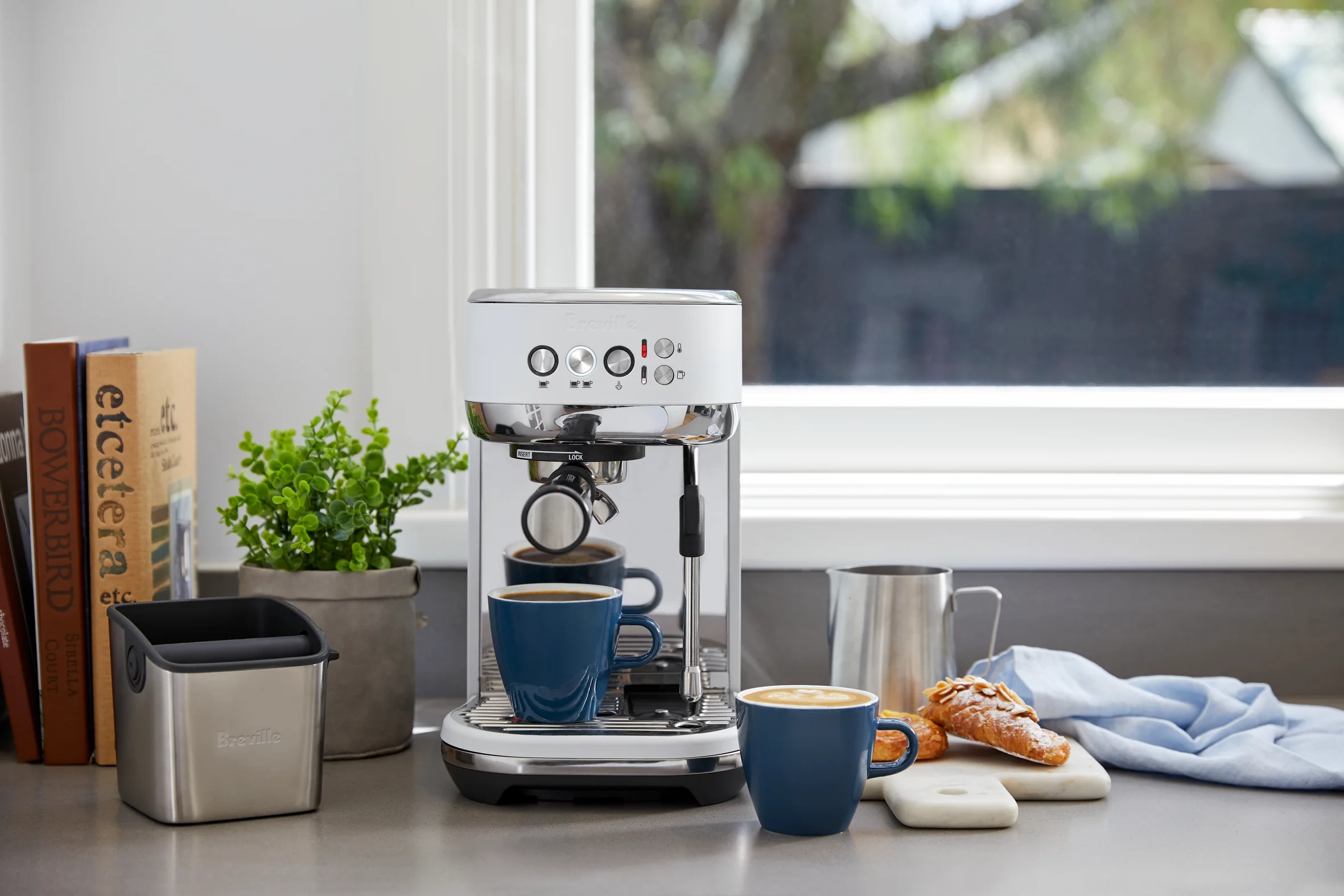
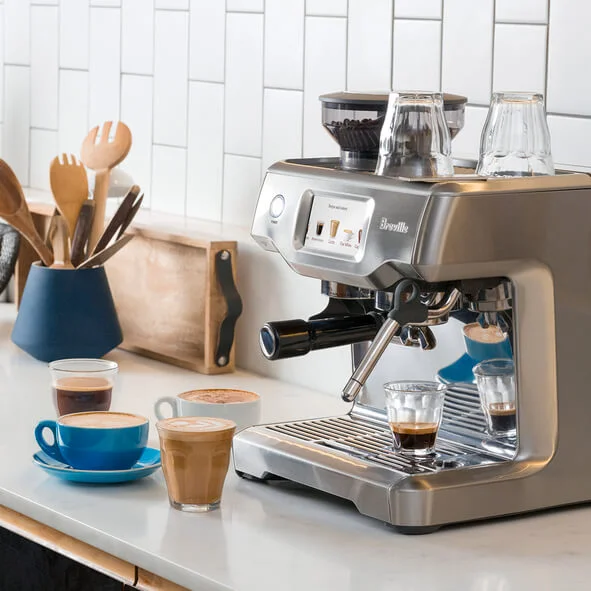
But why stop there? With the right cold extraction tools, your cold brewed coffee creations can go beyond the basics. Add depth with a shot of rich espresso from a high-quality espresso machine or fine-tune your flavor profile with a precision coffee grinder for optimal extraction.
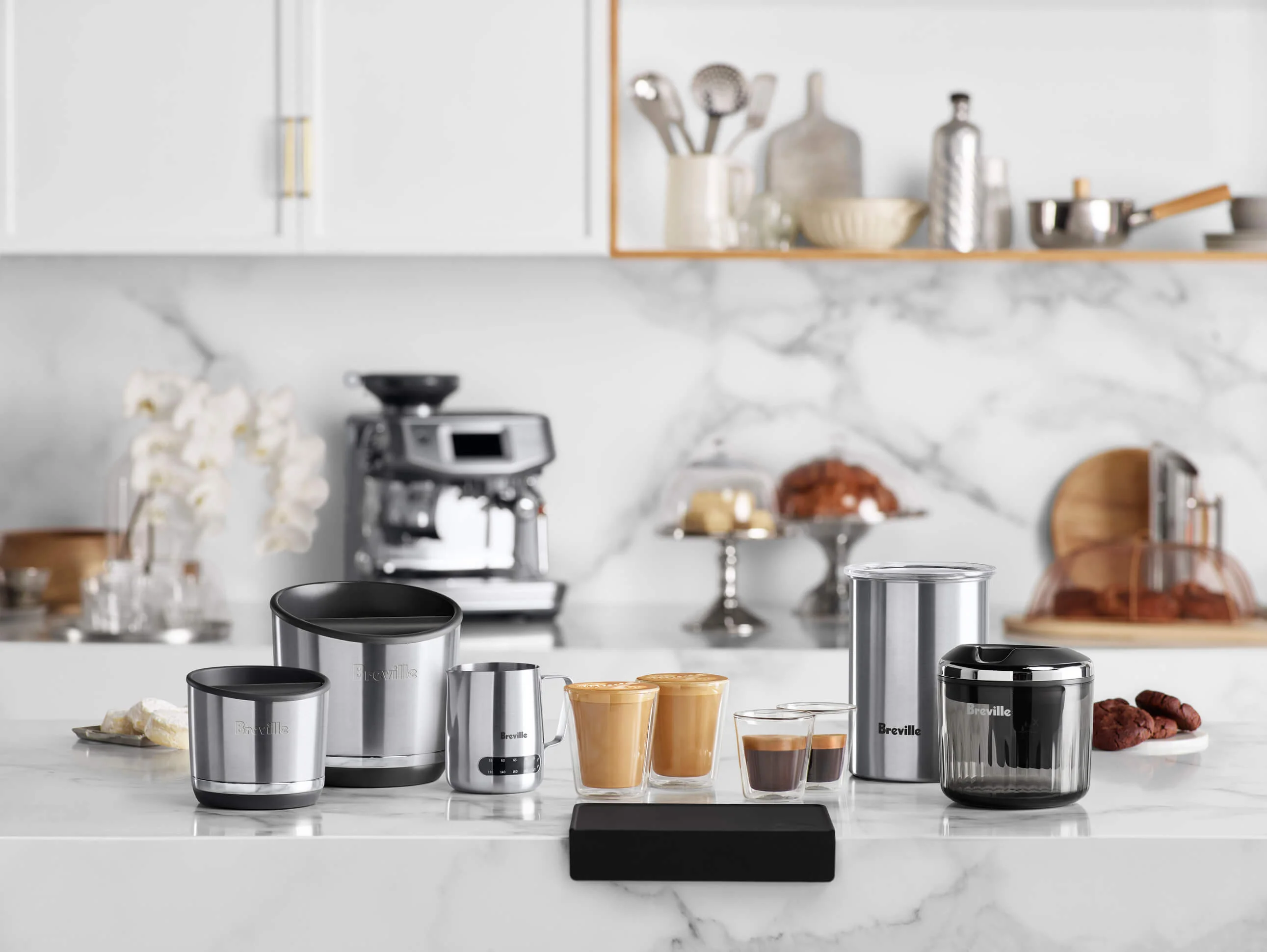
No matter your preference, Breville is here to help you craft the perfect cup. Explore our premium coffee accessories to take your cold brew to the next level.
Sources:
1. Dark Horse Coffee. The Shelf Life of Cold Brew: How Long Does It Last? https://www.darkhorsecoffeecompany.com/blogs/the-three-gs-blog-grit-grind-and-gratitude/the-shelf-life-of-cold-brew-how-long-does-it-last
2. Martha Stewart. How Long Can You Keep Cold Brew Coffee in the Refrigerator For? https://www.marthastewart.com/8146833/how-long-cold-brew-lasts-refrigerator-storage-tips
3. Well and Good. Are You Keeping Your Cold Brew Too Long? https://www.wellandgood.com/food/how-long-does-cold-brew-last