It’s no secret that cold-pressed juice has taken the world by storm in recent years. But did you know that with the right equipment, you can easily recreate these nutrient-dense drinks at home?
Whether for family or yourself, for health or taste, learning how to make cold-pressed juice opens up a world of delicious and nutritious options. Read on for everything you need to know about making cold-pressed juice from the comfort of your home kitchen.
Choosing the right ingredients for cold-pressed juice
Great juice, cold-pressed or otherwise, starts with great ingredients. Ideally, you want to choose organic produce with a balanced level of ripeness—firm, fresh, and free from any browning.
Aim to incorporate a colorful array of fresh fruits and vegetables into your recipes. Each hue offers a unique set of vitamins, minerals, and antioxidants, so don't shy away from mixing and matching.
Here are some classic ingredients to consider:
● Leafy greens – Kale, spinach, and Swiss chard add vibrant green goodness to your juice and are packed with essential nutrients.
● Citrus fruits – Oranges, lemons, and grapefruits bring a burst of vitamin C.
● Root vegetables – Carrots and beets lend earthy sweetness and are rich in antioxidants.
● Berries – Blueberries, strawberries, and raspberries offer a touch of sweetness and a wealth of vitamins.
● Tropical fruits – Pineapples, mangos, and papayas infuse your juice with tropical flavors.
● Herbs – Fresh herbs like mint, basil, or parsley can elevate the taste and aroma of your juice.
Depending on your desired juice, mixing both fruits and vegetables is an excellent way to balance nutrition and sweetness. Plus, cold-pressed juicing leaves very little fiber to absorb natural fruit sugars, meaning that juice mostly made of fruits can cause blood sugar spikes.
For this reason, some opt for cold-pressed juice that’s made from 80 to 90% vegetables.
Essential equipment for cold pressing at home
Now you have your ingredients—but how do you make cold-pressed juice with them? A juicer is the single most important piece of equipment in this step. The other key to cold-pressed juice, as the name suggests, is temperature. Higher temperatures can cause oxidation, damaging sensitive vitamins and micronutrients, reducing the overall health benefits of the resulting juice.
With that context, let’s break down a masticating vs. centrifugal juicer, the two main types of juicers:
● Masticating juicer: This juicer works by applying steady pressure to crush fruits and vegetables against a mesh screen. While they operate cold and don’t cause oxidation, these juicers are also slower, more expensive, and can be difficult to clean.
● Centrifugal juicer: This kind of juicer works by using a fast-spinning blade with a mesh filter, creating juice from the centrifugal force of motion. Traditionally, these juicers have offered a fast, cost-effective, and easy-to-clean solution at the cost of causing oxidation. However, some recent models can eliminate oxidation to allow for true cold-pressed juicing.
In the past, only masticating juicers could create cold-pressed juice due to their slow extraction. However, with recent innovations, some centrifugal juicers can now operate at the low temperatures necessary for preserving vital nutrients.
A step-by-step guide to cold pressing juice
Now that you have your ingredients and equipment ready, it's time to get down to the juicing process. Follow these steps for a successful cold pressing experience:
● Prep your fruits and veggies – Slice produce into pieces that will fit into the juicer’s feed chute. Remove any stems or seeds from fruits like apples and pears. Depending on your juicer, you may also want to keep a bowl handy to collect scraps for composting.
● Combine and measure your ingredients into portions – While optional, having pre-measured batches makes the juicing process itself assembly-line easy.
● Start juicing – Set up your cold press juicer according to the manufacturer's instructions. Begin feeding the ingredients through the machine, alternating between different types to ensure a balanced blend.
● Strain for a smoother texture – Pour the freshly extracted juice through a nut milk bag or cheesecloth into another container, preferably one with an airtight lid. Squeeze the pulp caught in the bag to extract as much of the fresh juice as possible.
● Clean up – The fruit sugars and acidic residue from a juicing session are best cleaned up after each use. Most juicers have removable parts for easier hand cleaning or dishwasher use.
Tips for flavor enhancement
While your fruit and vegetable choices will be your main flavor factors, here are a few more suggestions for enhancing the taste and aroma of your creations:
● Try adding a handful of fresh herbs like mint, basil, or cilantro for a refreshing twist to your juice. A pinch of spice like cinnamon, ginger, and turmeric can also go a long way in adding warm, aromatic notes.
● For zestier juice, consider grating some colorful citrus peel into your juice—it’ll add a burst of vibrancy and a citrusy fragrance. If you prefer sweeter experiences, consider adding a dash of honey, agave nectar, or maple syrup.
● As mentioned, your fruit and vegetable choices are your main flavor factors. For a harmonious taste experience, blend fruits and vegetables with complementary flavor profiles. For example, try pairing the earthiness of beets with the slight sweetness of carrots.
Ultimately, the possibilities for at-home cold-pressed juice are unlimited. Splash in coconut water or aloe juice for lighter finishes, top with chia or flax seeds to add texture, or add any other creative ingredient you can think of!
Creative recipes for cold-pressed juices
Feeling adventurous? Here are a few enticing cold-pressed juice recipes to inspire your home kitchen juicing journey:
Beet juice boost
A powerful purple elixir of earthy beets, refreshing orange, and nutrient-packed kale, this beet juice blend provides the perfect boost for early mornings or a midday pick-me-up.
Ingredients
● 2 medium beets, quartered
● 1 navel orange
● 1 cup chopped kale leaves
● 1 knob of ginger (optional)
● ½ lemon (optional)
Naturally sweet and rich in nitric oxide to boost your stamina, cold-pressed beet juice is an ideal pre-workout beverage and a convenient way to kickstart any detox routine.
Emerald elixir
Leafy greens, a hint of citrus, and the sweet tartness of apple come together in this verdant green juice. It’s the perfect way to get your greens for the day.
Ingredients
● ½ cup chopped kale
● 4 celery stalks
● ½ cup chopped spinach
● 1 Granny Smith apple
● ½ lemon
This recipe can serve as a creative template for a variety of vegetable-focused drinks. Add some cucumber for a lighter flavor, or toss in a handful of parsley or cilantro for an herbal kick. Just remember to core and remove the apple seeds before juicing.
Citrine sunset
A vibrant and tangy mix, the citrine sunset is a powerhouse of vitamins and nutrients.
Ingredients and instructions
● 1 navel orange
● 3 large carrots
● 1 small knob of ginger
● ½ lemon
Given that it’s both sweet and spicy, this citrus-carrot blend also pairs well with other warm spices, such as a pinch of turmeric powder.
Storing your cold pressed juice for freshness
Cold-pressed juice is best enjoyed when fresh and brimming with nutrients. Being free from preservatives gives cold-pressed juice its natural vibrancy, but also reduces its shelf life compared to commercial juice.
For best storage, seal your cold-pressed juice in an airtight container in the refrigerator and plan to consume it within 3 days.
For large batches that you won’t be able to consume that quickly, consider freezing them to extend the shelf life to 6 months. Just keep in mind that, once unfrozen, cold-pressed juice should be consumed the same day.
Try cold-pressed juice at home with Breville
With quality produce and the right kitchen appliances, you can easily adopt the cold-pressed juicing trend in your very own kitchen. Making your own juice also gives you the freedom to mix, match, and enjoy delicious juice at peak freshness.
To make the process even easier, Breville’s innovative juicers blend speed, convenience, and cold extraction to ensure you don’t miss out on flavor or nutrition.
Bring the juice bar home with Breville, and start making your own healthy creations today.
Sources:
1. HealthierU. Is Drinking Cold-Pressed Juice Good For You? Your Guide to Healthy Juicing. https://www.healthieruny.com/resources/is-drinking-cold-pressed-juice-good-for-you
2. FreezeIt. Can You Freeze Cold Pressed Juice? https://freezeit.co.uk/can-you-freeze-cold-pressed-juice/
Related Articles
- Beverages
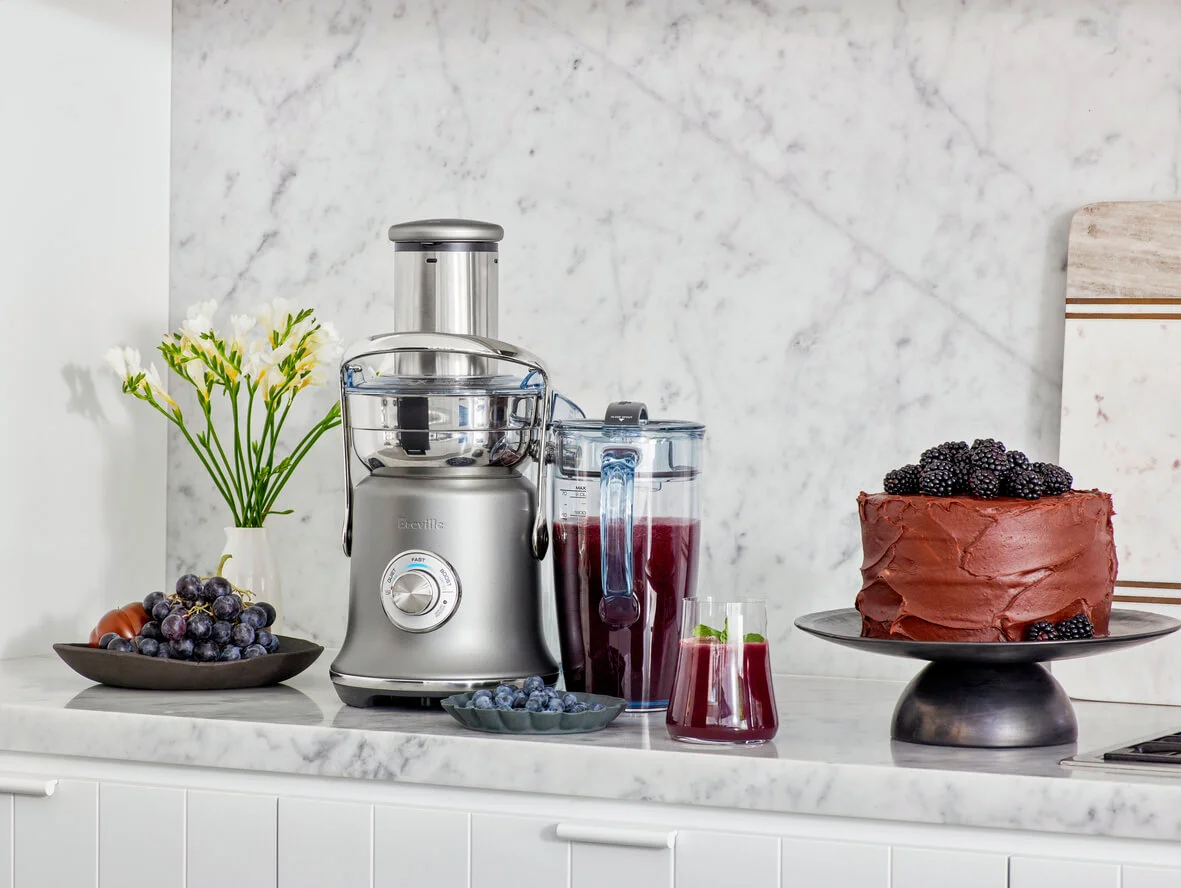
How to make cold-pressed juice at home
Learn the steps to make cold-pressed juice in your own kitchen. This guide covers everything from selecting ingredients to the juicing process. - Beverages
Are soda machines worth it? Exploring benefits
Thinking about buying a soda machine? Learn the pros, cons, and cost savings of making sparkling water and soda at home. - Beverages
How to make a slushie with a blender
Learn how to make a slushie with a blender using simple ingredients. Refreshing, fun, and ready in minutes—perfect for any season! - Beverages
Tea water temperature: Best settings for every tea
Learn the best water temperatures and brew times for green, black, oolong, and herbal teas. Discover how Breville kettles make it simple. - Beverages

Soda water vs. sparkling water
Confused about soda water and sparkling water? Learn the differences between these fizzy drinks and their unique benefits here. - Beverages
How to use a blender: 6 tips
A blender is one of the most versatile appliances you can use. Read on for everything you need to know about how to use a blender.