A blender is one of the most versatile kitchen appliances, capable of handling everything from morning smoothies to creamy soups.
How to clean a blender: Step-by-step guide
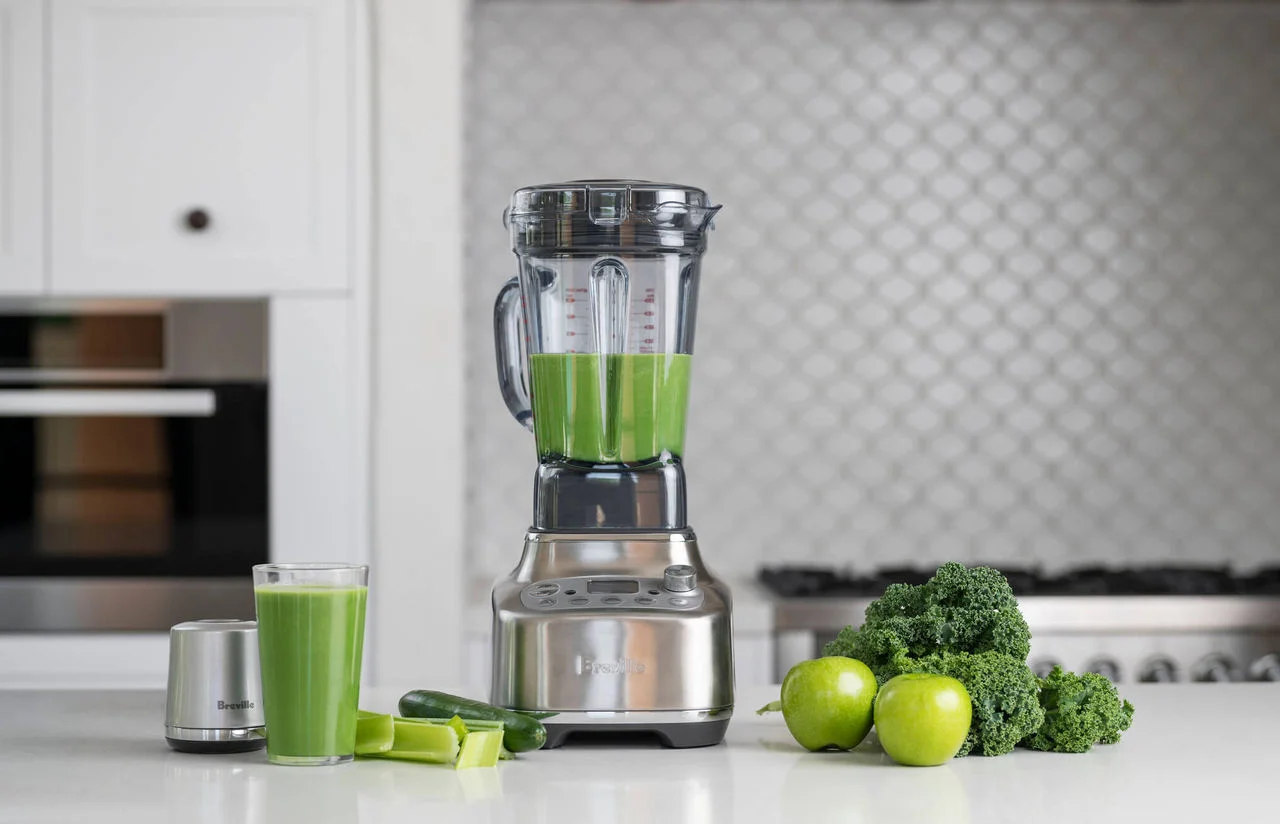
But without regular cleaning, even the best blender can lose its efficiency and develop unpleasant odors. Learning how to clean a blender properly not only helps maintain performance but also keeps every drink or dish tasting fresh.
How often should you clean your blender?
Ideally, you should clean blender components after every use to prevent buildup and keep the blades sharp. A quick rinse and wash will stop residue from drying onto the jar and lid. Every few uses—or when you notice lingering smells or stains—do a deeper clean to restore clarity and freshness. If you make thick blends or recipes that include oils, dairy, or strong spices, more frequent deep cleaning will help avoid long-term staining.
Step-by-step guide: How to clean a blender
Cleaning a blender doesn’t have to be complicated, whether you need a quick rinse after a smoothie or a thorough scrub to tackle stubborn residue. The steps below outline the most effective ways to keep every part of your blender clean, from the jar and blades to the base and control buttons.
Quick clean after every use
If you’re short on time, this method will keep your blender ready for the next round of blending:
1. Rinse immediately – Fill the blender jar halfway with warm water and add a drop of dish soap.
2. Run the cycle – Secure the lid and run on a low or medium speed for 30–60 seconds.
3. Rinse again – Empty the container, rinse thoroughly with warm water, and dry with a clean towel.
This is the easiest way to clean blender parts before any residue sets.
Deep clean for stubborn residue
When you’ve made recipes like nut butter, thick smoothies, or sauces, a deep clean will help remove stuck-on food and restore your blender’s clarity. Food residue left on blender parts can create an environment where harmful bacteria may grow, potentially leading to foodborne illness. Start by separating the jar, lid, gasket, and blades from the base. Fill the jar with warm water and a small amount of vinegar, letting it soak for 10–15 minutes.
Then, use a sponge or soft brush to gently scrub inside the blender jar and around the blades, avoiding any abrasive tools that could scratch plastic or glass. Rinse thoroughly and let each part air dry completely before reassembling. This cleaning method works especially well for Breville blenders, helping maintain their performance and keep every blend fresh.
Before moving on, remember that cleaning doesn’t stop with the jar and blades. Your blender’s base also needs regular care to keep the entire appliance functioning at its best.
How to clean the blender base and buttons
Once the jar and blades are clean, turn your attention to the base. This houses the motor and electrical components, so it should never be submerged in water. Always unplug before cleaning, then wipe it down with a damp cloth and a small amount of mild detergent. For buttons or dials, a soft brush works well to lift crumbs or liquid residue without scratching the surface. Keeping the base and controls clean not only preserves the blender’s appearance but also helps ensure smooth, reliable operation every time you use it.
With the base taken care of, you can focus on restoring your blender to a like-new condition by tackling any lingering stains or odors.
Tips for removing tough stains and odors
Even a clean blender can sometimes hold onto smells from garlic, onion, or strong spices. To refresh:
● Lemon and vinegar rinse – Fill with warm water, add a splash of vinegar and a few slices of lemon, and run for 30 seconds.
● Soak overnight – For stubborn stains, soak the container in a diluted vinegar solution overnight before rinsing.
These tips can also help when switching from savory recipes to sweet ones, like soups to smoothies. While there are plenty of effective cleaning methods, knowing what not to do is just as important for protecting your blender.
What to avoid when cleaning your blender
While cleaning your blender is simple, certain habits can cause damage or shorten its lifespan. Harsh abrasives, like steel wool or rough scrub pads, can scratch the jar. Boiling water may warp plastic containers or weaken seals. And while some blender jars are dishwasher-safe, frequent high-heat cycles can cause wear over time, so always check the manufacturer’s recommendations. Avoiding these pitfalls will help keep your appliance performing at its best.
How to store your blender to keep it clean and functional
A clean blender stays in better condition when stored properly. Make sure all parts are completely dry before putting it away, and keep the lid slightly open to allow air to circulate and prevent trapped moisture. Storing it on the counter makes it easy to reach for daily use, while placing it in a cupboard can help protect it from dust and kitchen grease.
Keep your Breville blender performing at its best
Breville blenders are designed for durability and precision, but proper care will keep them running at peak performance. Regular cleaning prevents buildup around the blades, which can affect blending efficiency. For those who like experimenting with recipes—whether it’s a creamy soup or learning how to make a slushie with a blender—cleaning after each use will keep flavors fresh and the appliance in top shape.
Maintaining a clean blender for every recipe
Knowing how to clean a blender thoroughly and quickly is a must have skill for any home cook. Whether you choose the quick rinse method after a morning smoothie or a deep clean following a hearty soup, keeping the jar, blades, and lid spotless will help preserve both performance and taste. With a few simple steps, the right cleaning method, and regular maintenance, your Breville blender will stay ready for whatever you’re blending next, making every recipe easier, fresher, and more enjoyable.
Sources:
1. Kansas State University Research and Extension. Homemade cleaners. https://www.pottawatomie.k-state.edu/home-family/homemade_cleaners/Homemade_Cleaners_-_16_pages.pdf
2. Mayo Clinic. Food poisoning: Symptoms and causes. https://www.mayoclinic.org/diseases-conditions/food-poisoning/symptoms-causes/syc-20356230