When comparing an immersion blender vs hand mixer, it helps to understand the core differences in design, function, and application.
Immersion blender vs. hand mixer: What's the difference?
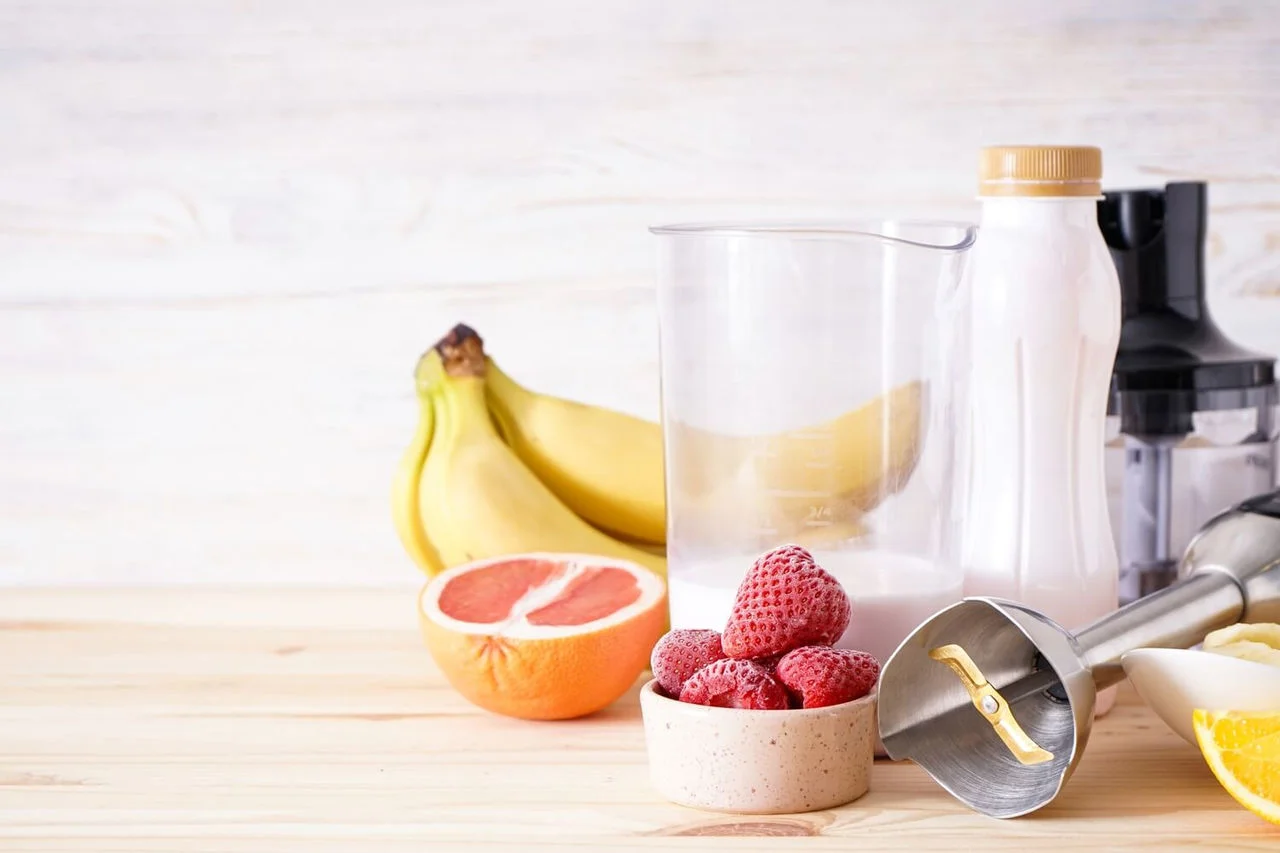
These compact tools serve distinct roles in the kitchen—one built for blending, the other for mixing. Identifying which appliance fits your cooking habits can improve efficiency and deliver more consistent results.
Key differences between immersion blenders and hand mixers
While both appliances are handheld and compact, they’re not interchangeable. Their core functionalities, features, and ideal use cases vary significantly.
Design and build
The physical design of each appliance informs how and where it’s best used. Understanding these differences can help you determine what suits your cooking style.
An immersion blender—also known as a hand blender or wand blender—features a long shaft with a blade attachment at the end. It is designed to be submerged directly into ingredients. Most models are slim and lightweight, ideal for blending in a pot, cup, or bowl.
In contrast, a hand mixer is designed for aerating and combining. Its beaters rotate at various speeds, offering control over texture when mixing thicker or drier ingredients.
Power and speed settings
Both appliances offer variable speed settings, but they’re tailored for different tasks.
Immersion blenders typically have fewer speed options, but they’re optimized for blending liquids and soft solids. The best immersion blender models may offer a turbo function for tougher ingredients or include multiple blender settings to control consistency.
Hand mixers, on the other hand, generally offer a wider range of speed options—ideal for adjusting texture when working with whipped cream, batters, or egg whites. Choosing the right appliance can also help reduce energy consumption in the kitchen when used efficiently.
Attachments and versatility
When it comes to flexibility in the kitchen, attachments can expand the capabilities of both appliances.
Immersion blenders often come with interchangeable heads, such as:
● Blender attachments
● Whisks
● Potato mashers
● Food chopper or processor attachments
While they won’t handle large-scale chopping or dough kneading, they’re useful for quick tasks without a full appliance.
Hand mixers also offer attachments, including:
● Whisks
● Dough hooks
● Basic beaters
Cleaning and storage
Cleaning and storing your appliance shouldn’t be a chore. Fortunately, both options are relatively easy to maintain.
Immersion blenders are typically the more compact of the two. The wand detaches, allowing for quick rinsing or dishwasher use. Their slim profile makes them ideal for kitchens with limited space. Some models, like those from Breville, feature intuitive design touches that make post-use cleanup even more streamlined.
Hand mixers often require more effort to clean, especially if batter gets into hard-to-reach spots. However, many models include a case or clip for cord storage and accessory organization.
Best uses for each kitchen tool
Different tasks call for different tools. Here’s when to use each appliance for the best results.
When to use an immersion blender
There are many uses for immersion blenders, but this tool is best suited for blending soft or liquid ingredients directly in the vessel you’re using to cook or serve.
Reach for your immersion blender when you’re:
● Making soup and want to puree directly in the pot
● Blending smoothies or protein shakes in a single-serve cup
● Preparing emulsified sauces like vinaigrettes or aioli
● Creating smooth purees from steamed vegetables or fruit
It’s particularly useful for hot preparations where transferring ingredients to a standard blender would be inconvenient or unsafe. The blade design and direct blending motion make it easy to achieve a silky soup, a frothy dressing, or a velvety purée in just seconds. An immersion blender is often the more convenient choice for smaller, single-purpose blending tasks that don’t require chopping or kneading.
When to use a hand mixer
A hand mixer offers consistent results when mixing thicker or aerated ingredients.
Use a hand mixer when you need to:
● Whip cream or egg whites to stiff peaks
● Mix cake or cookie batters evenly
● Incorporate ingredients for frostings or mashed potatoes
● Knead soft dough for breads or rolls (with dough hook attachments)
This tool is ideal for bakers and anyone who frequently works with semi-solid mixtures.
Pros and cons of each appliance
Still weighing your options? Here's a clear breakdown of what each tool offers.
Immersion blender pros
● Great for small batches
● Can blend directly in a pot or bowl
● Easy to clean and store
● Versatile with accessories like whisks and chopper bowls
● Powerful enough for most soft ingredients
Immersion blender cons
● Limited mixing power for dry or thick dough
● Not ideal for incorporating air (e.g., whipping egg whites)
● Less effective for large-volume tasks compared to a food processor
Hand mixer pros
● Ideal for aerating and mixing heavy ingredients
● Useful for a wide range of baking tasks
● Typically offers more speed control
● Compatible with multiple attachments
Hand mixer cons
● Requires a separate bowl for operation
● May be bulkier and more difficult to store
● Not suited for blending or puree tasks
Which one should you choose?
Choosing between a hand blender vs immersion blender depends on how and what you cook most often. If you regularly prepare soups, sauces, or smoothies, an immersion blender offers direct blending and convenience. For baking or mixing thicker ingredients, a hand mixer provides better control and texture.
If your kitchen allows, keeping both tools on hand offers flexibility across a wider range of recipes. Breville designs kitchen appliances with performance and precision in mind, helping you achieve high-quality results at home with confidence.
Sources:
1. U.S. Department of Energy. Reducing Electricity Use and Costs. https://www.energy.gov/energysaver/reducing-electricity-use-and-costs