Water temperature determines whether your tea tastes exceptional or disappointing, yet many home brewers overlook this crucial detail.
Tea water temperature: Best settings for every tea
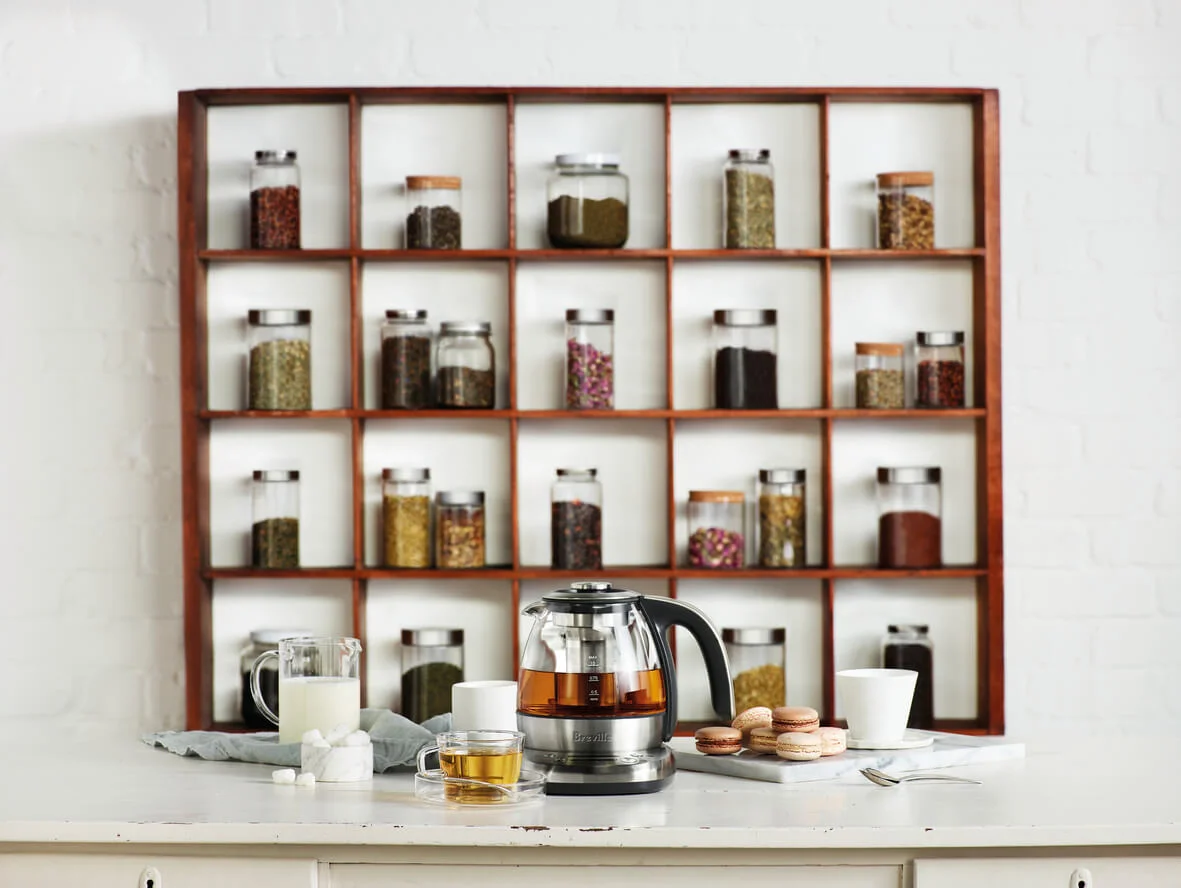
Using the wrong heat can scorch delicate leaves or leave you with weak, flavorless water instead of the rich, aromatic cup you’re after. The right kettles and tea makers can make all the difference, giving you precise control over temperature and consistency.
In this guide, you’ll learn:
● The science behind why temperature matters in tea brewing.
● Ideal brewing ranges for green, white, oolong, black, and herbal teas.
● Practical tips for achieving perfect heat, no guesswork required.
With the right knowledge (and the right tools), you can brew every cup to its full potential, unlocking the true flavor and aroma each tea has to offer.
The temperature range that makes tea taste better
Water temperature is the most important factor in brewing tea properly. Research confirms that temperature has the greatest influence on the concentration of intrinsic components in the tea extract. When hot water contacts tea leaves, it releases compounds at different rates. Too much heat pulls out bitter tannins that overpower the natural taste, while too little heat results in an under-extracted, weak brew.
The ideal temperature for brewing tea depends on the type of leaves being used and helps preserve the essential oils and aromatic compounds that define each tea’s unique flavor.
Recommended temperatures and brew times by tea type
Different teas require specific temperatures, depending on how their leaves are processed. Each tea type requires a different approach to unlock its best flavors:
Green tea
Green tea requires water between 160–180°F and steeps for 2–3 minutes since these unoxidized leaves are delicate and burn easily, including powdered forms often discussed in comparisons between matcha vs. coffee. Scientific studies show that lower brewing temperatures (70-80°C, with 70°C optimal) enhanced umami taste while diminishing bitterness, with extraction rates of bitter compounds decreased by more than 40% while umami compounds increased.
White tea
White tea brews best at 160–185°F for 4–5 minutes because, as the least processed tea, it has subtle, floral notes that need gentle heat. This temperature range works particularly well for silver needle and white peony teas.
Oolong tea
Oolong tea needs water at 185–205°F and steeps for 3–5 minutes, positioning this semi-oxidized tea between green and black tea in strength. Research indicates that oolong tea is brewed at about 200°F and is characterized by multiple brewing times and rich flavor. The exact temperature depends on the level of oxidation of your specific oolong variety.
Black tea
Black tea handles water at 200–212°F for 3–5 minutes because fully oxidized leaves are sturdy enough for near-boiling water without turning bitter. This high heat effectively extracts the deep flavors in English breakfast, Earl Grey, and Assam teas.
Herbal tea
Herbal teas need boiling water at 212°F for 5–7 minutes since these blends contain no actual tea leaves and have no delicate compounds to protect. Full heat is required to extract flavors from flowers, roots, and spices.
Matching your tea to your lifestyle
The right tea can enhance different parts of your day based on your energy needs and mood, especially when you understand the differences between caffeine in tea vs. coffee.
Consider these practical pairings:
● Morning energy: Bold black tea brewed hot provides a strong start to your day.
● Afternoon break: Green or white tea offers lighter, calmer flavors for midday refreshment.
● Evening wind-down: Herbal teas steeped longer create soothing blends perfect for relaxation.
Tips for brewing tea at the right temperature
Getting the perfect temperature is easier than you might think when you start with fresh, filtered water for the cleanest taste possible. If your kettle lacks temperature settings, use a thermometer or watch for visual cues like small bubbles forming for delicate teas or vigorous bubbling for black teas.
Knowing how to use a tea infuser can also make a big difference by allowing leaves to expand properly and release their full flavor while keeping cleanup simple. Once your tea finishes steeping, remove the leaves promptly to prevent bitterness from over-extraction. Feel free to adjust temperatures and times slightly to match your personal taste preferences.
How electric kettles make it effortless
Modern electric kettles and tea makers eliminate guesswork from brewing by offering features designed specifically for tea lovers.
Pre-programmed settings automatically handle green, white, oolong, black, and herbal teas, while hold-temp features keep water at the ideal heat until you're ready to pour. This precision technology helps you achieve consistent brewing at home without the need for manual temperature checks or timing adjustments.
Perfect every cup with Breville
Water temperature and steeping time ultimately define the character of every cup of tea. Paying close attention to these details transforms an ordinary brew into something exceptional.
Breville kettles and tea makers make it simple to achieve that perfect balance. Designed for precision and consistency, they take the guesswork out of brewing so you can enjoy tea exactly as it’s meant to taste: flavorful, aromatic, and perfectly steeped every time. Browse more kitchen appliances to complete your space.
FAQs
What temperature should water be for different types of tea?
Water temperature ranges from 160°F for delicate white and green teas up to 212°F for robust black and herbal teas.
Is 200 degrees too hot for green tea?
Yes, 200°F will scorch green tea leaves and create bitter flavors, so stick to cooler temperatures around 175°F instead.
Does hotter water make stronger tea?
Hotter water extracts compounds faster but often creates more bitterness rather than better flavor, so proper temperature matters more than just heat.
How can I get the right water temperature without a thermometer?
Watch for visual cues like small bubbles for delicate teas or rolling boils for black teas, and let boiling water cool briefly if needed.
Does altitude affect ideal brewing temperature for tea?
Higher altitudes lower water's boiling point, so you may need to use water just as it reaches its local boiling point for teas requiring hot water.
What water temperature works best for herbal tea?
Herbal teas need fully boiling water at 212°F to properly extract flavors from ingredients like flowers, roots, and spices.
Sources:
1. MDPI. Influence of Various Tea Utensils on Sensory and Chemical Quality of Different Teas. https://www.mdpi.com/2223-7747/13/5/669
2. MDPI. Temperature Has the Greatest Influence on the Concentration of Intrinsic Components in the Tea Extract. https://www.mdpi.com/2223-7747/13/5/669
3. PubMed. Elucidating the effect of brewing temperature on the sensory quality of Longjing tea based on multi-scale molecular sensory science. https://pubmed.ncbi.nlm.nih.gov/40547003/
4. PubMed. The chemical basis of aroma/taste and color formation in green tea infusion during cold brewing revealed by metabolomics analysis. https://pubmed.ncbi.nlm.nih.gov/40073559/
5. PubMed. Effects of Brewing Temperature on the Extraction of Flavor Compounds and Sensory Quality of Green Tea Infusions. https://pubmed.ncbi.nlm.nih.gov/40073559/
6. PubMed. Effect of Brewing Temperature on the Sensory Quality and Chemical Composition of Green Tea Infusions. https://pubmed.ncbi.nlm.nih.gov/40547003/