Home baking has made a major comeback, and with it, the debate over the best way to bake the perfect loaf.
Bread machine vs. oven: Which is better?
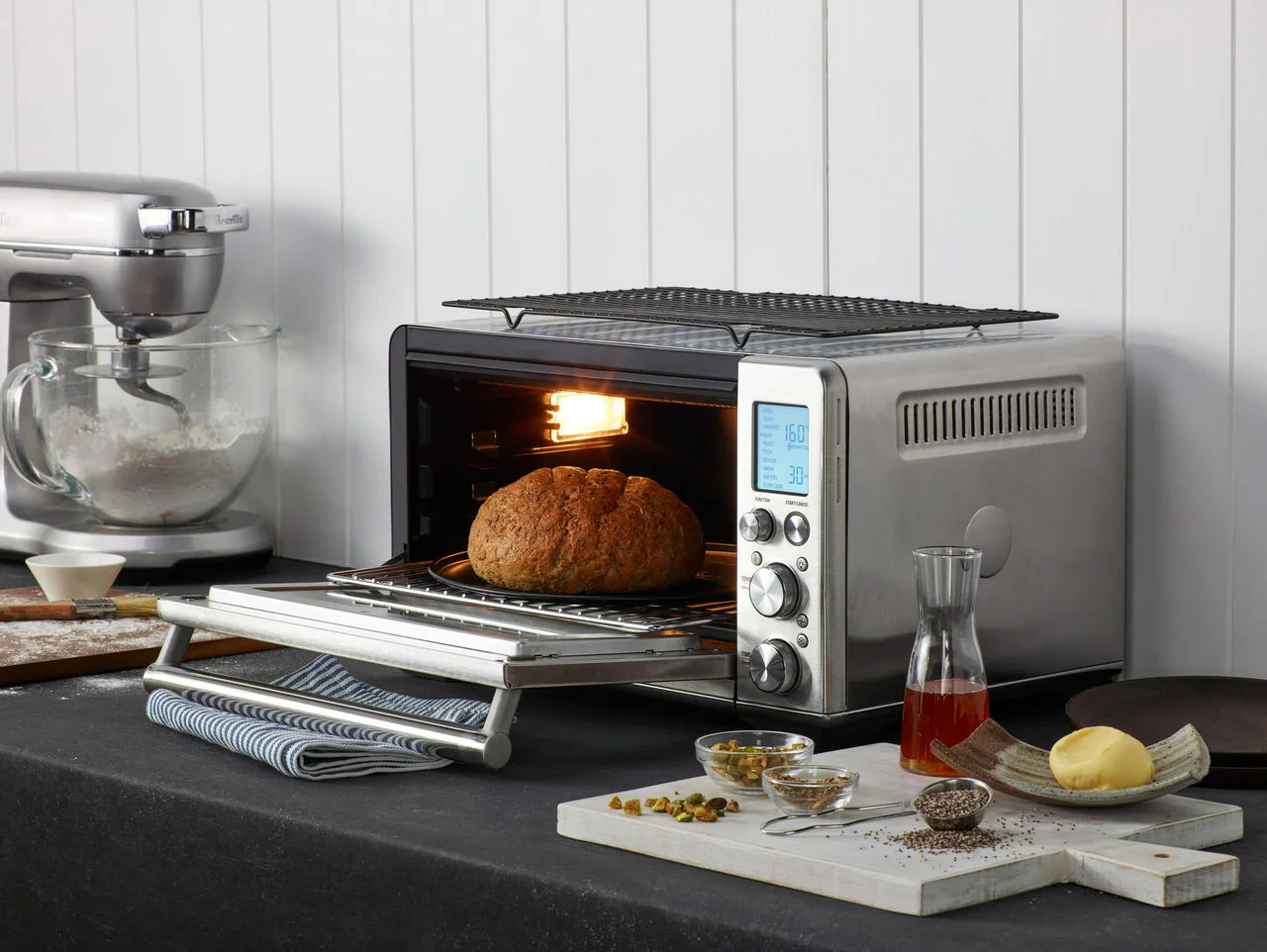
Should you rely on the precision and simplicity of a bread machine, or go for the hands-on control of the oven? Bread makers have surged in popularity thanks to their convenience, but traditional oven baking continues to hold a certain allure for seasoned home bakers.
In this guide, we’ll break down the key differences between using a bread machine vs. an oven, and help you choose the best method based on your goals, lifestyle, and experience.
Components of a bread machine vs. an oven
Understanding how each appliance works sets the stage for comparing their strengths and limitations.
How each works
A bread machine is a self-contained appliance that automates the process of mixing, kneading, rising, and baking. You simply add the ingredients to the pan, select a setting, and let the machine complete the cycle. Most bread makers offer programmable options for different recipes, dough types, and crust preferences.
An oven, on the other hand, requires a more manual approach. From kneading the dough to monitoring proofing and controlling temperature, the process relies on the baker’s skill and attentiveness. Many bakers prefer this method for the tactile experience and custom results.
Key components (kneading, rising, baking)
Bread machines handle all three stages—from kneading and rising to baking—in one container. This offers a streamlined solution, especially for those short on time or new to baking. Each stage plays a critical role in determining the structure, texture, and flavor of the finished loaf.
With the oven method, each stage is separate. You might mix the dough by hand or with a mixer, proof it in a bowl, shape the loaf, and then transfer it to a preheated oven. This approach gives you greater control but requires more steps and cleanup.
Pros and cons of using a bread machine
Bread machines have made home baking more accessible, but they come with trade-offs.
Limitations in bread types and texture
Bread machines excel at producing consistent sandwich-style loaves—ideal for everyday slicing and soft crusts. They’re a smart choice for those who want to avoid over-processed grocery store breads but don’t necessarily need an artisan-style bake. However, these machines limit you to a loaf shape.
While convenient, bread machines can have limitations. The crust may be lighter, and the loaf shape is often square or vertical, depending on the pan. Some users report that bread machine bread is too dense when using whole grain flour or custom recipes. Additionally, the fixed cycle can make it harder to tweak texture or structure mid-process.
Convenience and consistency
A major advantage of a bread machine is consistency. Add the right ratio of flour, yeast, and liquid, press a button, and get a fresh loaf in a few hours. It’s especially helpful for those who want to bake bread regularly without the mess.
Time-saving features
Bread makers are built for busy schedules. Many models include a delay timer so you can set the machine at night and wake up to fresh bread in the morning. The mixing, kneading, and baking processes are automated, freeing you up for other kitchen tasks.
Pros and cons of baking bread in an oven
Baking in an oven offers a more traditional experience, often preferred by passionate home bakers.
Flavor and crust control
An oven allows you to control every stage of the process, from fermenting the dough to introducing steam for a golden, crackly crust. Using a Dutch oven traps humidity during the initial bake, which helps the crust stay flexible during oven spring, leading to better expansion and that signature crisp finish. This moisture also enhances flavor development, especially in breads with long fermentation.
Flexibility with recipes
Oven baking supports a wider range of recipes: rustic loaves, baguettes, rolls, pizza dough, and even wheat bread with long fermentation times. You can shape the loaf by hand, experiment with scoring techniques, or try sourdough variations.
Time and skill requirements
The downside? Oven baking sometimes requires more attention and patience. The time and skill required will depend on the type of bread—for example, many oven-baked breads require minimal effort, such as no-knead types. However, there are other oven-baked breads that are more difficult, requiring gluten strength or flavor development techniques. The upside of this difficulty range is that it provides the opportunity for you to grow your skill set.
Taste and texture: How do they compare?
No two loaves are quite the same, and the method you choose impacts the final product.
Crust differences
Bread made in a bread machine often has a soft, even crust, which may lack the chew and crispness of an oven-baked loaf. In contrast, oven baking gives you more control over crust thickness, color, and texture, especially when using steam or higher heat settings.
Rise and crumb structure
An oven-baked loaf typically has a more open crumb and greater rise, due to longer fermentation and flexible shaping. Bread from a machine can be more uniform and compact, as it follows a preset kneading and proofing schedule. Convection bake vs. bake settings in modern ovens can also affect the crumb, giving bakers more ways to customize the outcome.
Which one feels more “artisan”?
For those aiming for a hand-crafted, artisan-style bread, the oven is the clear winner. It allows for creative shaping, scoring, and baking methods that simply aren’t possible in a machine. That said, high-end bread machines have come a long way—and they’re ideal for reliable, everyday bread that’s perfect for sandwiches or toast, without the time investment of artisan baking.
Which method is right for you?
Choosing between a bread machine and an oven depends on what type of bread and lifestyle you want to achieve.
Your ideal bread type will help determine the best method:
● For soft, sandwich-style loaves: A bread machine is the easiest way to get consistent results with minimal effort.
● For crusty, artisan-style bread: The oven—especially when using a Dutch oven or pizza stone—offers better control over crust, crumb, and flavor development.
Now, think about how bread fits into your daily routine.
● If you want a simple, preservative-free alternative to store-bought bread: A bread machine is a convenient solution that saves time and produces reliable results.
● If you love artisan bread but don’t have easy access to a quality bakery—or want to avoid the price tag: Baking in the oven lets you recreate bakery-level loaves at home with greater control over ingredients and technique.
Beginner vs. experienced bakers
Both methods can work for any skill level—it really depends on the kind of baking experience you want.
● Bread machines are perfect for beginners who want an easy entry point into breadmaking.
● Oven baking suits both newbies and seasoned bakers, especially those who want to experiment with different styles, techniques, and shaping methods.
● If you're only interested in standard loaf-style breads, the bread machine offers unmatched ease. But if you prefer rustic rounds, baguettes, or flatbreads, the oven is the more versatile choice.
Time and lifestyle considerations
A bread machine simplifies the process for busy professionals or parents. You can set it and walk away. If you enjoy slower, weekend baking sessions, the oven gives you more opportunities to experiment and refine your technique.
Budget and kitchen space
Bread machines range in price, and while they save time, they do take up counter or cabinet space. If your kitchen is already crowded, consider how often you'll use it. Conversely, the oven is already a fixture, and adding tools like a Dutch oven or pizza stone is a flexible, space-saving alternative to buying a second appliance.
Choosing the best way to bake bread at home
So, bread machine vs oven: which should you choose? The answer depends on how you like to bake, how much time you can commit, and what type of bread you want to create. For convenience and consistency, a bread maker delivers fresh loaves with minimal effort. For crust lovers and hands-on bakers, the oven offers complete control over every element of the process.
Breville offers thoughtfully engineered kitchen appliances on both sides—whether you're looking for a high-performing bread maker or precision tools for oven baking, making it easier to find a setup that suits your style. Whichever path you take, the best results come from knowing your ingredients, your tools, and your taste. And with either method, the reward is the same: warm, homemade bread, fresh from your kitchen.
Sources:
1. Serious Eats. Breadmaking 101: The Science of Baking Bread (and How to Do It Right). https://www.seriouseats.com/breadmaking-101-the-science-of-baking-bread-and-how-to-do-it-righ