Kneading is what transforms simple ingredients into dough with structure, strength, and lift.
How to knead dough: Mixers & food processors
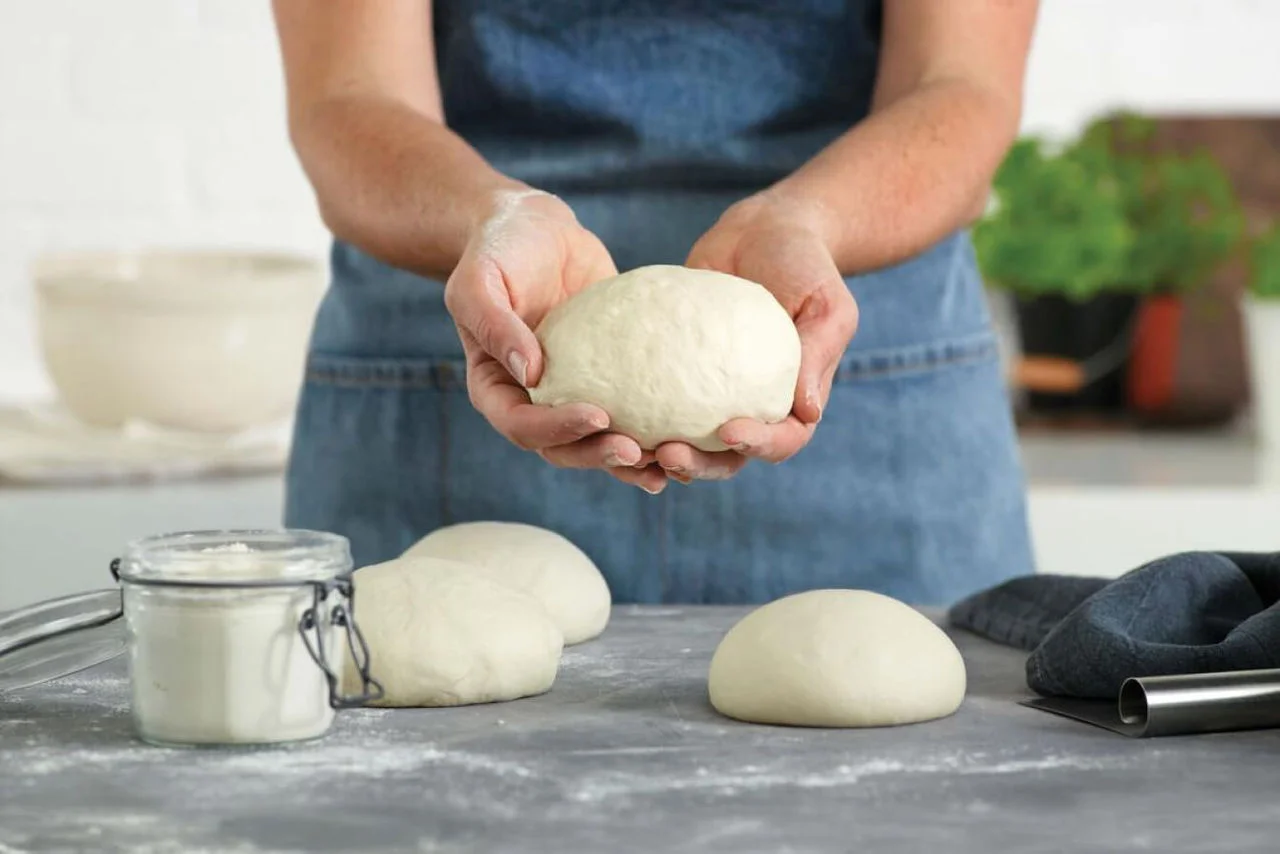
Whether you’re working by hand, using a stand mixer, or relying on a food processor, each method develops gluten in its own way, and choosing the right approach can determine whether your bread turns out dense or beautifully airy.
This guide will cover:
● Why kneading matters for gluten development
● How to knead dough by hand
● Stand mixer techniques for consistent results
● Food processor methods for quick dough preparation
● How to tell when dough is fully kneaded
● Common pitfalls and how to avoid them
With a better understanding of how each method works, you’ll be able to match your technique to the dough you’re making and achieve reliable, bakery-level results at home.
What does kneading dough actually do?
Kneading is the process of working dough to develop gluten, the protein network that gives bread its structure and chew. When you mix flour with water, two proteins combine to form gluten strands that need organization through physical motion. After mixing, the dough creates a continuous gluten network that determines the dough's final texture and how it behaves.
This gluten network traps gas from yeast, allowing your dough to rise properly. Without proper kneading, the result is dense, flat bread instead of a light, airy texture. This is a common issue when your bread machine bread is too dense.
How to knead dough by hand (step-by-step)
Hand kneading gives you direct control over the dough’s development, letting you feel exactly when the texture changes from sticky and rough to smooth and elastic.
Steps
Start by bringing your dough together into a rough ball on a lightly floured surface. Press the dough away from you using the heel of your hand, then fold it back over itself and give it a quarter turn. Repeat this push-fold-turn motion continuously.
Tips
Several key points will help ensure successful hand kneading:
● Light flour dusting: Use just enough flour to prevent sticking, but avoid adding too much, or your bread will be dry
● Rhythmic motion: Find a steady pace that feels comfortable and stick with it
● Rest when needed: If the dough becomes overly elastic and difficult to work with, let it rest for five minutes
● Proper hygiene: Wash your hands with warm water and soap before and after using raw flour
Timing
Hand kneading typically takes eight to ten minutes, during which you’ll notice the dough transform from shaggy and sticky to smooth and stretchy.
Signs it’s ready
Your dough is properly kneaded when it has a smooth surface and springs back when poked. The most reliable check is the windowpane test, which involves stretching a small piece of dough until it is thin enough to see light through without tearing.
How to knead dough with a stand mixer
A stand mixer handles the work for you. It’s especially useful for sticky doughs or when you’re making multiple loaves, and its consistent power helps ensure even gluten development throughout the process.
Steps
Attach the dough hook and start on low speed to bring the ingredients together. Once the dough forms, increase the speed to medium-low and let the mixer work until the dough pulls away from the sides of the bowl.
Timing
Stand mixer kneading takes about five to seven minutes when you are kneading dough in a stand mixer, depending on your recipe and machine power.
Benefits
This method excels with high-hydration doughs that would be difficult to handle by hand. Mixers play a crucial role in the efficient mixing of dough for bread and pasta production, providing time savings and ensuring a more consistent dough texture compared to traditional hand mixing methods. Quality stand mixers provide the consistent torque needed for even the stickiest bread doughs.
How to knead dough with a food processor
Food processors offer the fastest kneading method, perfect when you’re short on time. This technique works especially well for pasta dough and pie crusts that require less gluten development.
Steps
Use the dough blade if available, or the standard metal blade. Pulse ingredients until they come together, then process briefly until the dough forms a ball and pulls away from the bowl.
Timing
Food processor kneading is fast, typically taking only sixty to ninety seconds of processing time.
Tips
Watch carefully to avoid overheating the dough, as the fast blade can generate heat that damages yeast. Modern food processors handle this task efficiently with short bursts of power.
How to tell when dough is kneaded enough
Recognizing properly developed dough is essential, especially when you’re learning how to make homemade pizza dough or tackling any recipe that relies on the right gluten structure. The dough’s texture and behavior are the clearest indicators of when it’s ready.
Under-kneaded dough tears easily and struggles to hold its shape, while over-kneaded dough becomes tight and may even break apart when stretched.
Common kneading mistakes
Even experienced bakers can slip into habits that compromise an otherwise great loaf. If the dough isn’t mixed long enough, the flour and water won’t fully combine, which leads to weak gluten development and a rough, uneven texture.
The most frequent mistakes include:
● Adding excess flour: Too much flour creates dry, dense bread. Use a bench scraper to manage sticky dough instead of adding more flour.
● Over-mixing with machines: Stand mixers and food processors are powerful, so watch your dough closely
● Ignoring rest periods: Tight, resistant dough needs five to ten minutes to relax before continuing
Bringing it all together
Learning how to knead dough, whether by hand or with the help of kitchen appliances, gives you the foundation to make everything from rustic loaves to pizza and pastries. Regardless of the method you use, the goal remains the same: to develop a strong, elastic gluten network that gives your dough its structure.
With practice, you’ll begin to recognize the look and feel of well-kneaded dough, a skill that makes homemade baking far more intuitive. And if you prefer the ease and consistency of appliances, Breville’s stand mixers and food processors can support the process while still giving you the control needed for great results. Once you understand the fundamentals, it becomes easier to experiment with new recipes and dough styles.
Sources:
1. Centers for Disease Control and Prevention (CDC). Salmonella Outbreak Linked to Flour - March 2023. https://www.cdc.gov/salmonella/outbreaks/infantis-03-23/index.html#guide-what-you-should-do
2. MDPI. Dynamic Study on Water State and Water Migration during Gluten–Starch Model Dough Development under Different Gluten Protein Contents. https://www.mdpi.com/2304-8158/13/7/996
3. National Center for Biotechnology Information. Real-Time Monitoring of Dough Quality in a Dough Mixer Based on Current Change. https://www.ncbi.nlm.nih.gov/pmc/articles/PMC10855332/