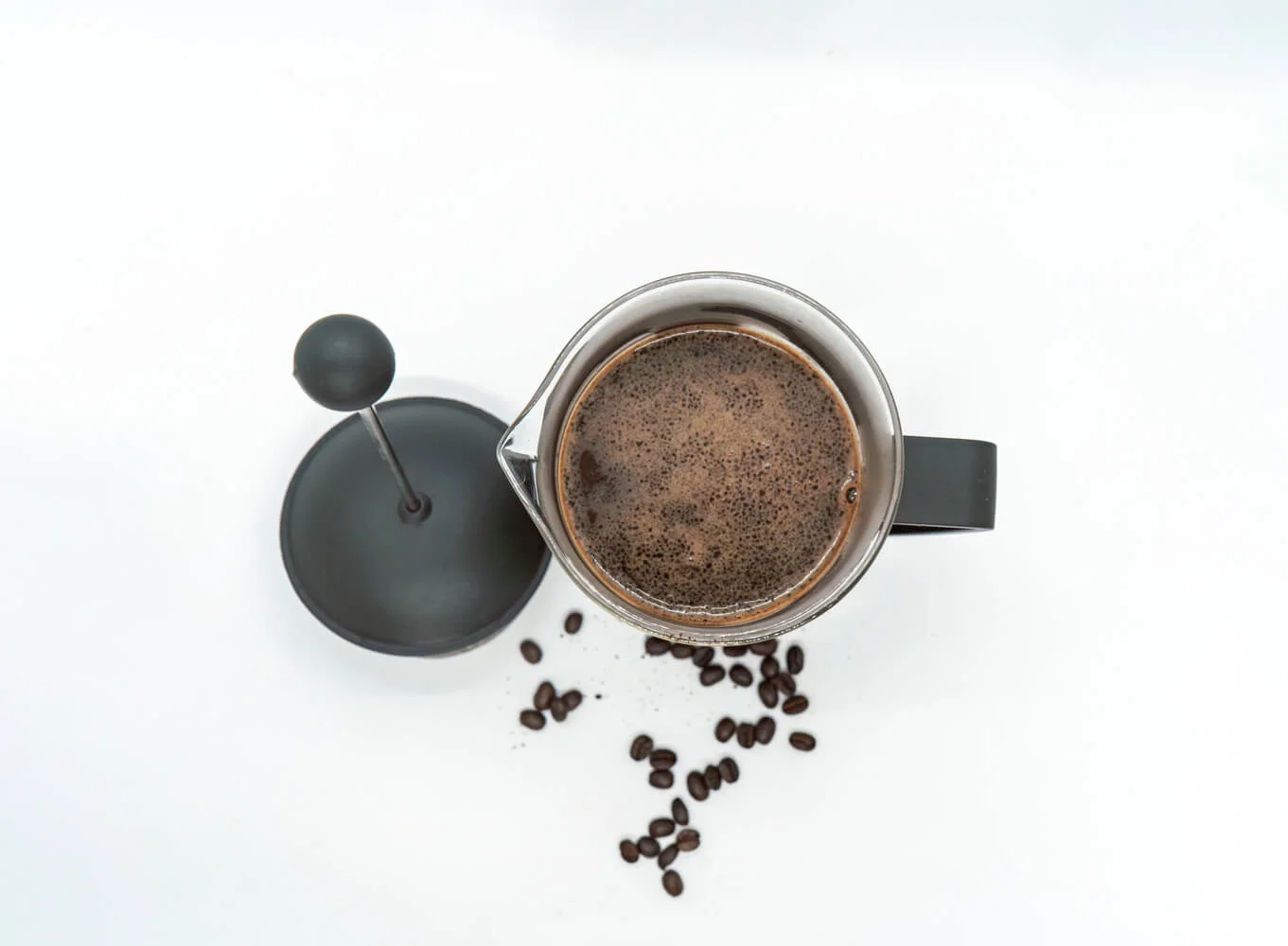
Different grind sizes and what they’re used for
When it comes to grinding coffee, size matters. Everything falls between a fine and coarser grind, and the grind size will help you get hte best flavor profile out of your beans. The type of coffee will typically determine the coffee grind size that you need. For example, if you’re making espresso, you’ll use finer grounds than brewing in a French press.
Most coffee grind charts show five types: coarse, medium coarse, medium, medium fine, and fine. Let’s take a closer look at these and when you might use them:
● Coarse grind – This grind is excellent for a percolator or French press. Hence, coffee brewing methods that require a longer soak. Its rough and chunky texture is similar to the consistency of sea salt.
● Medium coarse grind – This grind is a little less chunky than the coarse grind. A medium coarse grind works well for pour-over brewing methods, like a Chemex or even an Aeropress.
● Medium grind – This middle-of-the-road grind has a sand-like texture and is perfect for coffee makers, siphon brewers, or drip brew styles.
● Medium fine grind – Perhaps one of the most popular grind sizes due to its versatility, a medium fine grind can be used for most pour-over styles.
● Fine grind – This grind has a flour-like quality and is perfect for Turkish coffee and espresso due to its ability to compact tightly.
This is a basic framework for grinding beans to meet most traditional standards of coffee. Still, we encourage every coffee lover to experiment with different grind sizes and brewing methods.
Now that we have a basic idea of the various grind sizes let’s explore different ways to grind beans.
Methods for at-home coffee grinding
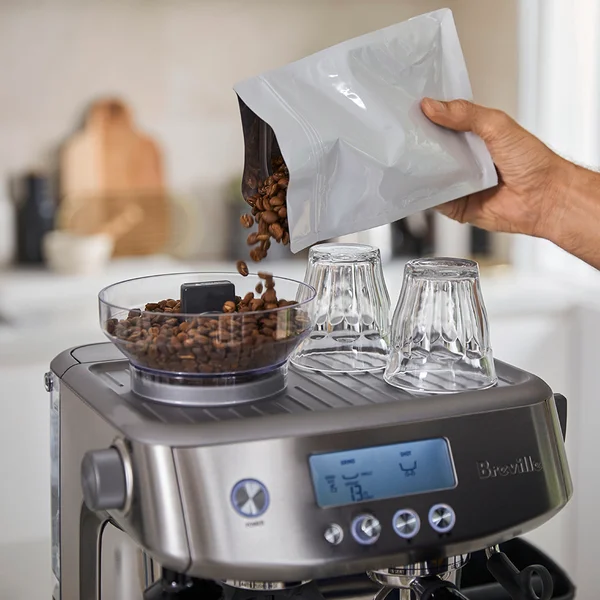
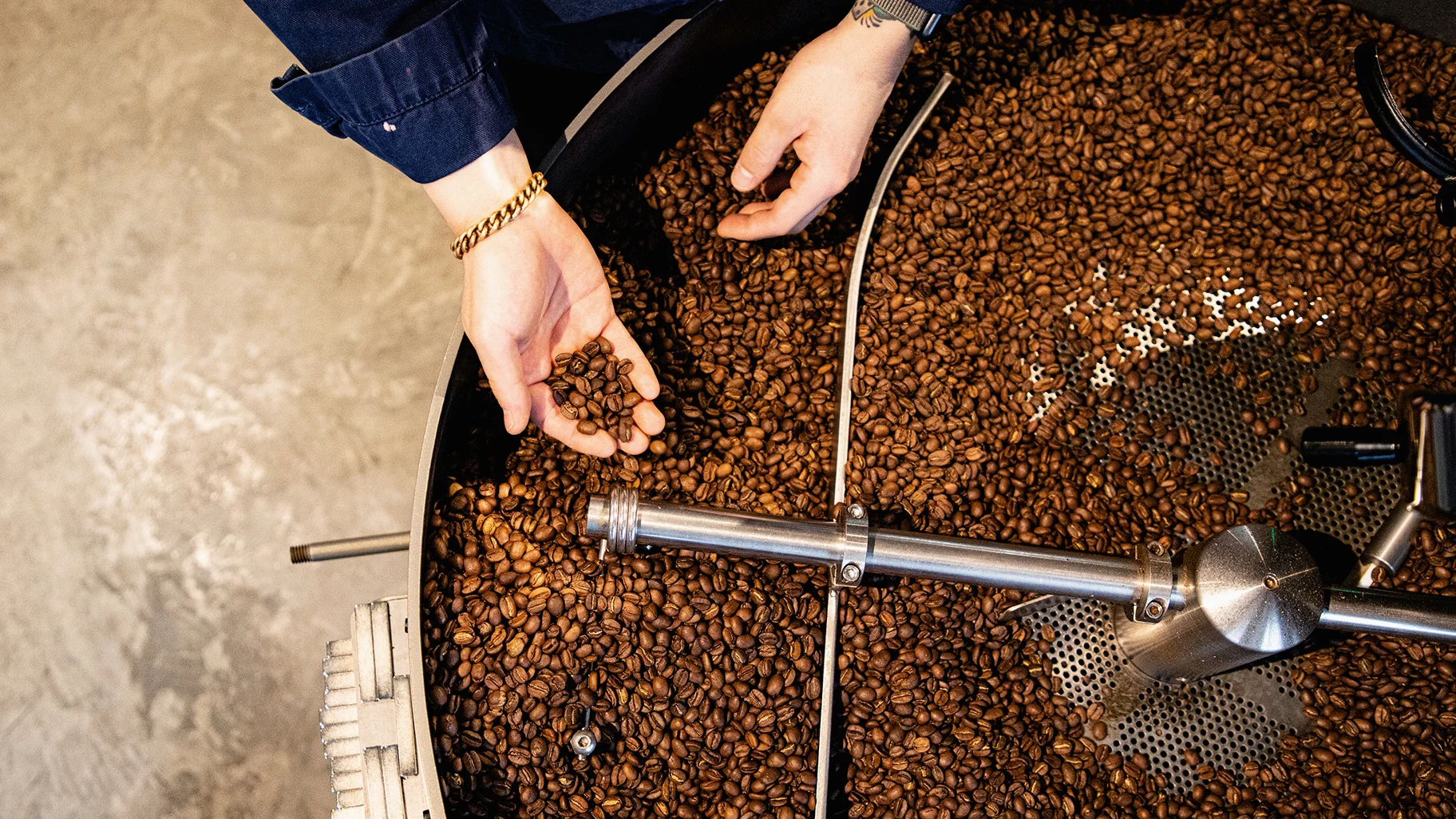
Grinding your own coffee beans at home can be a game-changer. Home grinding gives you control over grind size and allows you to explore the diverse world of coffee beans. Perhaps most importantly, however, grinding your own coffee beans ensures freshness, taste, and a captivating aroma since it’s the grinding process that releases the oils and gasses within the bean that give coffee its flavor and aroma.
Typically, the vast majority of people will use one of two types of coffee grinders for this task:
Burr grinder: The barista’s choice
A burr grinder uses two abrasive surfaces—known as burrs—to uniformly grind coffee beans. These burrs are also adjustable, meaning you can change the size of your grounds to best suit your preferred brewing method and coffee machine. For instance, you can choose a coarse grind for French press coffee, a medium grind for pour-over coffee, or a fine grind for your at-home espresso machine.
You can also choose between an automatic burr grinder, which works with the push of a button, or a manual burr grinder, which requires hand cranking. While manual grinders typically have a longer lifespan than their automatic counterparts, it comes at an additional cost.
Alongside versatility, burr grinders offer the following benefits:
● Consistency – A uniform grind size results in a more balanced extraction.
● Enhanced flavor – A lower operating speed and heat ensure that the coffee grounds retain their flavor and aroma.
● Durability – Though pricier than other grinders, the burr coffee grinder is built to last.
Blade grinder: The economical option
As the name suggests, blade grinders chop coffee beans using a single blade. If you’re less concerned with the size and uniformity of your coffee grounds, blade grinders are an excellent home grinding option as they offer:
● Affordability – They’re budget-friendly, costing less than burr grinders.
● Convenience – They’re compact and easy to clean.
● Ease of use – Grinding is as simple as pressing a button.
See related: How Long Do Coffee Beans Last?
Is it worth grinding your coffee beans?
For the home barista who wants the finest flavor and freshest brew, the answer is undoubtedly yes. But obviously, it’s a decision you have to make for yourself. There are a few undeniable benefits to grinding your own coffee, like that delectable fragrance and intoxicating aroma, the freshness and control over the grind. Above all, it’s the ritual that becomes a sacred part of every coffee lover’s life.
It’s not for everyone, but it’s definitely for us. Still, if you prefer not to grind your own beans at home for whatever reason, you can often purchase coffee beans from your favorite local shop and ask them to grind them in-house.
Grind smarter, not harder with Breville's advanced grinders
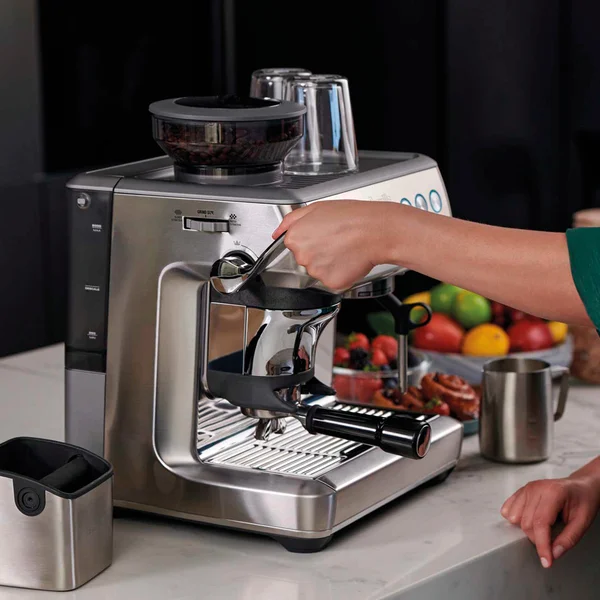
Now that you have a basic understanding of different grind sizes and how to grind coffee using various tools and tricks let us introduce Breville’s Smart Grinder Pro and the Dose Control Pro.
If you’re wondering how long to grind coffee beans, no worries. These blade grinders come with over 60 preset grind settings, each with adjustment control down to the second. Both grinding mechanisms are operated by stainless steel conical burrs that preserve the coffee bean’s essential oils and reduce grinding heat.
If you want to take your coffee game to the next level, look no further than Breville Master—and get the right grind every time.
Sources:
Masterclass. How Grind Size Affects Coffee Flavor - 2022 - MasterClass. https://www.masterclass.com/articles/coffee-grind-size-chart
Harvard T.H. Chan School of Public Health. The Nutrition Source: Coffee. https://www.hsph.harvard.edu/nutritionsource/food-features/coffee/