How are flat whites, cappuccinos & lattes different?
There are a number of classic espresso-based beverages that have been popular among coffee consumers for decades. Three of the most prominent are the latte, the flat white, and the cappuccino.
While all three of these beverages are made from the same ingredients – espresso and milk – they still have noticeably different flavors and textures. So, what sets them apart?
Read on to learn more about the composition of these classic coffee drinks, and what you should keep in mind when preparing them.
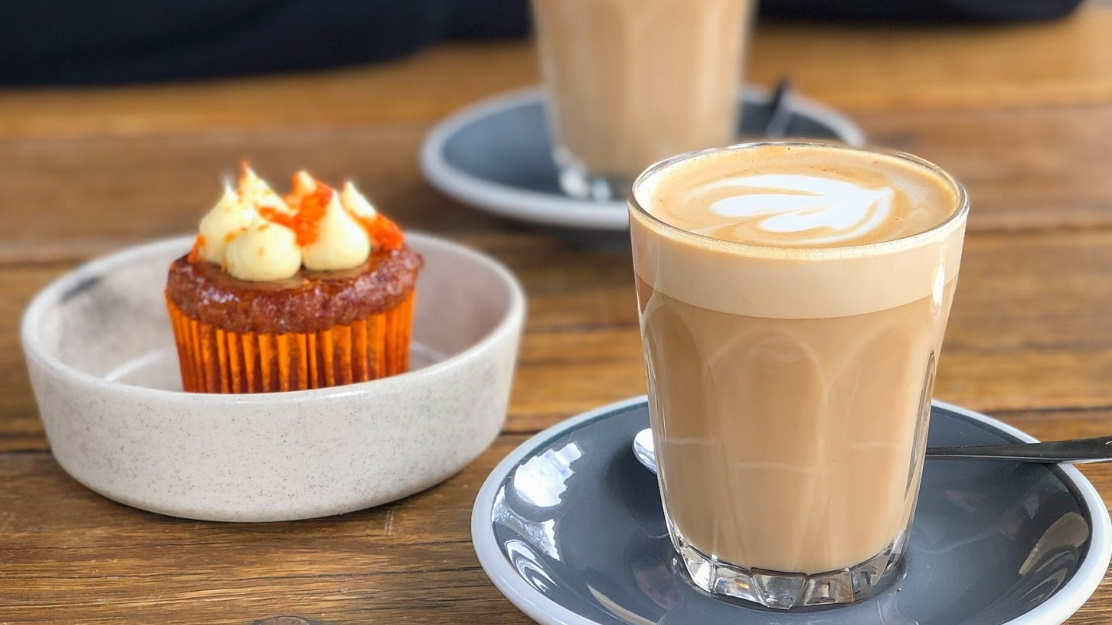
The history of the flat white, cappuccino, & latte
Even though the makeup of these three drinks is the same, each beverage comes from somewhere different and has its own unique history.
The cappuccino can actually be traced back to the 19th century coffeehouses of Vienna, where it was named the “kapuziner”. Brewed coffee would be mixed with milk until its color reached a shade of brown similar to the robes of the Capuchin monks – supposedly an indication of “strength”.
However, it wasn’t until the early 1900s, when espresso machines started to become more popular, that the name “cappuccino” was coined. Since then, the drink has become a coffee shop staple with its thick layer of milk microfoam.
The latte also traces its origins back to Europe – specifically to late 19th century Italy. The caffè latte was prepared in areas where American tourists often visited, as they were generally unaccustomed to the intense taste of espresso. Steamed milk was added to create a smoother, more palatable beverage.
Unlike the cappuccino and the latte, the flat white doesn’t originate from Europe – instead, it comes from Oceania. However, to this day, there is a fierce debate between Australian and New Zealand cafés over which country first created the drink.
Throughout the 1960s and 1970s, many Australian consumers ordered espresso-based drinks which were referred to as “white coffees”, served “flat”. This was used to refer to a long black (espresso poured over a small volume of hot water) with added milk.
In 1985, Sydney café owner Alan Preston claimed he served the first “official” version of the drink after a customer mistakenly ordered a “flat white”.
Its true origin, however, remains contentious. Coffee professionals from New Zealand instead claim the drink can be traced back to Wellington.
In the city, coffee consumers would supposedly request “flat milk” for their cappuccinos, as opposed to the large domes of foam that were common in cafés during the 1980s and 1990s.

Milk and espresso ratios
One of the most significant differences between the cappuccino, flat white, and latte is the ratio of milk to espresso.
In many cafés around the world, most milk-based coffee drinks are made with around 36g to 40g (1.5oz.) of espresso – a standard “shot” from 18 to 20g of coffee. It is how much milk is mixed with this espresso that changes the end result.
Let’s start with the cappuccino. A common belief about the cappuccino is that it is a drink of thirds: one third espresso, one third steamed milk, and one third foamed milk. Officially, the Specialty Coffee Association defines the cappuccino as, “a “5–6oz. coffee and milk beverage that should produce a harmonious balance of rich, sweet milk, and espresso”.
These ratios may vary depending on where you are in the world, but they are a good guideline. You should balance the microfoam and steamed milk with the espresso to achieve that classic flavor.
A latte uses the same amount of espresso as a cappuccino – the key difference is actually the increased volume of milk. Lattes start at 6oz, but can be 8oz. or higher, with all of the difference in volume made up of steamed milk. In comparison, a cappuccino is just 5 to 6oz. by standard. This means the taste of the espresso is more mellow in a latte.
Finally, the flat white. Much like a cappuccino, flat whites are generally 5 to 6oz., and use the same amount of coffee and milk.
However, with each of these beverages, it’s not just the volume of the milk that makes the difference – it’s also how you texture it. Keep reading to learn more.

Steaming milk
For flat whites, cappuccinos, and lattes, milk texture is an instrumental part of what makes each beverage unique.
Both lattes and flat whites contain around 0.2 inches of microfoam – thickly textured or “foamy” milk that is made by injecting air into the liquid while you heat it using a steam wand.
As temperature increases, the proteins in the milk denature, and fat molecules surround them. This creates a stable foam that sits on top of the steamed milk.
Cappuccinos have much more foam than lattes and flat whites, which changes the texture and mouthfeel of the beverage. In fact, according to the SCA, cappuccinos should contain at least 0.4 inches of foam at the top of the cup – twice as much as a latte or flat white, if not more.
However, because this is only a minimum, many baristas and consumers interpret the required level of foam differently – which is why the exact ratio will vary depending on where you are in the world.
To steam milk for lattes and flat whites, you should incorporate less air into the liquid, which helps to maintain a smaller amount of microfoam as you steam. Conversely, to create more microfoam for your cappuccino, increase how much air you inject into the milk as it heats. The more air you add, the more rigid and thick the foam will be.
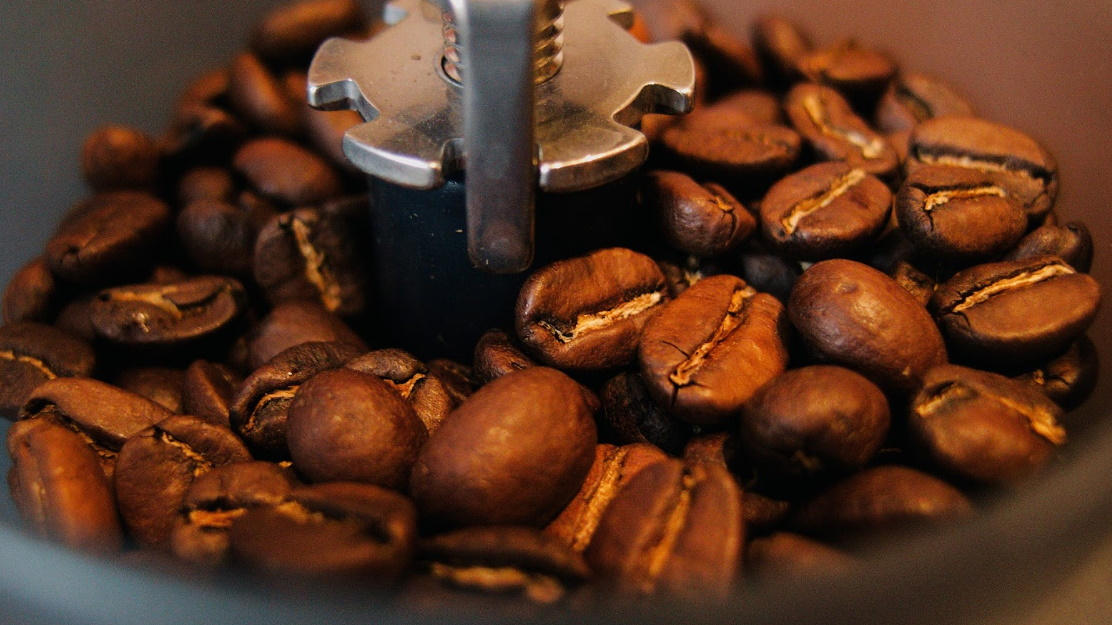
Choosing the right beans
The differences in milk volumes and textures impact the flavor and texture of each individual beverage.
As lattes contain more milk, using a coffee that can “cut through” the thick, creamy sweetness of the milk is important. The naturally occurring fats and sugars in steamed milk can sometimes mask the innate flavor of the coffee.
Coffees from South America or Southeast Asia tend to have more pronounced flavors, like chocolate, nuts, and even spices. Using beans from these origins may help you punch through the thickness of the latte and stand out.
In contrast, Central American or African coffees (which are often more delicate and sweet) are often better suited to smaller milk beverages like the flat white and cappuccino.
Whatever beverage you like best, understanding the differences between the latte, cappuccino, and flat white will help you make more informed decisions. Experiment with different textures, flavors, and coffees to find your perfect beverage.
Related Articles
- Coffee & Espresso
Most common types of coffee roasts
Coffee gets a lot of its flavor during the roasting process. Discover our guide on the different types of coffee roasts to decide which flavor profile you prefer. - Coffee & Espresso

How are flat whites, cappuccinos & lattes different?
There are a number of classic espresso-based beverages that have been popular among coffee consumers for decades. Three of the most prominent are the latte, the flat white, and the cappuccino. - Coffee & Espresso

The coffee extraction process: A complete guide
To achieve the perfect cup of coffee, mastering coffee extraction is key. Discover our guide on everything you need to know about the coffee extraction process. - Coffee & Espresso

Milk frother vs. steamer: A home barista's guide
Compare milk frother and steamer to find your ideal choice. Understand the differences for the perfect coffee at home. - Coffee & Espresso

Ristretto vs Long Shot: How are They Different?
Ristretto vs. long shot. Out of these two, which is the better espresso drink? Learn more about the differences between each drink here. - Coffee & Espresso
What can you expect from different specialty coffee origins?
Across the world, third wave coffee culture has kickstarted a consumer focus on provenance. Coffee drinkers are now starting to take an interest in where their coffee comes from, why it tastes the way that it does, and the journey from seed to cup. - Coffee & Espresso

How to make a latte: 3 easy steps
A latte is a barista staple. Learn the simple steps it takes to make it yourself here! - Coffee & Espresso

A guide to coffee brewing temperature
If you want the perfect cup of coffee, your coffee brewing temperature is important. Discover our guide on how to master the perfect brewing temperature. - Coffee & Espresso
French press vs. Pour over: Comparison guide
Compare French press and pour over to see which brewing method suits you best. Explore the differences in taste and technique. - Coffee & Espresso
How to make a mocha latte
Do you love but not know how to make a mocha latte? Master this drink like a pro with these easy steps! - Coffee & Espresso
How to make a cappuccino: a step-by-step guide
Learn the art of making a perfect cappuccino at home with our easy-to-follow guide. Discover tips, techniques, and the right tools for a barista-level brew. - Coffee & Espresso
Is cold brew less acidic than coffee?
Wondering if cold brew is less acidic than regular coffee? Learn how brewing methods affect acidity in cold brew. - Coffee & Espresso
What is Espresso?
Want to learn more about espresso? Read on to discover what it is, its health benefits, and much more! - Coffee & Espresso

The secret to perfect espresso crema
Learn how to perfect your espresso's crema and enhance your coffee experience. Quality brews start with Breville. - Coffee & Espresso
Must-have espresso accessories for coffee lovers
Elevate your espresso experience with must-have accessories. Learn about the tools that can enhance the quality and enjoyment of your coffee. - Coffee & Espresso

Coffee to water ratio: How it can impact your brew
The right coffee-to-water ratio is essential to creating the most flavorful cup of coffee. Read on to learn more about how this impacts your morning brew. - Coffee & Espresso
Macchiato vs. Latte: What's the Difference
Wondering what the difference is between a macchiato vs. a latte? Find out now with this expert coffee guide. - Coffee & Espresso
Is Espresso Stronger Than Drip Coffee?
Is espresso stronger than coffee? Learn more about the caffeine content between the two and how each differs. - Coffee & Espresso
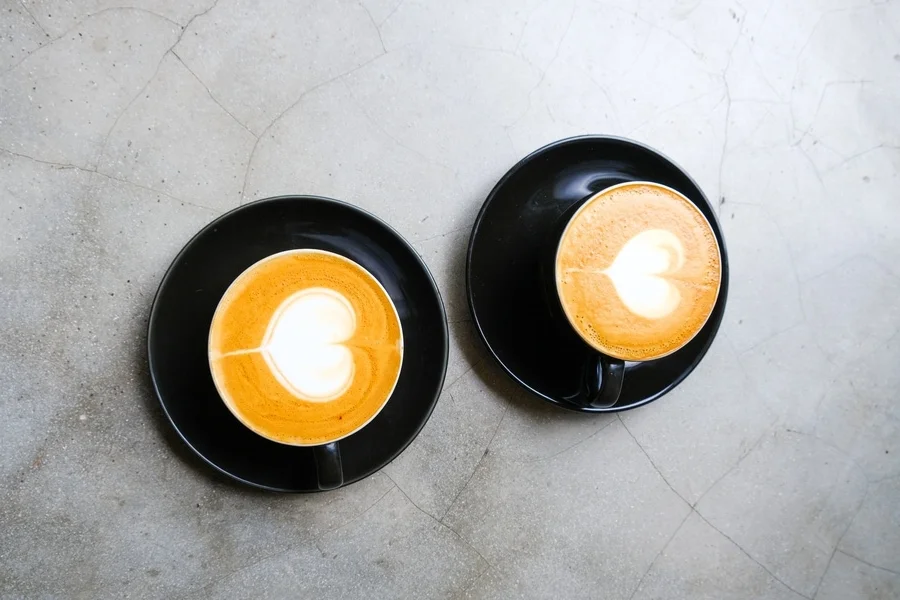
Wet vs. dry cappuccino: Understanding the difference
Dive into the world of cappuccinos as we compare wet vs. dry variants. Find out which suits your taste and how to perfect them at home with Breville. - Coffee & Espresso
How to Make Cold Brew Coffee At Home
Are you wanting to know how to make cold brew coffee at home? Read our step-by-step guide on how to make coffee, how to serve it, and how to best store it. - Coffee & Espresso

What are the different types of cold brew?
Explore the different types of cold brew, from classic immersion to nitro and Kyoto-style, and find the perfect brew for your taste. - Coffee & Espresso
Understanding the differences between breve vs. latte
Explore the creamy differences between a breve and a latte. Learn which coffee drink suits your taste in our comparison guide! - Coffee & Espresso
How to make French press coffee: Step-by-step guide
Learn the secrets to brewing perfect French press coffee every time. Discover tips and tricks for a rich, flavorful cup.
