No matter your familiarity with brewing coffee or how high-tech your coffee-making setup is, everyone can benefit from polishing up the basics of brewing from time to time.
One easy way to improve your brewed coffee experience is to revisit your coffee to water ratio. In this comprehensive brew guide, you’ll learn all about the significance of the coffee to water ratio, the integral role it plays in the brewing method, and how to best achieve it.
What is the coffee to water ratio?
Coffee to water ratio, or brewing ratio, refers to measuring the correct amount of pre-ground coffee per ounce of water before starting the brewing process. This coffee brew ratio is important to ensure your cup of coffee is flavorful and enjoyable.
● According to the National Coffee Association, the general guideline, or “golden ratio,” of coffee to water for drip brewing is one to two tablespoons of ground coffee per every six ounces of water.
● If you prefer to measure your ground coffee beans with a scale rather than a spoon for a more precise measurement, you can use the following ratio: 10.60 grams of coffee grounds per six fluid ounces of water.
While this ratio can be adjusted slightly to account for individual taste, this is the best ratio of coffee to water for drip brewing. Next, we’ll break down exactly how this ratio affects your brew.
How does coffee to water ratio affect brewing?
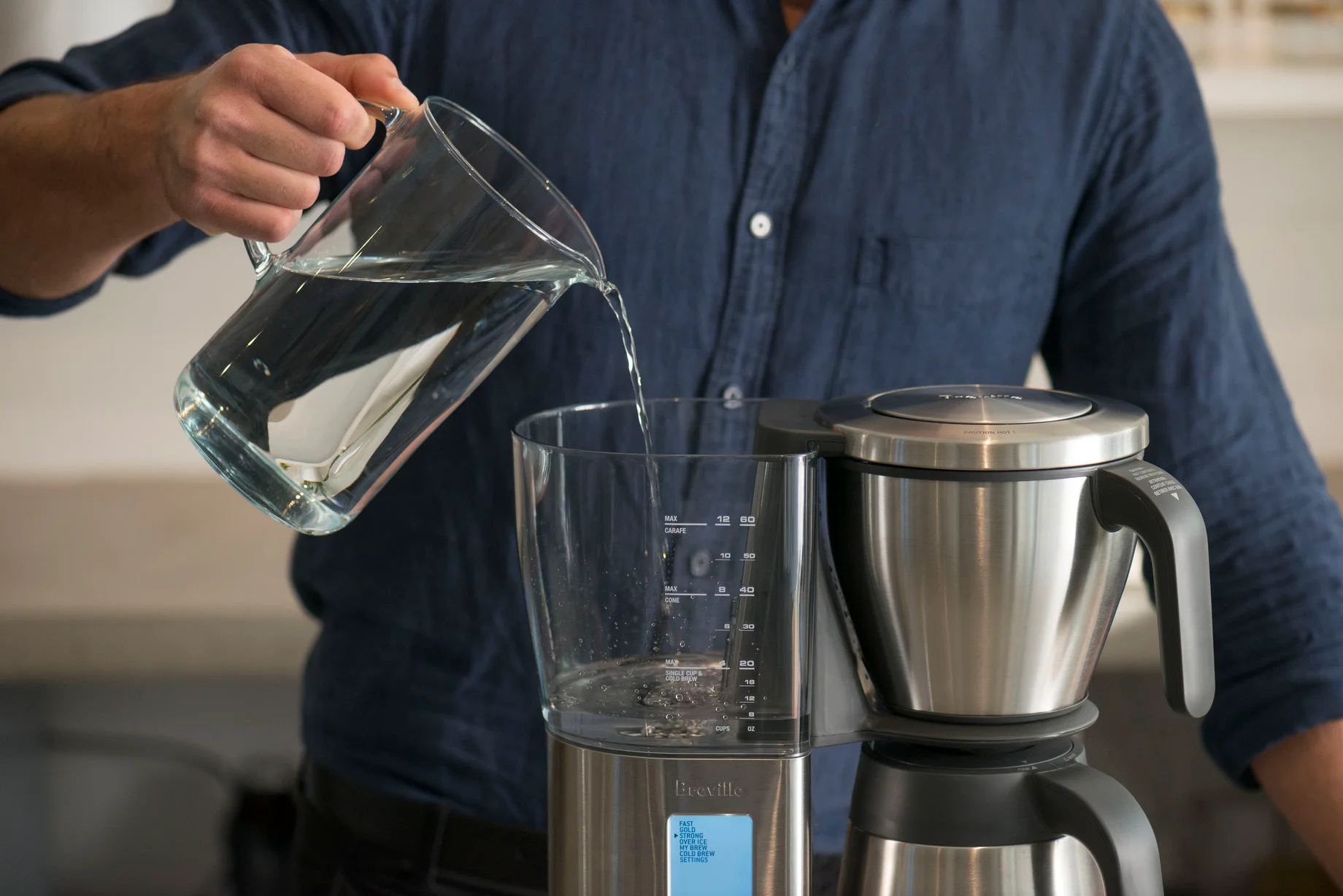
While experimentation to find the perfect amount of water for your coffee is encouraged, here are a few examples of how using too much or too little water can be detrimental to your brew.
● Too much water can give your coffee a diluted, watered-down taste and drown out the flavor.
● Not enough water can make your coffee too strong, and the flavor too unpleasant to enjoy.
● Running your coffee maker without enough water can be harmful to the machine, causing it to malfunction.
Keep in mind that different methods of brewing may require different ratios of coffee to water. For example, espresso is an extremely fine grind that requires less water, whereas immersion coffee methods, such as the French press, use less coffee and more water.
Expert tips to find the perfect coffee to water ratio every time
Finding the best coffee to water ratio for your daily brew doesn’t have to be complicated. In fact, the following tips will help you achieve the best results when measuring and brewing:
● Use a scale – While many stick to scooping ground coffee with kitchen spoons or their coffee maker’s default scoop, another way to measure your ground coffee is with a kitchen scale. This allows for more precise and reliable measurement, as the amount of coffee in a spoonful or scoop can easily vary each time.
● Try bottled or filtered water – The water you use is important to the quality and taste of your coffee. The National Coffee Association recommends using bottled or filtered water if your tap water is poor quality or has a strong odor or taste. If you’re using tap water, let it run for a few seconds before collecting your water, and make sure it’s cold. Avoid distilled or softened water.
● Weigh the coffee beans, then grind – If you grind your own coffee, try weighing the whole coffee beans for your measurement instead of the grounds. Although this isn’t required, some prefer this method because it ensures you only use freshly ground coffee. It also minimizes waste. Whether you measure the whole bean or the ground coffee, there’s no difference in the amount of coffee you should aim for in your ratio.
Keep in mind, it may take some time and effort to determine your ideal ratio depending on the type of coffee you’re using and the taste you prefer.
Make every cup a perfect cup with Breville
If you want to brew the perfect cup from the comfort of your kitchen, and fundamentals like coffee to water ratio are important to you, push the limits of your at-home setup with high-end appliances and accessories from Breville.
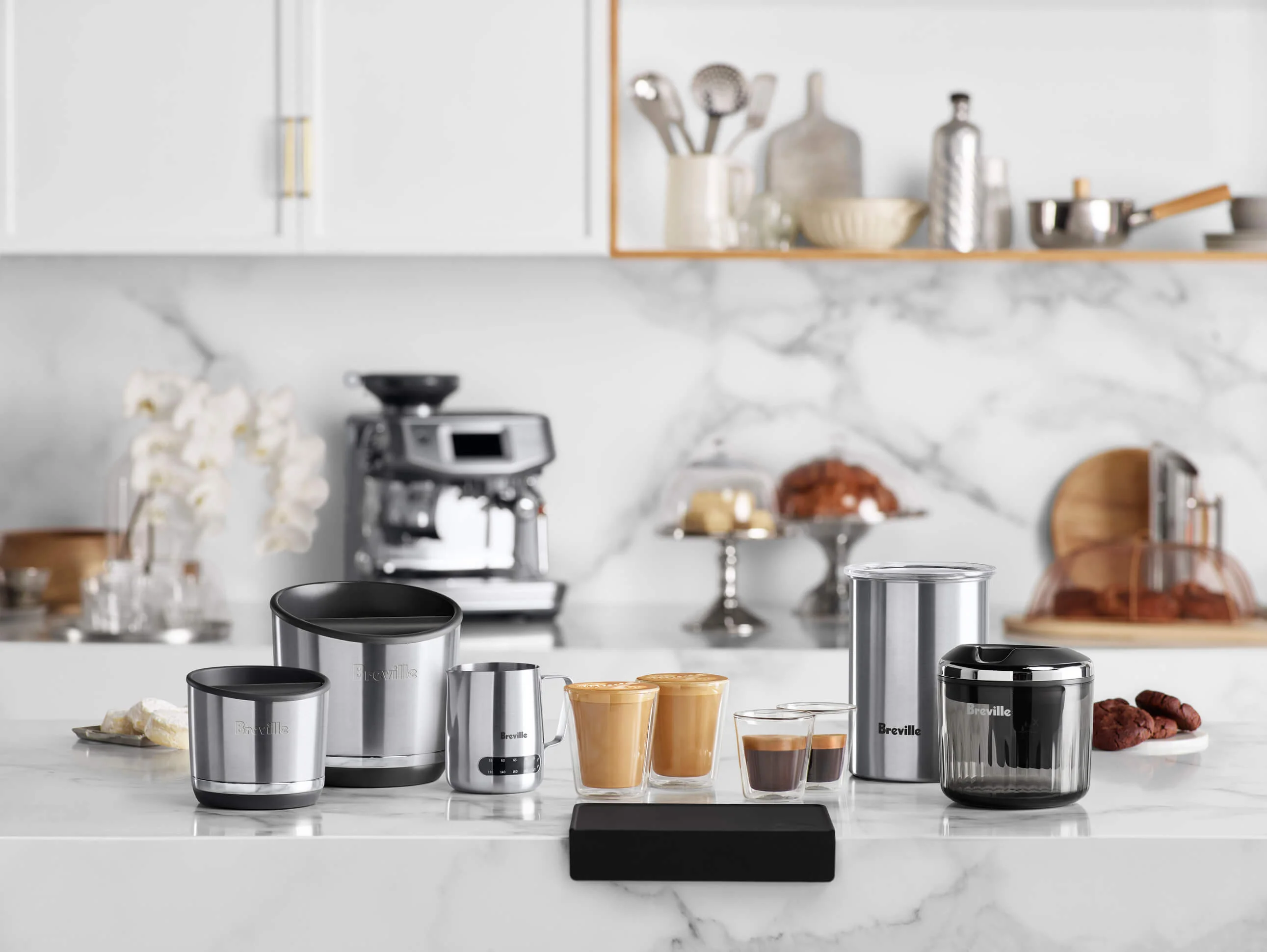
For all of your kitchen measuring needs, try the MIRA Digital Kitchen Scale. This tool is essential for accuracy and consistency, and it’s especially useful for finding the perfectly measured amount of coffee grounds for your coffee to water ratio. Because spoons and coffee scoops can vary in size, using the MIRA Scale instead will ensure you brew the best cup every time.
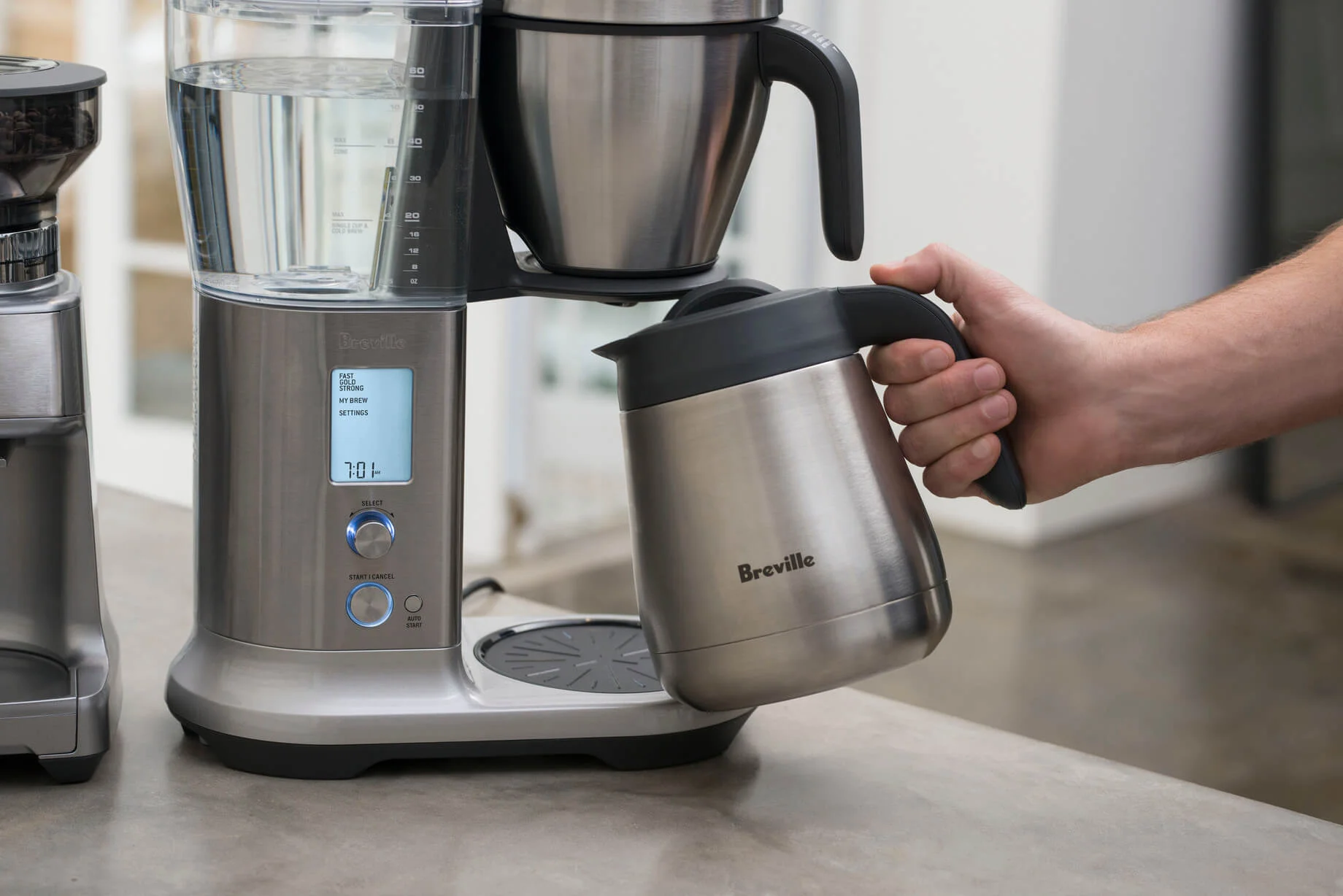
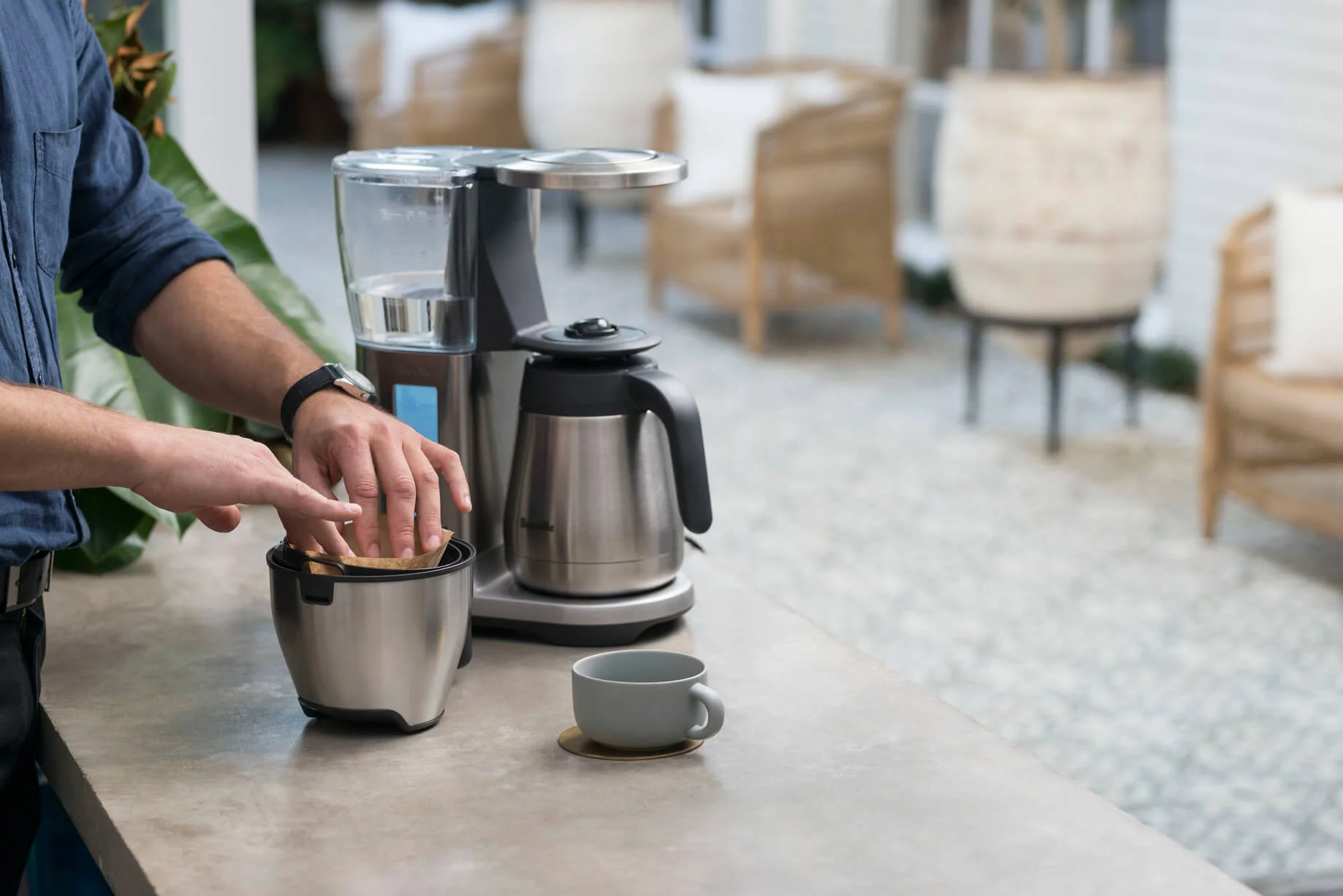
Want to take your coffee customization to the next level? The Breville Precision Brewer is for you. With incredibly precise and adjustable settings, such as custom coffee brewing temperature, bloom time, and flow rate, the Precision Brewer allows you to brew in ways you’ve never experienced. There’s a whole world of great coffee customization and experimentation beyond the coffee to water ratio—and the Breville Precision Brewer can take you there.
Whether you’re just entering the foray of at-home coffee brewing or are a veteran looking to spice up your setup, Breville provides reliable and professional-quality equipment to brew with confidence.
Visit Breville and explore the Coffee & Espresso line to start your journey today.
Sources:
1. NCA. How to Brew Coffee. https://www.ncausa.org/about-coffee/how-to-brew-coffee
2. Perfect Daily Grind. Coffee Brew Ratios: What You Need to Know. https://perfectdailygrind.com/2018/03/coffee-brew-ratios-what-you-need-to-know/