What can you expect from different specialty coffee origins?
Across the world, third wave coffee culture has kickstarted a consumer focus on provenance. More than ever, coffee drinkers are starting to take an interest in where their coffee comes from, why it tastes the way that it does, and the journey from seed to cup.
While a coffee’s flavor depends on a whole range of different factors – including its roast profile, how it was processed, and how you brew it – origin does have an impact on the final cup profile.
To give you an idea of how it does affect the flavors in your cup, we put together a list of a few high-profile specialty coffee origins and what you can expect from each. Read on to learn more about each of them, from the bright and floral flavors of Ethiopian beans to the bittersweet chocolate notes in Brazilian coffee.
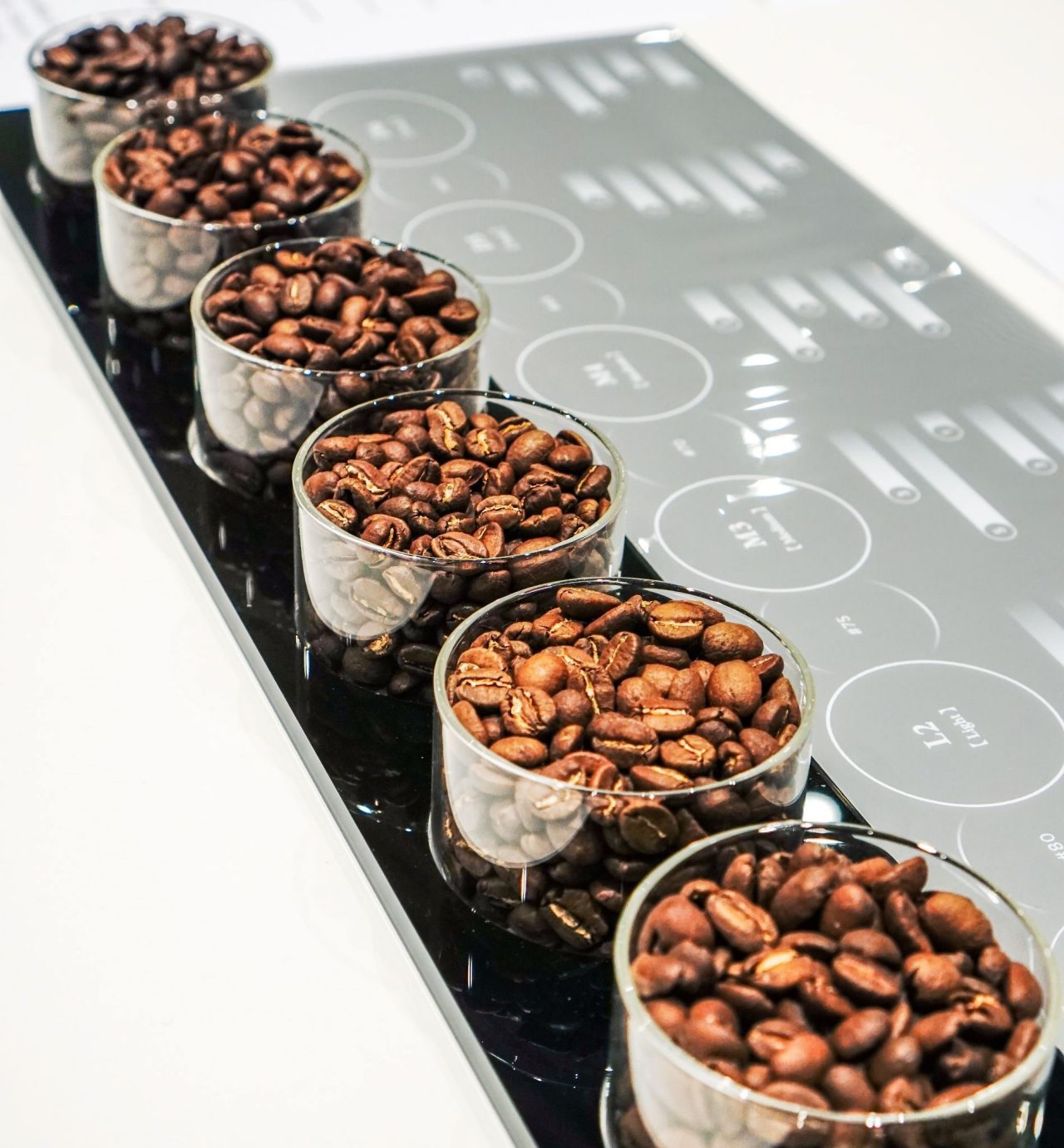
Brazil
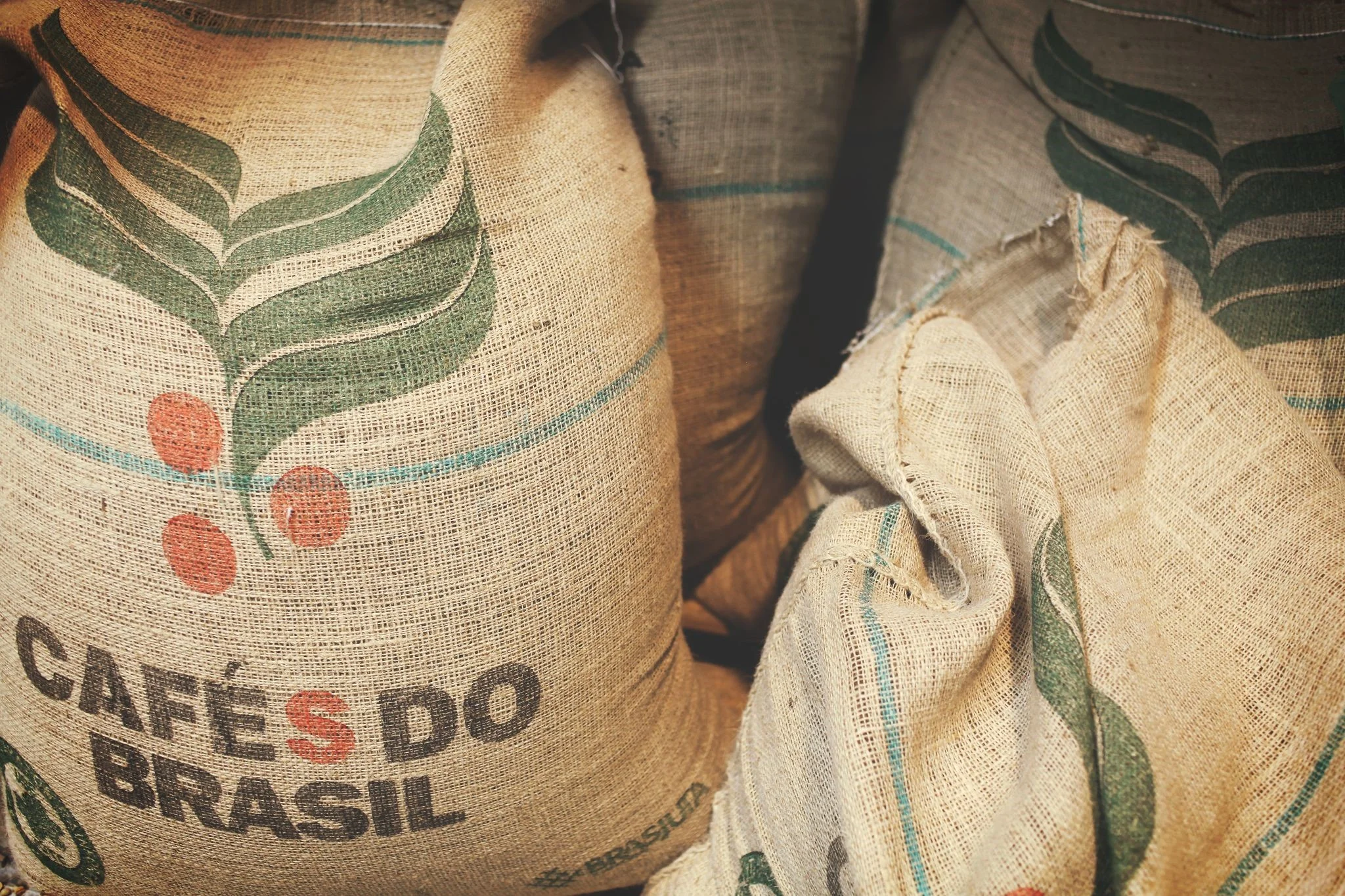
Brazil is the world’s largest producer and exporter of coffee, and is responsible for about one-third of all coffee in the global market. Traditionally, Brazilian coffee has been described as having chocolate, malt, and nutty flavors, with a full, rich body and low acidity. This is because Brazilian coffee is often grown at lower altitudes in comparison to other producing regions in Latin America. Most Brazilian coffees are processed using either the natural or pulped natural method. Natural processing (also known as dry processing) is when coffee cherries are picked, cleaned, sorted, and dried without removing the fruit or skin. This gives the coffee a sweeter flavor and smoother body in the final cup, but can produce undesirable flavors if it is not dried with care.
Pulped natural processing, in contrast, is where the skin is removed but the pulp is left on the beans as they dry. This improves both acidity and sweetness, and is often less “risky” than standard natural processing.
The exact flavor of your beans will vary depending on the region of Brazil that your coffee comes from. For instance, beans from Sul de Minas are often described as being citrusy and fruity, whereas Minas Gerais coffee is more representative of the “traditional” chocolatey and nutty Brazilian flavor profile.
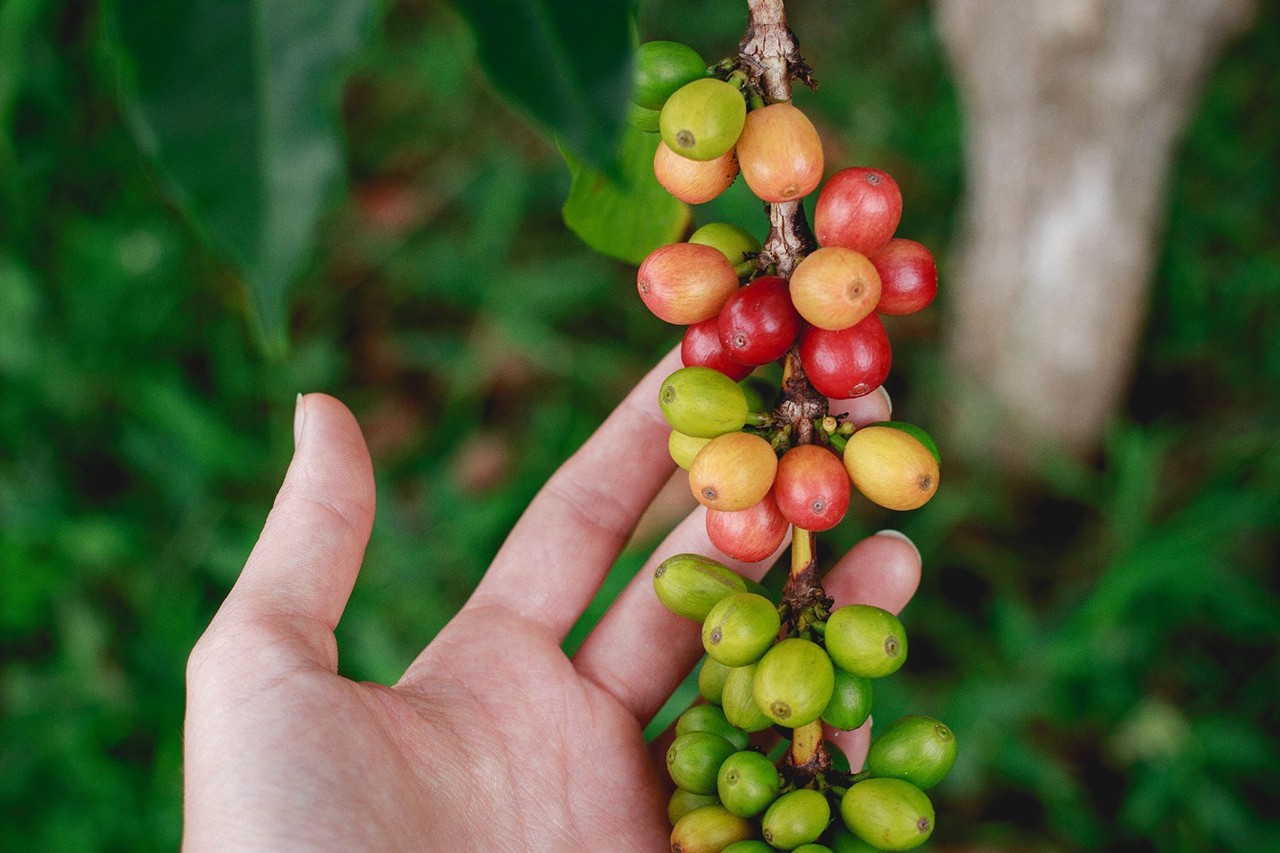
Colombia
It’s hard to pinpoint an exact cup profile for Colombian coffee because of the sheer diversity across the country’s coffee-growing regions.
Colombia is responsible for roughly 10% of all global coffee production. The south is home to regions like Huila and Cauca, which offer bright, complex cup profiles, often with notes of caramel or fruit. In the northern regions, however, such as the Sierra Nevada de Santa Marta mountain range, the coffee often has a heavier body and a rounder flavor.
Unlike in Brazil, washed processing (or wet processing) is the method of choice in Colombia. This is where the skin and flesh of the coffee cherry is washed off before the beans are dried. Washed coffees often have a brighter, “cleaner” cup profile, and allow you to taste more of the origin itself – rather than a flavor created by the processing method.
Ethiopia
Ethiopia is generally recognized as the birthplace of coffee. The country is renowned for producing fruity and floral coffees, with common tasting notes including berries, lemons, jasmine, and bergamot. Ethiopian beans generally have a bright acidity, and a light, pleasant, tea-like body which shines in filter coffee brewing methods.
Two of the most well-known coffee-growing areas in Ethiopia are Sidama (the alternative name “Sidamo” is often used on bags of coffee) and Yirgacheffe. Sidama coffees often have a range of berry flavors in the cup, including raspberry and blueberry. In contrast, Yirgacheffe beans are complex and floral, with delicate tea-like notes.
Washed and natural processing are both common in Ethiopia. Alongside these, honey processing – when coffee is dried with a varying amount of sticky, honey-like “mucilage” on the bean – is becoming more popular with producers in the country.
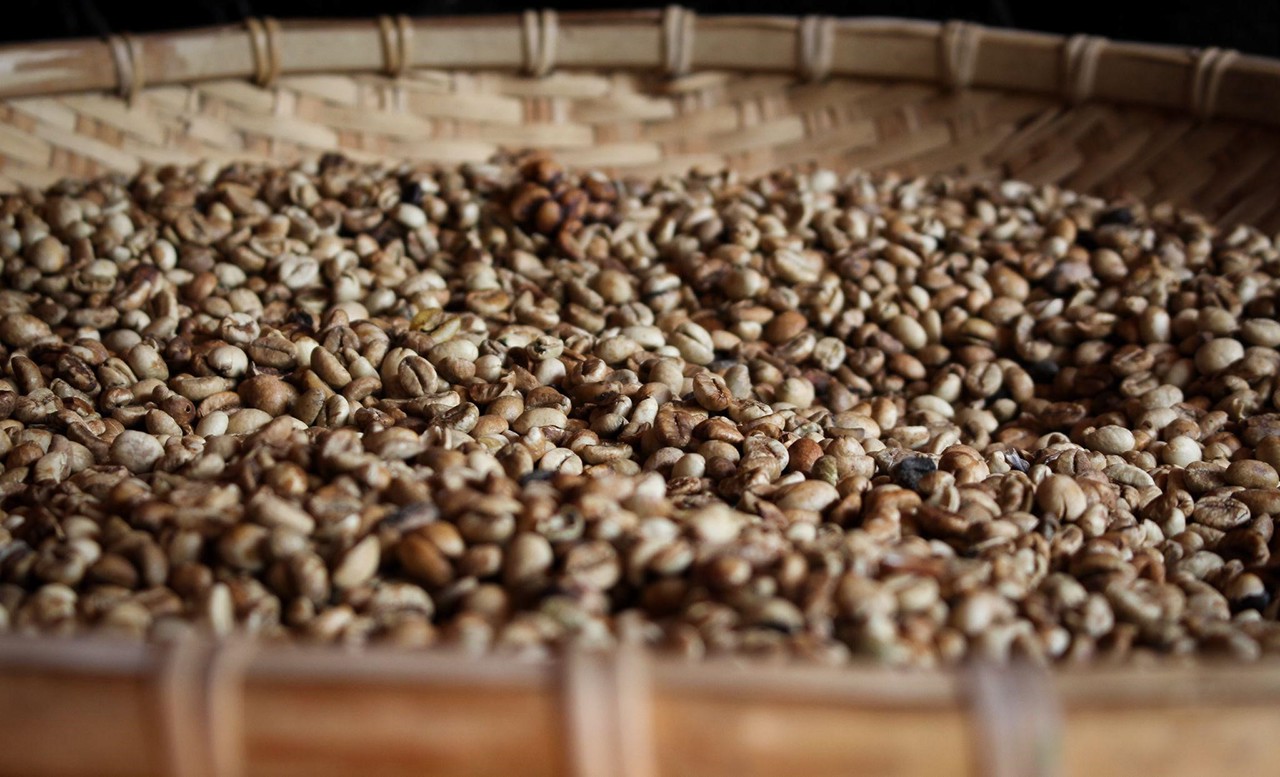
Central America
There are seven countries in Central America, and six of them are well-known specialty coffee origins. However, because the microclimates and terrain in each country are so unique, there is no “common” flavor profile across the region.
Honduras
The largest coffee producer in Central America, Honduras offers a broad variety of flavors, but its beans are commonly described as complex and fruity. The best often have a bright and juicy body.
Guatemala
Guatemalan coffee is often sweet, with common flavor notes including cocoa and caramel. At higher altitudes, it becomes more complex and fruity, with citrus and berry notes.
Panama
Panama has become a prized origin in recent years, and grows some of the most expensive coffee in the world. From 2014 to 2020, a Panamanian coffee has broken the world price record every year at the Best of Panama auction.
Today, Panama is often associated with the Gesha variety (also spelled Geisha). Rare, exclusive, and expensive, Panamanian Gesha is aromatic, floral and citrusy, with a delicate and light body.
Nicaragua
Nicaraguan coffee boasts a range of different flavors, but tasting notes of fruit are common. It is often balanced and smooth, with a clean, bright acidity.
Costa Rica
Costa Rican coffees are often described as having a clean taste, thanks to the common use of washed processing. This leads to a light and well-balanced cup profile. However, in recent years, farmers have started to branch out.
El Salvador
The volcanic soil in El Salvador is naturally nutrient-rich, which means Salvadoran coffee is often sweet and well-balanced.
Almost all Salvadoran coffee plants are grown under shade; the majority are of the Bourbon variety, while the more exclusive Pacas and Pacamaras are the second and third most popular.
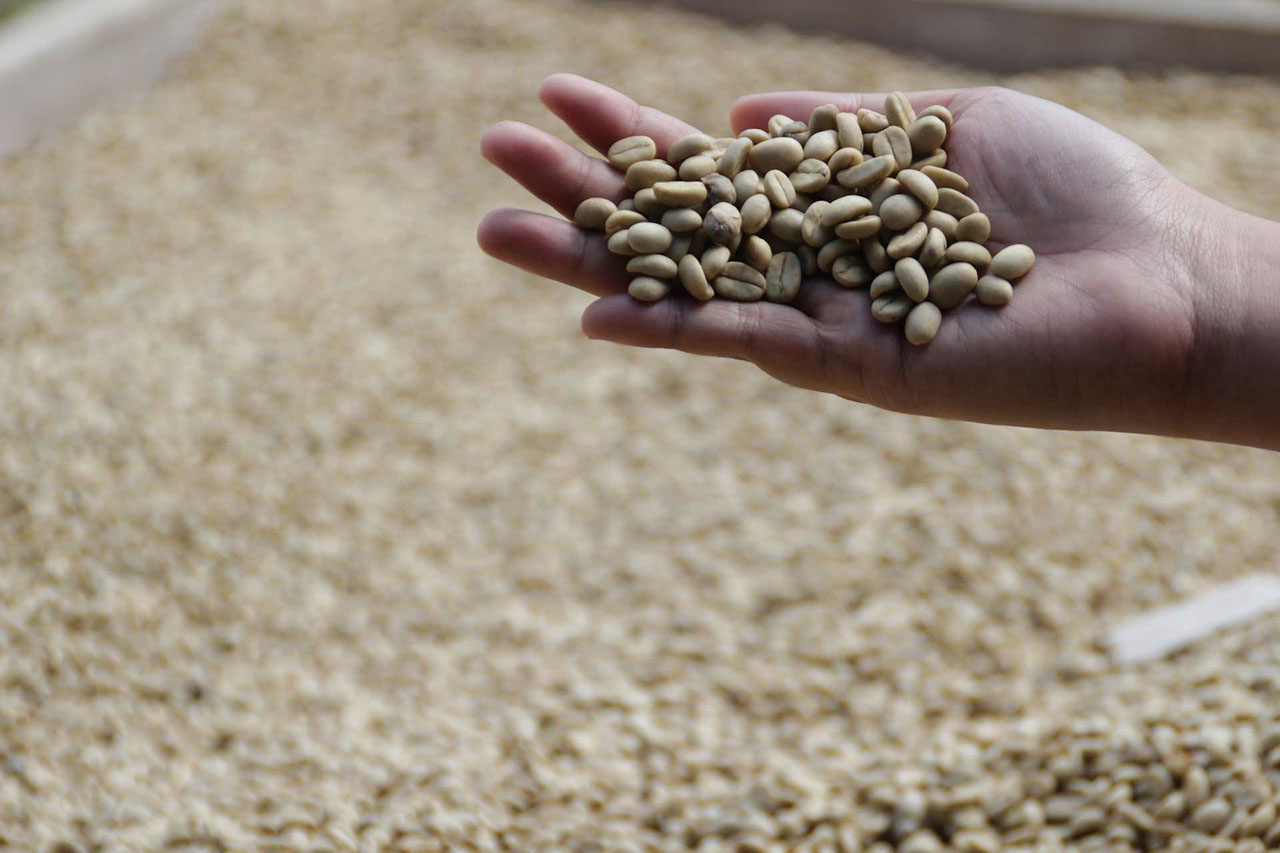
Indonesia
Indonesia is the fourth-largest coffee producer in the world. It offers a complex range of flavor profiles across its different growing regions – Sumatra, Java, and Sulawesi are three of the most popular for coffee.
However, in the wider coffee community, Indonesia is perhaps most famous for the unique “giling basah” processing method, which is also known as semi-washed or wet hulled processing.
In this method, the beans are depulped and washed, before being dried for a short period of time (two to three days). At this point, the parchment (a papery inner skin around the bean) is removed while the bean is still wet. With other processing methods, the parchment isn’t stripped (or hulled) until the bean is completely dry.
This alters the taste of the coffee dramatically, giving it a thick, syrupy body but almost no sweetness and very low acidity.
Indonesian coffee is known for having earthy, smoky flavors, with tasting notes of tobacco and spice.
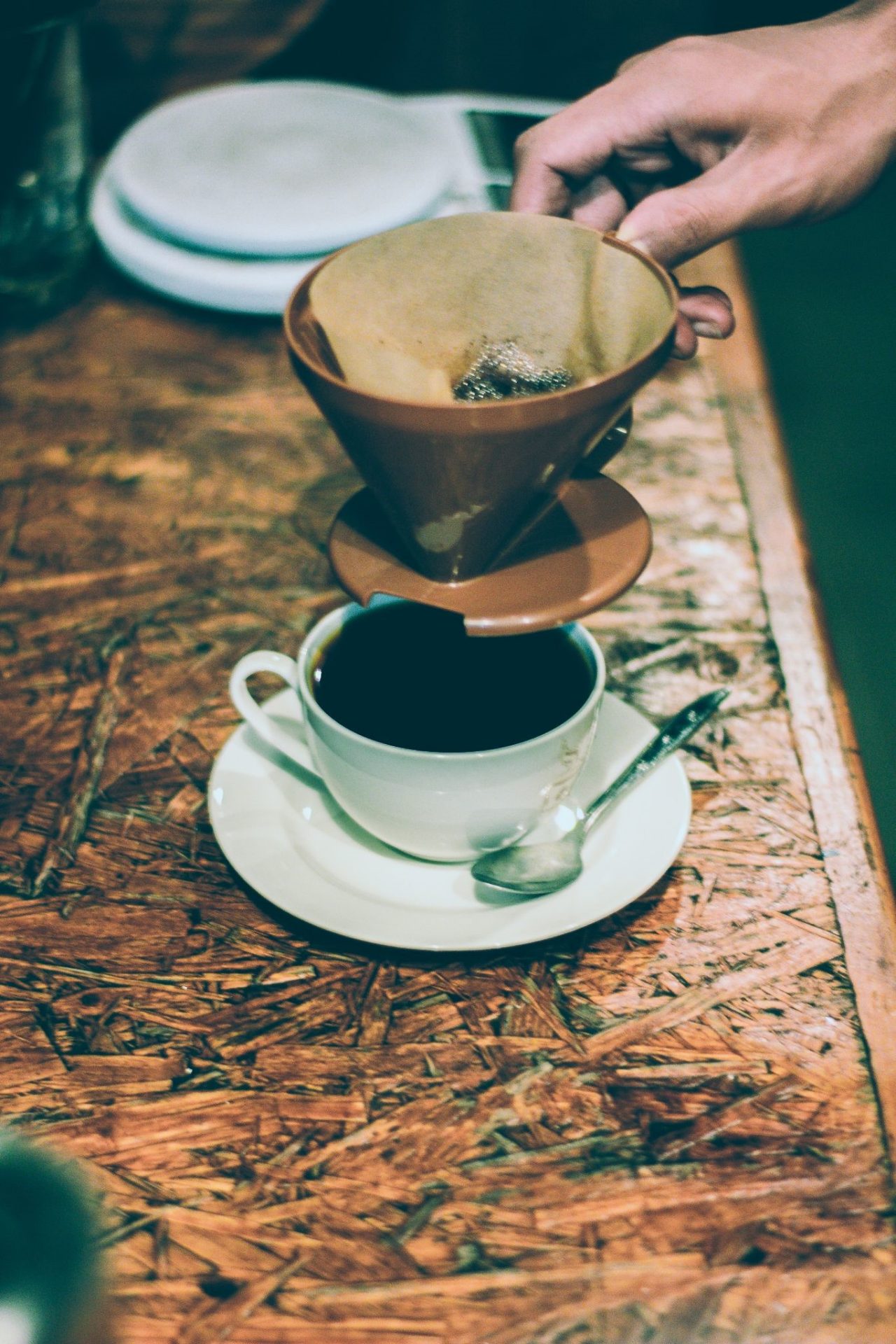
With beans available from countries all around the world, specialty coffee offers so much breadth and diversity in flavor, from Latin America to Africa and Asia.
So, when you’re picking a bag of beans, take a moment to think about what you’re looking for. Maybe even speak to a barista or a roaster about what you’d like in your cup. A pulped natural Brazilian? Perhaps a floral Ethiopian? Or even a smoky, spicy Sumatran wet hulled coffee?
Next time you go out to buy coffee, consider trying something new. It’s important to be open to trying new origins and processing methods. Each different coffee you try will have something unique to offer. You never know – you might just be pleasantly surprised.
Related Articles
- Coffee & Espresso
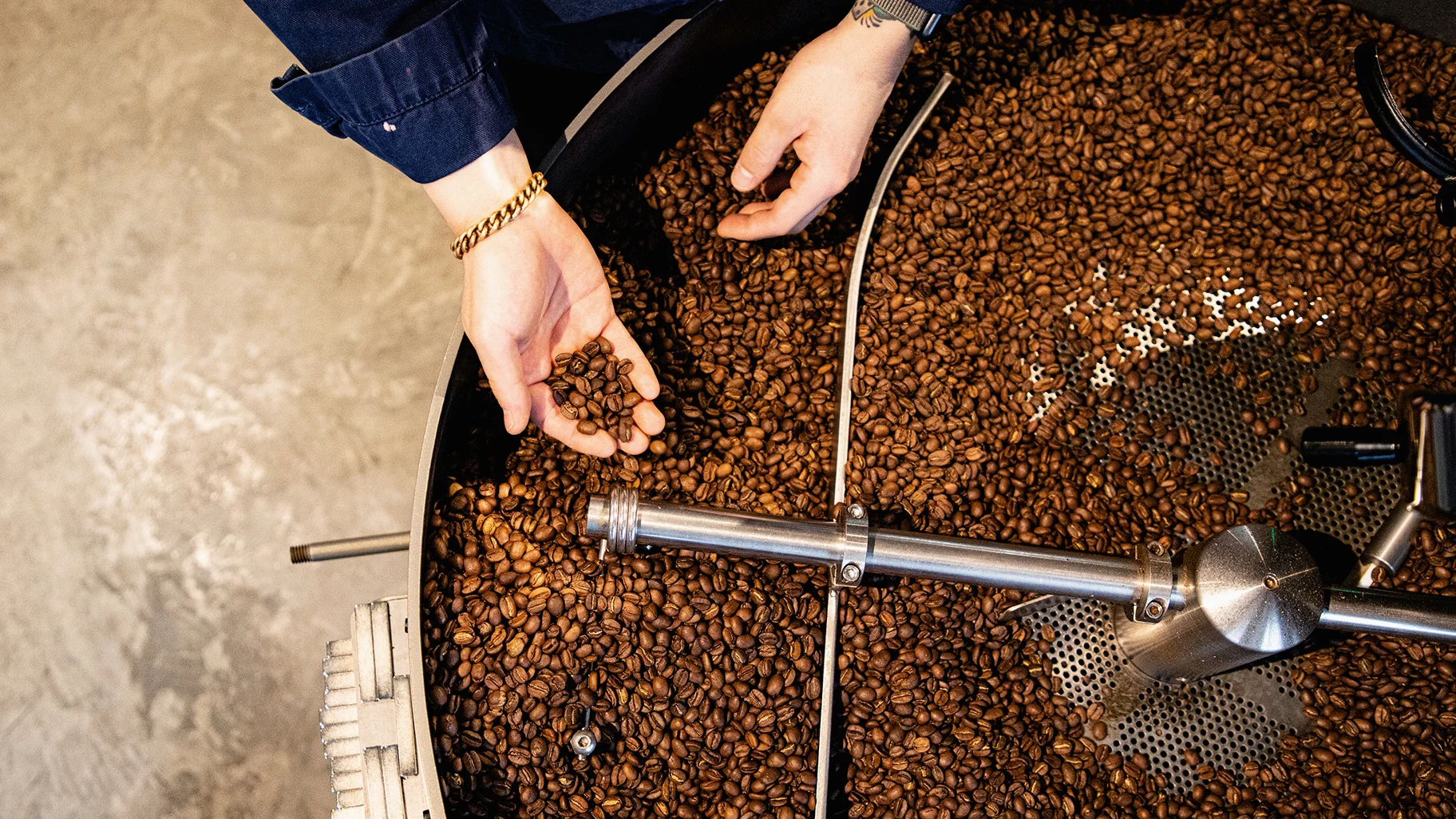
Most common types of coffee roasts
Coffee gets a lot of its flavor during the roasting process. Discover our guide on the different types of coffee roasts to decide which flavor profile you prefer. - Coffee & Espresso

How are flat whites, cappuccinos & lattes different?
There are a number of classic espresso-based beverages that have been popular among coffee consumers for decades. Three of the most prominent are the latte, the flat white, and the cappuccino. - Coffee & Espresso

The coffee extraction process: A complete guide
To achieve the perfect cup of coffee, mastering coffee extraction is key. Discover our guide on everything you need to know about the coffee extraction process. - Coffee & Espresso

Milk frother vs. steamer: A home barista's guide
Compare milk frother and steamer to find your ideal choice. Understand the differences for the perfect coffee at home. - Coffee & Espresso

Ristretto vs Long Shot: How are They Different?
Ristretto vs. long shot. Out of these two, which is the better espresso drink? Learn more about the differences between each drink here. - Coffee & Espresso
What can you expect from different specialty coffee origins?
Across the world, third wave coffee culture has kickstarted a consumer focus on provenance. Coffee drinkers are now starting to take an interest in where their coffee comes from, why it tastes the way that it does, and the journey from seed to cup. - Coffee & Espresso
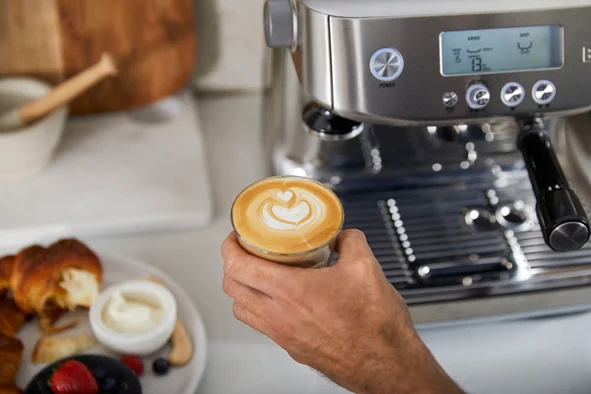
How to make a latte: 3 easy steps
A latte is a barista staple. Learn the simple steps it takes to make it yourself here! - Coffee & Espresso

A guide to coffee brewing temperature
If you want the perfect cup of coffee, your coffee brewing temperature is important. Discover our guide on how to master the perfect brewing temperature. - Coffee & Espresso
French press vs. Pour over: Comparison guide
Compare French press and pour over to see which brewing method suits you best. Explore the differences in taste and technique. - Coffee & Espresso
How to make a mocha latte
Do you love but not know how to make a mocha latte? Master this drink like a pro with these easy steps! - Coffee & Espresso

How to make a cappuccino: a step-by-step guide
Learn the art of making a perfect cappuccino at home with our easy-to-follow guide. Discover tips, techniques, and the right tools for a barista-level brew. - Coffee & Espresso
Is cold brew less acidic than coffee?
Wondering if cold brew is less acidic than regular coffee? Learn how brewing methods affect acidity in cold brew. - Coffee & Espresso
What is Espresso?
Want to learn more about espresso? Read on to discover what it is, its health benefits, and much more! - Coffee & Espresso
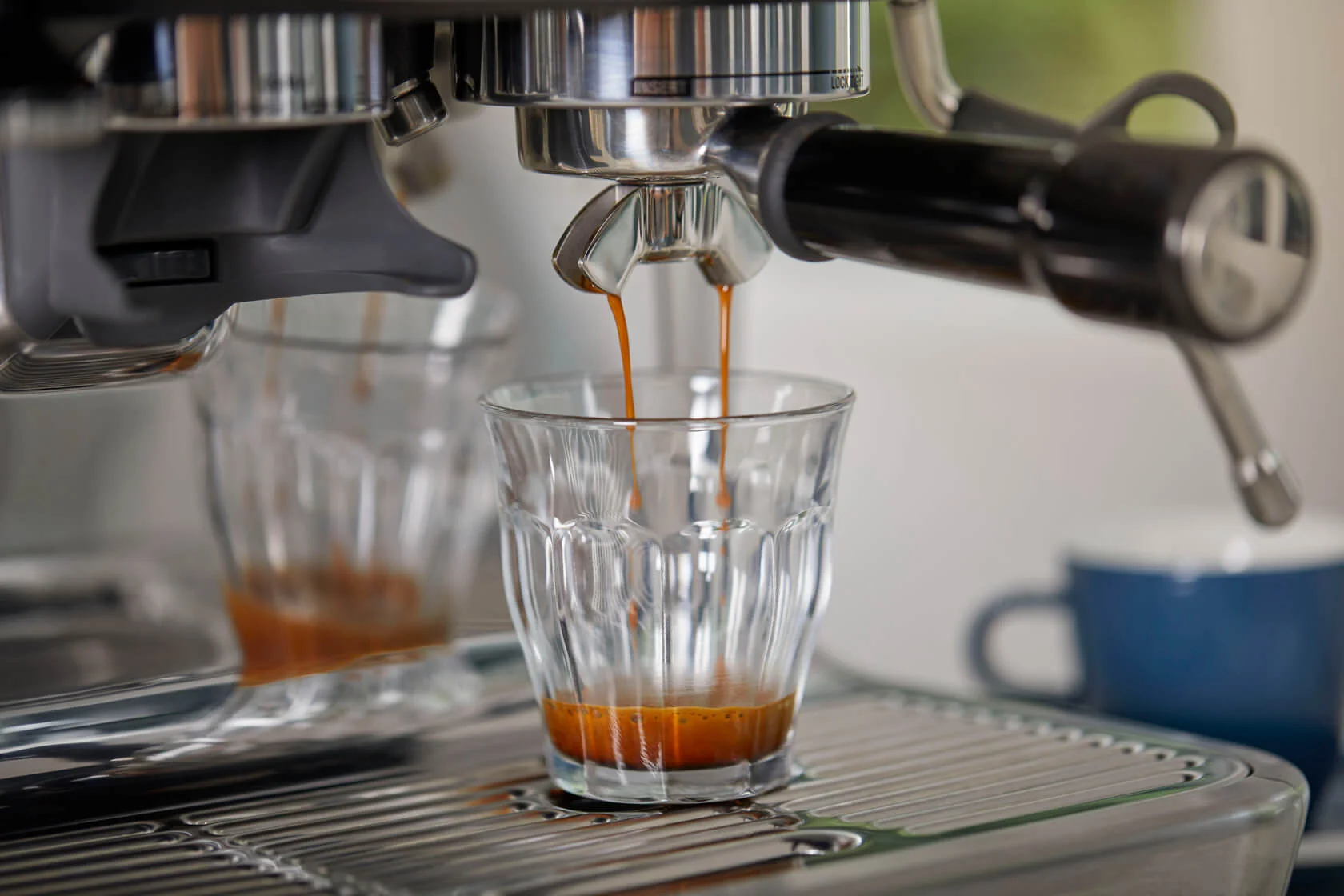
The secret to perfect espresso crema
Learn how to perfect your espresso's crema and enhance your coffee experience. Quality brews start with Breville. - Coffee & Espresso
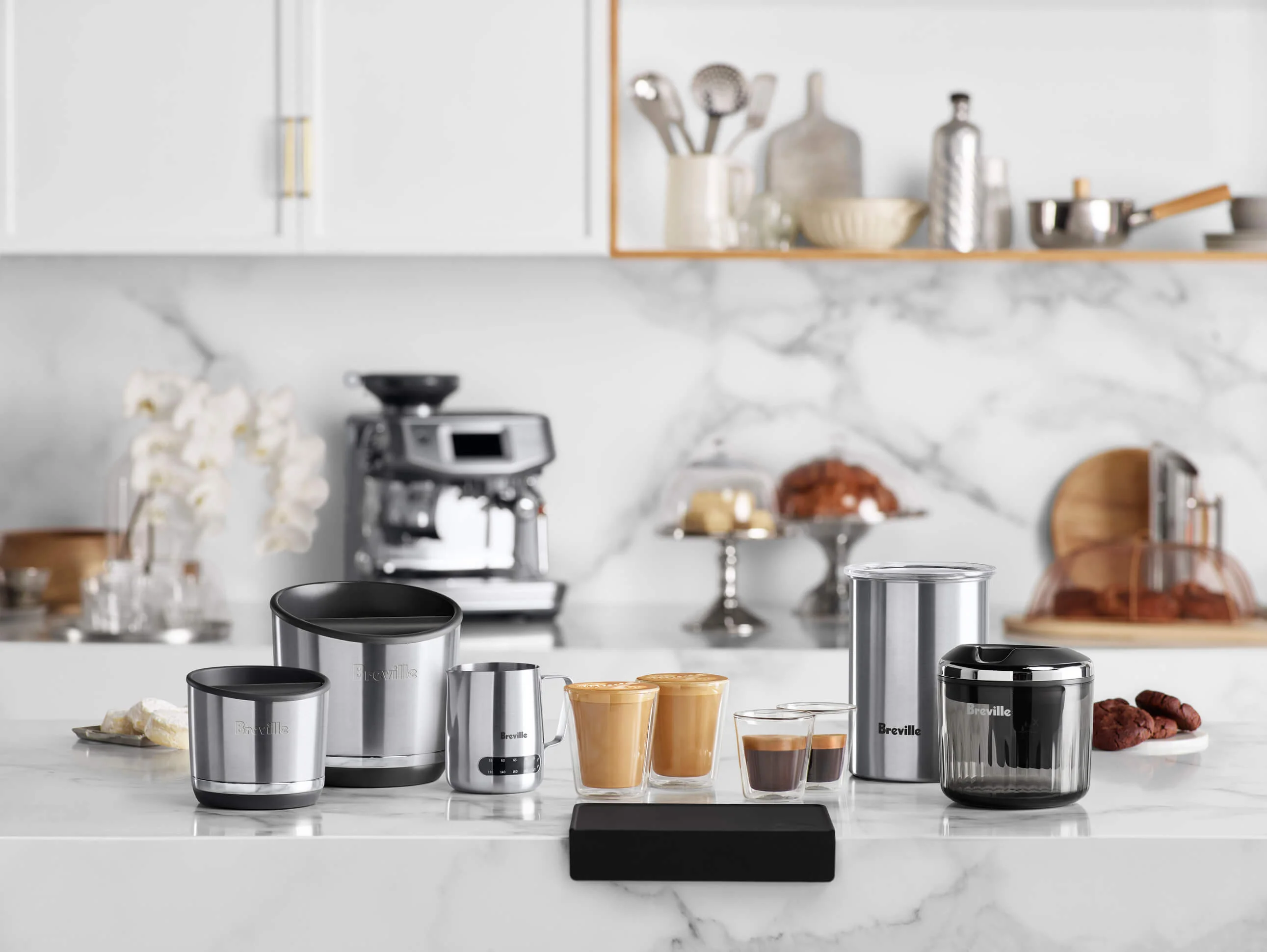
Must-have espresso accessories for coffee lovers
Elevate your espresso experience with must-have accessories. Learn about the tools that can enhance the quality and enjoyment of your coffee. - Coffee & Espresso
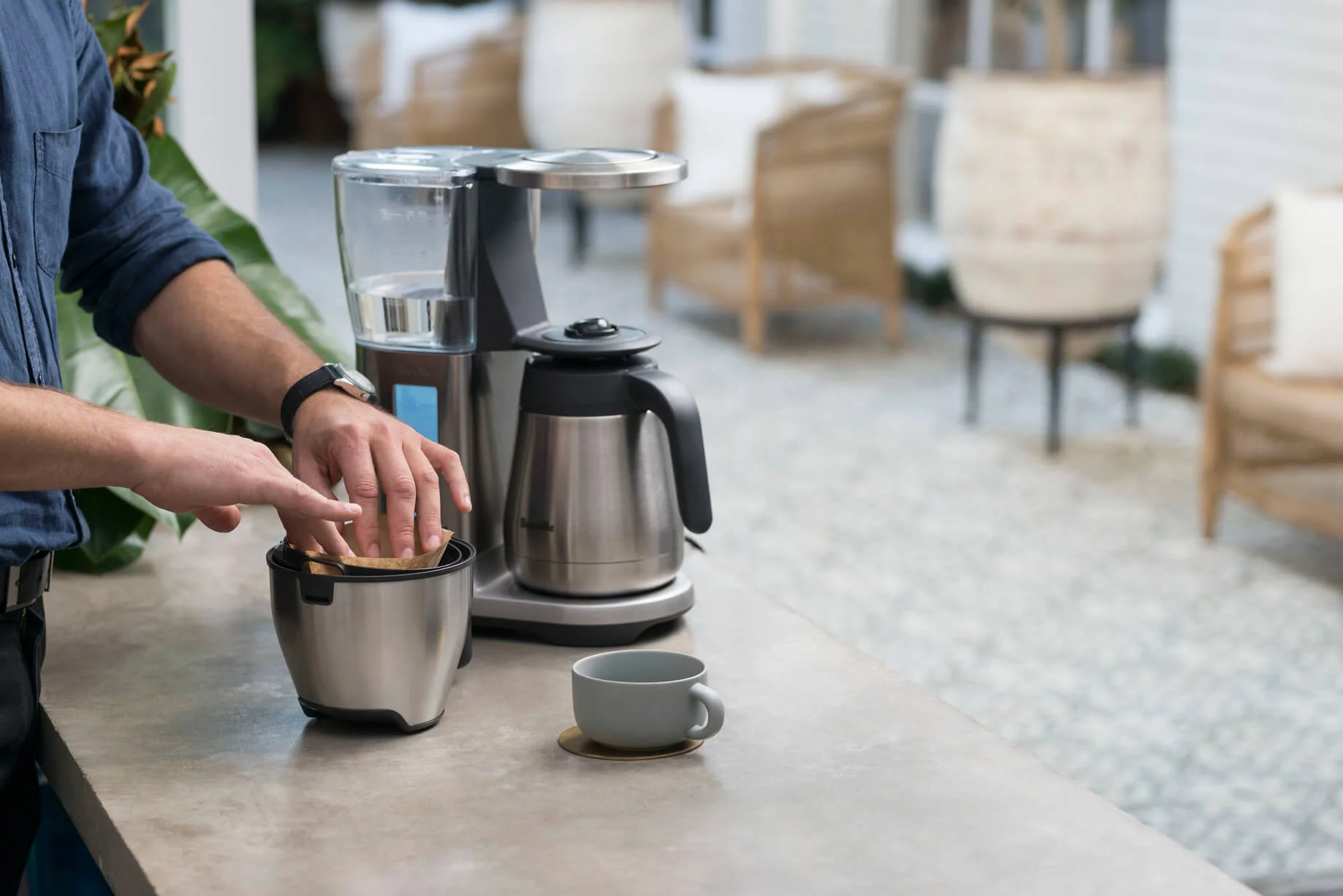
Coffee to water ratio: How it can impact your brew
The right coffee-to-water ratio is essential to creating the most flavorful cup of coffee. Read on to learn more about how this impacts your morning brew. - Coffee & Espresso

Macchiato vs. Latte: What's the Difference
Wondering what the difference is between a macchiato vs. a latte? Find out now with this expert coffee guide. - Coffee & Espresso
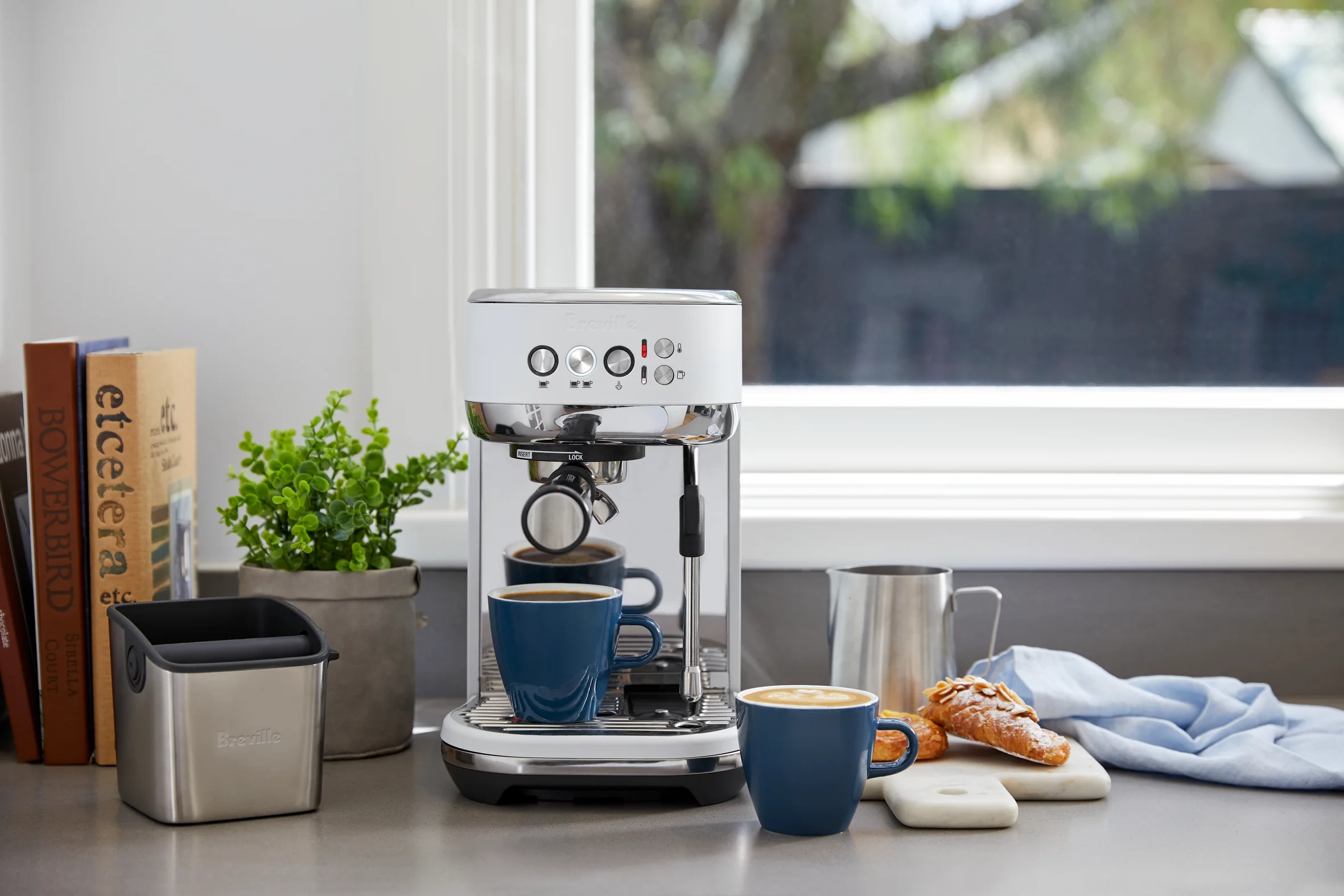
Is Espresso Stronger Than Drip Coffee?
Is espresso stronger than coffee? Learn more about the caffeine content between the two and how each differs. - Coffee & Espresso
Wet vs. dry cappuccino: Understanding the difference
Dive into the world of cappuccinos as we compare wet vs. dry variants. Find out which suits your taste and how to perfect them at home with Breville. - Coffee & Espresso

How to Make Cold Brew Coffee At Home
Are you wanting to know how to make cold brew coffee at home? Read our step-by-step guide on how to make coffee, how to serve it, and how to best store it. - Coffee & Espresso

What are the different types of cold brew?
Explore the different types of cold brew, from classic immersion to nitro and Kyoto-style, and find the perfect brew for your taste. - Coffee & Espresso
Understanding the differences between breve vs. latte
Explore the creamy differences between a breve and a latte. Learn which coffee drink suits your taste in our comparison guide! - Coffee & Espresso
How to make French press coffee: Step-by-step guide
Learn the secrets to brewing perfect French press coffee every time. Discover tips and tricks for a rich, flavorful cup.
