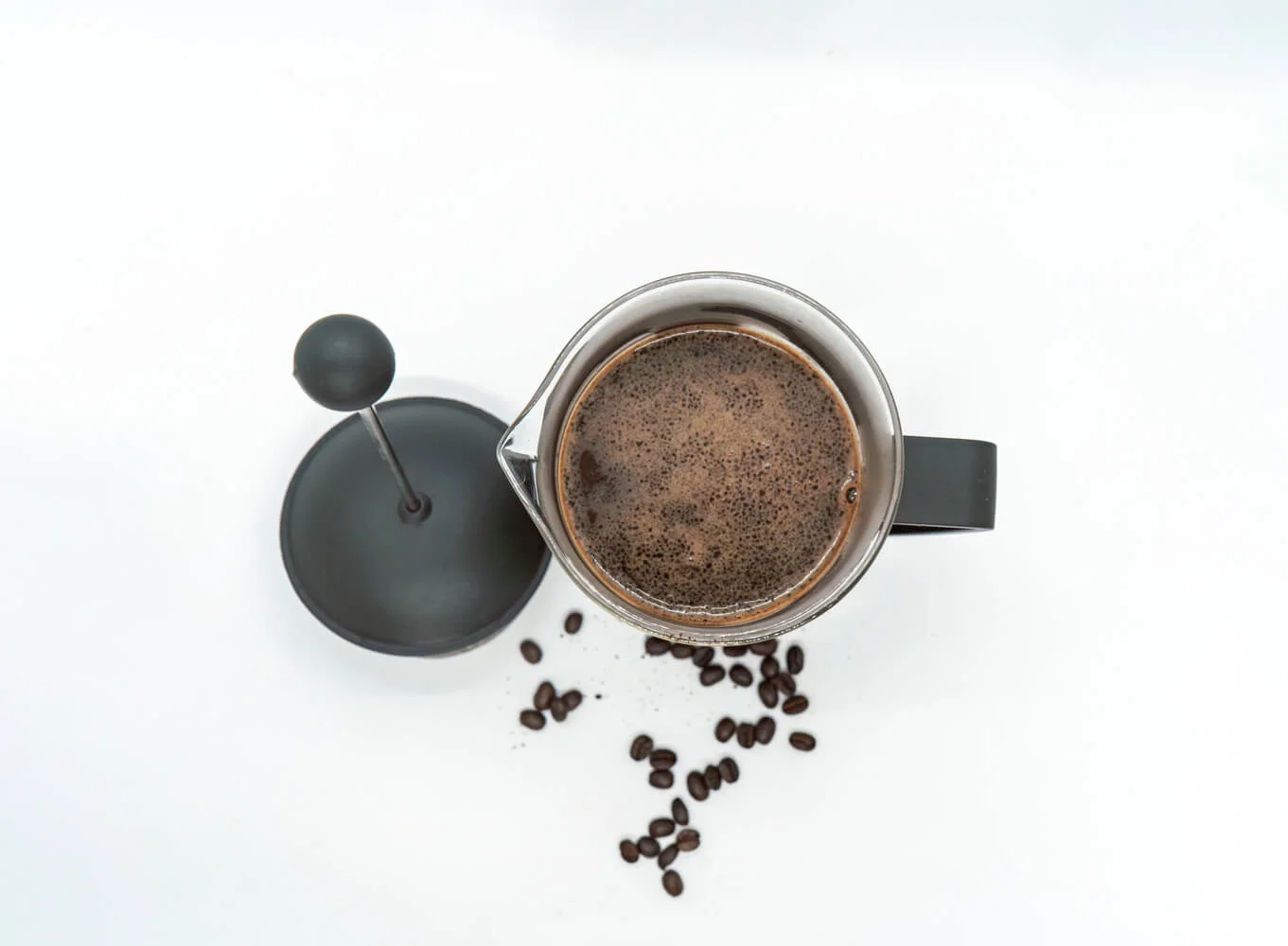
Fortunately for the at-home barista, several coffee brewing methods are available to achieve it, including French press and pour over. And while each approach can deliver delicious results, they differ in their technique and the taste and texture they produce.
So, which coffee brewing method is right for you? Sit back, relax, and enjoy another sip. This comparison guide will provide all the insight you need to choose the best method for your morning ritual.
Introduction to brewing methods
Enjoying a cup of good coffee is no longer exclusive to coffee shops and cafes—2 out of 3 Americans make coffee at home daily. With so many methods available to the at-home barista, brewing coffee is now a simple and satisfying process.
These modern methods of home-brewed coffee, like French press and pour over, have been popular in home kitchens for over a hundred years. Like the coffee each method makes, both the French press and pour over processes add enjoyment to your morning ritual. Different brew methods can impact:
● The taste and texture of your coffee
● The time it takes to brew your coffee
● How easy it is to achieve the tastiest cup
But before you decide between French press vs. pour over, it’s important to become acquainted with the basics of each.
What is French press?
While early designs date back to mid-19th century France, don’t let its name fool you: the French press most are familiar with was patented in Italy in 1929, where it quickly became a preferred coffee brewing method first in Europe, then worldwide.
French press is just as favored today—you're as likely to find it on your neighbor’s countertop as you are at your local coffee shop. But what exactly is French press?
French press is a manual method for brewing coffee that involves fully immersing coffee grounds in hot water and applying pressure to a metal plunger (that is, pressing down) to extract its oils and flavors.
Here are the details that define this method:
● Design – Also known as a coffee press or a cafetière, The French press coffee maker consists of a glass or plastic carafe with a snug-fitting lid, a plunger, and a fine mesh filter that separates the grounds from the coffee when it’s ready to drink.
● Brew category – The French press falls into a wider category of brewing methods referred to as immersion brewing. With this method, coffee is steeped in hot water for a few minutes to produce a full-bodied, flavorful cup.
● Technique – French press brewing is as simple as it sounds—to master the art of making French press coffee, all you need is a French press, boiling water, and a method to measure time. However, a few extra steps can elevate this easy process: coarse grounds work best with this method, and you can prime the carafe with a dash of boiling water to evenly distribute temperature.
What is pour over?
Like the French press, the pour-over method was the result of innovative minds in search of the perfect cup of coffee from the comfort of their kitchen.
Originally the imaginings of a German housewife dissatisfied with the taste of her home brew, pour over remains a desired method for coffee enthusiasts who aspire to a more elevated and controlled brewing process.
Pour over involves carefully pouring hot water over fresh coffee grounds while gravity drains the water and drips coffee into a mug or carafe.4 Like French press, pour over is characterized by three features that make this method distinct:
Design – Pour over is perhaps best known for its dripper (or pour-over cone). The cone is fitted with a paper filter which separates the coffee grounds from the water and filters it slowly through the cone for a light, clean cup of coffee.
Brew category – Pour over coffee uses the infusion method, where hot water is slowly poured over coffee grounds to evenly extract flavor and oils.
Technique – This brewing method favors the process almost as much as producing the perfect cup of coffee. To start, bloom your coffee—that is, begin with an initial, even pour. This will release the gasses still present in the coffee from the grounding process.4 Then, evenly distribute the water by pouring it in circular motions over the grounds.
Key differences between French press and pour over
When it comes to the essential question of French press vs. pour over, understanding the intricacies of both brew methods is key to deciding which is right for you.
Brewing time
With a French press coffee maker, precise timing is key. Because coffee grounds and water interact throughout the entirety of the immersion process, brew time can affect the coffee taste and texture.
For example, if left to brew too long, French press coffee can become over-extracted with a complex taste. For best results, French press coffee typically brews for four minutes.
Alternatively, brewing time with the pour over method is less fixed. Depending on the grind of your coffee, brew time can range from 2 to 4 minutes, with fine grounds best brewed closer to two minutes and coarse grounds for four minutes.
Taste and texture
Taste and texture are perhaps the most crucial differences to consider when exploring French press and pour over brewing methods. Knowing what your coffee lover taste buds can expect from both of these brews can be your deciding factor.
When it comes to French press, flavorful oils and coffee particles are inherent in the finished product. If you enjoy strong coffee with a rich, intense, and full-bodied texture and robust taste, then the French press method is for you. On the other hand, if you prefer a taste that’s just as distinct but with a light, layered flavor profile and clean mouthfeel, consider trying the pour over method.
Ease of use
The French press brewing method is uncomplicated at its core—with no filter or extra gadgets necessary, everything you need is built into the carafe itself. Simply press down on the carafe’s plunger, pour, and enjoy.
Comparatively, the pour-over method isn’t difficult to master, but it does require a bit of practice—technique is paramount here. Blooming the grounds and evenly saturating them through the process ultimately determines the final flavor of your coffee.
Pros and cons of each method
Like any brewing method, French press and pour over boast their list of benefits but can also have drawbacks. Of course, weighing the pros and cons isn’t quite as simple as choosing between cream and no cream. What one coffee enthusiast may consider a drawback, another may find a plus.
French press
The French press method is a simple brewing process with a handful of pros. With this method, you can enjoy:
● A quick and easy coffee brewing technique
● Robust, full-bodied brew that pairs perfectly with milk or creamer
● Multiple cups of coffee in one brew
But as we mentioned earlier, the French press brewing method can come with its cons including:
● Human error, particularly as it pertains to timing
● Over-extracted French press coffee can result in a less desirable taste
● Sediment left behind can make its way into the brew (and be trickier to clean up)
Pour over
Comparatively, consider the pros of the pour-over method:
● The process and preparation begets a slow, peaceful morning routine
● It gives the brewer complete control over taste, texture, and timing
● Pour over produces a crisp, clean, and flavorful cup of coffee
While the pros of this method may make for an intriguing addition to your morning routine, reflect on its cons:
● The process can be more time-consuming compared to French press
● It requires presence and attention to master the pour-over technique
● It produces less coffee than other methods
How to choose the right method for you
Your morning ritual sets the tone for the rest of your day, and that includes brewing (and enjoying) a fresh cup of coffee. When it comes to brewing coffee, there’s no one-size-fits-all approach. Choosing the right brewing method for your morning routine depends on personal preference. To put your finger on it, consider:
● What you desire from your cup of coffee, including texture and taste
● How involved in the brewing process you’d like to be
● How quickly and easily you wish to enjoy coffee in the morning
Enjoy the perfect brew with Breville
There are several brewing methods available to the home barista. Choosing the optimal brew method for you depends on your desired taste and preferred technique.
If you crave an intense cup of coffee in the morning, opt for the French press brewing method. Alternatively, if you want to introduce a layer of dimension to your morning ritual and start your day with a light, clean cup of coffee, the pour-over method might be for you.
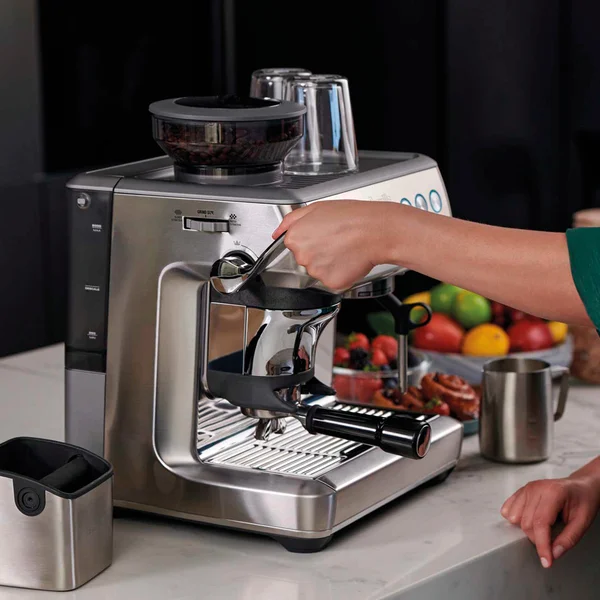
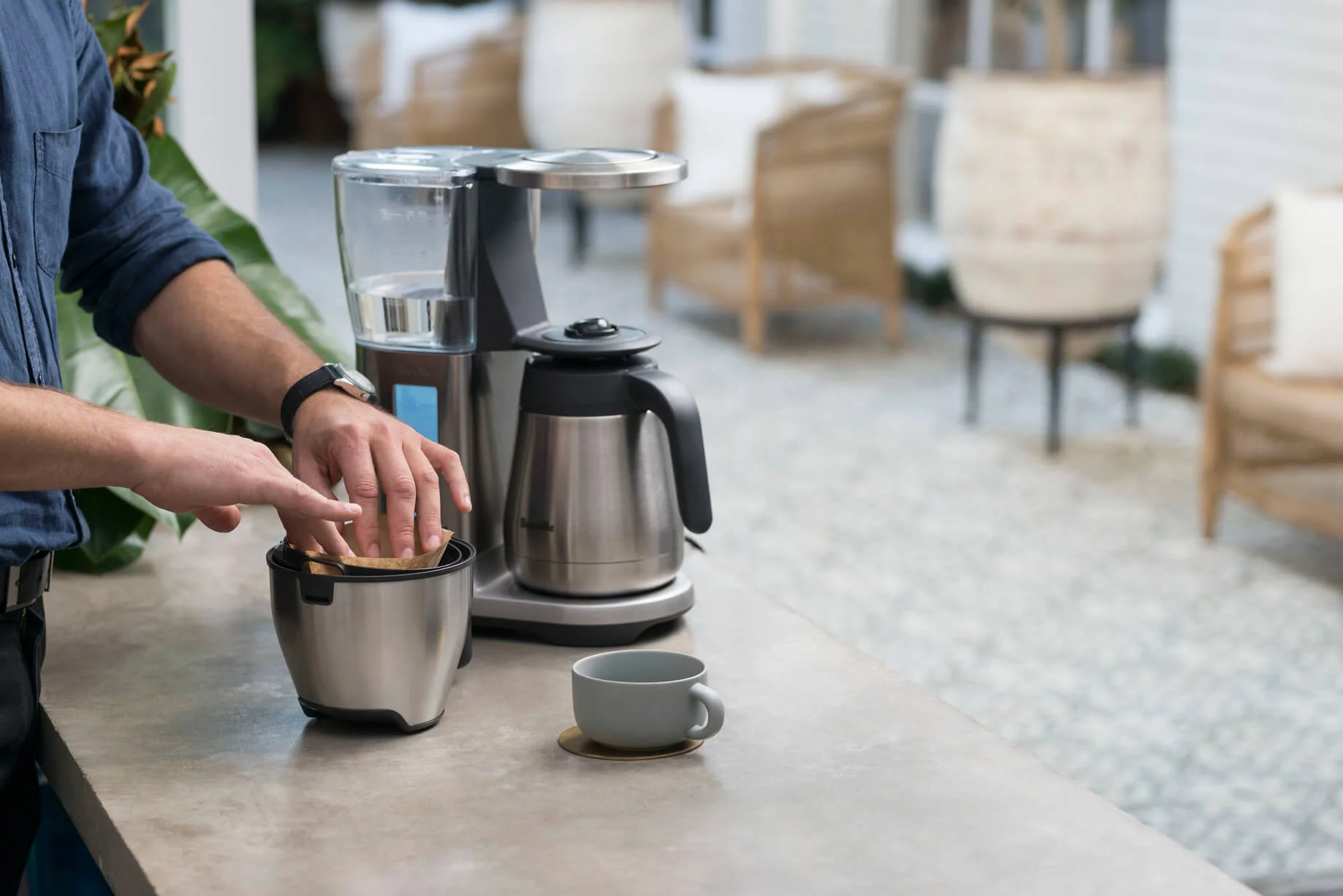
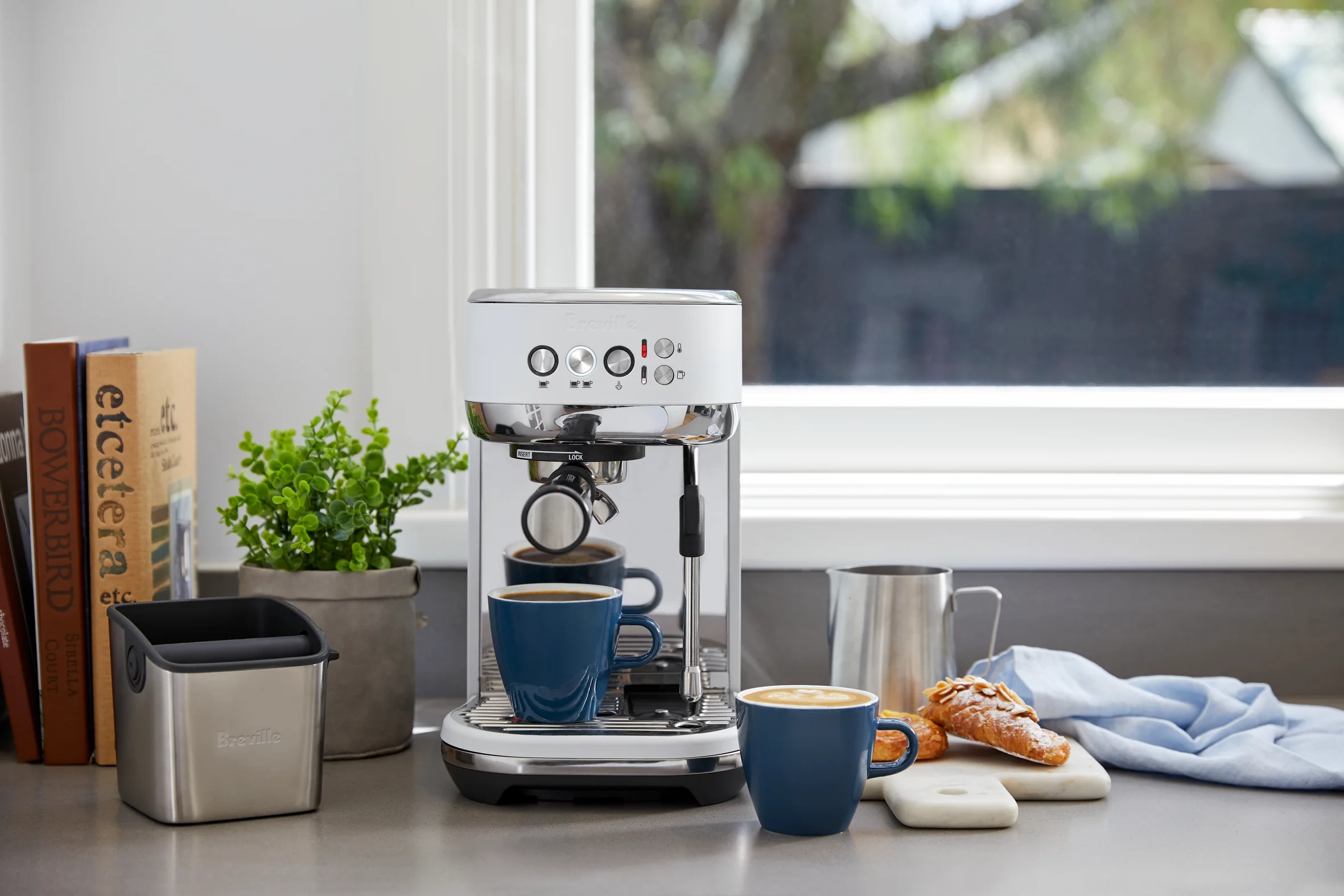
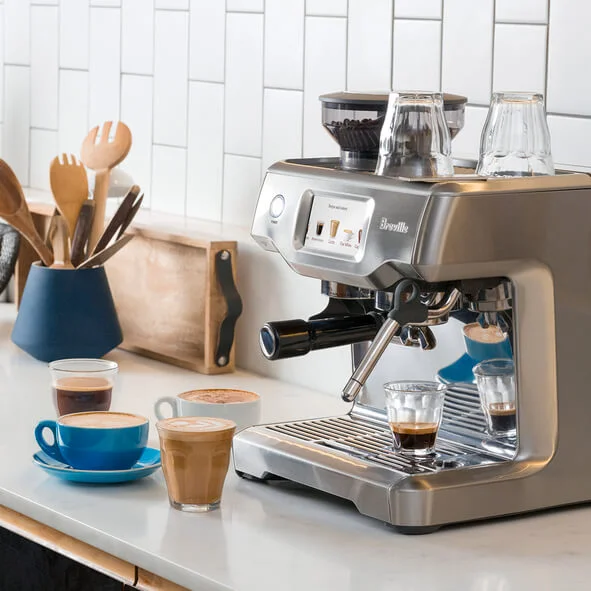
With Breville, you can enjoy the best of both brews. Our selection of coffee machines, including The Grind Control coffee machine, makes your morning ritual complete. An innovative built-in grinder suits any bean origin and grind size so you can extract flavor and freshness to taste. The steep-and-release technology allows you to brew directly into your favorite mug, a large carafe, or a to-go cup for coffee when and how you want it.
Whether you press or pour, choose Breville kitchen appliances.
Sources:
1. Drive Research. Coffee Facts & Statistics [2024 Report]. https://www.driveresearch.com
2,. Moustache Coffee Club. French Press. https://www.moustachecoffeeclub.com/french-in press
3. Roast and Reason. French Press Coffee: What You Need To Know. https://roastandreason.com/french-press-coffee
4. Coffee Geek. Pour Over History and Development. https://coffeegeek.com/opinions/history-technology/pour-over-history-and-development
5. Counter Culture Coffee. Guide To Pour-over Coffee. https://counterculturecoffee.com/blogs/counter-culture-coffee/guide-to-pour-over-coffee