First, What is a Ristretto?
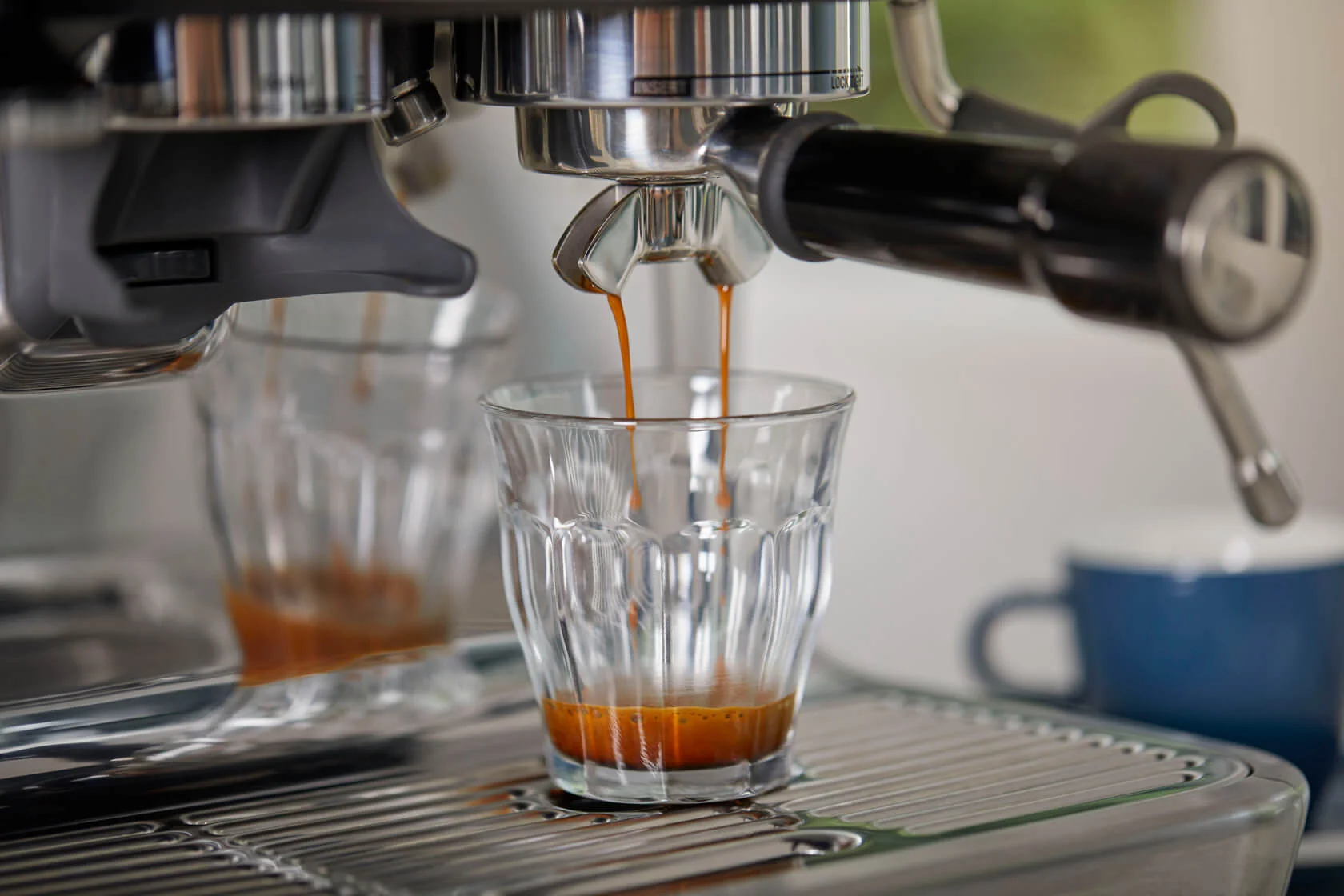
Ristretto is Italian for “restricted,” a nomer indicating its characteristically smaller amount of water and shorter brew time. While a normal espresso has a 1:2 ratio of coffee grounds to water, a ristretto has a 1:1 brew ratio. Brew ratio being the ratio of ground coffee to hot water.
As a result, a ristretto coffee has half the volume of a normal espresso shot but is considered heavier and more intense in flavor.
Typically, baristas make a coffee shot for a ristretto by stopping an espresso halfway through its brewing process (about 15 seconds in), and others will simply grind the coffee finer, which will create more resistance with the water.
Despite the heavier flavor, a ristretto coffee is actually not more bitter. This sippable shot is a fan favorite among caffeine aficionados who want a complex flavor profile.
What is a Long Shot?
A long shot, or lungo, is an espresso shot with a longer pull time, sometimes as long as 60 seconds. The long shot espresso’s ratio of coffee bean to water is around 1:3 and often higher.
While you may initially assume that this coffee shot will taste like diluted espresso coffee, its purpose is to pull as many flavor compounds out of the grind as possible, resulting in a flavor profile that’s similar to an Americano.
Baristas produce this shot by using a coarser ground to allow for more coffee to filter through the grind in 30 seconds, while others simply pull the shot for a longer amount of time, similar to how a ristretto uses a shorter time window.
Both of these iterations can be a bit tricky as they typically mingle with under and over extraction.
How Do a Ristretto and a Long Shot Differ?
Outside of the brewing process, the differences between these drinks are extensive. Everything from the bean to the taste, flavor, and aroma are all affected by the brewing method.
Ristretto vs Long Shot Beans
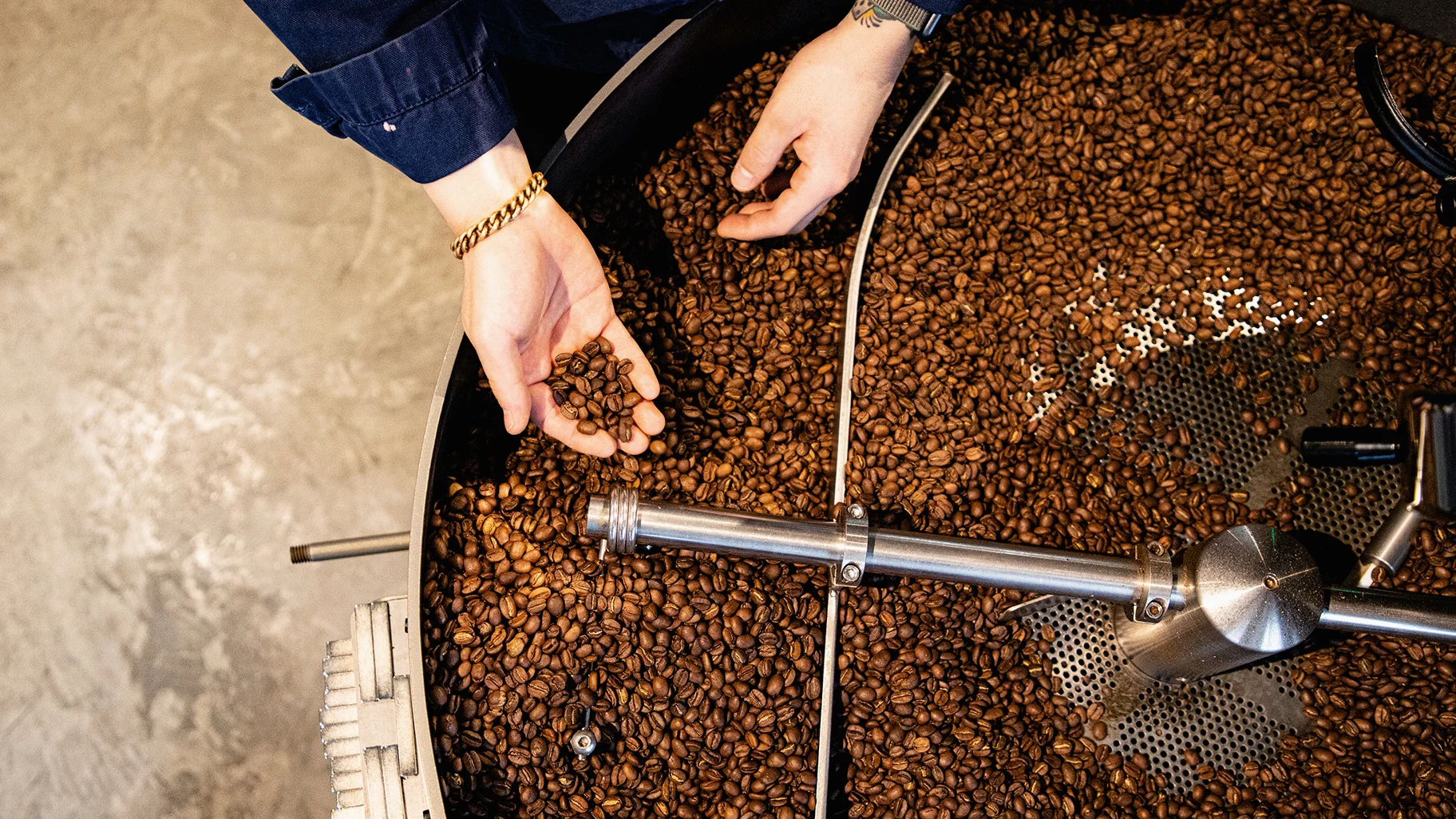
When it comes to coffee beans, there is an overwhelming variety to choose from, all of which can have differences that will impact the flavor profile of your espresso. The way that a shot is brewed will also impact its flavor, taste, and aroma, because the longer coffee is extracted (i.e. the longer water is forced through it) the more flavor compounds are dissolved (including the more bitter ones).
Ristrettos, thanks to their short extraction time, tend to be on the sweeter side, with very little bitter notes. Darker roasts are usually preferred for this type of shot, because lighter roasts will produce too weak of a shot in 15 seconds of brew time. Beans with high acidity should also be avoided for a ristretto shot, as the flavor can be overwhelming for some.
Given that long shots are intended to pull a full flavor profile from beans, any kind of roast will do for this type of espresso. However light or medium roast is best, since the increased amount of water will emphasize the existing bitterness of darker roasts. You can also use denser beans or higher acidity beans for this style of espresso, because the extended pull time will have a higher chance of success at pulling out these beans' unique flavors.
Taste, Flavor, and Aroma
We’ve noted how the different brewing methods and roasts can impact the flavor profiles of these two very different types of espresso shots. Let's dive into more detail.
Ristrettos, as mentioned, have a sweeter, more intense flavor than a long shot or a standard espresso shot. They'll also be more acidic and aromatic, fruity almost, velvety in texture, and slightly bitter, if at all.
The long shot can be mellower, but still finely layered with flavors from the coffee beans. It will be less intense than the ristretto, and smoother, but it will have the characteristic bitter, chocolatey, smokey notes of coffee. Ristrettos will have a stronger flavor than long shots, while because long shots are a higher volume, they'll have more caffeine per cup than a ristretto.
What Drinks are Ristrettos and Long Shots Made For?
While it's commonplace to see espressos quickly churned out and tossed in extravagant mixed drinks, many people choose to drink a ristretto or a long shot by themselves.
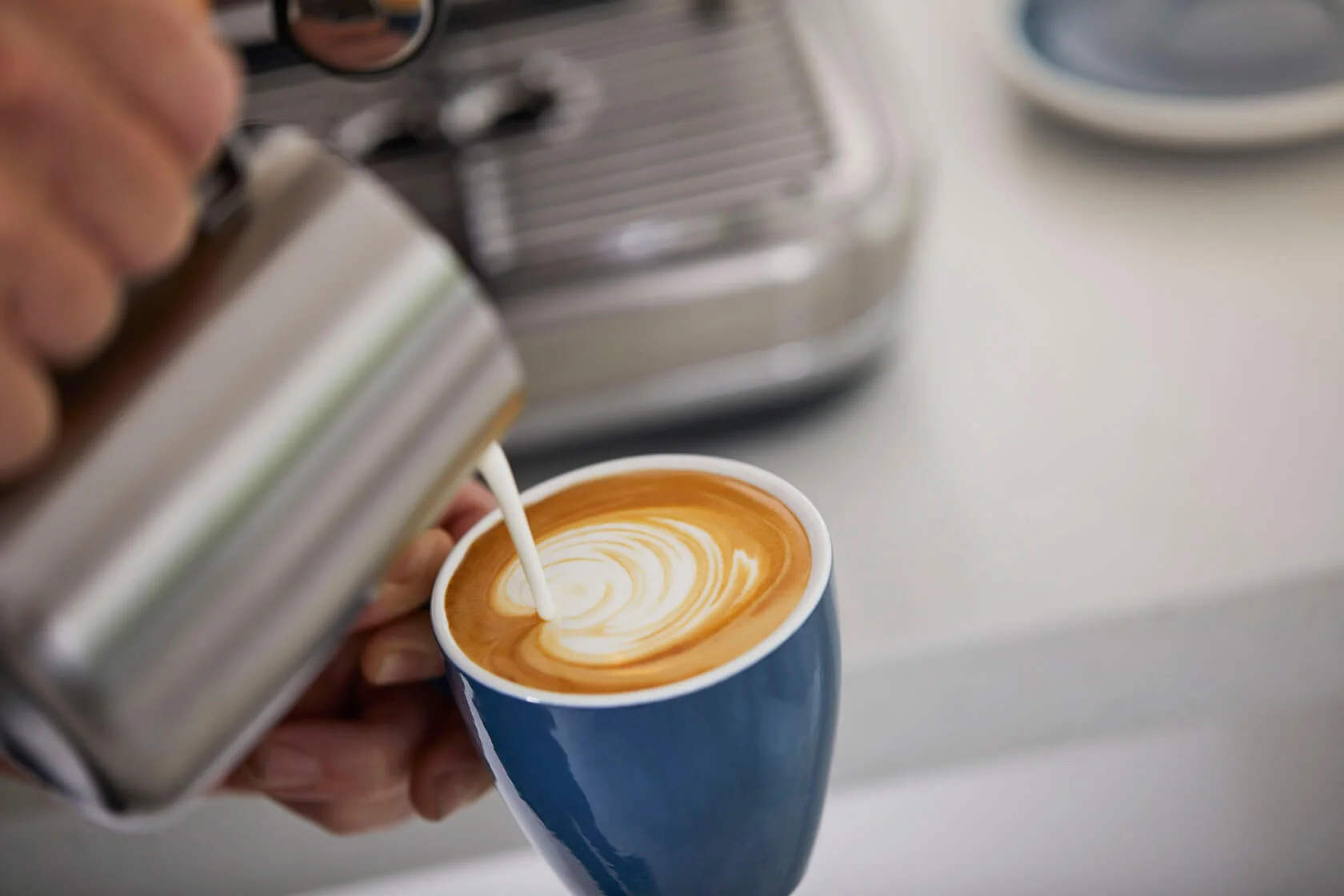
When mixed, ristrettos can be very intense in flavor, so they’re excellent for lattes, Americanos, and other milk-based drinks. While these will taste different from an espresso-based mixed coffee drink, the strength of the coffee flavor will still be there. Long shots are also great for Americanos and long blacks, as well as cappuccinos. Their full flavor profile will add delicate and unique nuance to every last sip.
Long Shots and Ristrettos vs. Traditional Espresso
We’ve covered how the ristretto and long shot vary from standard espressos in terms of brew time, bean, and more, but the question remains: are they better than the traditional espresso shot?
Yes in some respects, and no in others.
It depends on your personal preferences for coffee. Some may find ristretto to be too intense—especially if you’re not a dark roast person. Others may find long shots too mellow. The different styles of brewing coffee allow for novel flavor profiles to be discovered, and much like with anything novel, it won’t cater to all palettes.
How Do You Brew Ristretto or Long Shot Espressos?
Because both brews are types of espresso, they begin on the same path.
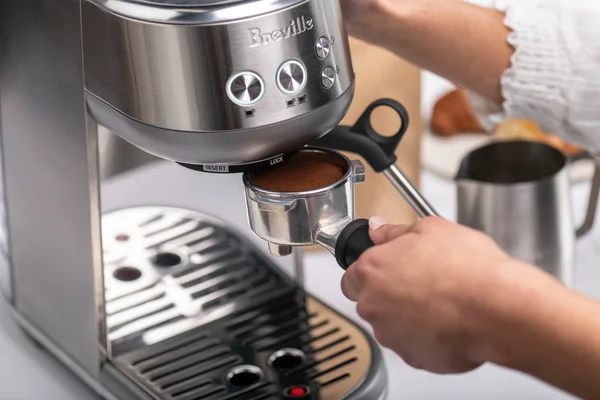
Espresso is the result of hot water forced at a high pressure through a cake or puck of coffee grounds. An excellently pulled shot is produced with the right combination of grind, temperature, pressure, and time. Of course, there are other variables that will change the flavor profile of an espresso shot: the type of coffee bean, how fresh it is, where it's from, the list goes on.
To create the perfect cup, espresso requires a finer grind of coffee. This is because a finer grind will increase the resistance between the pressured water and the beans, which catalyzes the coffee to dissolve into the drink we all know and love. If the grind is too coarse, the water will flow right through and produce a very diluted espresso.
While the 4 keys formula is required to brew espresso, espresso and espresso recipes have evolved over the years, with baristas crafting their own techniques to achieve their desired taste.
However the following is the traditional Italian recipe: to produce an espresso shot, water that’s been heated to 200℉ is run through 7-9 grams of ground coffee at 9 bars of pressure for 20-30 seconds. This usually yields 1 ounce of espresso. A double shot of espresso is 18-22 grams of coffee and is usually around 2 ounces.
For a ristretto, the time cuts in half; for a long shot, the time doubles (or slightly less than doubles). This methodology has been passed down through the decades, slowly optimized for flavor and aroma.
Espresso in the Making: A Brief History
So, what is espresso and where did it come from? Unlike regular coffee, espresso is only a few generations old. This potent drink came about in the early 1900s when coffee was booming across Europe and inventors were rushing to find faster ways of producing coffee to meet demand. While there were many machines created, Angelo Moriondo created a steam machine for quickly producing coffee in 1884.
Next came Luigi Bezzera and Desiderio Pavoni. Bezzera took inspiration from Moriondo’s original boiler design and patented a smaller unit for producing a single cup of coffee. However, because Bezzera lacked the money to mass produce his invention, it wasn’t until Pavoni stepped in in 1903, bought Bezzera’s patent, and worked with him to improve his invention that the first “cafeé espresso” was revealed at the 1906 Milan fair.
Several other inventors built upon the steam-power espresso machine, including Milanese café owner Achille Gaggia, whose invention increased the pressure at which water was forced through the coffee grounds, introducing the concept of coffee “crema”—the foam floating over the shot.
This type of espresso method is still seen in today’s coffee shops, whether it’s for ristrettos, lungos, or traditional espressos.
Breville: Experiment With Ristretto and Long Shots Right from Home
If you’re a coffee fan or you’re trying to expand your palette, ristrettos and long shots are an excellent way to experience new tastes in your morning cup of coffee. Both types of espresso drinks allow you to explore different sides of your favorite bean, which the standard espresso may not allow.
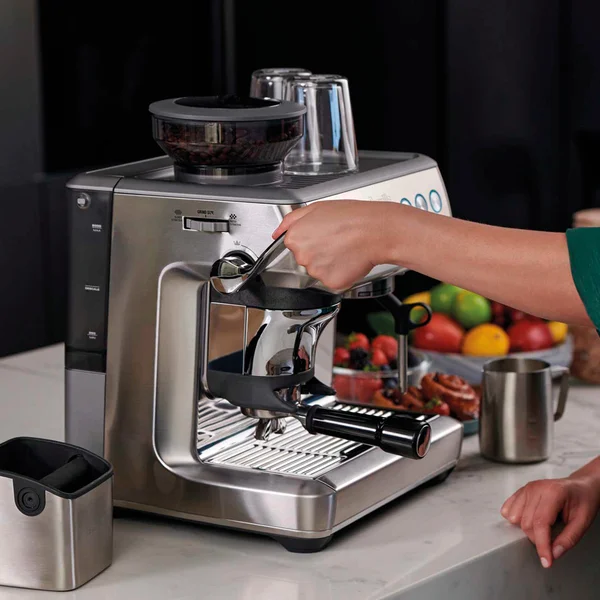
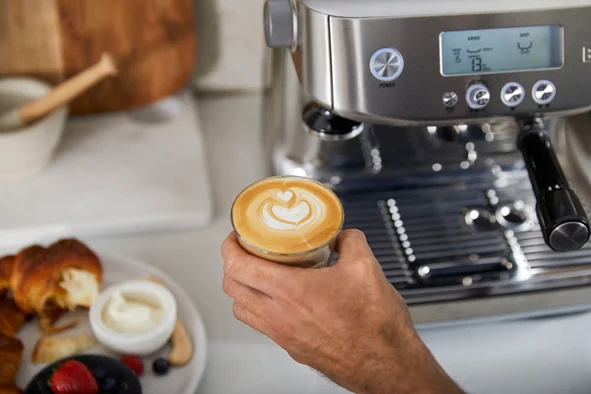
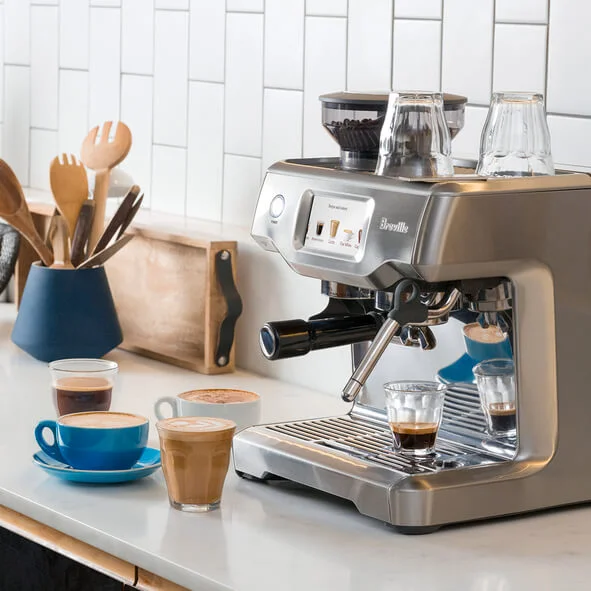
And Breville's specialty espresso makers will make these new experiences more available to you than ever before. Our wide variety of coffee machines ensures that every coffee lover will find the right setup for their home.
Why spend money at the coffee shop around the corner, when you can have third-wave specialty coffee right in your home with the magic of automatic or manual espresso machines. Designed to honor traditional coffee techniques, Breville's espresso makers turn your kitchen into your favorite coffee shop.
Sources:
Bean Poet. The Difference Between a Ristretto and Long Shot, or Lungo. https://www.beanpoet.com/ristretto-vs-long-shot/
Sip Coffee House. Ristretto Vs Long Shot: What’s The Difference? https://sipcoffeehouse.com/ristretto-vs-long-shot/
Smithsonian Magazine. The Long History of the Espresso Machine. https://www.smithsonianmag.com/arts-culture/the-long-history-of-the-espresso-machine-126012814/
Your Dream Coffee. Long Shot vs. Ristretto: Get To Know All the Differences. https://yourdreamcoffee.com/long-shot-vs-ristretto/