A Brief History of Espresso
To fully answer the question, “What is espresso coffee?”, it can also help to know where this drink comes from. If you’ve ever sipped an espresso after a big meal or with an afternoon biscotti, you’d be forgiven for thinking it’s a way of enjoying coffee that’s as old as time. There’s something classic about the rich, serious flavor of espresso that suggests it tastes the way coffee was always meant to taste.
But the truth is, it wasn’t until the early 20th century that espresso was truly born. Before then, people in certain regions had already been consuming coffee drinks since at least the 15th century.
The first shot of espresso was brewed out of necessity. In the early 1900s, Italian businessman Luigi Bezzera invented espresso almost by accident after experimenting with different ways of brewing coffee. The head of a manufacturing company and a very busy man, Bezzera was a big fan of coffee—just not the amount of time it took to brew it. When he modified his coffee maker to use steam pressure, he stumbled upon a coffee drink that offered a bigger flavor than regular coffee in half the time. He named his invention the “Fast Coffee Machine,” and espresso as we know it was born.
Bezzera’s original espresso machine model went through a few iterations before the kind you see baristas using today was developed. A couple of dates that are significant in the development of espresso include:
● 1906 – After purchasing half of Bezzera’s idea a few years prior, Desidero Pavoni set about improving it. At the 1906 Milan Fair, Pavoni debuted the new “Ideale” machine, which effectively introduced espresso to the masses.
● 1938 – Not quite thirty years later, Achille Gaggia refined the original espresso machine model into the kind that is used today.
Throughout World War II and into the post-war years and beyond, espresso grew in popularity. Today, it’s enjoyed by millions of people all over the world, both at home and in cafes.
There’s Something About Espresso
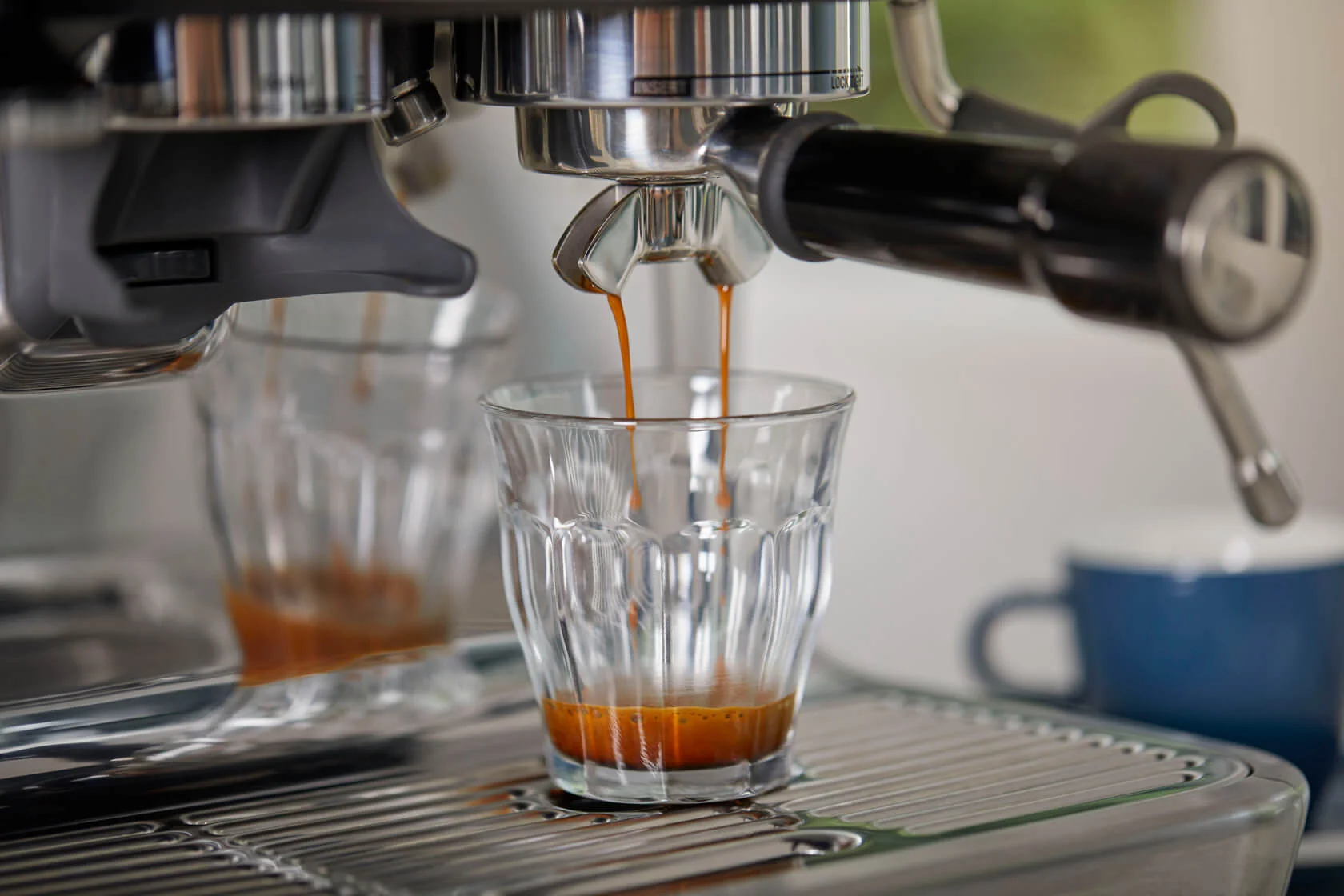
In its purest form, espresso is a small shot of hot, brewed coffee, similar in size to a shot of vodka or whiskey. Yet despite its diminutive stature, this tiny drink packs a powerful punch, offering a flavor experience that far surpasses your average cup of joe. Espresso turns up the octane on all the intense, complex notes that coffee lovers adore.
Compared to regularly brewed coffee, espresso is:
● Thicker
● Stronger
● More concentrated
● Way faster in brew time
But why is that?
Principally, we’ve identifiedfour key ways that making a cup of espresso differs from other ways of making coffee:
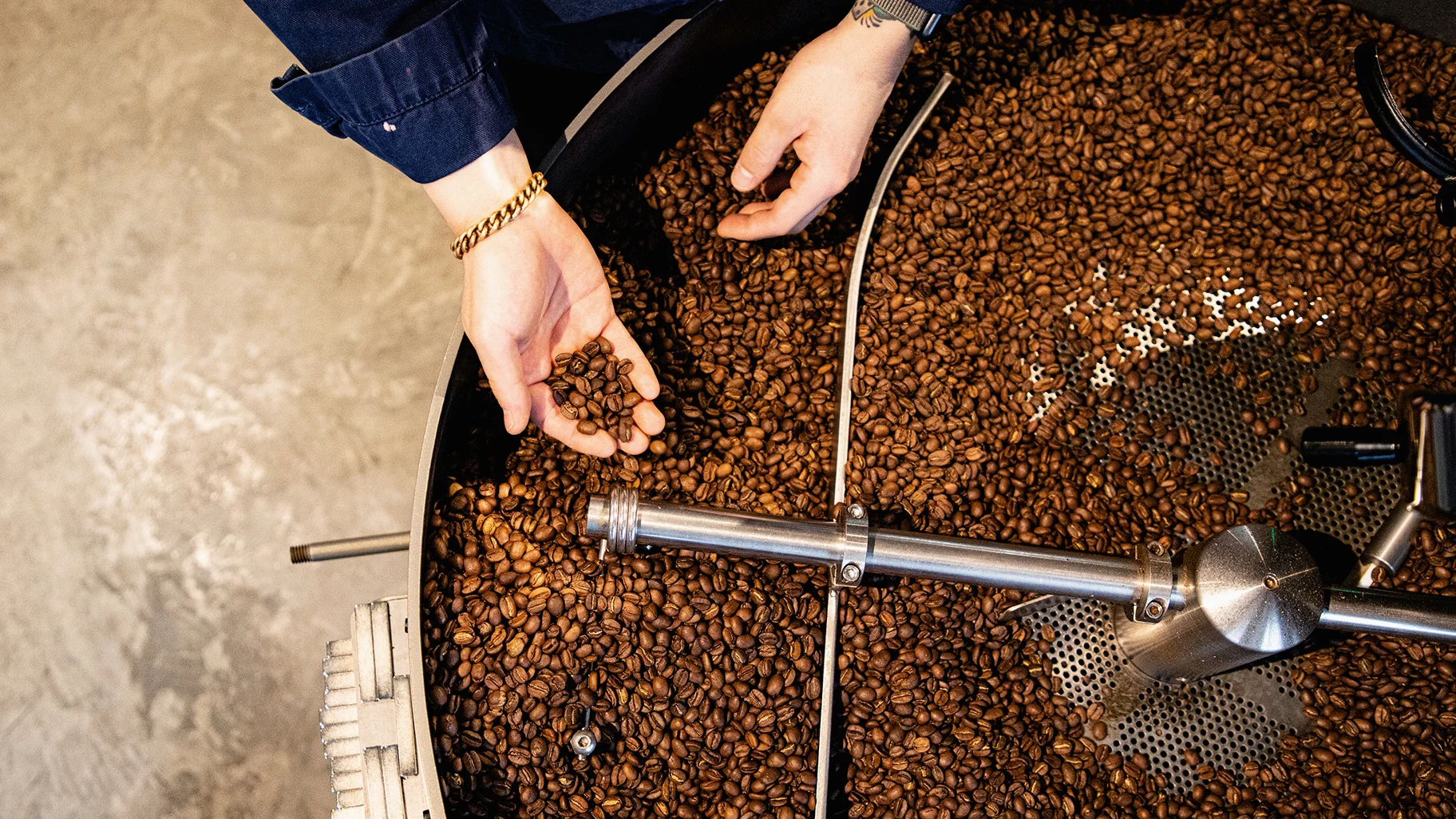
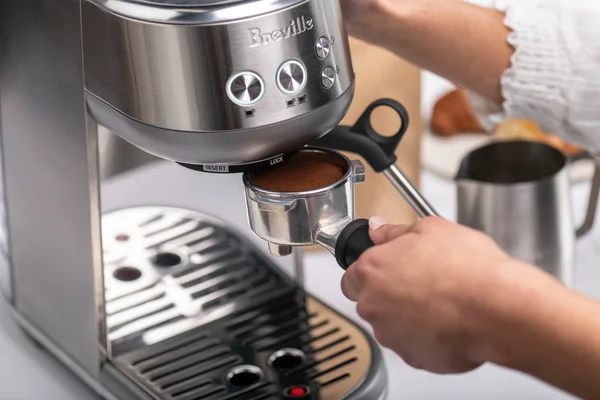
1. The dose – Espresso requires a dose of 18-22g of finely freshly ground coffee beans—the fresher, the better. We recommend using your coffee beans between 5–30 days after the date they are roasted. Keeping your coffee beans fresh can help to achieve the richness and complexity of flavor that good espresso delivers.
2. The pressure – Espresso machines with more sophisticated components will soak the coffee grounds with a low, 3-bar pressure first, usually for about 7 seconds. This is called pre-infusion. Then, followed by 9 bars of pressure for the espresso extraction. That pre-infusion helps to presoak the grounds and prevent the higher-pressure water from going straight through the coffee grounds, ensuring a more even extraction.
3. The brew temperature – The ideal water temperature for a consistent brew should be close to 200 degrees Fahrenheit, or 93 degrees Celsius. If your water temperature is too low, the espresso may lean toward a sour and acidic taste—too hot, and it may taste burnt, bitter, or astringent. This precise temperature is therefore vital to crafting a balanced flavor in the espresso shot. Well equipped espresso machines use PID temperature control to regulate the thermostat and ensure this precision.
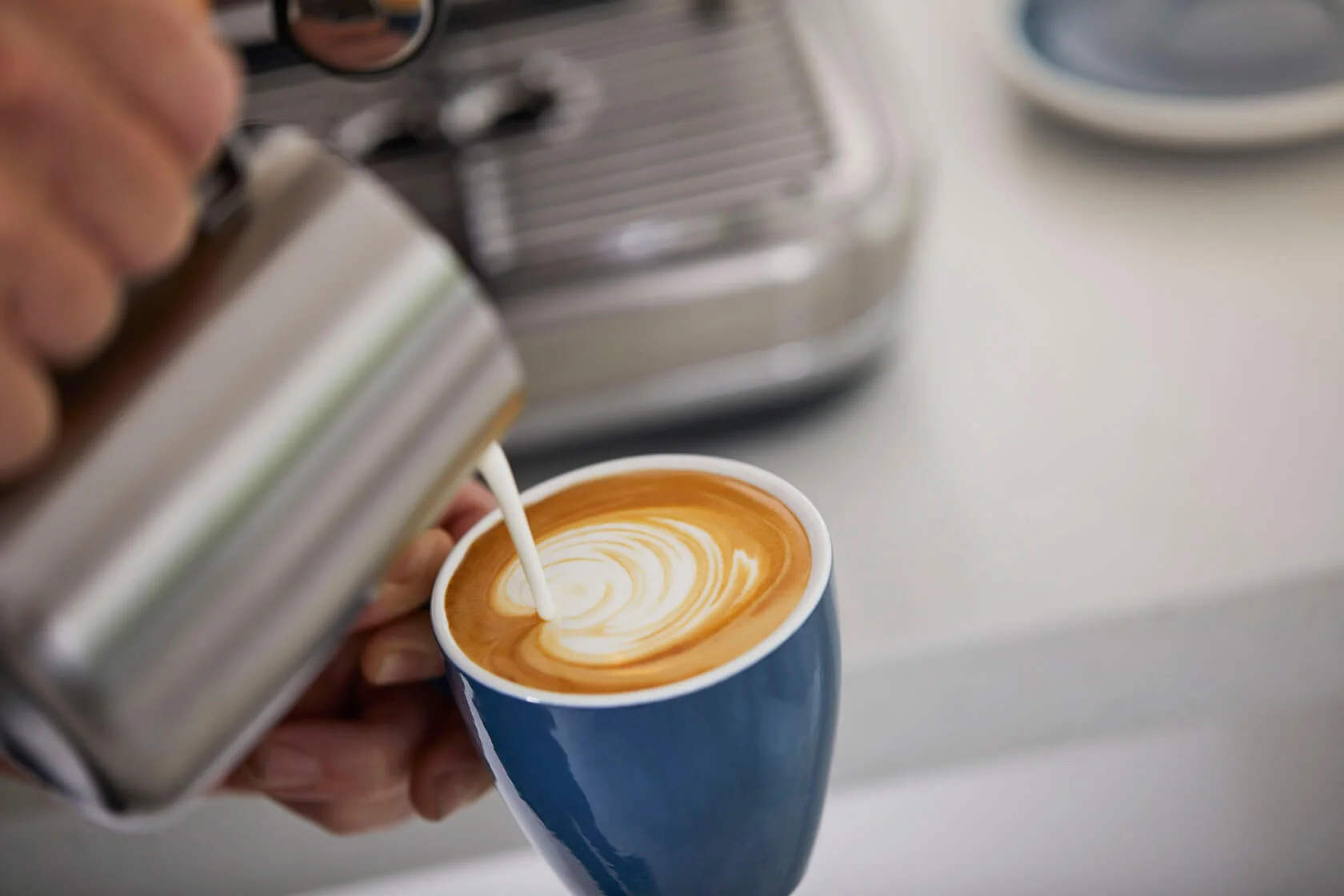
4. The steam – If you prefer your espresso with milk, then the steam is another key component of creating the perfect cup. Espresso machines combine a fine-tuned combination of pressure and temperature to produce microfoam milk with a smooth, velvety finish. To achieve the right balance, you’ll want a boiler temperature of 266 degrees Fahrenheit or 130 degrees Celsius. At this temperature, the boiler can infuse sufficient air and heat to achieve the perfect texture of microfoam milk. This is absolutely critical if you’re chasing the ability to pour latte art.
The Many, Many Ways to Enjoy Espresso: Types of Espresso Drinks
Espresso is traditionally enjoyed in small servings of about one or two fluid ounces. This is known as a single or double shot of espresso.
But espresso isn’t only a drink to enjoy on its own. In fact, espresso is the foundation of every traditional Italian coffee menu and a range of exceedingly popular coffee drinks, many of which may already be staples of your coffee rotation.
Before learning how to make espresso, it’s helpful to know the types of drinks you can create using this form of coffee. There are dozens of coffee drinks that use espresso as their starting point. Let’s cover the traditional heroes of the espresso menu:
● Americano – The Americano is among the simplest espresso drinks. Essentially, it’s one regular shot of espresso mixed with any amount of hot water. In some cafes, you may also see an Americano prepared similar to a long black—with a double shot and hot water to fill the rest of the cup. This typically results in a 1:3 water-to-coffee ratio. Essentially, this transforms the concentrated strength of espresso into something closer to drip coffee by diluting it.
● Macchiato – Sometimes known as a caffé macchiato, this drink combines espresso with just a bit of milk added to it. The name comes from the Italian word for spotted or stained, in reference to the discoloration that happens when milk is added.
● Cappuccino – A cappuccino is the traditional combination of steamed milk with espresso. Typically this will be done in thirds of espresso, milk, and foam to ensure a balance of flavors.
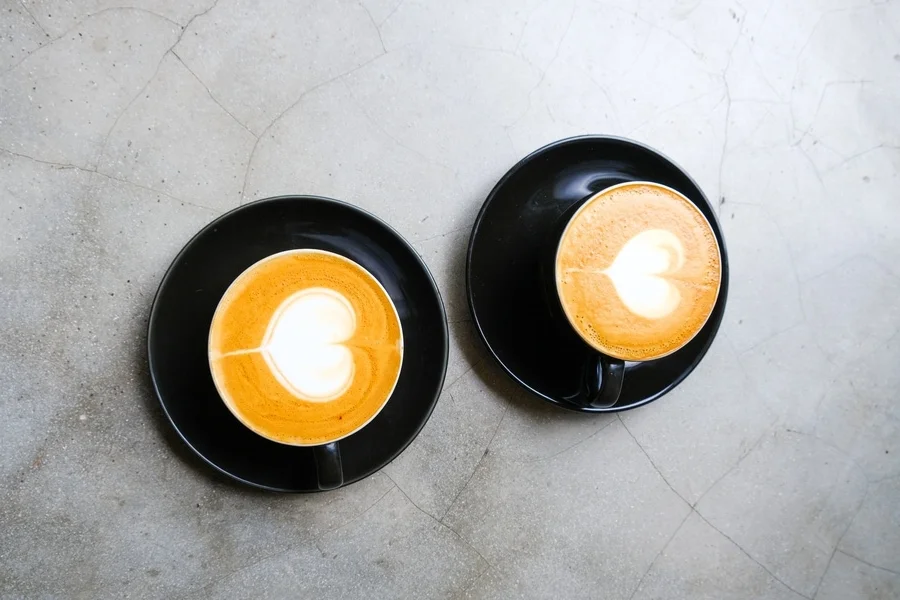
● Caffé latte – A latte is similar to a cappuccino in that it also incorporates espresso and steamed milk, but generally speaking, a larger proportion of milk to espresso. Those who want to taste their coffee less or add flavor, will typically use a latte as the base.
● Espresso con panna – Adding a bit of whipped cream to a shot of espresso results in a drink known as an espresso con panna, which literally translates to espresso with cream.
● Caffé mocha latte – A traditional latte with a bit of chocolate flavor added is known as a mocha latte. In fact, lattes lend themselves to a variety of popular flavors, like vanilla and pumpkin spice.
● Red eye – For an extra jolt of caffeine, pour a shot of espresso over a cup of brewed coffee for a drink named after the bleary-eyed effect it can have on you.
Espresso is so versatile that the above list only scratches the surface. That’s why the best way to enjoy espresso is at home. With your own home espresso machine, you can experiment with various espresso drinks to your heart’s content.
Breville: Master Every Moment
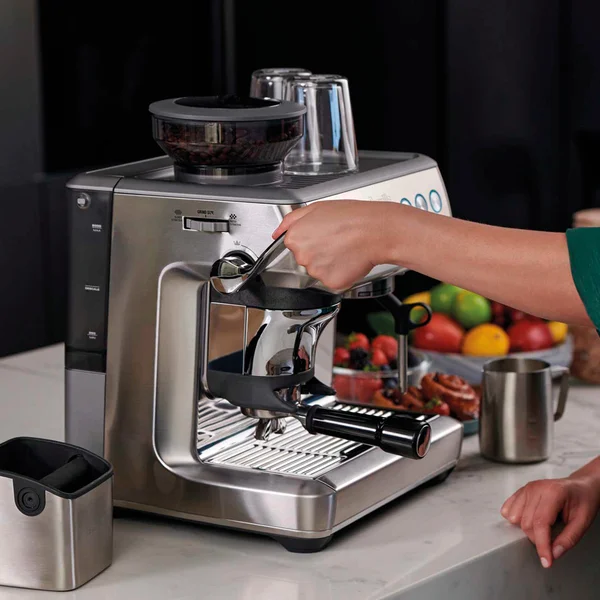
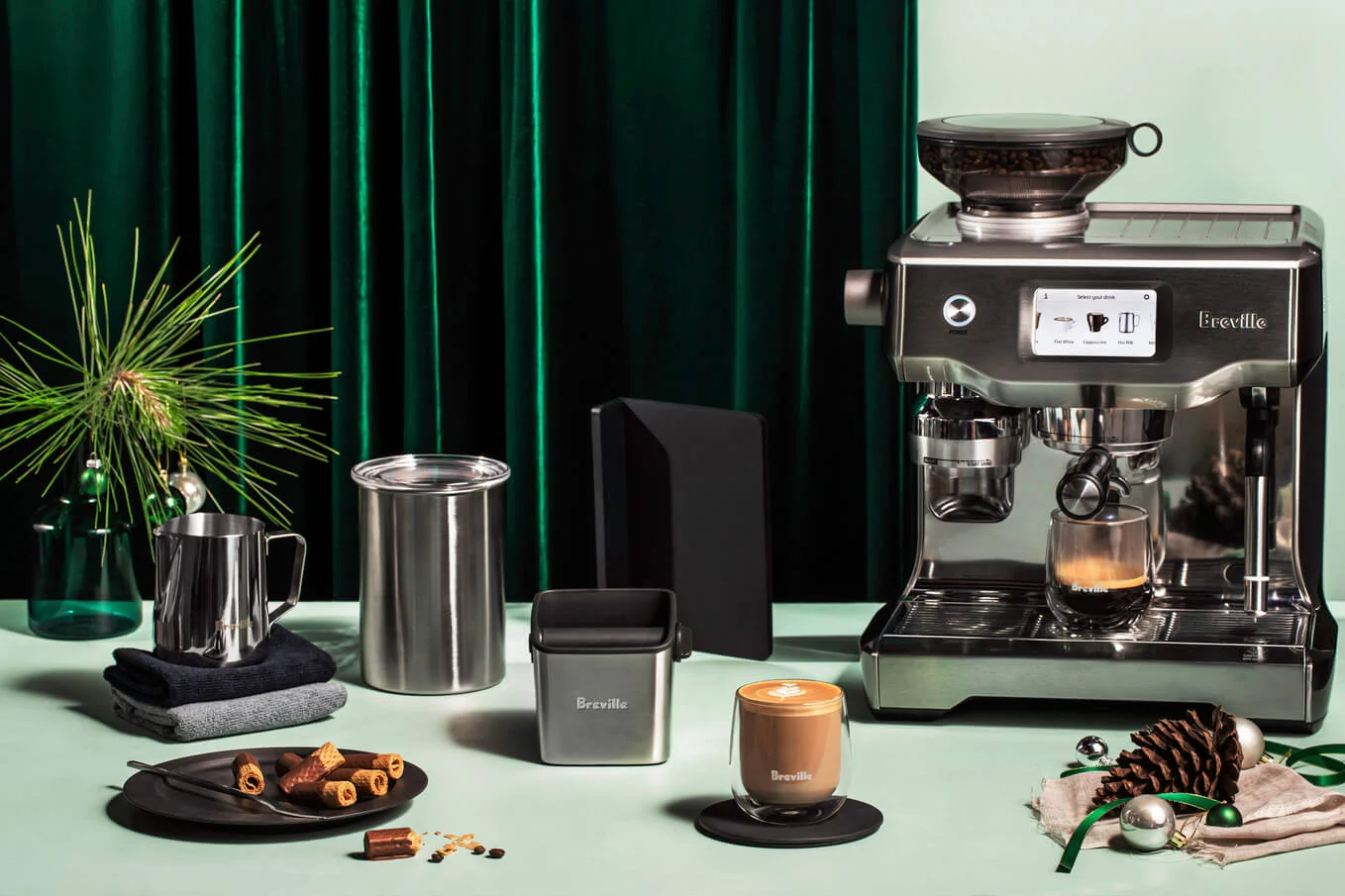
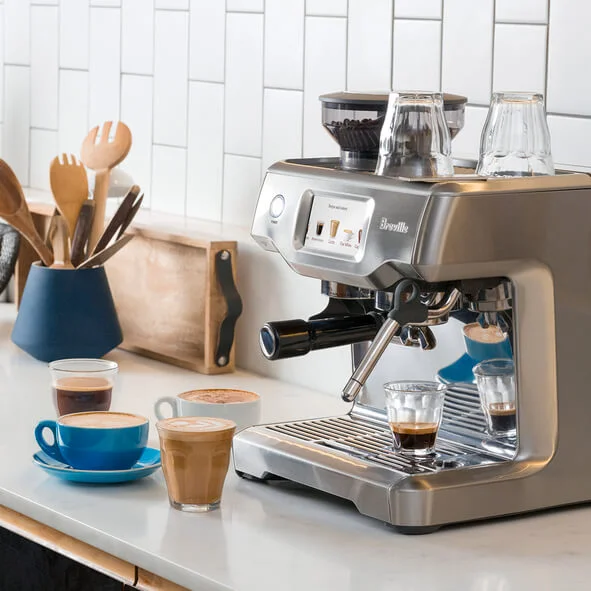
Whether your espresso drink of choice is a foam-topped cappuccino or you prefer it hot, black, and straight from the cup, the best way to enjoy espresso at home is by investing in a quality espresso maker.
Breville specializes in high-quality espresso machines and other kitchen appliances. We’re passionate about helping people everywhere master the skills to create the best kitchen experiences possible. From espresso machines to air fryers, cookers, juicers, and more, our high-end kitchen and cooking appliances enable you to do that.
Are you ready to get more out of your kitchen? Shop Breville today.
Sources:
The Spruce Eats. What Is Espresso? https://www.thespruceeats.com/what-is-espresso-765702
The Spruce Eats. The Importance of Coffee Crema for the Perfect Espresso. https://www.thespruceeats.com/what-is-coffee-crema-765688
NCAUSA.org. The History of Coffee. The Spruce Eats. What Is Espresso? https://www.thespruceeats.com/what-is-espresso-765702
Esquires Coffee. The History of the Espresso. https://esquirescoffee.co.uk/news/history-espresso/
Home Grounds. What Is An Americano? https://www.homegrounds.co/what-is-an-americano/
The Darkest Roast. What is a Macchiato Coffee?
Espresso Coffee Guide. What is a Latte? https://espressocoffeeguide.com/what-is-a-latte/
The Spruce Eats. What Is A Cappuccino? https://www.thespruceeats.com/what-is-a-cappuccino-765321
Sip Coffee House. 25 Types of Espresso Drinks Popular in 2022. https://sipcoffeehouse.com/types-of-espresso-drinks/
Culinary Depot Inc. Healthy Limits of Coffee: How Many Shots of Espresso is Too Much? https://www.culinarydepotinc.com/blog/how-many-shots-of-espresso-is-too-much/#
Healthline. Coffee and Antioxidants: Everything You Need To Know. https://www.healthline.com/nutrition/coffee-worlds-biggest-source-of-antioxidants
PubMedCentral. Coffee consumption and risk of stroke in women. https://pubmed.ncbi.nlm.nih.gov/21393590/