What is cold brew?
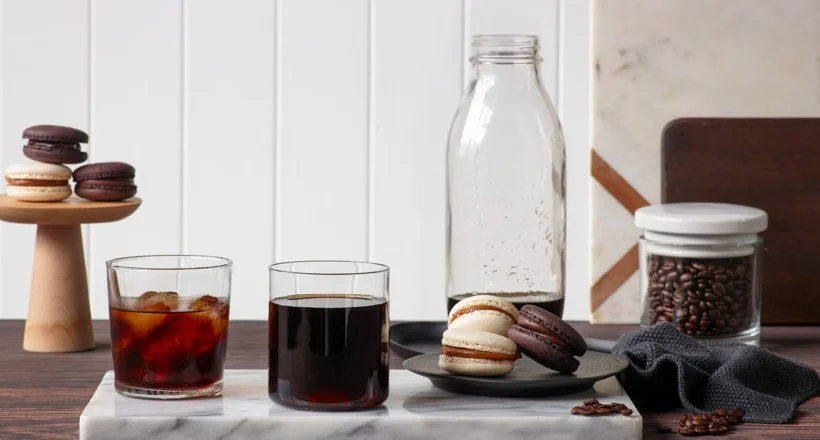
Cold brew is the result of brewing coffee grounds in cold or ambient temperature water for a much longer period of time compared to traditional coffee. Where traditional brewing methods steep coffee grounds in hot water for a few minutes, cold brew calls for coarse grounds to steep in cooler water for as long as 24 hours.
Is coffee acidic? Yes it is, however, if you want something with a lower perceived acidity, this brewing process creates a smooth and flavorful drink that’s less acidic than traditional brews. The slow, cooler brewing process uses time, rather than high temperatures, to facilitate extraction, drawing out more subtle nuances and complex flavors from the coffee grounds.
That’s also why cold brew coffee tastes less acidic compared to coffee brewed with hot water. While the technical pH of cold brew and hot brew is similar, cold water tends to extract less titratable acid than hot water. The result is an overall smoother, more balanced flavor profile on your palate, making for an easily sippable caffeinated beverage with milk, cream, ice, or on its own.
How should you serve cold brew?
In short, there is no one “right” way to serve cold brew. One of the benefits of homemade cold brew coffee is that it’s a blank canvas ready to be customized to your preferences.
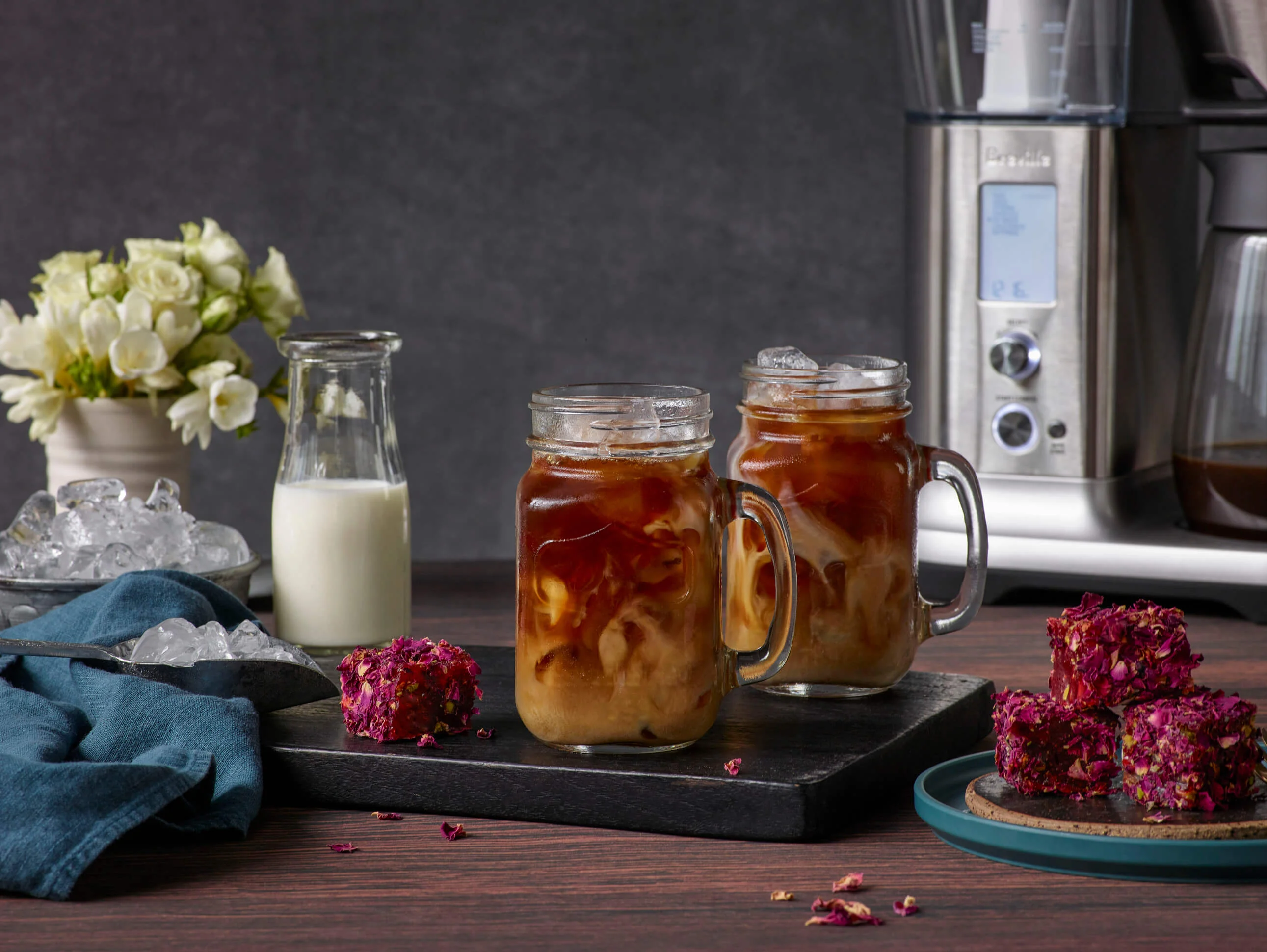
Since you make cold brew at a cooler temperature to begin with, you don’t need to serve it by pouring it on ice. Feel free to enjoy it straight from the fridge. That said, on a particularly hot summer day, a few ice cubes or a splash of your favorite alternative milk makes a favorable addition to a thoughtfully brewed glass of cold brew.
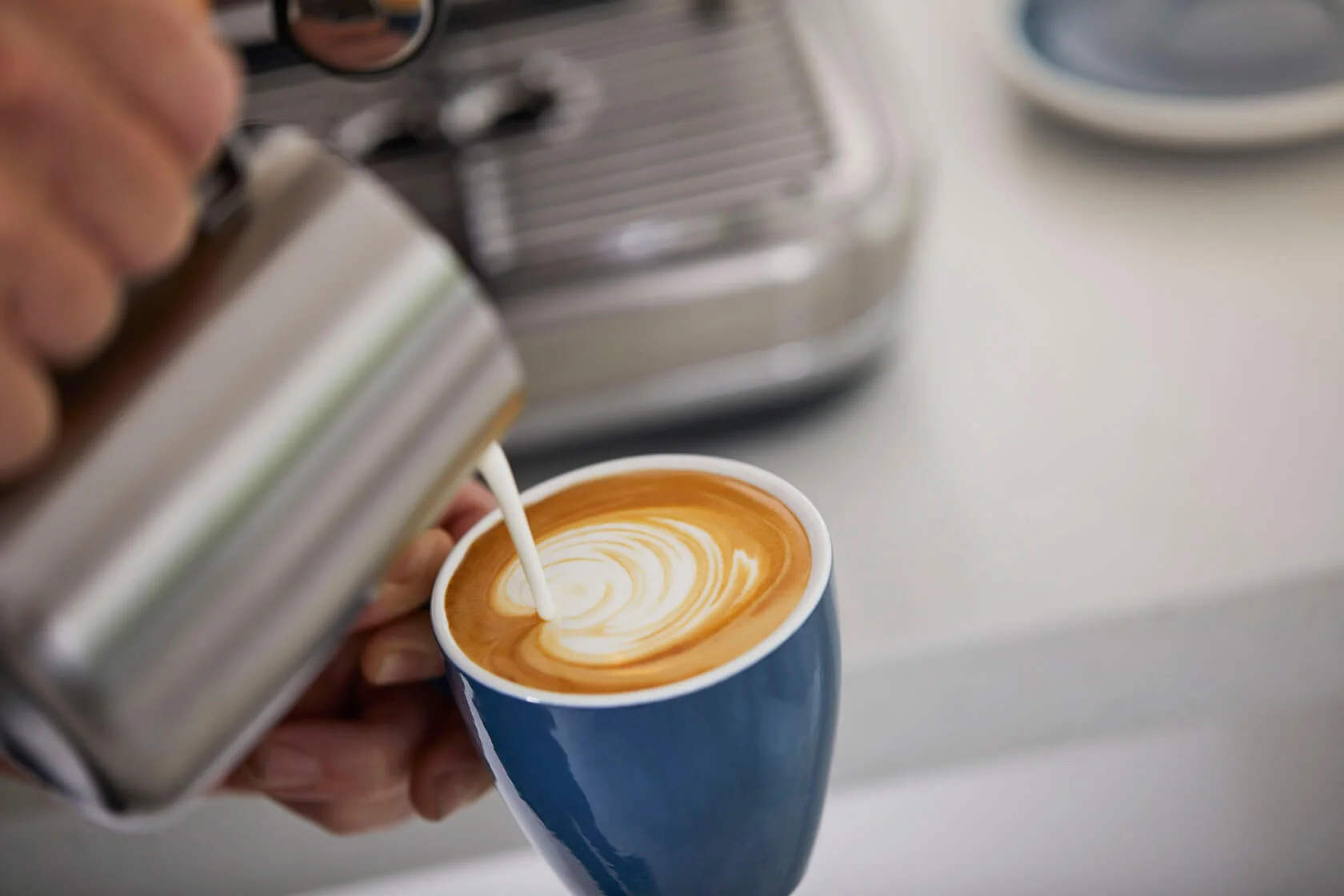
If you like your morning caffeine with a hint of sweetness, you can also add flavored syrups or homemade cold foam to your brew. Similar to iced coffee, you can add an array of sweeteners and creamers to personalize your drink to suit your taste (without having to present a complicated order to a busy barista).
See related: How to sweeten coffee without sugar
How long does cold brew last?
While you may be used to pouring leftover coffee from your coffee pot down the drain at the end of the day, cold brew withstands more time. Cold brew can last anywhere from a few days to a week and a half if you store it properly, which makes it easy to grab if you’re on the go and can help you save time during your morning routine.
When brewing your own cold brew, you’ll want to store it in the fridge after it's steeped and filtered to maintain freshness. Keep it in an air-tight container and try to avoid opening it often to maintain the flavor and integrity of your brew.
It’s important to note that if you choose to mix your entire batch with milk or other added ingredients, this may decrease its fridge storage life.
What do you need to make cold brew?
Key aspects of crafting the perfect cold brew at home are the ingredients and steeping method you use. Here’s a list of what you’ll need to create your own:
● Coarse to medium-coarse ground coffee beans
● Coffee grinder (optional)
● Cold or room temperature water
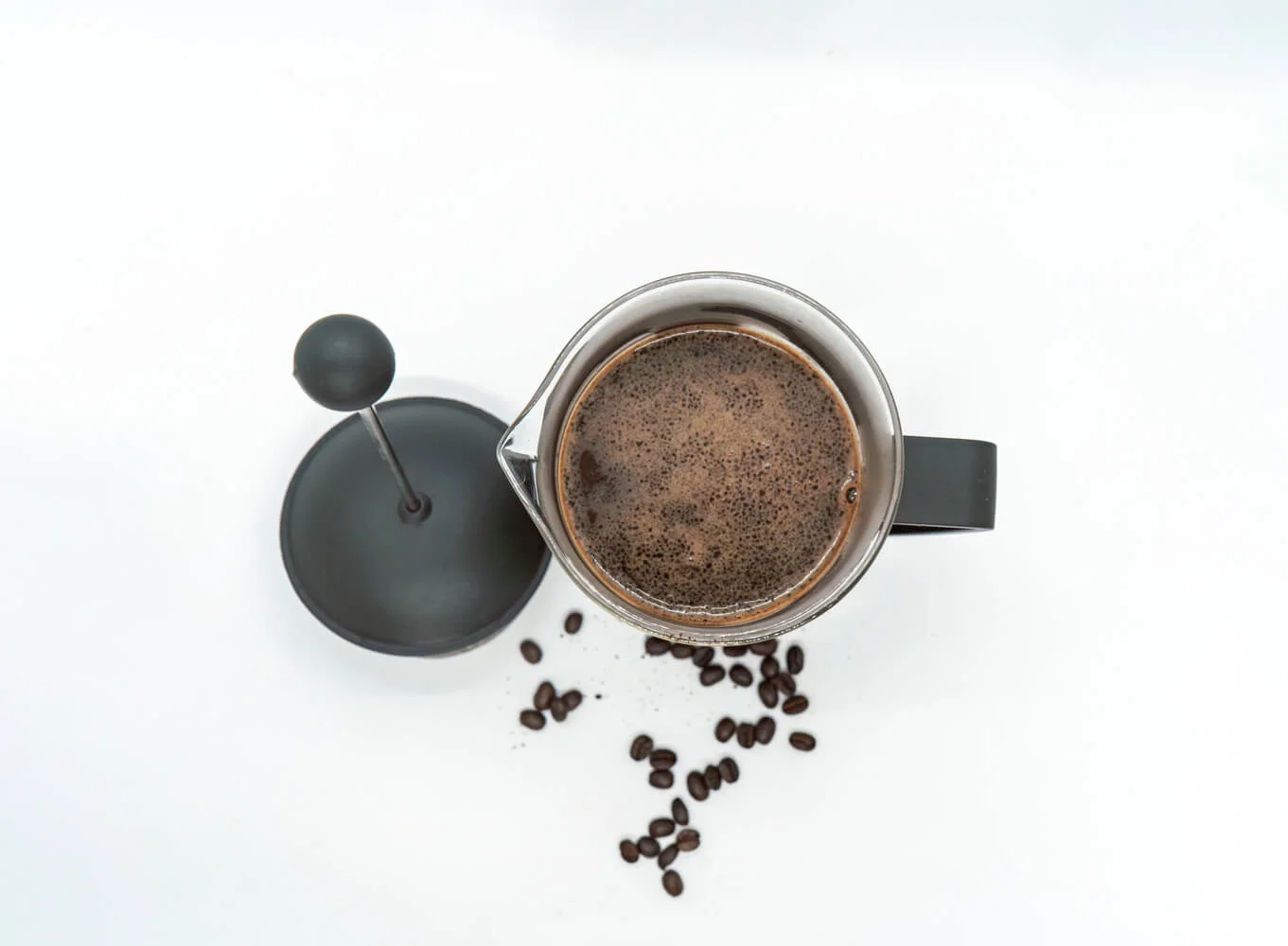
● Coffee strainer or French press
It may come as a surprise that you don’t need a fancy contraption to create the complex flavors of the cold brew you know and love but with a few simple appliances and the right grounds, you can craft a barista-level beverage at home.
How to craft cold brew in your kitchen
In a few simple steps, you can create cold brew almost identical to the one at your favorite corner coffee shop. Here are some tips that describe how to make cold brew coffee at home.
Step 1: Find (or make) coarsely ground coffee beans
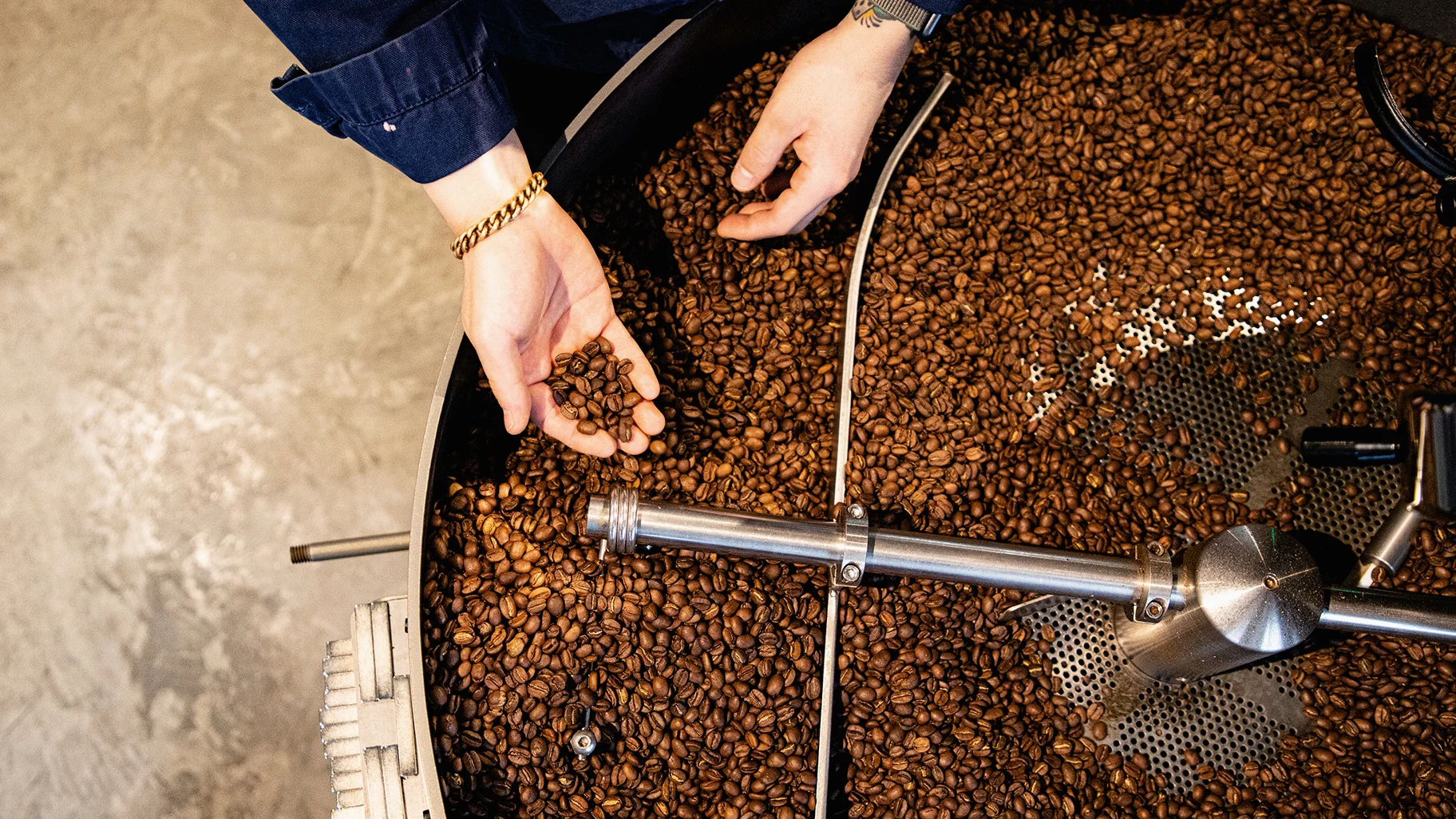
While it may seem like the easiest option to pick up a bag of freshly ground coffee beans, most pre ground coffee is usually too fine for this method, which is probably the right size for a traditional drip coffee maker, but not for cold brew.
For the ideal height of freshness and coarseness for homemade cold brew, it’s recommended to invest in a quality coffee grinder with multiple grind level settings to adjust the coarseness and fineness for each unique brew.
Use the coarsest (or close to it) setting on your grinder for cold brew (typically the one designated for making French press coffee). If you don’t have a grinder or are unsure how to grind coffee beans, you can stop by your local coffee shop and ask them for coarsely ground beans (if you let them know you’re making cold brew, they’ll know just how coarse you need them).
Step 2: Combine your coffee grounds with water
After grinding your coffee beans, you’ll want to combine them with cold or room-temperature water (filtered water is best). The combination, or steeping process is where all the magic happens, and the flavors from the beans extract slowly into the cool water. You can use a variety of sturdy vessels, including:
● A stainless steel bowl
● A large glass jar or bottle
● A wide-mouth mason jar
● A ceramic or glass pitcher
In your steeping vessel of choice, you’ll want to put the grounds in your container first and then pour the water over them, ensuring they’re all fully submerged. Use a spoon to gently press on the coffee and make sure your grounds are thoroughly soaked.
Step 3: Cover and let it steep
Let the mixture sit for as little as 8 or up to 24 hours, depending on how strong you like your cold brew.
For a more mild flavor, brew it for only 8 hours. If you prefer a more robust flavor profile, lean on the side of 18 or 24 hours—perfect for letting rest overnight. To let it steep, cover the container with a lid or plastic wrap, and set it in your fridge.
One major benefit of cold brew is that it’s a pretty forgiving coffee drink. If you accidentally let it steep for longer than you intended and you notice it’s stronger or more acidic than you like, all you have to do is dilute the batch with water.
Step 4: Strain your cold brew and enjoy
Once you’ve brewed and steeped the cold brew, it’s time to strain it. If you opted to make your cold brew in a French press, all you need to do is push down on the coffee filter.
If you used a mason jar, pitcher, or other wide-mouth container, use a strainer that’s fine enough to catch all of the grounds. Here are some options you can use to strain your brew:
● Fine mesh sieve topped with a fine cloth – If you have a fine mesh sieve in your kitchen, you can top it with a culinary cloth, like a cheese cloth or a nut milk bag, and use it to catch the coarse coffee grounds.
● Fine coffee strainer – If you’re an avid tea or regular coffee drinker, you may already own a fine mesh coffee strainer. Layer it over a mason jar or other large container and pour the cold brew over it, allowing the strainer to catch the grounds and filter the coffee.
Once you’ve separated the liquid from the grounds, you can mix your cold brew with any syrups, sweeteners, and milks or enjoy it as-is.
The benefits of making your own cold brew at home
One major advantage of opting for cold brew at home is the opportunity to prep and store large quantities of it. This allows you to create a refreshing and energizing drink in advance, so you can grab a cup and get on with your morning.
When you make it at home, you don’t need to schedule a daily stop at the coffee shop to wake up and have a productive day. Save money and time by creating the drink you love in your very own kitchen, complete with your favorite milk or milk alternative, sweeteners, and your most coveted cold-drink glass.
Become an at-home barista with help from Breville
With the right tools and ingredients, you can craft your very own cold brew from your home kitchen. Easy to prep and store and packed with flavor, cold brew is a rich and flavorful beverage for your busy mornings and afternoon lulls.
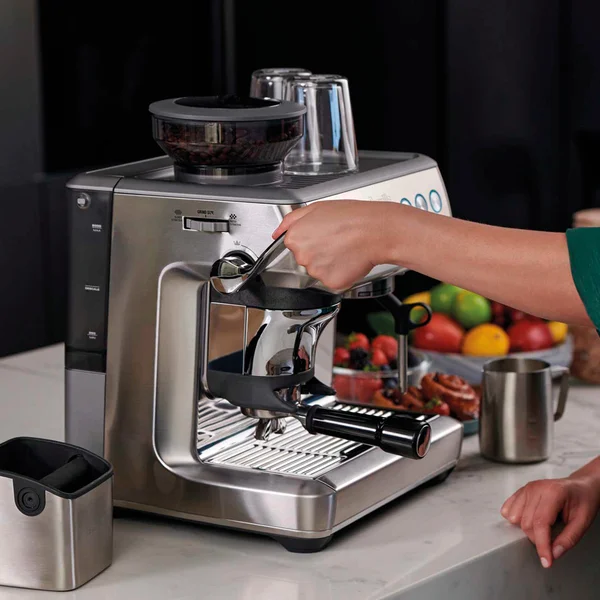
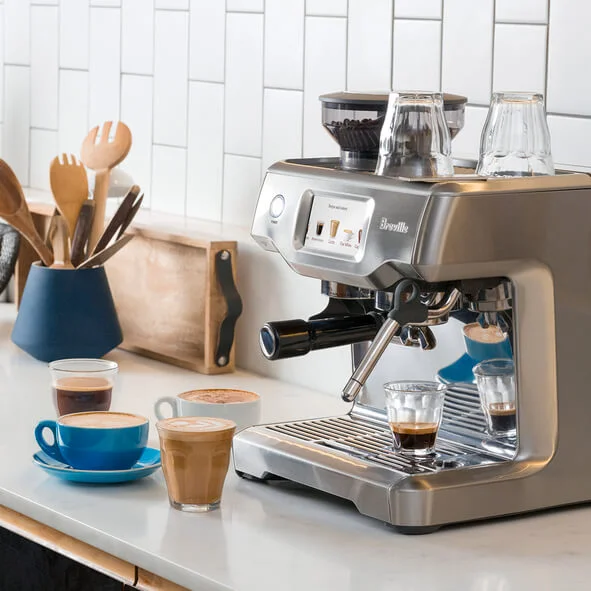
At Breville, we have the intuitive coffee grinder and all the other expert tools you need to brew the perfect cold brew every time. With Breville’s variety of countertop coffee essentials, you can skip the morning coffee shop stop and become a barista at home.
Sources:
1. Scientific Reports. Acidity and Antioxidant Activity of Cold Brew Coffee. https://www.nature.com/articles/s41598-018-34392-w
2. Kaldi’s Coffee Roasting Co. 5 Things To Know About Cold Brew Coffee. https://kaldiscoffee.com/blogs/news/5-things-you-should-know-about-cold-brew