While the latte is a coffee shop staple, the good news is you can easily start making this delicious drink at home. All you need is the right equipment, quality ingredients, and a little know-how.
So, grab the best fresh coffee beans and your favorite choice of milk: in this article, we’re explaining what a latte is, which ingredients go into creating one, and how you can make a latte like a seasoned professional.
What is a latte?
The word “latte” is Italian, and it translates to mean “milk” in English. The name stems from the fact that the latte has the highest milk content of any espresso drink.
While other types of coffee beverages seek to highlight the intense flavor of the coffee beans by featuring a smaller amount of milk (or none at all), the latte places milk front and center. Additionally, lattes are typically the largest drink in the espresso beverage family due to the increased volume of milk they contain.
To that end, lattes are the ideal choice for coffee drinkers who want to strike a balance between appreciating strong espresso and enjoying a smooth, creamy, and slightly sweet beverage.
Latte customizations
The average 12-ounce latte with two espresso shots can contain around 125 mg of caffeine.
However, one customization you can make to your at-home latte is using decaf espresso to eliminate the caffeine. Alternatively, you might mix a normal shot of espresso with a decaffeinated shot to lower the caffeine content rather than remove it altogether. This element of the recipe is entirely up to your preferences.
Because of the relatively mild flavor of lattes, they also make the perfect base for added flavors and syrups. While the possibilities are seemingly endless, some common choices for latte additions include:
● Vanilla
● Caramel
● Lavender
● Pumpkin Spice
● Peppermint
● Mocha
Now that you understand the basics, let’s get into how to make a latte at home.
Key ingredients
You don’t need much to make an amazing latte. In fact, the name “café latte,” or “coffee milk,” tells you everything you need to know—every latte includes espresso and milk.
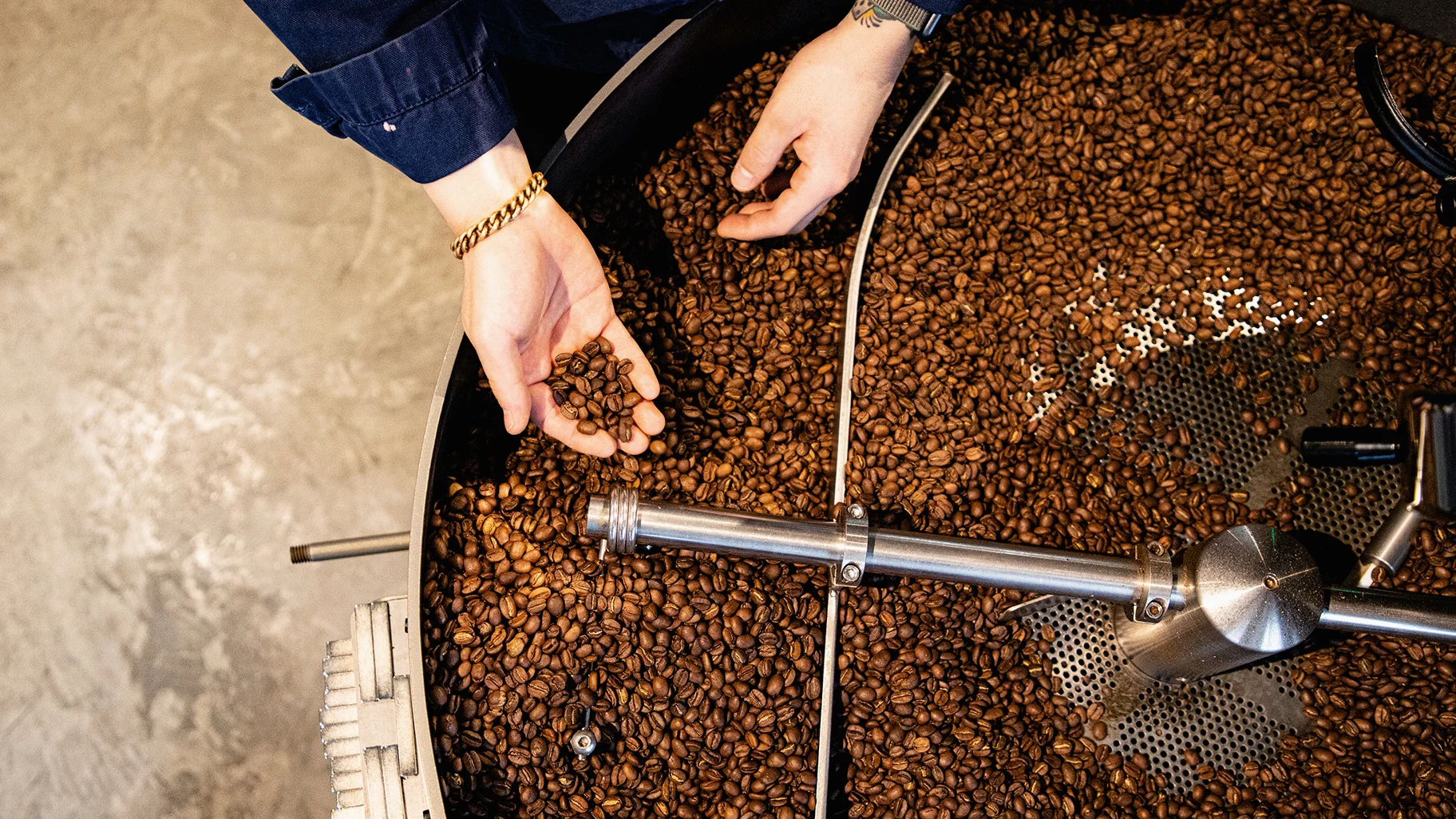
● Espresso – When choosing coffee beans for the base of your latte, it’s best to go with dark, medium-dark, or medium roast. This is because the strong flavors of these beans can still shine through the large ratio of milk needed for a latte. To that end, using lighter roasts for lattes may result in an imperceptible coffee flavor.
● Milk – While you can technically use any type of milk in a latte, some work better than others. Baristas generally agree that whole milk is the best milk for frothing. Whole milk also contains the ideal amount of fat needed to achieve a latte’s rich texture and provide a sweet, creamy flavor. However, if you prefer plant-based dairy alternatives, oat milk is an excellent replacement. Experts agree that this milk is great for steaming, frothing, and foaming. It also offers a creamy mouthfeel similar to that of whole milk.
If you have these ingredients on hand, you’re ready to make a basic latte. However, as mentioned earlier, many people choose to customize lattes to their liking with a few extra ingredients. It’s entirely up to you if you want to add the following products to your drink:
● Sweeteners – Plain white sugar is a classic choice, but you can also take advantage of natural sweeteners like honey, stevia, and maple syrup. Agave nectar, molasses, coconut sugar, vanilla extract, brown sugar, and simple syrup are also well-liked alternatives.
The advantage of liquid sweeteners like simple syrup is that you don’t have to stir your drink as much to ensure the drink is sweetened. Along these same lines, you don’t have to worry about the sugar separating from your drink and falling to the bottom of your cup.
● Flavors – By adding flavored syrup or powders to your drink, you can try a nearly infinite number of latte flavors. From cinnamon hazelnut to chocolate raspberry (and more), you can easily use your latte as a canvas for creation.
One fun way to spice up your lattes with flavor is to choose flavors that complement the season. For instance, you might try a pumpkin spice latte on a cool autumn afternoon or sip on a hot peppermint latte on a frigid December day.
See related: How to Make a Mocha Latte
Key equipment
With a quick internet search, you can easily find DIY tips for making lattes at home. However, these latte recipes usually include methods that favor convenience over quality, like using a microwave or stovetop to warm milk.
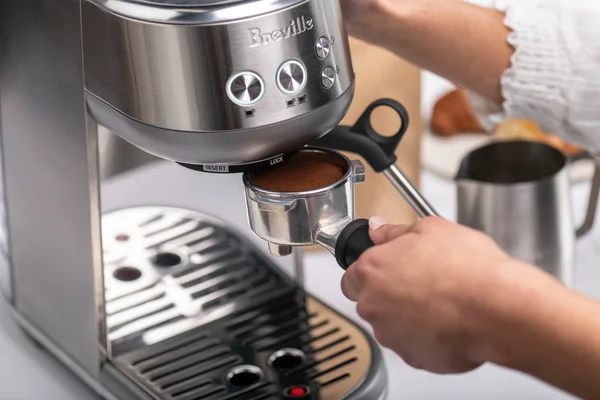
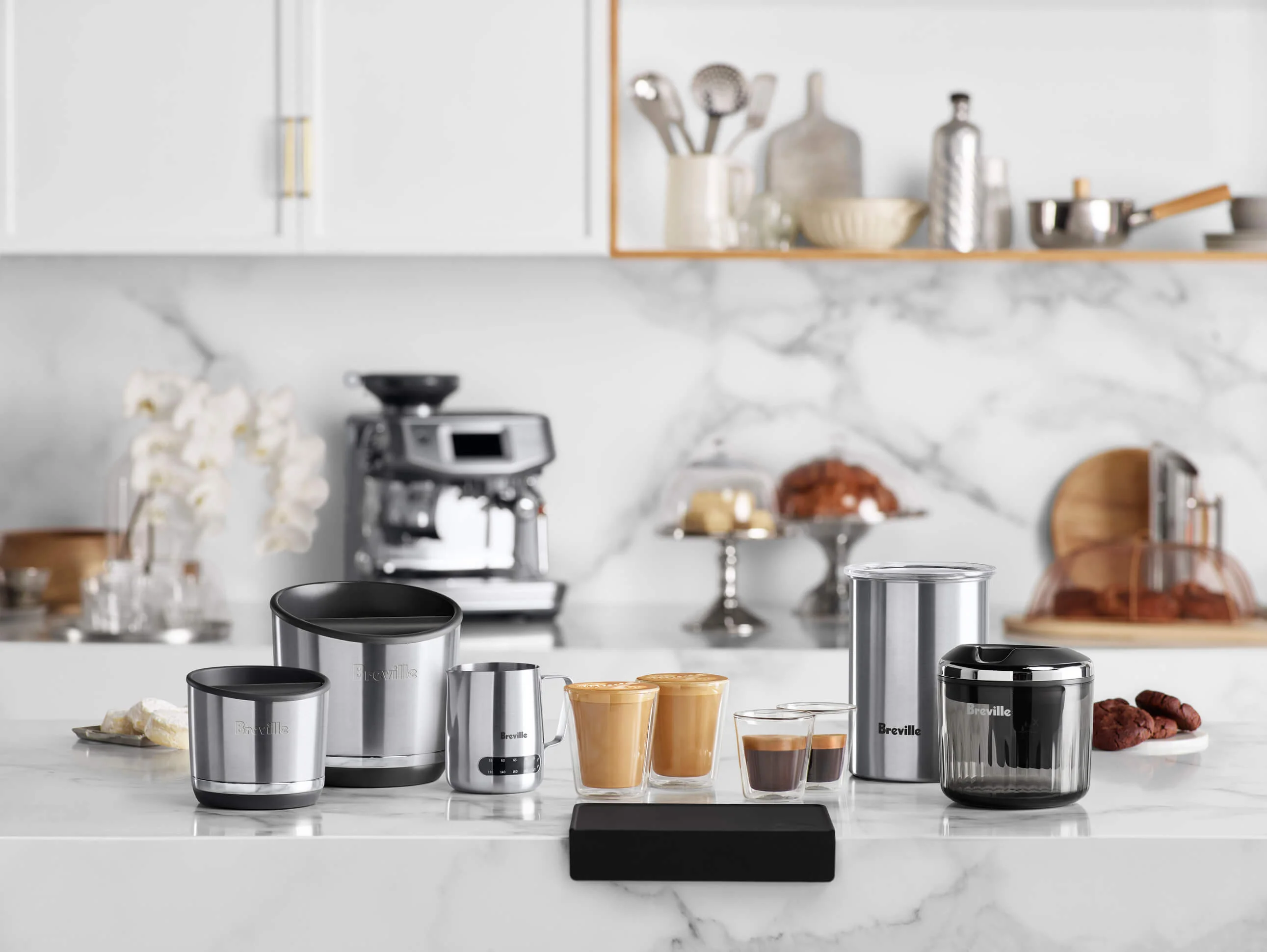
To create a masterful latte that features perfectly frothed milk and well-brewed espresso, you’ll want to invest in the proper equipment. This includes:
● A coffee grinder – While you can certainly purchase pre-ground espresso beans, using freshly ground beans will enhance the flavor and aroma of your final cup. There are various types of coffee grinders, but for a consistent grind that will result in optimal flavor extraction, we recommend a burr grinder. A burr coffee grinder gives you more control over the grind size.
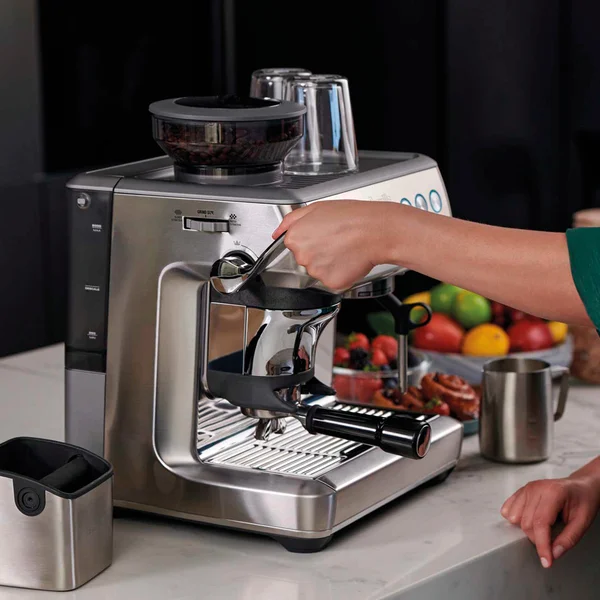
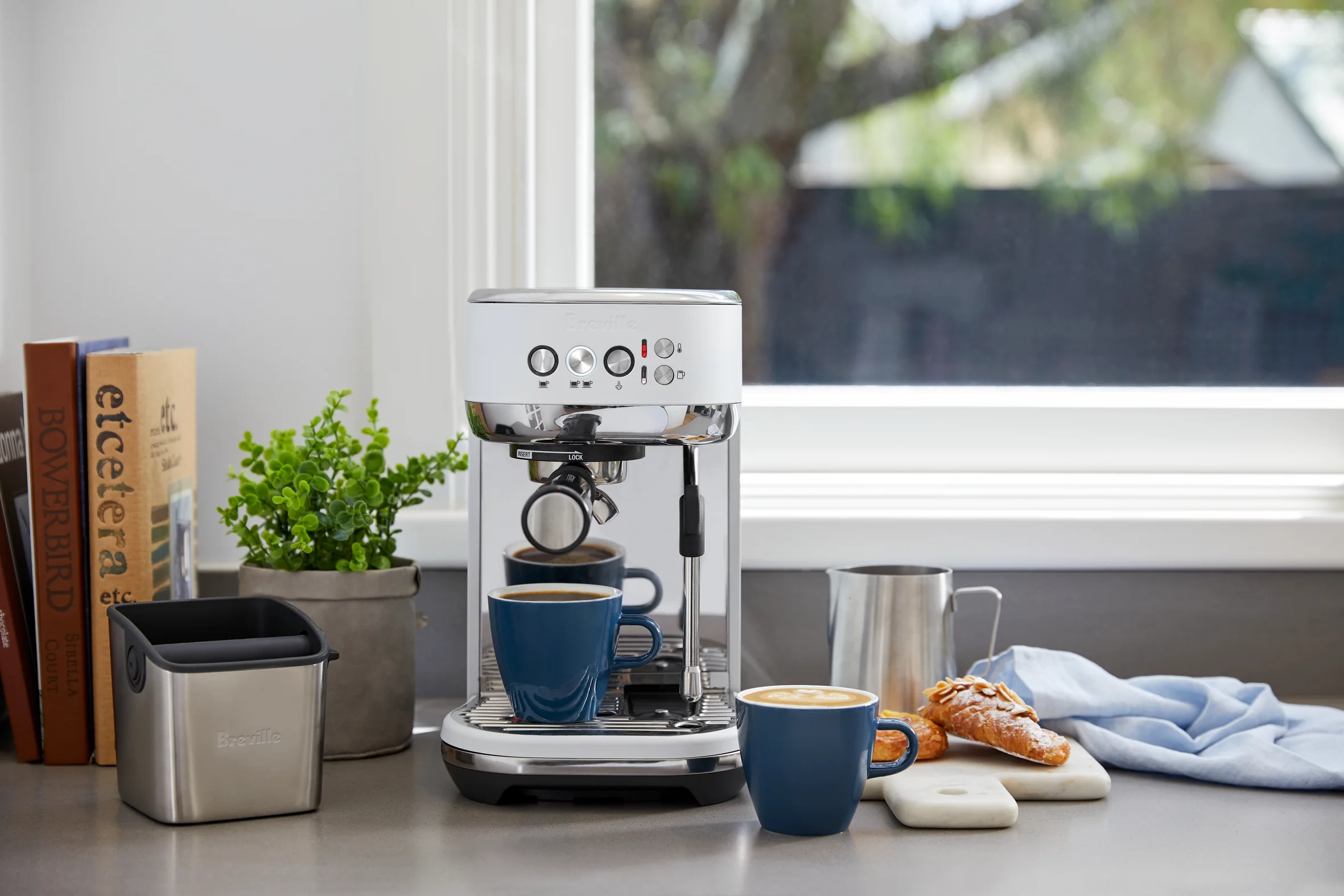
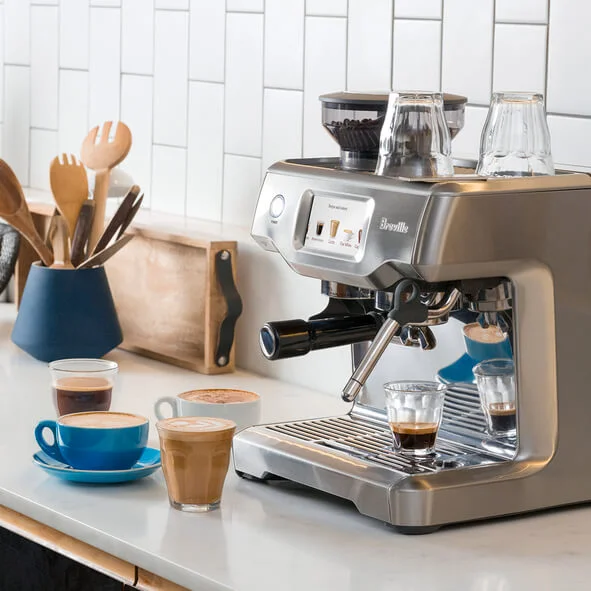
An espresso machine and frothing pitcher – A premium-quality espresso machine will help you ensure precision when it comes to temperature, water pressure, and extraction. Most machines will even come equipped with a steam wand. Simply procure a frothing pitcher, and you can use the wand to achieve cafe-quality froth.
Preparing the perfect at-home latte in 3 steps
Once you’ve ground your beans and chosen your preferred milk, it’s time to create your at-home latte. Simply follow our 3-step guide below.
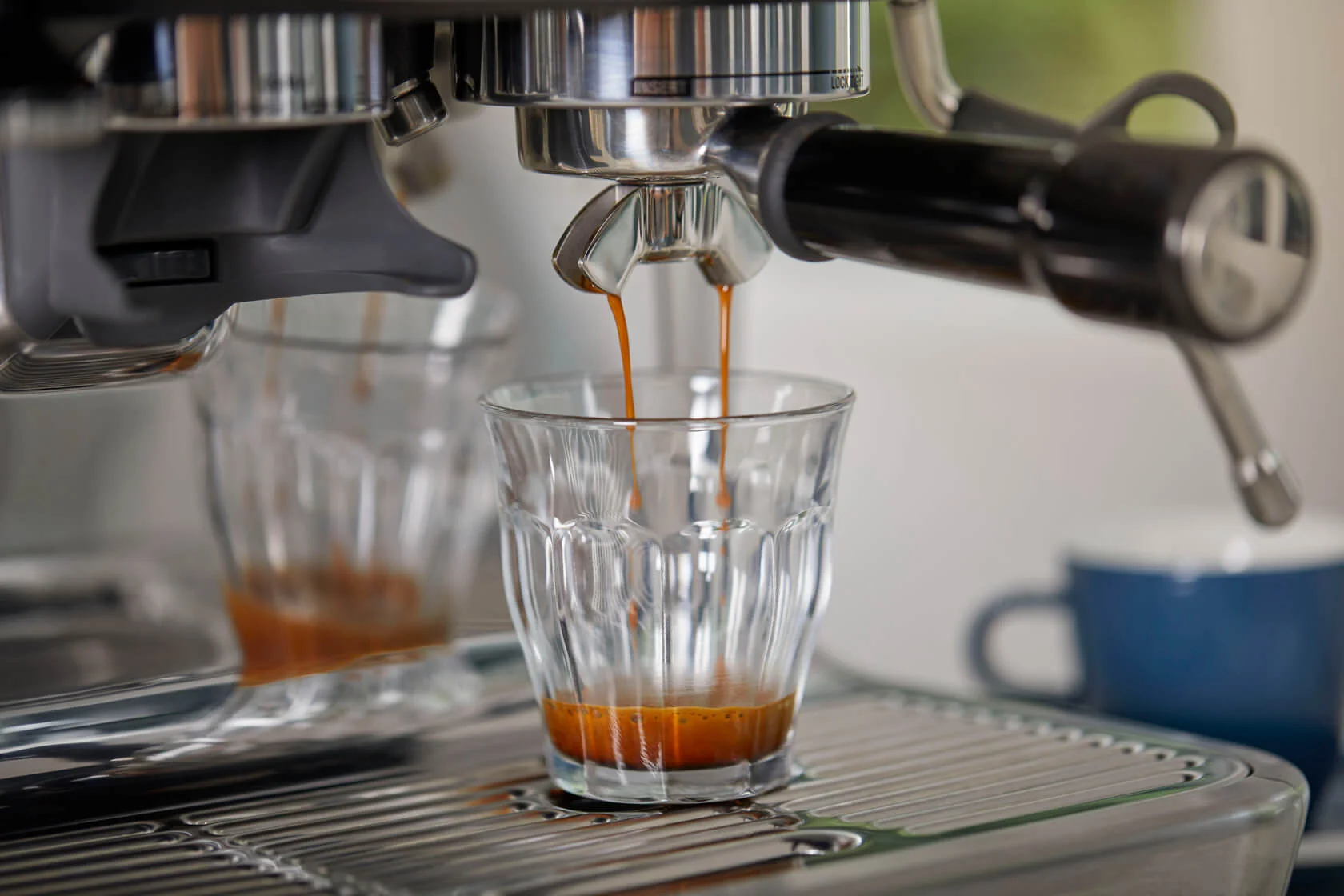
Step 1: Brew the espresso
Start by making your espresso shots. The number of shots you’ll brew is up to you, but most coffee shops use two for a typical latte. Still, it’s very common for people to remove a shot or add an extra one depending on their caffeine tolerance and taste preferences.
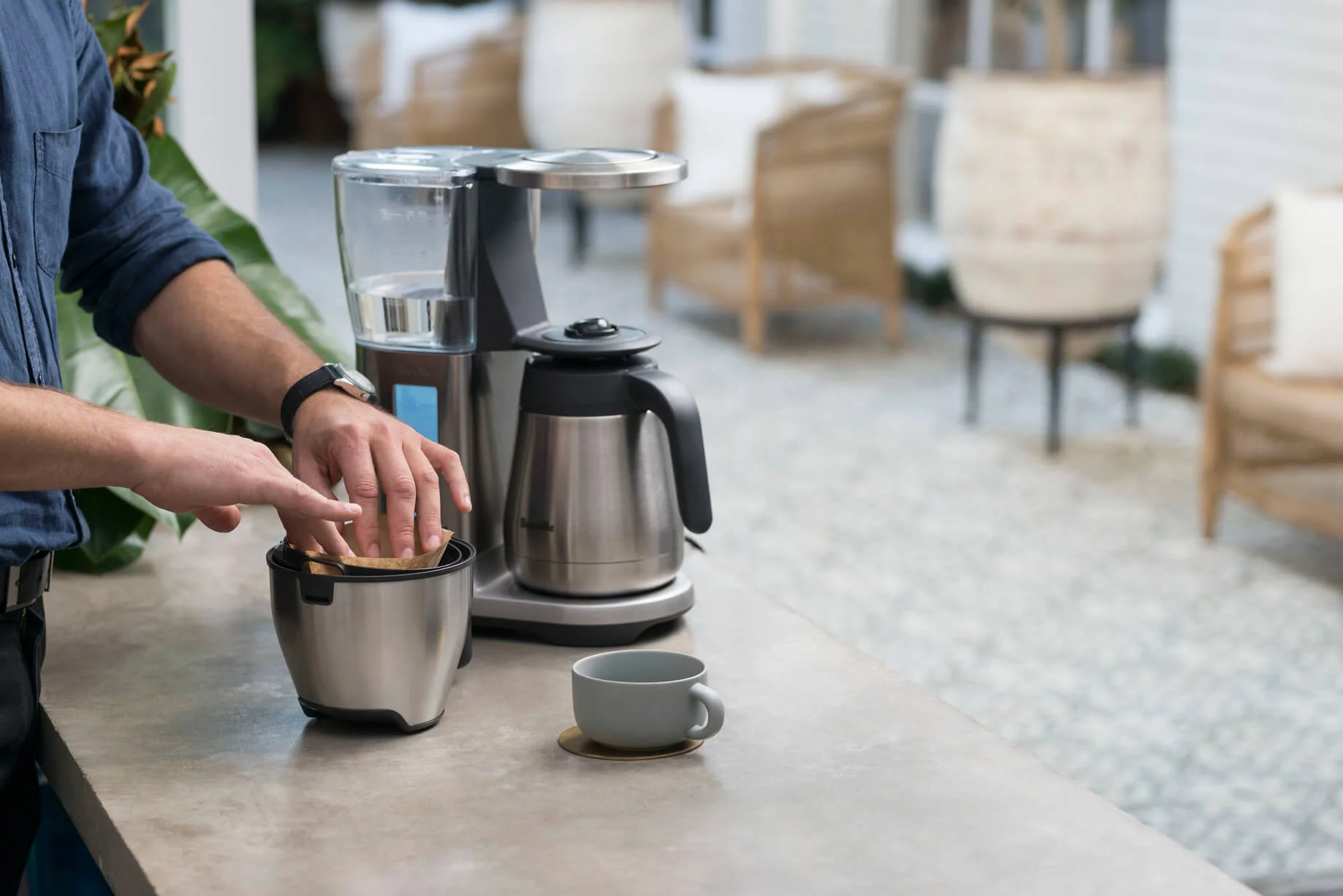
Then, extract your espresso into a cup, mug, or latte glass.
Step 2: Heat and froth the milk
Next, pour about half a cup of fresh milk into your frothing pitcher. Your pitcher should be filled up just below the spout line
Then, insert your machine’s steaming wand below the surface of the milk to heat it. Your steamed milk should eventually reach a temperature of 140° - 150°F. This temperature is important to reach the ideal texture for your frothed milk.
Finish this step by gently tapping your frothing pitcher on a hard surface to remove any extra air bubbles.
Step 3: Pour the frothed milk into the espresso
Now, you’re ready to assemble the two core elements of your latte.
Carefully pour your steamed milk into the cup of espresso (or coffee) you’ve prepared. Do so slowly, and eventually you can attempt something like latte art once you’ve achieved the right texture of milk.
Extra considerations
As mentioned earlier, you can add any sweeteners or flavors of your choice to finish off your masterful coffee creation.
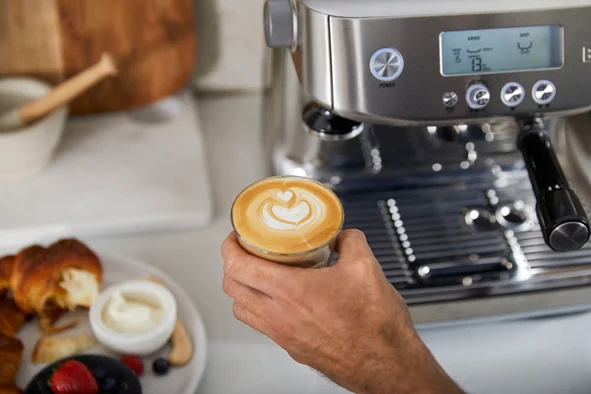
If you’re feeling artistic, you can even go the extra mile by learning how to make latte art. This involves using the delicate foam from the microfoam milk to create beautiful patterns on top of your latte. Research common designs online or try freehanding some latte art to truly personalize your drink.
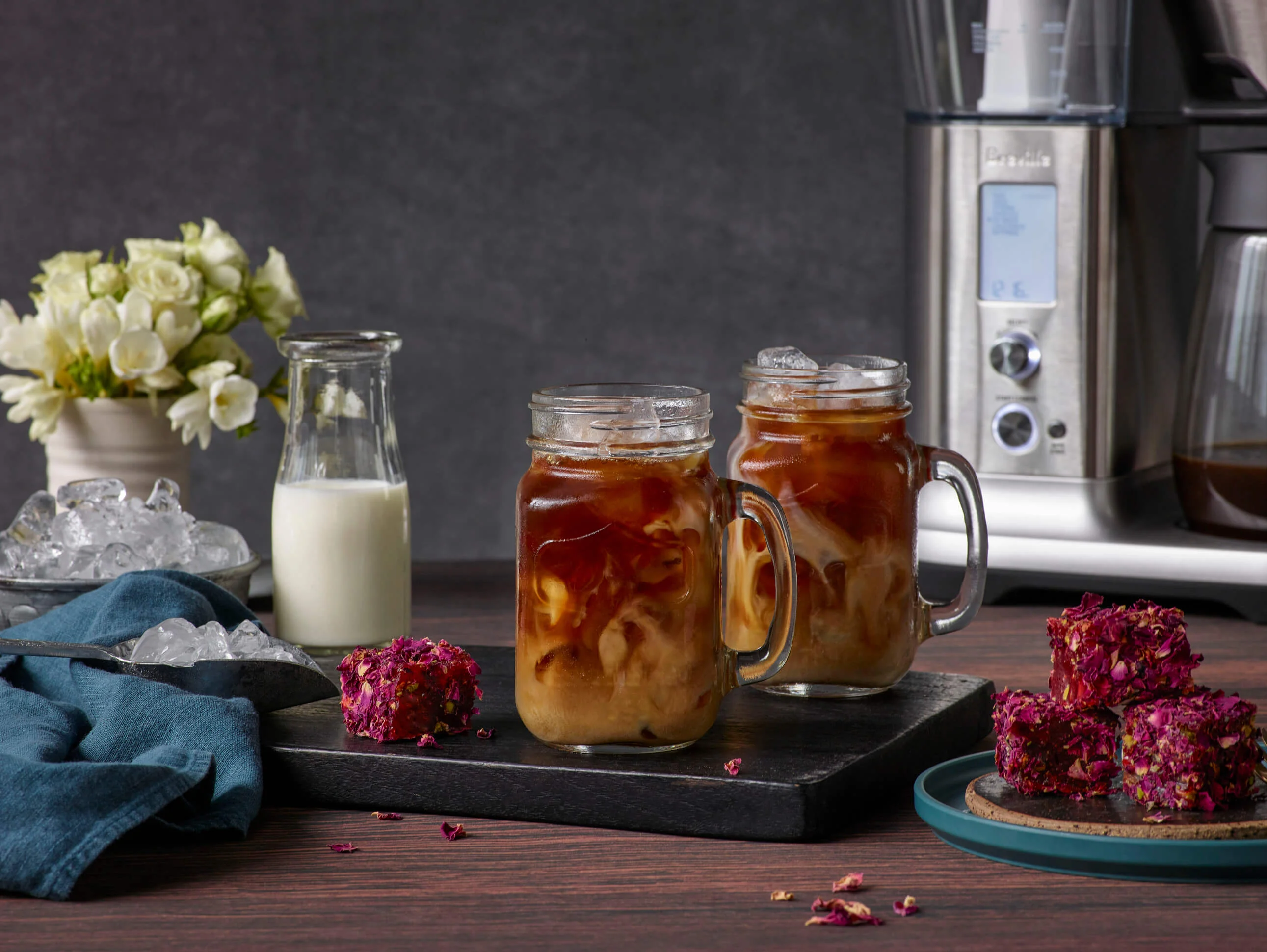
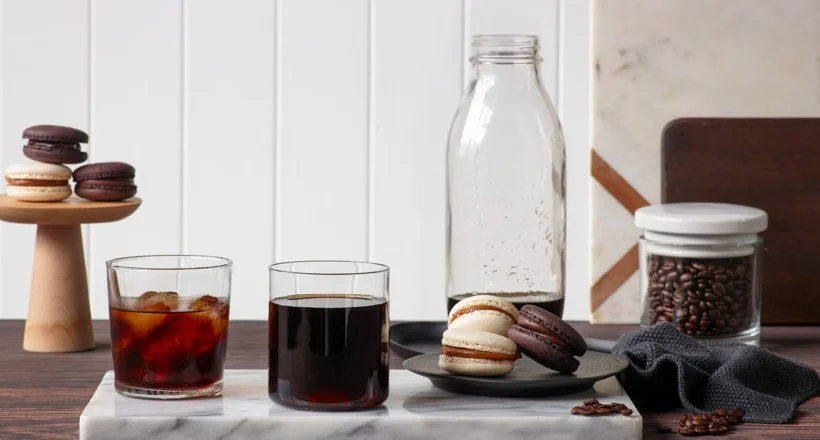
Another way to change up your latte routine is to try this drink over ice. When you make an iced latte, you don’t need to froth your milk because warm milk will melt the ice in your cup and water down your drink. Instead, all you need to do for this recipe is mix espresso and cold milk in a glass with ice.
Create unforgettable at-home lattes with café-quality Breville equipment
The latte is a staple of the coffee world for good reason. Now that you understand the basics of what goes into making a latte, you can experiment with different coffee beans, types of milk, flavorings, and ratios to create a go-to latte recipe that matches your precise taste preferences.
You can also save time and money by making your own lattes from the comfort ofyour home without sacrificing professional café quality. Brewing by yourself has never been easier with Breville’s fine selection of espresso machines and accessories.
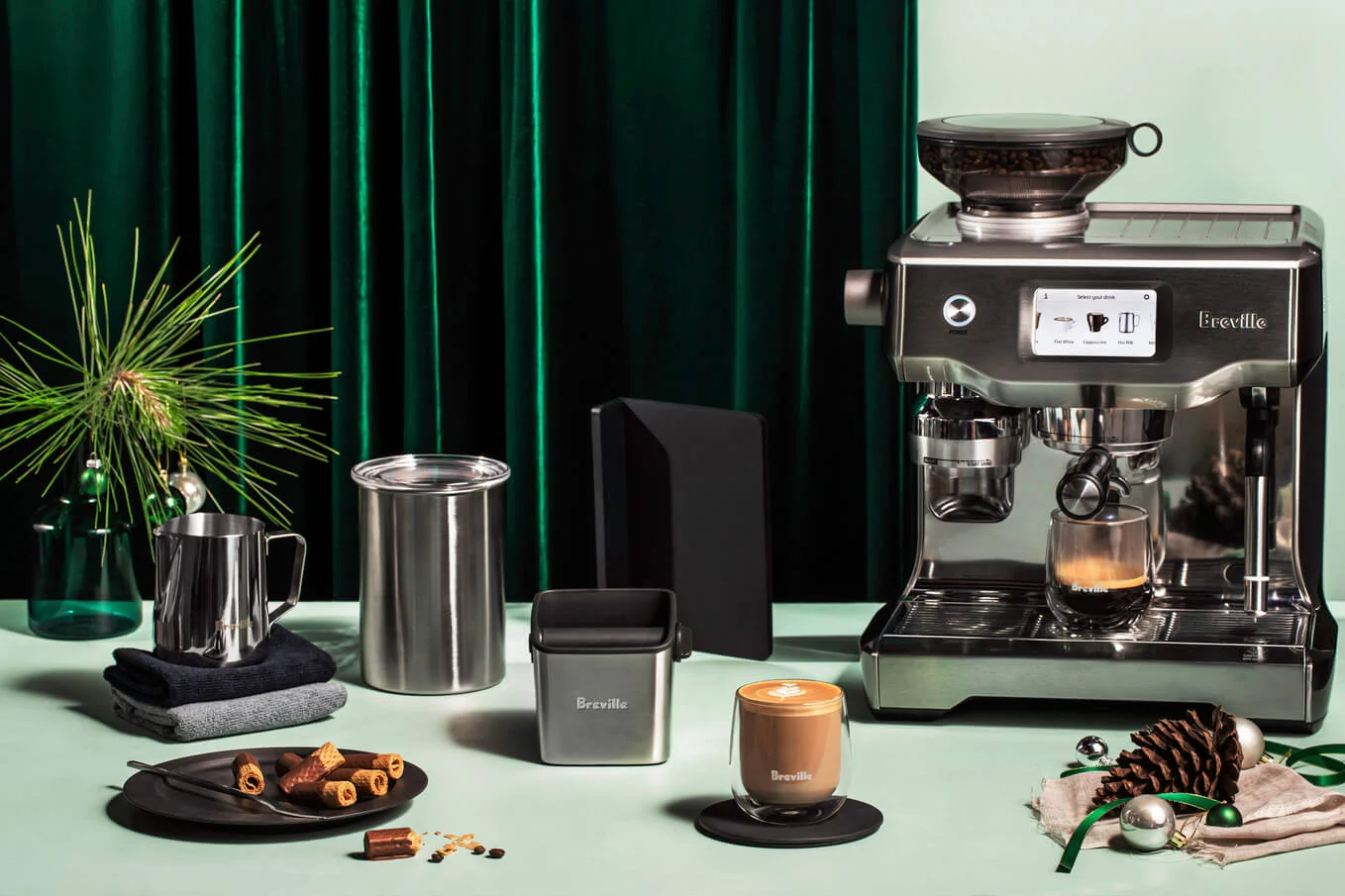
Try the Barista Touch™ Impressfor step-by-step guidance and real-time feedback, or the Oracle® Touch for automated touchscreen operation that makes brewing a breeze.
Unlock your inner barista and take your home lattes to a new level by browsing the extensive Breville collection today.
Sources:
1. Foodzilla. Internet Asks: “Does a Latte Have Caffeine?” https://foodzilla.io/questions/does-a-latte-have-caffeine
2. Perfect Daily Grind. What is a latte & why is it so popular? https://perfectdailygrind.com/2022/06/what-is-a-latte/
3. HuffPost. The Best Milk And Worst Kinds Of Milk For Lattes, According To Baristas. https://www.huffpost.com/entry/best-milk-for-latte_l_6298d8d5e4b016c4eef6d4ea