Simply put, coffee extraction is the process of using water to unlock the aromatic and flavorful chemical compounds that are contained in ground coffee beans.
Coffee beans contain hundreds of flavorful organic compounds like acids, tannins, lipids, sugars, and of course, caffeine. After roasting and grinding, all it takes is contact with hot or cold water to draw these compounds out to create our beloved beverage. However, over- or under-extraction during the brewing process can lead to a brew that’s weak, sour, or unbalanced.
In this article, we’ll give you all the keys to improve your coffee extraction knowledge so you can brew the perfect batch every time.
What is coffee extraction?
The basic process of coffee extraction is simple: just mix water, either hot or cold, with roasted and ground coffee beans. Hot water can be passed through quickly, while cold water needs time to steep. With enough time and/or heat, you’ll produce a cup of coffee.
However, if you want to bring out the best possible symphony of scents, tastes, texture, and color from those coffee grounds, you need to understand the science and art of coffee extraction.
There are many methods for performing coffee extraction, both manual and via a coffee maker. Here are some of the most common methods:
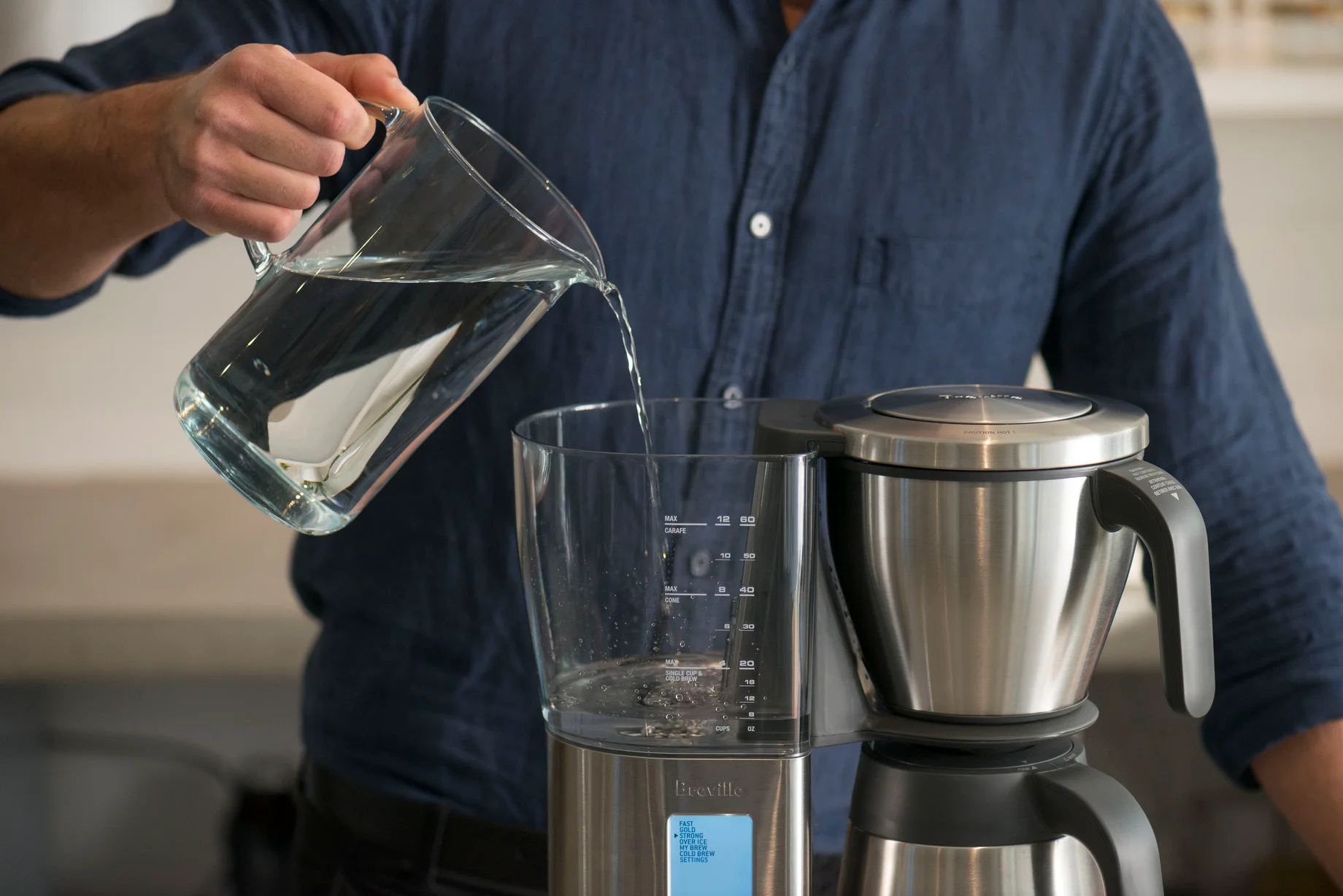
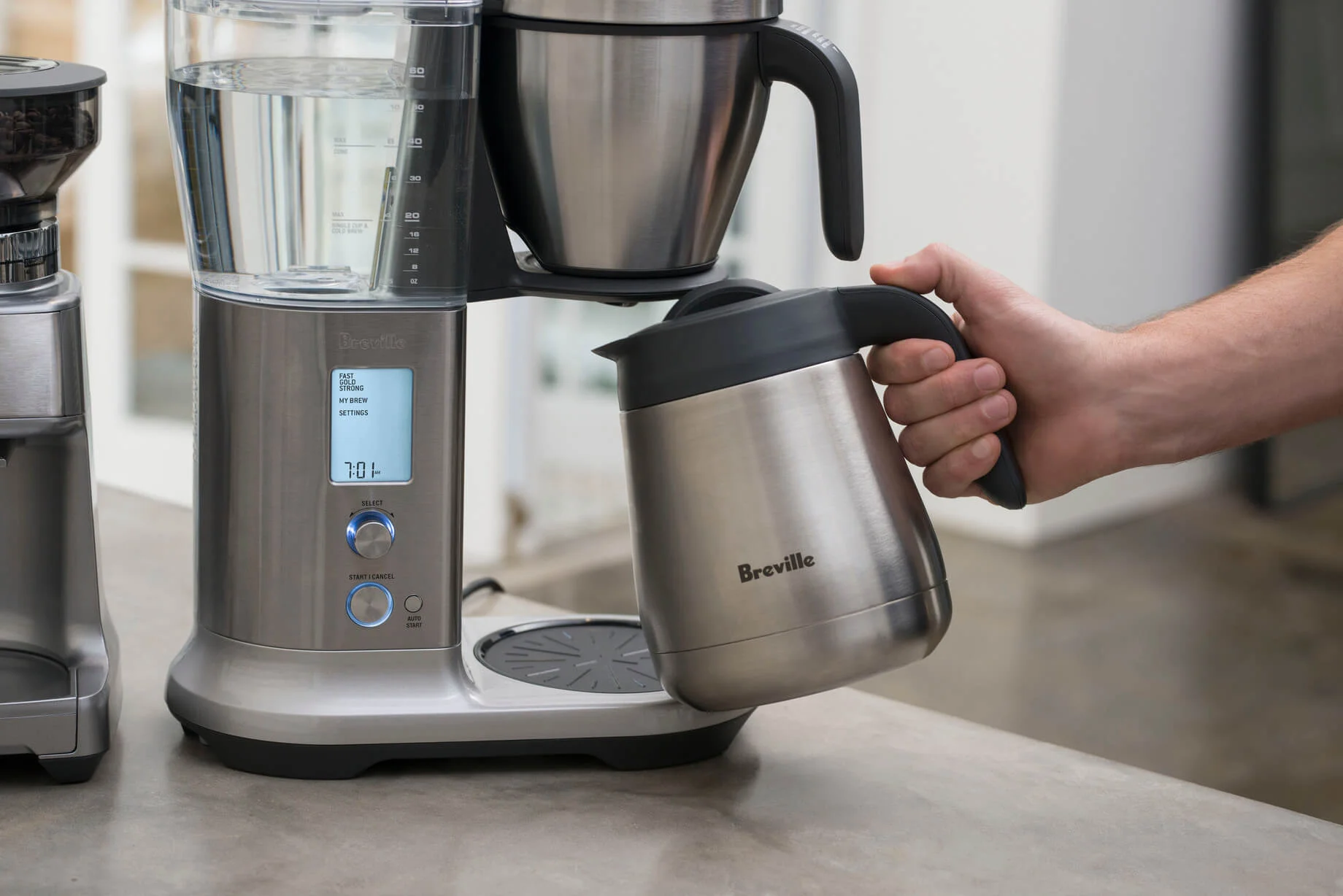
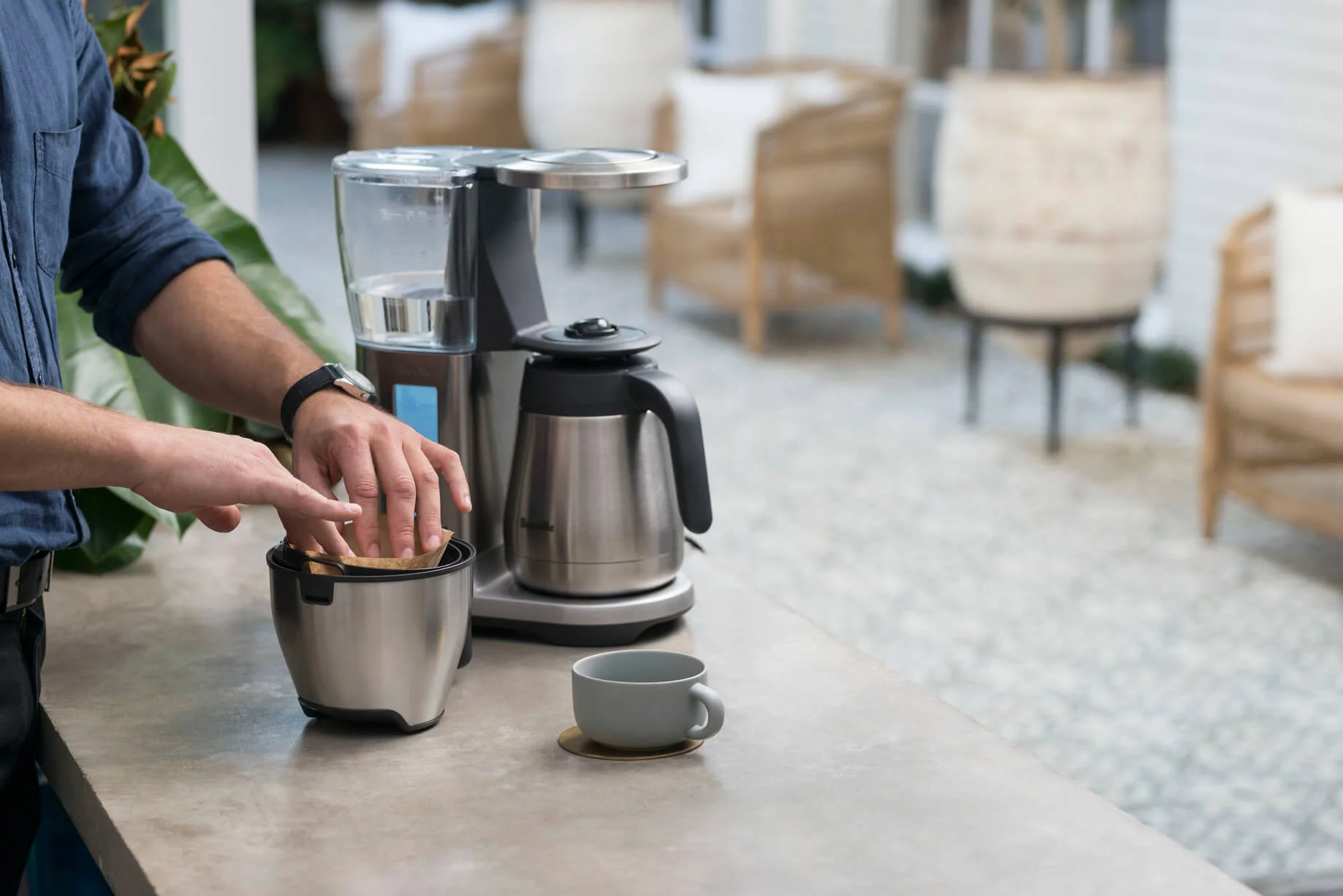
● Drip brewing – Water slowly filters through a layer of coffee grounds contained in a filter cone or basket. Most automatic coffee makers use this method.
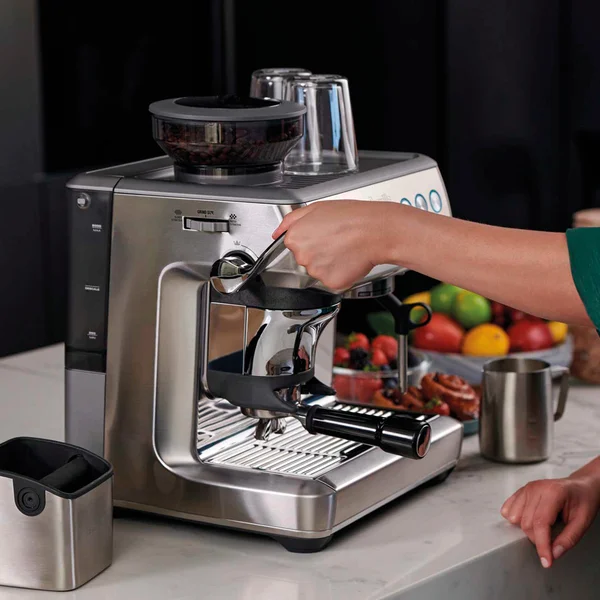
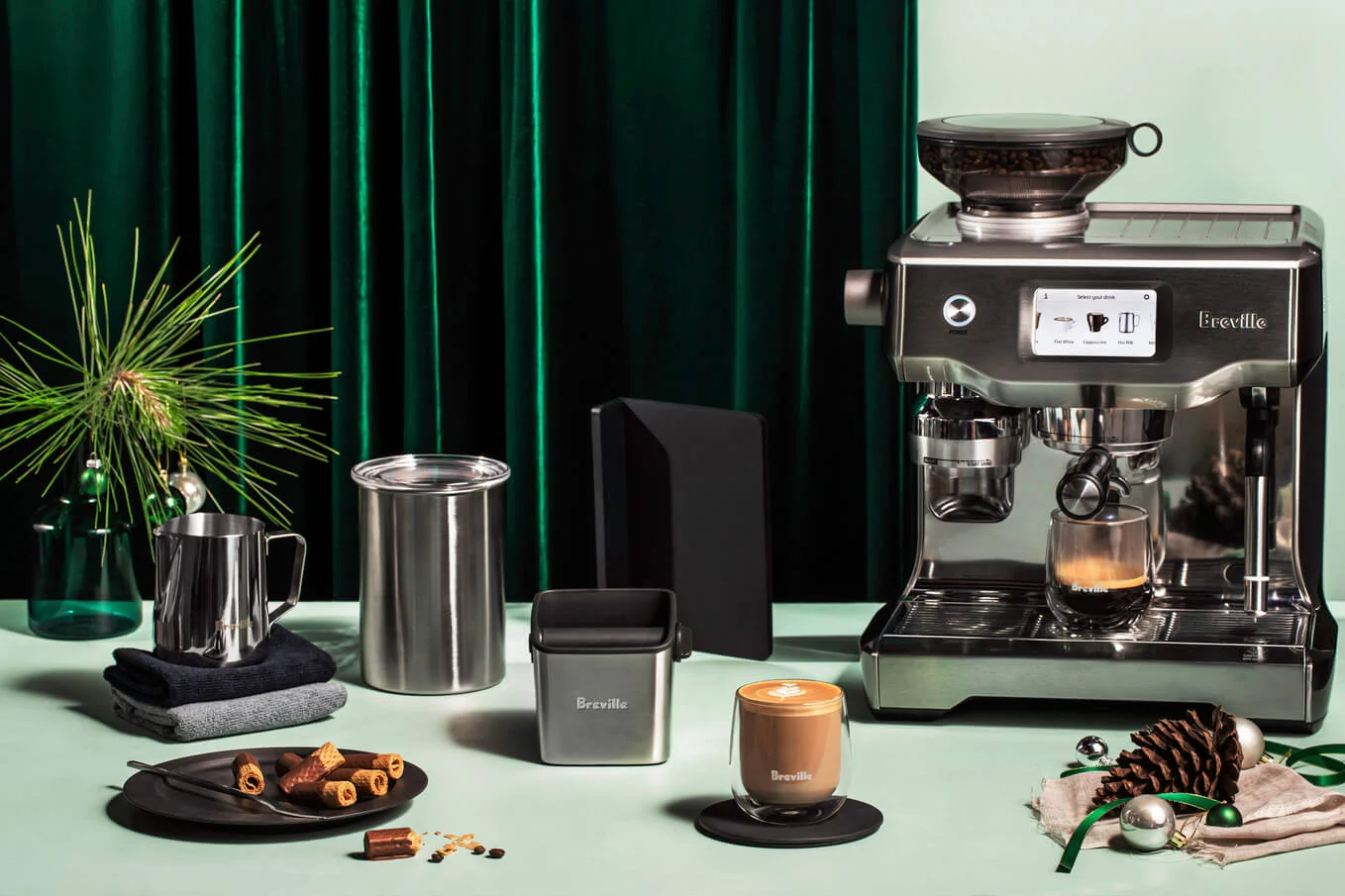
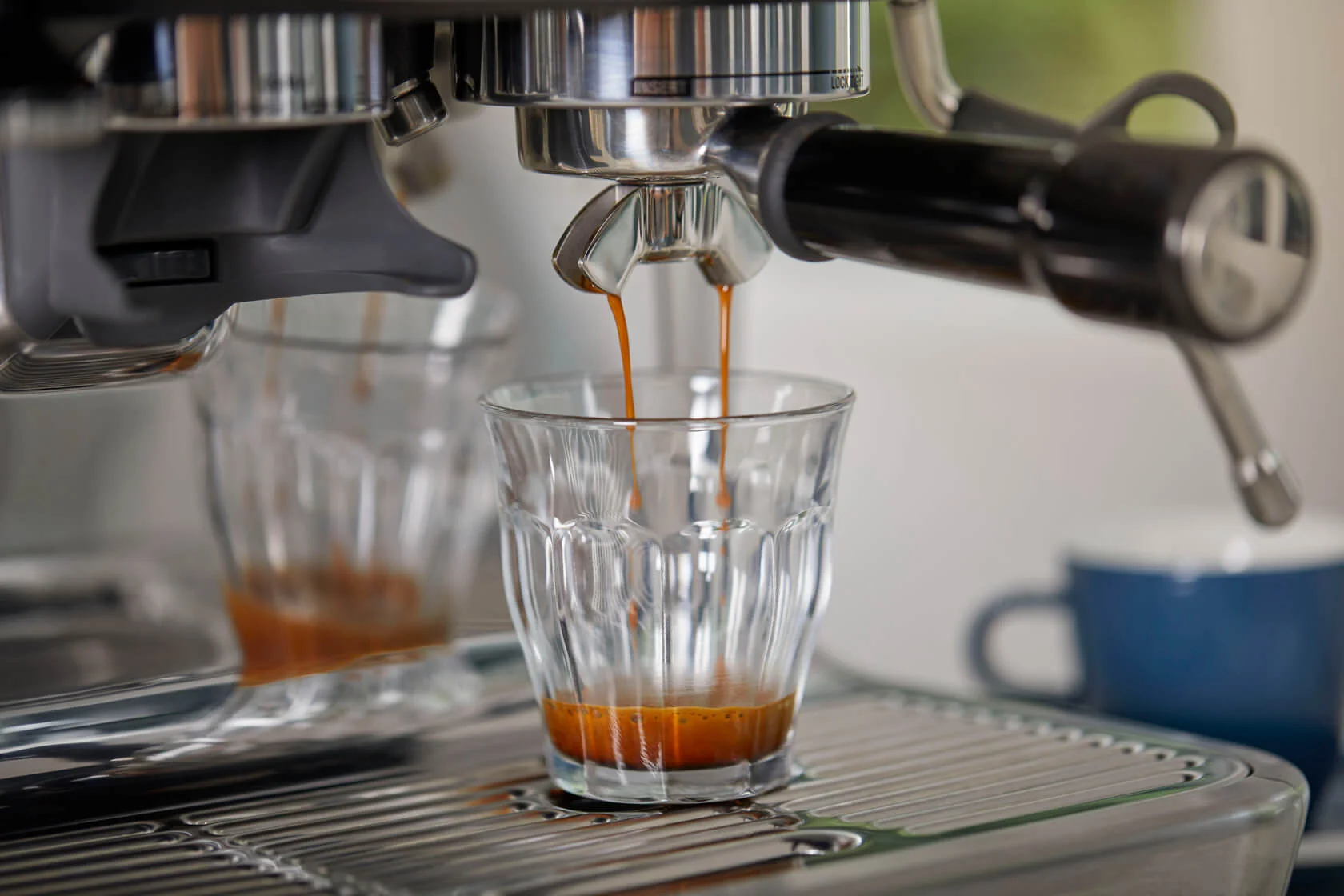
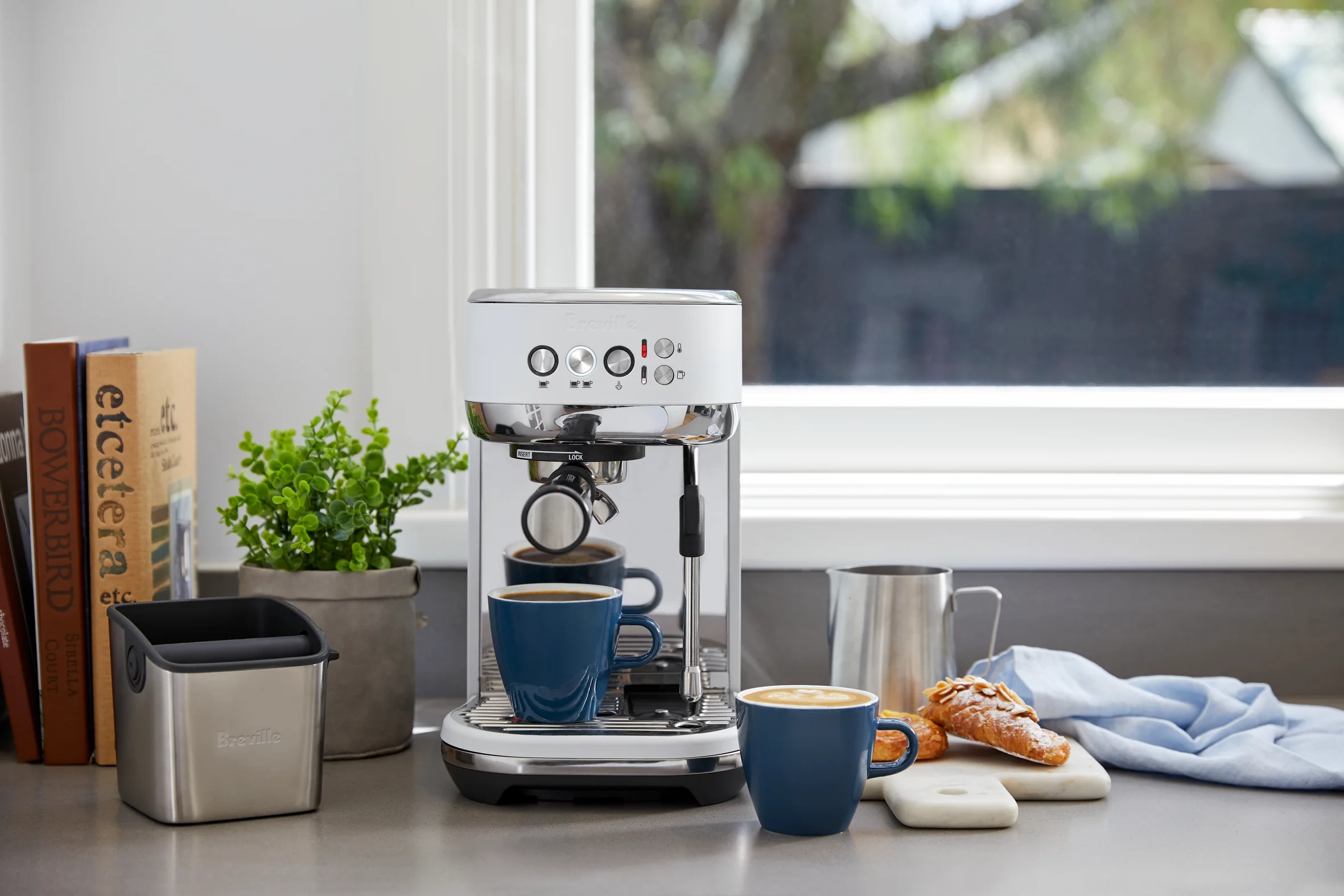
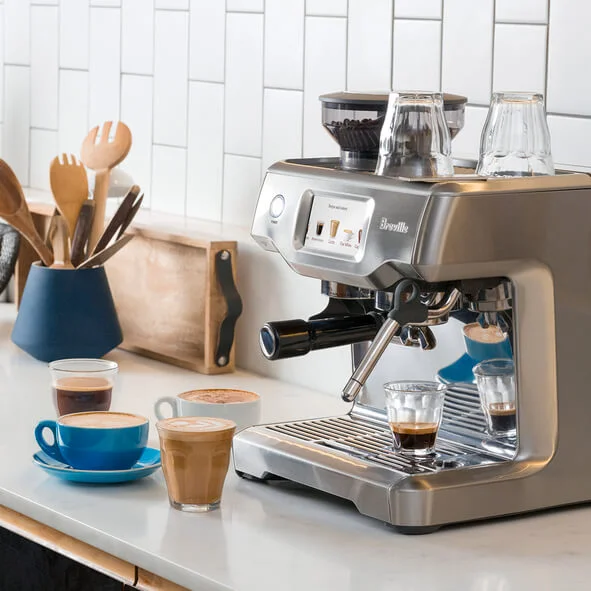
● Espresso machine – An espresso machine uses pressure to force water through fine grounds, extracting intense flavor (and more concentrated caffeine) in just seconds.
● Manual pour-over – Hot water is slowly poured by hand over coffee grounds in a cone filter fitted over a carafe or cup. This method is known for giving greater control over brew time and the finished flavor of the coffee.
● Cold brewing – Cold water is mixed with coffee grounds in a jar or other container and left to steep for 12 hours or more. When steeping is finished, the grounds are filtered out, leaving a brew that’s typically sweeter and mellower than hot-brewed coffee.
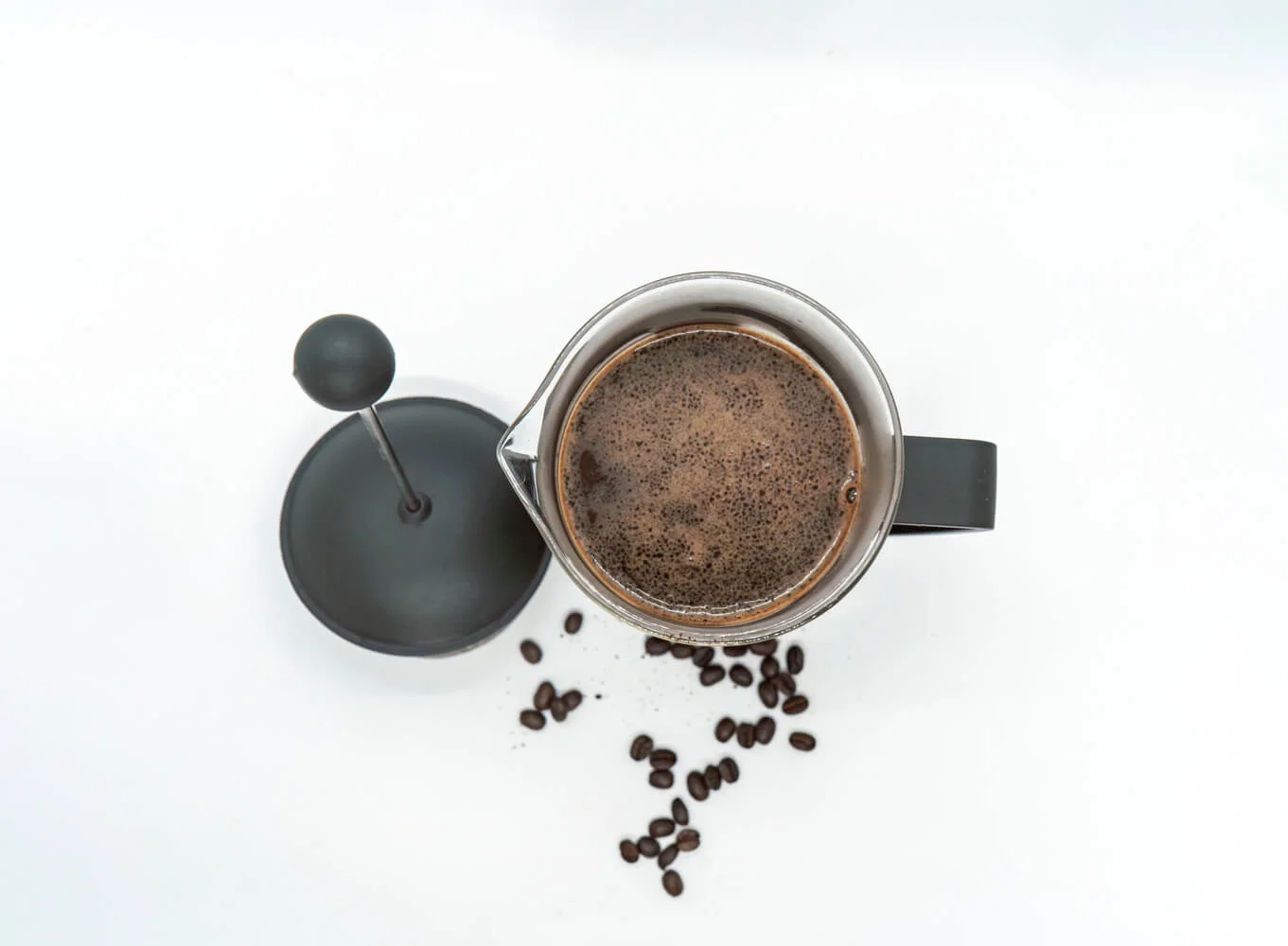
● French press or plunger – Coffee grounds and hot water are mixed in a small carafe fitted with a mesh plunger. After brewing, the plunger is pressed down, filtering the coffee grounds from the finished beverage.
Each of these extraction methods has its advantages and disadvantages, and each results in a brew that’s noticeably different in flavor, viscosity, and even caffeine concentration due to the different amounts of chemical compounds that are extracted.
Which will work best for you depends on the flavor and texture you prefer, the level of control you want over your finished cup, or if you prefer the time-saving and convenience of an automated brew method.
How does coffee extraction affect the flavor?
By now you may be wondering what all the fuss is over extraction. Each method simply moves water through grounds to release the flavors that make coffee taste good—right?
Yes and no.
The goal of extraction isn’t to release as much of the flavor compounds in coffee grounds as possible. It’s to release these compounds in the right balance.
The extraction process goes through several stages:
1. When coffee grounds first meet water, the first compounds to be released create fruity and acidic notes. If you were to stop the extraction process here, most cups would end up tasting thinner or sour.
2. Sweeter, nuttier notes and rich mouthfeel come next as more sugars and lipids are released.
3. Compounds that taste complex are released last. Some complexity in coffee complements the sweet and acidic notes, creating a deep and dynamic flavor profile. But over-extracting lets complex notes overpower the other flavors, creating an unpleasant, acrid flavor.
When using hot water, the extraction process doesn’t take more than a few minutes (down to seconds if using an espresso machine that adds high pressure to the mix). The first compounds are released within just seconds of water contacting grounds. When your finished cup doesn’t taste quite right, it can mean your brewing time was off by as little as a minute or two.
How to control extraction
Now that you understand why coffee extraction is critical, let’s talk about how to control it. The perfect morning brew starts with coffee grind size.
Think of the grind size as the control valve for how quickly water can soak into the coffee particle to unlock the flavor compounds. Here’s a basic look at how it works:
● Finer grinds saturate quickly – A fine grind made up of tiny coffee granules speeds up the extraction process. That’s why a fine grind is critical for espresso, since the water is in contact with the grounds for less than a minute.
● Coarser grinds saturate slowly – Large, coarse particles make the brewing process go more slowly, as water takes longer to soak through each particle. So if you’re making French press coffee, a coarser grind will work best since the water stays in contact with the grounds for several minutes.
Troubleshooting flavor with brew time and grind size
Once you understand how to control extraction, troubleshoot any flavor problems in the finished cup. Remember:
● The longer the grounds are in contact with water, the more compounds are released.
● Sour, fruity, and acidic notes come first, followed by richer and sweeter tones, with complex notes coming out last.
● A coarse grind extracts more slowly, while fine grinds extract more quickly.
So, if you’re thinking “Why does my coffee taste bitter?”, you’ve likely over-extracted. Shorten the brewing time or try a coarser grind.
If your cup tastes thin, weak, or sour, you’ve likely under-extracted. Slow down the process by letting it steep longer or trying a finer grind.
Factors that affect extraction
Achieving expert extraction is a matter of trial and error. There’s no one right way to do it, because what makes a delicious cup for you depends on your palate and preferences.
To find your ideal process, try to balance several key factors that affect extraction:
● Water temperature – Perhaps the biggest factor in the extraction process besides brew time is water temperature. Hot water extracts more quickly (that’s why cold brews need to steep for up to 24 hours). Cooler temps result in sweeter flavors, while water that’s too hot can lead to a bitter cup as many of the flavorful compounds are lost to evaporation. Aim for water that’s just under boiling (around 194-205 degrees Fahrenheit) for the best flavor.
● Coffee-to-water ratio – Of course, you can’t make the perfect cup of coffee if you’ve used too much or too little coffee in proportion to water volume. Too much results in a cup that’s overly intense or complex, while too little leads to watery, weak coffee. The ideal coffee-to-water ratio will depend on the brewing method you’re using and your personal preference, but a 1:16 ratio (one part coffee to 16 parts water) is often recommended as a starting point. If you like stronger coffee, try 1:15. If you prefer a lighter flavor, try 1:17.
● Brewing time – As noted above, brewing time is one of the most controllable factors you can use to fine-tune your extraction. Just a few seconds more or less can make a noticeable difference in richness, sweetness, and complexity, so don’t be afraid to experiment until you find your ideal range.
● Water quality – The pH and hardness of your brewing water can also influence the extraction process. Ideally, pH-neutral water is favorable. Hard water isn’t necessarily bad, as some minerals in water can actually help pull desirable flavor compounds from coffee. Magnesium, for example, can add more woodsy notes to your brew. But hard water with a high bicarbonate content can lead to bitterness. Soft water doesn’t extract flavor compounds well, and the sodium content can result in a salty finish.
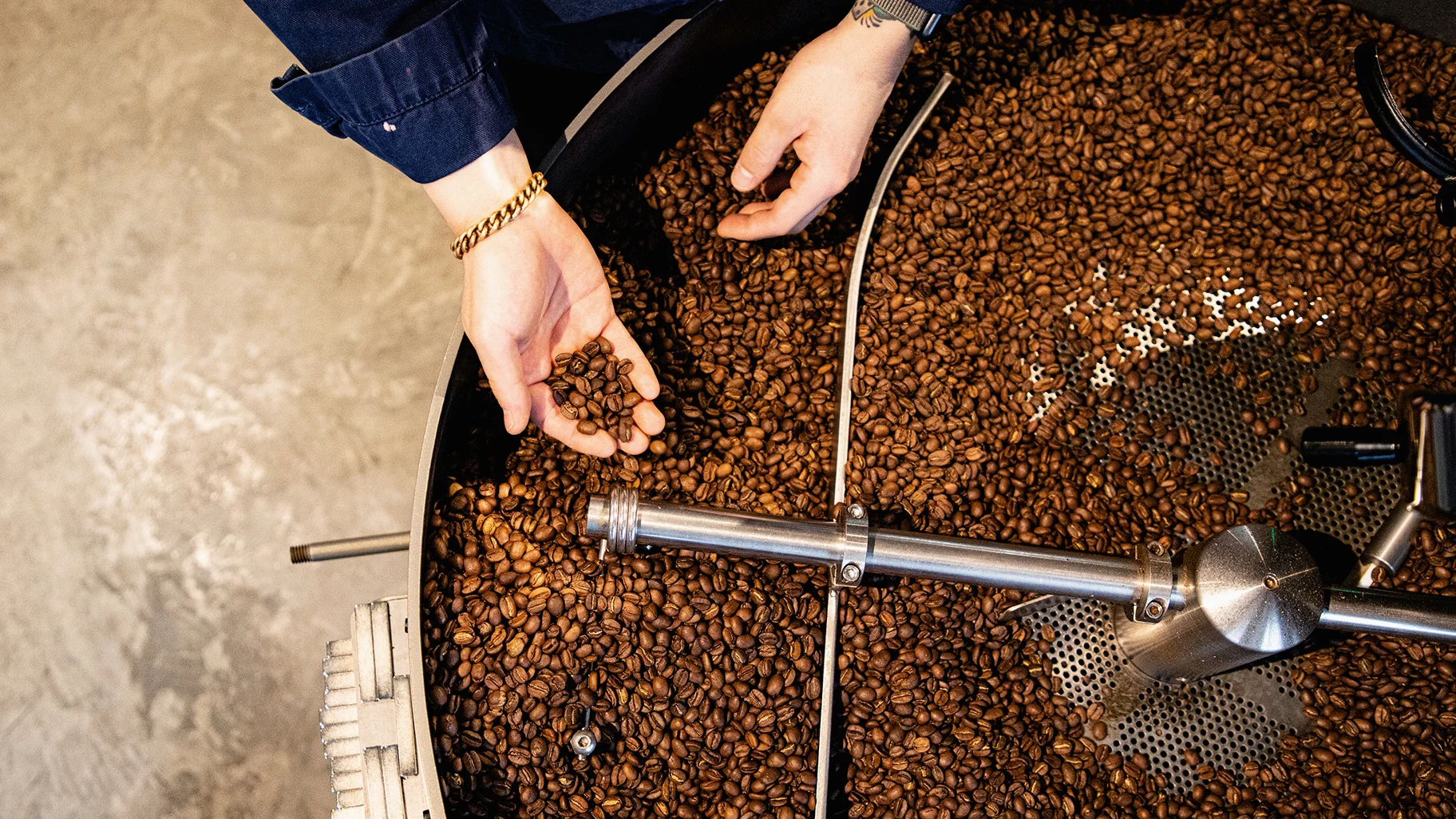
● Roast – Different types of coffee roasts have a strong impact on the extraction process. The longer a bean is roasted, the more quickly it will dissolve in water. This means that dark roasts extract more quickly than light, leading to a more complex and intense brew. Light roasts extract more slowly, emphasizing sweet and fruity notes. You’ll want to adjust your brew time to compensate accordingly.
Unlock a world of coffee flavor with Breville
Coffee is more than just a beverage. For many of us, brewing and savoring an excellent cup is a daily ritual. Understanding the extraction process will help you unlock the complexities of flavor and aroma hiding in those humble little beans so you can make each brew better than the last.
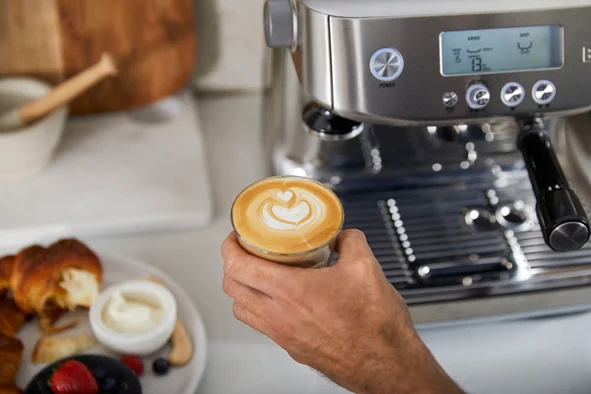
At Breville, we can help you get the perfect cup every time—whether that’s a simple and delicious Nespresso coffee that’s ready with the push of a button, or a lovingly crafted cappuccino.
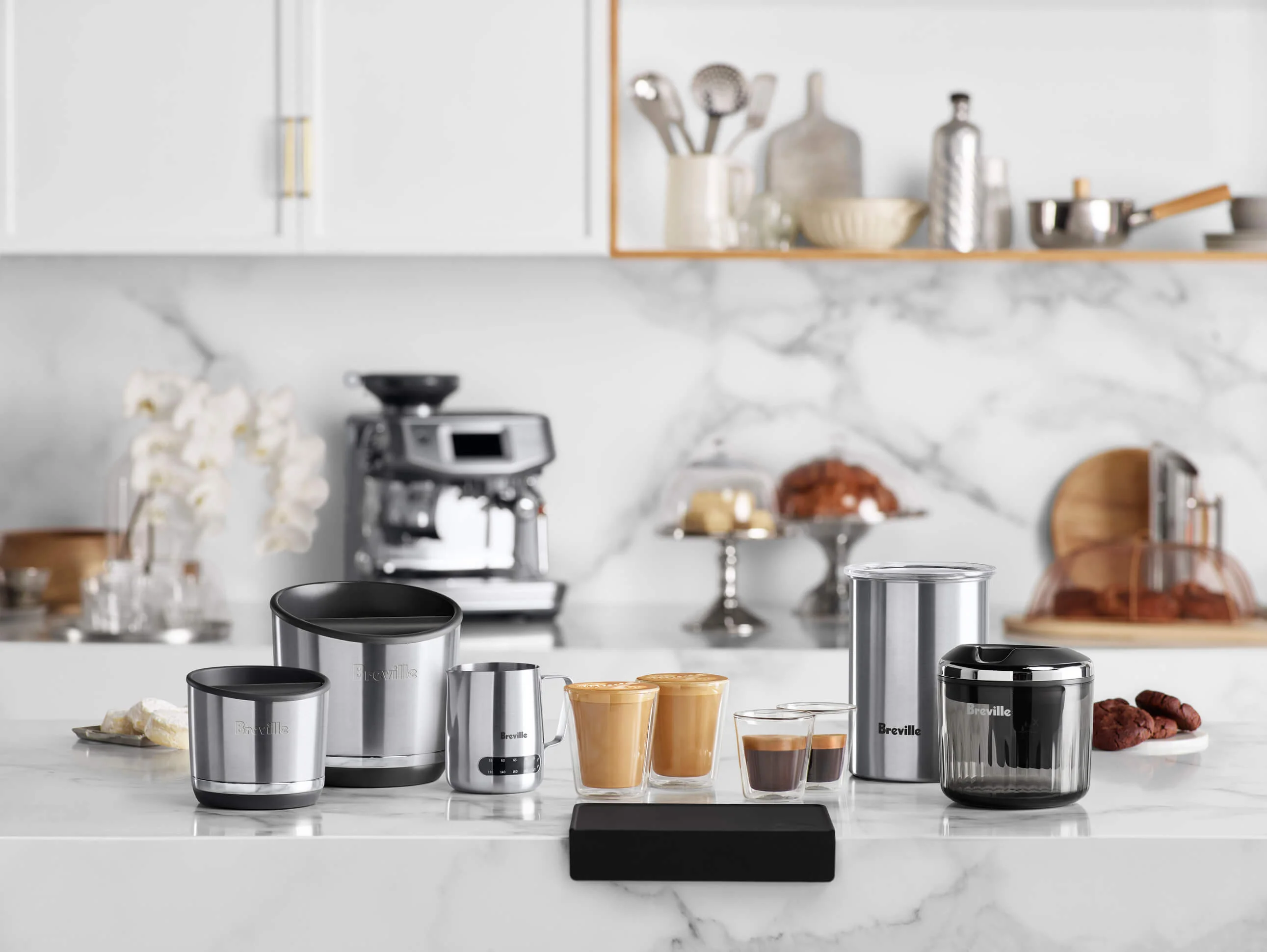
Our range of coffee and espresso machines, coffee grinders, and more are all designed with precision and control in mind. From the consistency of the grind to the temperature of the water, we give you the tools to master the art of extraction in your own kitchen.
Sources:
1. European Food Research and Technology. Comparison of nine common coffee extraction methods: instrumental and sensory analysis. https://link.springer.com/article/10.1007/s00217-013-1917-x#
2. Foods. Analysis of volatile compounds in coffee prepared by various brewing and roasting methods. https://www.ncbi.nlm.nih.gov/pmc/articles/PMC8230519/
3. Journal of Agricultural and Food Chemistry. The role of dissolved cations in coffee extraction. https://pubs.acs.org/doi/full/10.1021/jf501687c
4. Sensors. Characterization of arabica and robusta coffees by ion mobility sum spectrum. https://www.ncbi.nlm.nih.gov/pmc/articles/PMC7309026/