Whether you’re a coffee lover considering spicing up your daily cappuccino or you’ve never given them a chance, you’ll want to know the benefits of ordering a wet vs. dry cappuccino. Although the two drinks belong to the same family and feature the same ingredients, understanding the subtle differences might help you discover your new favorite coffee beverage. Once you discover your preferences, learning how to make a cappuccino at home becomes even more rewarding.
If you’re ready to dive into all the nuances of cappuccinos and find out whether a wet cappuccino vs. dry cappuccino is right for you, read on for our complete guide to cappuccino customization.
Introduction to cappuccino varieties
Despite the cappuccino seeming like a standard order at any cafe, it can have vastly different compositions, flavors, and appearances depending on your region or local coffee culture.
For example, a cappuccino in Austria, or a “kapuziner,” includes sugar, whipped cream, and cinnamon. Other regions may prefer a more intense espresso flavor or heavier foam and milk. Different toppings like chocolate shavings and spices can also vary, and some cafes may even incorporate foam art into their cappuccinos.
What makes a cappuccino wet or dry?
One of the most significant factors that can affect the brew and taste of the traditional cappuccino is the distinction between wet and dry.
A dry cappuccino features a thicker foam, which tends to stay separate from the steamed milk and espresso. In the wet cappuccino, the foam and steamed milk blend into the espresso, often resulting in a creamier texture and a sweeter taste.
The role of milk foam and steamed milk
According to most standard definitions, a cappuccino is equal parts espresso, steamed milk, and foam. However, the consistency and combination of the steamed milk and foam distinguish the wet vs. dry cappuccino varieties.
The type of milk you select for your cappuccino also plays a role in its taste and mouthfeel. Fattier milk, like whole milk, can yield more decadent, consistent foams than fat-free milk. For dairy alternatives, oat, soy, and almond milk tends to be thicker than coconut and cashew milk, making for fuller foamed milk to top your cappuccino with.
Wet cappuccino: characteristics and how to make one
A wet cappuccino is perfect for those who crave sweeter coffee with less intense espresso flavors dominating their drink. It usually contains more steamed milk and less thick foam, with a more uniform consistency.
The wet cappuccino relies on carefully steaming and pouring the milk into your espresso drink. After preparing your espresso shot using your espresso machine, French press, or similar method, steam your milk of choice into a velvety texture without over-foaming it.
Then, gently pour the steamed milk into your espresso, tilting the mug to prevent large bubbles and heavier foam textures. As you pour, aim for the center of the mug and watch as the white of the milk gradually spreads. At the same time, the ring of brown espresso around the edges will shrink.
Dry cappuccino: characteristics and how to make one
Typically, a dry cappuccino has more structure and rigidity due to its thicker foam top. Because of the distinct separation between the coffee and the milk foam, a dry cappuccino may also have a more powerful espresso flavor than a wet cappuccino.
To make a dry cappuccino, prepare your espresso as you regularly would. Next, texture your milk using a steam wand or milk frother until you have a thick, meringue-like foam.
When pouring the steamed milk, carefully hold back the foam using a spoon to ensure only the milk pours into the cup first. Finally, layer on the dense, arid foam to fill the last third of your mug.
How to choose between wet and dry cappuccino
While your cappuccino of choice will largely depend on taste preference, a few additional considerations can help you decide how wet or dry your next brew should be.
Typically, dry cappuccinos are easier to make than wet cappuccinos. The wet cappuccino requires a delicate frothing and pouring technique to execute a smooth blend of espresso and milk. The dry cappuccino, on the other hand, allows a more pronounced separation of the beverage’s contents, and the foam is easy to layer on after the coffee and milk are combined.
So, if you have no taste preference, are new to home brewing, or want to enjoy a thicker foam to decorate or layer with toppings, you might opt for a dry cappuccino.
Tips for customizing your cappuccino experience
Making your cappuccino wet vs. dry is far from the only option you have when customizing this coffee beverage. Other factors you can consider playing with to enhance or alter your cappuccino’s taste are:
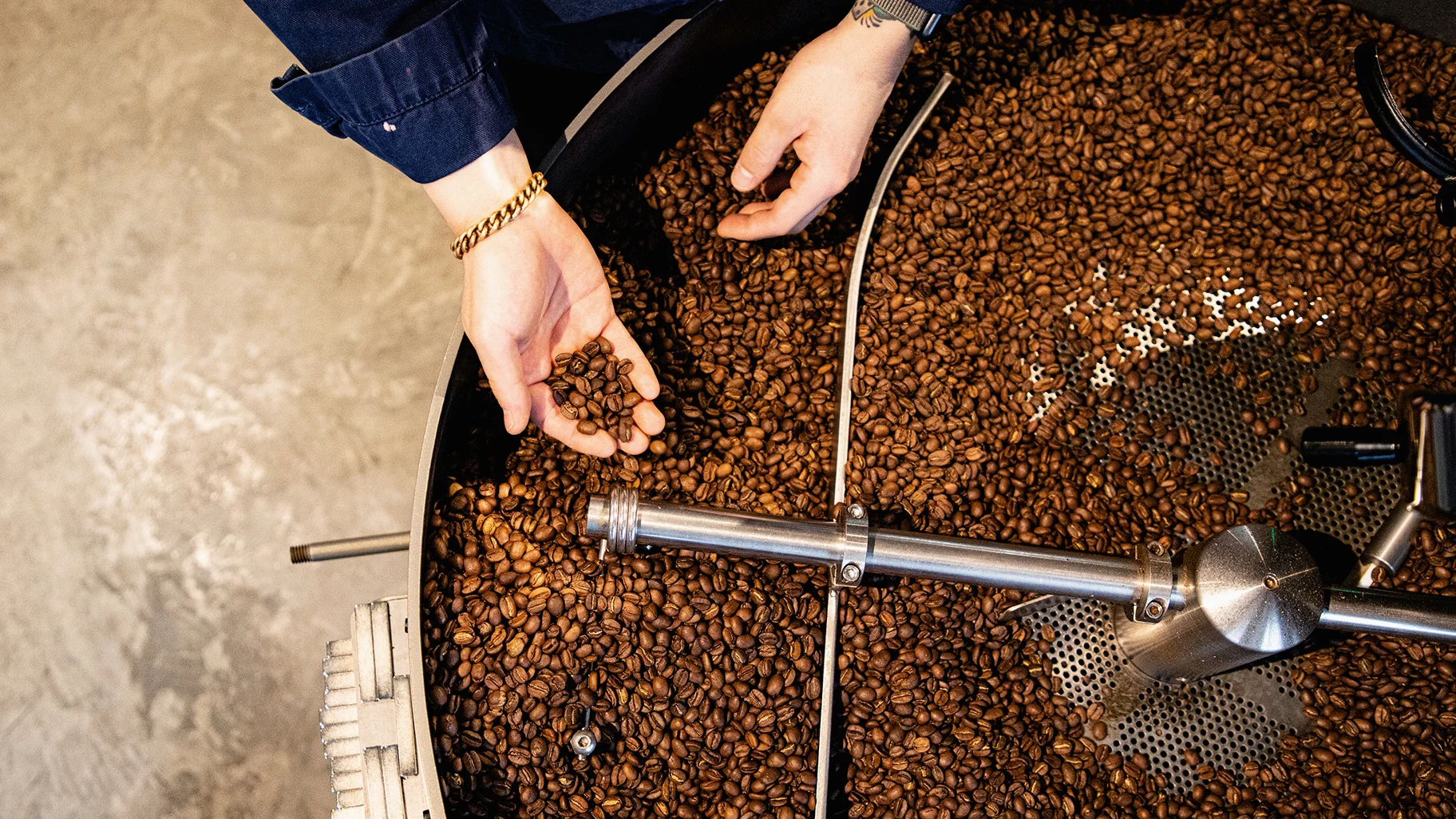
● Roast variety – The roast you select affects your cappuccino’s complexity and flavor profile. We recommend a medium to dark roast, but you might select a lighter roast to complement a dry cappuccino’s lack of steamed milk. For the best experience, ask your local roaster which variety they recommend for brewing a cappuccino.
● Milk options – Different kinds of milk will also have different results when steaming and creating a desirable foam for your cappuccino. Whole-fat milk is an optimal choice for creamier cappuccinos with a velvety, rich foam.
Create custom cappuccino perfection with Breville
Whether you like your cappuccino wet or dry, you can rely on Breville for the highest-quality home brewing experience.
Breville’s espresso machine lineup will transform your coffee-making routine, unlocking new customizations to your daily cup without any unnecessary complexity, trial and error, or mess. The Oracle® Touch is a favorite with user-friendly touchscreen operation, fully customizable coffee strength and milk texture options, and up to 8 personalized preset settings. From cappuccinos to iced lattes and more, Breville coffee machines can unlock a new world for coffee enthusiasts everywhere.
Ready to experience the luxury of third-wave specialty coffee at home? Browse Breville’s coffee and espresso machines today to change your cappuccino forever.
Sources:
1. Perfect Daily Grind. Cappuccino variations around the world. https://perfectdailygrind.com/2021/09/cappuccino-variations-around-the-world/
2. CoffeeGeek. How to Make a Cappuccino. https://www.coffeegeek.com/guides/cappuccino/