The PH of coffee
Within the realm of science, the term “acidity” is determined using a pH scale that ranges from 0–14. On this scale, a pH of 7 is considered neutral, anything below 7 is acidic, and anything above 7 is alkaline or basic.
Pure water sits right in the middle at a pH of 7, being neither acidic nor alkaline.
So where does coffee land on this scale?
Indeed, most coffee (including light and dark roast coffee beans) would be considered acidic on the pH scale, typically landing somewhere around a pH of 4.8–5.1. And a low-acid coffee might have a pH of 5.5+. But compared to other common foods or beverages, a low 5 or high 4 isn’t all that acidic.
It’s important to note that the pH scale is logarithmic. Therefore, there are orders of magnitude separating one level from the next. A beverage with a pH of 4 is ten times more acidic than one with a pH of 5.
The acidity of coffee
With all that in mind, technically, all coffee is considered acidic. However, when we dive into the rich and flavorful coffee universe, “acidity” takes on a slightly different meaning. In this context, it refers to specific desirable flavors that contribute to a coffee's uniquely complex flavor profile.
Coffee beans contain 9 major acids. Listed from highest concentration to lowest, they are:
● Chlorogenic
● Quinic
● Citric
● Acetic
● Lactic
● Malic
● Phosphoric
● Linoleic
● Palmiti
Every type of coffee bean will have different concentrations of these natural acids. As a result, one bean's acidic notes may seem citrusy and fruity whereas another’s might taste tangy or wine-like.
What factors impact coffee’s acidity?
While there are several factors that can impact the coffee acidity level, three, in particular, stand out: The coffee’s roasting level, the bean type, and its extraction method.
Roasting levels
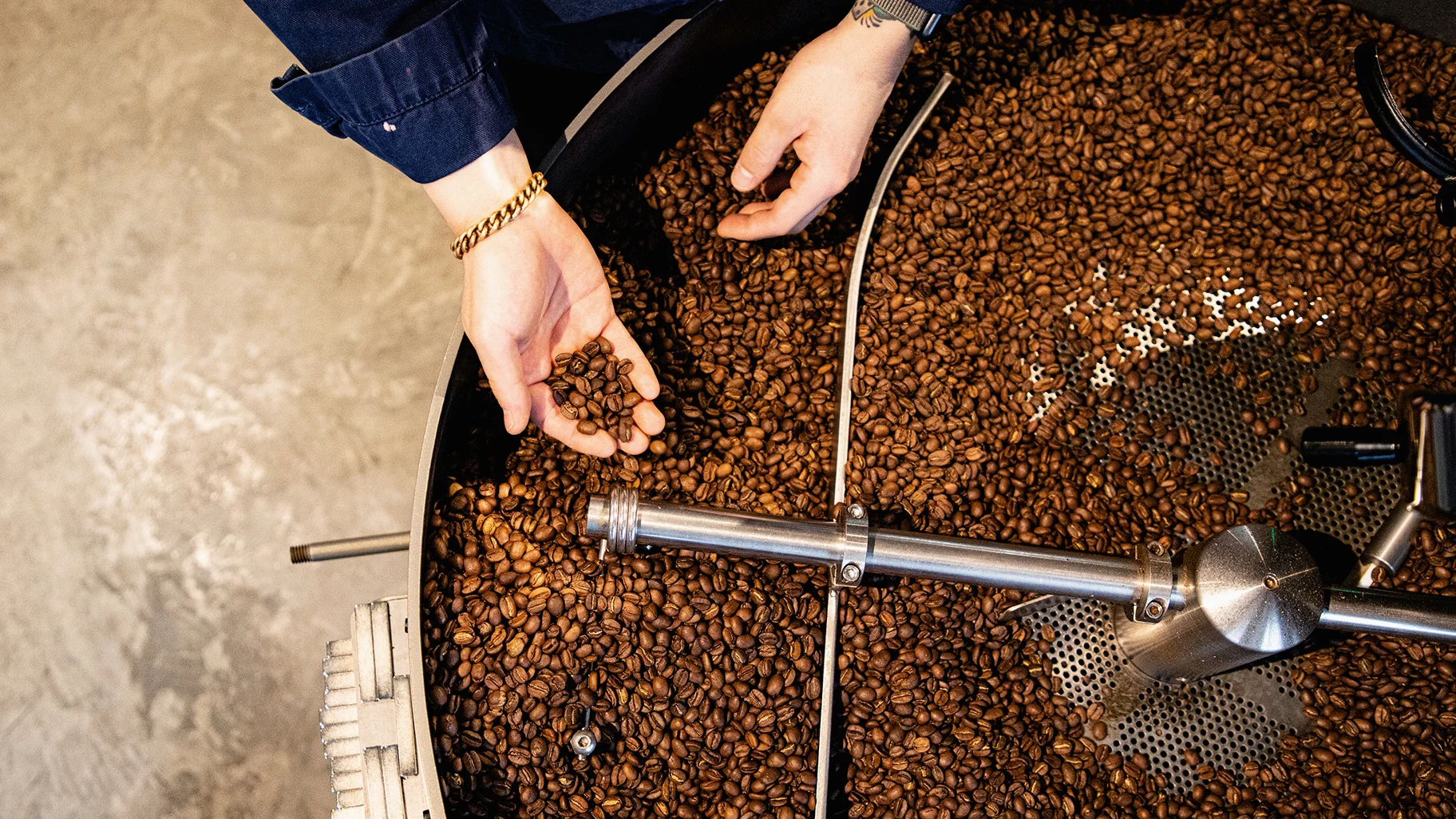
The roasting process plays a vital role in the final acidity level of your coffee. During roasting, chemical reactions occur that can heighten or dull acidity. The general rule of thumb is: the darker the roast, the lower its acidity. The types of coffee roasts are as follows:
● Light roast – Lightly roasted coffee tends to have higher acidity. Since the beans are roasted for a shorter period at lower temperatures (around 356–401°F), they retain more of their original characteristics, including acidity. This acidity is what gives light roasts their bright, vibrant, and complex flavor notes.
● Medium roast – With medium roasts, the acidity is more balanced. Roasted to temperatures between 410–428°F, medium roasts strike a balance between preserving the beans' original acidity and introducing new flavors from the roasting process. This balanced profile makes medium roasts popular among casual coffee drinkers.
● Dark roast – Pushed to temperatures beyond 464°F, a dark roast has the least acidity of all. The dominant flavor notes in these roasts come from the roasting process, resulting in a sweeter, full-bodied cup with an intense and robust flavor profile.
Type of bean
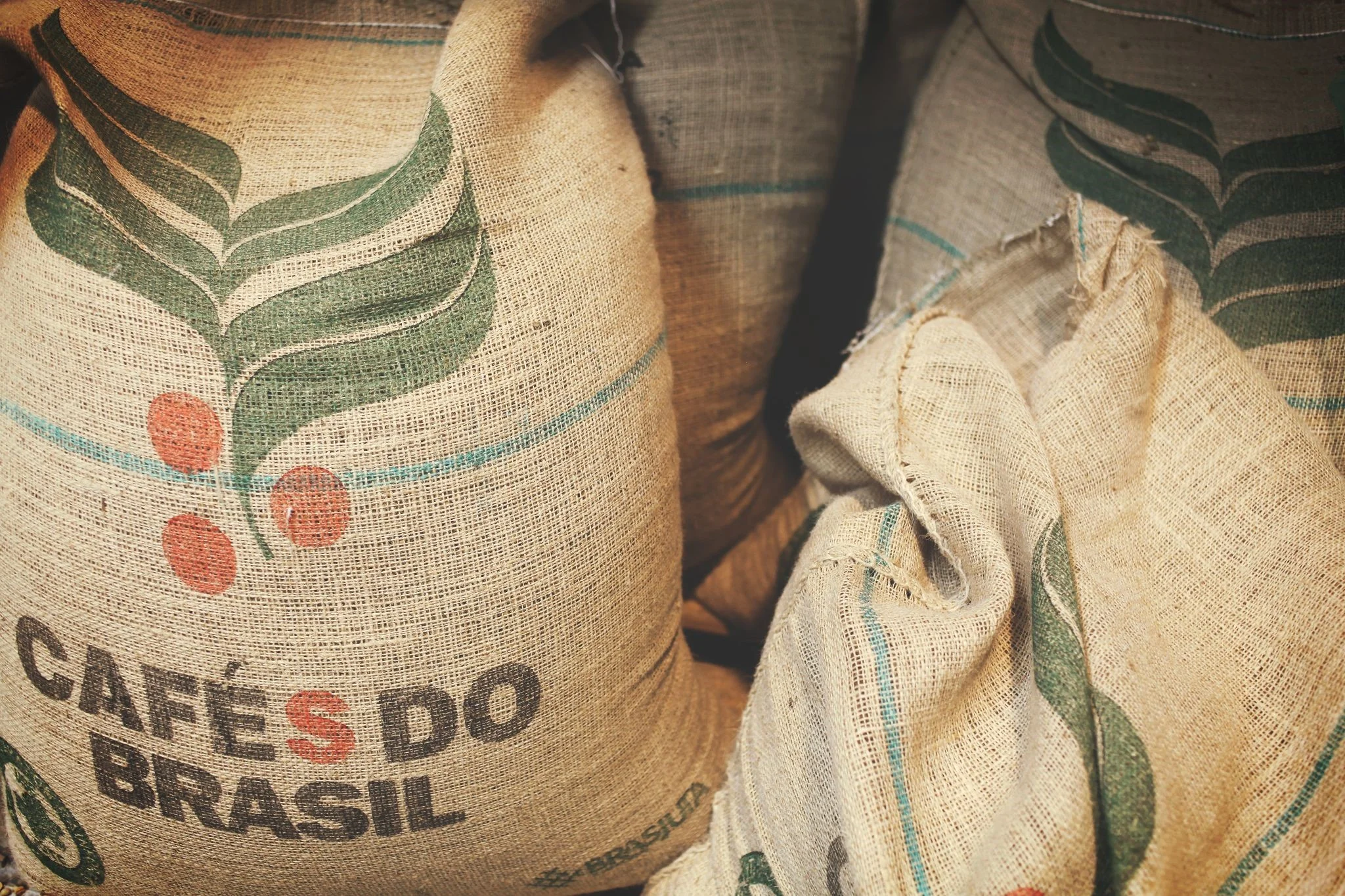
Various types of coffee beans will also largely influence the level of acidity in your morning brew. That’s because some coffee beans themselves contain more acid than others.
● Arabica beans – Tend to be more complex, acidic, and flavorful than Robusta beans
● Robusta beans – Less complex, have less sugar, and contain twice as much caffeine as Arabica beans, resulting in a less acidic brew
Extraction method
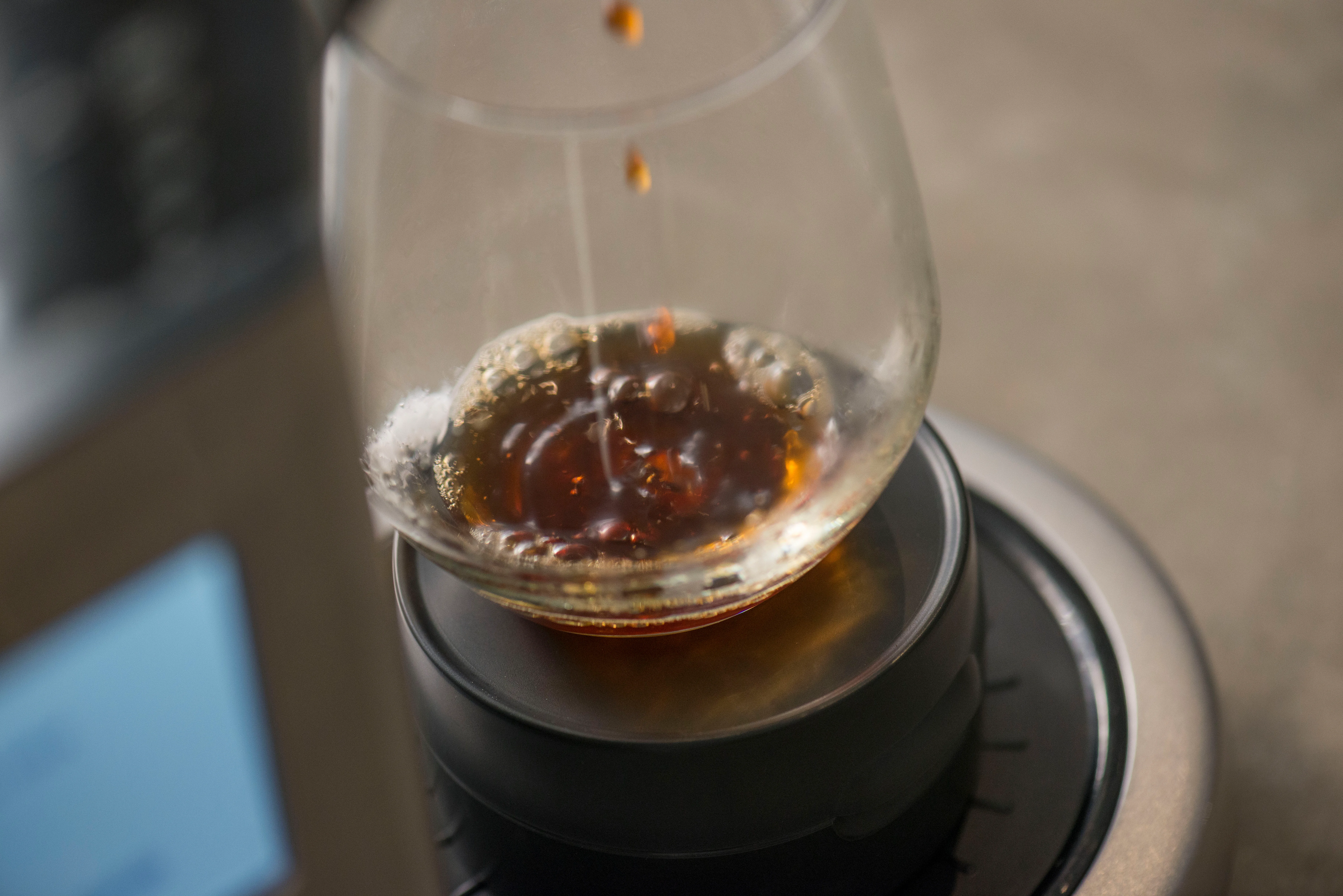
Even after you have selected a bean and designated a roasting level, the acidity of your coffee can be further impacted by the method of extraction—or how the water is passed through the coffee grounds.
While no two brews are exactly alike, here’s a general ranking from least acidic to most acidic extraction methods:
● Cold brew
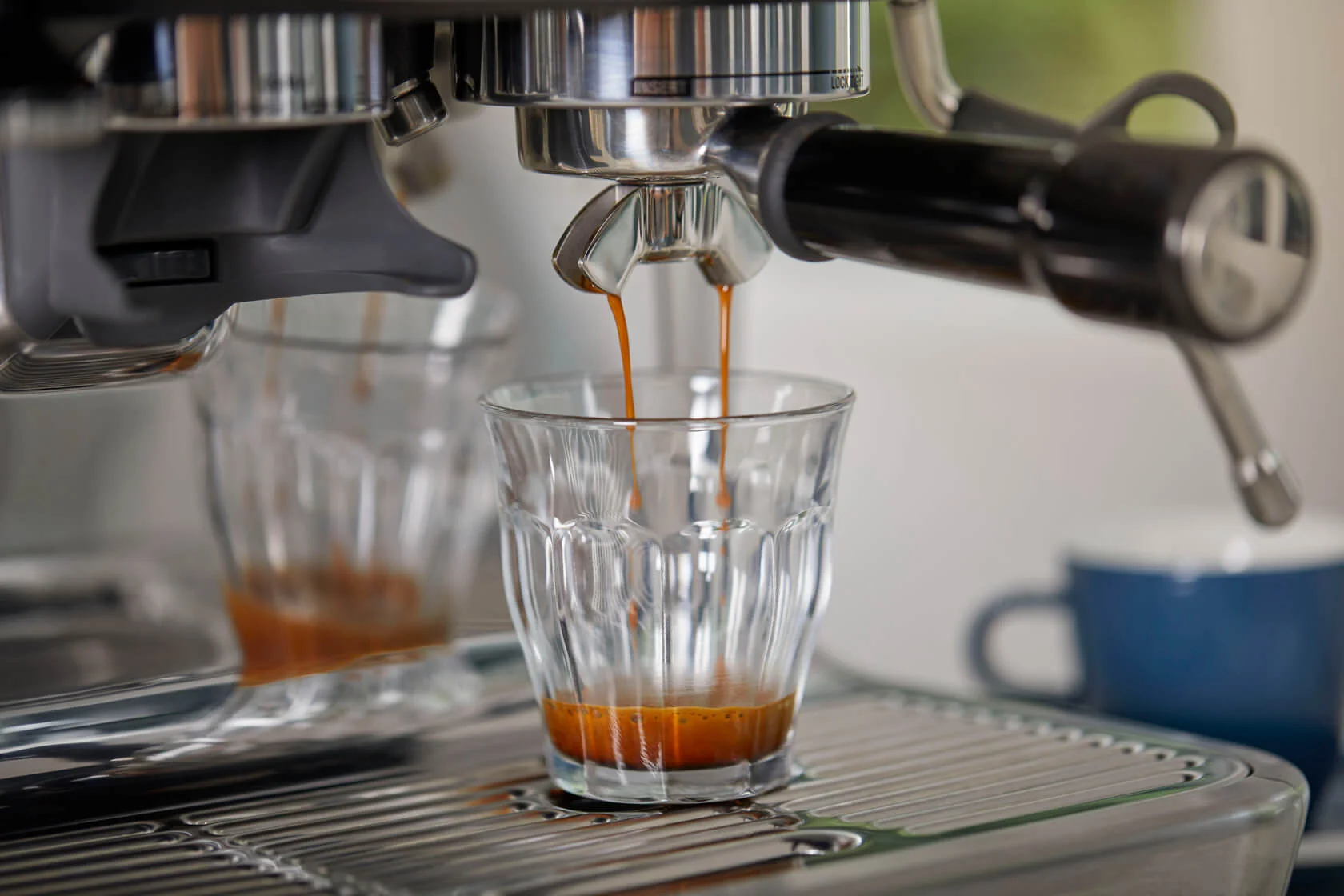
● Espresso
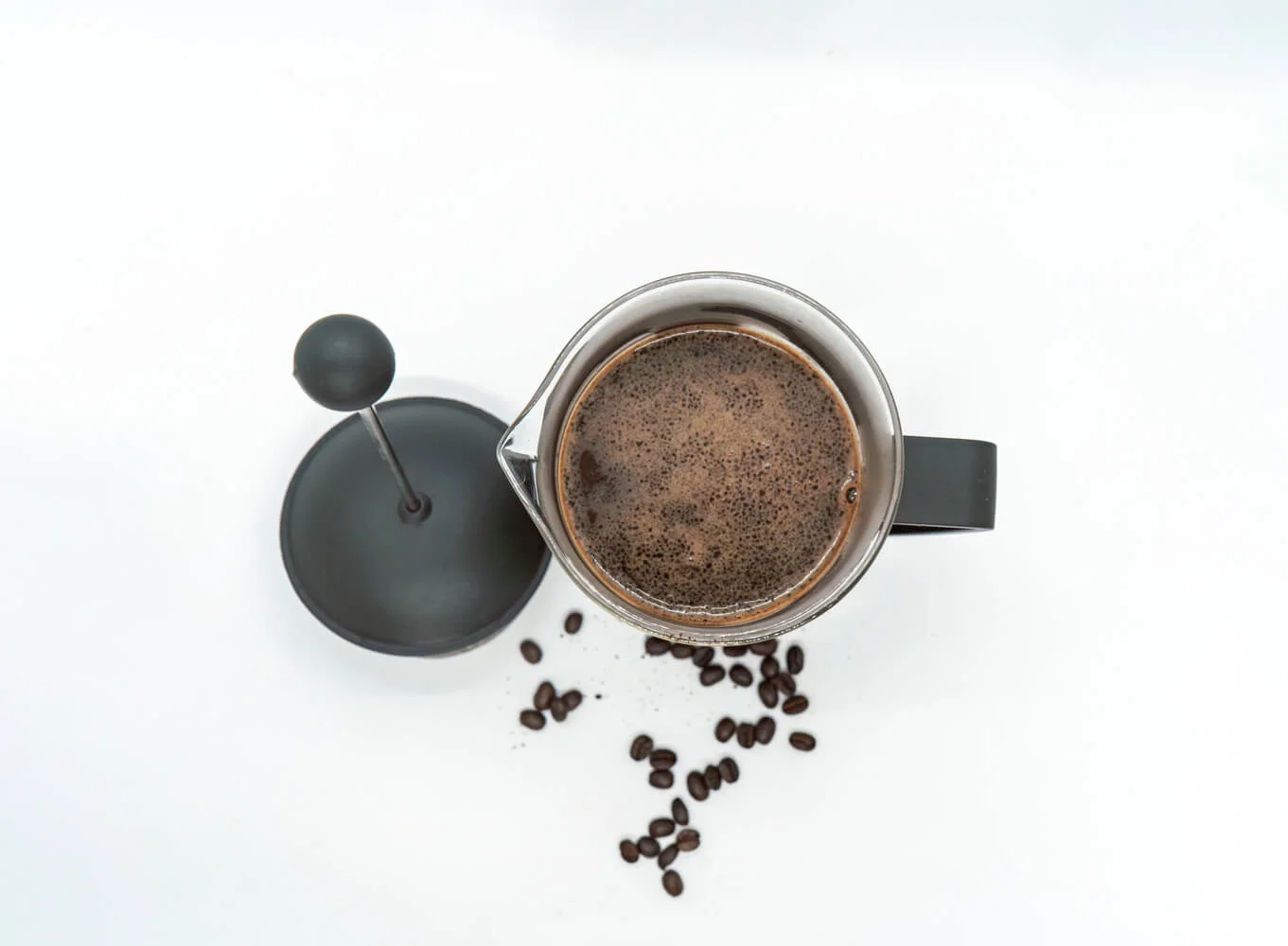
● French press
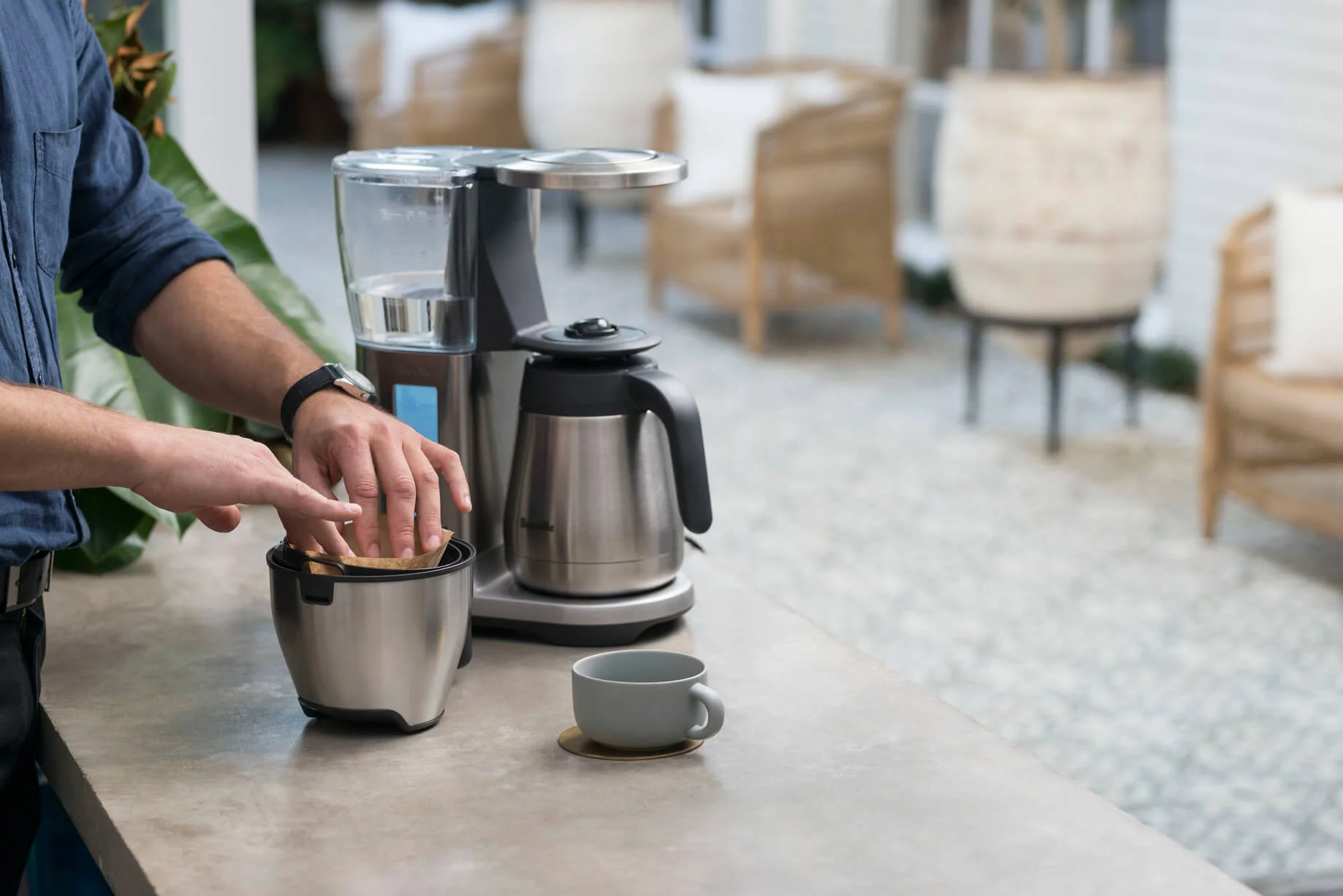
● Drip or pour over
How to dilute coffee acidity
Are you particularly sensitive to acidic coffee? If so, there are steps you can take to minimize acidity without significantly detracting from the flavor, including:
● Opt for a dark roast
● Select a robusta
● Cold brew the coffee
● Add a pinch of salt to neutralize the perceived acidity
● Use a darker sweetener with higher alkaline levels like maple syrup
● Add milk or cream
● Brew using calcium-enriched or alkaline water
Explore the complex acidities of coffee at home With Breville
Acids in coffee are largely influenced by natural factors such as the coffee’s origin, growing conditions, and processing methods, as well as roasting levels and extraction methods.
But don’t let the term “acidity” scare you off. Remember, in this context, the perceived acidity isn’t necessarily a bad thing. In fact, it’s a large reason why coffee tastes so delicious, adding complexity and brightness to your cup.
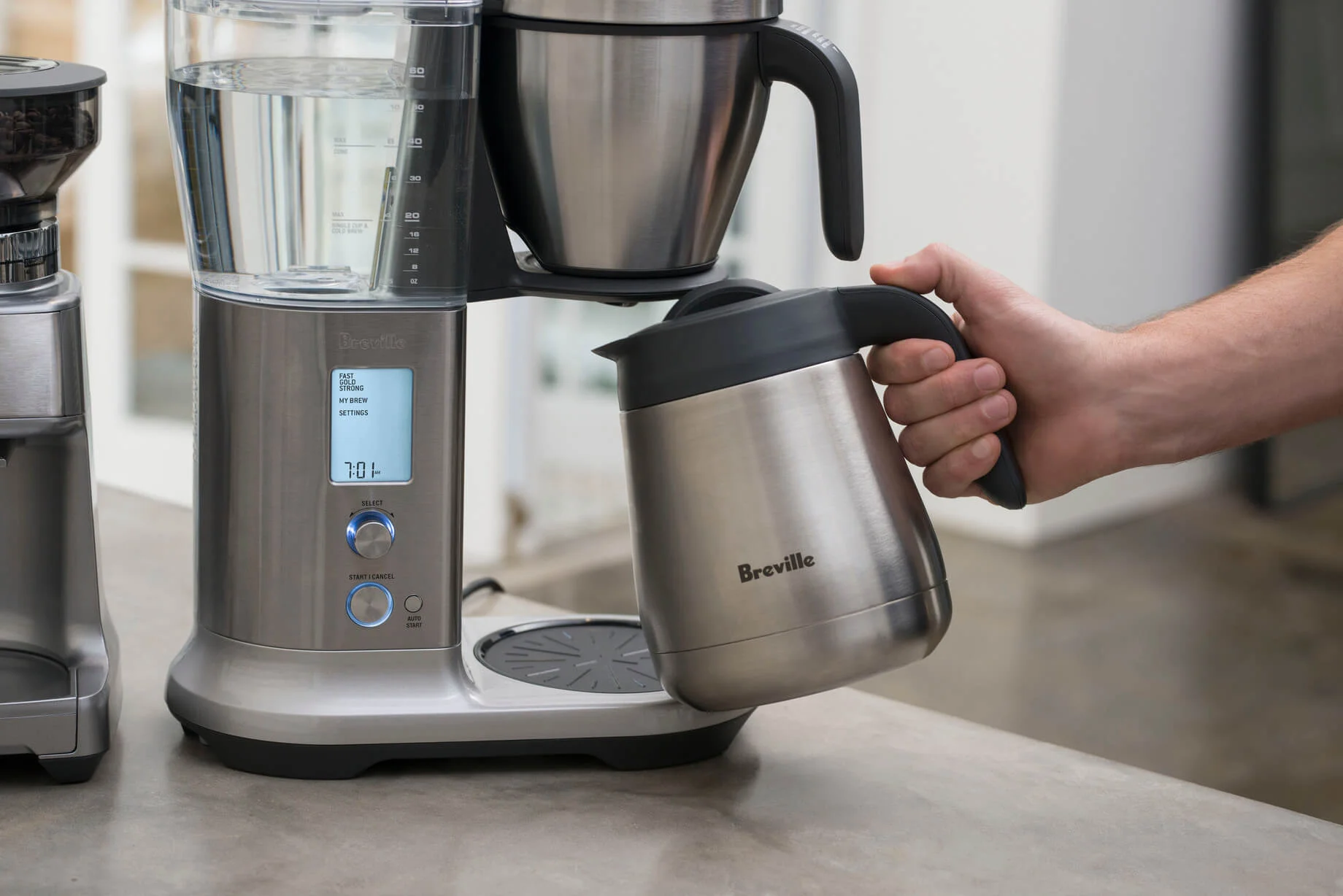
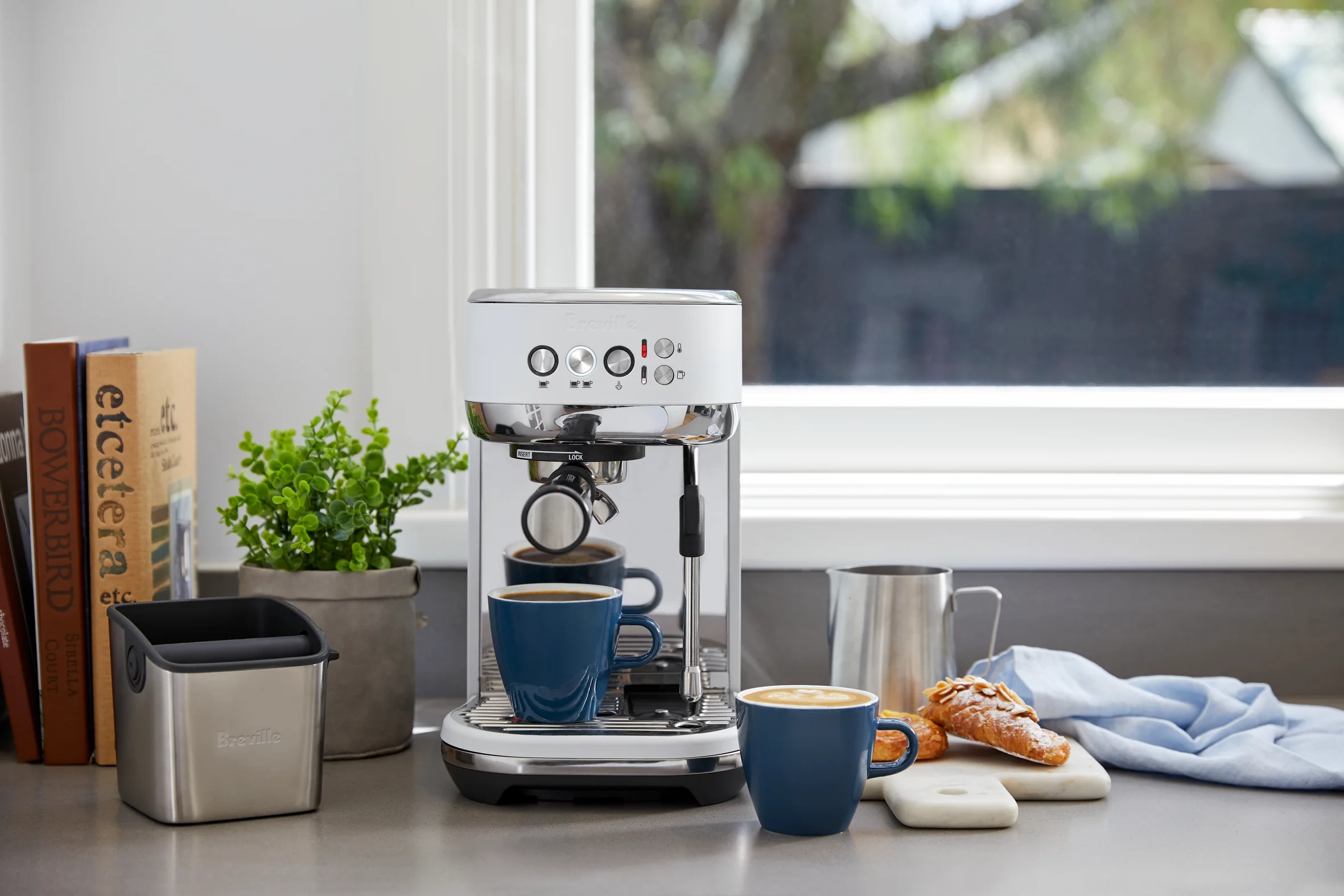
At Breville, we understand how personal your coffee taste preference can be, and we're dedicated to helping you craft your ideal brew—whatever that may be. From our selection of state-of-the-art coffee machines to our high-quality grinders and specialty roasted beans, we help every at-home coffee drinker transform their kitchens into their new favorite coffeehouse.
Sources:
1. News Medical. pH in the Human Body. https://www.news-medical.net/health/pH-in-the-Human-Body.aspx
2. Science Notes. The pH Scale of Common Chemicals. https://sciencenotes.org/the-ph-scale-of-common-chemicals/
3. Healthline. Is Coffee Acidic? https://www.healthline.com/nutrition/is-coffee-acidic