Store Your Coffee Properly
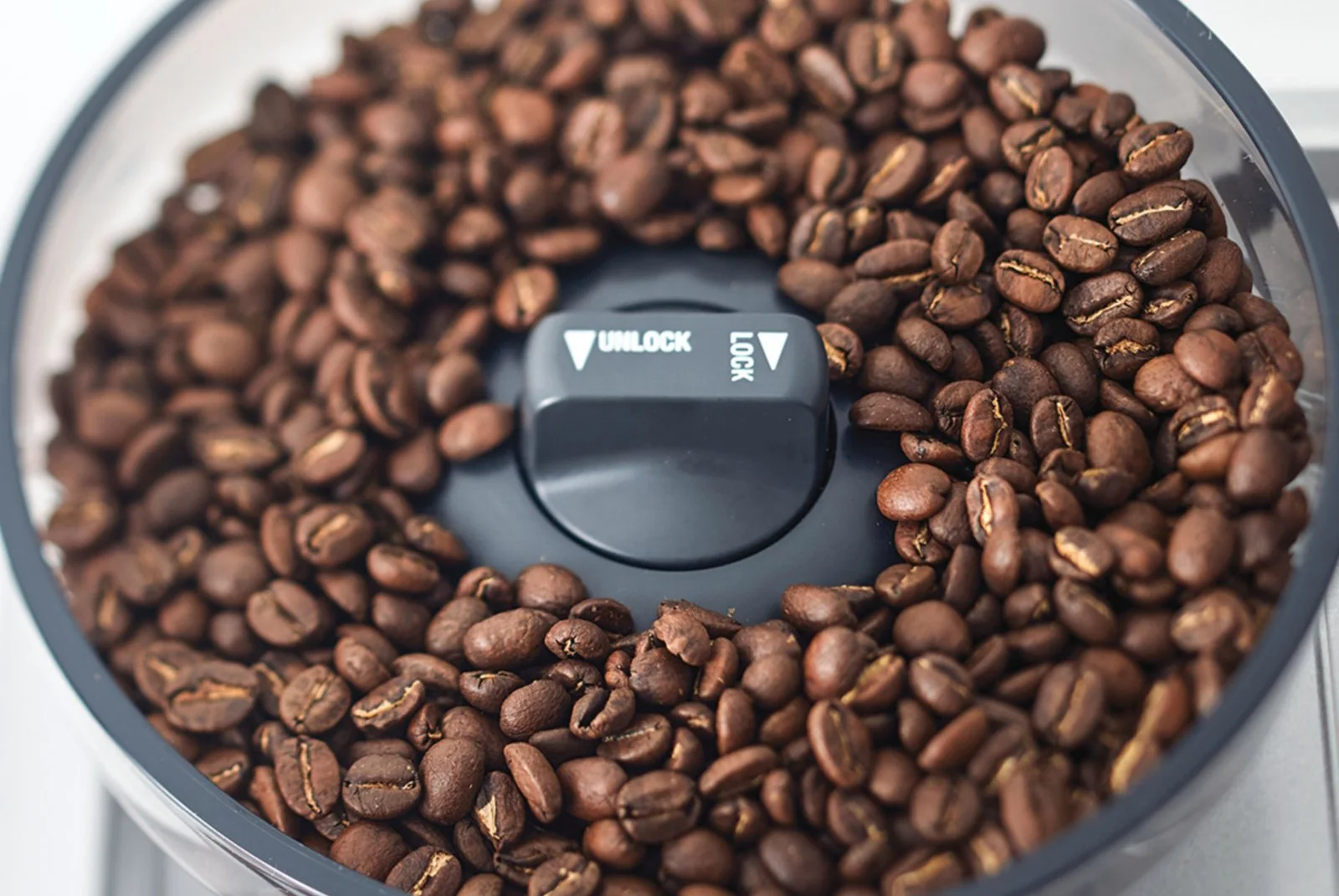
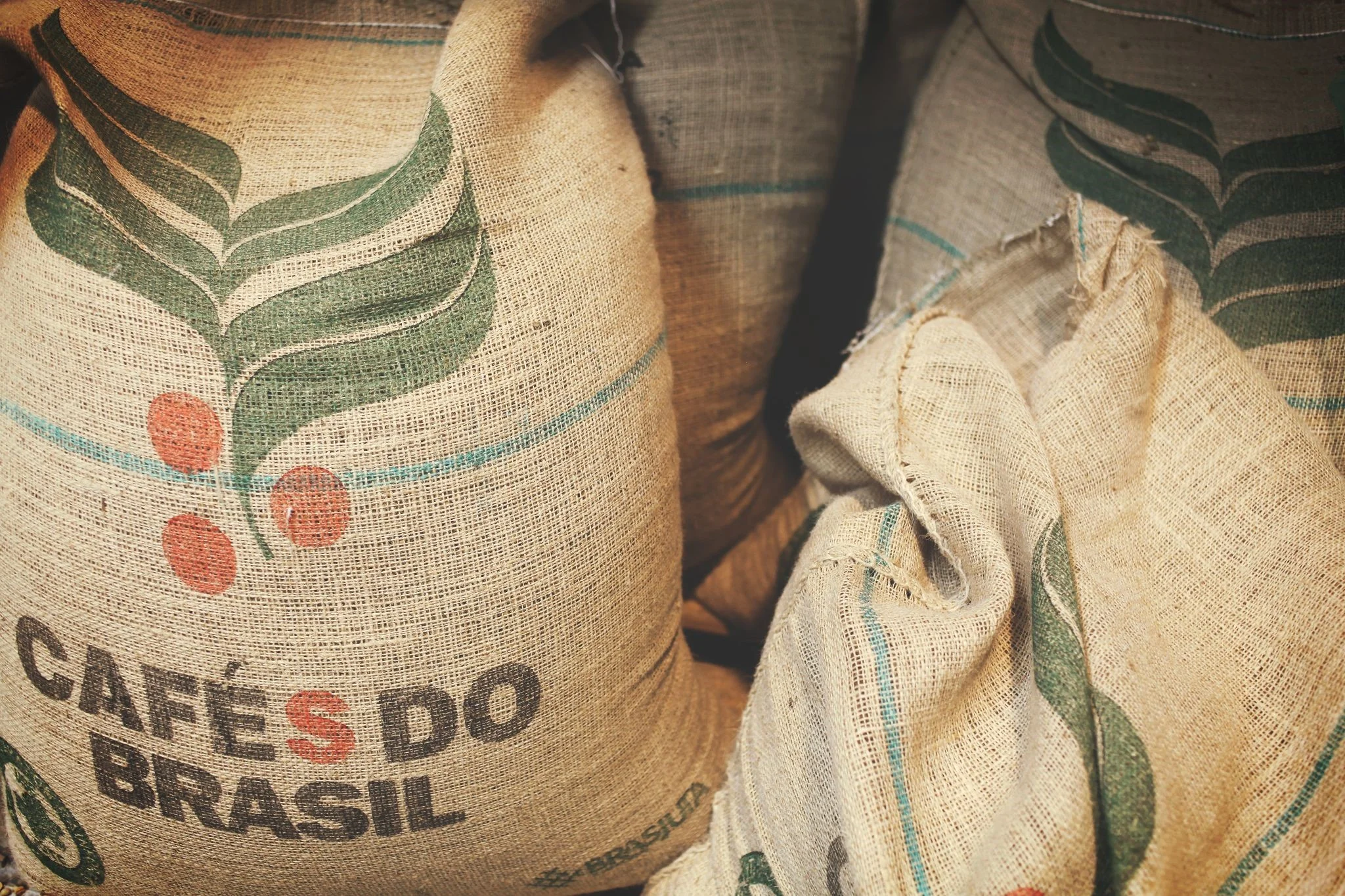
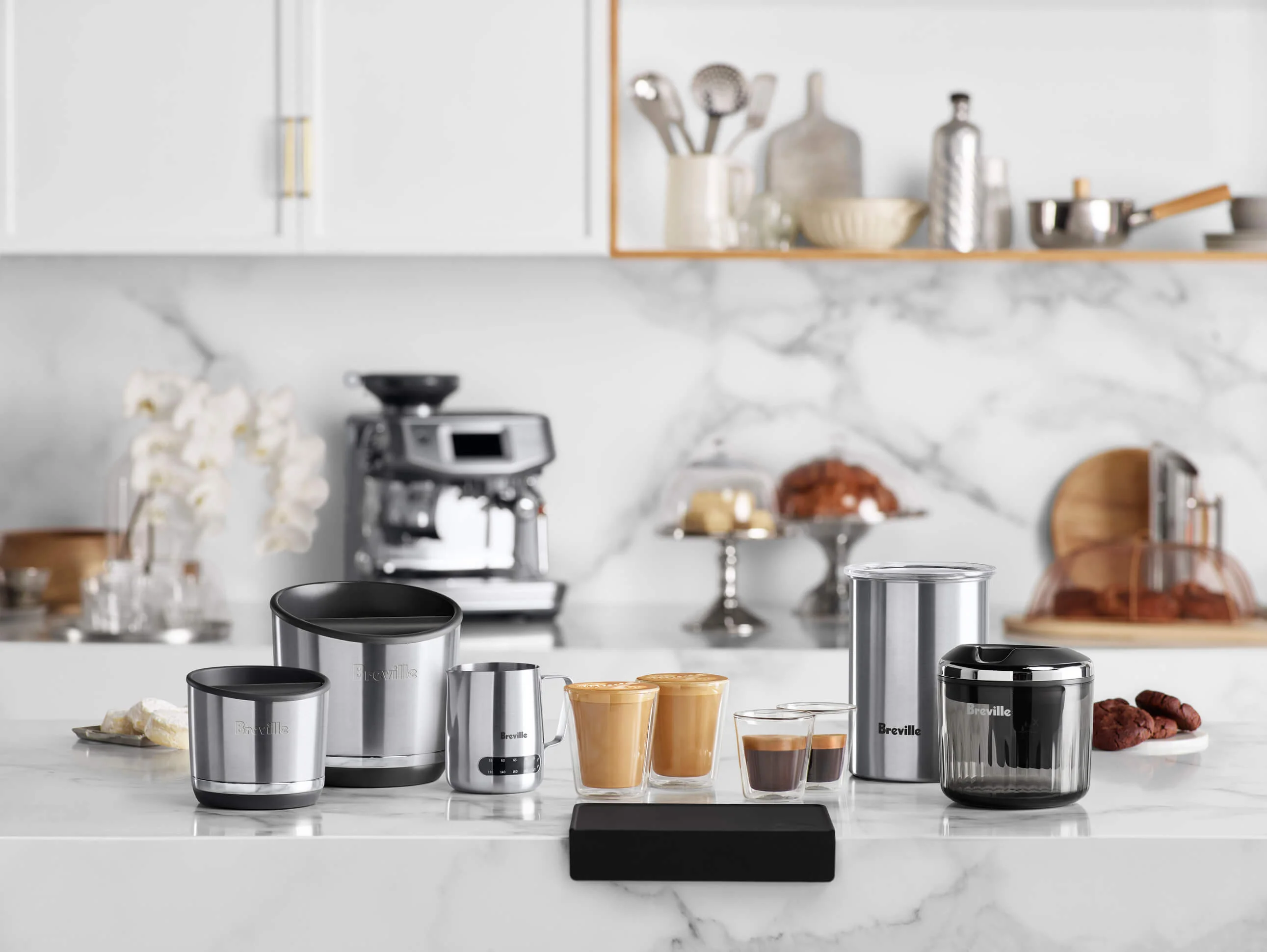
Poor storage technique is the most common culprit for flavorless, stale coffee. Ideally stored in an airtight container in a cool, dry area at or below room temperature.
That said, the quality of the beans will slowly degrade during that time. No coffee bean lasts forever, and brewing your beans close to the roast date—ideally no more than 30 days after—ensures not only freshness, but also the most robust flavor profile.
Should You Freeze Your Coffee Beans?
Refrigerating or freezing coffee beans has become a common practice for many coffee drinkers. While it can certainly prolong freshness, the cold temperature also degrades the flavor and aroma of coffee beans. This is due to the condensation that occurs within the container.
The moisture generated from this condensation infiltrates the beans and alters their cell structures. The result is a bean with little flavor besides the surrounding odors it picked up from the coffee storage.
This process is even more damaging when you move the coffee in and out of the freezer regularly. The best way to ensure freshness and maintain flavor is to store your roasted coffee beans in a dry cupboard at a consistent room temperature.
What About Coffee Grounds?
Pre-ground coffee is a convenient, readily available option. However, we always recommend buying whole beans over ground coffee beans for a few reasons.
Firstly, beans stay fresh far longer than grounds. Because coffee grounds have more exposed surface area, the degradation process happens much faster.
Even more importantly, though, learning how to grind coffee beans from home ensures the most flavorful, fragrant brew. This is because beans retain their quality while stored in your pantry.
The Impact of Packaging
The way beans are processed and packaged before hitting the shelves also has a significant impact on freshness. Coffee roasters commonly use the following practices:
● Vacuum sealing – This is where beans are first off-gassed for a few days and then packaged into an air-tight bag or container. This is not a recommended practice as most C02 has already been removed from the beans.
● Nitrogen flushing – This method is common practice now as nitrogen is used to cancel out the presence of oxygen within a bag of coffee. This can help reduce oxidation and keep beans fresh for a little while longer. Mostly practiced within markets where a “use by” date is required.
● One-way valves – These valves allow gasses produced by the beans to release without letting any oxygen in.
No matter how your beans are packaged, though, you should always move them to your own airtight container to ensure prolonged coffee freshness.
How to Tell if Your Coffee is Fresh
A single coffee bean is composed of thousands of compounds and molecules, all of which can either degrade or evaporate over time. Carbohydrates go stale, lipids rot, and oils evaporate. Over time, all of this can contribute to a degraded flavor profile.
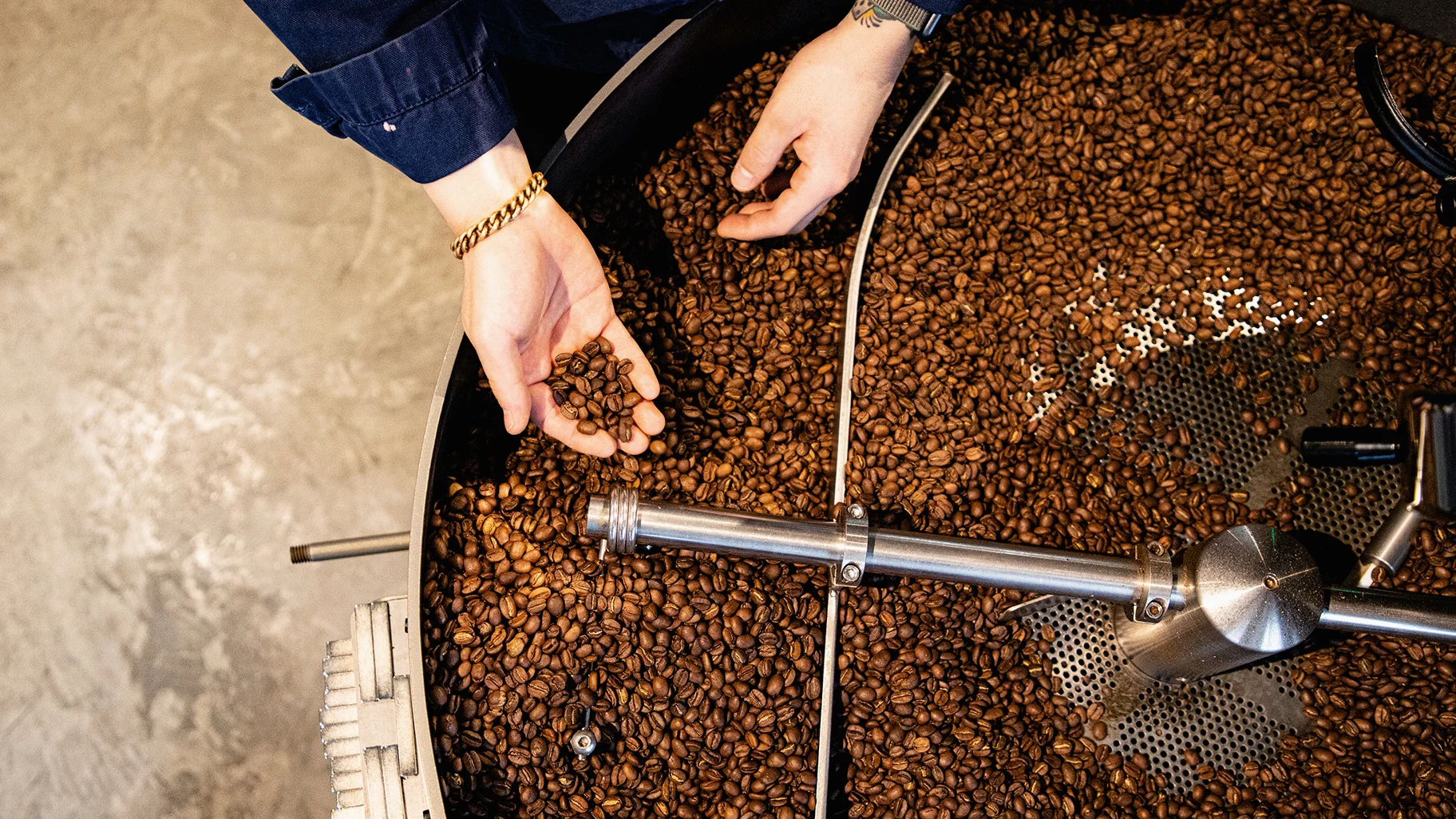
However, you can gauge the freshness of your coffee beans by checking the “roasted on” date. Your coffee beans are the freshest between the five to thirty day mark. You can also sniff your beans to understand how fresh they are. While your tongue can only taste five flavors (sweet, sour, bitter, savory, and umami), your nose can detect thousands of different molecules. Simply smelling your beans can tell you all you need to know about old coffee beans.
Some Tips to Ensure a Fresh Brew
Keeping your beans fresh requires you to fight against a natural process. However, if you follow these tips, you can keep your beans fresh long past their expiration date:
● Storing coffee beans in a cool, dark, and dry place preserves the flavor longer. Choosing an opaque container will keep your beans from light exposure, which can compromise your coffee’s taste.
● Brew your beans as close to the roasting date as possible. A good rule of thumb is to use them between five to thirty days from when they were roasted. As the beans sit, oxidation occurs, where carbon dioxide leaves the beans and is replaced by oxygen.
● Don’t brew your beans too soon, either. After beans are roasted, they undergo an off-gassing period. Waiting three to five days is usually a good rule of thumb.
● Buy your beans in small batches to guarantee coffee freshness and reduce waste.
Brew Your Coffee With Passion
A sensational cup of coffee starts with the bean. By taking proper care of your beans, you’re well on your way to a special brew. The process doesn’t stop there, however. Without the proper tools, your beans won’t be able to reach their full potential.
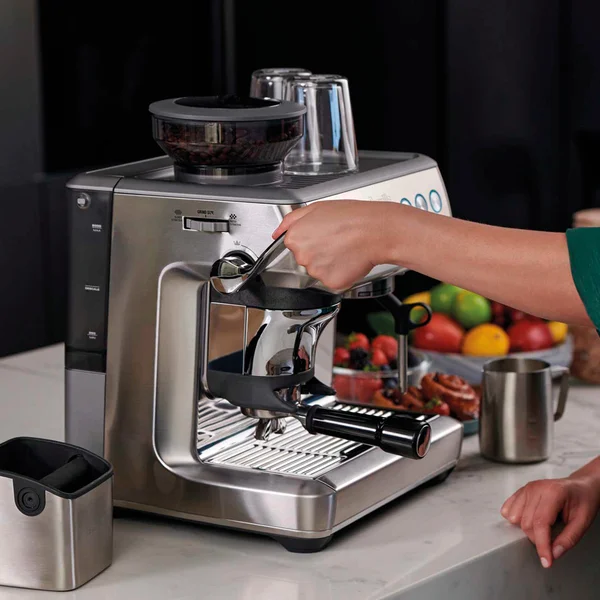
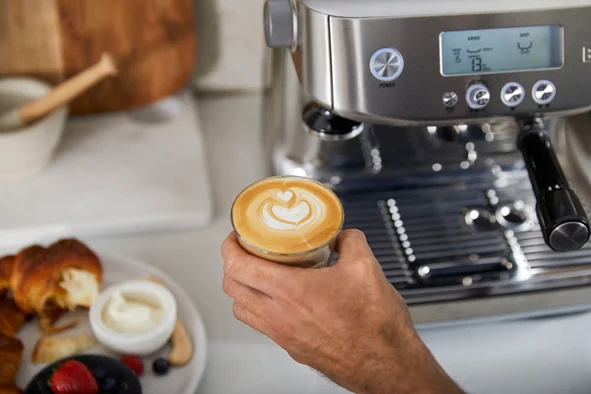
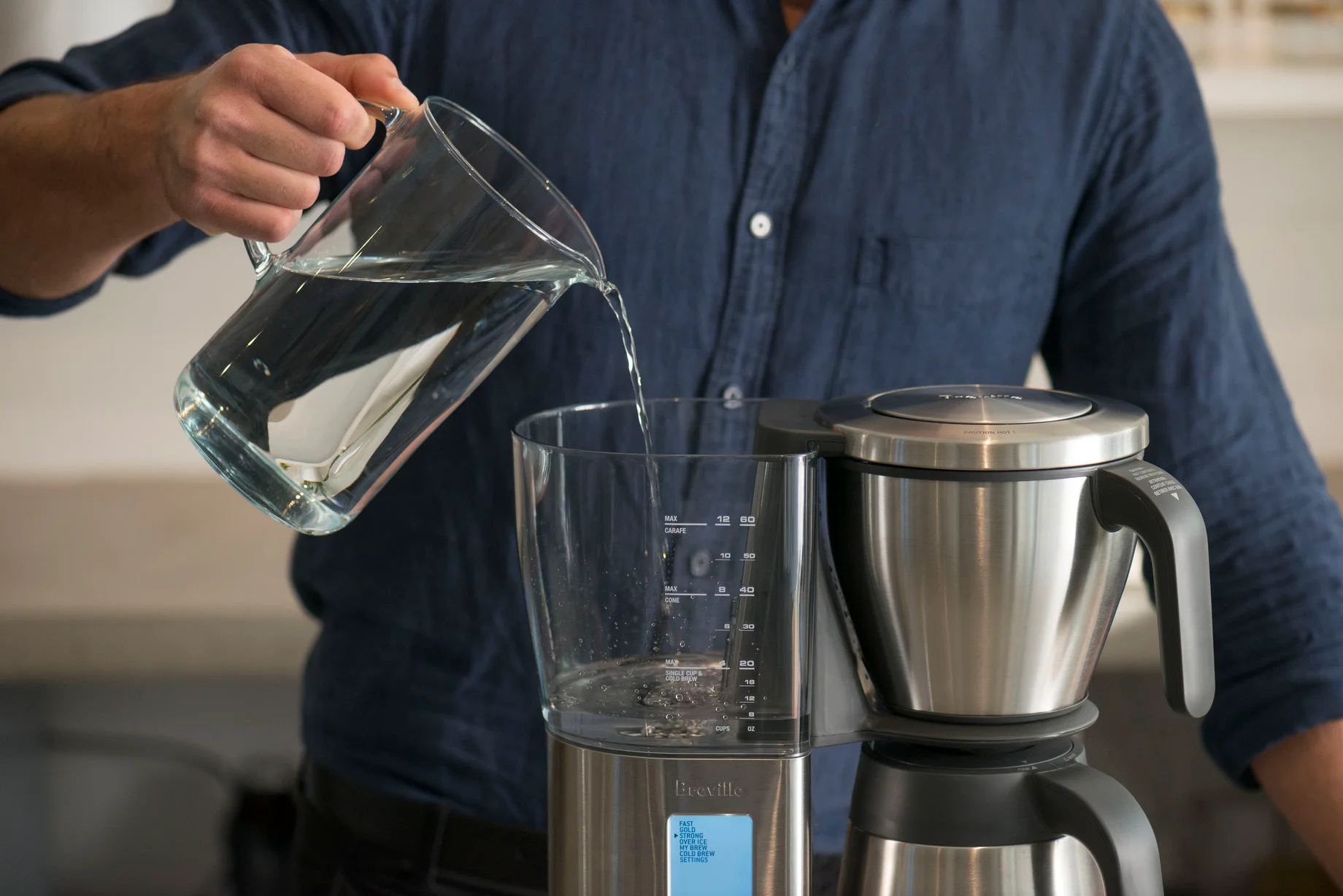
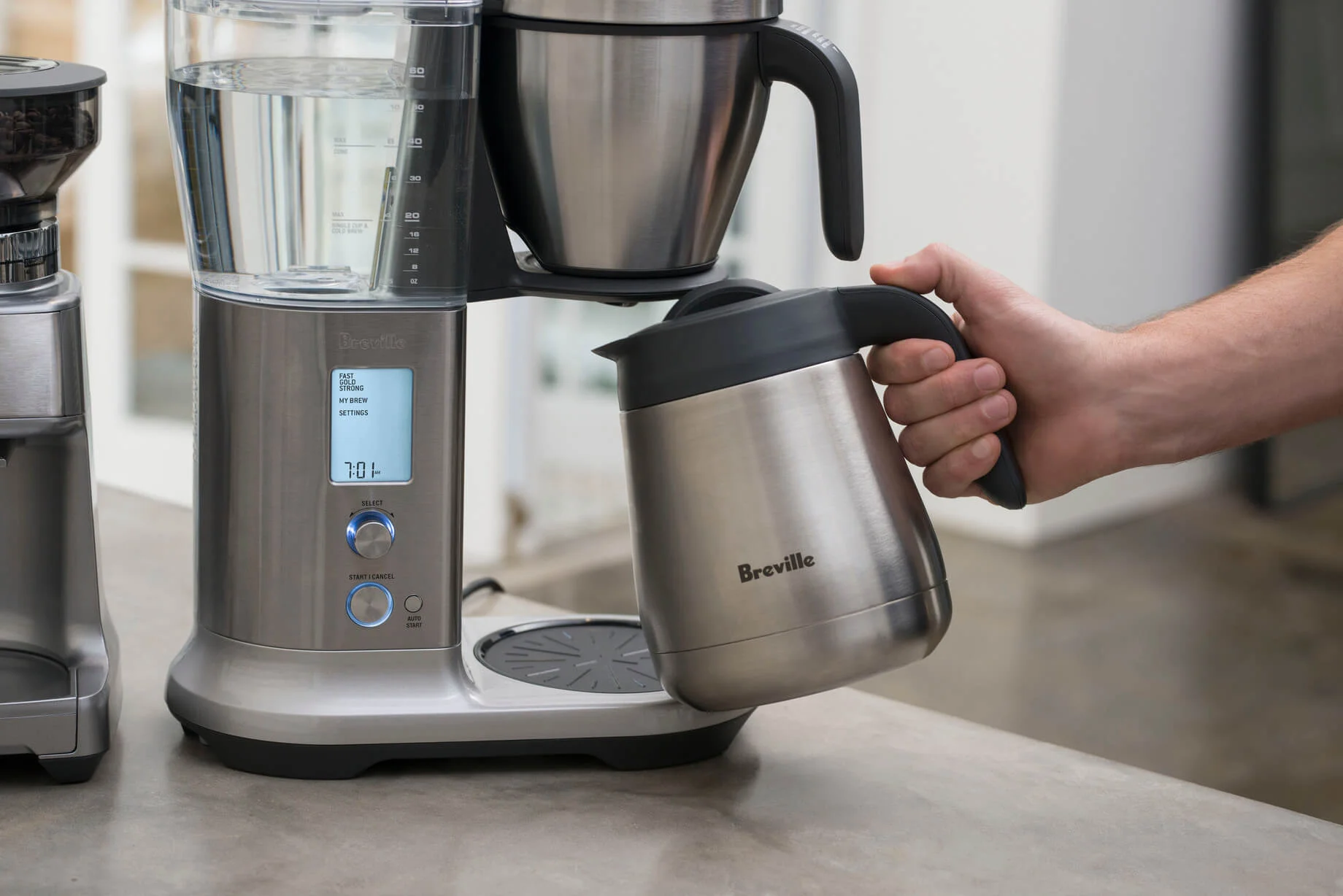
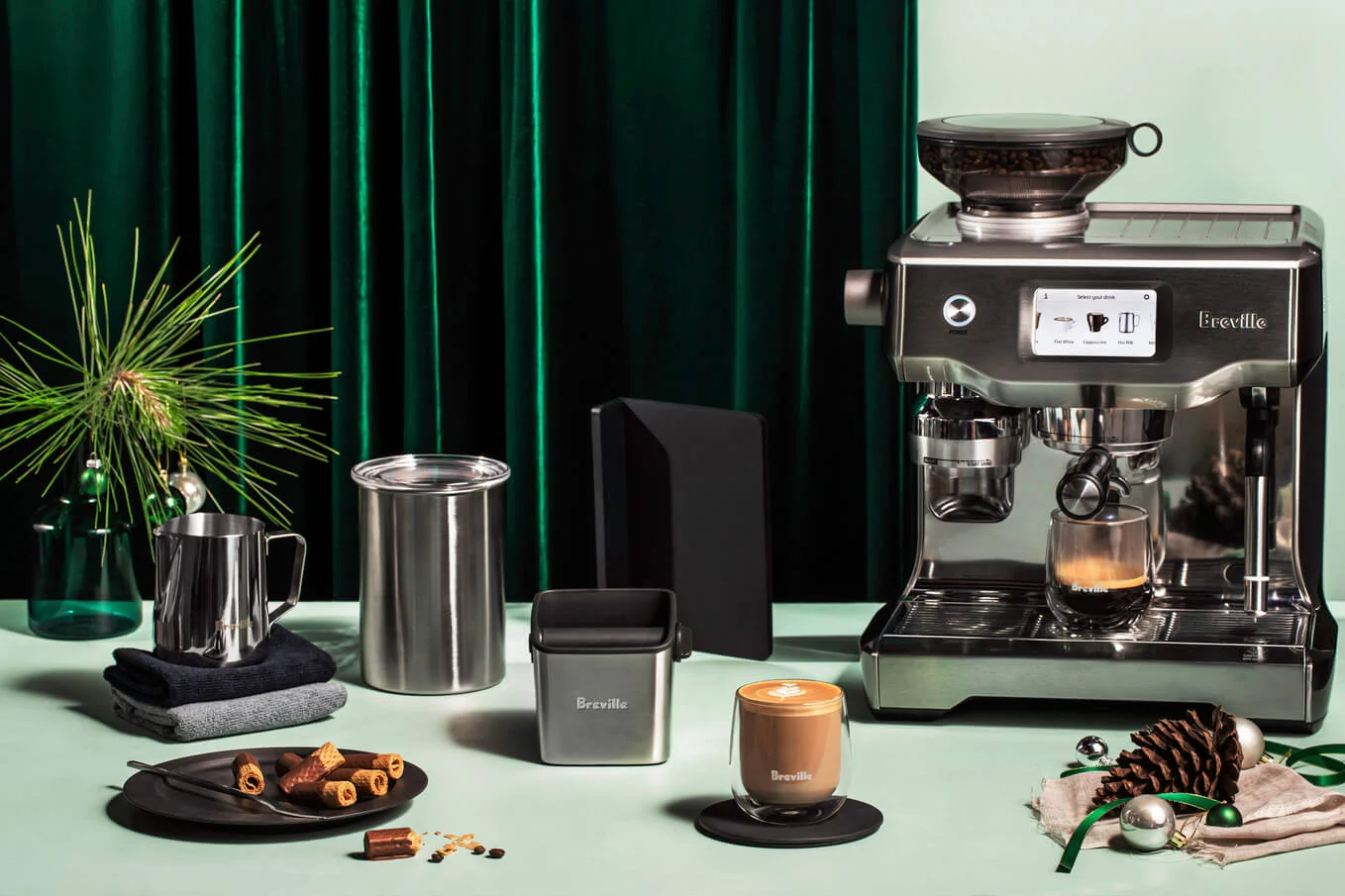
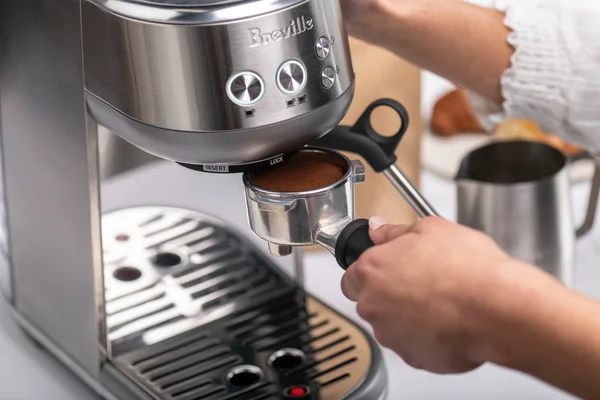
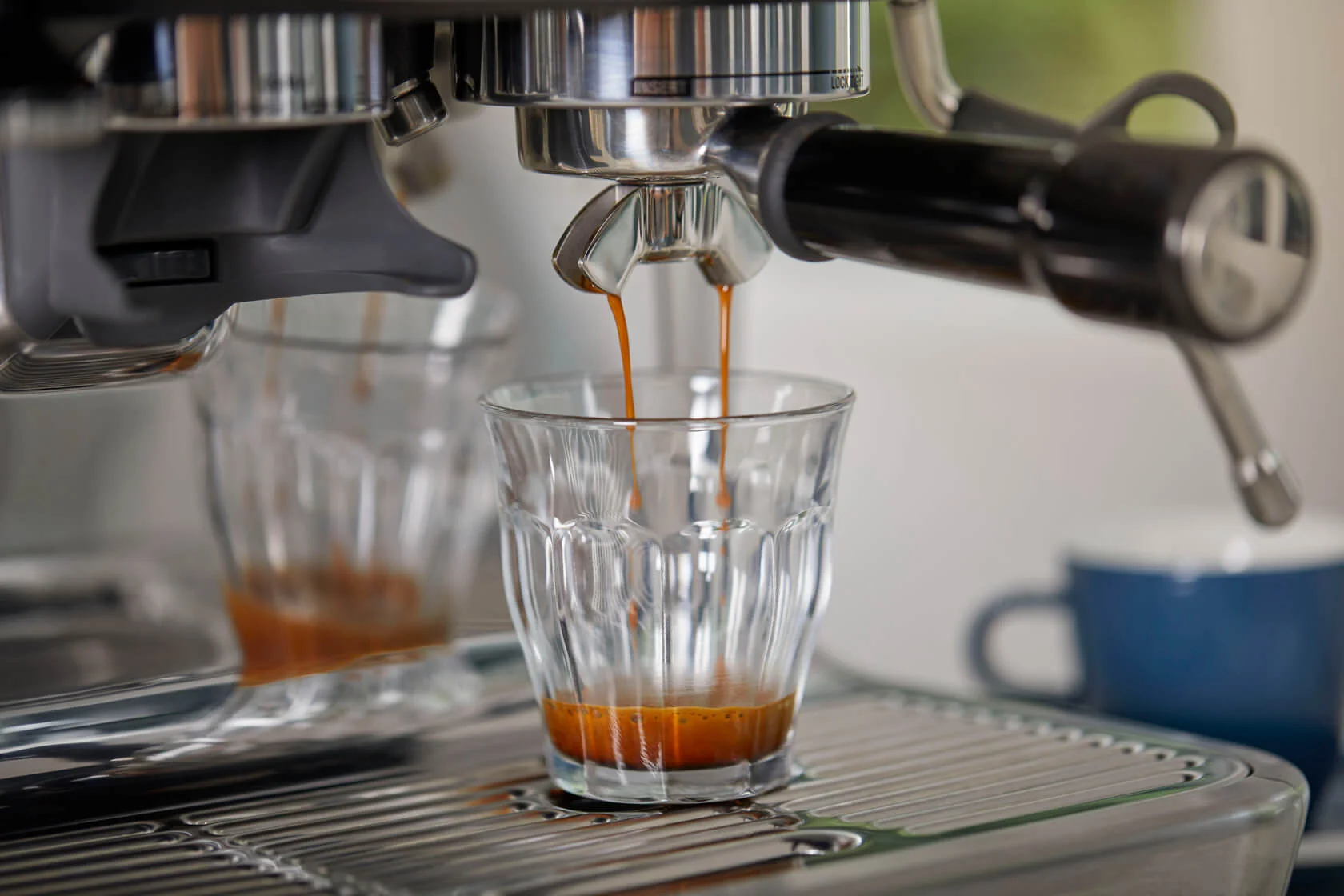
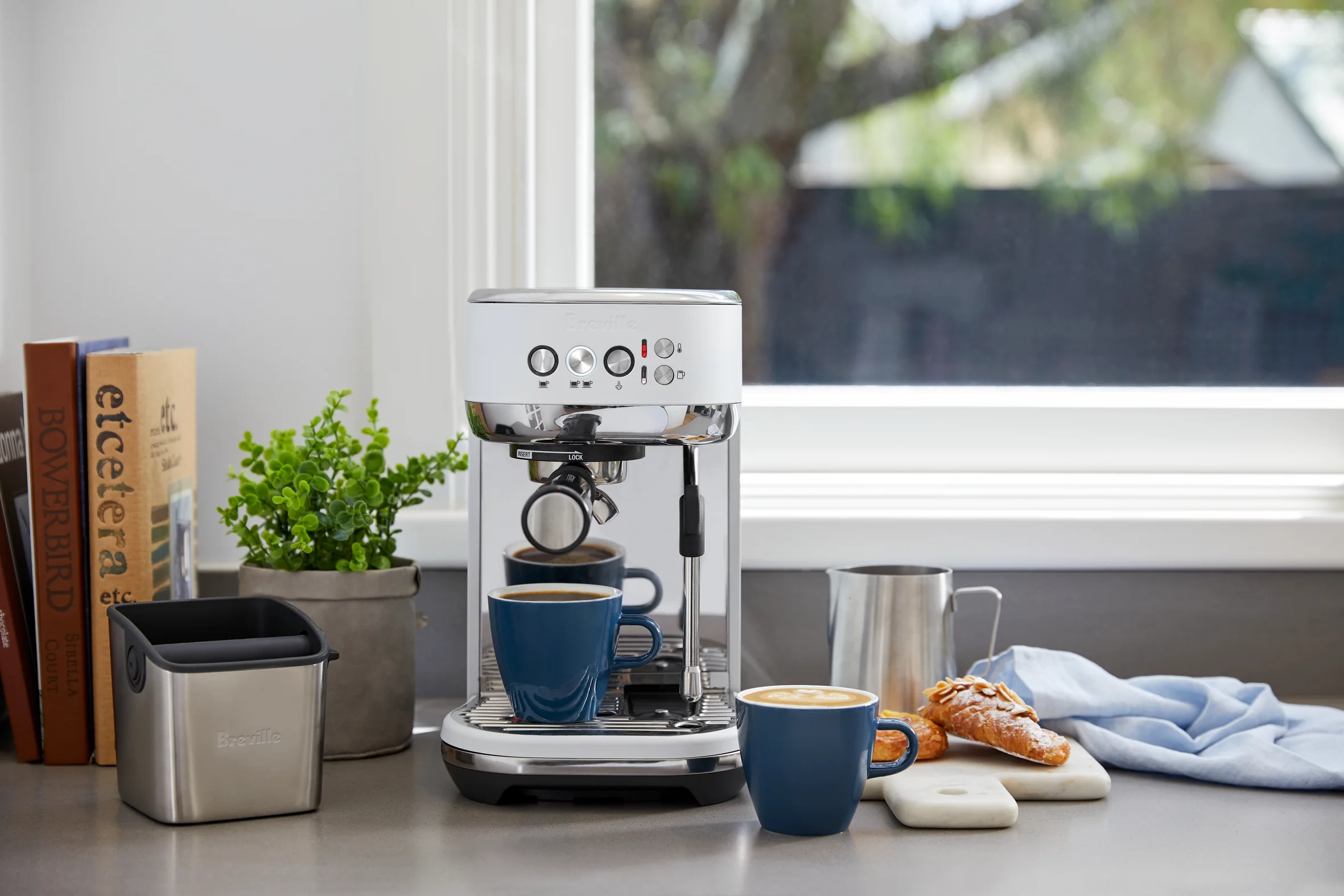
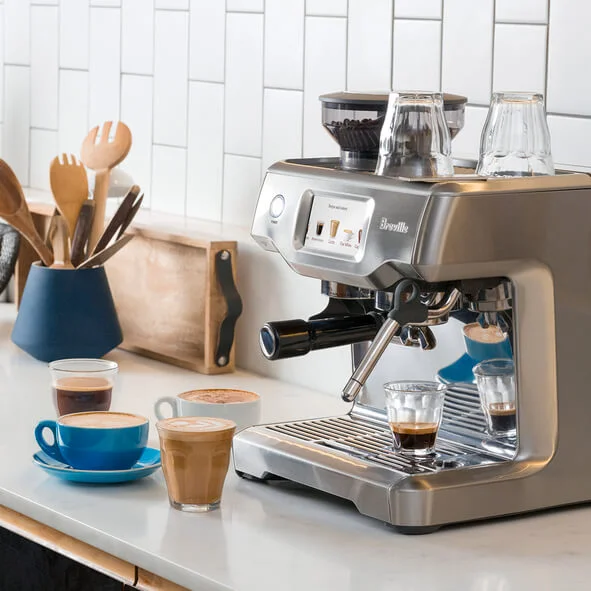
When you brew with Breville, your kitchen becomes your favorite coffee shop. Our line of world-class espresso machines extracts every bit of flavor you’ve worked so hard to retain in your beans.
Look forward to every morning with Breville.
Sources:
NCA. How to Store Your Coffee. https://www.ncausa.org/about-coffee/how-to-store-coffee
CNET. Why you should care when your coffee was roasted. https://www.cnet.com/home/smart-home/why-you-should-care-when-your-coffee-was-roasted