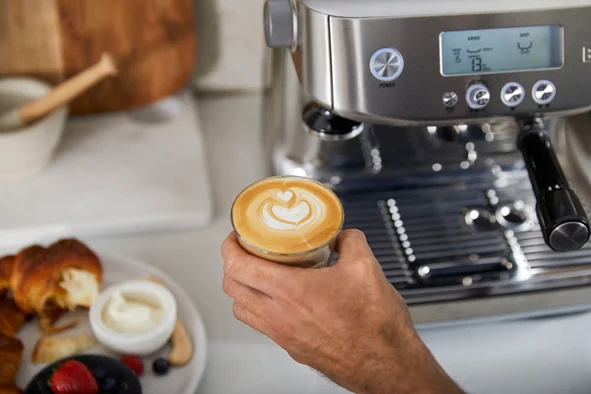
The answer lies in dialing in espresso, a process that’s both an art and science—the intersection of precision and passion.
In this step-by-step espresso extraction guide, we’ll discuss how to dial in espresso, why it's important to do so, and break down everything you need to know to achieve the perfect pull.
What is dialing in espresso?
Dialing in espresso is the meticulous process of adjusting and fine-tuning various brewing parameters to achieve the perfect balance and extraction of each shot. It involves finding the golden ratio of several brewing variables, such as:
● Dose
● Yield
● Brewing ratio
● Extraction time
● Grind size
Each of these elements plays a key role in unlocking the full potential of your espresso, whether you’re making an americano or cappuccino.
Since coffee beans differ in origin, roast, and other factors, there is no single, one-size-fits-all setting for dialing in espresso. The process is very much a journey of discovery—and it’s an important one.
The importance of dialing in
In the same way that a recipe helps bring out the very best of each ingredient, dialing in espresso is a pivotal step in a home barista’s pursuit of the perfect pull. It’s artful calibration that ensures each shot of espresso bursts with rich flavors, vibrant aromas, and velvety smooth crema.
When you dial in espresso, you follow a process that aims to harmonize the complex flavor elements packed into the roasted coffee beans, such as caramelized sugars, citric acids, and caffeine.
The goal is to create shots that strike the perfect balance between these characteristics, bringing out the very best of each coffee bean.
How to dial in espresso: A step-by-step guide
With a clearer understanding of the importance of dialing in and the key elements involved, let's now delve into the specifics of how to dial in espresso. This essential part of our espresso extraction guide aims to help you find the perfect sweet spot, resulting in a rich and balanced cup every time.
To achieve this, we'll first focus on three steps that play a pivotal role in determining the strength and body of your espresso:
1. Measure your dose – Begin by weighing the dry coffee grounds, known as the dose. The ideal amount depends on several factors, such as your portafilter size and even the roast date of the coffee beans. In general, 18 - 22 grams is a safe start, and you can always adjust from there.
2. Set a target yield – Next, determine your desired yield, or final output, of espresso. This refers to the total volume of liquid extracted into your cup and will depend on the brewing ratio you’re aiming for. A reference could be a single shot being 1 ounce and a double shot being 2 ounces. You can also use weight to create a more accurate picture of your dose and yield as a ratio. This would be done by actually weighing the final beverage versus using volume as a determining factor.
3. Determine your brewing ratio – This is the relationship between the dose and the yield, typically expressed in numbers such as 1:2, meaning one part coffee to two parts water—the golden standard for a great espresso. In our previous example of a 20-gram dose, your desired total yield would be 40 grams of espresso with a 1:2 brewing ratio. To calculate this, you’ll need a scale to weigh the actual input (dry grounds) as well as the output (brewed espresso).
Keep in mind that different espresso recipes may employ alternate ratios, such as a delicate but highly-concentrated Lungo clocking in at 1:3, or the rich, intense Ristretto at 1:1.
By deciding on your desired brew ratio beforehand, you’re better positioned to work with the next two variables:
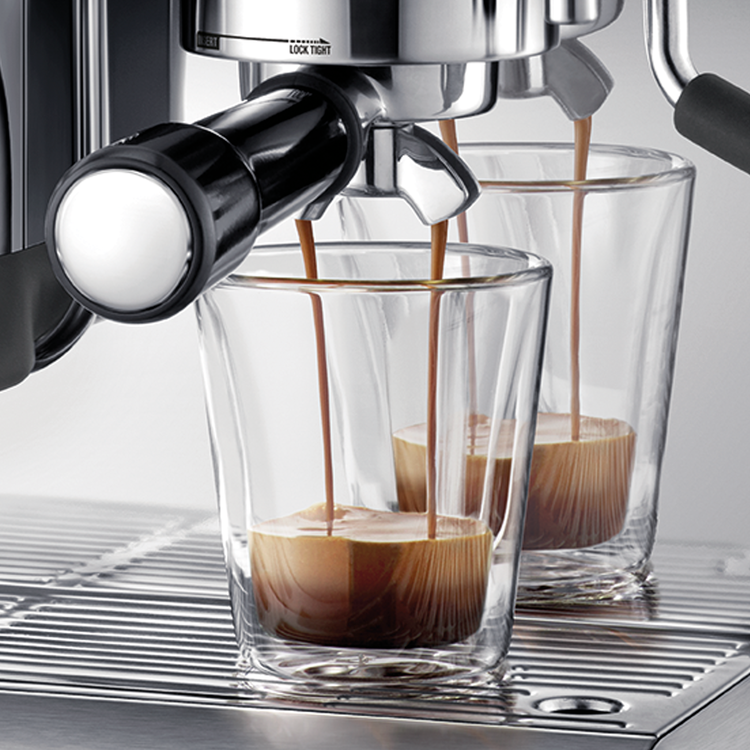
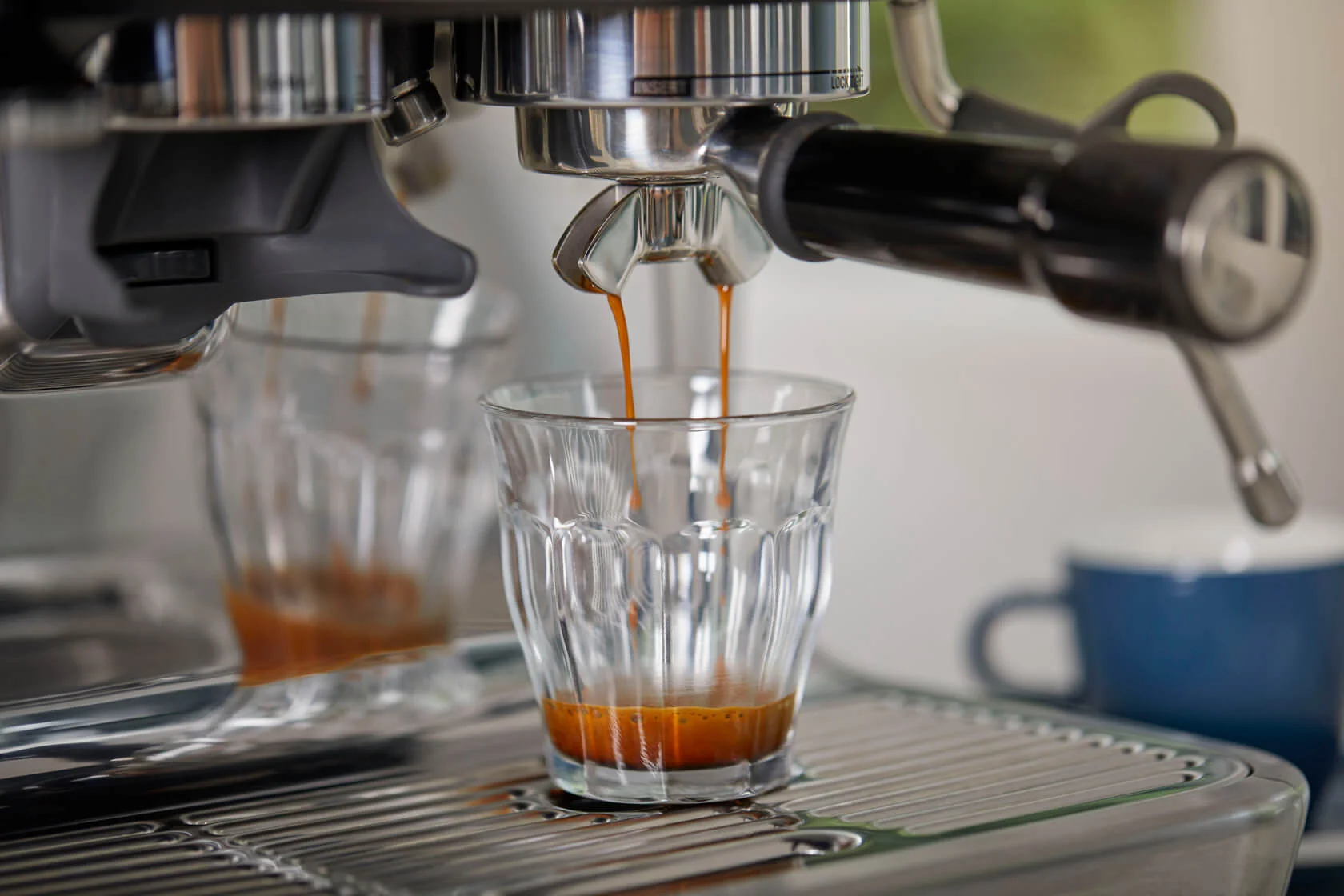
● Extraction time – The total duration of water contact with the coffee grounds is critical to achieving a balanced and flavorful espresso. An ideal extraction time typically falls between 25 to 30 seconds, starting as soon as you activate your brewing cycle. Noting that a great tasting espresso can take anywhere between 20 and 40 seconds.
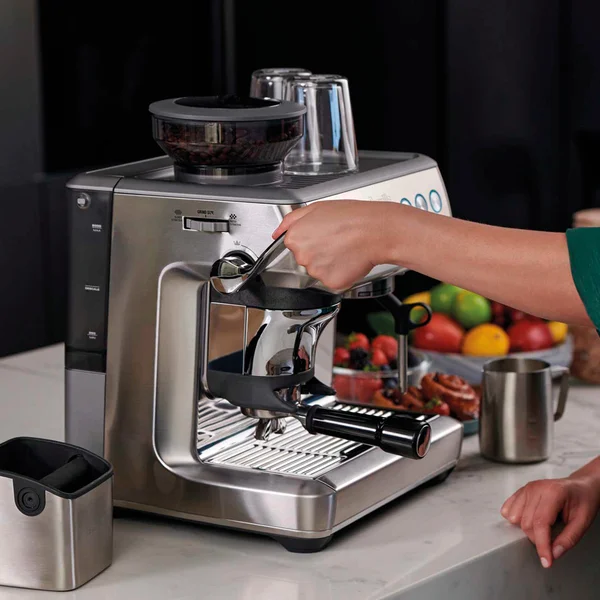
● Grind size – The granularity of your coffee also plays a crucial role in achieving a good 25-30 second extraction time. To start, aim for your grounds to have a texture similar to fine table salt. So, what should you use, burr grinder vs. blade grinder? A burr grinder, or an espresso machine with a grinder attached, is ideal for ensuring an even, consistent espresso grind. Just remember that water will pass through pebbles at a different rate than fine sand. Your grind size will directly impact your overall extraction time and is the first place to make a change.
Achieving your extraction time goal—while also conforming to the target yield—is where the true artistry of espresso-making comes into play. It requires the precise balance of all the aforementioned factors, and determining what exactly needs adjusting is what separates newer baristas from seasoned experts.
Should you encounter challenges in dialing in the perfect timing, here are some troubleshooting tips that may help. Remember, espresso machines are sensitive, so even minor adjustments can make a big difference:
● If your espresso runs fast, delivering your yield too quickly and leaving you with a sour, thin-bodied cup, try choosing a finer grind or upping the dose by a gram or two.
● On the other hand, you may find your espresso runs too slow, resulting in over-extracted espresso. In this case, you may need to grind coarser or cut your dose slightly.
Making these adjustments can help you achieve an optimal water flow rate, striking the right balance in the extraction process.
When all these elements harmoniously align, and your shot gracefully pulls in 25-30 seconds at your target yield, you’ll have achieved the perfect dial-in! Your espresso machine is now primed to deliver a myriad of cafe-quality caffeinated delights, such as:
● Flat whites
● Lattes
● Macchiatos
● Cappuccinos
Most importantly, you’ll be armed with the knowledge of how to dial in espresso, opening up an exciting new realm of experimentation with new bean origins, blends, types of coffee roasts, and more.
Take a moment to savor your victory (and, of course, the espresso)—you’ve earned it.
More tips for dialing in espresso
As we've discussed, dialing in espresso is a dynamic and ongoing process. It's a journey fueled by refinement, experimentation, and boundless exploration. To that end, let's delve into a few more valuable tips to help guide you on your quest to achieve the perfect espresso:
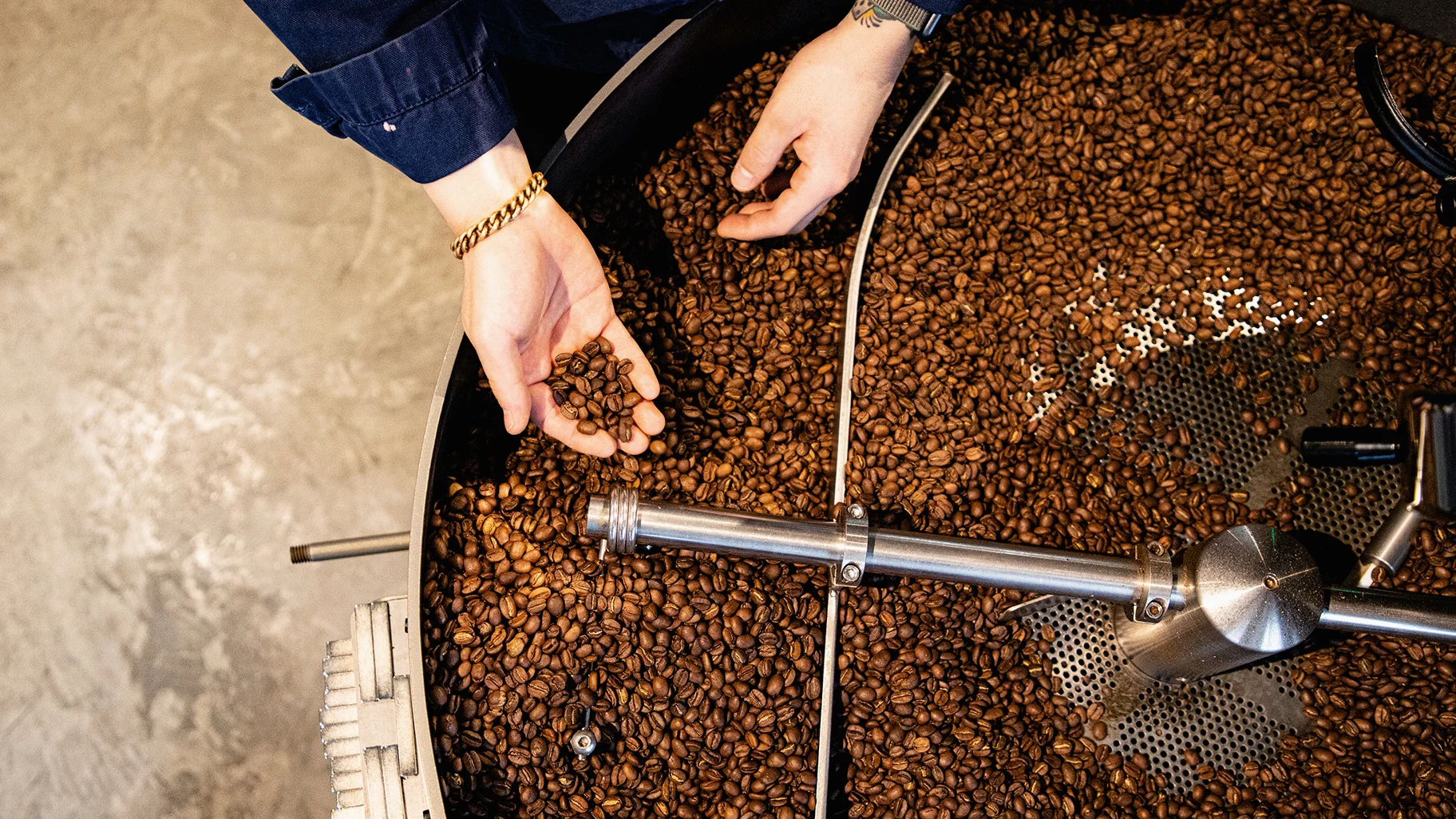
● Consider your coffee’s origin, roast, and age – Every coffee bean carries its own unique personality that not only affects the taste of the espresso but also how you dial in. In particular, these factors help you determine how finely you should grind the beans—the darker the roast, the finer the grind setting should be, for example.
● Use filtered water – Coffee is only as good as the water that’s used to make it. For this reason, opt for filtered or mineral water to avoid any unpleasant taste interference and ensure a pure and clean extraction.
● Keep your equipment clean – Regularly clean your espresso machine and grinder to prevent the build-up of coffee oils. This includes cleaning the dispersion screen, the inside of the portafilter, and the undersides of the filter basket. Occasionally “purge” old coffee grounds by running a small amount through the grinder.
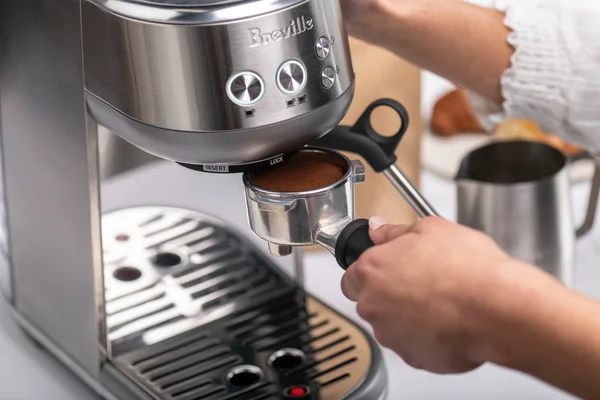
● Distribute and tamp the grounds – Dense, evenly packed grounds are essential to creating the pressure to extract the espresso blend. Ensuring that your tamp is as even as possible is also critical.
● Experiment and take notes – Dialing in is an art, but there’s also a science to it. Change one variable at a time when experimenting, such as the espresso grind size, and keep everything else the same. Once you’ve achieved an especially tasty espresso shot, take notes of the measurements, timing, and other settings you used to make it.
● Trust your palate – At the end of the day, you are the home barista. Rather than worry about what ideal coffee ‘should’ taste like, have fun with the dial in process, and enjoy every sip with the satisfaction of knowing you made it possible. With time and practice, you’ll develop a taste for even the finest nuances of espresso.
Overall, consistency and patience are key to the dial in process. With each brew you make, you’ll gain valuable insights into the complex alchemy of espresso. So, savor the aroma, admire the crema, and delight in even your not-so-perfect shots.
That’s the joy of the coffee journey, after all.
Embrace espresso artistry with Breville
The art of dialing in espresso is a dance between science and creativity, technique and intuition. It embodies the passion and commitment of coffee artisans who seek not just a good cup, but craft coffee that sparks conversation and connection.
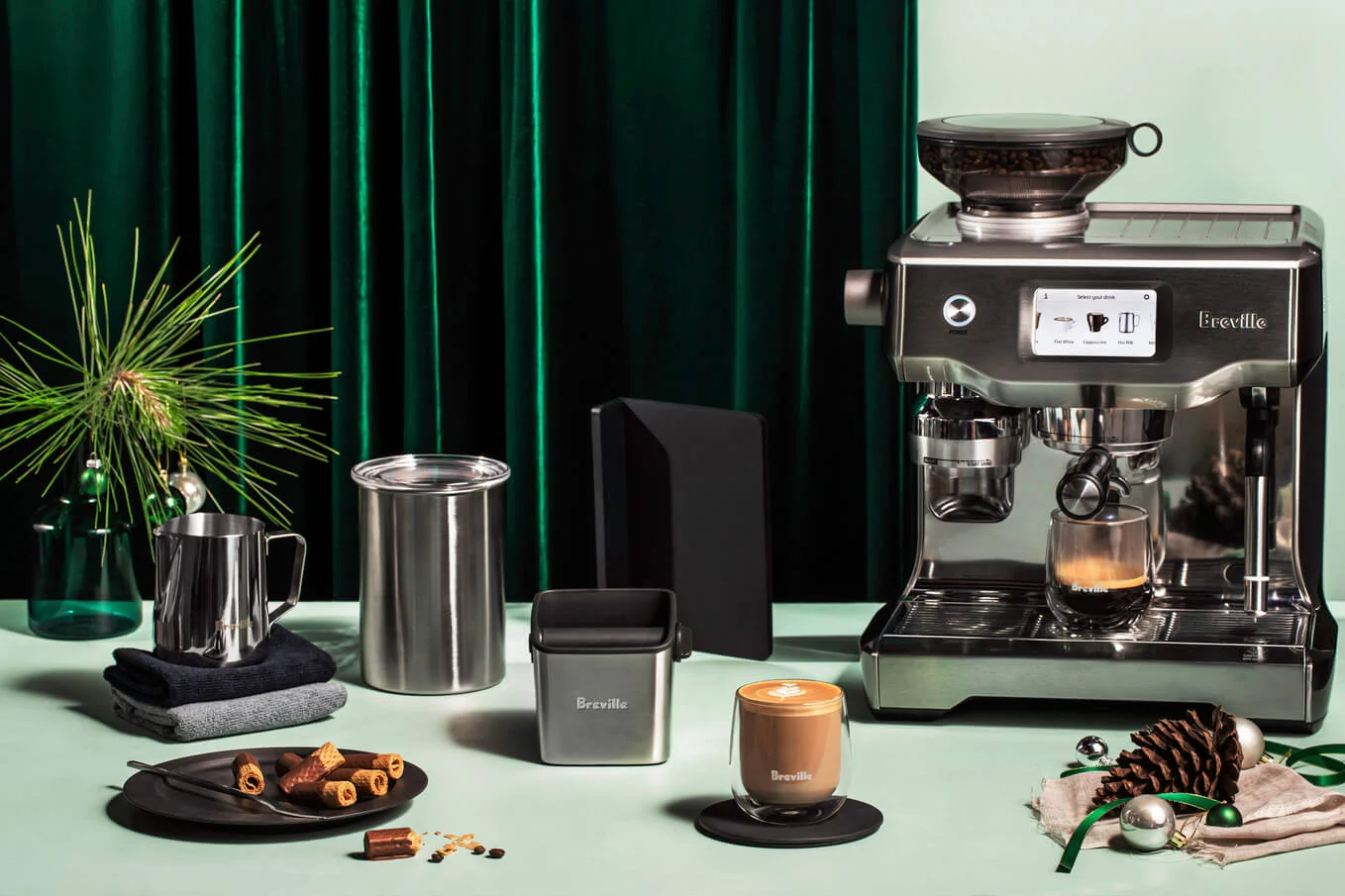
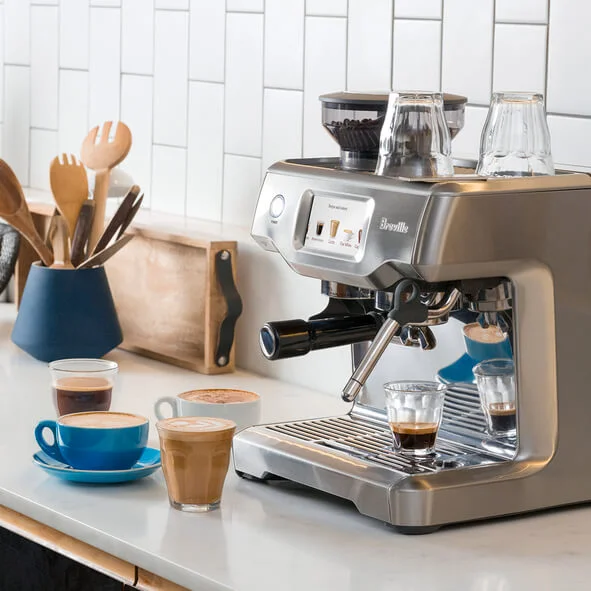
With Breville's exceptional espresso machines, built on the foundation of the 4 Keys Formula—the perfect coffee dose, 9 bar pressure, precise extraction temperature, and steam optimized for velvety crema—home baristas are empowered to master the dialing in process right from the comfort of their personal kitchen-cafes.
Explore our line of espresso machines and elevate your coffee craftsmanship with Breville.
Sources:
1. Coffee Geek. Dialing in Espresso in Three Shots. https://www.coffeegeek.com/opinions/dialing-in-espresso-in-three-shots/
2. Perfect Daily Grind. A Guide To Dialling In Espresso. https://perfectdailygrind.com/2020/07/a-guide-to-dialling-in-espresso/