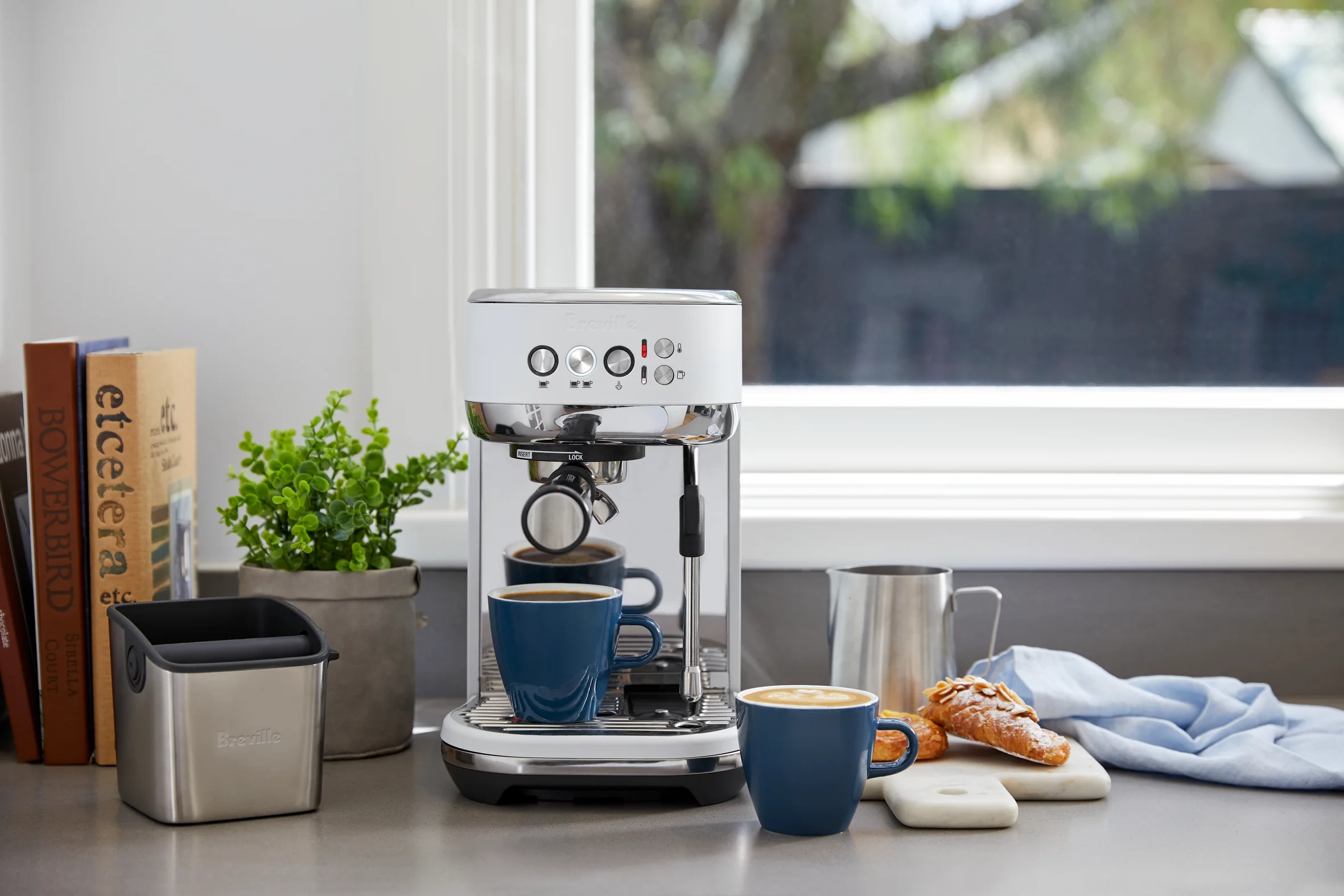
Espresso is a one-of-a-kind indulgence, so it’s no surprise that coffee lovers worldwide are eager to recreate this experience at home with their own espresso machine. While espresso expands upon the average coffee drink you can make at home, it can be confusing to begin, choosing between different coffee beans and espresso makers. But of the many options available, one decision stands out—choosing between a manual vs. automatic espresso machine.
Which one is the best espresso machine? The quick answer: it depends. While an automatic espresso machine is the hero of the hurried morning, delivering a quick and consistent cup, manual machines are the tools of a coffee craftsman, capable of coaxing out the very best from the beans.
So which one is best for you? For that answer, we need to explore the manual vs. automatic espresso machine debate in closer detail.
Introduction to espresso machines
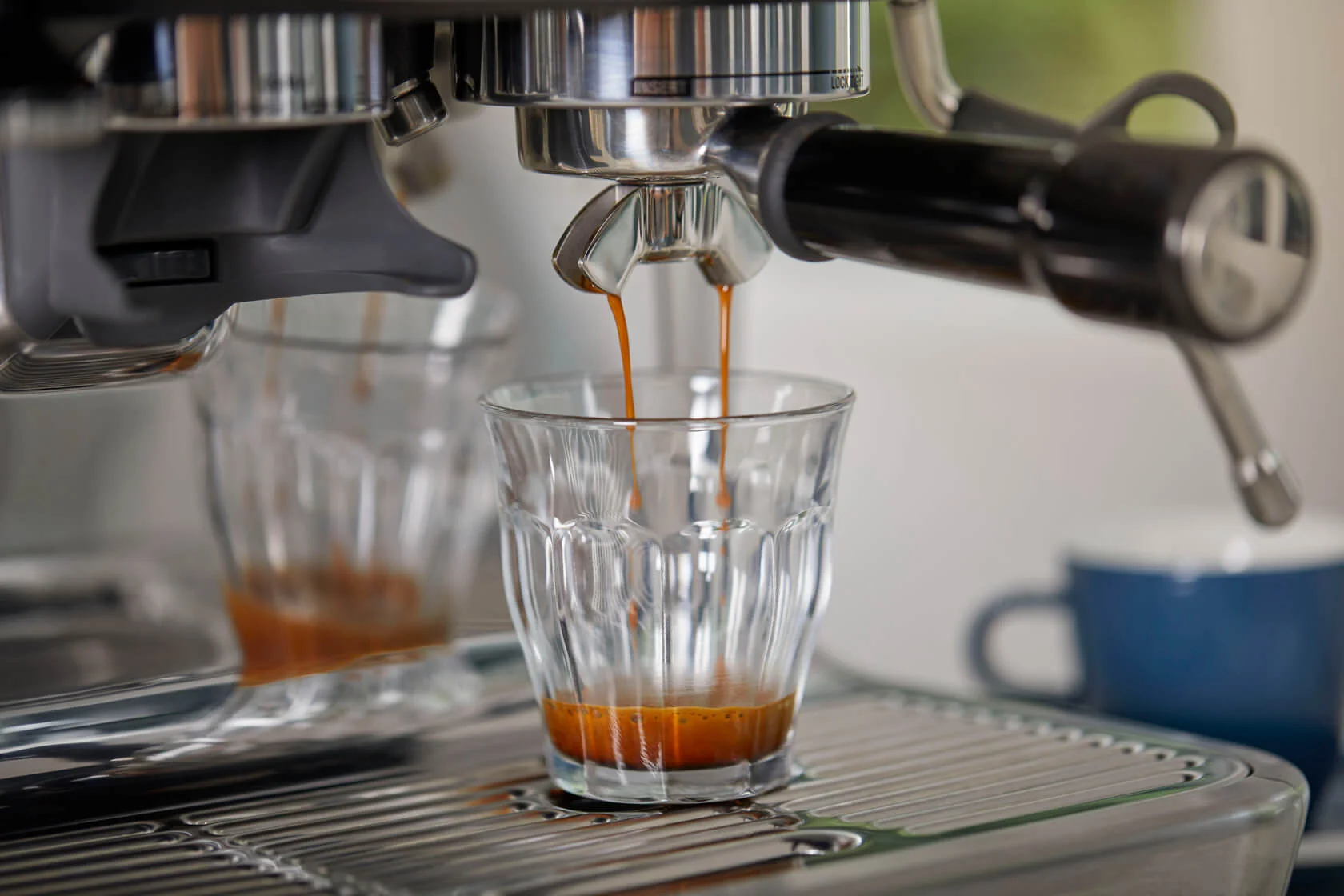
Unlike other brew methods, which generally just involve hot water and ground coffee, espresso adds a key ingredient to the mix: pressure.
Here’s how it works:
● Espresso machines use an electric pump (automatic) or lever (manual) to generate high amounts of pressure, measured in “bars.”
● Using nine bars of pressure on average, the machine forces water through extremely fine coffee grounds.
● This allows coffee to brew in seconds rather than minutes, resulting in the rich, evenly extracted elixir known as espresso.
With that key context in mind, let’s examine the specifics of a manual vs. automatic espresso machine.
Overview of manual espresso machines
Offering a more hands-on approach, manual espresso machines require the user to pull a lever or push a plunger with the right amount of force to achieve an even extraction. The process requires learning how to dial in the precise balance of grinds, water, and pressure.
Benefits of using manual espresso machines
Many espresso enthusiasts swear by these traditional manual machines. Here are a few reasons why:
● Tactile experience – The act of (quite literally) pulling your shot of espresso offers a fun experience and instant feedback. With practice, you can tell you achieved that perfect shot based on feeling alone.
● Absolute control – With the pressure and timing entirely in your hands, you’ll be better able to customize your espresso through all steps of the brewing process —such as pulling a longer shot for an extra-caffeinated lungo, or doing the opposite for a rich and syrupy ristretto.
● Portable and durable – A manual machine's leaner build and fewer parts make it easier to take on-the-go. It also tends to last longer than automatic machines.
Besides the practical benefits, a manual espresso machine offers deeper insight into the relationship between coffee’s many variables—and how they can be used to extract a tastier shot.
Potential drawbacks of manual espresso machines
The biggest draw of a manual machine—the lever-action extraction—can also be its biggest drawback for a few reasons:
● Learning curve – For those new to the world of espresso, a manual machine requires a significant investment in time and practice. Users need to understand concepts like dialing in the right grind size, tamp pressure, and pull time.
● Inconsistency – While some home baristas may value the surprising variations that arise from a manual pull, this inconsistency and dependence on the user’s skill may be off-putting to others.
● Physically demanding – The manual nature of these espresso machines can be tiring if you’re not used to it, or if you’re preparing multiple drinks.
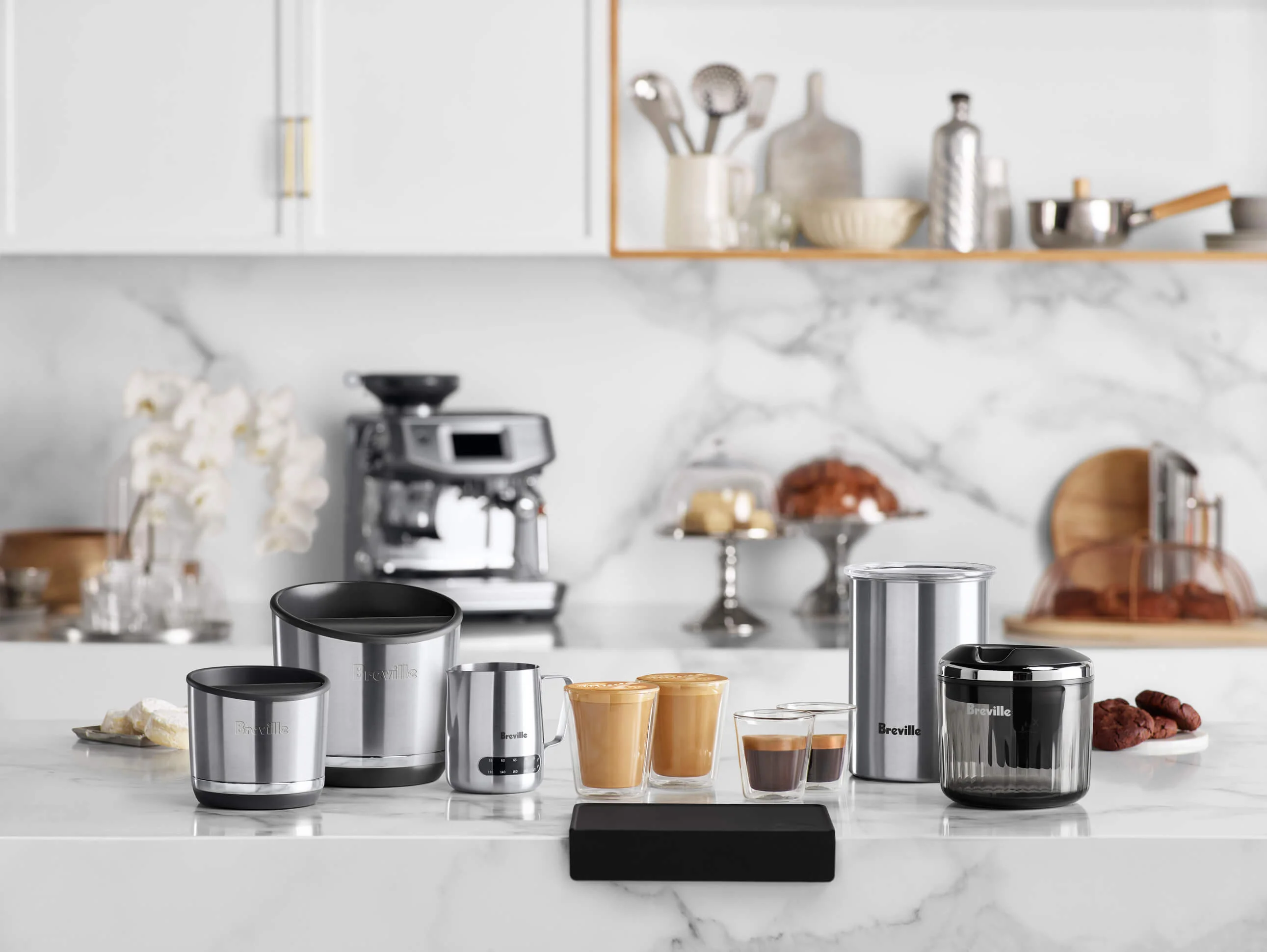
Another important note is that home baristas will need a variety of peripheral equipment to make espresso with a manual machine. This may include a kettle for hot water, a quality grinder, and a tamper.
Overview of automatic espresso machines
True to their name, automatic espresso machines automate certain parts of the espresso-making process. Which parts, exactly, depends on the type of automatic machine you choose:
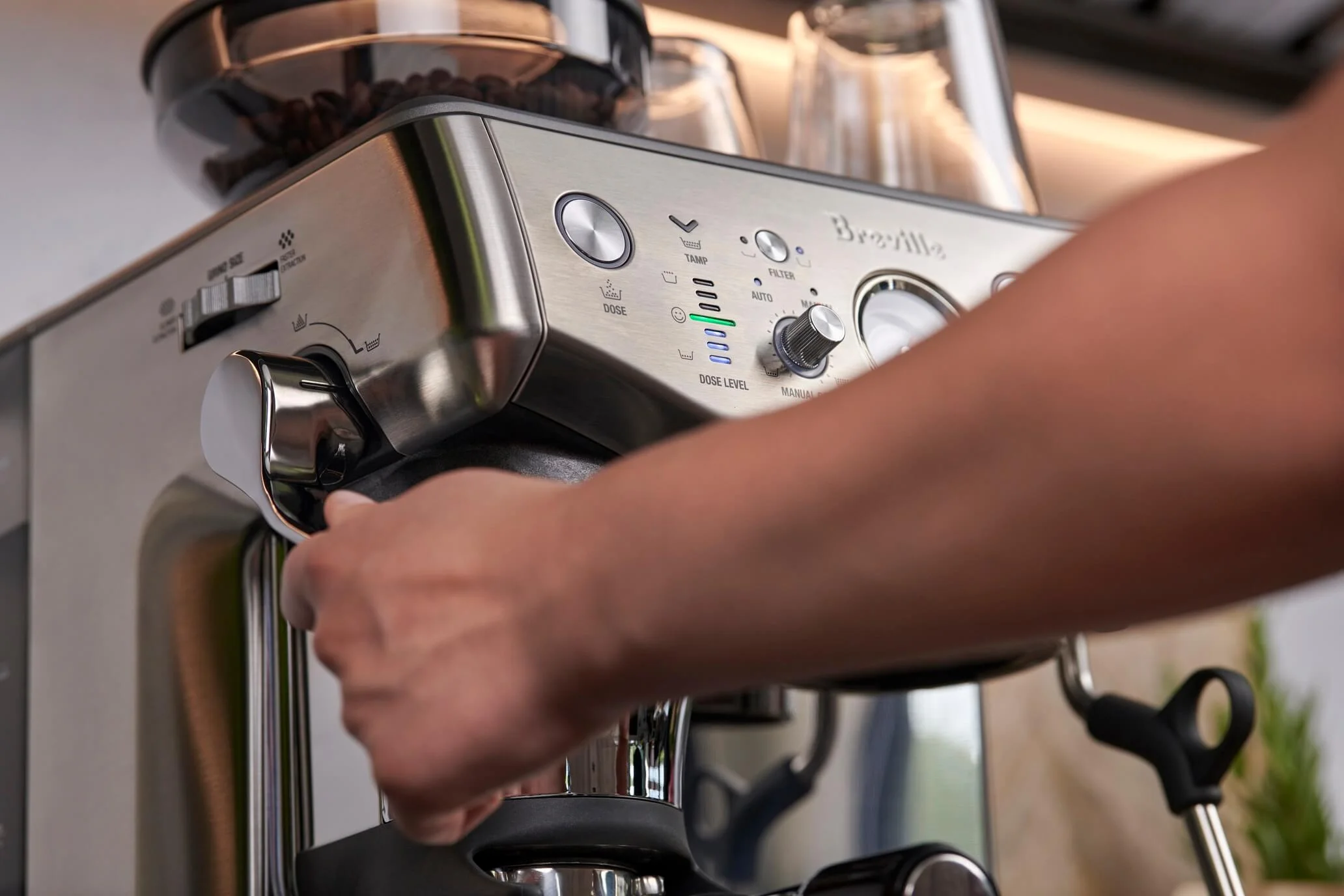
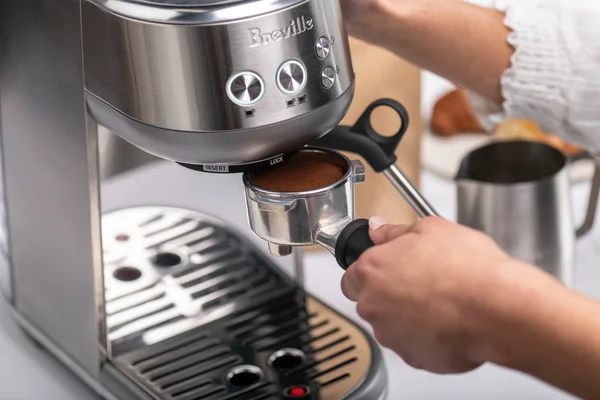
● Semi-automatic machines still require you to grind your beans separately, tamp them into the portafilter, and then lock it in place. Once you start the extraction with a button press, you must also decide when to end it, giving you control over the extraction time.
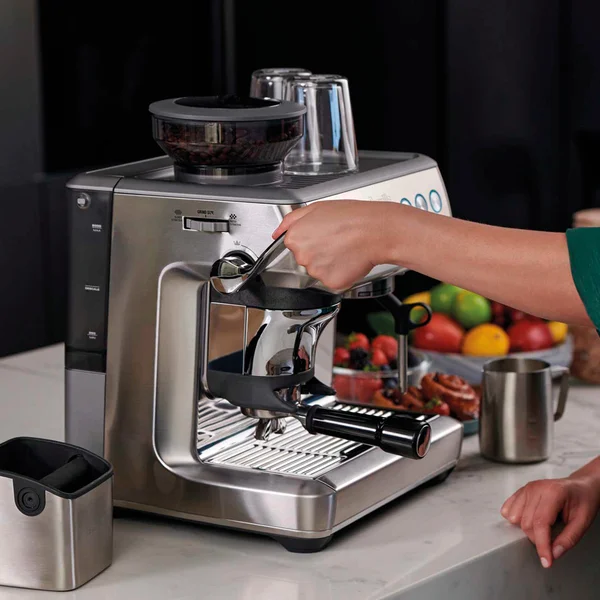
● “True” automatic machines, while almost identical to a semi-automatic machine, simplify the process further by automating extraction time. Once started, they run for a predetermined duration, meaning you won't need to monitor and stop the extraction manually. Many models also feature integrated grinders for added convenience.
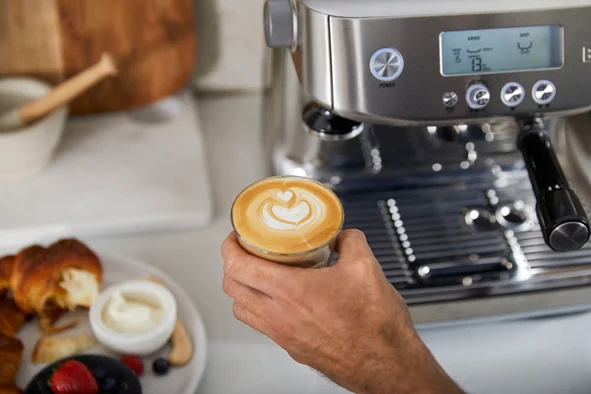
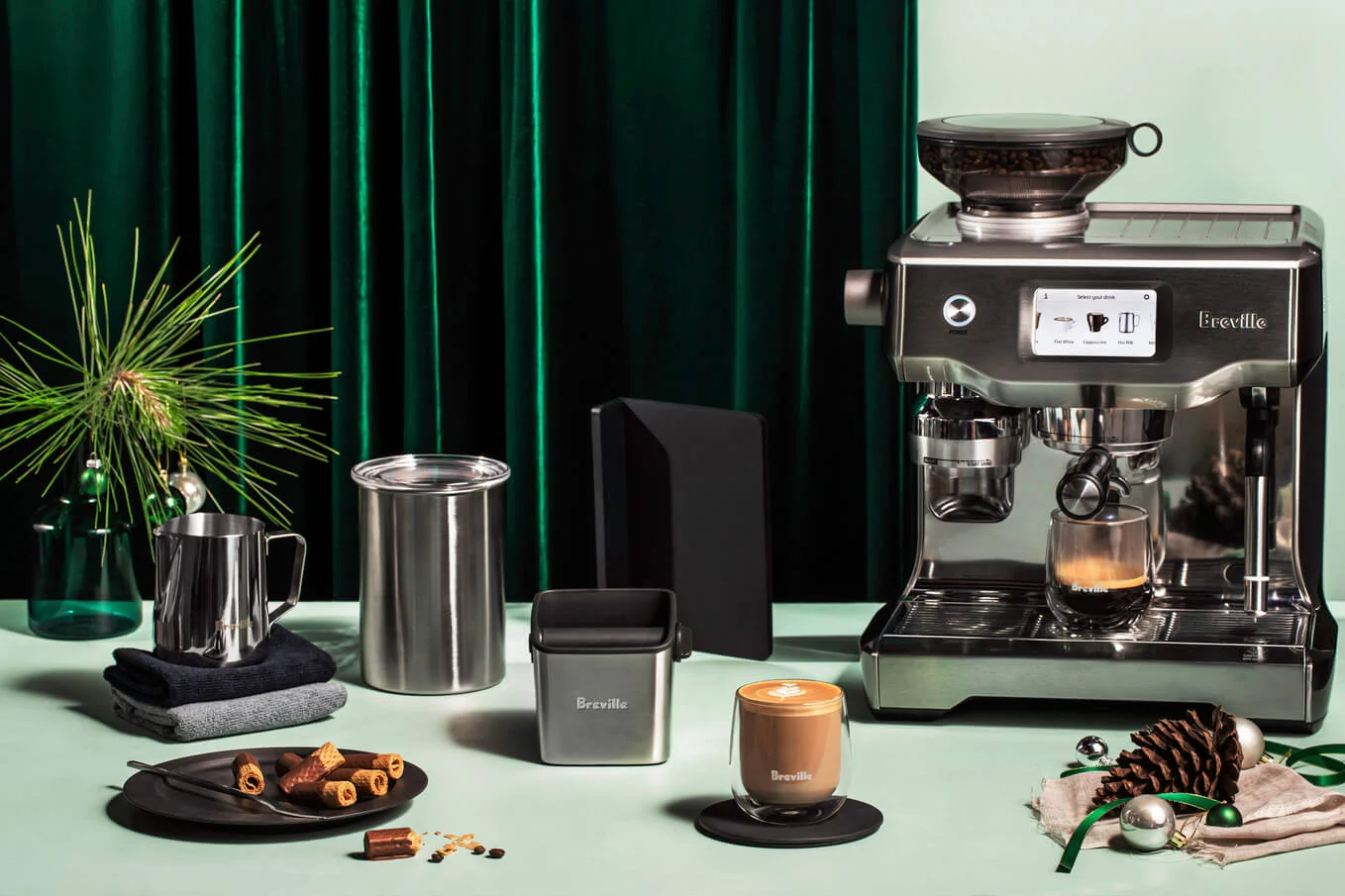
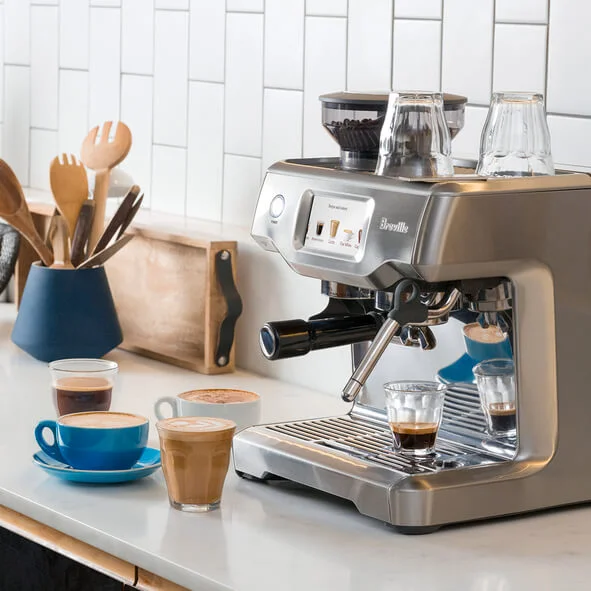
● Super-automatic espresso machines represent the pinnacle of convenience, offering a fully automated experience. From grinding the beans and tamping to pulling the shot and even steaming milk for beverages like cappuccinos, these machines handle every step at the press of a button.
Essentially, each progressive tier of machine handles more of the work, although all require basic maintenance such as refilling the water reservoir and replenishing coffee beans. Depending on your preferred level of interaction with the brewing process, there's an automatic machine suited to your needs.
Benefits of using automatic espresso machines
Since automatic espresso machines are designed with simplicity in mind, their primary benefits are:
● Convenience – By automating the more time-consuming and challenging aspects of crafting espresso, users can enjoy their favorite coffee with less time and effort.
● Consistency – With precise, automated controls, each shot of espresso maintains a consistent quality, yet the machines still provide flexibility to adjust settings like grind size and bean choice according to personal preferences.
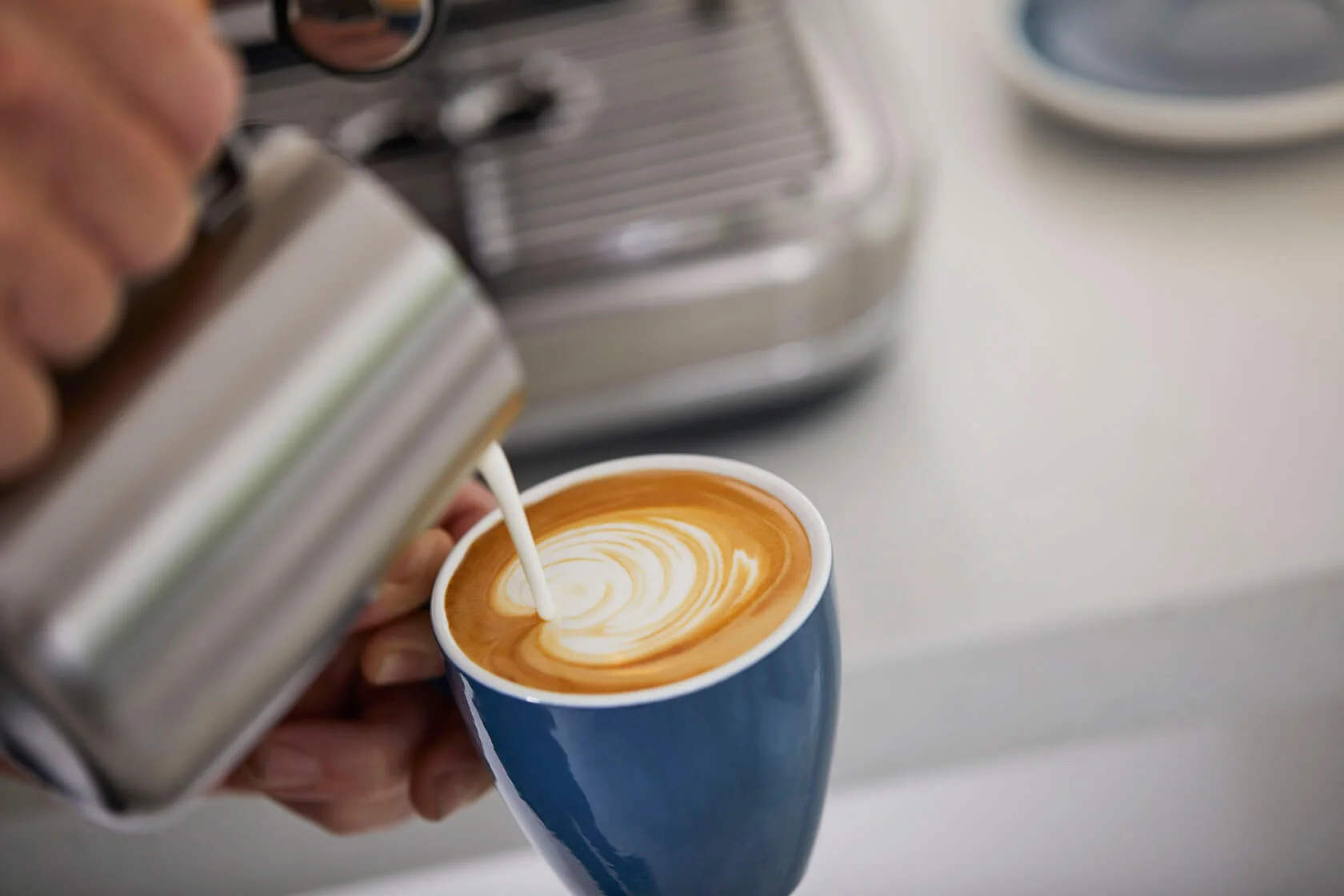
● Versatility – Equipped with various features such as steam wands for frothing milk and built-in grinders for fresh coffee, automatic espresso machines can create many types of espresso drinks beyond a simple shot.
Additionally, many models come with an array of programmable settings and enhancements, such as cup warmers and water preheaters, which enhance the overall user experience and the quality of the brew.
Potential drawbacks of automatic espresso machines
While a popular choice for home and office use, automatic espresso machines carry their own set of cons:
● Limited customization – Compared to a manual machine, which can calibrate every moment of the extraction process, an automatic machine offers less control.
● Maintenance and space – Automatic machines, with their many components and electronics, often require more involved cleaning and maintenance. They also consume more countertop space.
Notably, the limited customization aspect is somewhat mitigated by opting for a semi-automatic espresso machine. This enables you to control the timing of your shot—one of the most important elements of delicious espresso.
Comparing manual and automatic espresso machines
Having covered the specific differences between a manual vs. automatic espresso machine, let’s summarize with a snapshot comparison of the two side by side:
Control and customization
Winner: Manual machines. Manual espresso machines offer superior control over every aspect of the coffee-making process, from grind size to water temperature and pressure, allowing for a highly tailored espresso experience. However, this level of control requires a steeper learning curve and more patience.
Ease of use and convenience
Winner: Automatic machines. For those seeking convenience without compromise, automatic espresso machines offer a clear advantage. They streamline the brewing process to a mere button press, eliminating the learning curve and significantly reducing the time between bean and cup.
Maintenance and durability
Winner: Manual machines. Their simpler design and fewer components make them durable and easy to clean or maintain.
Cost comparison
Result: Tie. While manual machines may have a lower initial cost, they often don't include necessary extras like a grinder, and there’s also the potential waste associated with the learning process. Automatic machines, though possibly more expensive up front, offer long-term savings in time.
Choosing the right espresso machine for you
With this comparison of a manual vs automatic espresso machine in mind, a critical question remains: which one is right for you? Here are a few questions to help guide your choice:
● Considerations for beginners – Are you just starting to dabble in espresso experiments? An automatic machine may be a better choice, allowing you to ease your way into the world of espresso without a steep learning curve.
● Considerations for enthusiasts – Are you an experienced barista or challenge-seeking coffee-lover? Then a manual machine may be the way to go, enabling you to experiment with a wider variety of techniques and recipes.
● Considerations based on usage – Do you intend to make espresso for family and friends frequently? Then an automatic machine’s convenience may be preferable. On the other hand, solo coffee drinkers who enjoy the ritual of making espresso may appreciate a manual machine.
No matter which type you choose, the right machine is out there to elevate your espresso experience from ordinary to extraordinary.
Finding your perfect match: The Breville way
Whether you’re drawn to the artisanal involvement of manual machines or the convenient consistency of automatics, the key is finding one that aligns with your unique coffee routine.
For those leaning toward semi and full-automatic espresso machines that combine ease of use with exceptional performance, Breville stands out as the leading choice. Our espresso and coffee machines are built for barista-quality espresso at the touch of a button, bringing the art of coffee into your home effortlessly.
Explore our lineup today to find the perfect machine to enhance your espresso experience today.
Sources:
1. Seven Miles. What is the ideal pressure for espresso? https://www.sevenmiles.com.au/blogs/editorial/espresso-pressure
2. Perfect Daily Grind. Exploring the evolution of manual espresso machines. https://perfectdailygrind.com/2022/04/the-evolution-of-manual-espresso/
3. Two Chimps. Espresso V Lungo (And What’s a Ristretto?) https://twochimpscoffee.com/blogs/espresso-v-lungo-and-whats-a-ristretto/
4. Coffee Affection. Semi-Automatic vs Automatic vs Super-Automatic Espresso Machines: The Differences. https://coffeeaffection.com/automatic-vs-semi-automatic-espresso-machine/