While “percolator coffee vs. drip coffee” may sound like a debate of the past, these coffee brewing methods still have their place in modern kitchens.
What sets these two brews apart? And, more importantly, which one aligns best with your preferences and routine? Find out with our detailed guide.
Understanding electric and stovetop percolators
To “percolate” means to filter liquid through a substance—such as coffee grounds—while extracting elements like flavor and aroma.
While all coffee brewing methods technically involve some level of percolation, the name is most closely tied to a specific type of coffee maker: the stovetop or electric percolator.
How does an electric or stovetop percolator work?
A percolator operates on a simple three-step process:
1. Heating water at the base of the coffee percolator, forcing it up through a central tube.
2. Extraction of coffee flavor as the water cycles through grounds in the upper chamber.
3. Repetition as the percolated coffee filters back to the bottom to be reheated and rise again.
No matter the design, the brewing principle remains the same: Cycle hot water over coffee grounds until the desired strength is achieved.
Pros of using a percolator
How does this brew method stand up to others? With a few pros:
● Distinctive flavor – Repeated extraction crafts a strong, full-bodied coffee with a signature bite.
● Traditional percolator brewing style – For many, the percolator offers a nostalgic charm, reminiscent of simpler times.
● Absolute simplicity – With no need for electricity (in the case of stovetop percolators) or complex parts, all you need is heat, water, and coffee grounds to brew.
For those who enjoy coffee with an intense, slightly acidic edge, the percolator’s unique brewing style is a feature, not a flaw.
Cons of using a percolator
This unique cycling method, while producing an equally unique flavor profile, can lead to over-extraction of harsher flavors. The tube mechanism can also cause inconsistent coffee brewing temperatures, further accentuating sour notes if not carefully monitored.
Understanding drip coffee makers
As time marched forward, the era of coffee percolators gave way to the rise of drip coffee makers. These machines revolutionized home brewing with automation—delivering consistent results with minimal effort.
How does a drip coffee maker work?
The drip coffee machine streamlines the brewing process with a few essential steps:
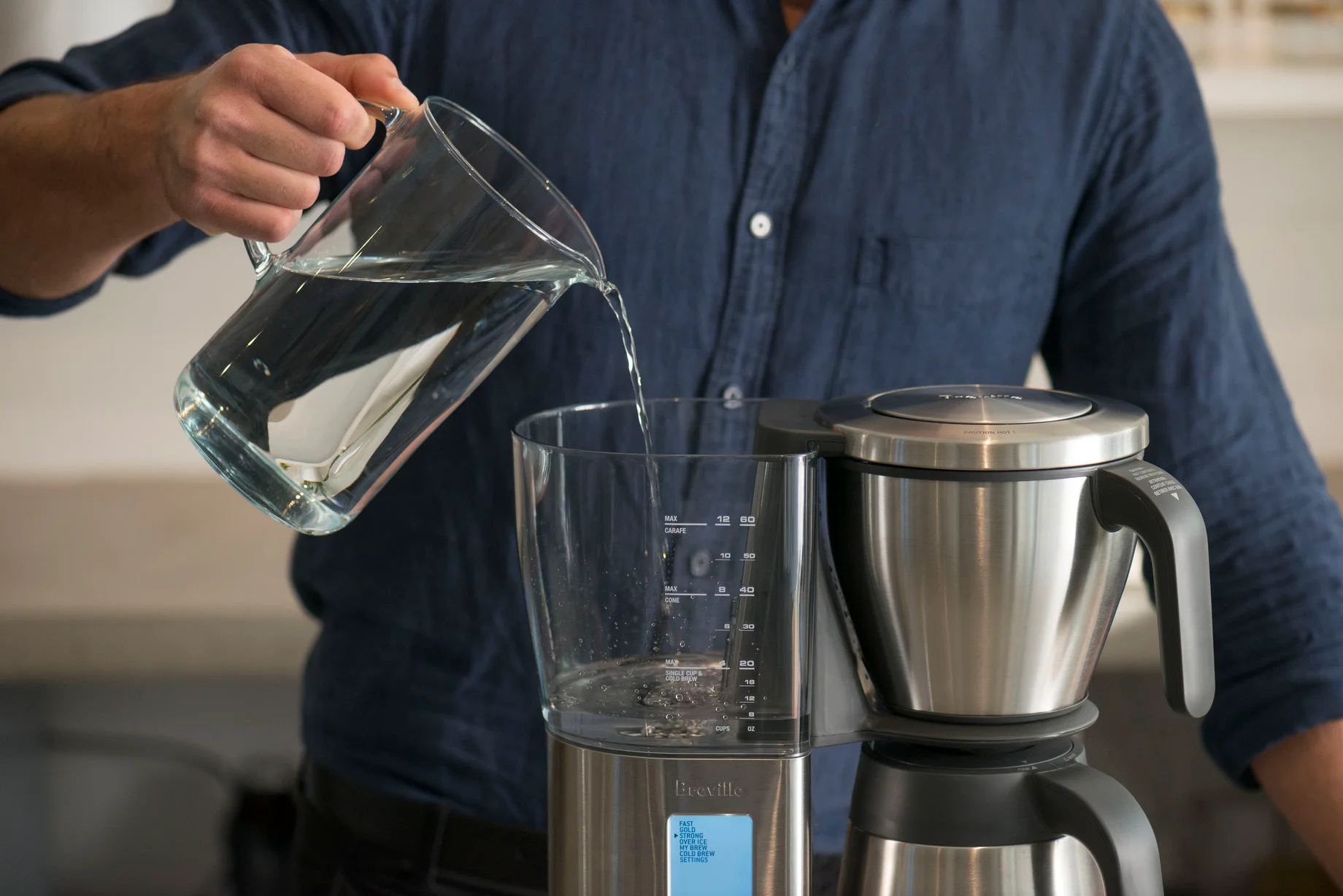
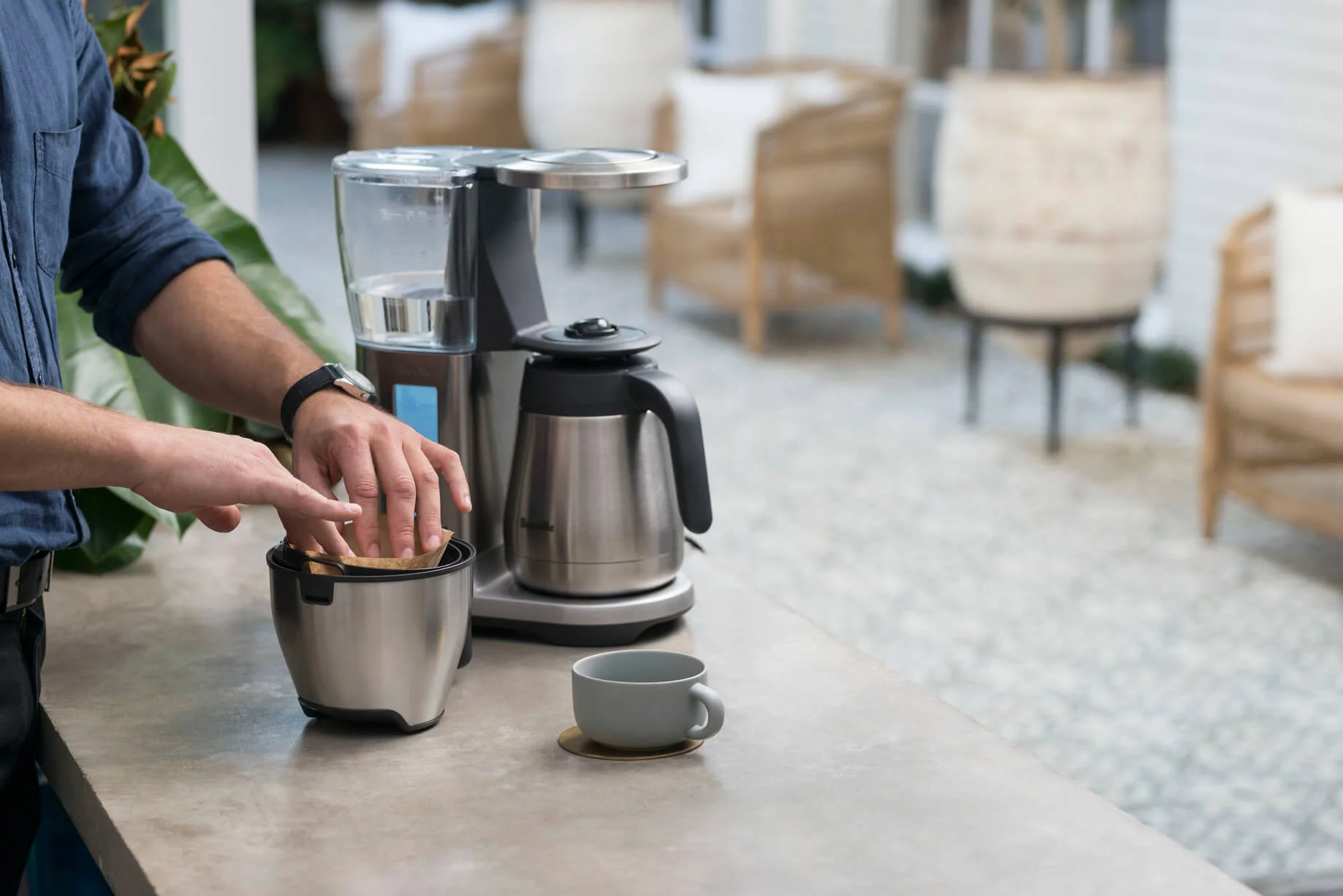
1. Water, grounds, and a paper filter are loaded into the drip coffee machine beforehand.
2. After heating the water, the machine disperses it evenly over the grounds.
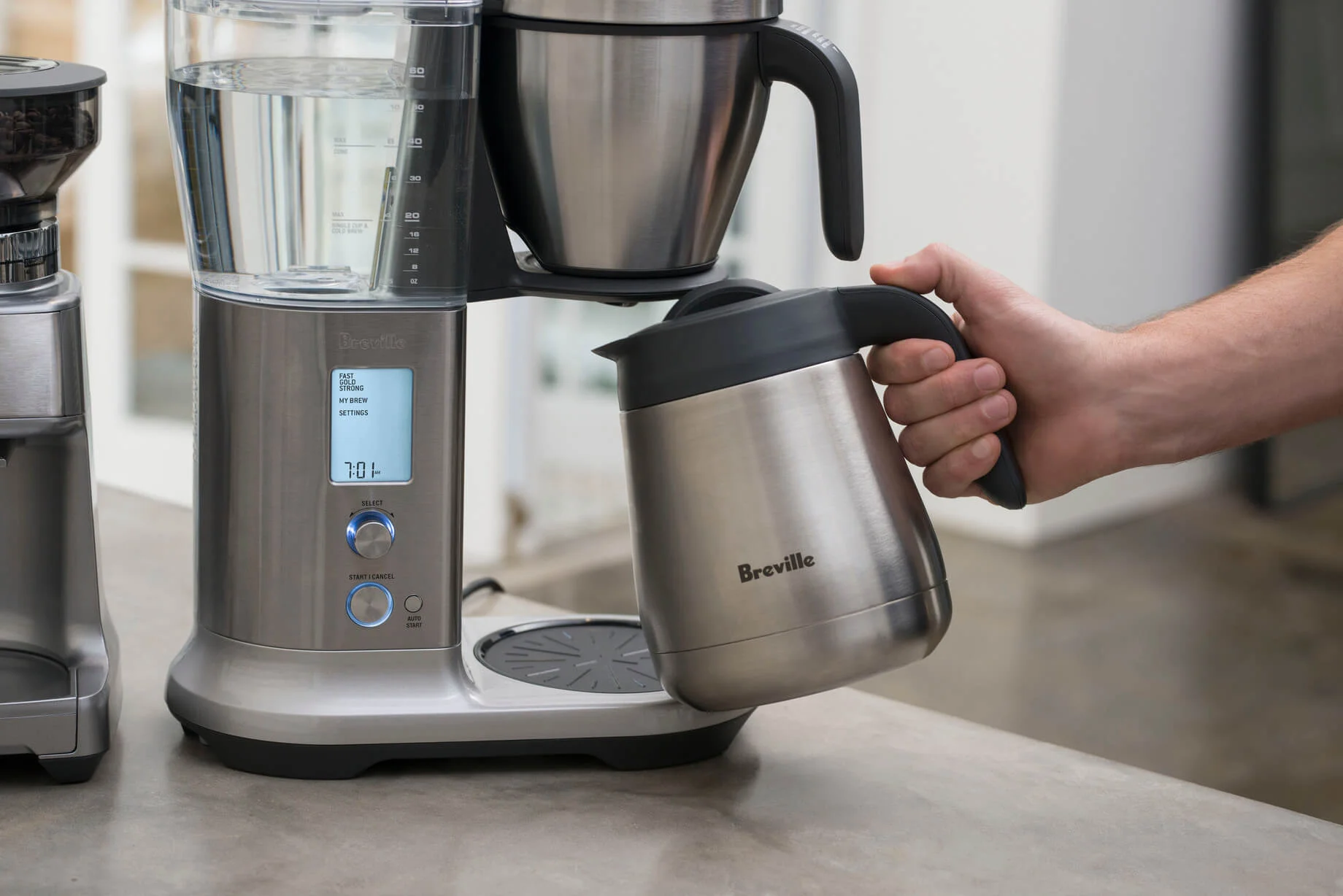
3. The brewed coffee then drips into a separately detachable carafe for easy serving.
This combination of convenient, even extraction is what propelled the classic drip machine into the spotlight—and percolators into the past.
Pros of using a drip coffee maker
There are many reasons why drip coffee machines remain a household staple, including:
● Convenience – An automatic drip maker is incredibly easy to use, often dispensing coffee at the push of a button.
● Consistency – These machines guarantee the same output every time, resulting in reliable flavor and strength.
● Modern features – Most models come with programmable options, such as timers, for added convenience and control.
Drip machines were (and still are) a natural fit for households seeking quick, no-fuss coffee.
Cons of using a drip coffee maker
However, as modern coffee drinkers rediscover the art of coffee brewing, the limitations of drip machines become more apparent. For example, while percolators offer control over how long you brew (and thus the resulting strength), the classic drip machine tends to run everything on autopilot. Machines that can customize those settings may be more expensive than a percolator.
Comparing flavor profiles
So how do these two methods measure up as far as flavor? While operating on similar brew principles, the resulting cups are quite different:
● Intensity and brew strength – Recall that a percolator’s cycling mechanics essentially brew coffee with, well, more coffee. This results in an exceptionally strong coffee in contrast to the more subdued flavors of drip coffee.
● Coffee texture and mouthfeel – Percolators skip paper filters, allowing coffee oils and aromatics to remain in the brew. This creates a richer, fuller mouthfeel compared to the clean and crisp profile of drip coffee, which uses filters to remove these elements.
Note that both types of coffee have similar levels of caffeine—about 150 mg per 12-ounce cup. Percolator coffee’s signature intensity simply makes it feel "stronger" to the palate.
Ease of use and convenience
Drip coffee makers are hard to beat if you prioritize ease and efficiency in your coffee routine. Many automatic models feature programmable settings that can have your filter coffee ready as soon as you wake up.
Percolators, on the other hand, require focused attention to prevent over-extraction. Conversely, their simplicity shines during camping trips or power outages, as most models only require heat, water, and coffee to operate.
Which one should you choose?
We’ve covered the differences and similarities. Now only one question remains in the percolator coffee vs drip debate: Which one is right for you?
Let’s sum it up this way:
● Choose a percolator if you love rich coffee and don’t mind spending a little time with hands-on brewing. It’s also a great choice for those seeking a nostalgic coffee experience or a coffee brewing method that works virtually anywhere.
● Choose a drip coffee maker if you love the perfect balance of convenience, consistency, and a smooth, clean-tasting cup. With the push of a button, an automatic drip machine delivers a reliably delicious brew—making it your morning lifesaver when time is tight, but great coffee is non-negotiable.
Alternatively? You might try both. A sleek, cafe-style drip coffee maker pairs beautifully with the rugged charm of a percolator, offering the flexibility to match your coffee to your mood—or your travel plans.
Classic coffee, modern tools: Breville has it all
While the world of coffee is ever-advancing, sometimes you just need to go back to basics. But whether you prefer the intensity of a percolator or the convenience of a drip coffee maker, rest assured that both methods deliver timeless quality in every cup.
Wherever you are on your coffee journey, Breville is here to elevate your experience. From precision grinders to drip machines and much, much more, our expertly designed tools empower you to craft cafe-quality coffee from the comfort of home.
Ready to take your brew to the next level? Explore our collection today.
Sources:
1. Helena Coffee. The Science Behind It: How Does a Coffee Percolator Work? https://www.helenacoffee.vn/the-science-behind-it/
2. Healthline. How Much Caffeine in a Cup of Coffee? A Detailed Guide. https://www.healthline.com/nutrition/how-much-caffeine-in-coffee#amount-by-type