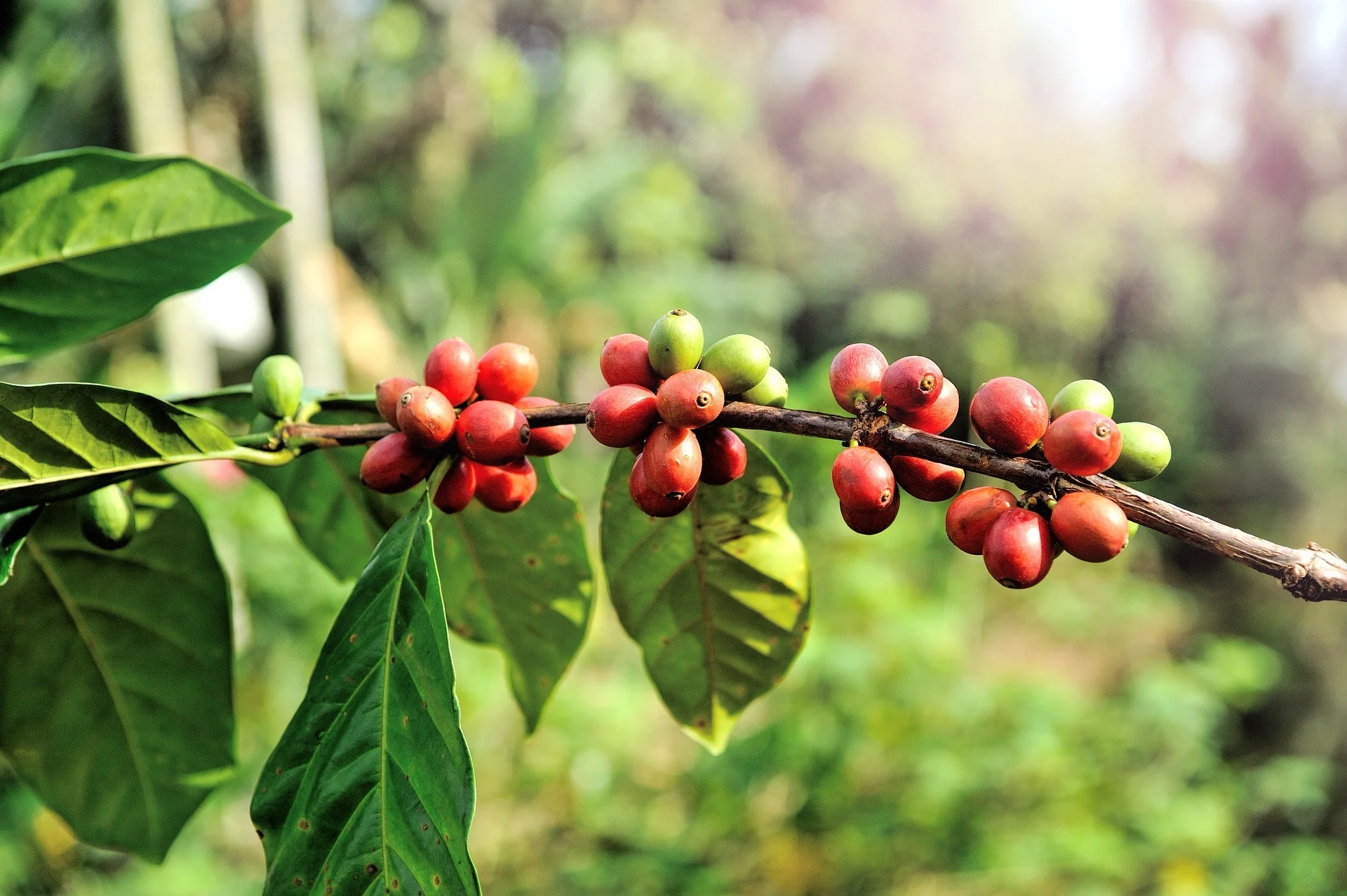
What are coffee varieties?
There are so many factors to keep in mind when you’re buying coffee, from origin and processing to roast profile and your brewing method. However, one aspect that is often overlooked is the “variety”, which is the taxonomic rank below coffee subspecies – effectively a sub-subspecies.
Each different variety is representative of the wider species it belongs to, but possesses distinctive physical and sensory characteristics. However, the more we look at exactly what a coffee variety is, the more confusing it becomes.
To help, we’ve broken down some of the language used when people talk about coffee varieties, and examined some of the different varieties you might encounter. Read on to learn more.
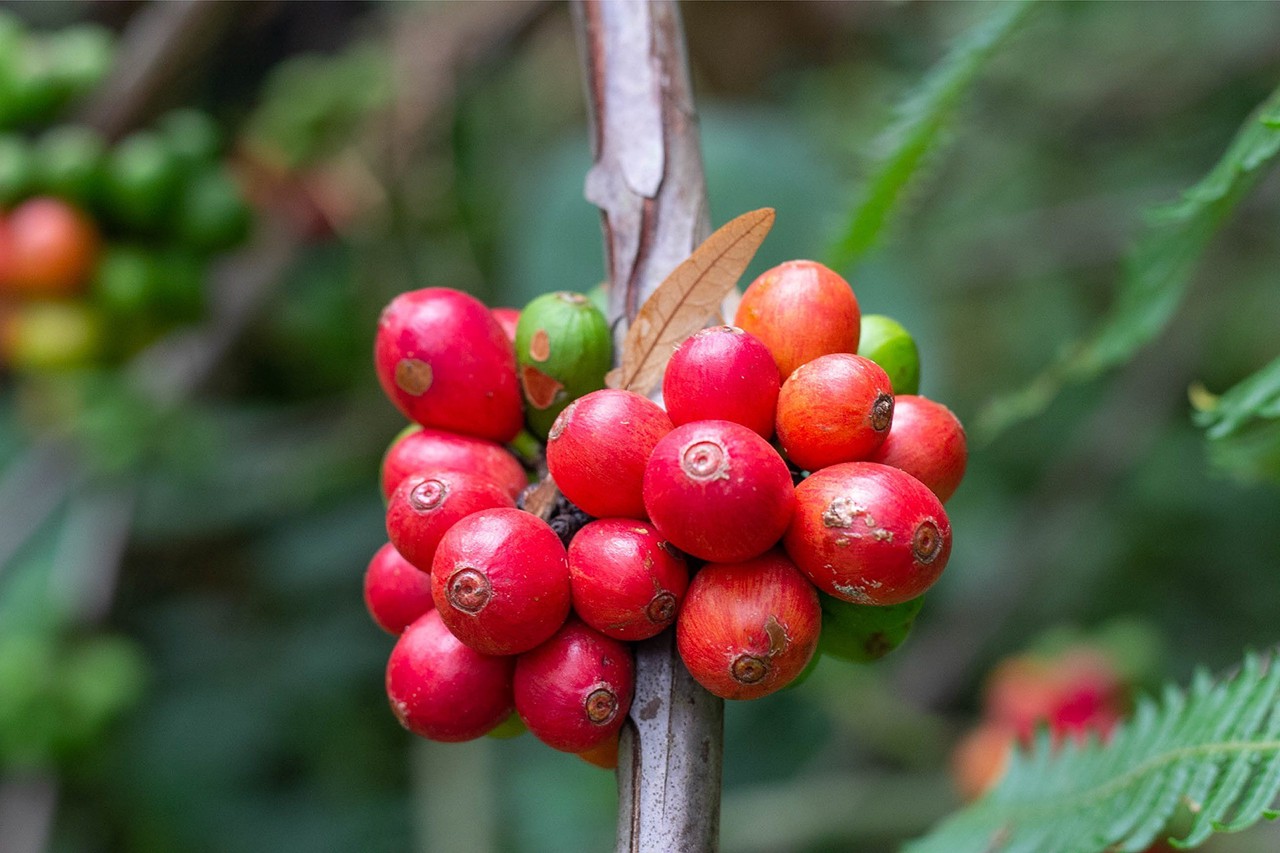
What does “variety” mean?
Arabica is the most commonly-grown species of coffee, accounting for 60% to 70% of all cultivated coffee around the world. The vast majority of the remaining 30% to 40% is robusta.
Arabica and robusta both have thousands of varieties, which comes below “species” and “subspecies” in the taxonomic hierarchy. World Coffee Research, a leading scientific body in the coffee sector, currently has over 50 verified varieties listed in their catalogue.
Some varieties are cultivars. These are varieties that have been created by human intervention and intentional breeding. To be considered a cultivar, a variety must retain its distinct and uniform characteristics when continually cultivated – meaning it must be consistent through generations, rather than a one-off variety.
Hybrids are formed by breeding two plants together from different species, varieties, or cultivars. Crossbreeding is the process of forming hybrids – the intentional cultivation of two different plants to generate offspring containing the genetic material of both parents.
Selections are naturally-occuring varieties that are chosen for dedicated breeding or cloning programmes to make them more widespread. Accessions are the unique samples chosen for selection.
Mutations occur when the genetic material of a coffee plant changes. This subsequently causes certain plant characteristics to change – like larger cherries or wider leaves, for instance.
Finally, we have “heirloom” varieties: these are naturally-occuring or “wild” varieties which have existed for more than 50 to 100 years without human intervention. Heirloom varieties are especially common in Ethiopia, which is generally recognized as the birthplace of coffee.
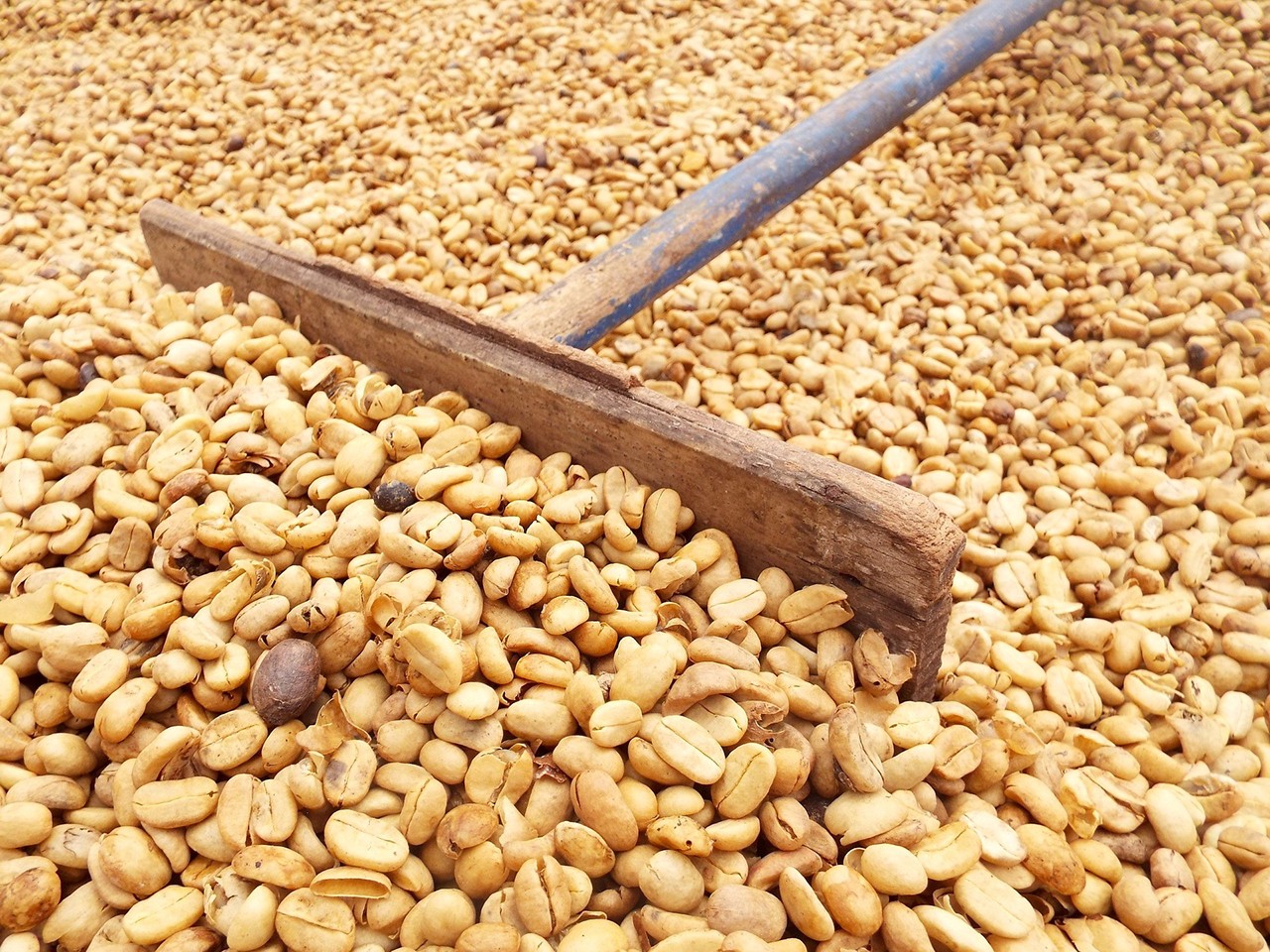
Typica and Bourbon: Two key varieties
Two of the most important varieties in modern arabica coffee production are Typica and Bourbon. Both originated in Ethiopia, and were at some point introduced to Yemen. From there, they were shipped around the world.
Research suggests that varieties similar to both Typica and Bourbon were introduced to India in the late 1600s in the Mysore region. However, it is believed that they were separated when Dutch colonists shipped coffee seeds to Indonesia, and from there back to Amsterdam.
In 1706, a single plant was taken to the Amsterdam botanical gardens, which was the first officially-recorded Typica variety. Typica then spread to the Americas through the early 18th century, and made up the majority of all coffee farms in Central America for over 200 years.
Bourbon, however, was introduced from Yemen to La Réunion (then known as Bourbon Island) in the early 18th century. It took several attempts for the variety to take hold, and even then, it would not leave the island for another 100 years.
In the mid-19th century, however, French missionaries spread across Africa, and took Bourbon seeds from La Réunion with them. It was also introduced to southern Brazil in 1860, and spread north into Central America.
The lineage of Bourbon and Typica is long and complex, but they are broadly recognized as being responsible for the bulk of modern coffee production. But even these two ancient varieties have some key differences.
Typica plants are usually around five meters tall, and have thin branches with large leaves. Their cherries are typically large and oval-shaped, and produce sweet, clean, and complex-tasting coffee.
Typica yields are generally small but of high quality. However, the plants are vulnerable to a range of pests and diseases.
Bourbon is also a tall plant, and produces smaller cherries which have a sweet and complex flavor. However, its yields are slightly better than Typica.
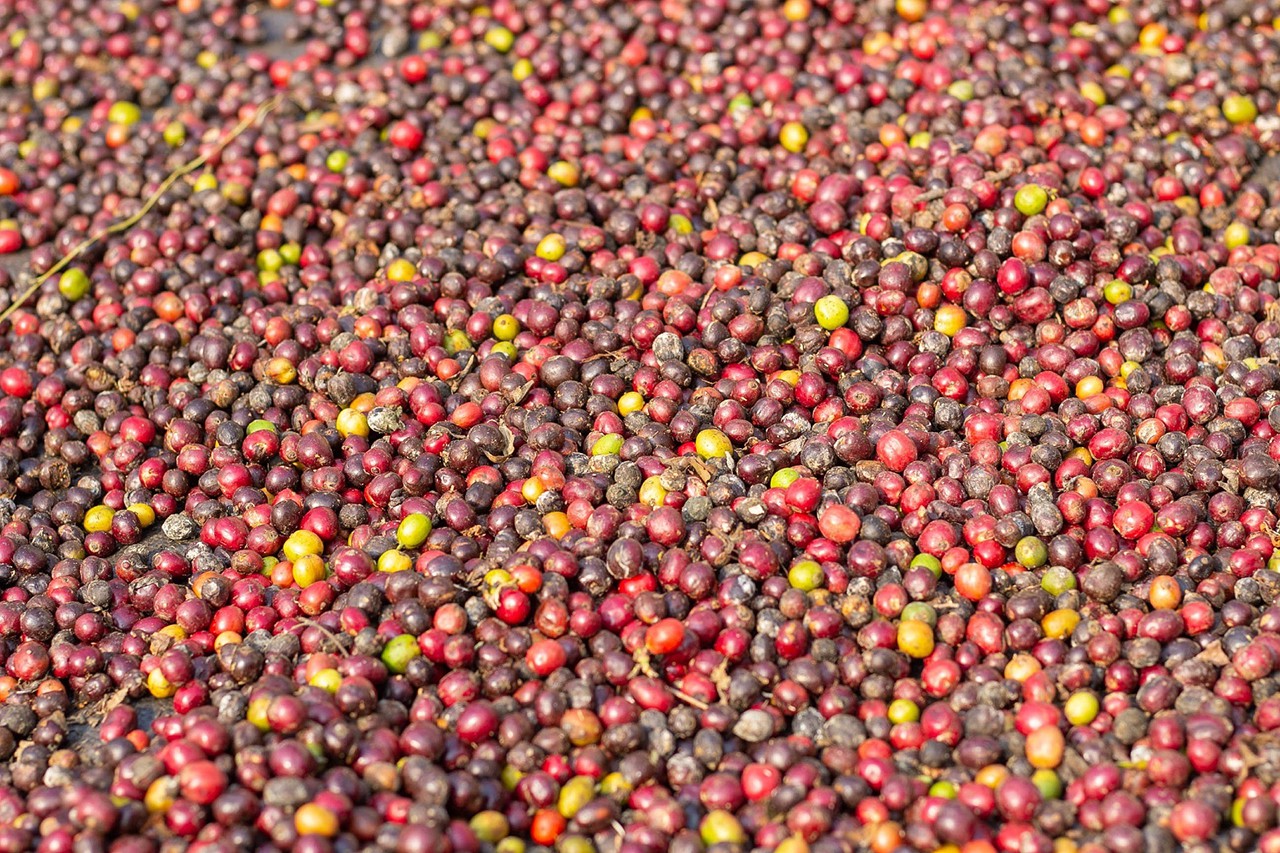
Which are the most common arabica varieties?
As most modern coffee production can be traced back to Typica and Bourbon, they have naturally become the “parents” of many other varieties and cultivars over the years.
Some prominent Typica-family varieties include:
● Maragogipe, a natural mutation of Typica, first discovered in Brazil in 1870. It is known for its large cherries and leaves, but it generally produces lower yields. Cup quality can be excellent, but the plant is highly susceptible to fungi and diseases.
● Kent, a Typica selection that was first bred in the Kent Estate in India for its resistance to coffee leaf rust. It is now common in Kenya, where it often delivers a bright, clean, and citrusy flavor profile.
● Mundo Novo, a natural cross between Typica and Bourbon from Brazil, first discovered in 1943. Its cherries take longer to mature, but yields are high and cup quality is good.
Meanwhile, Bourbon’s descendants include:
● Caturra, a natural mutation of Bourbon, discovered in Brazil. The plant is small, so it is easier for farmers to manage, and it has relatively high yields. Caturra typically has high acidity and a smooth body.
● Catimor, a hybrid of Caturra and Timor Hybrid (itself a hybrid of arabica and robusta). Catimor plants are also small, but they also have excellent yields. They are also highly resistant to fungi and diseases. Catimor beans generally have low acidity and are quite bitter, but can produce complex herbal flavors when cultivated with care.
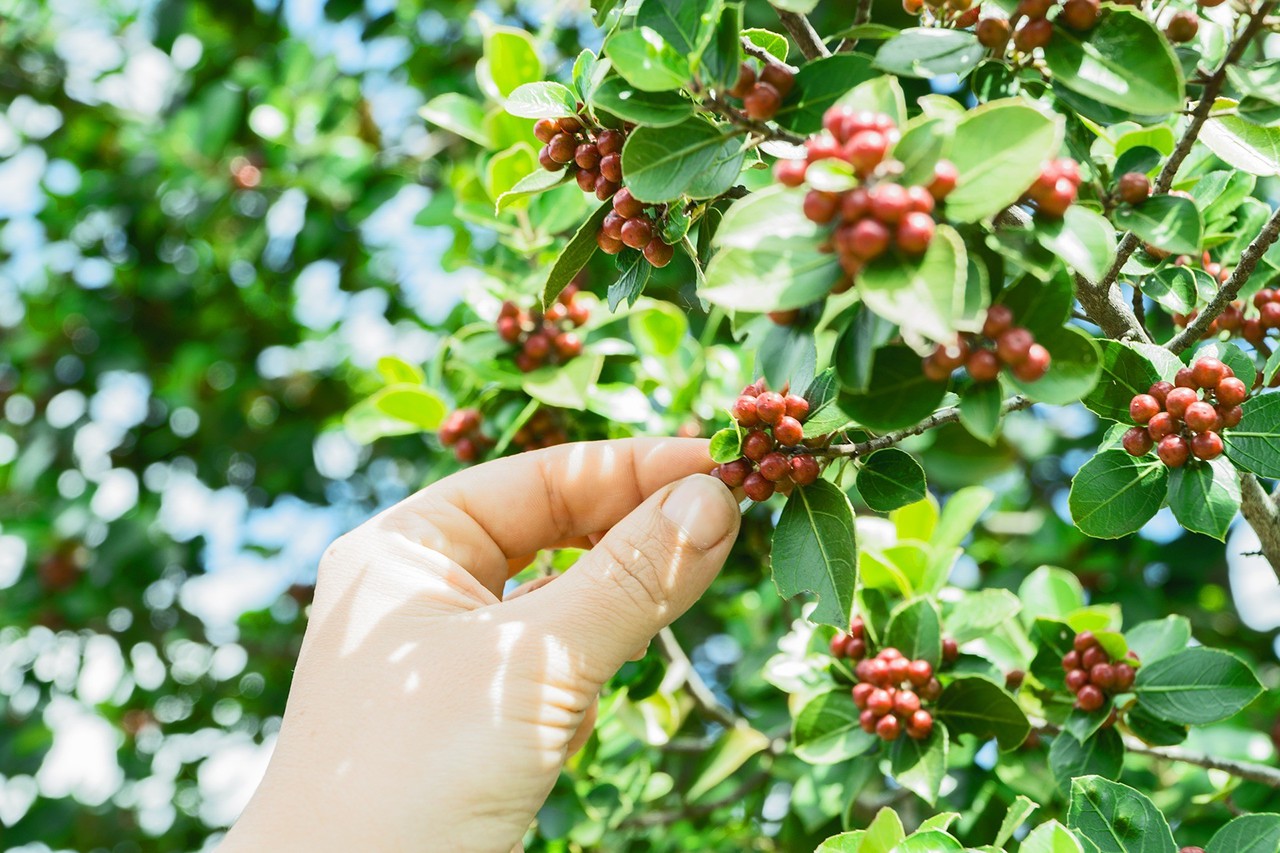
Rare and exclusive coffee varieties
Over the years, some varieties have come to be especially prized in the coffee industry. They often have complex and unique flavor profiles, and subsequently command a much higher price than most other varieties.
These include:
● Gesha (or Geisha), originally an Ethiopian heirloom variety. Gesha made its way to Central and South America in the 1950s, and became particularly popular among producers in Panama. In 2005, a Panamanian Gesha was entered into the Best of Panama auction, where it broke the record for the highest price ever paid for a pound of coffee. Its cup quality is exceptional, with floral and tea-like tasting notes.
● Wush Wush, which originates from the Wushwush region in Ethiopia, near Jimma and Sidamo. Wush Wush followed a similar path to Gesha, and is now commonly grown in Colombia. It produces fruity and floral flavors in the cup.
● SL34, a selection from a single tree grown in Kenya’s Scott Laboratories (hence SL) in the 1930s. SL34 plants are tall and yield large beans, with complex acidity and clean-tasting, sweet finishes.
● Pacamara, a hybrid of the Pacas and Maragogipe varieties, mostly grown in El Salvador. The plant is small in stature, but yields large, dense beans. When grown at high altitudes, Pacamara is capable of producing complex floral and citrus flavors in the cup.
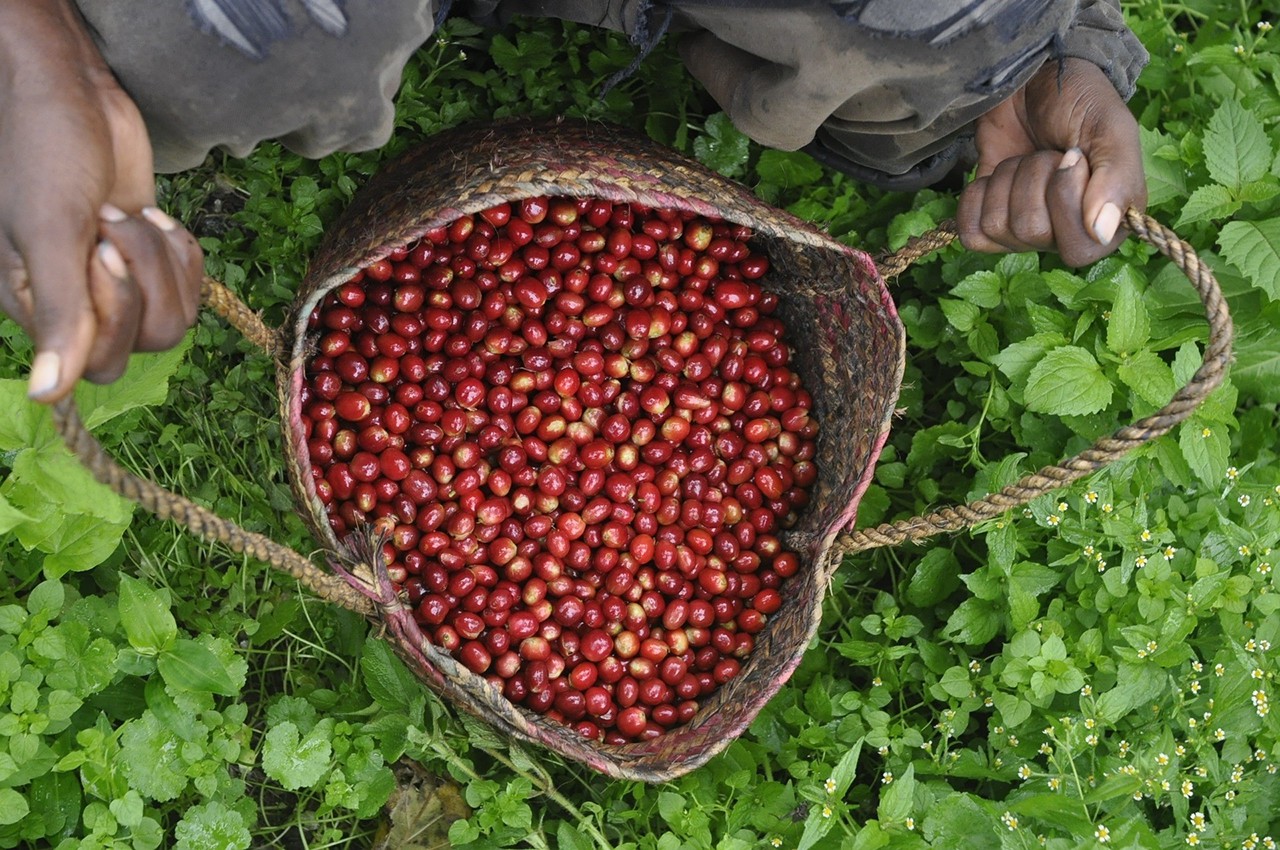
While there are many factors that affect the flavor and cup profile of a coffee, variety is arguably one of the most important.
Most specialty coffee packaging will state the varieties included inside. So, next time you pick up a bag of beans, pay attention to the label, look at the variety, and think about the flavors you experience in the cup. You might find a new favorite."
Related Articles
- Coffee & Espresso
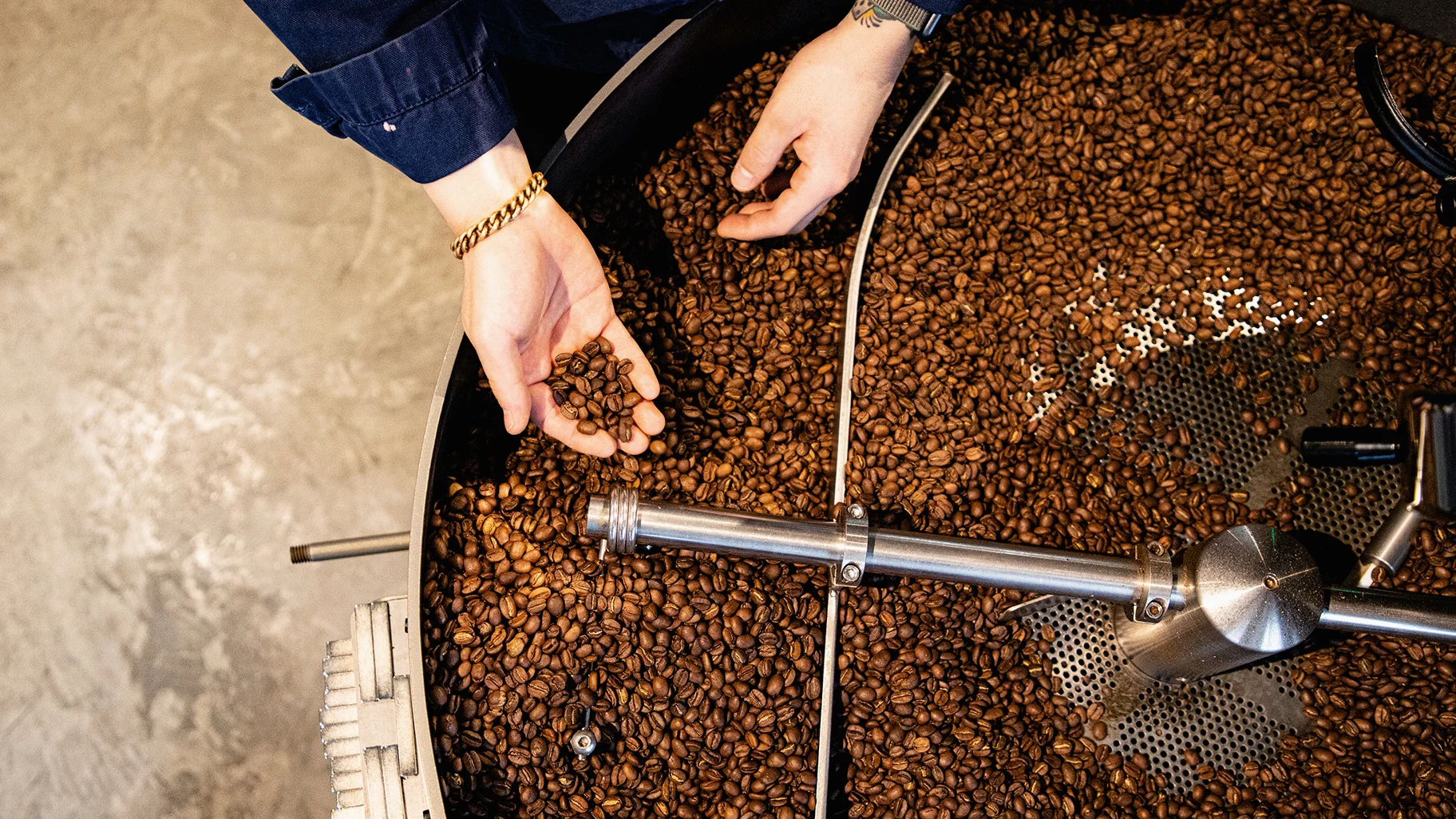
Most common types of coffee roasts
Coffee gets a lot of its flavor during the roasting process. Discover our guide on the different types of coffee roasts to decide which flavor profile you prefer. - Coffee & Espresso

How are flat whites, cappuccinos & lattes different?
There are a number of classic espresso-based beverages that have been popular among coffee consumers for decades. Three of the most prominent are the latte, the flat white, and the cappuccino. - Coffee & Espresso

The coffee extraction process: A complete guide
To achieve the perfect cup of coffee, mastering coffee extraction is key. Discover our guide on everything you need to know about the coffee extraction process. - Coffee & Espresso

Milk frother vs. steamer: A home barista's guide
Compare milk frother and steamer to find your ideal choice. Understand the differences for the perfect coffee at home. - Coffee & Espresso

Ristretto vs Long Shot: How are They Different?
Ristretto vs. long shot. Out of these two, which is the better espresso drink? Learn more about the differences between each drink here. - Coffee & Espresso
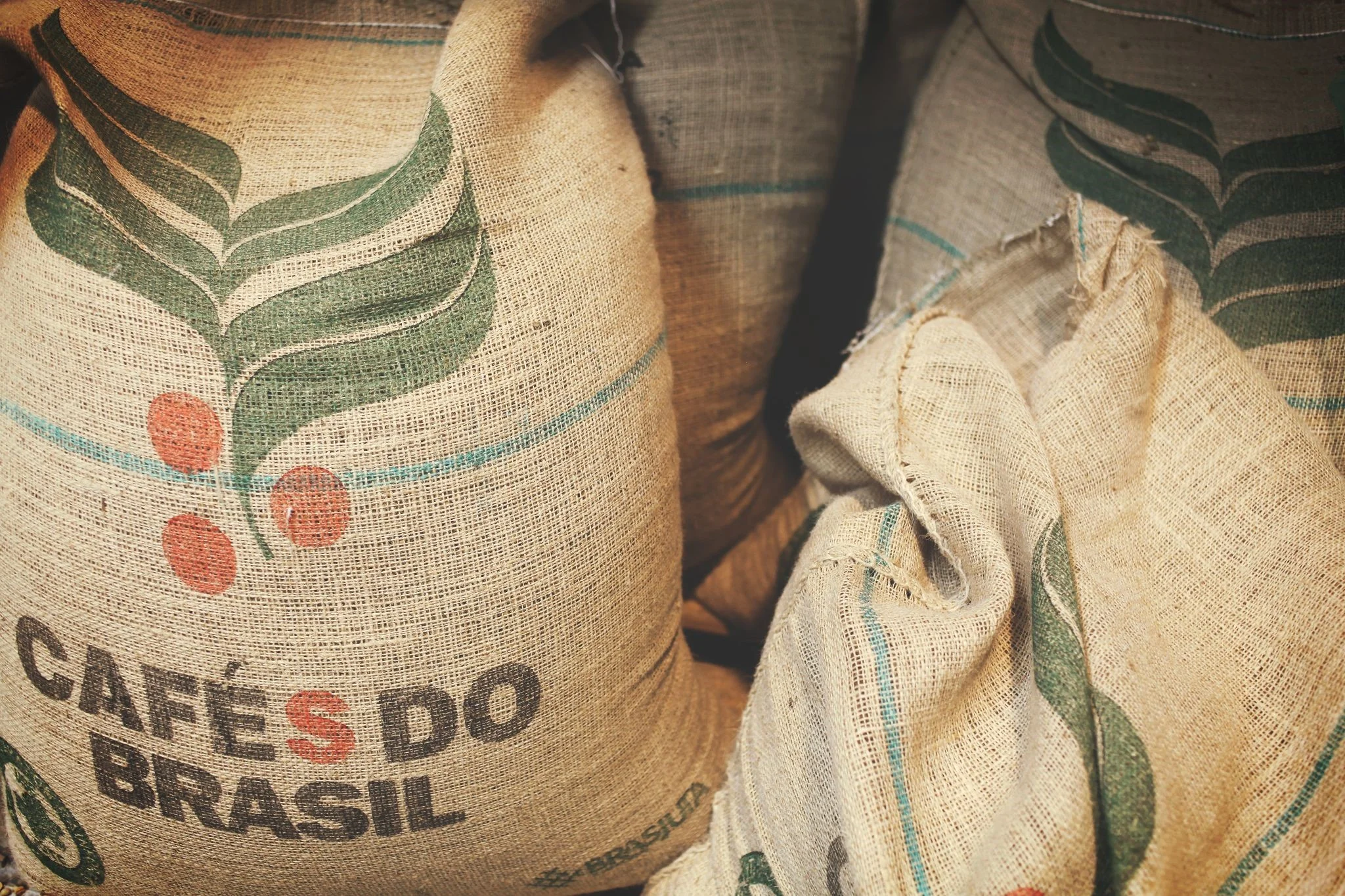
What can you expect from different specialty coffee origins?
Across the world, third wave coffee culture has kickstarted a consumer focus on provenance. Coffee drinkers are now starting to take an interest in where their coffee comes from, why it tastes the way that it does, and the journey from seed to cup. - Coffee & Espresso
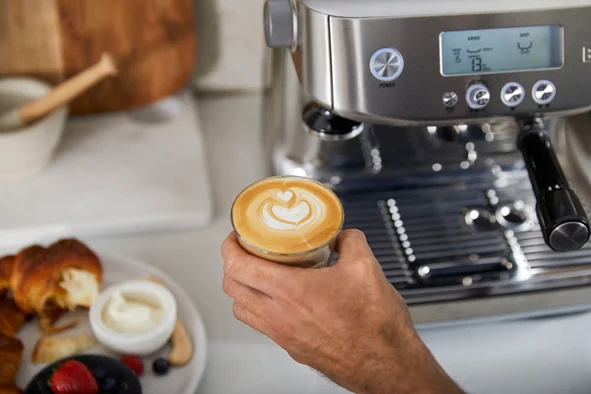
How to make a latte: 3 easy steps
A latte is a barista staple. Learn the simple steps it takes to make it yourself here! - Coffee & Espresso

A guide to coffee brewing temperature
If you want the perfect cup of coffee, your coffee brewing temperature is important. Discover our guide on how to master the perfect brewing temperature. - Coffee & Espresso
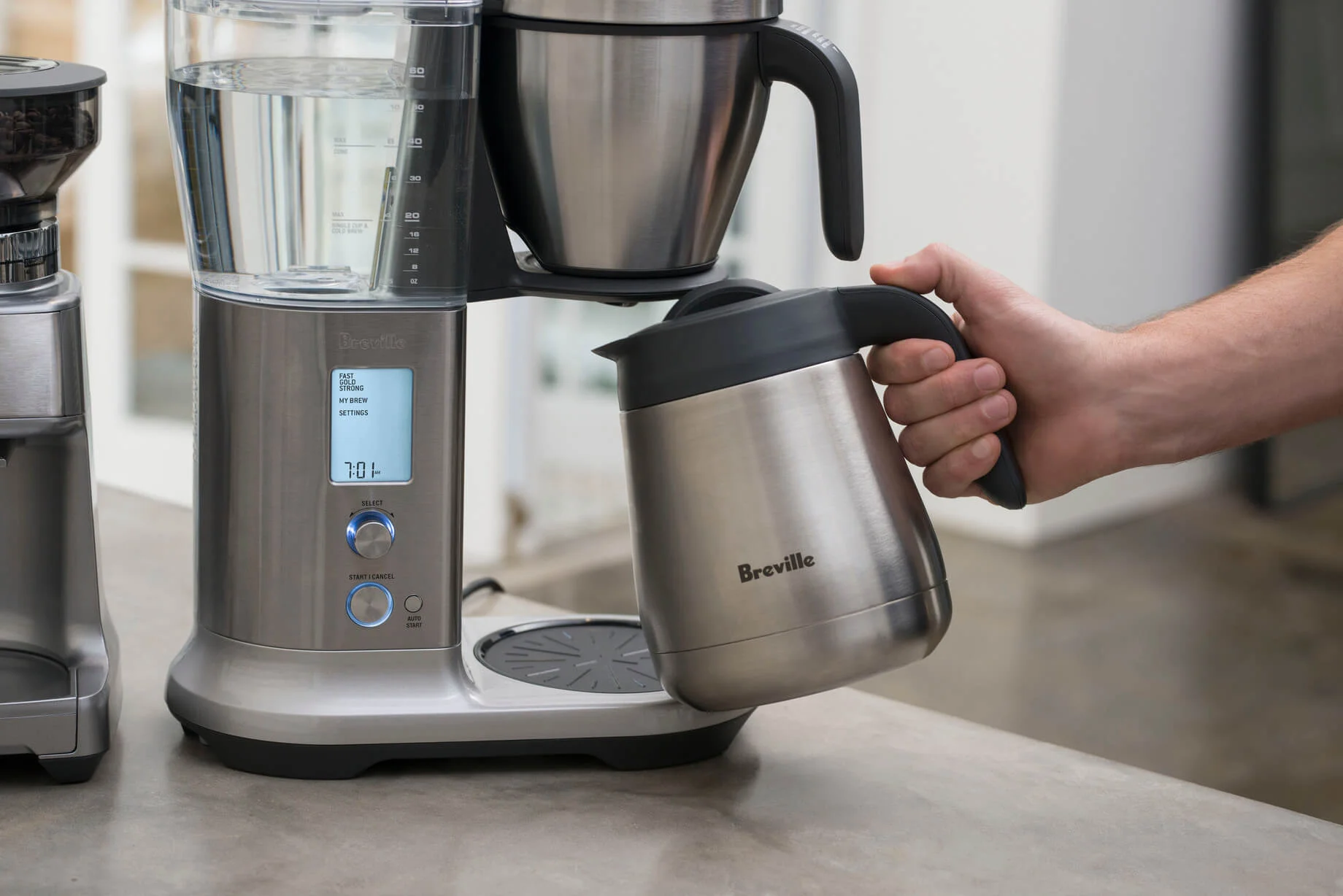
French press vs. Pour over: Comparison guide
Compare French press and pour over to see which brewing method suits you best. Explore the differences in taste and technique. - Coffee & Espresso
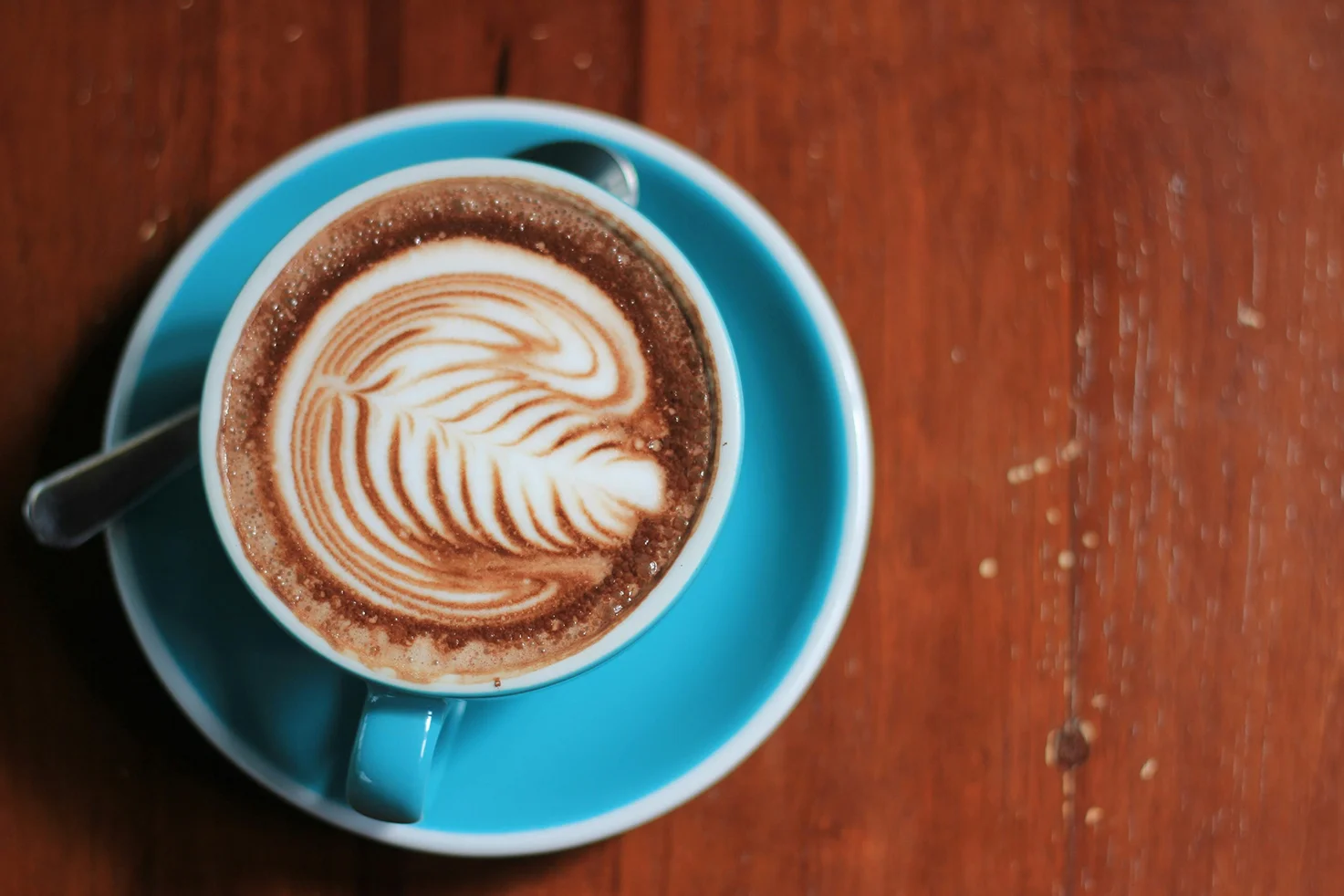
How to make a mocha latte
Do you love but not know how to make a mocha latte? Master this drink like a pro with these easy steps! - Coffee & Espresso

How to make a cappuccino: a step-by-step guide
Learn the art of making a perfect cappuccino at home with our easy-to-follow guide. Discover tips, techniques, and the right tools for a barista-level brew. - Coffee & Espresso
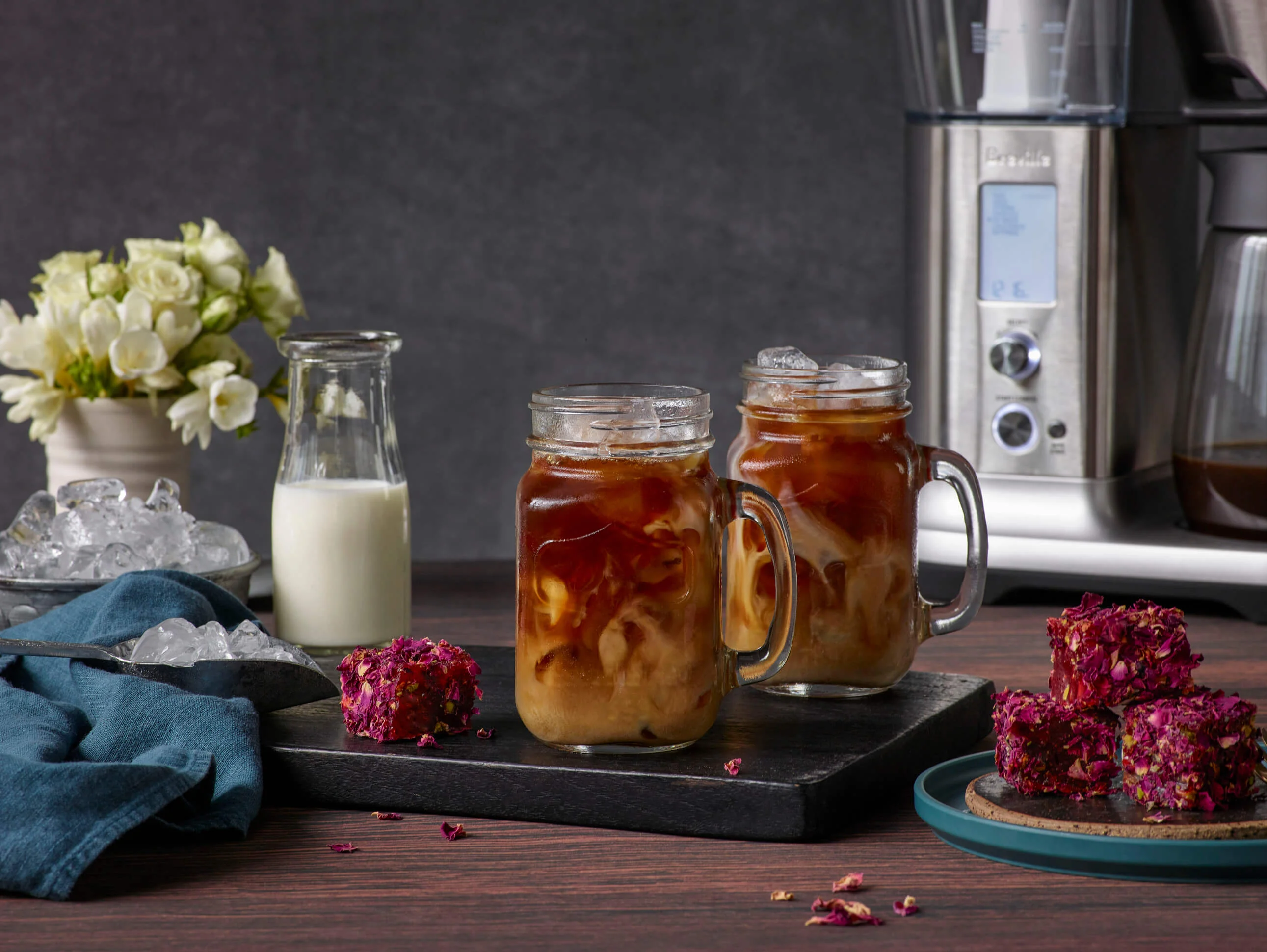
Is cold brew less acidic than coffee?
Wondering if cold brew is less acidic than regular coffee? Learn how brewing methods affect acidity in cold brew. - Coffee & Espresso
What is Espresso?
Want to learn more about espresso? Read on to discover what it is, its health benefits, and much more! - Coffee & Espresso

The secret to perfect espresso crema
Learn how to perfect your espresso's crema and enhance your coffee experience. Quality brews start with Breville. - Coffee & Espresso
Must-have espresso accessories for coffee lovers
Elevate your espresso experience with must-have accessories. Learn about the tools that can enhance the quality and enjoyment of your coffee. - Coffee & Espresso

Coffee to water ratio: How it can impact your brew
The right coffee-to-water ratio is essential to creating the most flavorful cup of coffee. Read on to learn more about how this impacts your morning brew. - Coffee & Espresso

Macchiato vs. Latte: What's the Difference
Wondering what the difference is between a macchiato vs. a latte? Find out now with this expert coffee guide. - Coffee & Espresso

Is Espresso Stronger Than Drip Coffee?
Is espresso stronger than coffee? Learn more about the caffeine content between the two and how each differs. - Coffee & Espresso
Wet vs. dry cappuccino: Understanding the difference
Dive into the world of cappuccinos as we compare wet vs. dry variants. Find out which suits your taste and how to perfect them at home with Breville. - Coffee & Espresso

How to Make Cold Brew Coffee At Home
Are you wanting to know how to make cold brew coffee at home? Read our step-by-step guide on how to make coffee, how to serve it, and how to best store it. - Coffee & Espresso

What are the different types of cold brew?
Explore the different types of cold brew, from classic immersion to nitro and Kyoto-style, and find the perfect brew for your taste. - Coffee & Espresso
Understanding the differences between breve vs. latte
Explore the creamy differences between a breve and a latte. Learn which coffee drink suits your taste in our comparison guide! - Coffee & Espresso
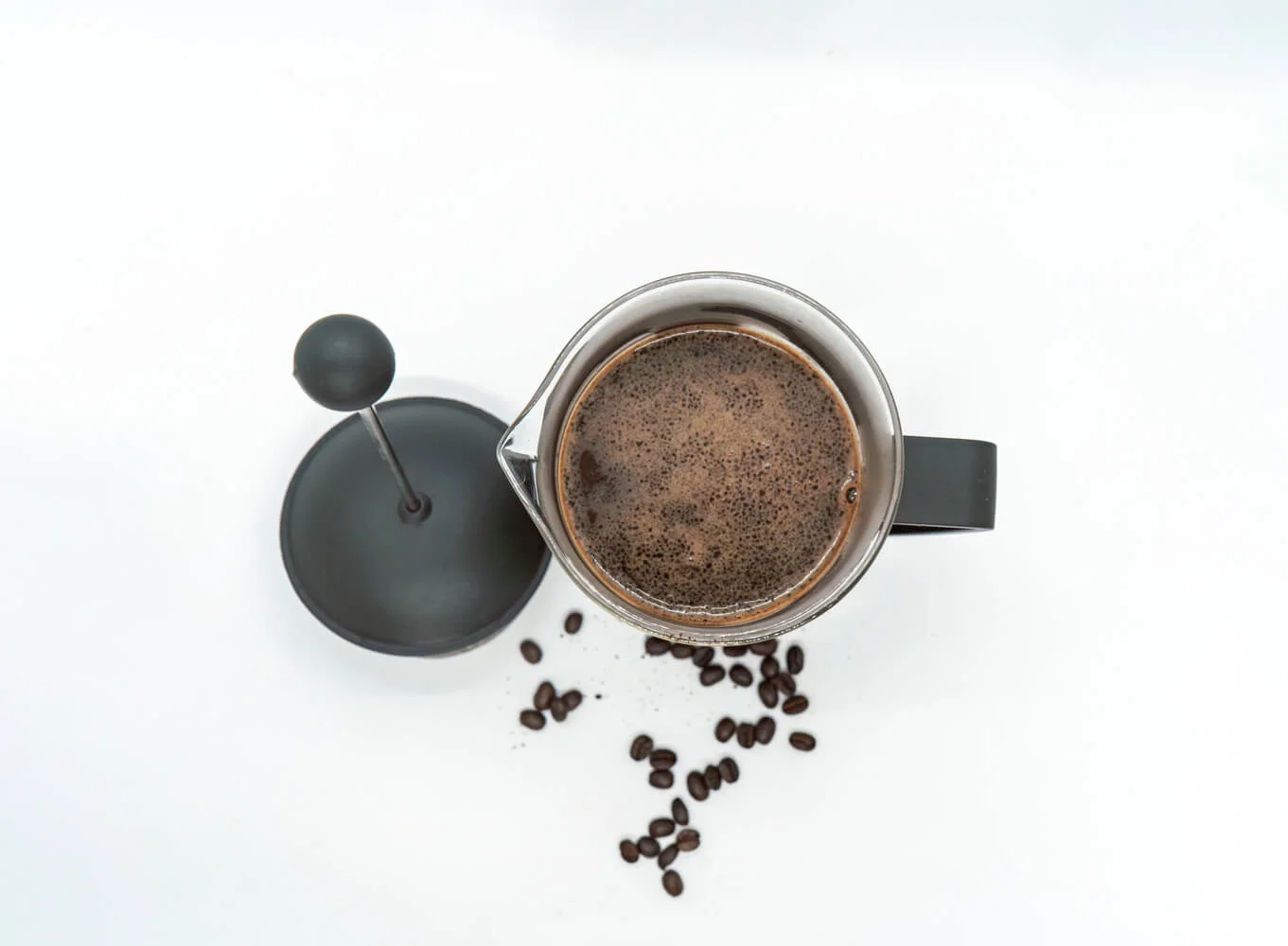
How to make French press coffee: Step-by-step guide
Learn the secrets to brewing perfect French press coffee every time. Discover tips and tricks for a rich, flavorful cup.
