Cold brew vs. cold drip: What’s the difference?
In recent years, cold coffee beverages have become increasingly popular through the summer months in the US and Canada. Cold brew remains one of the hottest new trends in the North American coffee sector, having grown exponentially in the last ten years.
However, alongside cold brew, we’ve also seen the rise of “cold drip” coffee – a beverage with some key similarities as well as some key differences.
Read on to learn more about why these product categories are growing in the North American market, and about the differences between the two.

Cold drip and cold brew: An overview
One in seven Americans drink coffee at least once a week; more than 60% drink it every single day.
Over the years, a range of different coffee product categories have emerged in the North American market. For example, as chains like Starbucks and Tim Hortons grew in the 1980s and 1990s, espresso-based beverages like cappuccinos, lattes, and flat whites became considerably more popular.
Cold coffee is no different. Since entering the market in the late 2000s, it has skyrocketed in popularity across the continent.
According to the National Coffee Association’s 2020 American Coffee Consumption report, more than 50% of consumers have heard of cold brew, 34% have tried it, 15% drink it occasionally, and 5% drink it regularly. Around 40% say they’ve heard positive comments about it from friends and family.
And while the initial growth of cold brew and cold drip was fuelled by millennials, consumption is now increasing across other age groups. Allegra’s World Iced Coffee report says that “cold brew consumption is growing consistently across age groups, up 29% among consumers ages 45-59, 27% among ages 30-44 and 27% under 30”.
This popularity has been reflected in the overall growth of the cold coffee market. The US cold brew market was worth $110 million in 2015, $310 million in 2020, and is predicted to reach a staggering $944 million by 2025 if growth continues.
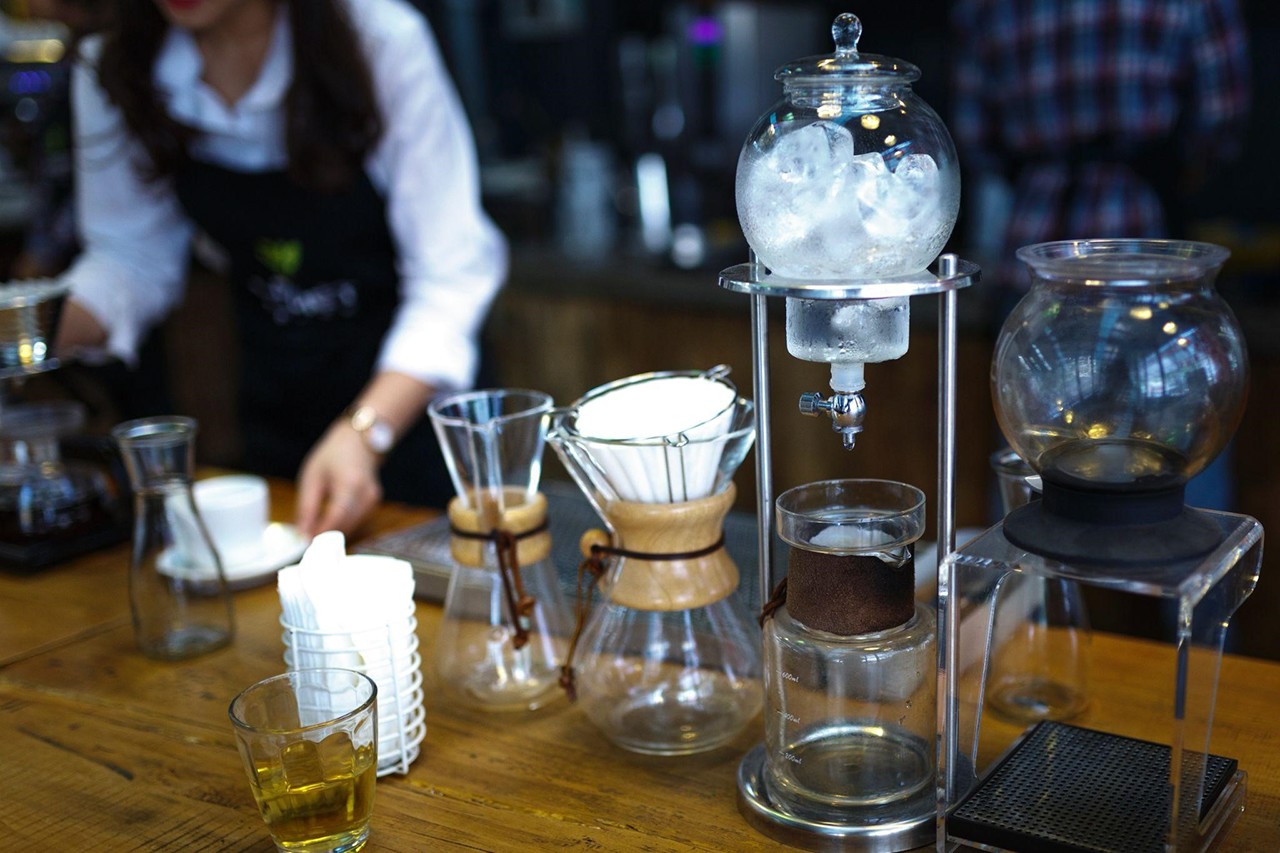
The difference between cold brew and cold drip
It’s clear that cold coffee beverages are becoming increasingly popular with North American consumers, and it doesn’t seem like this will change any time soon.
However, there are two main types of cold coffee in this segment: cold drip and cold brew. What are the differences?
Cold brew is arguably more popular. Its name is fairly self-explanatory: cold brew coffee is brewed at cold (or at least ambient) temperatures. Brewing it is simple; you steep ground coffee in brewing water for 18 to 24 hours, before filtering it out and drinking it.
You can brew cold brew in any number of different vessels, from a French press to a glass pitcher or a mason jar, depending on the amount you want to make. A very coarse grind size is recommended for brewing cold brew coffee, as extraction takes place over such a long time.
In contrast, cold drip is slightly more complex. Cold brew coffee is made by steeping ground coffee in water – a method known as immersion. However, cold drip is a percolation brewing method; this means that the water passes through a bed of coffee grounds, rather than the grounds being submerged in it – not unlike standard drip coffee.
Cold drip is also more difficult to brew. It typically requires a specific brewing device called a “drip tower”, which separates the coffee and the water.
The water reservoir is positioned over a chamber for the coffee grounds, and allows water to drip very slowly into the coffee bed. The water then drains through the grounds and a filter into another vessel which collects the brewed coffee.
Cold drip coffee brews within three and 12 hours, which is noticeably quicker than cold brew. The exact time will depend on the grind size and the drip rate of your equipment, which can be tricky for inexperienced brewers to fine-tune.
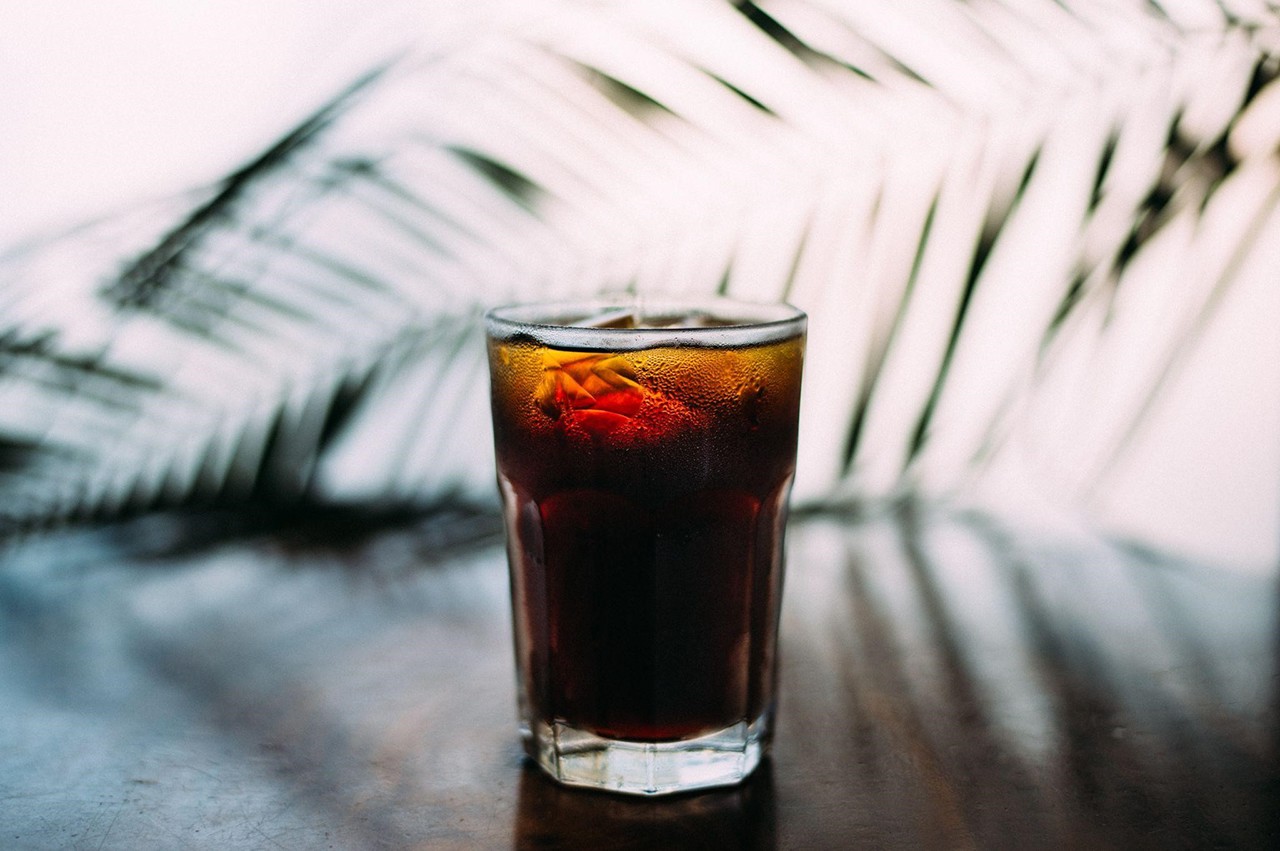
Difference in flavor profiles
Despite the fact that they are both cold coffee beverages, the two distinct brewing methods mean that cold brew and cold drip taste different.
Both are smoother, less acidic, and less bitter than coffees brewed using hot water. Temperature plays a key role in coffee extraction, and using a lower brewing temperature means that you extract a completely different range of soluble compounds.
Both are also less aromatic, and commonly associated with “brown” flavors – brown sugar, caramel, chocolate, and cocoa, to name just a few.
However, while cold brew is smooth and sweet, it generally has a lighter body than cold drip. The cold immersion brewing method brings out more sweetness and floral flavors.
Cold brew is also usually brewed as a concentrate. Many people dilute it with cold water and serve it over ice to drink, or use it as a base for other beverages.
In contrast, cold drip has a slightly heavier body and richer flavor, but the low brewing temperature still brings out the same sweet and floral notes as it does in cold brew.
The percolation also means cold drip coffee is brewed ready to drink – so while drinking it with ice is fine, you shouldn’t dilute it.
Ultimately, both are refreshing and enjoyable summer alternatives to a hot cup of coffee. However, remember that the coffee you brew will only taste as good as the beans you use – so make sure you pick a coffee that you think you’ll enjoy.
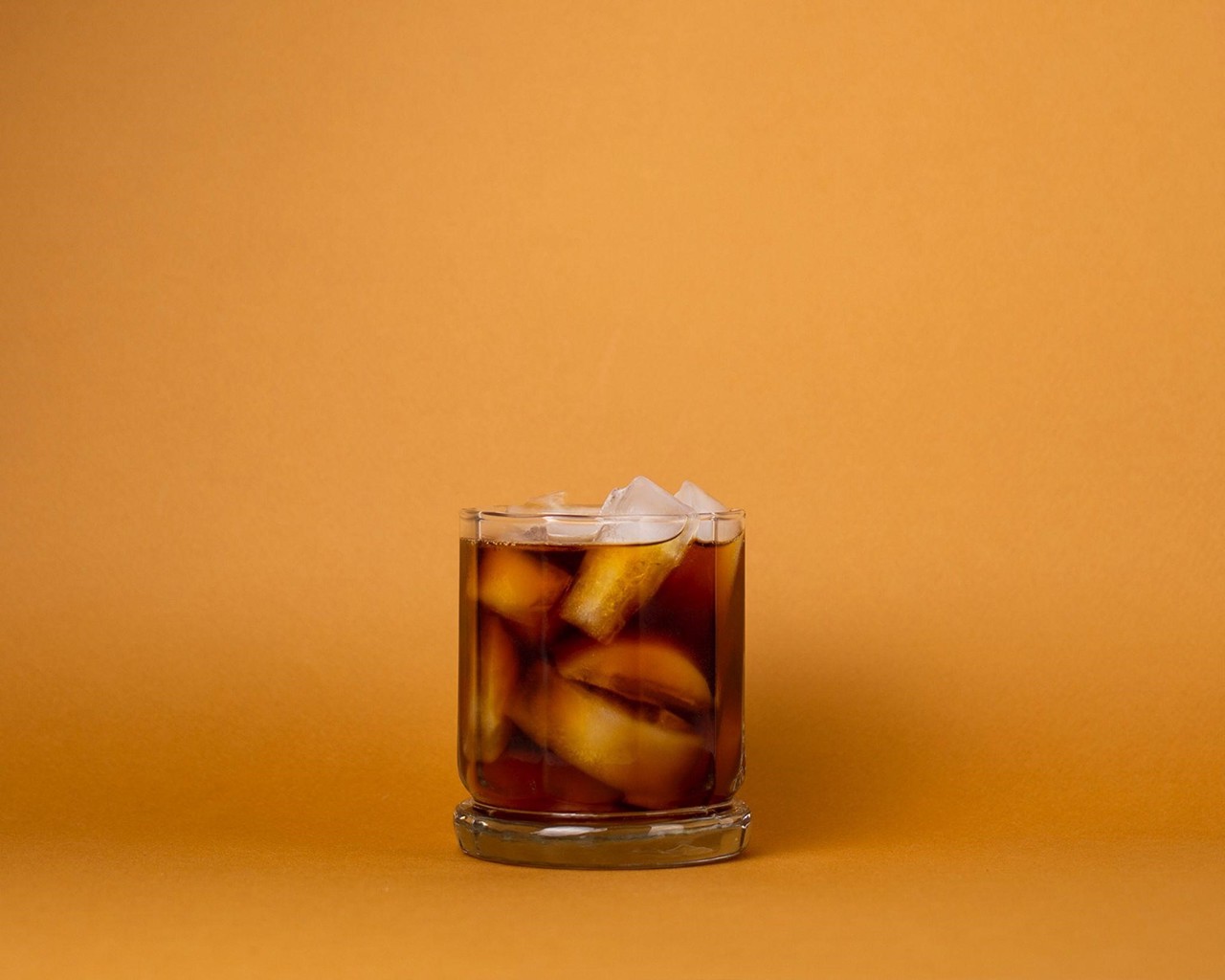
Cold coffee options are becoming increasingly popular with American consumers, and for good reason. Their smoothness, sweetness, and lack of bitterness and acidity make them a tantalizing prospect for coffee drinkers looking for a summer alternative.
So, next time you reach for a soft drink to keep you cool during the sun, think about cold brew or cold drip coffee instead. You can even try brewing them at home!"
Related Articles
- Coffee & Espresso
Most common types of coffee roasts
Coffee gets a lot of its flavor during the roasting process. Discover our guide on the different types of coffee roasts to decide which flavor profile you prefer. - Coffee & Espresso
How are flat whites, cappuccinos & lattes different?
There are a number of classic espresso-based beverages that have been popular among coffee consumers for decades. Three of the most prominent are the latte, the flat white, and the cappuccino. - Coffee & Espresso
The coffee extraction process: A complete guide
To achieve the perfect cup of coffee, mastering coffee extraction is key. Discover our guide on everything you need to know about the coffee extraction process. - Coffee & Espresso
Milk frother vs. steamer: A home barista's guide
Compare milk frother and steamer to find your ideal choice. Understand the differences for the perfect coffee at home. - Coffee & Espresso
Ristretto vs Long Shot: How are They Different?
Ristretto vs. long shot. Out of these two, which is the better espresso drink? Learn more about the differences between each drink here. - Coffee & Espresso
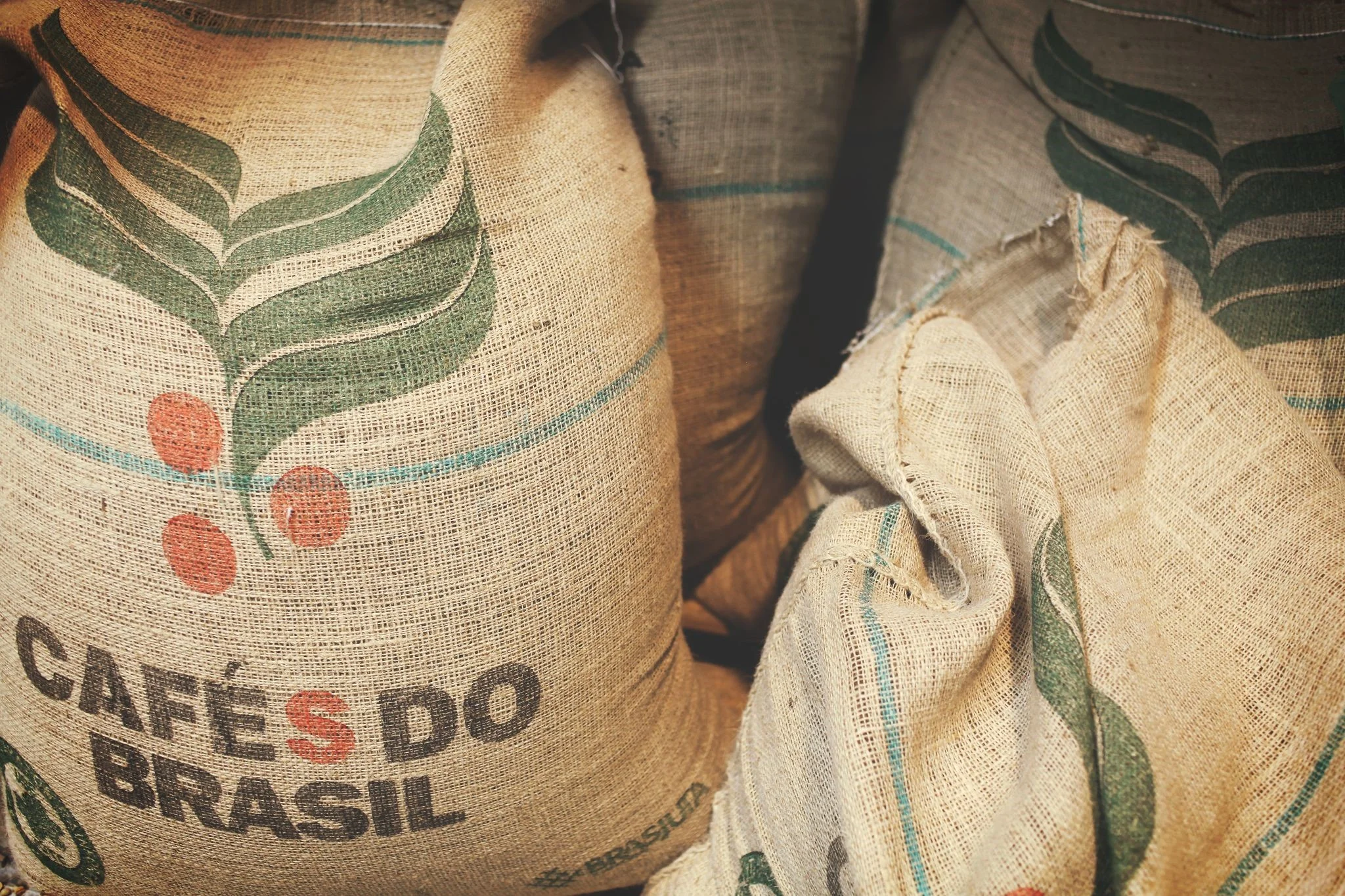
What can you expect from different specialty coffee origins?
Across the world, third wave coffee culture has kickstarted a consumer focus on provenance. Coffee drinkers are now starting to take an interest in where their coffee comes from, why it tastes the way that it does, and the journey from seed to cup. - Coffee & Espresso
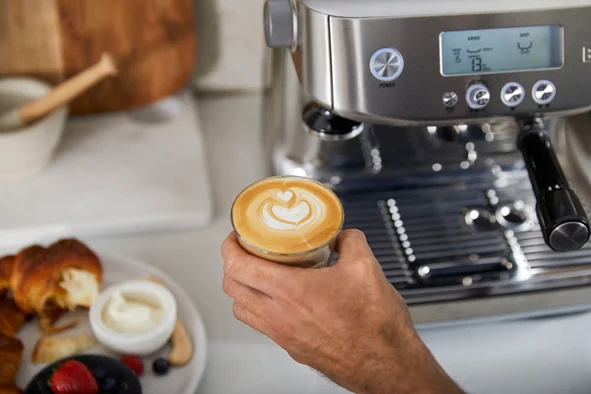
How to make a latte: 3 easy steps
A latte is a barista staple. Learn the simple steps it takes to make it yourself here! - Coffee & Espresso
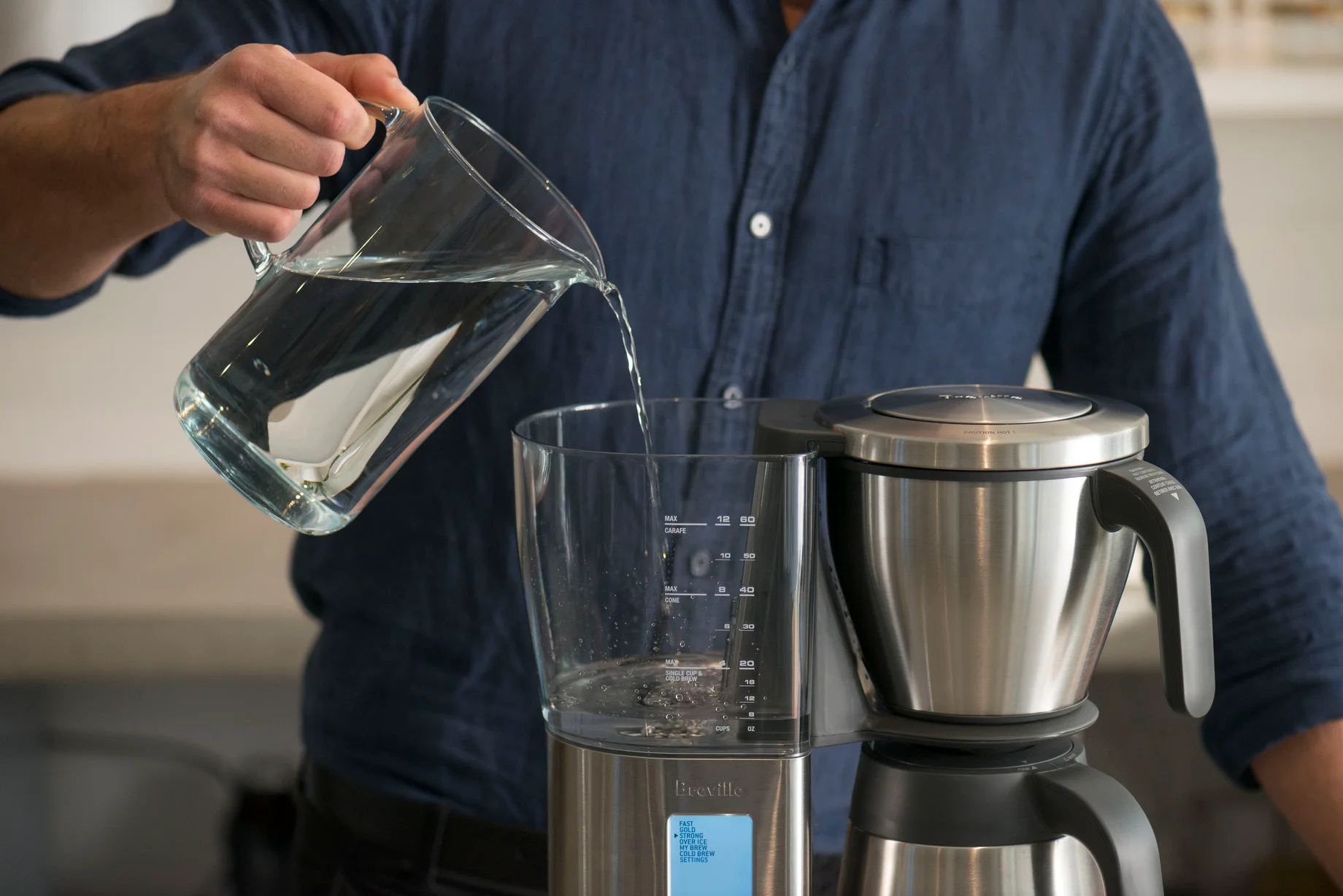
A guide to coffee brewing temperature
If you want the perfect cup of coffee, your coffee brewing temperature is important. Discover our guide on how to master the perfect brewing temperature. - Coffee & Espresso
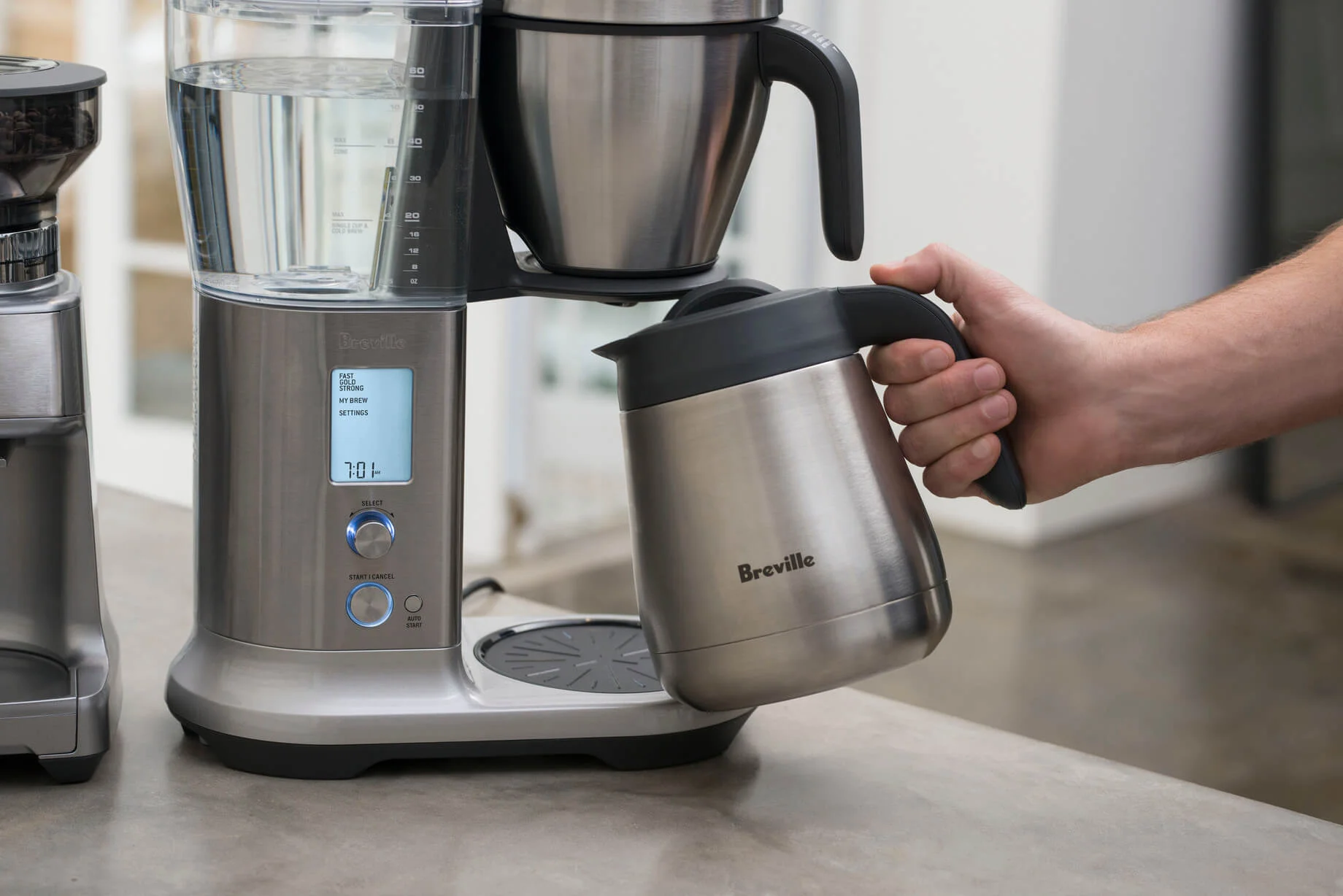
French press vs. Pour over: Comparison guide
Compare French press and pour over to see which brewing method suits you best. Explore the differences in taste and technique. - Coffee & Espresso
How to make a mocha latte
Do you love but not know how to make a mocha latte? Master this drink like a pro with these easy steps! - Coffee & Espresso
How to make a cappuccino: a step-by-step guide
Learn the art of making a perfect cappuccino at home with our easy-to-follow guide. Discover tips, techniques, and the right tools for a barista-level brew. - Coffee & Espresso
Is cold brew less acidic than coffee?
Wondering if cold brew is less acidic than regular coffee? Learn how brewing methods affect acidity in cold brew. - Coffee & Espresso
What is Espresso?
Want to learn more about espresso? Read on to discover what it is, its health benefits, and much more! - Coffee & Espresso
The secret to perfect espresso crema
Learn how to perfect your espresso's crema and enhance your coffee experience. Quality brews start with Breville. - Coffee & Espresso
Must-have espresso accessories for coffee lovers
Elevate your espresso experience with must-have accessories. Learn about the tools that can enhance the quality and enjoyment of your coffee. - Coffee & Espresso
Coffee to water ratio: How it can impact your brew
The right coffee-to-water ratio is essential to creating the most flavorful cup of coffee. Read on to learn more about how this impacts your morning brew. - Coffee & Espresso
Macchiato vs. Latte: What's the Difference
Wondering what the difference is between a macchiato vs. a latte? Find out now with this expert coffee guide. - Coffee & Espresso
Is Espresso Stronger Than Drip Coffee?
Is espresso stronger than coffee? Learn more about the caffeine content between the two and how each differs. - Coffee & Espresso
Wet vs. dry cappuccino: Understanding the difference
Dive into the world of cappuccinos as we compare wet vs. dry variants. Find out which suits your taste and how to perfect them at home with Breville. - Coffee & Espresso
How to Make Cold Brew Coffee At Home
Are you wanting to know how to make cold brew coffee at home? Read our step-by-step guide on how to make coffee, how to serve it, and how to best store it. - Coffee & Espresso
What are the different types of cold brew?
Explore the different types of cold brew, from classic immersion to nitro and Kyoto-style, and find the perfect brew for your taste. - Coffee & Espresso
Understanding the differences between breve vs. latte
Explore the creamy differences between a breve and a latte. Learn which coffee drink suits your taste in our comparison guide! - Coffee & Espresso
How to make French press coffee: Step-by-step guide
Learn the secrets to brewing perfect French press coffee every time. Discover tips and tricks for a rich, flavorful cup.