Two of the most popular ways to make a coffee are the drip method and the espresso method. However, within the category of drip, there are two different ways to approach the same end beverage. This comes down to either an automatic method or the manual pour over method. While both are based on the same general premise of pouring hot water over coffee grounds—which is why some people confuse the two—each technique has a distinctive process and appeal.
Which one is right for your morning ritual?
In this guide, we’ll dive into the nuances of pour over coffee vs. drip coffee, discussing how these two home brewing styles stack up.
What is drip coffee?
Found everywhere from the quintessential American diner to the office break room, drip coffee is likely one of the most familiar fixtures in the world of coffee. And if speed, convenience, and consistency are what you crave for your coffee experience, drip coffee is the way to go.
How does drip coffee work?
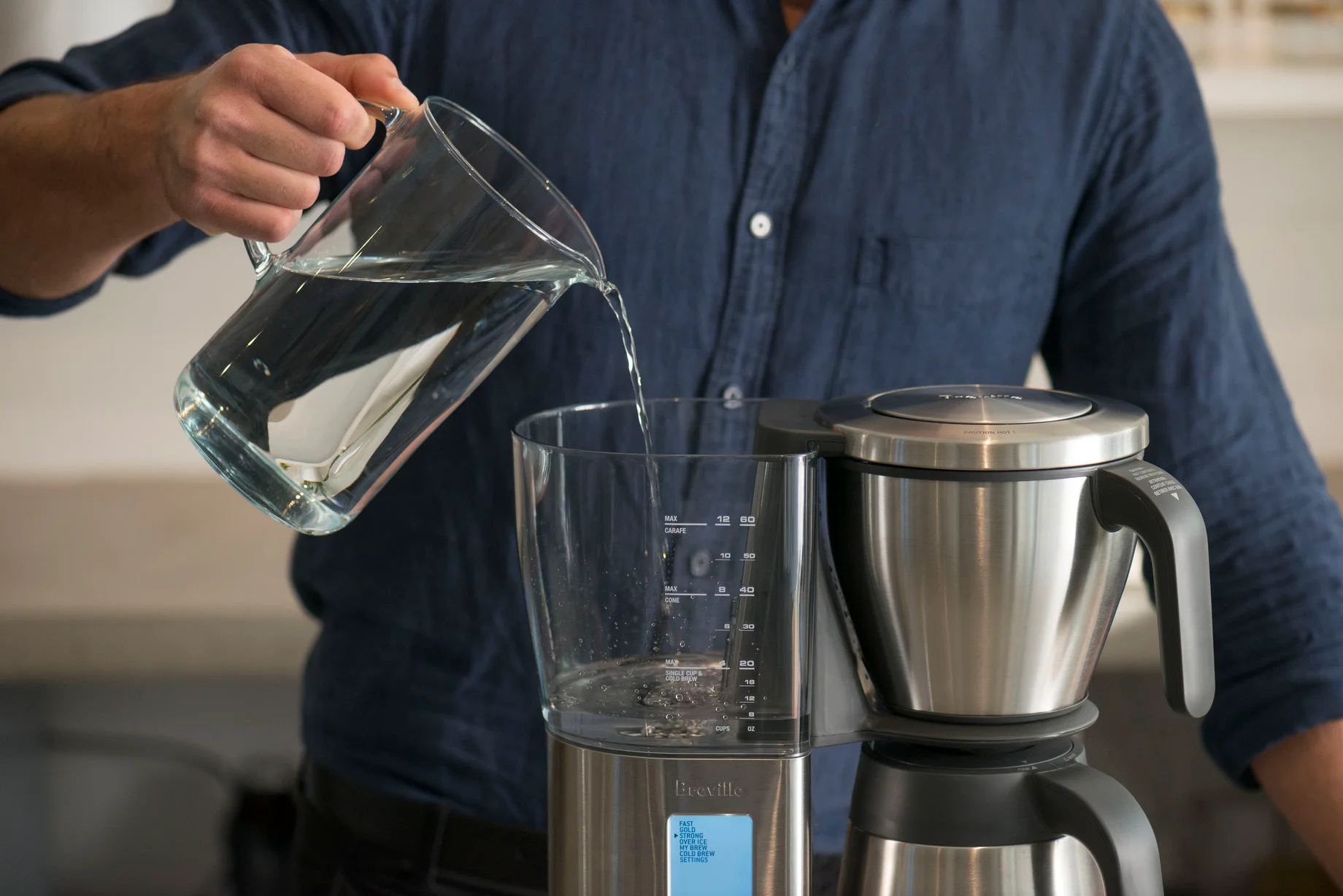
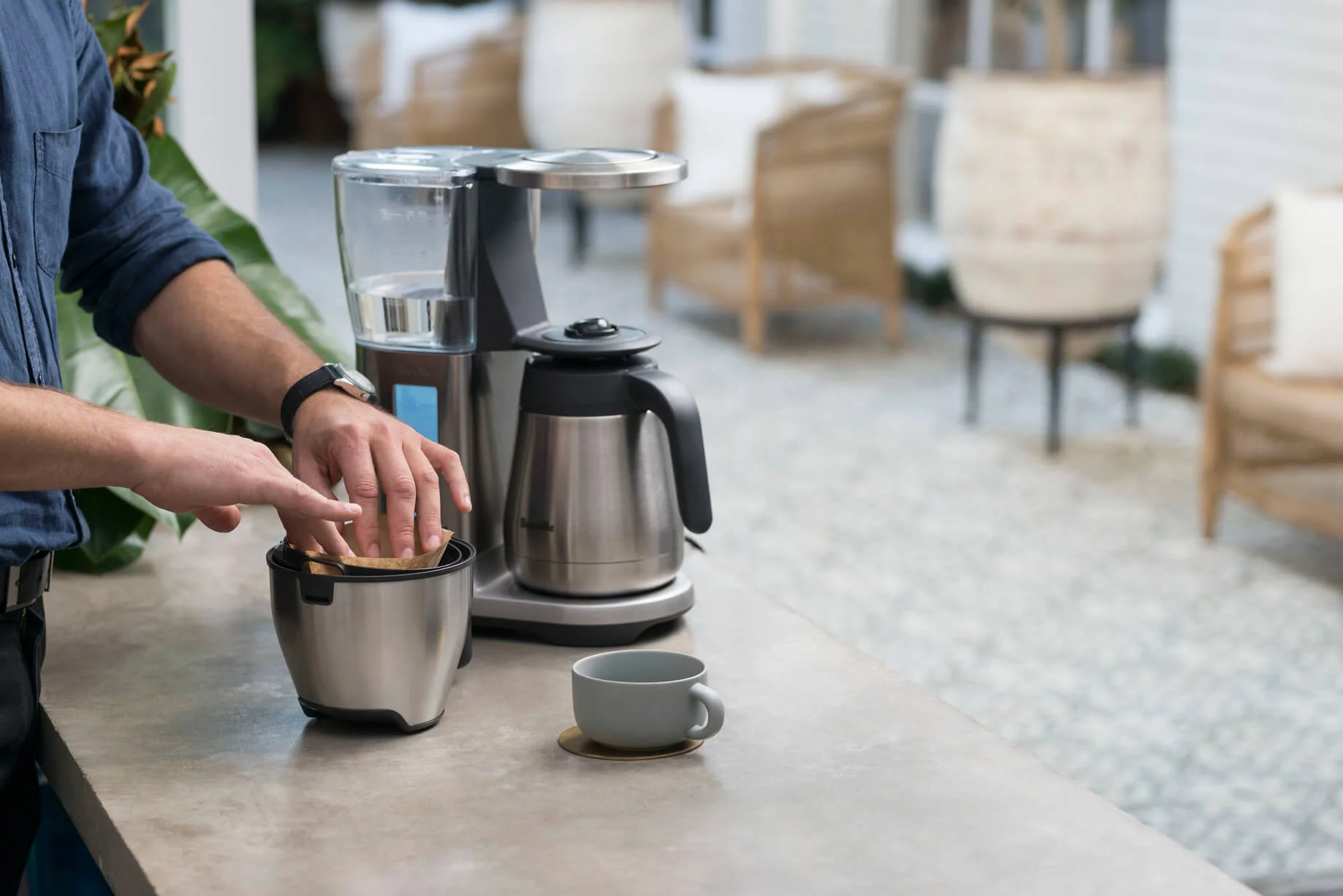
It starts with the automatic coffee maker. First, the machine heats the water to a predetermined temperature. Then, that water is poured over the basket filled with coffee grounds. The water interacts with the coffee grounds, creating a brew that drips down into the waiting coffee pot or carafe.
Benefits of drip coffee
The drip method of brewing offers a number of benefits to coffee lovers, including:
● Batch brewing – Drip coffee makers are designed to make large quantities of coffee quickly and efficiently. Within minutes, you can have a fresh pot of coffee ready to serve, making it an excellent choice for households with multiple coffee drinkers, bustling restaurants, or office spaces where a steady supply of coffee is essential.
● Speed and convenience – In terms of ease of use, automated drip coffee makers are as easy as it gets. Simply add coffee grounds and water, hit brew, and wait. Even more convenient? Most modern coffee makers have programmable timers so that you can wake up to the smell of your favorite freshly brewed breakfast blend.
● Consistency– With a drip machine, variables such as brew temperature and brew time are fixed to deliver consistent results. If you use the same concentration of coffee grounds and water, you can reliably expect that your cup today will taste exactly the same tomorrow.
● Cleanliness – Automated coffee makers take the mess and hassle out of coffee brewing. To clean up after a brew, simply dump the grounds, rinse the brew basket (if necessary), and empty and wash the pot.
● Continued heating – Some drip coffee machineswill brew coffee with water heated between 195 to 205 degrees Fahrenheit. However, some machines may not reach that temperature or even go far above. Not all machines are the same. Many will also come with a warming plate that keeps the brewed coffee hot—perfect for those who plan to drink multiple cups throughout the day.
What is pour over?
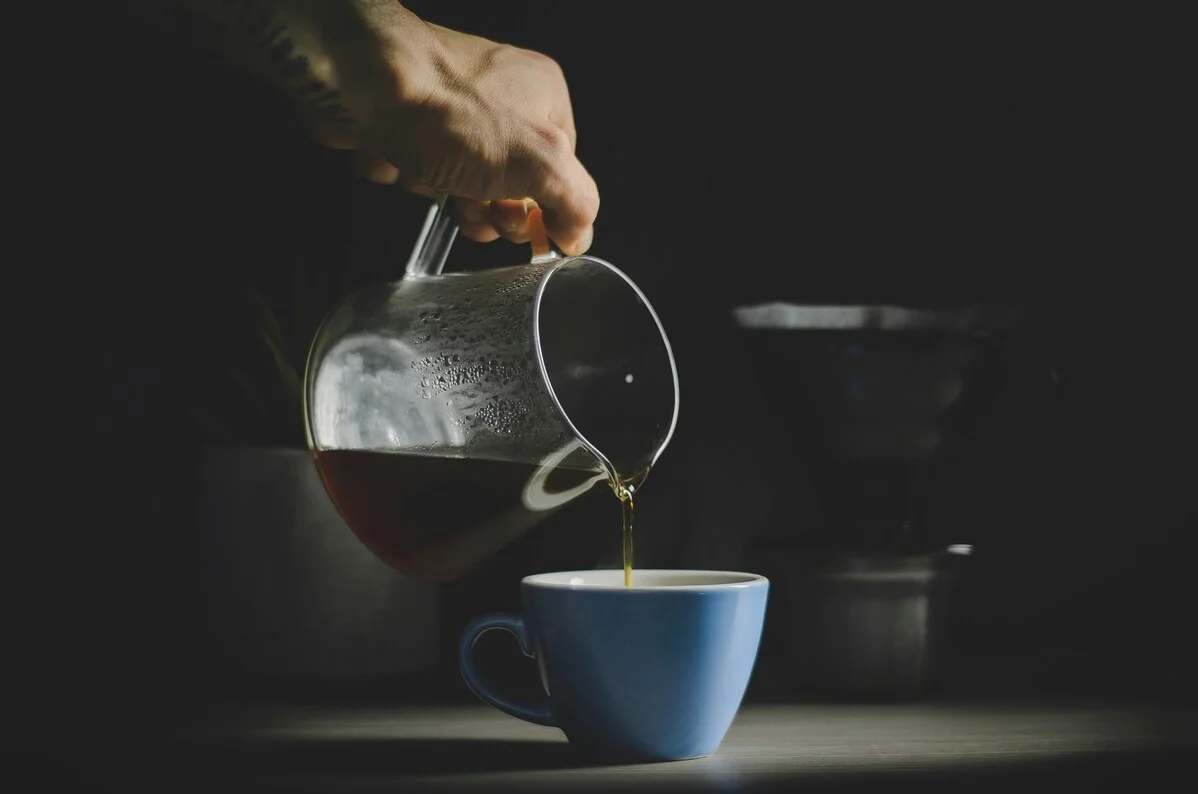
So, what is pour over coffee? Pour over is the gourmet take on home coffee brewing. It’s a slightly elevated brewing experience that demands a bit more time and attention. But, in return, it puts you in complete control over the drip brewing process.
While the drip coffee method excels in terms of speed and quantity, the pour over method is typically meant for one or two people who want to unlock and savor the coffee bean’s flavors and aromas.
The manual process is relatively straightforward:
1. Grind coffee beans to a medium/fine setting and place them in the filter.
2. Place the filter in a dripper (also known as the pour over cone).
3. Boil a kettle—ideally, a gooseneck kettle—to your desired temperature (aim for 195 to 205 degrees F).
4. Pour a small amount of hot water over the grounds to wet them, and wait for about 30 seconds to let the coffee “bloom.”
5. Slowly pour the water in a circular motion, saturating all of the grounds.
6. Continue pouring until you have the amount of coffee you want.
Benefits of pour over
What does the pour over method offer that the drip method does not?
● Distinct taste – Pour over advocates argue that this method enables the home brewer to fully unlock the terroir of the bean—the unique combination of factors including soil, climate, variety, and process that gives each coffee its distinctive flavor.
● Customizability – Pour over brewing is about personalization. By experimenting with water temperatures, the pouring pace, and the extraction time, you can adjust the final cup to your liking. Whether you prefer a light, fruity brew or an intense, full-bodied cup, pour over brewing gives you the control to bring your ideal coffee to life. Combine this with the option to choose between different beans and types of coffee roasts, and you have a recipe for a bespoke coffee experience.
● Full extraction – The pour over technique is a slow and deliberate process, which ensures thorough extraction of coffee grounds. This method allows the water to fully interact with and seep into the coffee, extracting a wide bouquet of flavors, from the delicate top notes to the deeper, complex undertones.
● Cleaner brew – With the pour over method, coffee is in contact for a shorter amount of time than many other methods. Additionally, the pour over method filters out most of the coffee oils and fine particles. The result is a cleaner, lighter, and more nuanced brew.
● A morning ritual – Pour over brewing prioritizes journey over destination, and the ritualistic nature of the process can be quite zen. Packing the grounds, heating the kettle, watching the bloom, pouring the water—all of this can turn a daily routine into a mindful and rewarding experience.
Is pour over the same as French press?
Pour over and French Press are popular manual brewing methods that people commonly confuse. But, just as with drip coffee making, they each have different processes and results.
While a pour over results in a lighter brew due to less contact time between the water and the coffee grounds, French press results in a richer, fuller-bodied brew.
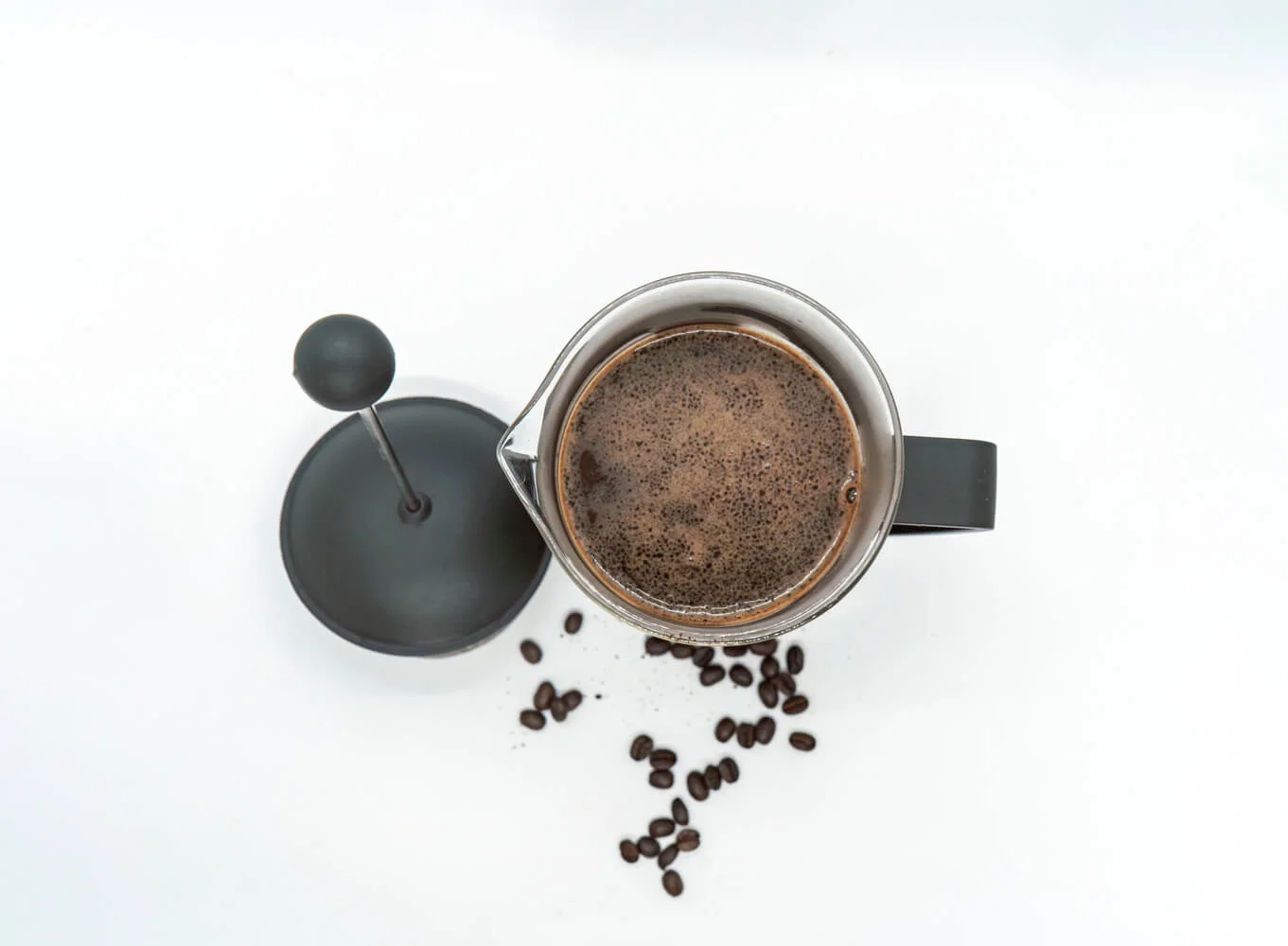
That richer taste is due to the full immersion method, which involves steeping the coffee grounds in hot water within the pot itself.
After a few minutes of steeping, a metal plunger with a fine mesh screen is pushed down to separate the grounds from the coffee. This prolonged immersion of the grounds doesn't filter out the oils and fine particles like a pour over does, but it does create a more intense taste.
Also, because French presses don’t use filters, the coffee tends to have more sediment in the cup.
Pour over coffee vs drip coffee
Let’s take a closer look at the key differences between pour over coffee vs. drip coffee.
| Pour Over | Drip Coffee |
Brewing Process | Manual and requires precision. Hot water is slowly poured over coffee grounds in a paper or metal filter. | Automated and convenient. The drip coffee machine heats the water and pours it over a basket of coffee grounds. |
Flavor | Tends to highlight more nuanced flavors and aromas of the coffee grounds. | Produces a consistent and reliable flavor profile that’s typically more robust than pour over coffee. |
Customizability | Offers a high degree of control over variables like water temperature, pour speed, and extraction time. | Limited customization as the machine controls all the variables of brewing. |
Quantity | Ideal for one to two servings at a time. | Can easily make multiple servings, perfect for larger households or gatherings. |
Brew Time | Takes more time due to the manual process. | Generally quicker due to the automated process. |
Flavor complexity | High (more original flavors of bean) | Medium-to-low as each machine differs in capabilities and performance which impacts the final brew. |
Cleanliness | Easier to clean individual parts and does not require descaling. However, requires careful cleaning of each component. | Enclosed heating and plumbing system which is susceptible to scale and clogging. Less moving parts can make the clean-up easier though. |
Equipment | Gooseneck kettle, grinder, pour over dripper (cone), filters, and carafe. | Auto-drip coffee maker, grinder (optional), and filters. |
Ideal for | Those who enjoy the ritual of brewing coffee and desire control over the process. | Those who value speed, convenience, and consistency. |
Trust Breville for your home brewing needs
Whether you opt for the drip or pour over brewing method, you can create a fantastic cup of coffee by understanding the intricacies of each method and the differences between the two. If you crave speed, consistency, and automated convenience, there’s drip. If, on the other hand, you favor a more methodical, controlled approach that prioritizes taste, there’s pour over.
But what if, instead of debating drip coffee vs. pour over, you could have the best of both worlds?
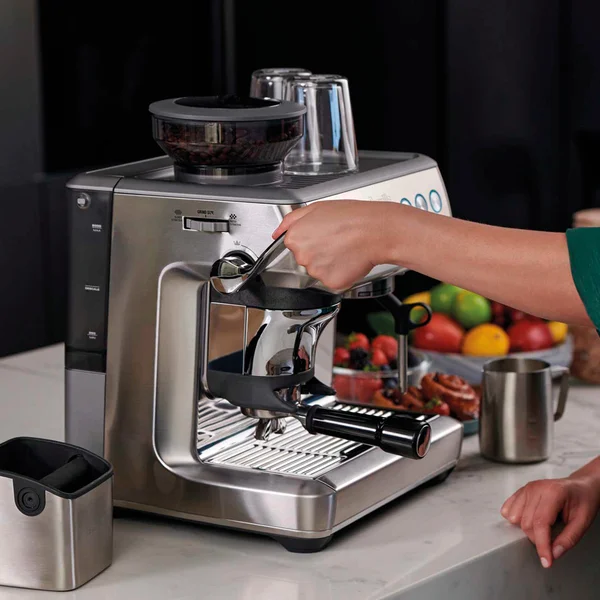
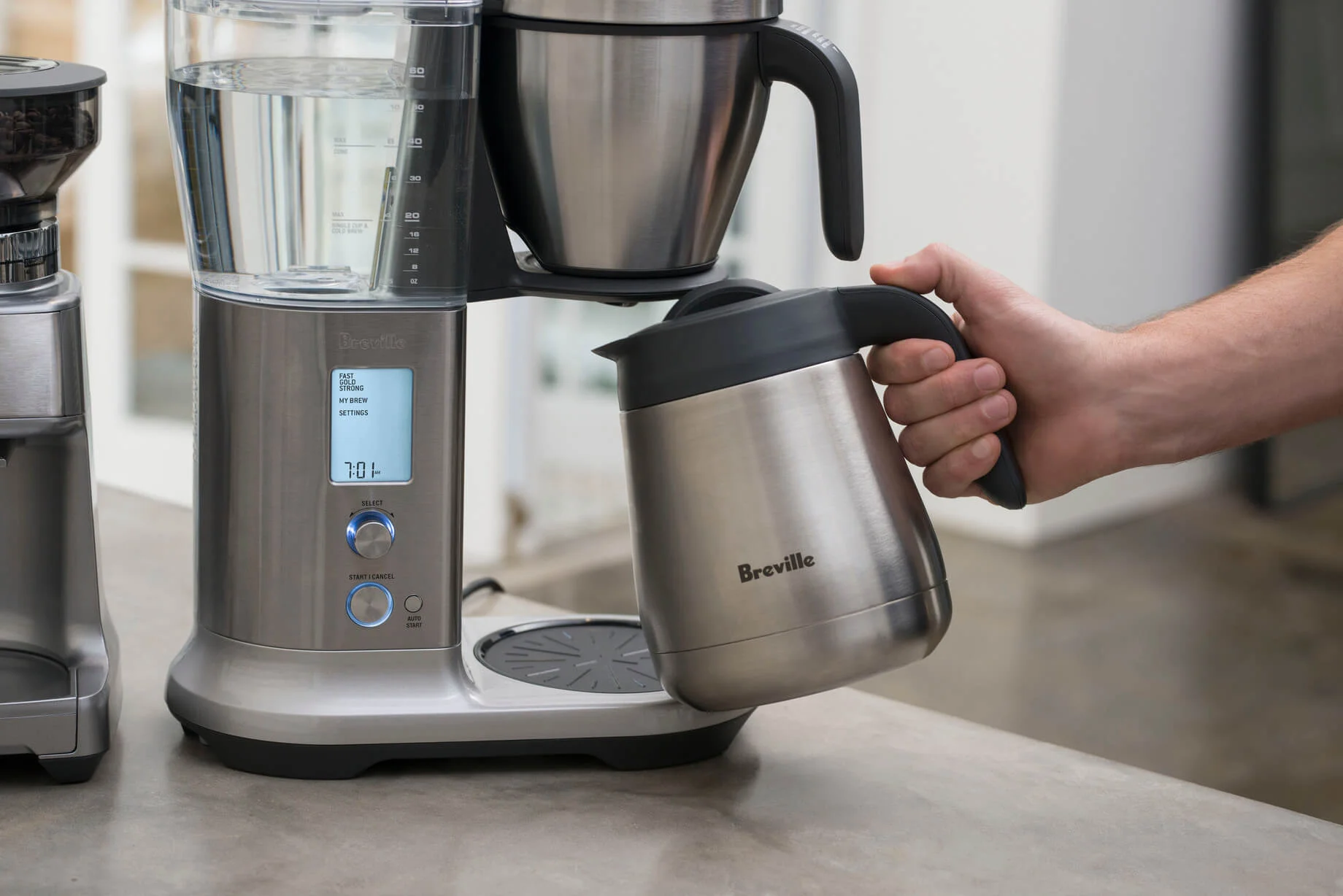
Enter the Breville Precision Brewer Thermal—the world's first 60 oz. drip coffee maker capable of brewing craft filter coffee, automatically. With 6 presets—including fast, gold cup brewing, strong, my brew, pour over, and cold brew—this coffee machine provides the control that so many coffee aficionados crave, including adjustable blew times, precise brewing temperatures, adjustable flow rates, a pour over adapter, and more.
Start your coffee journey with Breville today.
Sources:
1. Statista. Coffee consumption worldwide from 2012/13 to 2020/21. https://www.statista.com/statistics/292595/global-coffee-consumption/
2. National Coffee Association. Coffee consumption hits two-decade high. https://www.ncausa.org/Newsroom/Coffee-consumption-hits-two-decade-high-2022-NCDT
3. Food and Wine. How to Make French Press Coffee, According to Experts. https://www.foodandwine.com/how-to-make-coffee-using-a-french-press-6889978