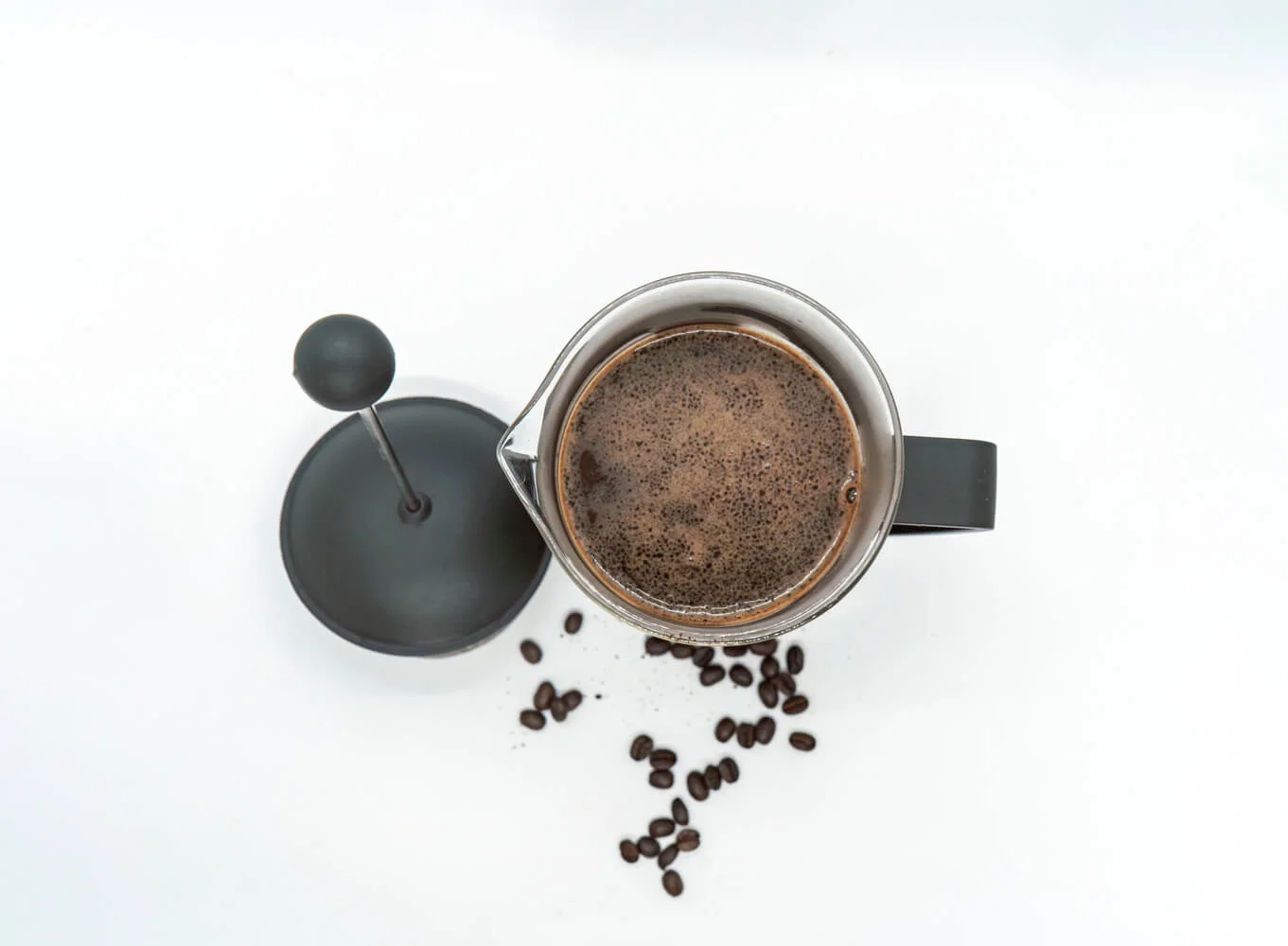
But several factors go into making the perfect cup, including bean type, the roast, grind size, brew time, and the grounds-to-water ratio. With so many variables, it's easy to overlook the importance of coffee brewing temperature. And, yet, it's this precise factor that plays a pivotal role in determining how that cup of coffee will smell and taste.
What exact impact does water temperature have on coffee? And what’s the best temperature to brew coffee?
This guide will show you how water temperature can help unlock the full flavor potential of your coffee beans.
Why does brewing temperature matter?
Just as a gourmet meal requires precisely measured ingredients, careful cooking temperatures, and intentional timing, coffee brewing also demands similar attention to detail, especially regarding water temperatures.
For a standard coffee, hot water makes it possible to turn coffee grounds into a rich, flavorful brew. By pouring hot water over the beans, you can extract the flavors and caffeine. The hot water effectively acts as a solvent, pulling the various oils and chemical compounds from the coffee grounds to create your brew.
But, it’s not enough for the water to be hot. To truly unravel the bean's full potential, your water can't be scalding hot or lukewarm—it has to be optimal based on the type of coffee bean you’re using.
● Too hot – If the water is too hot—typically over 205 degrees Fahrenheit—it can over-extract the coffee, leading to complex and overly strong flavors as the high heat pulls out more of the harsh-tasting compounds, which often mask the subtle flavors and nuanced characteristics of the coffee beans.
● Too cold – Conversely, if the water is too cold—under 195 degrees Fahrenheit), it leads to under-extraction. The result is a weak brew that can taste sour or watery because not enough of the flavorsome compounds have been extracted.
● Just right – For optimal coffee extraction, water temperatures should be between 195 to 205 degrees Fahrenheit. At these temperatures, the hot water dissolves the proper balance of the bean’s flavors, acids, and oils to create a balanced and flavorful cup of coffee.
What is the ideal coffee brewing temperature?
According to the National Coffee Association, the ideal water temperature for brewing coffee is “between 195 to 205 degrees Fahrenheit for optimal coffee extraction. Colder water will result in flat, under-extracted coffee, while water that is too hot will also cause a loss of quality in the taste of the coffee.”
That said, aiming for the higher end of this range is advisable for most home brewers, seeing as the water experiences immediate heat loss once it's poured over the coffee grounds. Then, further heat loss occurs once the coffee is served. However, the extent of this heat loss, and subsequently the right temperature for brewing, can be influenced by several factors
● Extraction method – The brewing method used—such as pour over vs. drip coffee or French press—require varying temperatures of optimal extraction. For instance, pour over brewing will often demand slightly higher temperatures to compensate for the immediate heat loss when water comes into contact with the coffee grounds.
● The coffee container – The type of vessel you prefer to drink coffee out of will impact temperature loss. A thermally insulated coffee container will significantly reduce temperature loss and help keep your coffee hot for longer, whereas a ceramic mug can go cold in a matter of minutes.
● Addition of milk or cream – Adding milk or cream doesn’t just dilute the flavor of the coffee, it can decrease its temperatures significantly. Therefore, if you prefer to have a splash of cream in your coffee, it’s advisable to brew at a slightly higher temperature.
● Beans – The type of coffee bean will impact the ideal brewing temperature. More delicate and complex arabica beans often benefit from a lower brewing temperature (195–200°F), while stronger, more caffeinated Robusta beans can be brewed at a higher temperature (195–200°F) without fear of over-extraction.
● Roast – Different types of coffee roasts can also influence the brewing temperature. Compared to lighter roasts, darker roasts, which have been heated for longer during the roasting process, tend to extract flavors more easily and may require slightly lower brewing temperatures.
See related: What is pour over coffee?
Breville for your home brewing
Water temperature plays a critical role in the formulation of any hot coffee. Understanding and then experimenting with these various factors can help you find the perfect brew temperature for your preferred cup.
But, if you want precise control over brew temperatures, you’ll need the right home brewing equipment.
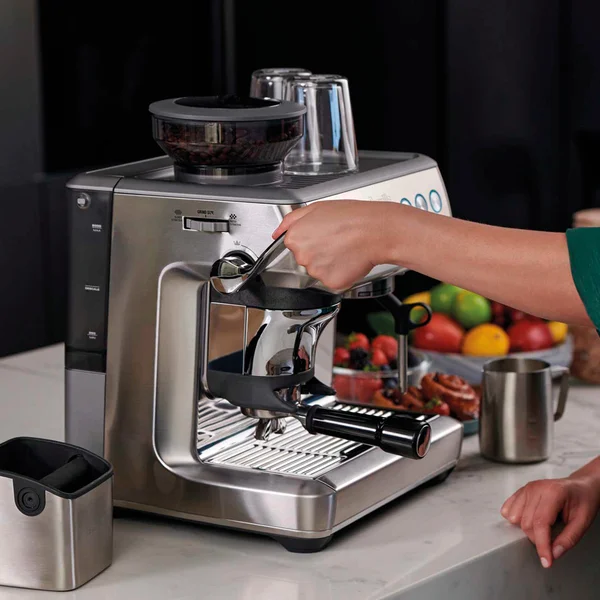
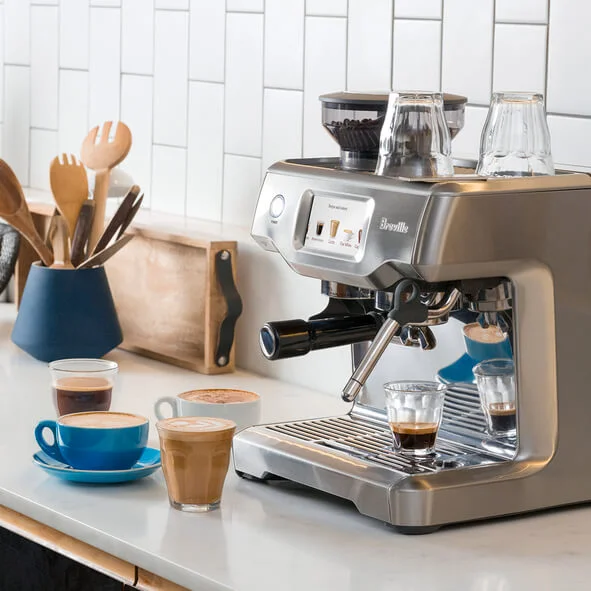
For the budding home brewer, Breville coffee machines and drip coffee makers allow you to enjoy freshly brewed coffee exactly how you like it. Thanks to our Thermacoil heating system with PID control, you can dictate the brew temperature, flow rate, and contact time.
Discover your ideal coffee brewing temperature and try Breville’s kitchen appliances today.
Sources:
1. National Coffee Association. How to Brew Coffee. https://www.ncausa.org/about-coffee/how-to-brew-coffee