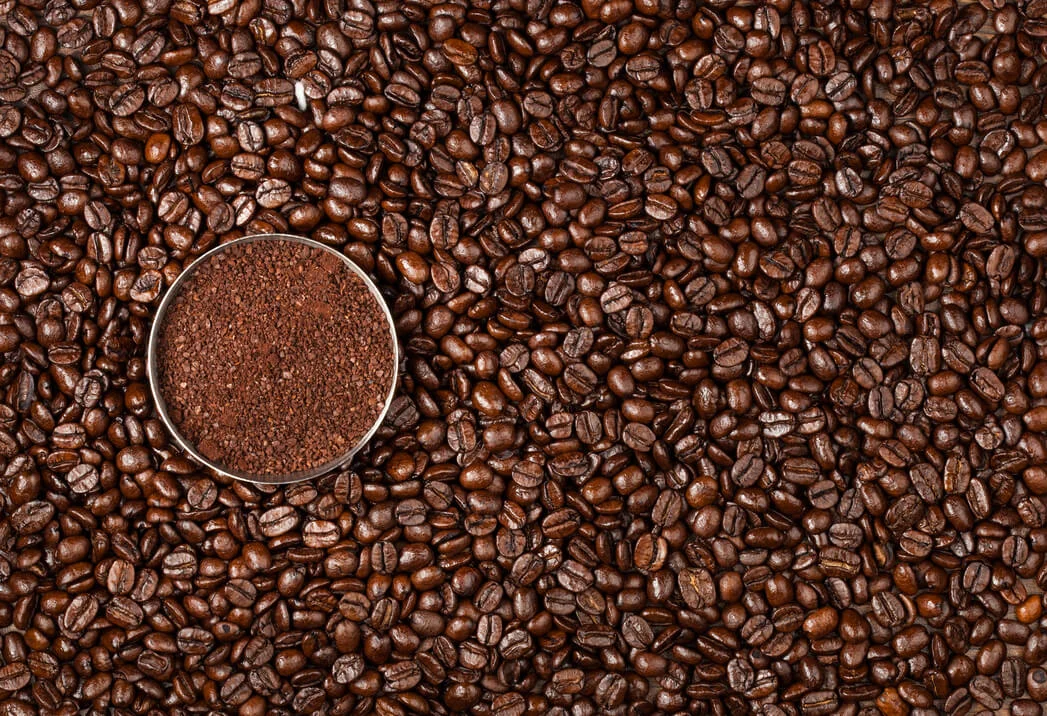
The term "French roast" refers to a roasting method where coffee beans are heated until they reach a dark, near-charcoal hue. This level of roast gives beans a distinct smoky flavor, with tasting notes often resembling dark chocolate or toasted caramel.
What makes this roast so unique? How does it compare to other coffee roast levels? And how to make French roast coffee that truly shines? Join us as we delve into the dark, velvety embrace of this unique brew.
Understanding French roast coffee
Named for the traditional European technique that utilizes a more intensive roasting process, French roast coffee carves its own niche in the coffee continuum. Its extended roasting process is what gives French roast its signature characteristics:
● Appearance – As coffee beans crack a second time from the roasting process, lush oils are drawn from deep within the darkened beans, coating them with a notable sheen.
● Taste – The smooth, smoky flavor profile of French roast offers a unique coffee experience that’s relatively free of fruitiness or acidity.
● Roast level – French roast ranks on the darkest end of roast profiles, just a notch below Italian (the darkest roast) and a step above Vienna.
Ultimately, there are no set guidelines for how to make French roast coffee or other dark roasts. So, when pondering the question of what is French roast versus Italian roast, Spanish, or Vienna roasts, it’s worth noting that these labels are more of a general guide than a strict definition.
How is French roast coffee made?
As with all coffee, the journey from bean to brew for a classic French roast is a multi-step process:
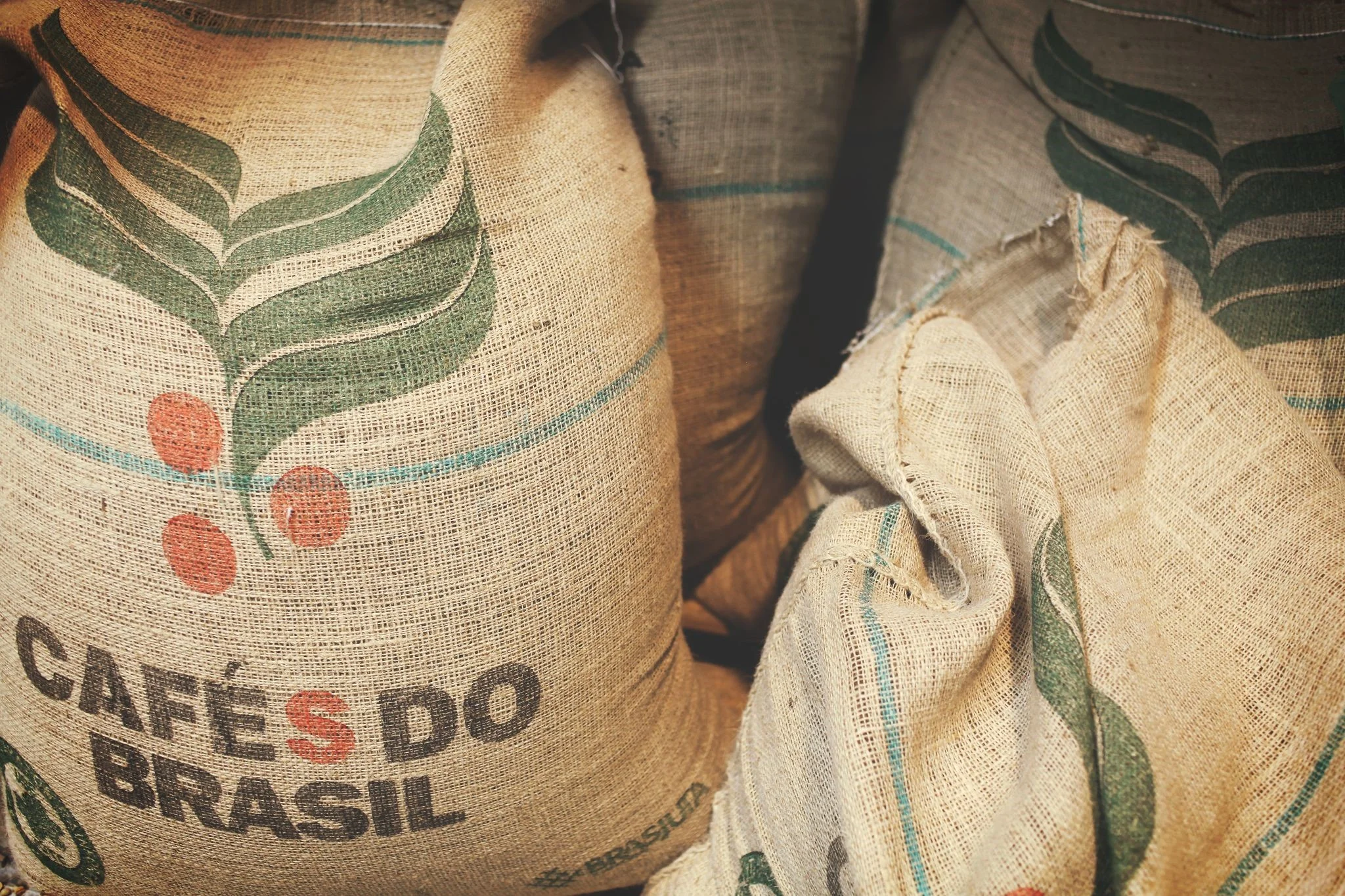
● Sourcing coffee beans – While any bean can technically be French roasted, high-quality, single-source coffee beans are often used to maintain consistency through the intense roasting process.
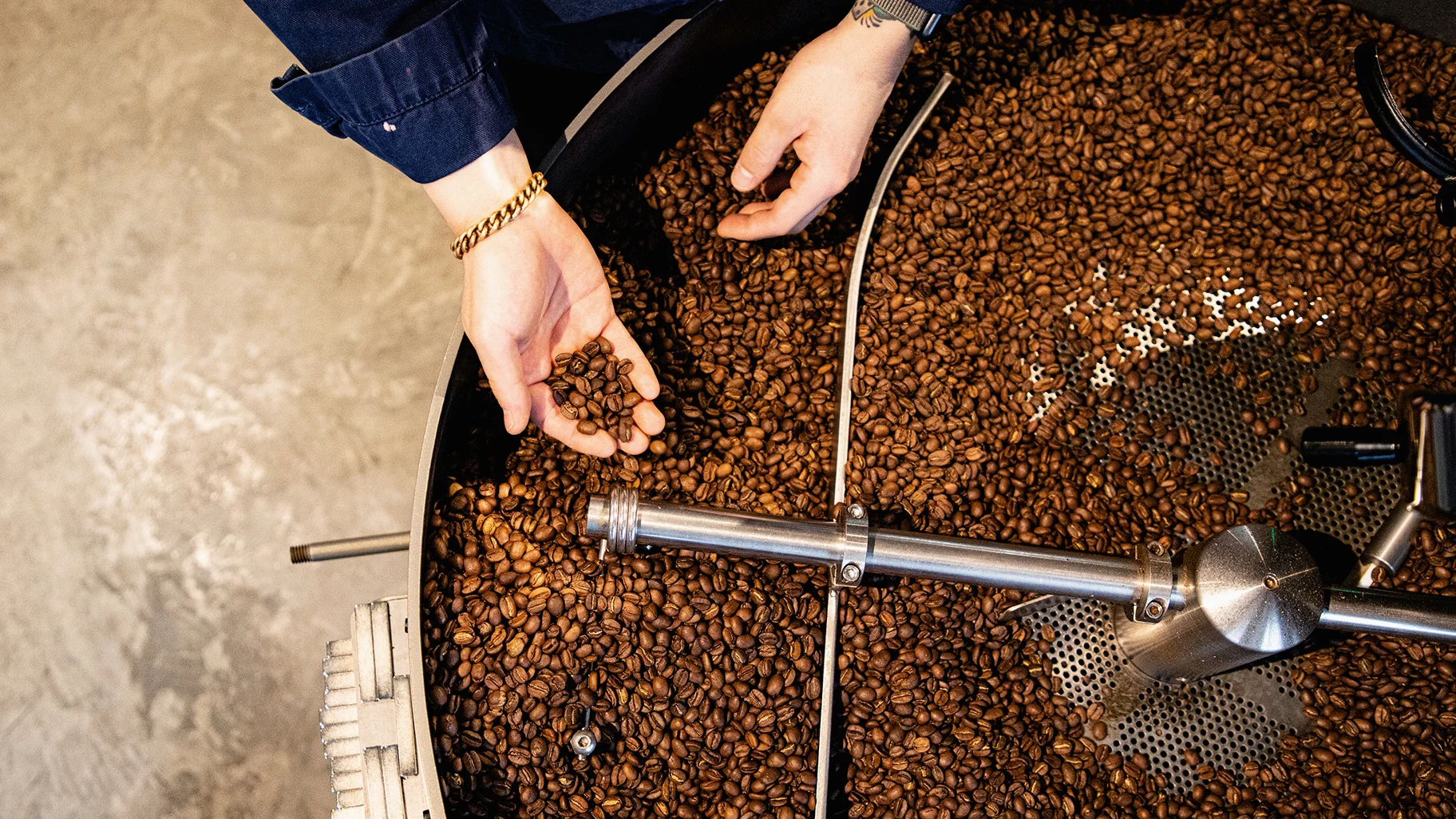
● Roasting – Dark roasts such as French are achieved by heating the beans to temperatures around 400°F (204°C) for approximately 15 minutes.
● Grinding and brewing – The journey culminates when freshly roasted beans are ground to the preferred coarseness and brewed.
This transformative journey from green beans to glossy, dark gems is more art than science. The discerning judgment of a seasoned roaster is the real secret ingredient—ensuring each batch of French roast coffee brings a world of flavor and depth to every cup.
What does French roast coffee taste like?
If you're venturing into the world of dark roasts for the first time, one look at the near-charcoal beans might make you wonder, "Is French roast coffee strong, or just overpowering?”
While the final taste of each cup is determined by both the roaster and the brew method, French roast coffees generally share a few similarities:
● A profile that leans heavily on smokiness, balanced by undercurrents of chocolate or caramel
● Nutty or earthy tasting notes and a slight char in place of any coffee acidity or fruity brightness
● Flavors that are often described as intense and full-bodied, with the occasional touch of complexity
For those looking to explore the deeper, more enigmatic side of coffee, French roast offers an alluring appeal.
How does French roast coffee compare to other roasts?
Whereas lighter types of coffee roasts highlight flavors unique to the bean, French roast coffee brings out flavors unique to the roaster.
As the beans roast longer and hotter, unique chemical reactions craft a coffee unique from its counterparts. Sugars in the beans caramelize. Cellular structures break down. The resulting cup leans naturally sweeter and smokier than other roasts.
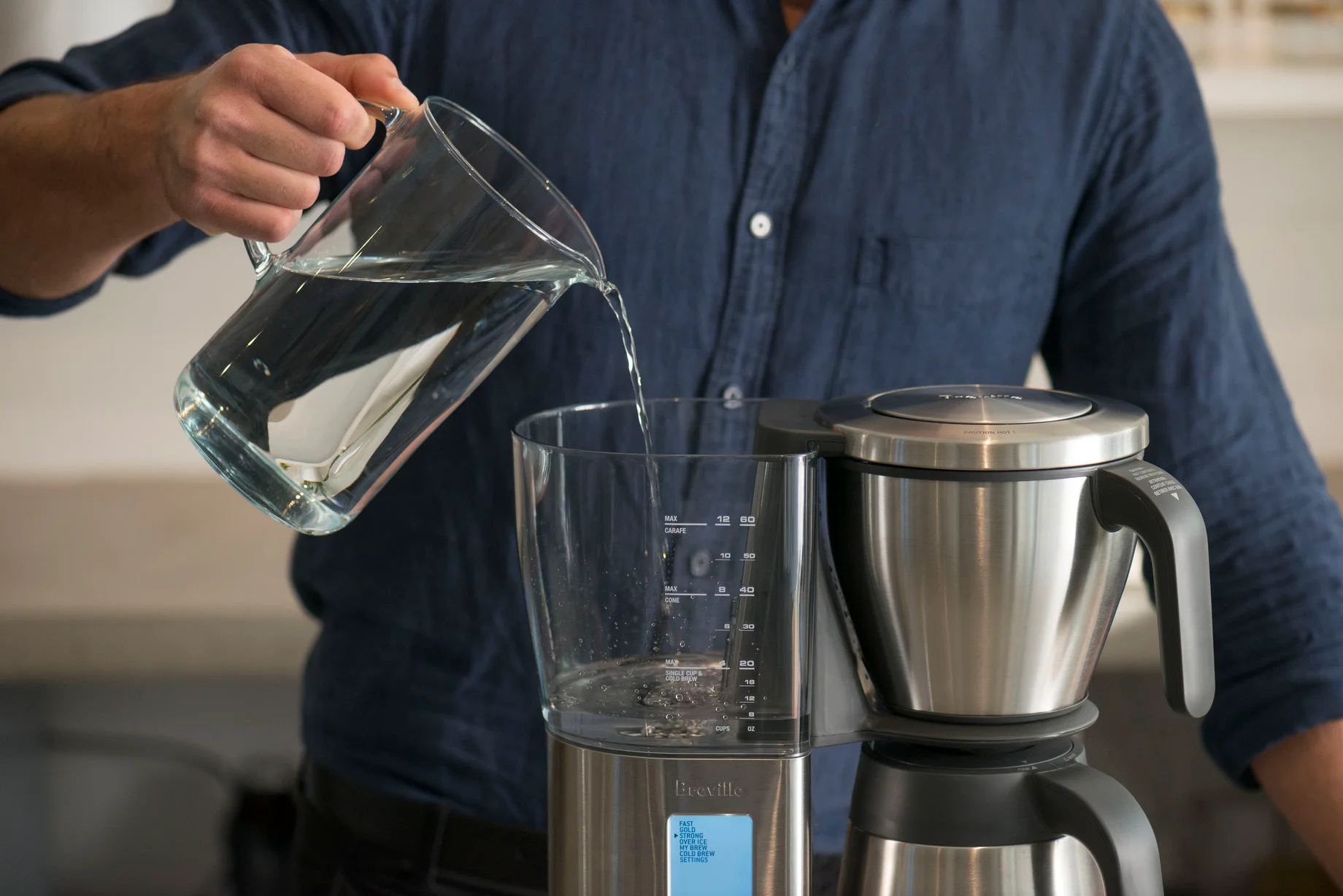
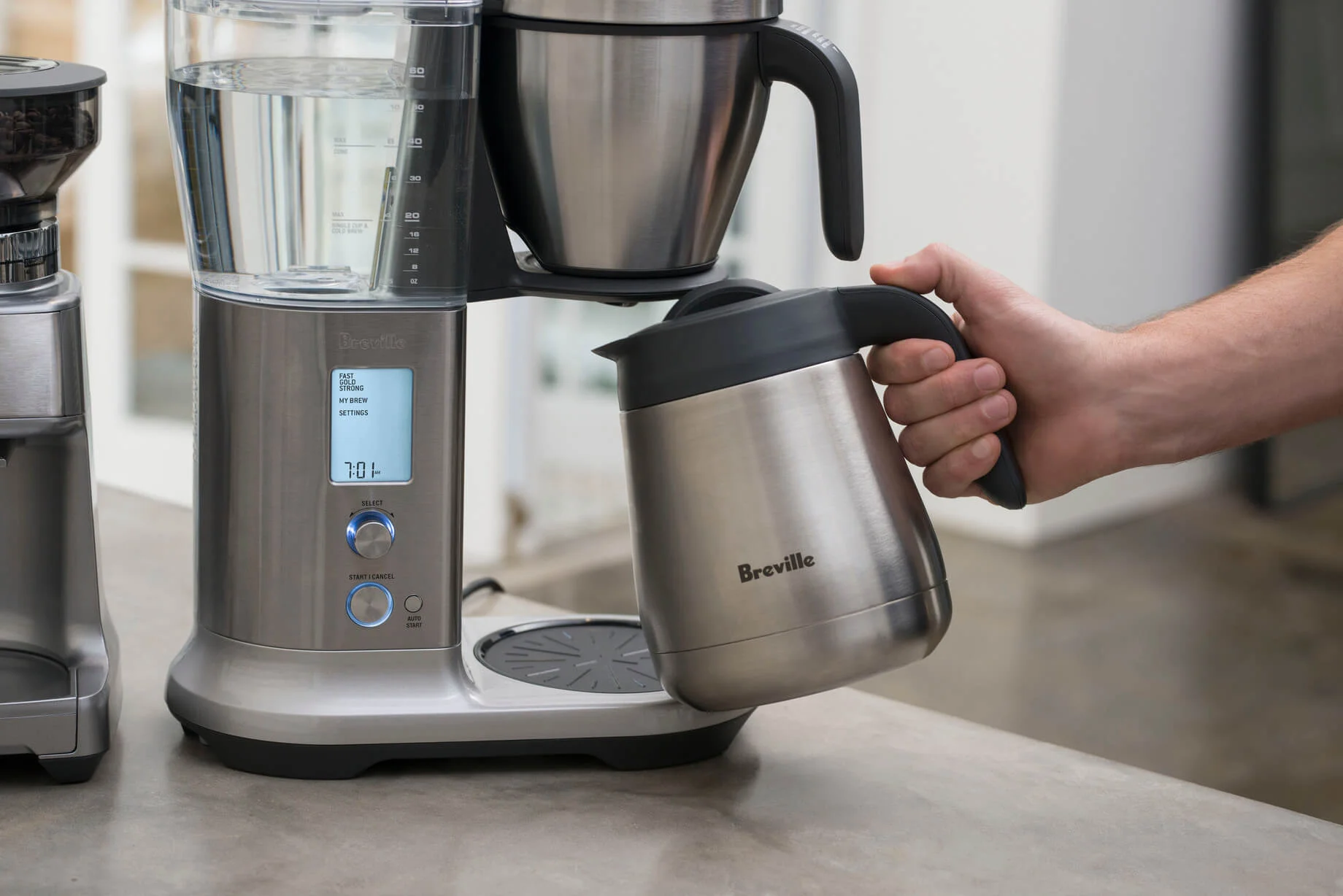
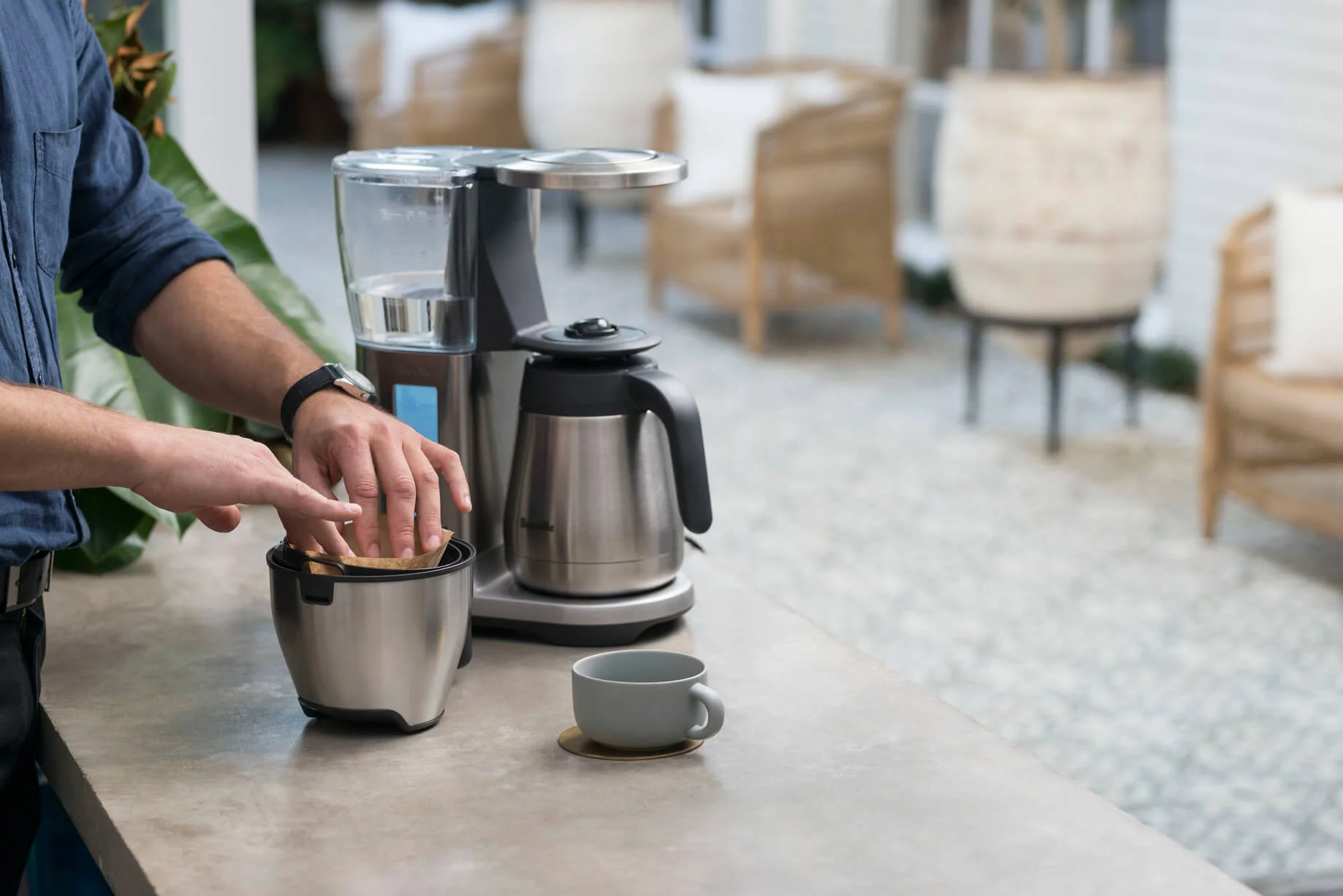
When it comes to how to make French roast coffee, these qualities make it ideal for a variety of brew methods, in addition to your coffee maker:
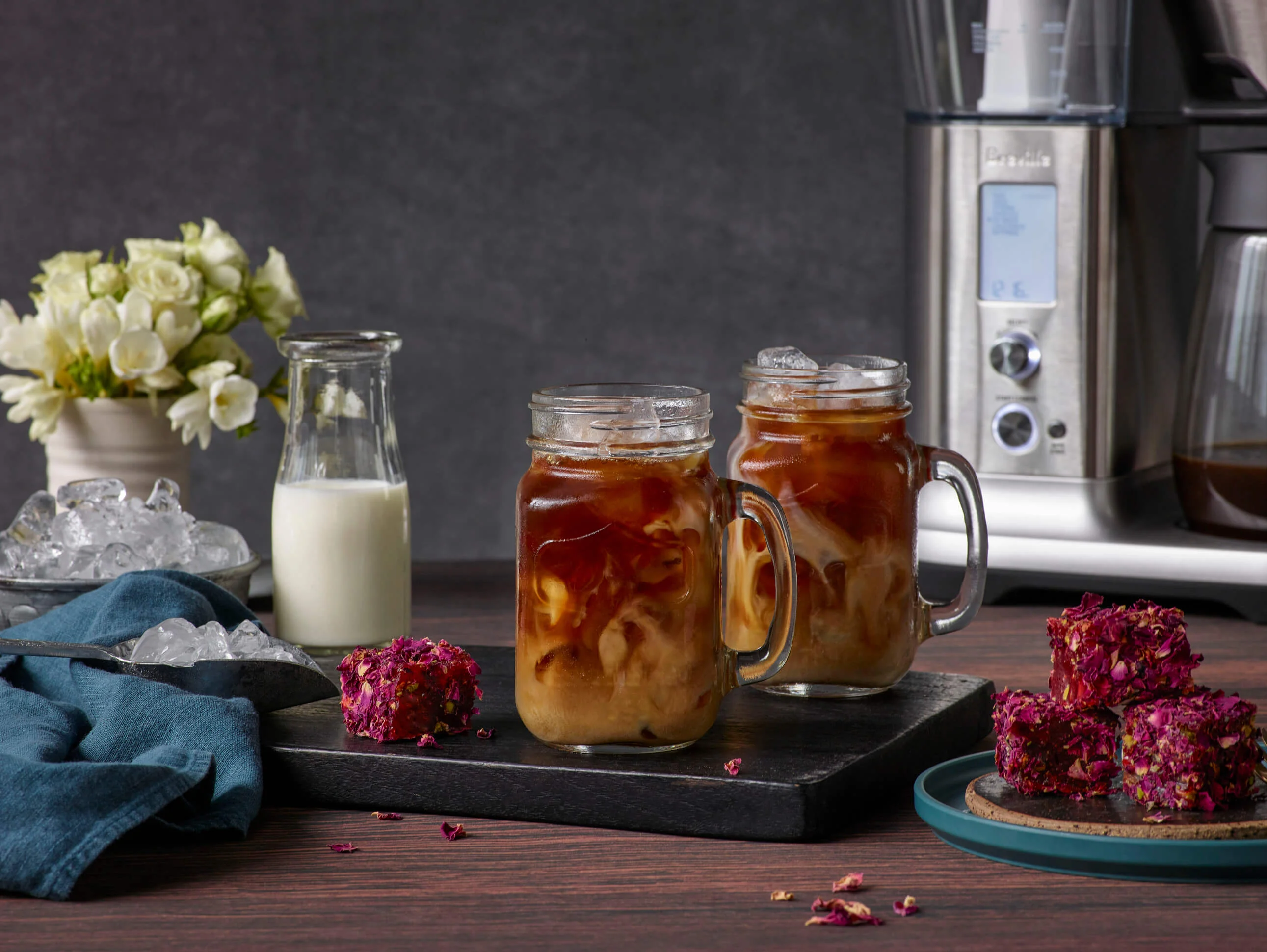
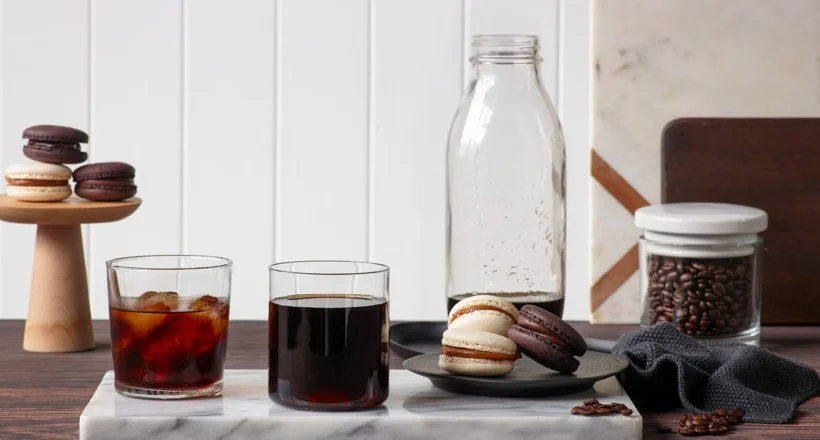
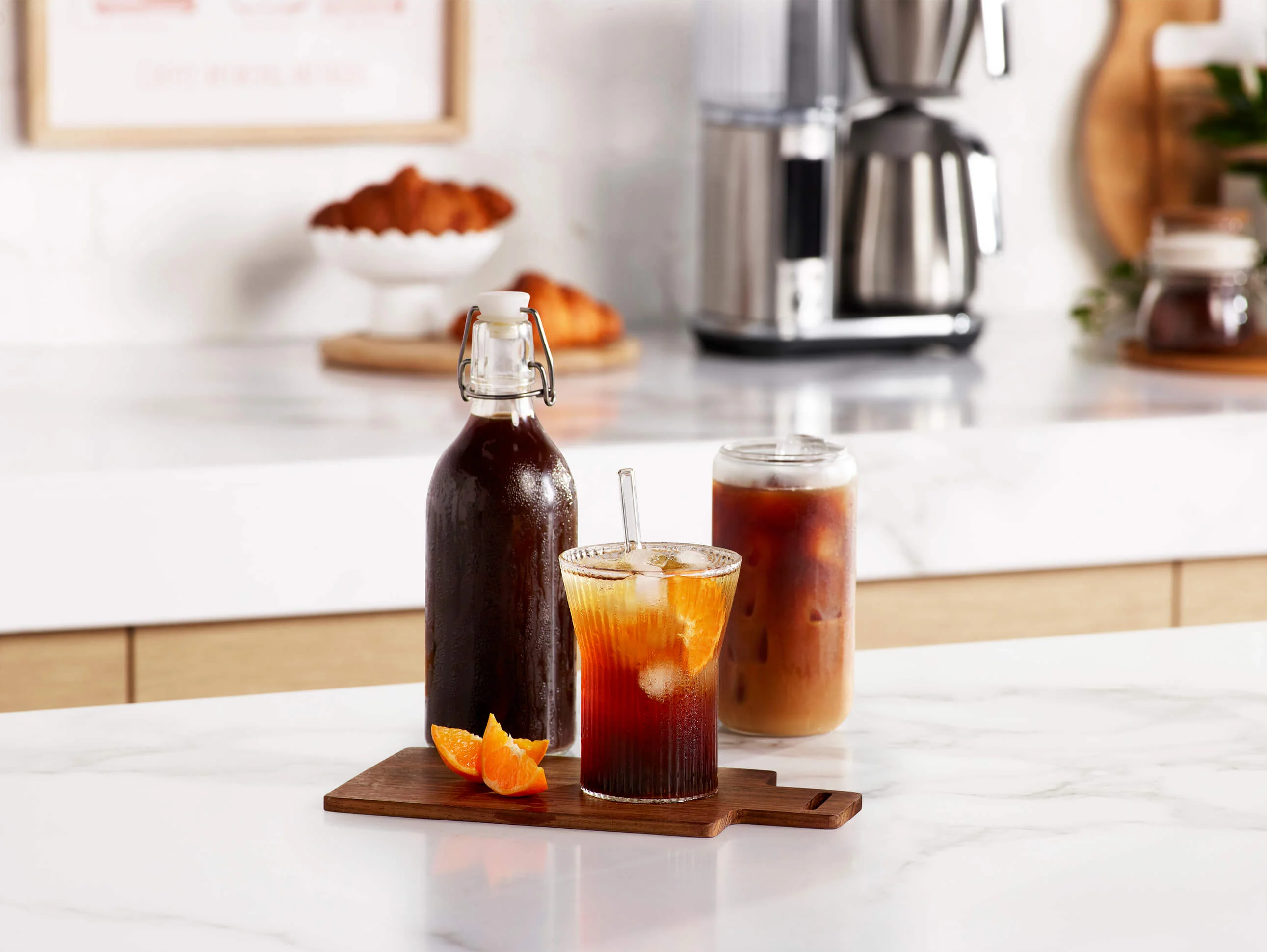
● Cold brew, capitalizing on the dark roast's carbon and chocolate sweetness
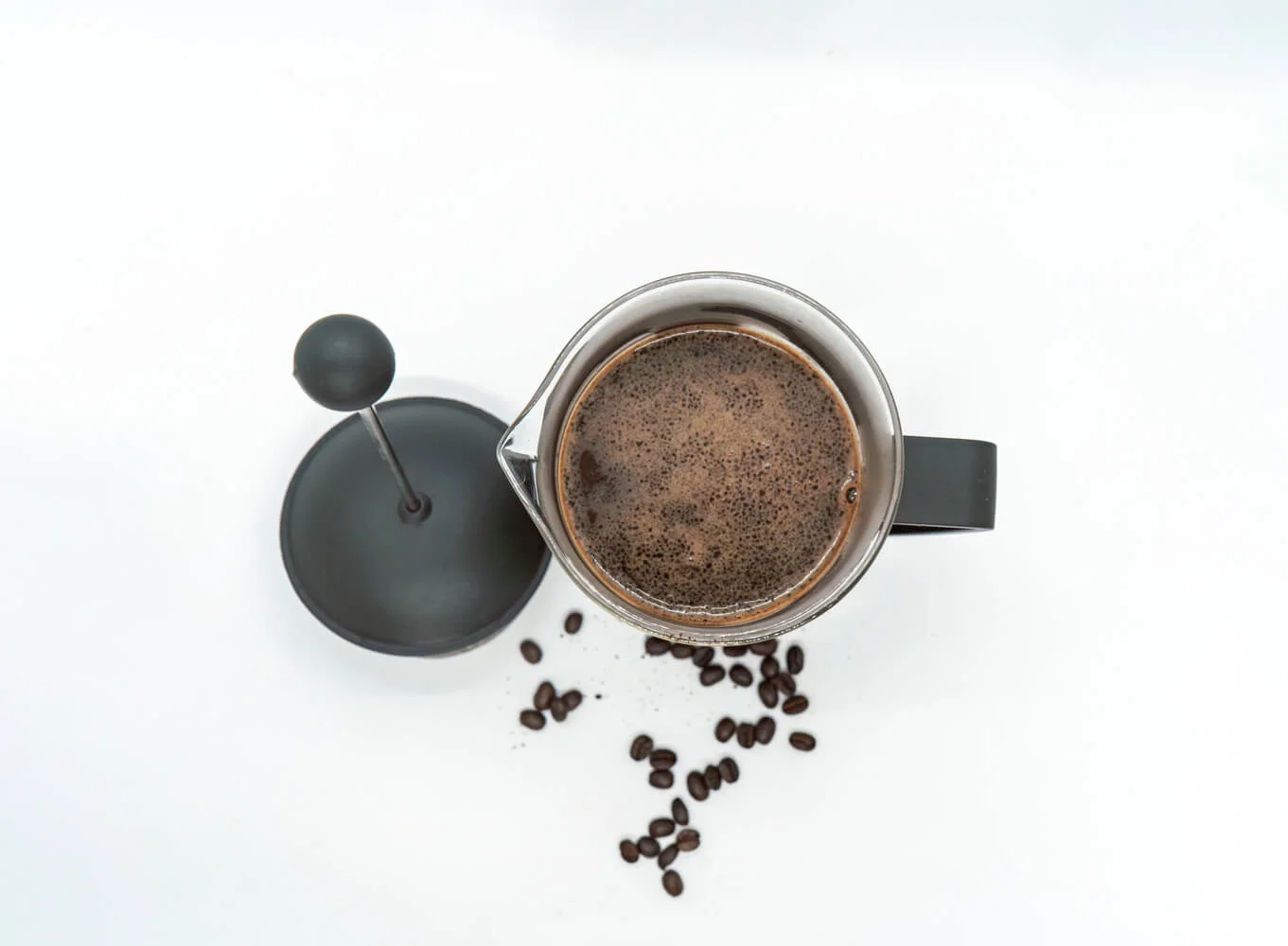
● French press, capturing the beans’ oils for a more decadent richness
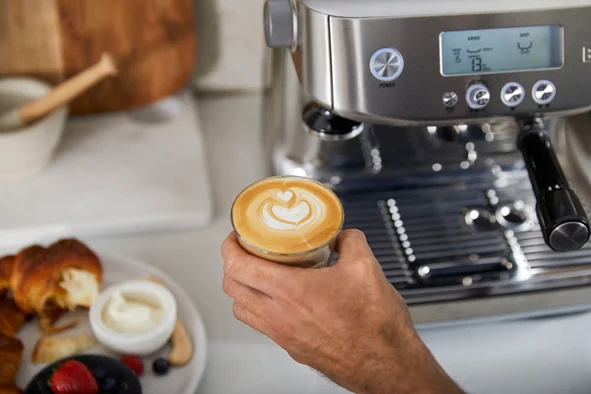
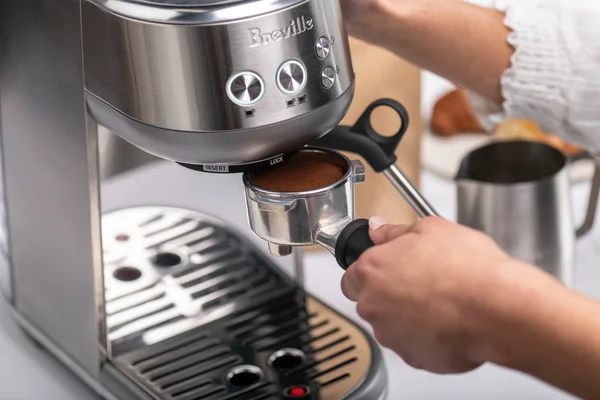
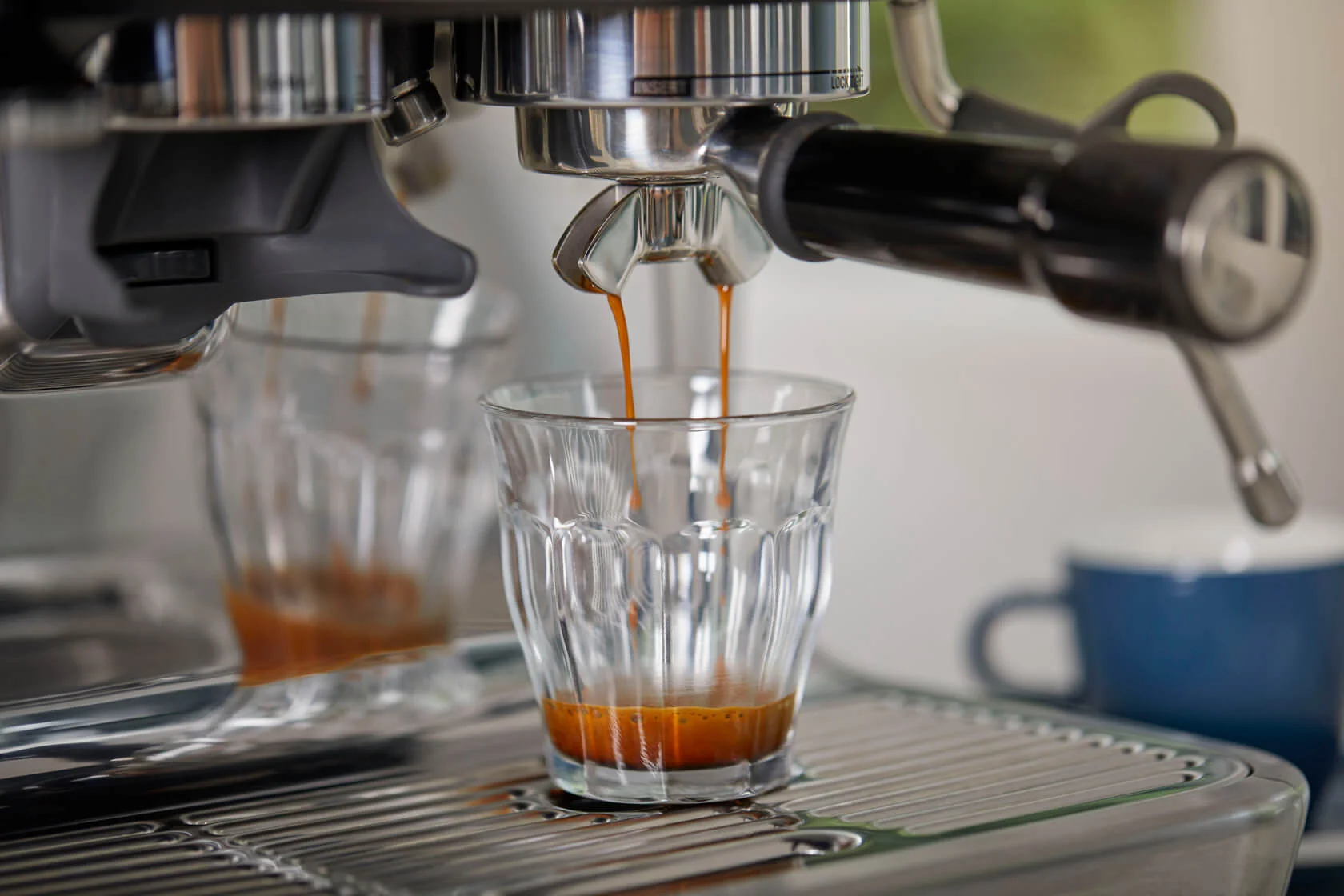
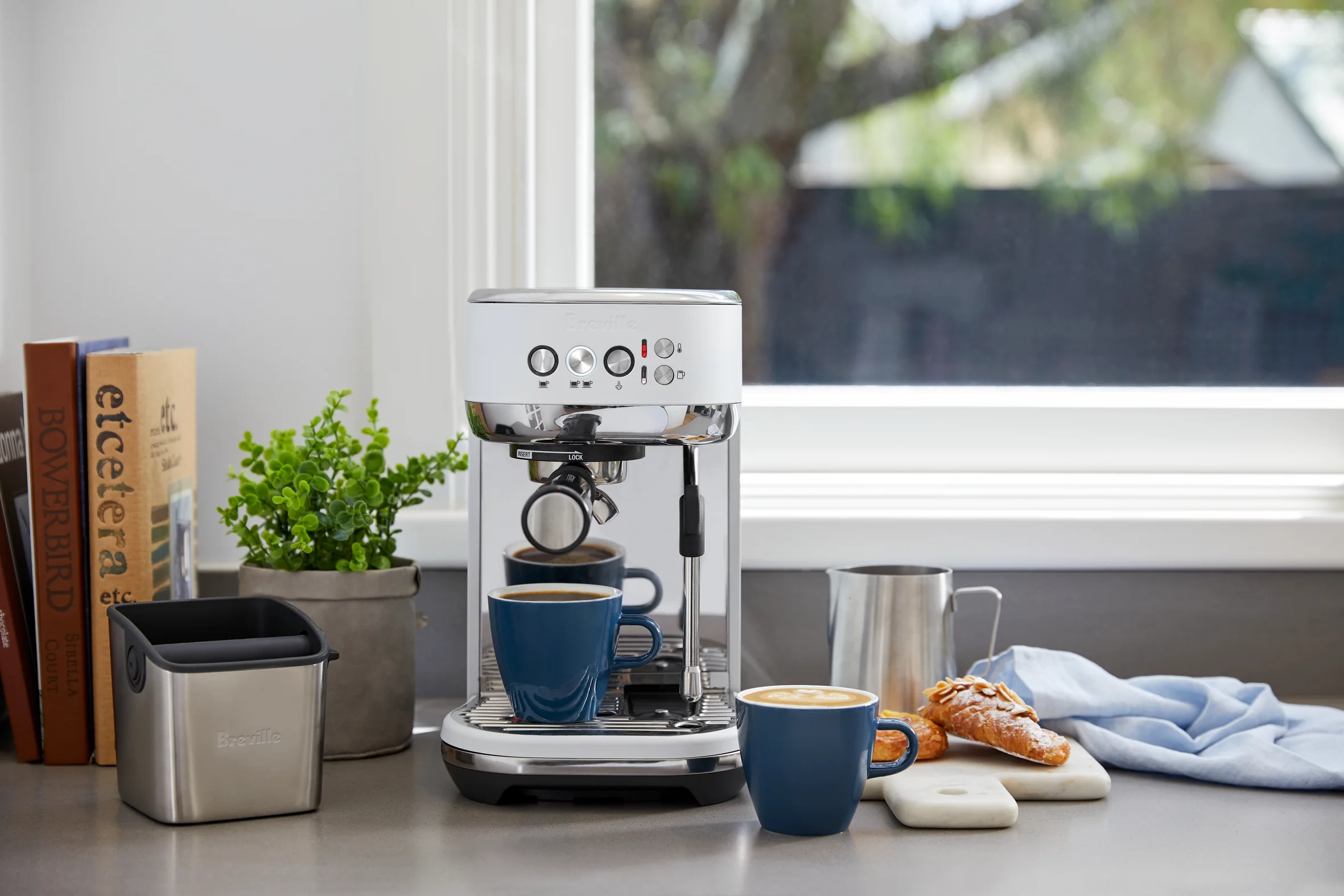
● Espresso machine or moka pot, mellowing out any sharp acidity with toasty, nutty depth
Being a dark roast, the question naturally follows: Is French roast coffee strong? The answer depends on your personal taste.
Do you consider “strong” coffee to be a robust flavor profile, a mouthfeel accented by rich oils extracted from the beans? If so, then a French roast delivers with gusto.
On the other hand, for those seeking a caffeine kick, the real question may be, “Is French roast coffee strong enough to kickstart my day?” In that case, you may want to opt for a light or medium roast.
Interestingly, darker roasts contain less caffeine than their lighter counterparts. This is simply because the longer roasting process whittles away at certain elements of the coffee, such as acid and caffeine content.
Brew Fantastic French Roast at Home with Breville
What is French roast coffee? It’s the distinct roasting process that carves out smoky, caramelized flavors. It’s a bean that's more intense in taste yet less concentrated with caffeine. It’s the spirit of Parisian cafes, carrying on the legacy of countless roasters and baristas alike.
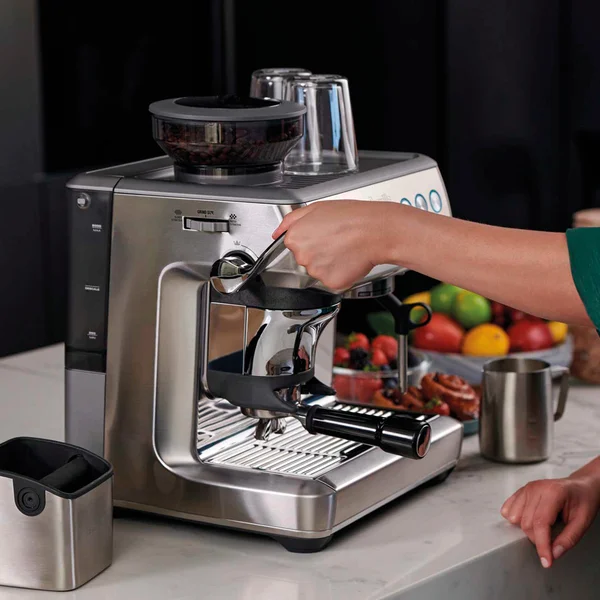
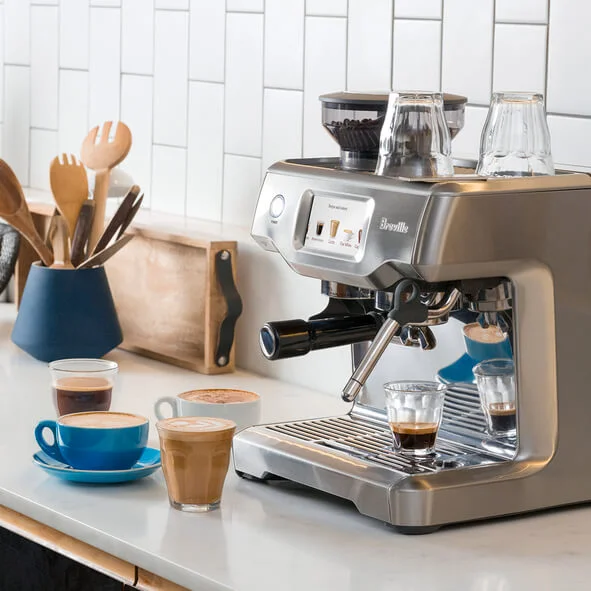
And the next time you long for that cafe escape from the comfort of your kitchen, remember: it’s just a Breville brew away.
Sources:
1. Healthline. Is Dark Roast Coffee Stronger? Caffeine Content and More. https://www.healthline.com/nutrition/dark-roast-coffee-caffeine-and-benefits
2. Homegrounds. What Is French Roast Coffee? https://www.homegrounds.co/what-is-french-roast-coffee/