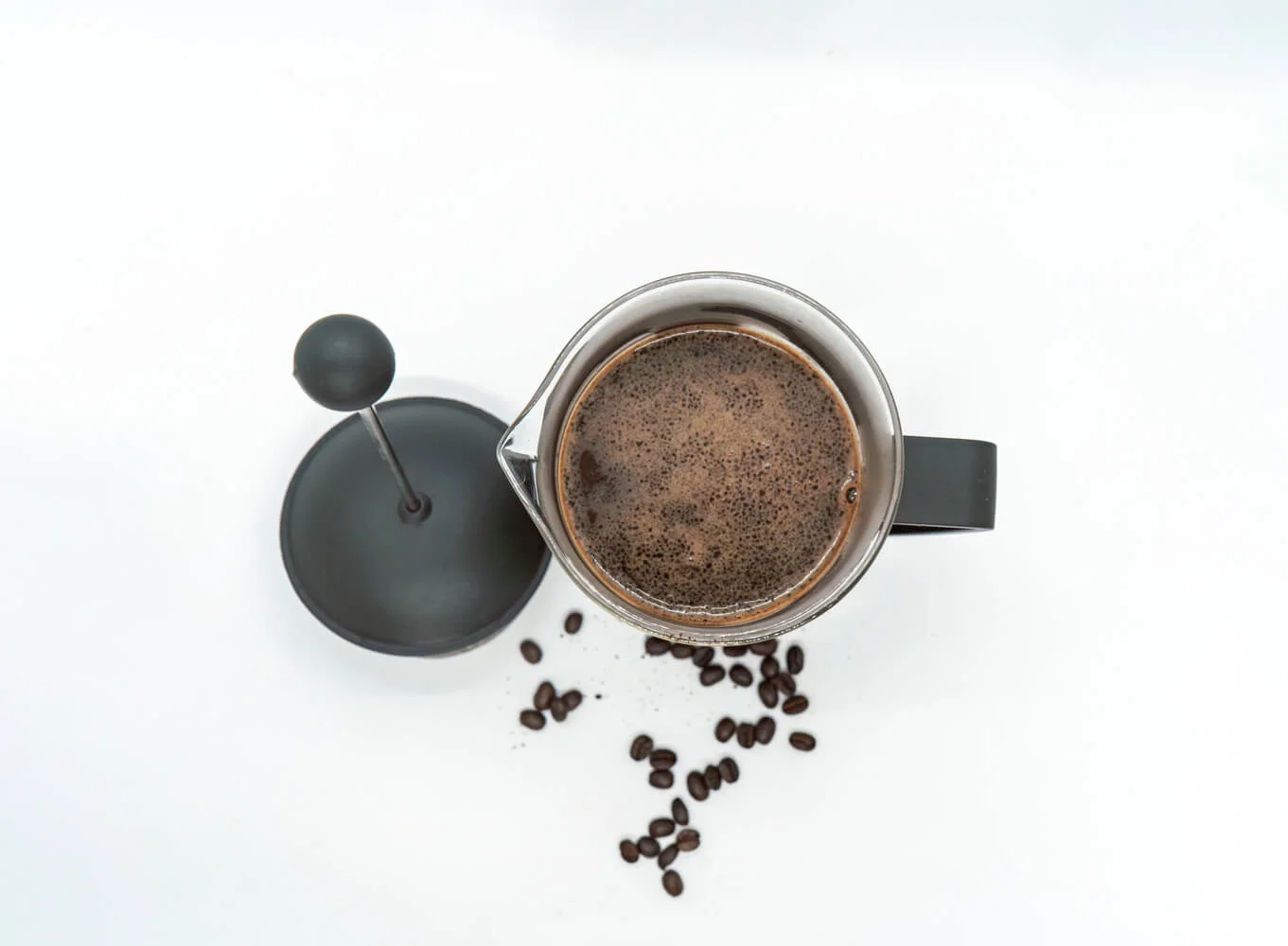
While the two coffee concoctions may look similar at first glance with their rich, dark bodies, the difference lies in their preparation. An Americano is essentially espresso shots tempered with hot water, while drip coffee is made by filtering hot water through coffee grounds.
But there's more to the story of Americano vs. coffee. Dive in to find out which might be the better pick for you.
The origins and history of Americano
The story of the Americano and its association with American soldiers during World War II is a popular one, but, as with many food and drink origin stories, it's difficult to say for certain where and how the Americano truly began.
Here's a rundown of the popular theory, as well as some context regarding its potential development:
● WWII and American soldiers – The most widely-told story is that during World War II, American soldiers stationed in Italy found the local types of espresso drinks to be too strong for their taste. They would dilute the espresso with hot water to create an espresso coffee drink closer to the drip coffee they were used to back home. This creation was then supposedly named "Caffe Americano," or "American coffee.”
● Pre-WWII origins – While the above narrative is popular, it's worth noting that diluting the espresso drink with hot water wasn't a new concept—even before the war. There have been various ways of making coffee throughout history that involve adding water to a concentrated coffee base.
● Seattle and modern coffee culture – Other theories point to Seattle as the true birthplace of the Americano. But it’s important to differentiate between the origin of the Americano and its popularization. Seattle, often associated with the rise of Starbucks and third-wave coffee shop culture, did play a key role in popularizing many drinks, including the Americano. However, it's unlikely that it was actually developed there.
So while the exact origins of the Americano are not definitive, the association with American soldiers in Italy during WWII remains a prominent theory. Whether 100% accurate or partly legend, it's now an inseparable part of the drink's lore.
As with many culinary histories, the true roots may be a mix of influences, historical events, and evolving tastes over time.
Brewing process: Americano vs. coffee
Navigating the brewing processes of the Americano vs. black coffee reveals distinct methodologies that give each its unique flavor profiles.
Join us as we break down each process, and guide you on perfecting them in the comfort of your home. By the end, you might just discover a new favorite between an Americano vs. drip coffee.
Brewing the Americano: A symphony of intensity
While some consider the Americano a diluted espresso, such a description doesn’t fully capture the depth of its preparation.
It is true that an Americano is deceptively simple for its quality, yet there’s more to the harmony between coffee and water than you might expect at first glance. Here are tips on how to make an Americano:
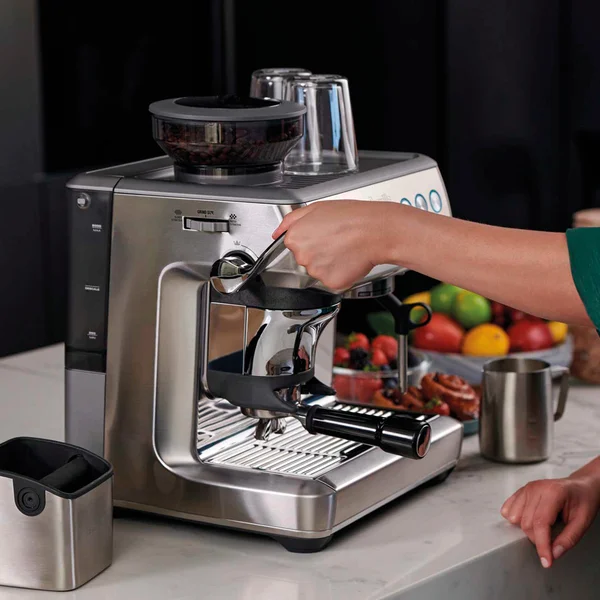
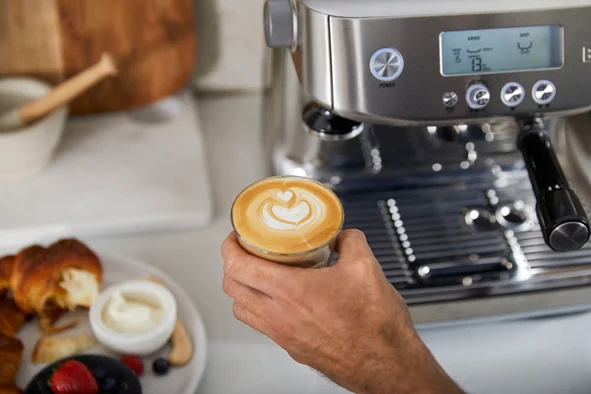
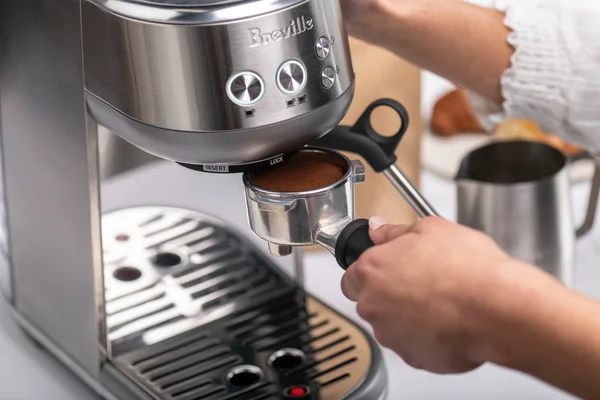
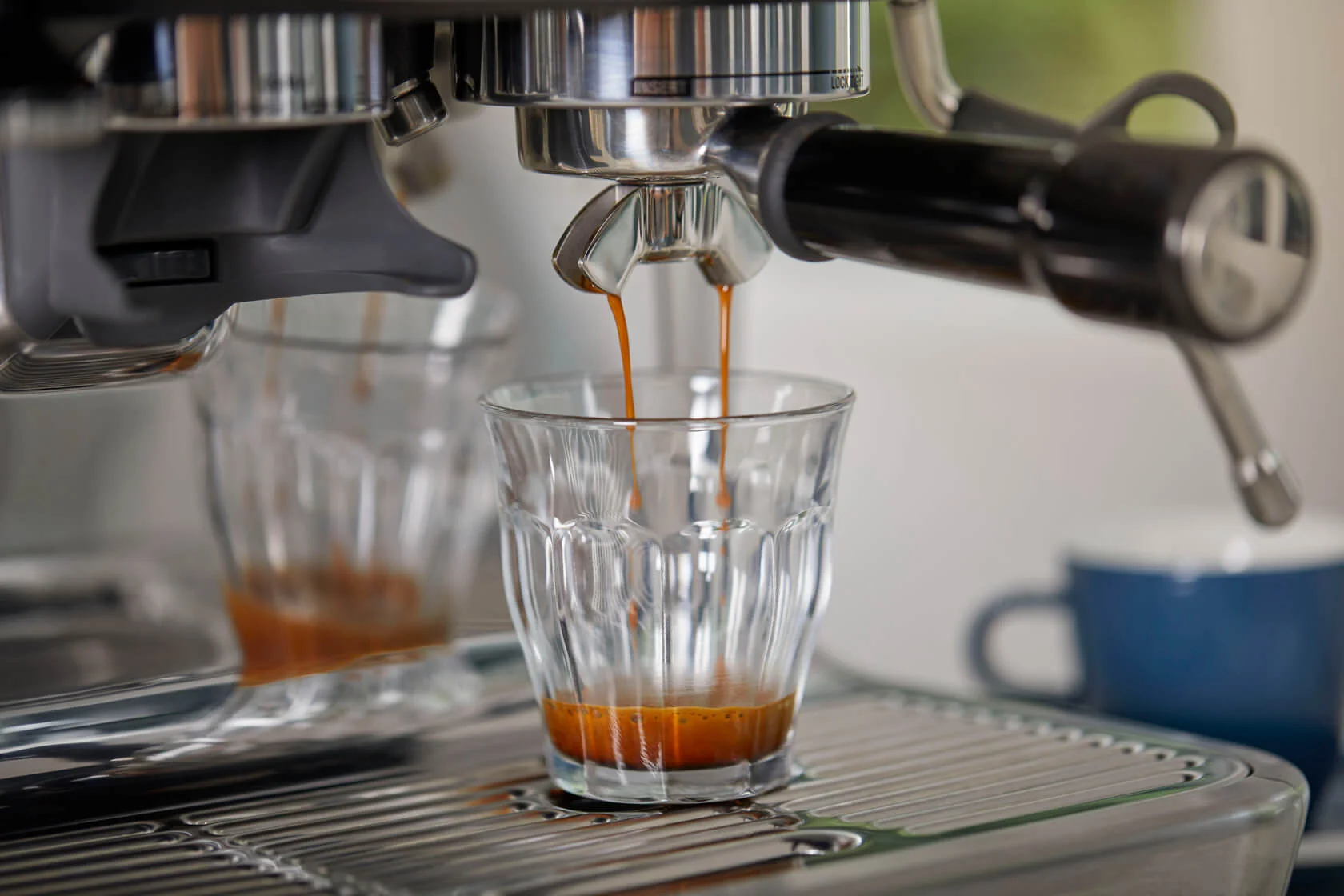
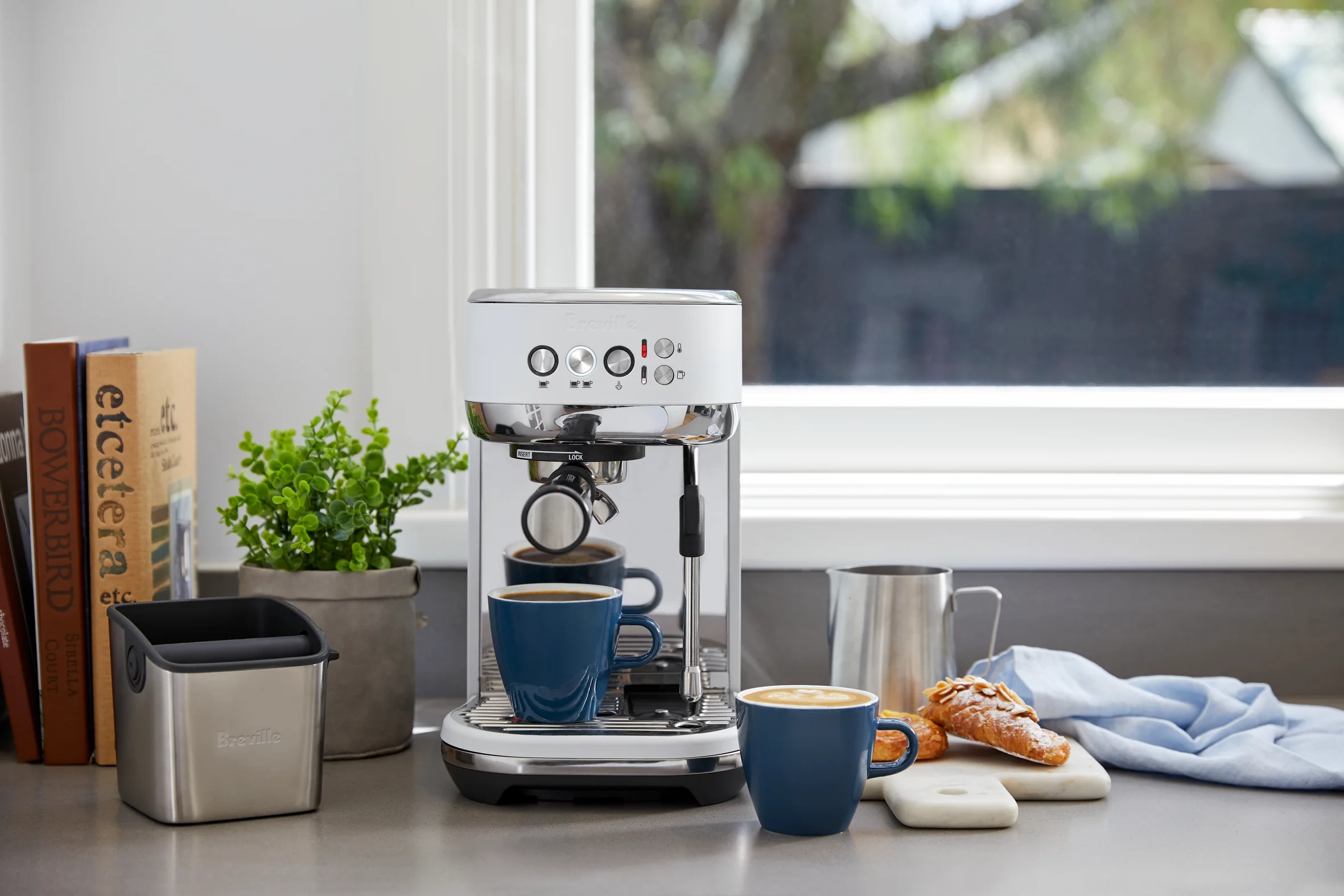
● Espresso base – At its core, an Americano is built on a robust espresso, brewed using a specialized espresso machine designed to extract the most intense and concentrated flavors from coffee beans.
● Hot water fusion – Rather than diluting espresso's power, a quick pour of fresh, filtered hot water expands its profile. The layering technique used in an Americano ensures that the taste evolves as you drink, letting you experience varying degrees of richness.
Armed with just espresso and water, the Americano allows for versatile adjustments. Tweaking the espresso-to-water ratio lets you play maestro, orchestrating a perfect balance of intensity and flavor with every cup.
Making an Americano at home? It's an art within reach if you have the right tools. Here's a quick beginner's guide:
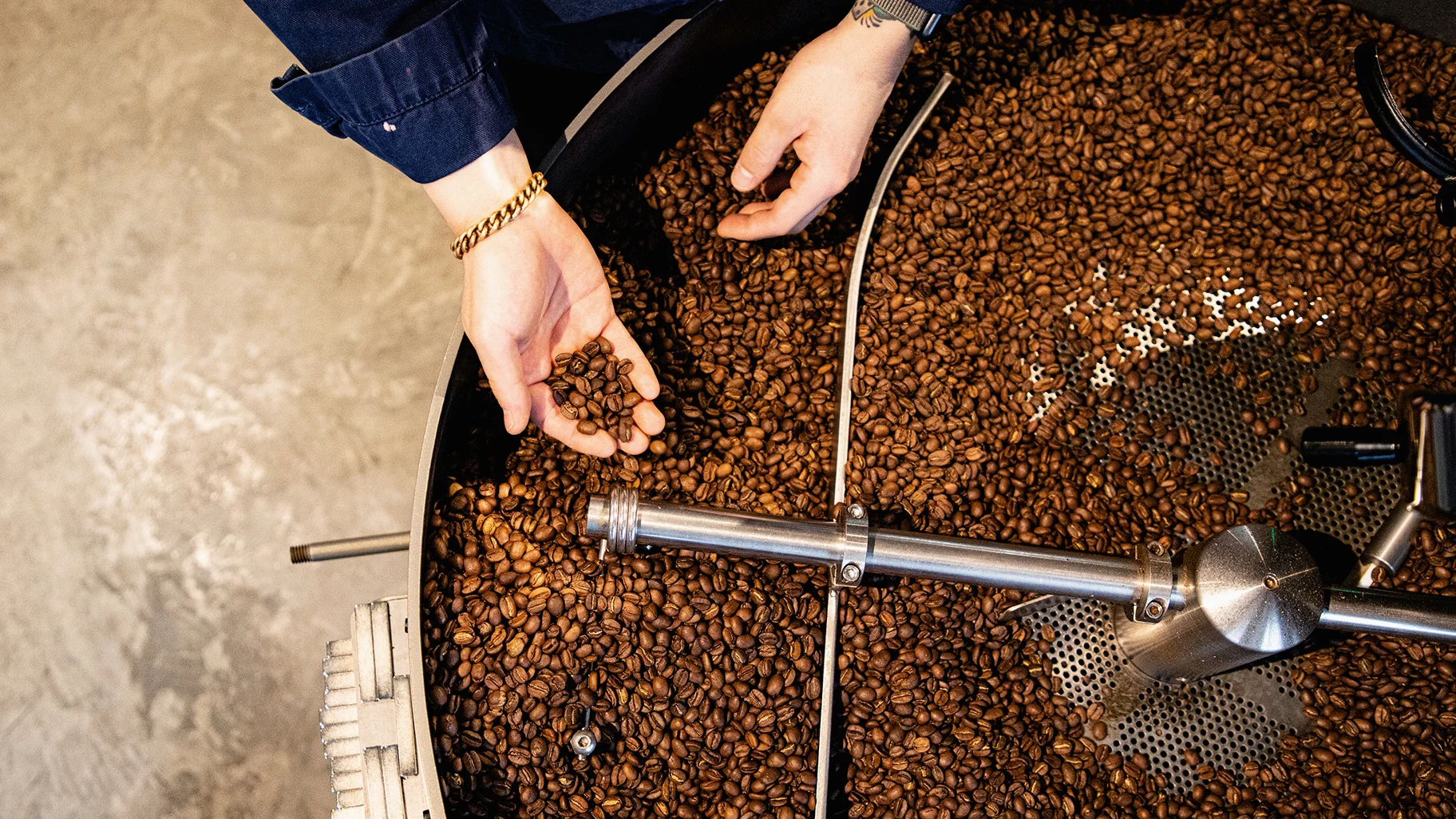
● Select and grind fresh beans - The soul of a great Americano is its espresso, and this begins with your bean choice. One preferred choice is the espresso roast, often a blend of premium Arabica complemented by the caffeine-rich Robusta.
● Prepare your ratios - Traditionally, an Americano boasts one or two espresso shots paired with 6 ounces of hot water. While this offers a starting point, it's the adjustments made to cater to personal tastes that craft a signature brew.
● Brew and pour - After heating the water and pulling your espresso shot(s), carefully pour the hot water atop the espresso. An ideal pour will maintain a thin layer of the espresso’s golden crema to crown your finished Americano.
While this is the basic recipe, experimentation can lead to new flavor profiles. Fancy an iced Americano? Use cold water and ice. For those craving a caffeine boost, sub out the hot water with fresh-brewed black coffee to craft a potent "red eye.”
Brewing regular coffee: The cafe classic
The brewing process for your typical morning coffee, also known as drip coffee, holds its unique place in the broader Americano vs. coffee conversation. Here's an exploration of what sets drip coffee apart:
● Brewing method – Drip coffee is made using a coffee maker or similar methods (like pour-over, French press, etc.). Hot water is poured over medium to coarsely ground coffee and allowed to steep or drip through at its own pace without the high pressure of an espresso machine.
● Composition – The water-to-coffee ratio in drip coffee is much larger than in the espresso that makes up an Americano. This means that the resulting pot of drip coffee is brewed to a less concentrated state, and generally with greater volume overall.
In essence, while an Americano involves cutting a concentrated shot of espresso to mimic the strength and volume of regular coffee, drip coffee is crafted to its intended potency and flavor right from the get-go.
Eager to learn how to drink drip coffee that you love from home? The brewing method you embrace will determine your experience. Here's a brief on some popular techniques:
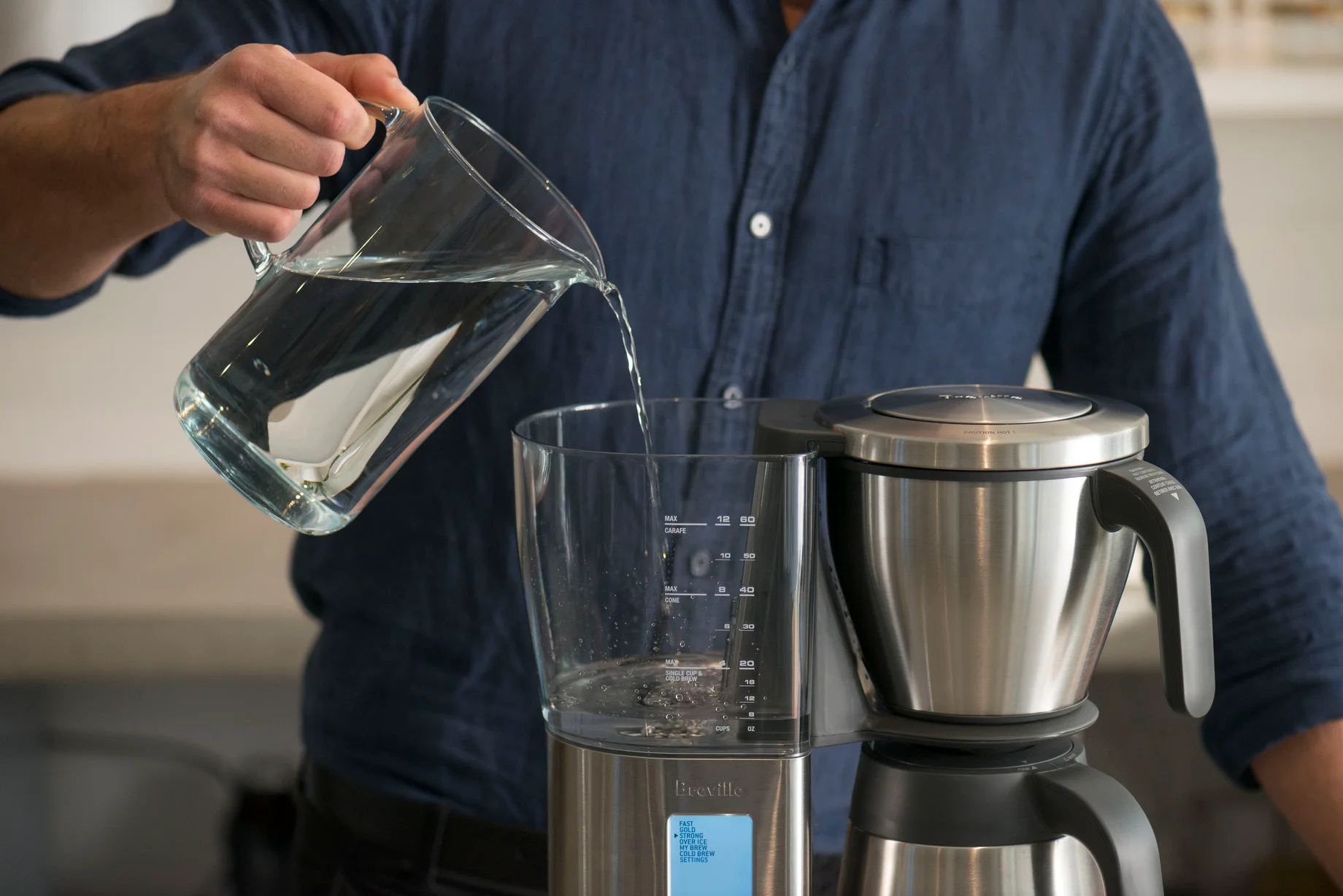
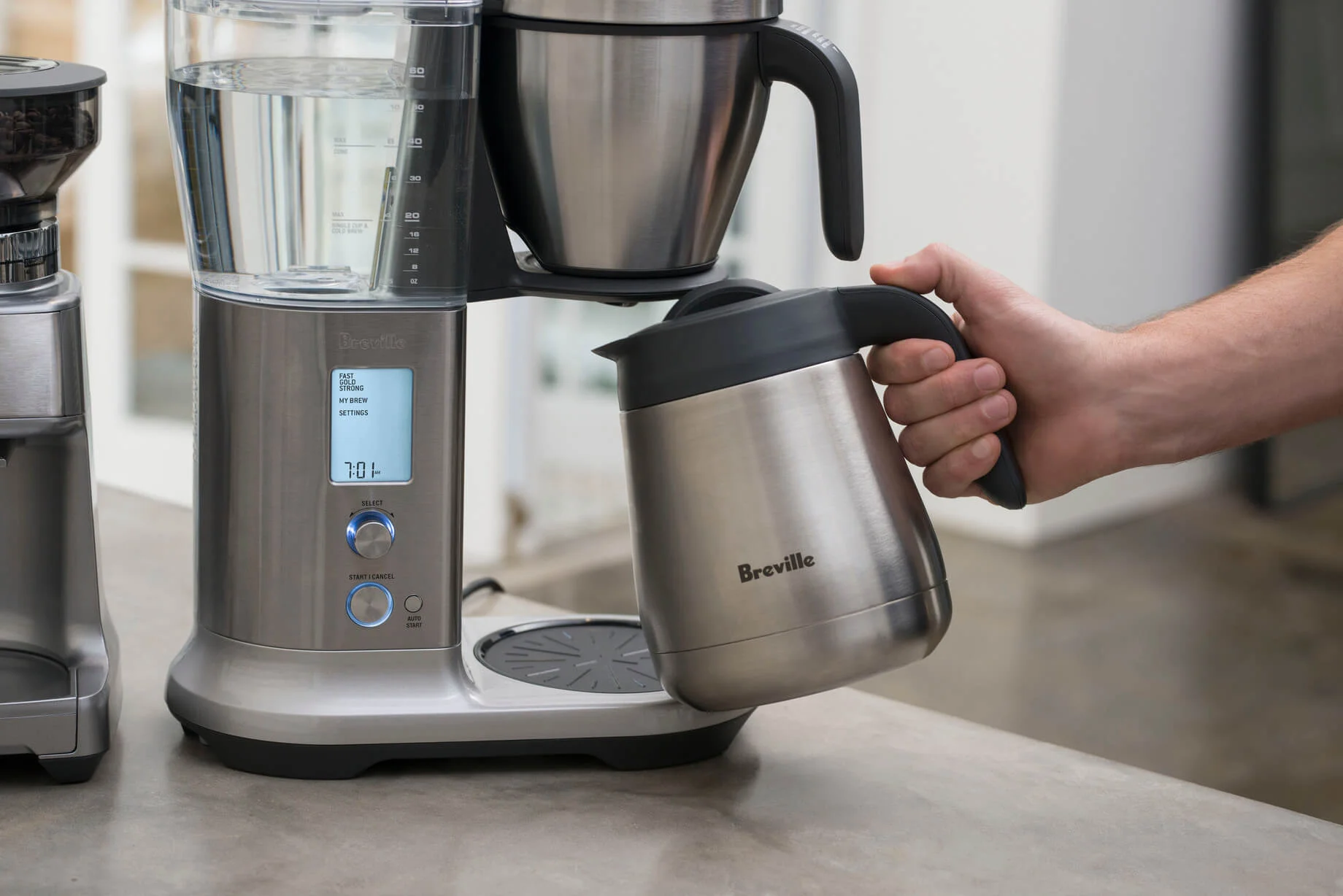
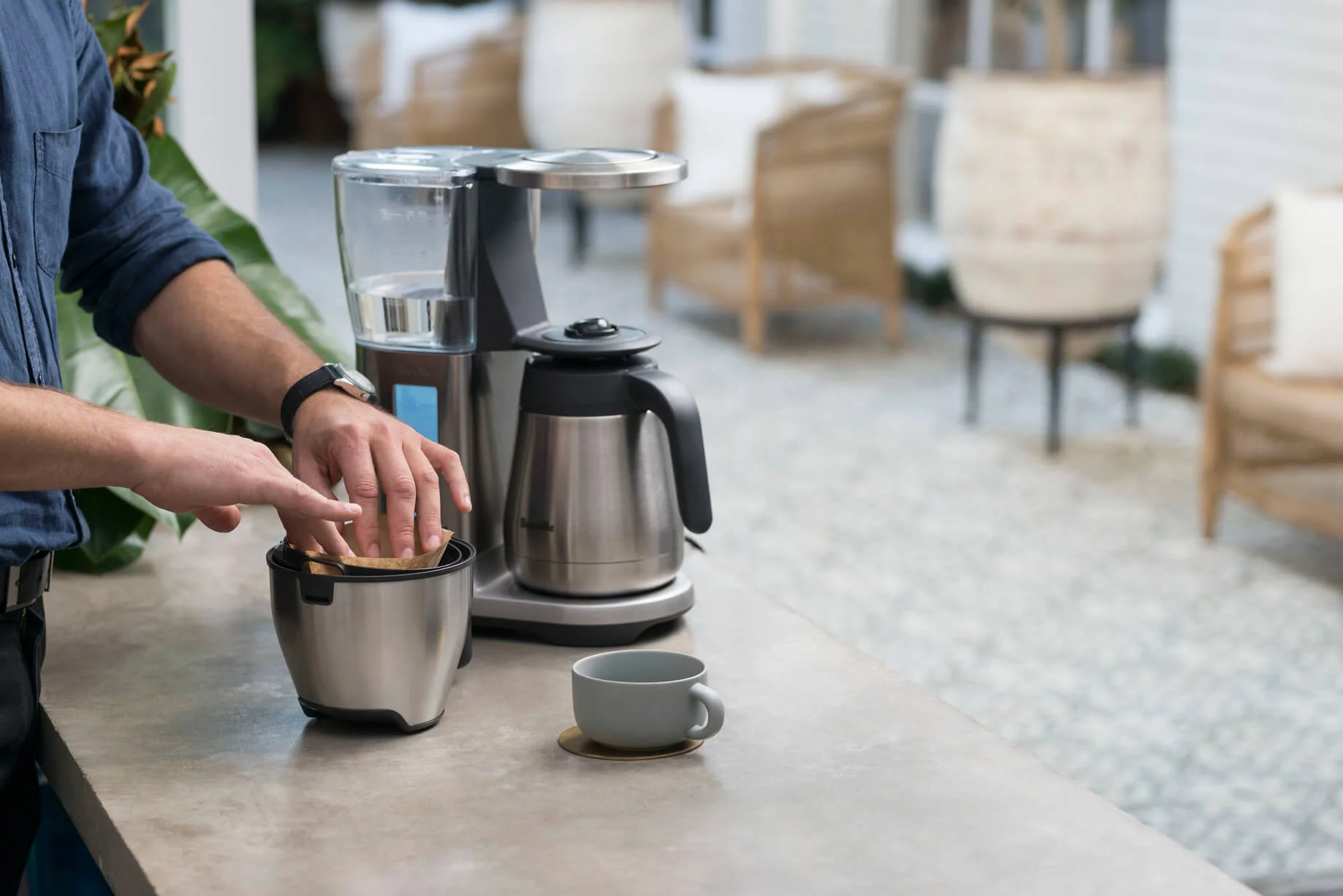
● Drip brew coffee maker – A staple in many households, this automated machine effortlessly combines water and coffee, dripping the brew into a waiting pot below.
● Pour over – A manual brewing method that offers control over the brewing time and water temperature. It involves slowly pouring hot water over coffee grounds in a filter.
● French press – Ground coffee is steeped in hot water and then separated by pressing down a metal or nylon mesh plunger through a cylindrical glass or stainless steel pot.
Regardless of your chosen method, having the right equipment is paramount. It not only simplifies the brewing process but also accentuates the flavors—proving that drip coffee is no less significant in the great Americano vs. coffee debate.
Flavor profile: Americano vs. regular coffee
The contrasting worlds of an Americano vs. black coffee invite a fascinating exploration. As each extracts distinct tones and characters from the coffee bean, it crafts a singular sensory journey for the drinker.
● Americano – The intense and high-pressure extraction of espresso often highlights the intrinsic flavors of the coffee beans. When water is added to produce the Americano, these flavors spread out, creating a full-bodied but smoothed-out taste. When layered properly, there is a distinct depth and intricacy to the flavor of the Americano vs. drip coffee by comparison.
● Drip coffee – The flavor profile of regular drip coffee depends heavily on the method used to craft it, as well as factors such as the freshness of the grounds. But in general, the longer extraction time and slower brew tend to culminate in deeper, pronounced notes. This creates more nutty undertones and bursts of bright citrus in your drip coffee vs. Americano experience.
Overall, the flavor profiles of drip coffee and an Americano is a matter of taste preference and crafting technique. While the Americano drives an espresso-based intensity, drip coffee offers a classic, rounded experience.
Caffeine content: Americano vs. coffee
When choosing our coffee, many of us are driven by two primary factors: flavor and caffeine kick. When it comes to caffeine content, how does the Americano vs drip coffee stack up?
Here's a quick breakdown:
● One cup of brewed coffee (8 ounces) contains an average of 95 mg of caffeine
● One shot of espresso (1 to 1.75 ounces) contains approximately 63 mg of caffeine
● A double shot of espresso (2 to 3.5 ounces) thus contains about 125 mg of caffeine
Clearly, espresso wins out in the caffeine-by-volume metric. However, keep in mind that with an Americano, the espresso shot is tempered with water.
Following the standard Americano recipe of 6 ounces of water with a single shot, for example, weighs in at approximately 63 mg of caffeine. In comparison, a cup of brewed coffee packs 95 mg with nearly the same volume.
So overall, while it depends very much on how much espresso and water you use, regular brewed coffee contains more caffeine than an Americano on average.
Brew your ideal cup with Breville
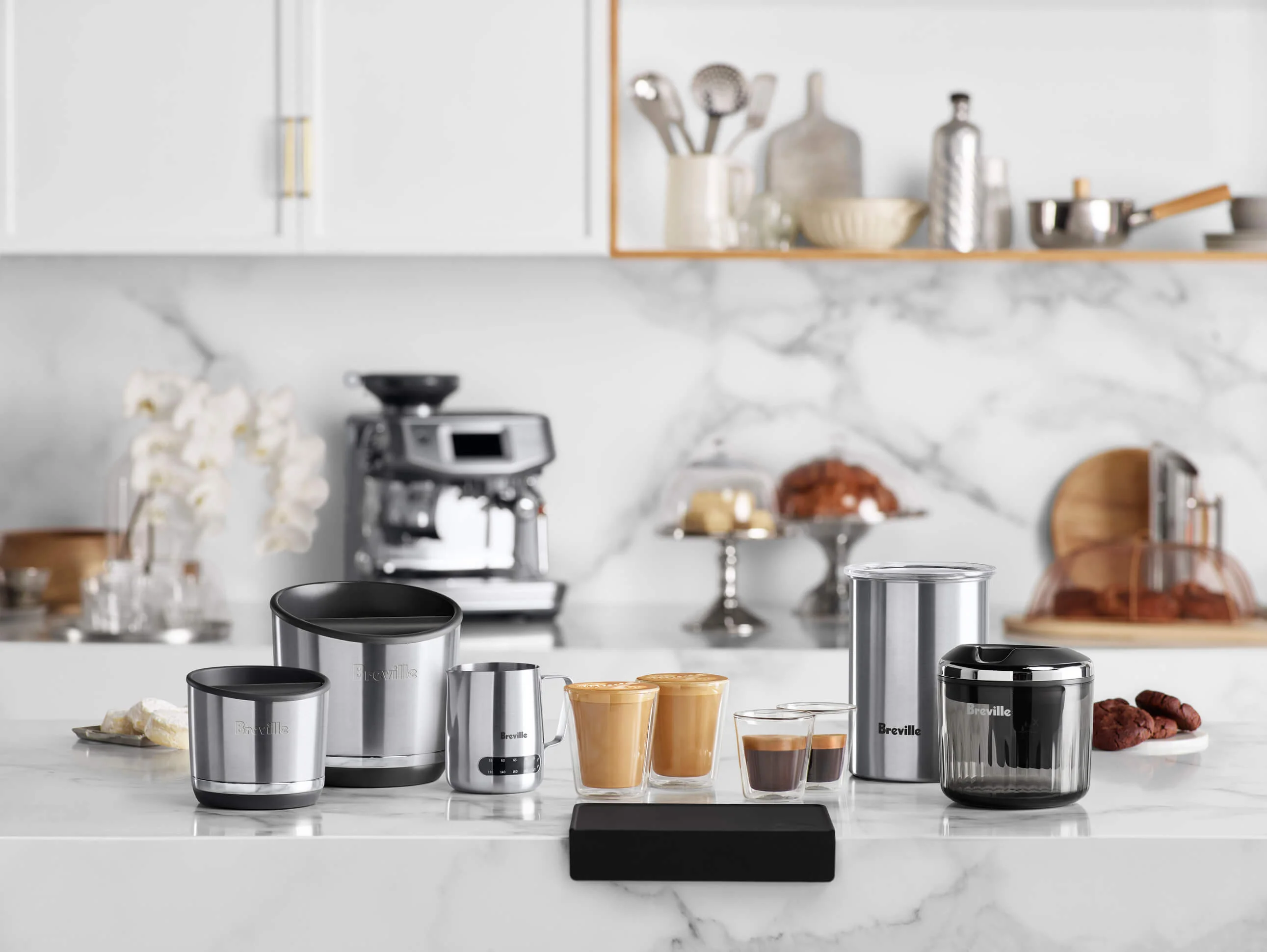
Where do you stand in the coffee vs. Americano debate? Whether you're craving the robust intensity of an Americano or the smooth subtlety of drip coffee, Breville has you covered.
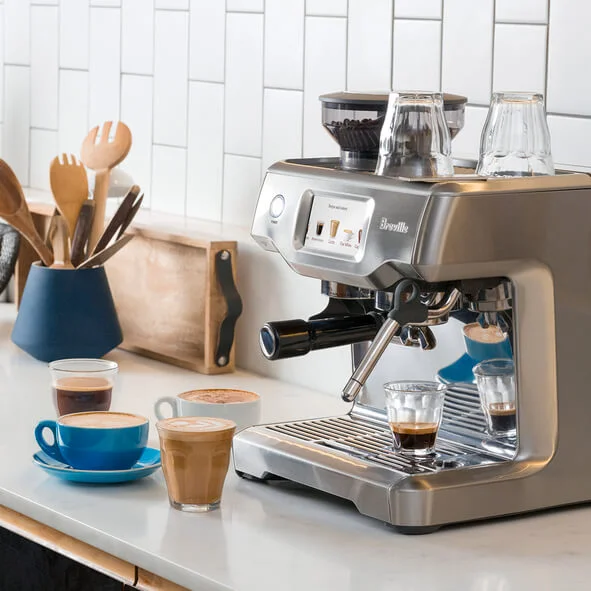
Our range of precision brewers, coffee makers, and espresso machines ensures every cup meets your exact taste preference, creating a cafe experience from the comfort of your kitchen.
Dive into the world of premium coffee with Breville—sipping perfection in every brew.
Sources:
1. Healthline. How Much Caffeine in a Cup of Coffee? A Detailed Guide. https://www.healthline.com/nutrition/how-much-caffeine-in-coffee
2. Drink Super Coffee. What Is An Americano? Is It Different Than Regular American Coffee? https://drinksupercoffee.com/blog/nutrition/what-is-an-americano/