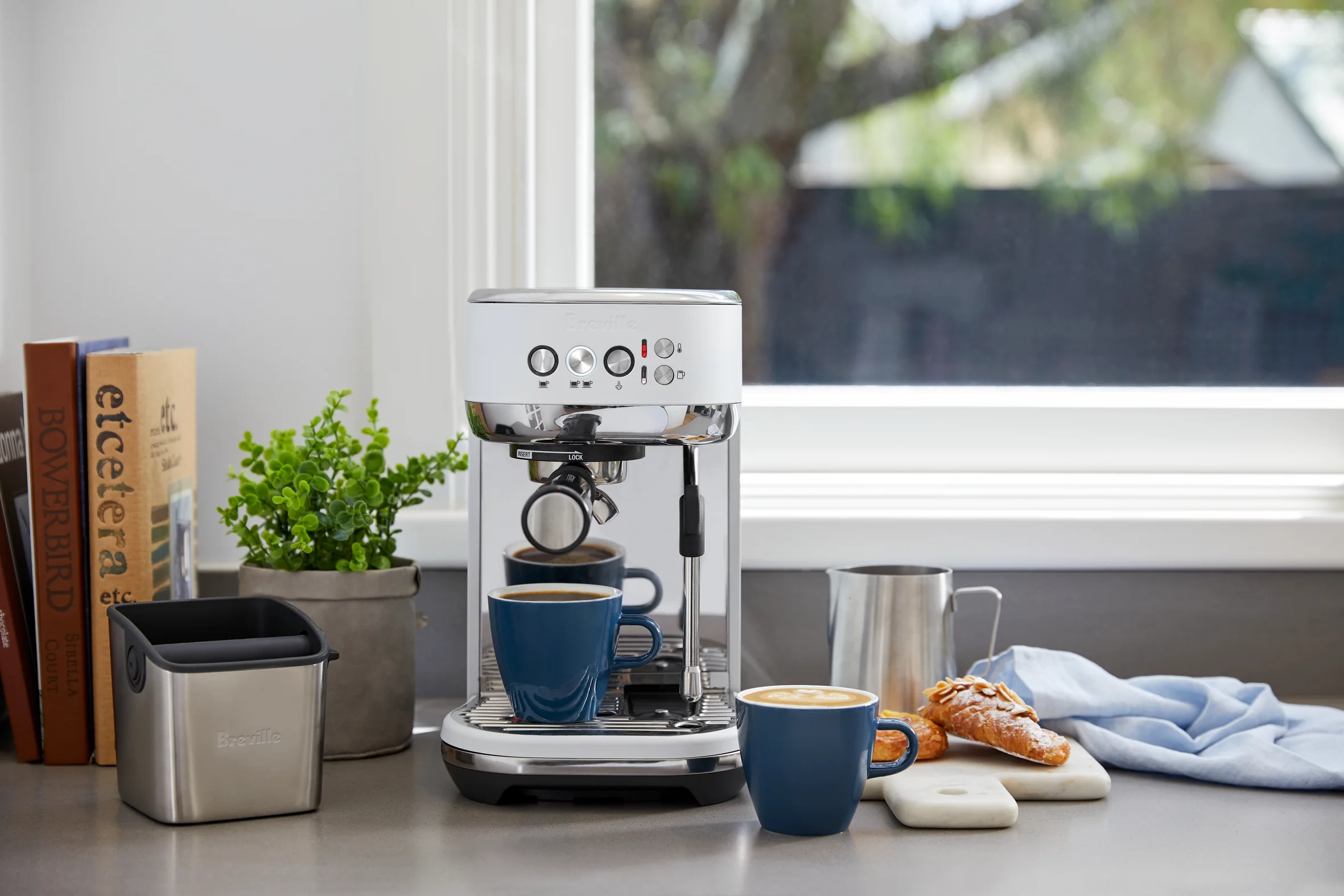
How do espresso machines work?
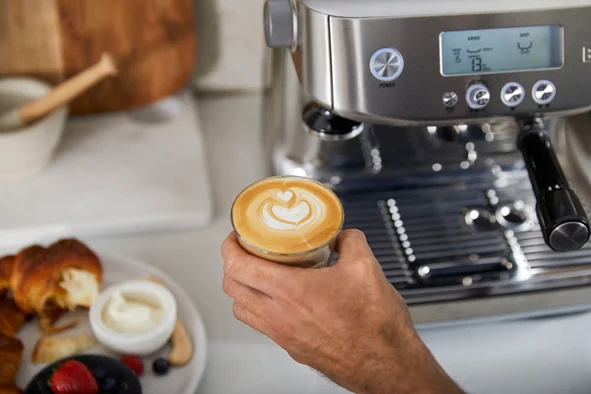
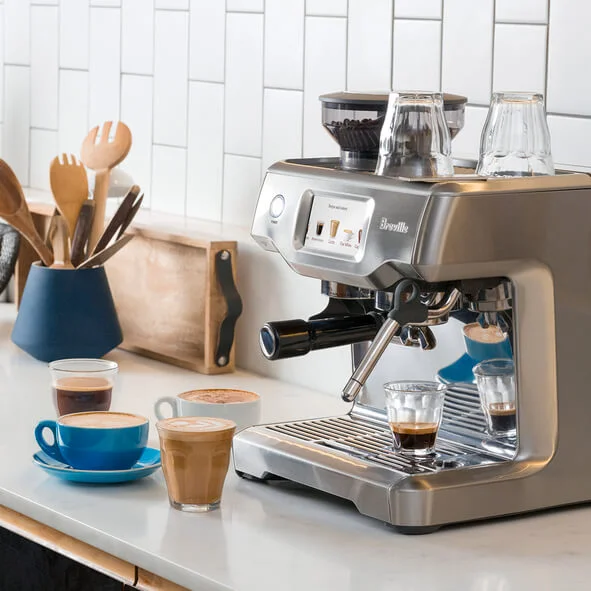
Why is the grind size so important for espresso specifically? It all comes down to how an espresso machine is built to work.
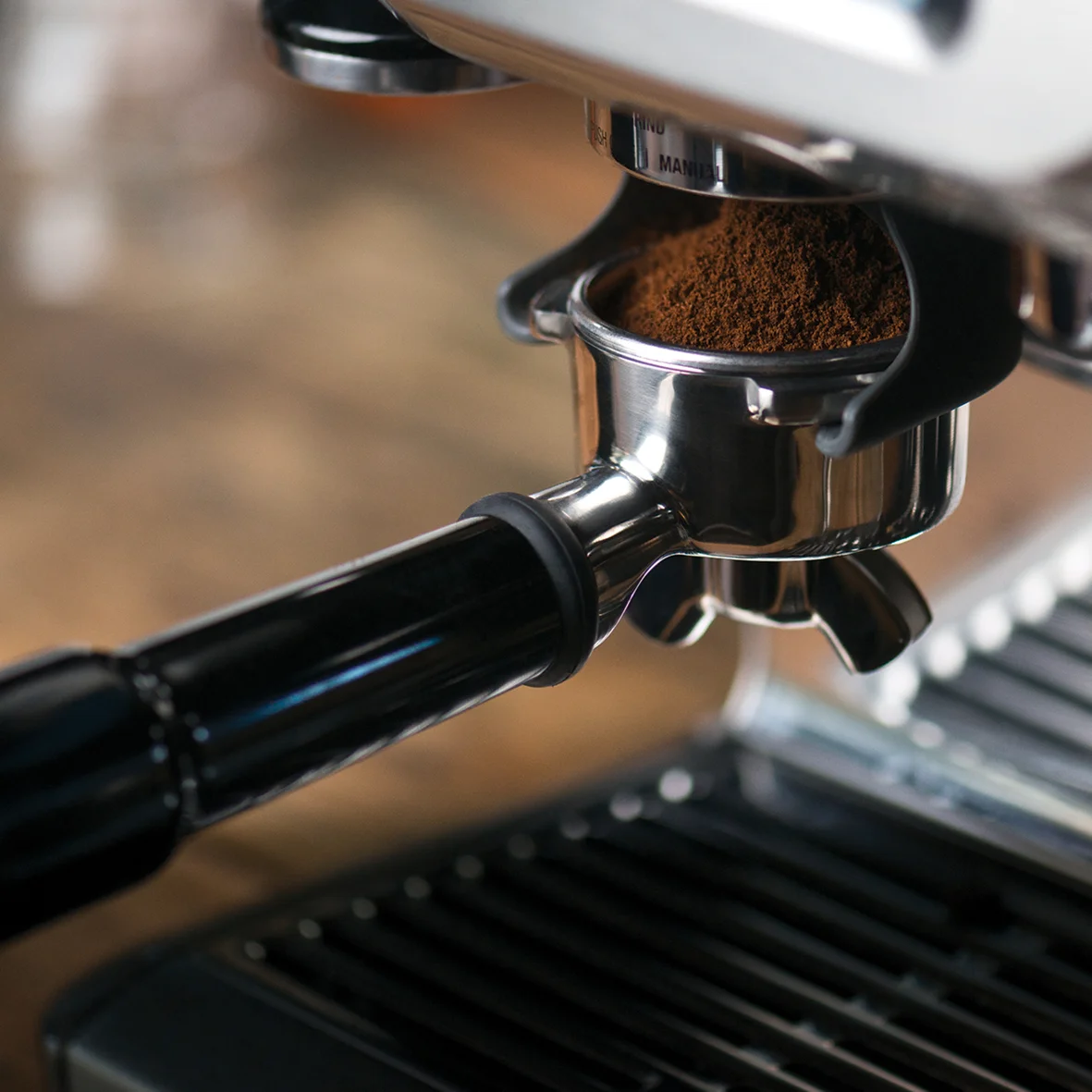
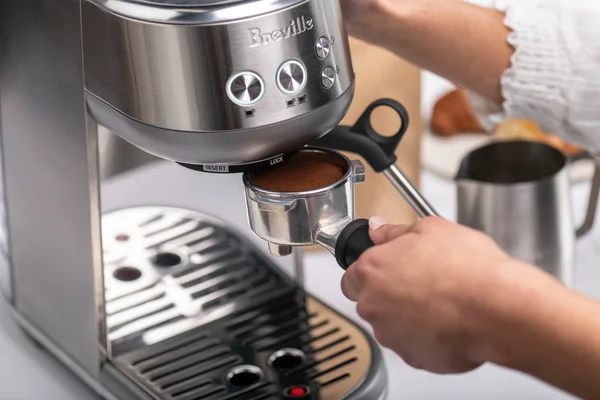
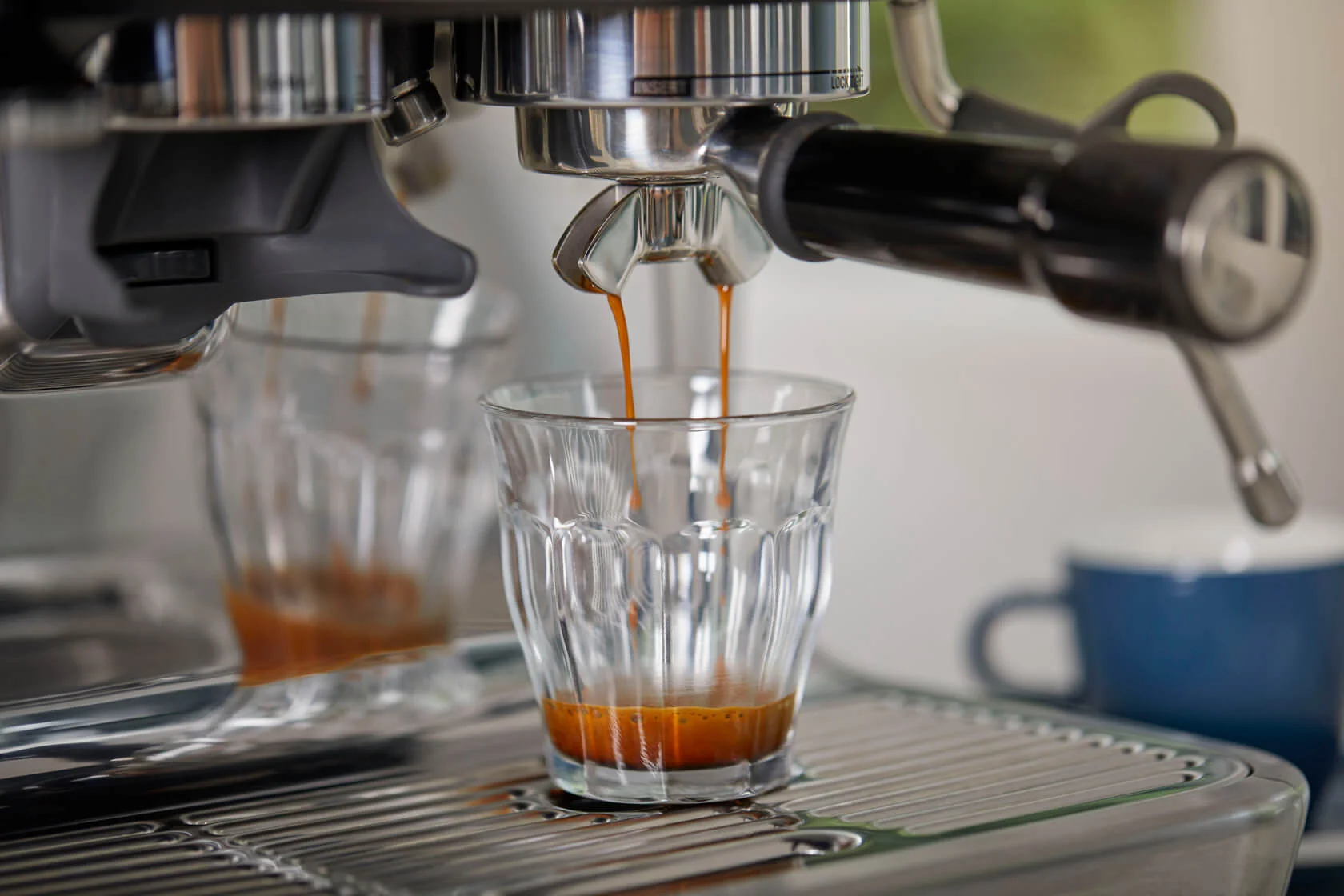
These powerful machines use intense pressure to force hot water through compacted coffee grinds very quickly—ideally, within 25 to 30 seconds. This fast brewing process crafts concentrated coffee shots with robust flavor profiles.
With this careful combination of pressure, heat, and speed, espresso grounds must fit into the equation in a way that evenly disperses water and heat.
See related: How to clean an espresso machine
The best coffee grind for espresso machines
Before your espresso machine can work its magic, you must measure out your coffee beans and grind them to the right size.
The consensus among coffee connoisseurs is that a fine grind creates the best espresso. Learning how to grind coffee beans properly will help you achieve the perfect, fine grind. These coffee grinds have the texture of flour or powdered sugar. In comparison, coarse coffee grinds look like sea salt, while medium grinds bear more resemblance to beach sand.
For reference, here’s an overview of the recommended grind sizes for other popular types of coffee:
● Cold brew – Coarse
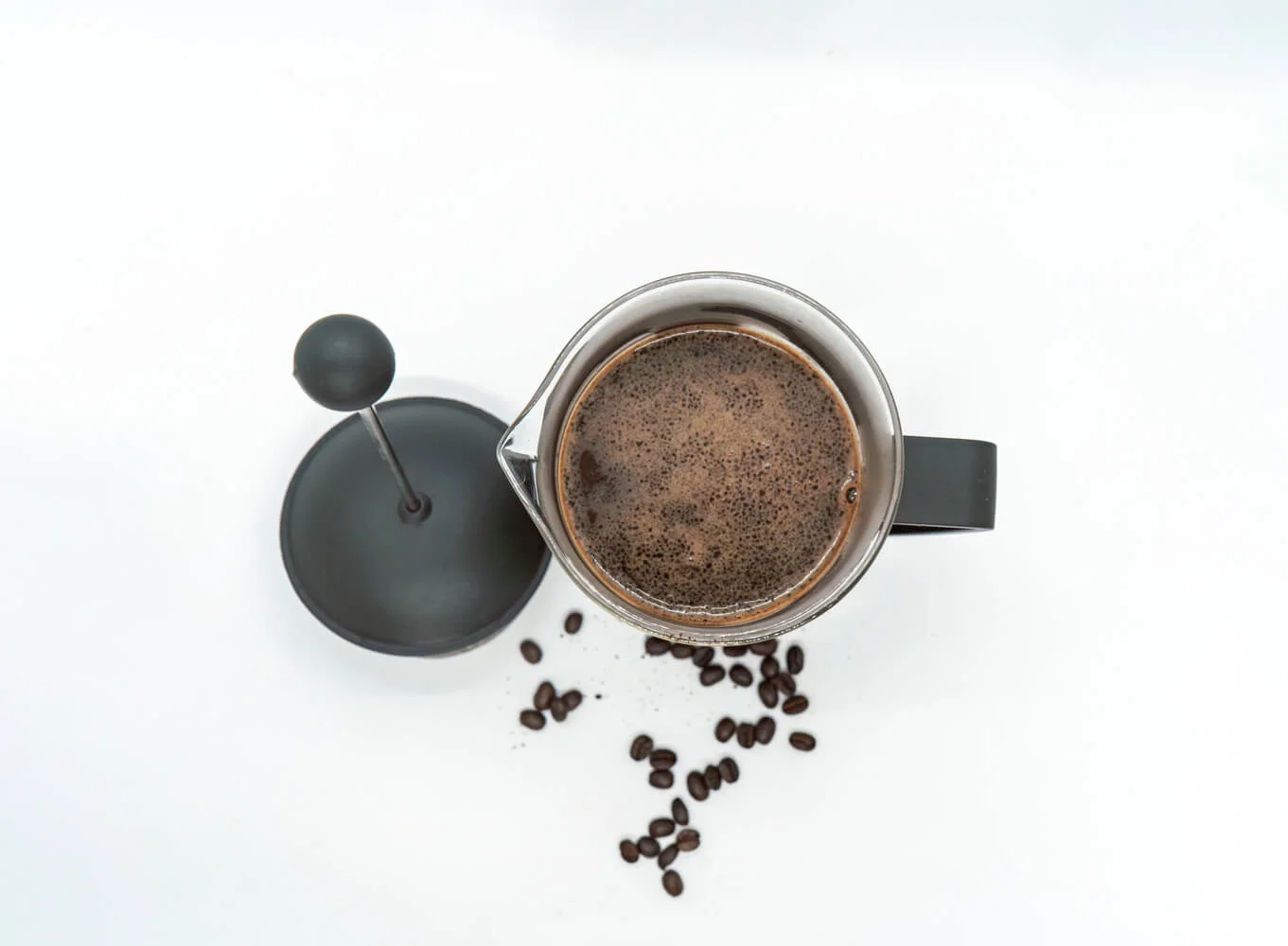
● French press – Medium coarse
● Drip coffee maker – Medium
● Moka pot – Medium fine
How coffee grinds affect espresso flavor
While tiny in size, fine grinds have a large effect on espresso flavor. The reason? The coffee grind size directly impacts the degree of extraction that takes place.
Coffee extraction occurs when hot water dissolves the coffee beans’ flavor, caffeine content, sugars, acids, oils, and aromatic compounds. There are three categories of extraction:
● Under-extraction takes place when the hot water doesn’t dissolve enough desirable compounds from the coffee beans during the brewing process. The resulting espresso may taste weak, sour, or acidic. Under-extraction can occur if your brewing time or water temperature is insufficient. Another common cause is coarse coffee grinds—large grinds require longer brewing times than most espresso machines can provide. With under-extraction, the speed of the flow will be relatively fast.
● Over-extraction occurs when the hot water absorbs too many compounds from the coffee grinds. Over-extracted espresso is often described as harsh, astringent, or overpowering. This coffee conundrum is more likely to take place if your coffee grinds are too fine. It can also be caused by excessive brewing times or overly hot water. Unlike under-extraction, over-extraction causes the speed of flow to be slow.
● Optimal extraction is every espresso brewer’s end goal. It produces espresso shots that are well-balanced, smooth, and flavorful.
Based on the flavor issues you're facing, you can adjust your espresso grind size accordingly. Even small changes can make notable impacts, so alter your coffee grind size slowly and test it as you go. Remember that you may need to fine-tune your grind size with each new bag of coffee beans you try out.
How to pick the best coffee grinds for espresso drinks
Now that you know how to get the right grind size for espresso beans, you may be wondering how to select the best coffee beans. After all, your bean selection can also have a profound impact on your espresso shot’s flavor.
Different types of coffee call for different coffee beans. Espresso lovers often look for beans that are:
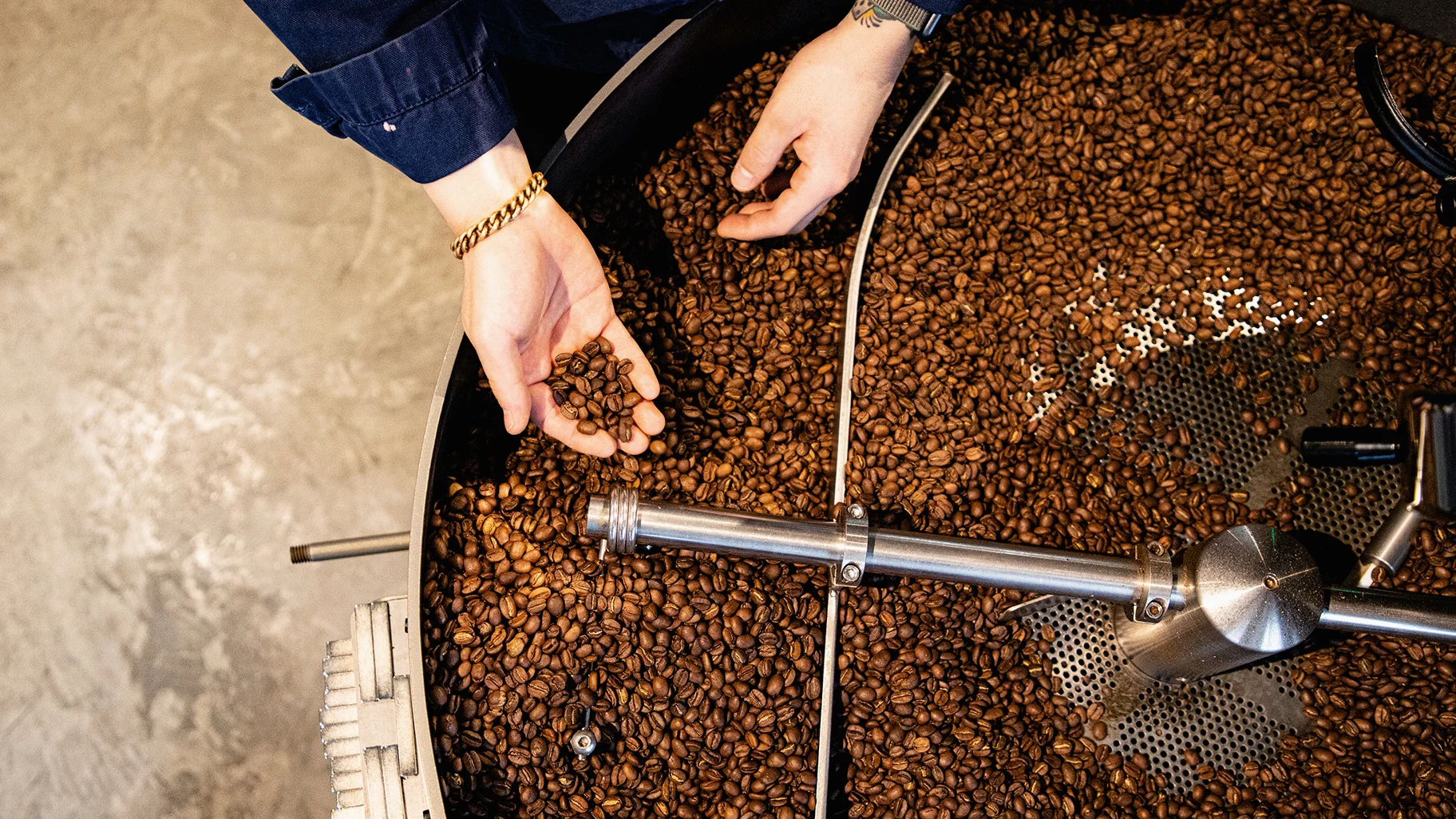
● Medium to dark roast – Coffee beans can be roasted to varying degrees. Lighter roasts are often used for drip coffee. Meanwhile, medium and dark roasts are the go-to for espresso, due to their depth of flavor.
● Exceptionally fresh – Freshness is another critical factor in espresso brewing. For the tastiest espresso shot, make sure you use coffee beans that are within 5-30 days of their roast date.
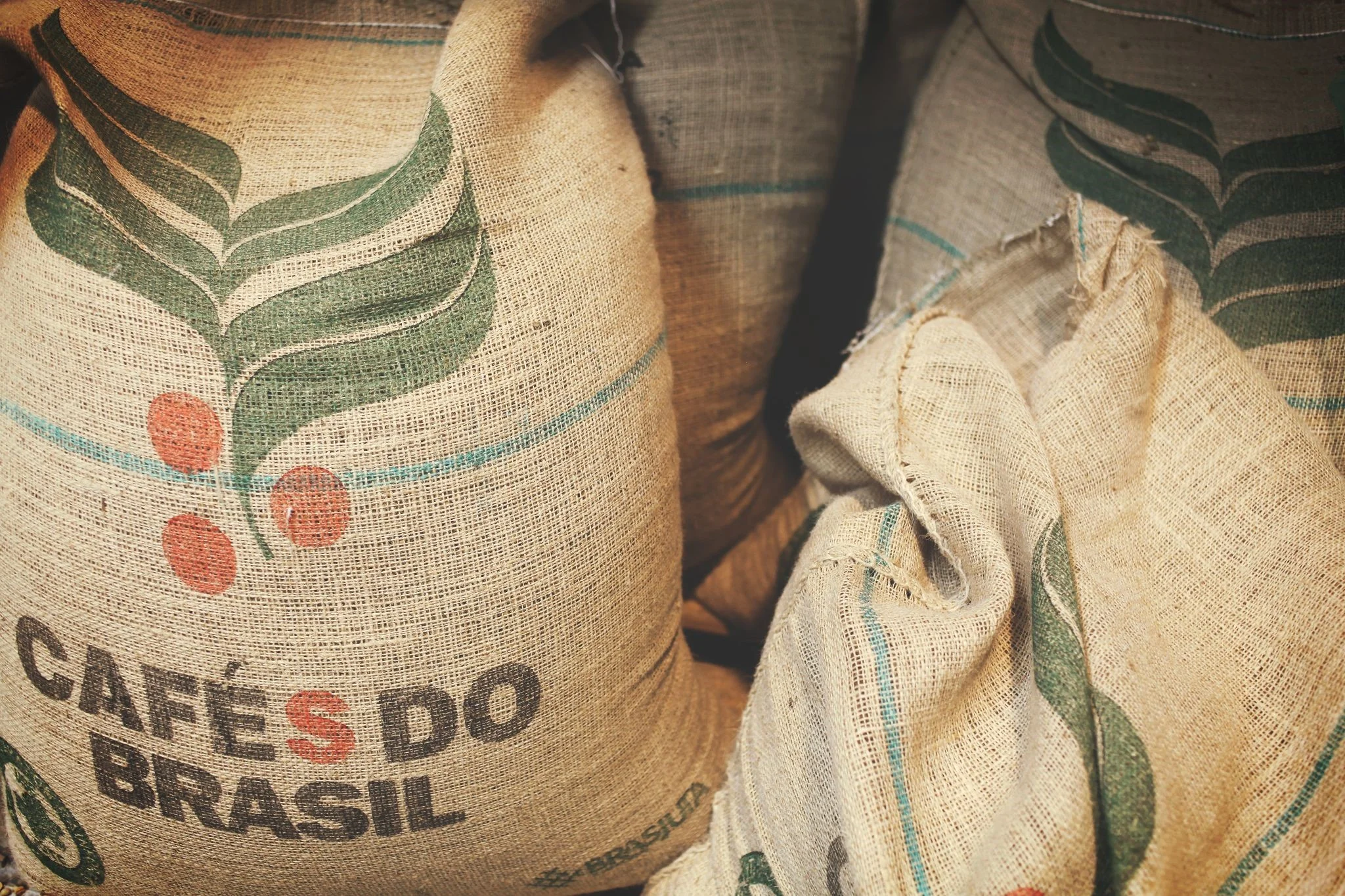
● Whole – Whole coffee beans often maintain their freshness and flavor for a longer amount of time. While you can purchase fine-grind coffee at the store, many home espresso brewers prefer to grind their beans themselves. This way, you can grind them to the ideal size and make adjustments as needed.
Beyond these factors, feel free to explore different coffee varieties and blends. Some coffee beans are fruity and floral, while others are nutty and spicy. Ultimately, the right flavor profile for a shot of espresso coffee is a matter of personal preference.
Achieve barista-level quality with a Breville espresso machine
With practice and patience, you can perfect your grind size and reliably produce exceptional espresso shots every time. But first, you need an espresso machine that’s up for the job.
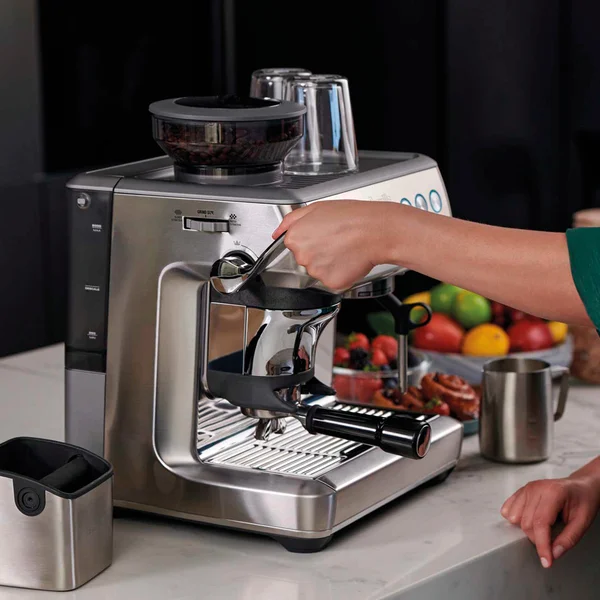
At Breville, we pride ourselves on supplying coffee shop quality espresso machines at a variety of price points. These machines can empower any home barista to prepare delicious espresso coffee from the comfort of their countertop.
Level up your caffeine routine with a Breville espresso machine today.
Sources:
1. Perfect Daily Grind. How to pull a perfect shot of espresso. https://perfectdailygrind.com/2017/12/weighing-grinding-tamping-how-to-pull-a-great-espresso-shot/
2. Science Direct. Coffee extraction: A review of parameters and their influence on the physicochemical characteristics and flavor of coffee brews. https://www.sciencedirect.com/science/article/abs/pii/S0924224419305692