While it’s true that taste is subjective, coffee cupping lends some objectivity to understanding a great cup of coffee. Through the coffee cupping process, professionals seek to grade coffee quality based on aroma, acidity, taste, and more.
For home baristas, learning the delicate art of coffee cupping can open up a whole new world of coffee appreciation. Join us as we walk through coffee cupping fundamentals, from the history of the practice to the tools and tasting methods you’ll need for success.
What is coffee cupping?
Coffee cupping, also called coffee tasting, is a practice used by coffee professionals to evaluate coffee aroma, flavor, and other characteristics. Coffee cupping is the only globally standardized way to grade coffee, so it’s often used to make financial decisions regarding coffee purchases and trades.
During a cupping session, expert cuppers systematically taste and assess coffees side-by-side to grade them on key attributes like:
● Aroma
● Body
● Sweetness
● Acidity
By formally assessing these and other factors, cuppers can identify flavors and qualities specific to a coffee’s origin, processing method, roast profile, and more. This allows companies to give the coffee a quality grade that indicates how specialty or premium it is.
Acting as the universal “language” of coffee, cupping allows roasters and baristas to communicate their results back to the original coffee farms, creating a feedback loop that helps ensure only the highest-quality coffee reaches your cup.
Essential tools for coffee cupping
Whether you’re a longtime coffee enthusiast or just starting your home barista journey, coffee cupping can be a unique way to enhance the coffee experience.
Here’s a list of everything you need to get start:
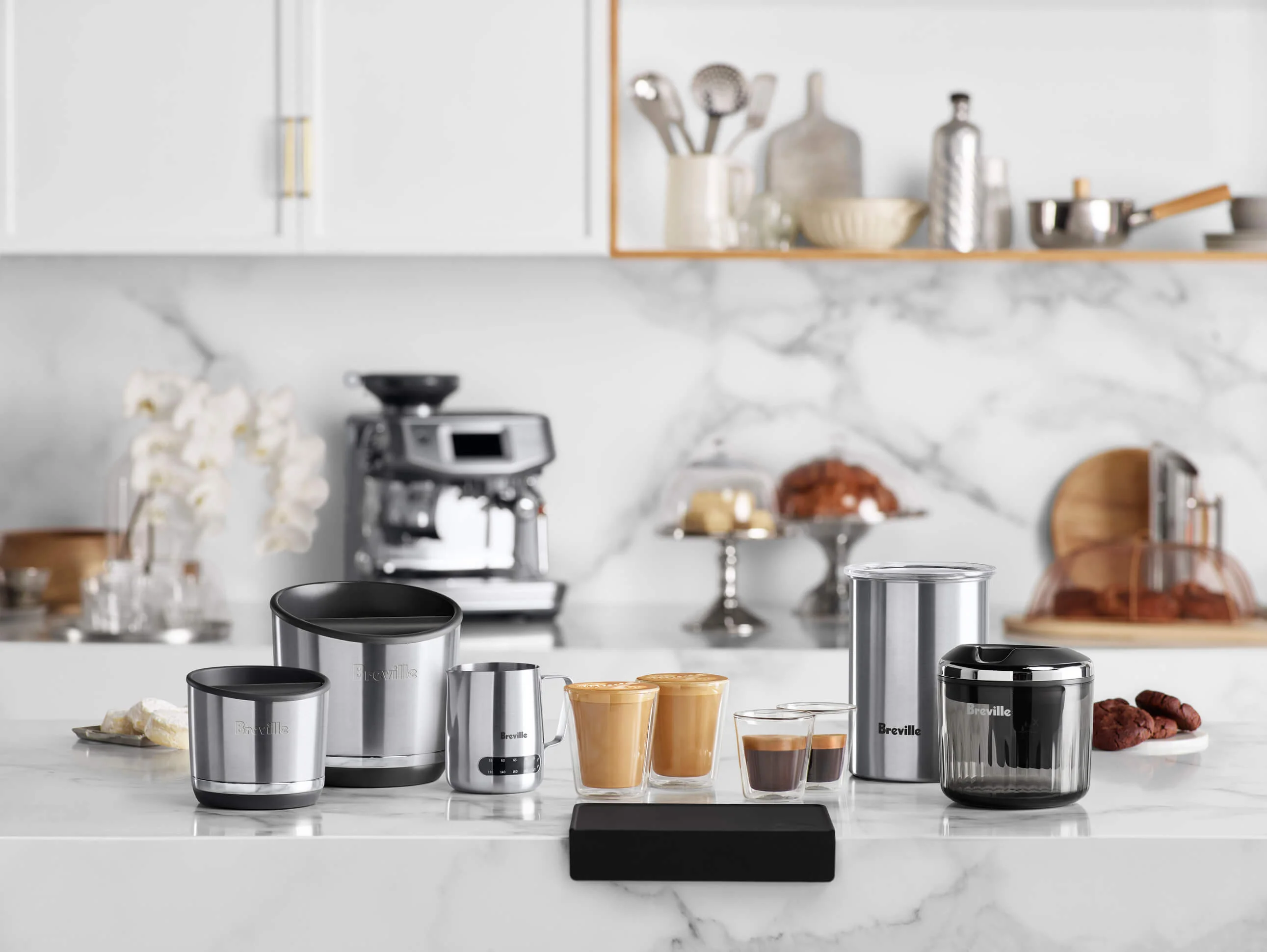
● Coffee samples – Have several batches of coffee ready, about 20 grams each, preferably from beans roasted around the same time. Try sampling at least two different types of coffee (or even more!) for a better comparison.
● Cupping spoons – If possible, opt for spoons that won’t leave as much of a metallic aftertaste, such as a gold-plated spoon.
● Cupping glasses or bowls – Traditionally, cuppers use wide, clear glasses to evaluate the coffee’s color, frothing, and residual oils. At home, small bowls may work better since the rim needs to be wide enough to dip your spoon into it.
●Extra utensils – Have another smaller bowl or cup on hand to discard used grounds more easily. You’ll also need an extra spoon for this.
●Water for rinsing and palate cleansing – It’s best to have two glasses of water on hand for the cupping process; one to rinse the cupping spoon between tastings, and another to rinse and reset your palate.
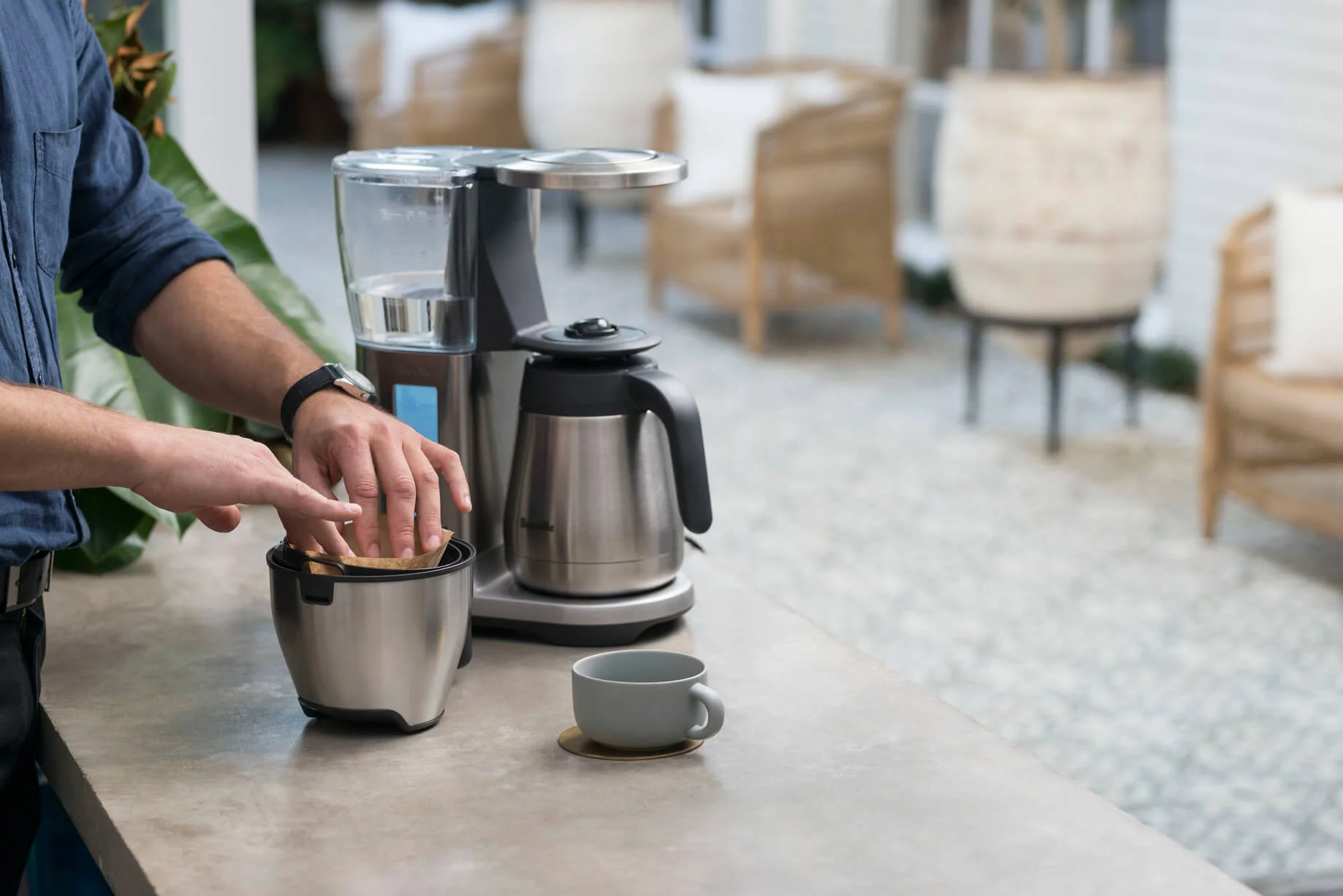
●Grinder – A consistent, coarse grind size is key for comparing coffee without introducing variables that might alter the flavor. Generally, a burr grinder offers the most uniform grounds.
●Scale – A scale will help you measure out the same amount of grounds (18-20 grams) and hot water (180 grams) per cupping sample.
●Timer – For a true cupping experience, timing is essential. Having a dedicated timer on hand can help you ensure you taste all your coffee samples at their peak flavor.
●Notebook or note-taking app – A large part of the cupping experience is recording your thoughts at each step. Pull out your favorite notebook or app to chronicle your cupping session.
Some cupping setups use a mat or tray to accompany each sample. This can be helpful to prevent messes and can also help keep track of which coffee bean you’re sampling.
Step-by-step guide to coffee cupping
With all of your equipment gathered, it’s time to start the cupping process. For simplicity, you may choose to divide your cupping into two main stages—a preparation phase, and a timed phase for brewing and tasting.
Step 1: The preparation phase
For the preparation phase:
1. Organize your cupping station(s), readying all necessary items like bowls and spoons. Consider tagging each sample so you can easily identify it. You might even leave individual sheets of paper for note-taking at each station.
2. Grind 20 grams of each coffee variety you want to try. To keep the flavor pure, ‘flush’ your grinder with 2 grams of the new coffee, discarding it before grinding the full amount.
3. Evenly distribute the ground coffee into two bowls for each coffee sample. A dual-bowl approach creates a control group in case of any brewing mishaps.
The timed phase
For the timed phase:
1. Heat your water to the ideal temperature of 200°F (93°C).
2. Start your timer, and pour water over the coffee grounds using the coffee to water ratio of 1:18. For our setup, this means approximately 180 grams of water per bowl.
3. Take a moment to note and savor the transition from fragrance (the initial smell of freshly ground coffee) to aroma (the complex scents unlocked by brewed coffee).
4. At the 4-minute mark, gently break the ‘crust’ of grounds formed on the surface. Carefully remove this layer of crust and foam, deposit it into a spare bowl, and rinse your spoons between each sample. Aim to swipe only the top layer, leaving the settled grounds undisturbed.
5. Finally, slurp a spoonful of coffee with your lips pursed, aiming to aerate and spread it across your palate. Remember to recalibrate your taste with sips of water and rinse your spoon between samples.
6. Continue cupping as the coffee grows cooler. This actually brings out more pronounced flavors and alters the body, with peak flavors achieved at around 8-10 minutes from pouring. Be sure to sample each coffee multiple times to see how it changes.
Understanding coffee aroma and flavor profiles
With notes in hand from a successful cupping session, it can be helpful to put a name to certain aspects of a coffee’s unique aromatics and flavors. Over time, you can train your senses to identify the subtle nuances such as:
● Aroma – Everyone loves the scent of freshly brewed coffee, yet a trained cupper can detect more. Try to sniff out specific aromas—from floral and fruity to spicy and nutty.
● Flavor – Coffee is complex, with some flavors more dominant than others. This is commonly seen in a coffee’s description—likening its profile and flavor notes to other foods such as chocolate, strawberries, citrus, nuts, and so on.
● Acidity – Coffee acidity measures a brew’s brightness, the tart and tangy punch that gives coffee its vibrance. Lighter roasts tend to taste more acidic, whereas darker roasts often retain a smoother, mellow tone.
● Body – From syrupy richness to airy lightness, body describes the texture or mouthfeel of a cup. Often, the natural oils that seep from roasted coffee beans play a large part, leading to darker roasts with heavier bodies.
● Sweetness – Many coffee beans caramelize natural sugars as they roast, each with varying degrees of sweetness that help counteract more complex and acidic notes.
● Balance – Defined as how well the other factors and flavors of coffee come together, a well-balanced cup is one where each of the previous characteristics blends in delicious, caffeinated harmony.
As you attune yourself to new cupping sensations, consider making use of online aroma and flavor wheels to put a name to certain subtleties in flavor.
Tips for beginners in coffee cupping
The art and science of coffee cupping is a learned skill, and it’s one that anyone can improve on with practice.
With that in mind, here are a few tips for beginning coffee cuppers:
● Start with fresh, quality whole-bean coffee from your favorite roaster. Consider cupping with single-origin coffee at first to learn the flavor profiles unique to certain regions.
● Minimize distractions and strong smells that could detract from a cup’s distinct aroma and flavor profile. Allow yourself to be fully immersed in the coffee tasting experience.
● Slurp loud and proud, aiming to coat your palate with a generous taste of coffee. Journal your thoughts after each sip.
● If you’re brand new to cupping coffee, try comparing just two or three coffees at a time, building up to more as you learn the process.
● Lastly, and most importantly—enjoy the experience! Cupping is a great way to discover personal preferences.
As you follow the cupping methodology, you train your palate to detect the complex layers of flavor locked inside each batch of coffee beans. With patience, anyone can become an expert coffee taster.
Craft perfectly cuppable coffee with Breville
As you embark on this timeless tradition, your insights and discoveries open up an entirely new world of coffee exploration right in your own kitchen.
To get the most out of your favorite coffee beans, elevate your kitchen with quality equipment from Breville. Our innovative espresso machines, coffee machines, and precision coffee grinders are designed to extract subtle tasting notes and aromatics, leaving you with the best cup possible. Shop today to start your journey.
Sources:
1. Helena Coffee. The Development And History Of Coffee Cupping. https://www.helenacoffee.vn/the-development-and-history-of-coffee-cupping/#The_popularity_of_Cupping_in_the_Specialty_Coffee_market
2. Methodical Coffee. Coffee to Water Ratio: The Ultimate Guide to Brewing Ratios. https://methodicalcoffee.com/blogs/coffee-culture/coffee-to-water-ratio-the-ultimate-guide-to-brewing-ratios
3. MTPak Coffee. What Affects The Aroma Of Coffee & How Can Packaging Preserve It? https://mtpak.coffee/2021/02/what-affects-aroma-coffee/
4. Specialty Coffee Association. Protocols and Best Practices: Cupping Protocols. https://sca.coffee/research/protocols-best-practices
5. Methodical Coffee. Coffee Cupping: A Step By Step Guide. https://methodicalcoffee.com/blogs/coffee-culture/coffee-cupping-a-step-by-step-guide