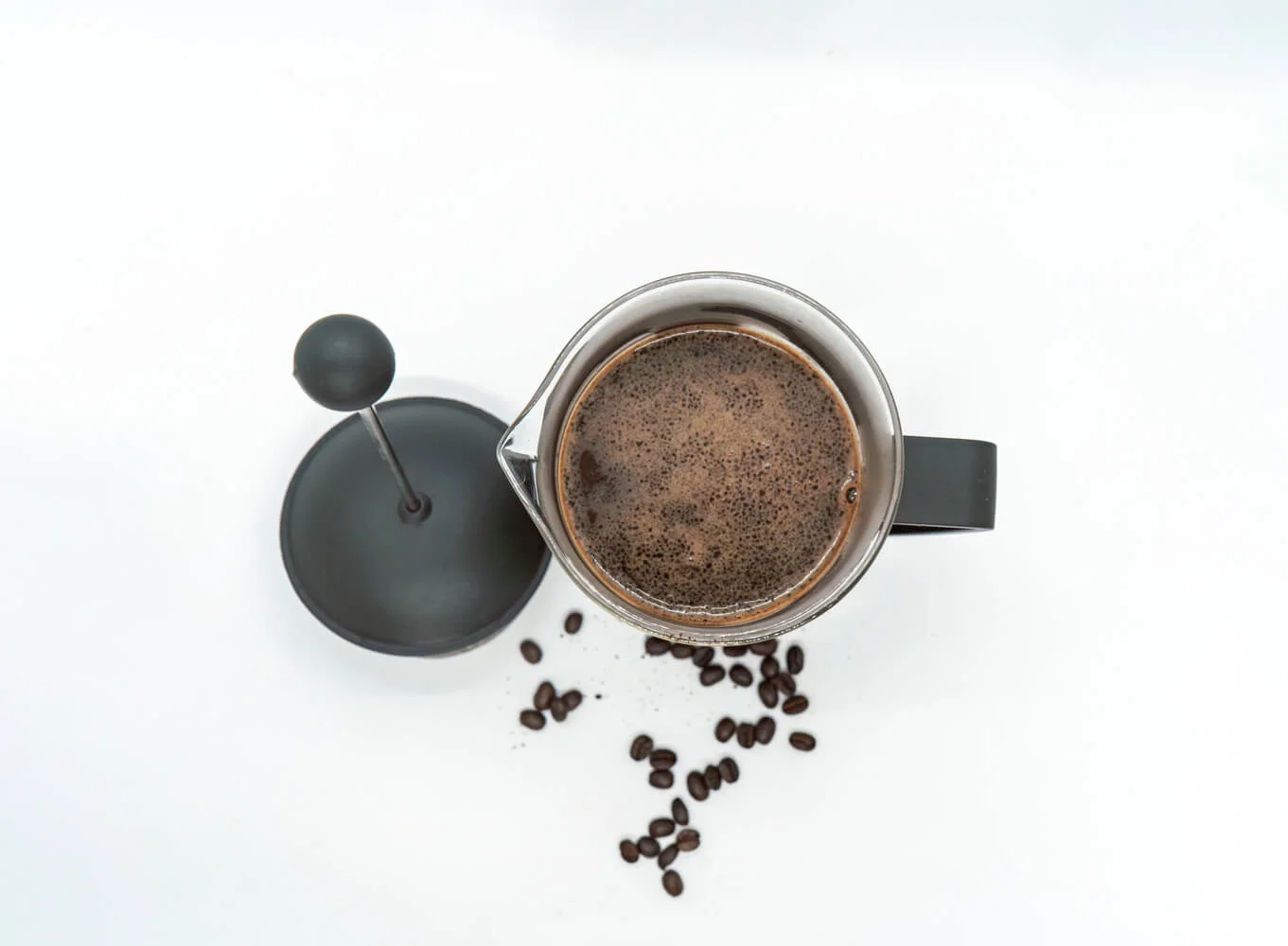
From the smoldering intensity of espresso to the delicate nuances of drip coffee, understanding how to use a coffee grinder is crucial for mastering every style of coffee. But what should you consider when choosing a grinder, and how can you optimize its function to elevate your coffee experience?
Dive in as we explore the secrets to achieving the ideal grind.
Introduction to coffee grinders
To brew great coffee that captivates with every sip, starting with freshly ground beans is non-negotiable. The right coffee grinder unlocks these beans’ full potential, transforming them into the precise texture and grind size needed for your brewing method.
Why grind your own coffee?
While pre-ground coffee offers a quick and convenient cup, coffee grinding your own beans offers several advantages:
● Peak freshness – Coffee freshness is important if you want to have the best brew time and time again. Coffee begins to lose its flavor and aroma soon after grinding, even when sealed in airtight packaging. By grinding the beans just before brewing, you capture maximum freshness and flavor.
● Brewing flexibility – Different brew methods require different grind sizes. Grinding your own beans allows you to fine-tune to your preferred method, whether it's espresso, French press, or drip coffee.
● Consistency – A uniform grind size is crucial for even extraction, ensuring every cup you brew maintains high quality and rich in flavor.
With your own grinder, you can explore a variety of coffee types and origins. This allows you to personalize the blend and strength of your brew, crafting a perfect cup aligned with your tastes.
Types of coffee grinders
Choosing the right type of coffee grinder is crucial for achieving the desired quality and flavor profile in your freshly ground coffee. There are two primary types of grinders:
● Blade grinders use spinning blades to chop coffee beans, generally at a lower price point. However, they produce uneven grinds and can generate heat, which might alter the coffee's flavor profile and complicate cleaning.
● Burr grinders crush beans between two burrs to extract rich oils and produce consistent grind sizes. Typically burr grinders come in two different styles - Conical and Flat. Both have their own benefits. High-quality burr grinders offer precise adjustments and dispensing settings, catering to a variety of brewing methods.
Should you opt for a burr grinder, there are additional categories to consider. For example, some baristas prefer the tactile experience and portability of a manual burr grinder, while others opt for the straightforward simplicity of electric burr grinders.
As with all things coffee, the possibilities are endless.
Choosing the right coffee grinder
With so many electric and manual coffee grinder options available, how do you choose the right one?
Put simply, if you’re serious about grinding your own coffee beans, we recommend a burr grinder. While blade grinders are more affordable, the resulting grounds are too coarse for espresso, and too inconsistent for you to truly master your morning brew.
Even then, burr grinders can vary greatly in quality. Your perfect choice is dependent on factors like:
● The ability to deliver consistent grinds for balanced extraction
● A wide range of grinder setting options, from espresso fine to French press coarse
● Ease of disassembly, cleaning, and maintenance
In addition, you’ll also want to find a grinder with your desired quality-of-life settings.
For example, certain smart grinders can be programmed to dispense specific amounts of coffee—like the 19-22 grams recommended for a double espresso shot—streamlining your coffee ritual with consistent results.
How to use a coffee grinder
Before you craft your first cup, we need to answer an essential question—how to use a coffee bean grinder. Let’s dive into the basics.
Preparing your coffee grinder
While you’re likely eager to use your new grinder, it’s good to take a moment and familiarize yourself with it. Explore features such as:
● Adjustable grind settings
● Automated dosing/timers
● Other special functions
Here’s another useful tip for burr grinder prep: before your first brew, run a small batch of beans through and discard the grounds. This “seasons” the burrs with a thin layer of coffee, which prevents any metallic tastes from carrying over into the final cup.
Measuring the coffee beans
As coffee aficionados can attest, accurate measurements are crucial for consistent results. So instead of relying on scoops, which can vary, consider using a digital scale to measure your beans or grounds precisely.
The optimal amount? That depends on your brewing method:
● Espresso – 7-10 grams coffee for a single shot, 18-22 grams for a double
● Pour over – 15 grams coffee per 8 ounces water
● French press – 23 grams coffee per 12 ounces water
● Cold brew – 125 grams coffee per 34 ounces water
These measurements are just a starting point, of course. You can always adjust according to your personal taste and caffeine preferences.
Selecting the grind size
A major advantage of burr grinders is the ability to change grind size to match your favorite type of coffee. As a general rule, consider the following sizes to match the intended brewing method:
● Extra fine – Intended for Turkish coffee
● Fine – Common for espresso; Aim for a grind that brews somewhere around 20-35 seconds
● Medium-fine – Perfect for pour-over methods with medium to light roasts
● Medium – The standard choice for most pour-over or machine drip coffee
● Medium-coarse – Better for large batches of drip coffee and darker roast profiles
● Coarse – Best reserved for French press coffee or cold brew
Most grinders can accommodate the full range of these grind sizes. Some operate on a number system—so you may have to experiment a bit. Start with the recommended grinder setting for your brew method and adjust from there.
Grinding the coffee beans
The actual coffee grinding process will differ depending on your chosen coffee grinder. But in general, most machines follow the same basic process:
1. Start by ensuring the grind size matches your intended brew method.
2. Add your measured beans.
3. Activate the grinder until you achieve the necessary amount of coffee or fully grind the measured amount.
For optimal freshness, grind only as much as you need for each brew. For the same reason, you may also want to limit the amount of beans you leave stored in the hopper, although whole beans won’t lose their profile as quickly as ground coffee.
Tips for grinding coffee
As noted at the outset, grinding coffee is a critical step in the home barista's quest for the perfect cup. Let’s look at a few essential tips to ensure you’re extracting maximum flavor.
Consistency and grind size
Even the highest quality beans may fall flat if they aren’t ground to match their brew method. But how can you recognize the difference between, say, coarse and medium grind?
Again, there are no hard rules—the main thing is how your coffee turns out more so than any measurable consistency. But in general, here is a quick guide to the main consistencies to give you an idea:
● Fine – Similar to powdered sugar; Smooth and may clump together when pinched
● Medium – Often described as similar to sand, with a grittiness similar to table salt
● Coarse – Chunky, with distinct coffee particles. Imagine coarse sea salt or peppercorns
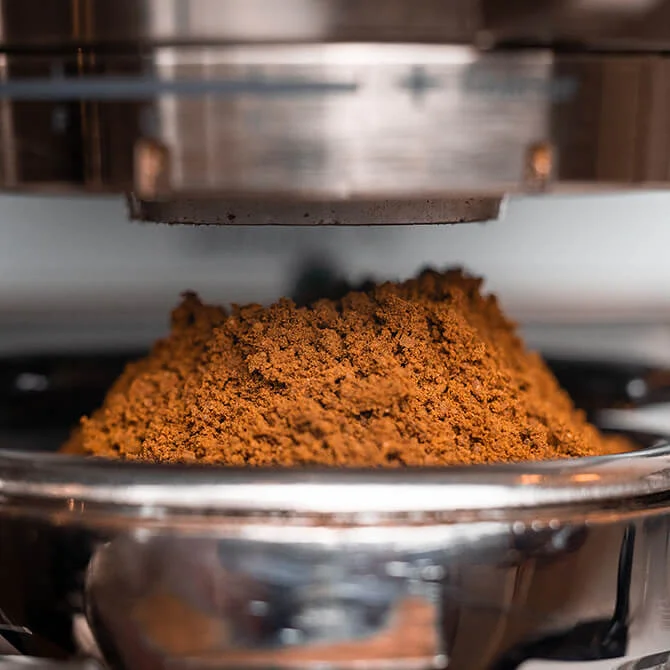
Grind size affects how quickly water can pass through the coffee, and, thus, how much flavor is extracted. Fine grinds slow the water flow, resulting in concentrated drinks like espresso. Coarser grinds speed up water flow, making them ideal for methods like French press, which have longer brew times.
Cleaning and maintenance
Learning how to clean your coffee grinder is going to be key to ensuring your machine’s longevity. Regular cleaning and maintenance will extend the life of your grinder and ensure the best possible flavor. While it’s best to consult the instruction manual for specifics, here are some general cleaning tips:
● Clean your grinder after each use by brushing out loose grounds and coffee particles or lightly wiping it with a cloth.
● For a deeper clean, use grinder cleaning tablets. Do not use rice for burr grinders, as this can damage the machine and void the warranty.
● Disassemble and deep clean the grinder according to manufacturer instructions, typically once a month.
For deeper cleanings, ensure that the grinder and its parts are kept dry, as metal blades and burrs tend to rust easily.
Troubleshooting common issues
Encountering issues with your grinder can be frustrating—especially when you’re really craving that next cup.
Consider some common problems and a few solutions to get your machine back on the grind:
● Grinder not starting – Double-check whether your machine is plugged in properly to a working outlet. Ensure the lid or hopper is secured properly, as some grinders have safety features that can prevent it from starting.
● Unusual noises – Inspect for possible foreign objects mixed in with coffee beans. Check for loose components—some parts may have come loose over time.
● Slow grinding or clogging – Coffee oils and particles can build up over time, so you may need to disassemble and perform a deep cleaning. Grinder cleaning pellets can also help remove buildup of coffee oils.
Should problems persist, it may be best to consult the manual or contact the manufacturer directly, as there may be an equipment malfunction.
Elevate your daily grind with Breville
A well-chosen grinder is an investment in your coffee journey, promising each cup is as delicious as the last.
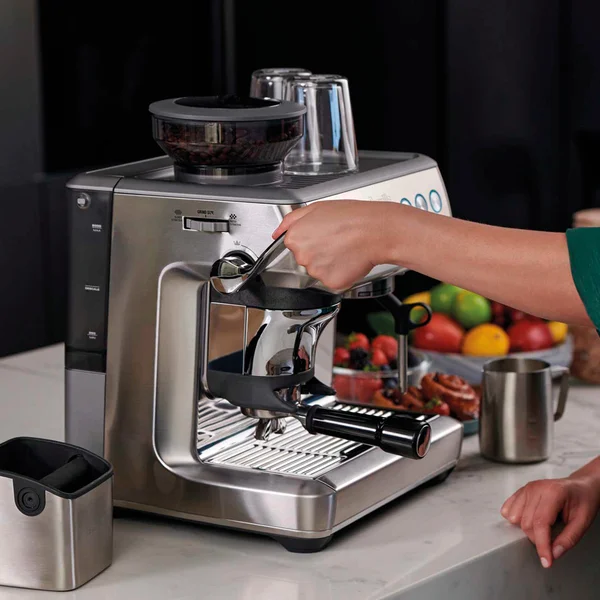
Our suggestion? Opt for a sophisticated burr grinder with smart features that streamline your routine—especially if you enjoy a daily coffee ritual. Models like Breville’s Smart Grinder Pro guarantees consistent grinds, easy maintenance, and top-notch flavor extraction.
Whether you’re taking your first steps on your coffee journey or a well-seasoned veteran, Breville grinders facilitate hassle-free coffee prep so you can focus on the art of the brew.
Take two minutes to find the grinder of your dreams today.
Sources:
1. Department of Food Science and Human Nutrition. Effect of Storage Conditions on the Sensory Quality of Ground Arabica Coffee. https://citeseerx.ist.psu.edu/document?repid=rep1&type=pdf&doi=8d12b019117d1670f688682077691c35cbb6cb55
2. Coffee Bros. Espresso Drink Calculator. https://coffeebros.com/pages/espresso-drink-ratio-calculator?srsltid=AfmBOoqxBqTB5DP8HZANIskAKDALDqBDFtTOVY0pKXx03n3v0AR7P2da
3. Hamlet. The Art of Coffee Grinder Seasoning: A Comprehensive Guide. https://hamletwokingham.store/blogs/coffee-brewing-guides/coffee-grinder-seasoning
4. Methodical Coffee. Coffee to Water Ratio: The Ultimate Guide to Brewing Ratios. https://methodicalcoffee.com/blogs/coffee-culture/coffee-to-water-ratio-the-ultimate-guide-to-brewing-ratios?srsltid=AfmBOoqlX9XKDJaUkcoaQ4qf-eAhbtuVzyoui3H-3BE5nY7cK6b3397E
5. National Coffee Blog. How to Control Coffee Grind Size. https://nationalcoffeeblog.org/brewing-tips/how-to-control-coffee-grind-size/
6. NY Times. How to Clean a Coffee Grinder. https://www.nytimes.com/wirecutter/guides/how-to-clean-a-coffee-grinder/
7. National Library of Medicine. Changes in sensory quality characteristics of coffee during storage. https://www.ncbi.nlm.nih.gov/pmc/articles/PMC3951592/