Coffee 101: What is roasting?
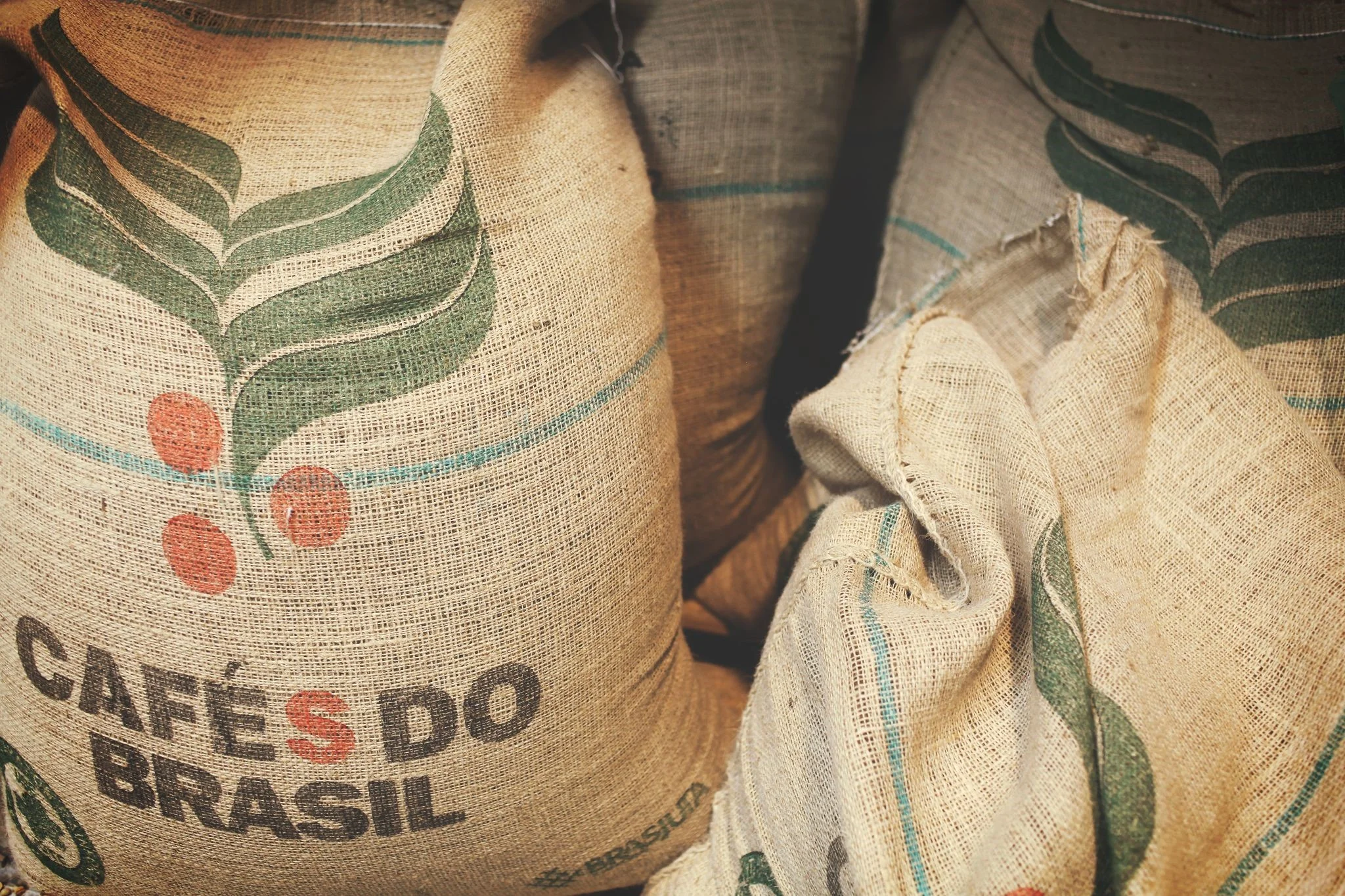
Before you purchased coffee beans from a coffee shop, those coffee beans originated from a raw, unroasted state. In its purest form, coffee derives from a fruit and what we know as a bean, is actually the seed of that fruit. These seeds are processed, dried, and shipped globally. When the raw, dried seeds are received by a roaster, they are green, hard as a rock,, and have a grassy aroma. This green state ensures that the beans can be kept for long periods of time without losing quality or taste.
Roasting is the spark that ignites the magic in the coffee bean. According to the National Coffee Association:
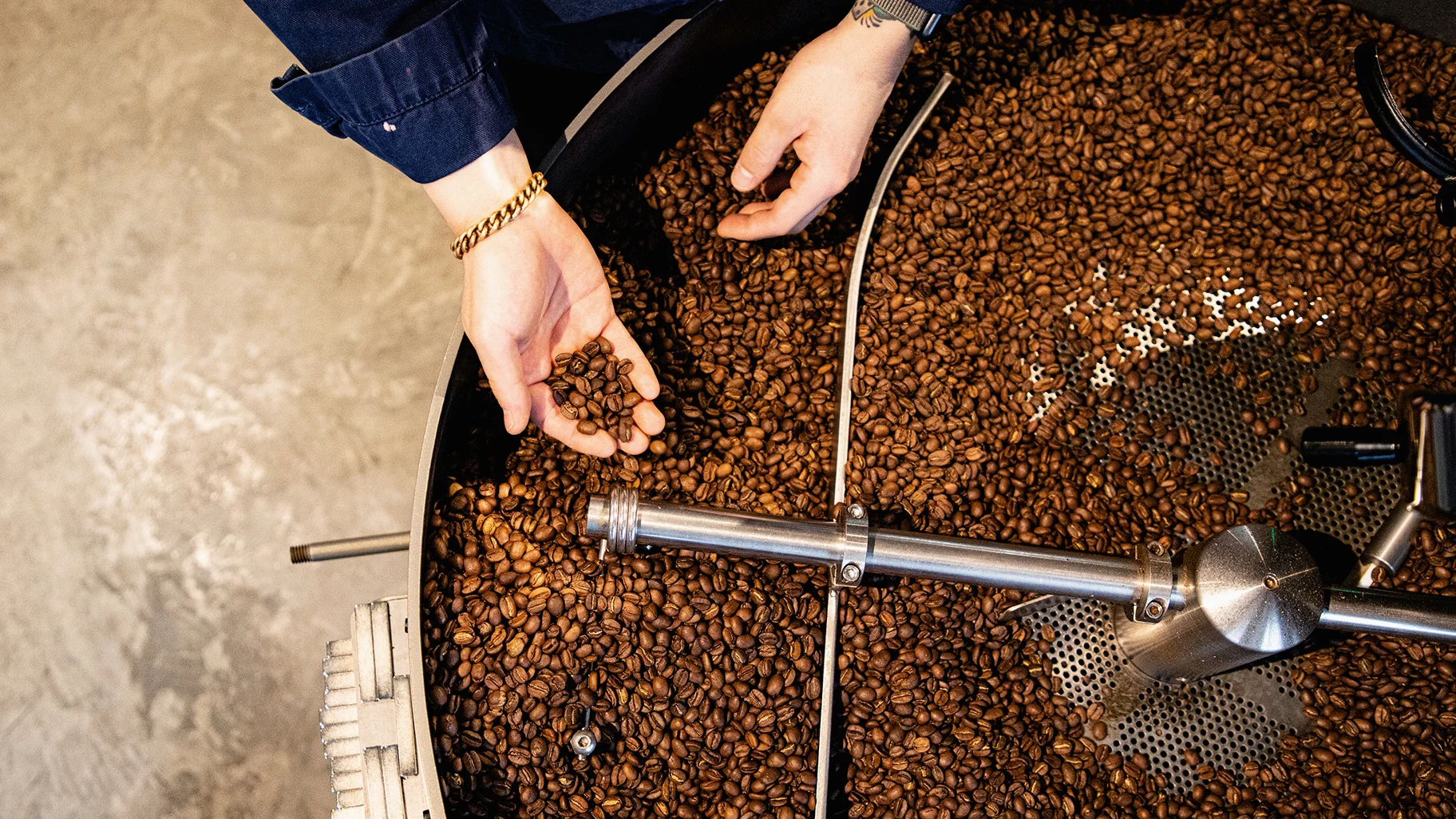
“Roasting brings out the aroma and flavor that is locked inside the green coffee beans…roasting causes chemical changes to take place as the beans are rapidly brought to very high temperatures. When they reach the peak of perfection, they are quickly cooled to stop the process. Roasted beans smell like coffee, and weigh less because the moisture has been roasted out. They are crunchy to the bite, ready to be ground and brewed.”
That said, once the beans have been roasted, their freshness clock starts ticking. They’re best used within five to thirty days after the roasting process.
Types of roasting processes
Before we plunge into the heart of light roast vs dark roast, you’ll need to get familiar with the different types of roasting processes.
The world of coffee roasting isn't as binary as it might seem—it's not simply light or dark. Just as a steak can be rare, medium-rare, or medium, there are various gradations in coffee roasting. These nuances are created with variations in roasting time and temperature levels.
There isn’t strict industry standardization for roasting levels. There can be some gray area over what specific category the roast falls into. Generally speaking, most roasts will fall into one of four color categories:
1. Light
2. Medium
3. Medium Dark
4. Dark
Light roast
One of the reasons why the light vs dark roast conversation can be confusing for new coffee drinkers is the fact that the term “light” can be misleading, as it suggests that the coffee is weaker or less intense.
However, that’s usually not the case.
In truth, most light roasts have more caffeine and can offer a much more complex array of flavors—so much so that it might pack quite a punch for someone new to coffee or who is accustomed to standard medium American roast.
Every stage of roasting can be approached differently to achieve a slightly different outcome within the same category. That said, each roaster’s subjectivity should be acknowledged in order to fully understand the key differences. Style and culture are big parts of creating a roast profile.
Most light roast coffees are classified as follows :
● Roasting temperature – Typically roasted at lower temperatures (around 356-401°F), stopping at the first crack—the point at which the beans expand and initially crack. The actual profile of temperature can vary a lot over the total time of the roast.
● Bean appearance – They’re light brown in color like milk chocolate. The beans often have a smooth, matte finish.
● Caffeine content – They usually have higher caffeine content. That’s because the roasting process reduces caffeine levels. And since light roast coffee is roasted for less time, more caffeine remains.
● Acidity – Light roasts usually carry a higher perception of coffee acidity, which contributes to a sharp and bright taste that adds complexity.
● Sweetness – Light roasts are usually less sweet than darker roasts, as the sugars have less time to carmelize in the roasting process.
● Flavor complexity – Light roasts have more complexity of flavor. The lighter roasting process ensures that you can taste the “terroir,” or the natural environment where the beans originally grew—which can reflect the soil type, altitude, and climate.
● Moisture content – Light roasts retain more moisture, which makes them denser.
● Shelf life – They may have a slightly shorter shelf life due to the moisture content and density.
● Roast Types – Light-City, Half-City, Cinnamon
Medium roast
Medium roast is the most common entry point for the novice coffee drinker since it can provide an appealing balance between the brighter, complex flavors of a light roast and the strong, caramelized taste of a dark roast.
Order a coffee at a breakfast diner, and you’ll probably be served an American or Breakfast roast—both of which are a quintessential medium roast.
● Roasting temperature – Medium roasts are usually heated at temperatures between 410–428°F. The process usually halts just after the first crack or as the second crack starts.
● Bean appearance – They have a medium brown hue similar to semisweet chocolate with little to no oil sheen.
● Caffeine content – Most have a caffeine content between light and dark roast coffee beans, making them ideal for the morning coffee drinker that needs a balanced caffeine boost.
● Acidity – Medium roasts achieve that middle ground between the sharp, tangy taste of light roast coffee beans and the lower-acidity, brawny flavor of darker roast beans.
● Sweetness – They have some caramelization from a longer roasting process, but aren’t quite as sweet as a darker roast.
● Flavor complexity – they retain some of the bean's terroir while introducing a more maturely roasted coffee flavor profile.
● Moisture content – They’re moderately moist and dense in comparison to light and dark roasts.
● Shelf life – They have a decent shelf life, but for peak coffee freshness and flavor, roasters recommend consuming the beans within 1–2 weeks.
● Roast types – City, American, and Breakfast
Medium dark roast
A tad deeper than medium roasts, medium-dark roasts edge towards the richer, more robust characteristics of dark roasts without fully committing. A medium dark roast is ideal for the coffee drinker that prefers an intense flavor profile with a pinch of bright and complex notes.
● Roasting temperature – Medium-dark roasts are typically roasted at temperatures between 437–446°F. The roast is stopped in the middle or end of the second bean crack.
● Bean appearance – They have a rich, dark brown color and sometimes begin to show some surface oil on the surface of the bean due to the longer roasting time.
● Caffeine content – They usually have a lower level of caffeine compared to light and medium roasts, but more than the darkest roasts, making them an excellent choice for coffee drinkers who don’t want too much of a boost.
● Acidity – Most of them have reduced acidity compared to lighter roasts, instead favoring the richer, robust flavors of darker roasts.
● Sweetness – They’re sweeter due to increased caramelization of the sugars in the beans during roasting.
● Flavor complexity – They retain some of the unique flavors of the bean’s origin while showcasing more of the roast flavors. This roast profile tends to be the most balanced.
● Moisture content – Medium-dark roasts lose a significant amount of moisture during roasting, making them less dense and more brittle than the lighter roasts.
● Shelf life – Medium-dark roasts, due to their reduced moisture content and increased brittleness, generally have a decent shelf life.
● Roast types – Full-City and Vienna
Dark roast
The heavyweight of the coffee world, darker roasts are renowned for their robust, rich, and often chocolatey or smoky flavors. These roasts are a go-to for coffee drinkers who value an intense, full-bodied cup with a lower caffeine profile.
● Roasting temperature – Dark roasts are roasted at higher temperatures, usually between 464–482°F. The roasting process is stopped during the second crack or even beyond.
● Bean appearance – They have a dark brown to black color like dark chocolate or even charcoal. A clear, shiny oil can often be seen on the surface thanks to the extended high-temperature roasting process which pushes the oil to the surface. It’s worth noting that surface oil is not indicative of quality and, contrary to popular belief, can actually cause loss of flavor and can issues for grinders.
● Caffeine content – Dark roasts usually contain the least caffeine of all roasts.
● Acidity – They have the least acidity compared to other roasts. The high-temperature roasting process reduces acidity and enhances the rich flavors associated with roasting.
● Sweetness – The sugars in dark roasts are heavily caramelized, sometimes even slightly charred, contributing to a distinct sweetness that might be described as bittersweet or chocolatey. A fine line exists here between the flavor of caramel and burnt sugar.
● Flavor complexity – Dark roasts mostly showcase the flavors of the roast rather than the bean's original characteristics.
● Moisture content – They lose most of their moisture during heating, resulting in a less dense, more brittle bean.
● Shelf life – Dark roasts have a decent shelf life due to decreased moisture content and brittleness, but the addition of surface oils can create rancid flavors.
● Roast types – French, High, Continental, New Orleans, European, Espresso, Viennese, Italian, French
Dark roast vs. light roast
Want an easy way to find the best coffee roast for your taste and caffeine preferences? Here’s your quick guide on the distinctions between dark roast vs. light roast:
| Light Roast | Dark Roast |
Roasting Temperature | 356–401°F | 464–482°F |
Appearance | Tan, no oil on surface | Dark brown to black, shiny oil on surface |
Caffeine Content | High | Low |
Acidity | High | Low |
Sweetness | Mild sweetness | More sweet (bittersweet) |
Flavor complexity | High (more original flavors of bean) | Low (more roast flavors) |
Moisture content | More moisture, denser | Less moisture, brittle |
Shelf life | Slightly shorter | Slightly longer |
Breville: For all your coffee essentials
Whether you need a fresh cup of joe to help you get up in the morning or are craving a little afternoon energy boost, why stick with the same old type of brew?
In the vast universe of coffee, there are countless types of coffee roasts—each with its unique set of characteristics, flavors, and aromas—just waiting for you to try. From the brightly acidic flavors of the light roast to the full-bodied dark roast, there’s something for every palate.
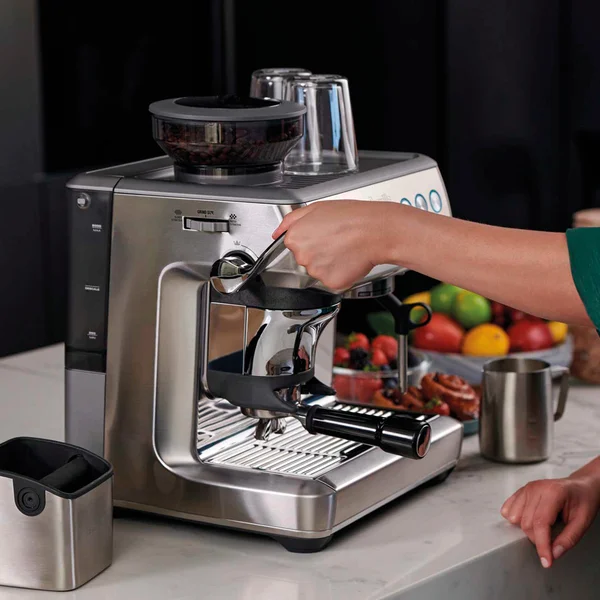
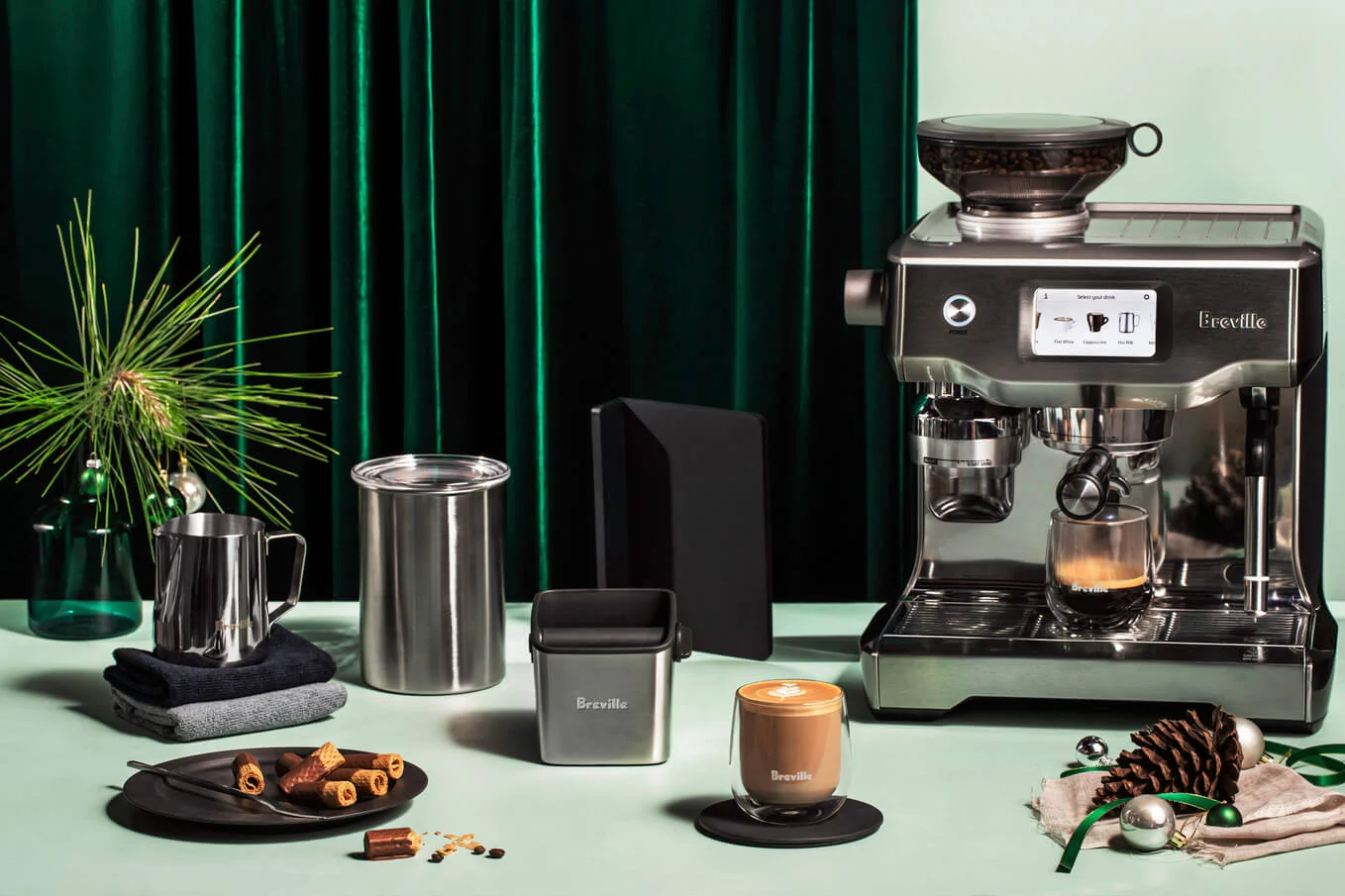
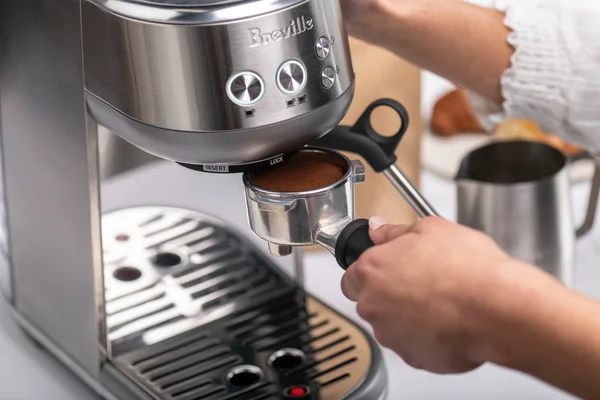
At Breville, we can help you curate your perfect at-home coffee-drinking experience. With several coffee machinemodels, espresso machines, grinders, specialty roasted beans, and more, we have everything you need to start your coffee journey from the comfort of your home kitchen.
Sources:
1. NCAUSA. Coffee Roast Guide. https://www.ncausa.org/About-Coffee/Coffee-Roasts-Guide