While a standard latte is a smooth and sippable mix of steamed milk and espresso, a mocha is a latte with the addition of decadent chocolate.
That’s the short and sweet version, but there's much more to the story than just a splash of cocoa. Let’s dive deeper into the differences between a mocha and a latte and help you decide which one suits your taste buds.
What is a mocha?
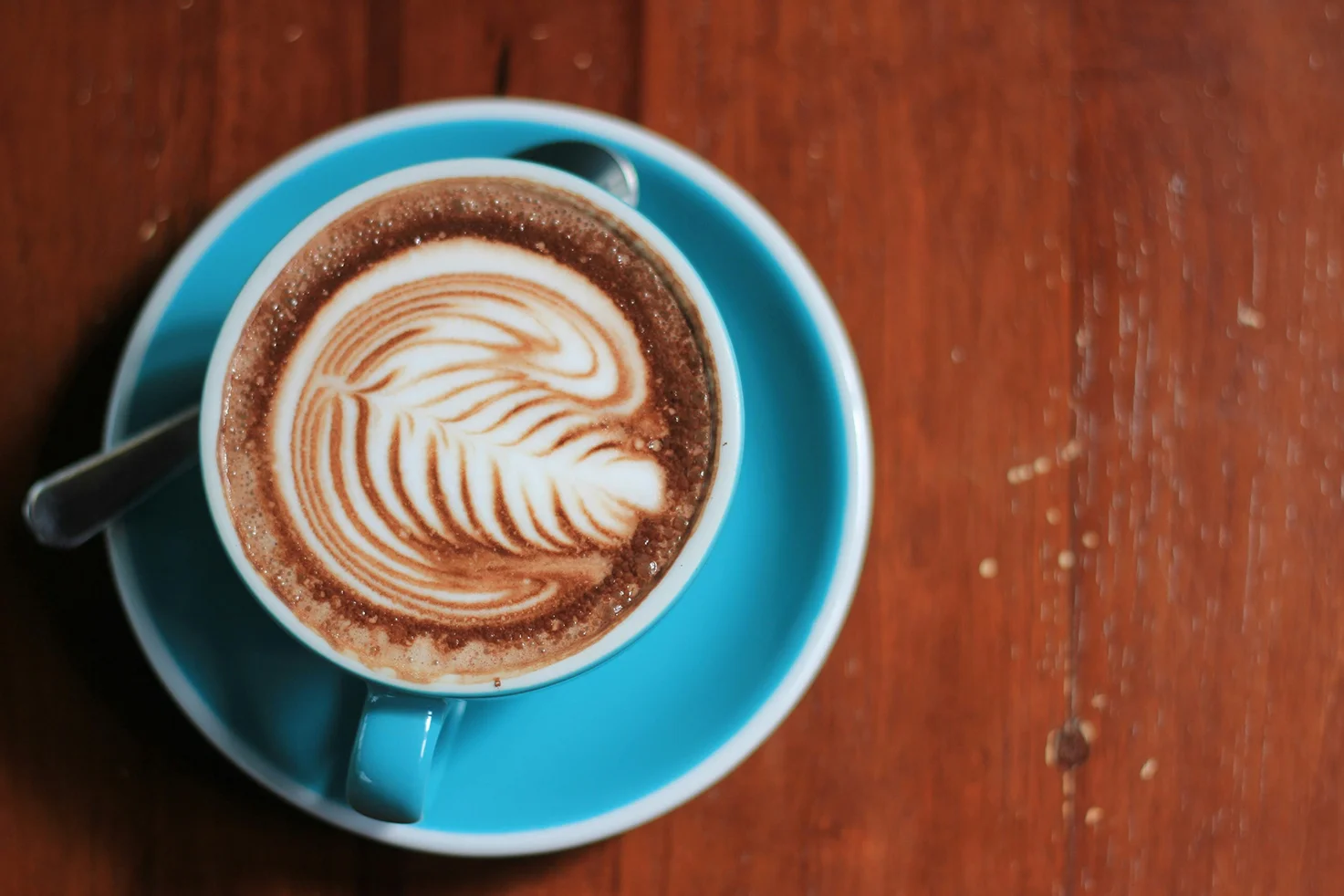
You might have seen it at your local cafe: an espresso based drink that resembles a latte but with a darker, richer hue, its once pure-white latte art flecked with specks of cocoa powder.
That’s a mocha, a decadent coffee beverage that blends espresso and chocolate into a single cup.
Also known as a cafe mocha or mocha latte, this unique drink is named after the city of Mocha in Yemen, a historic coffee trading hub. However, the modern mocha espresso-based drink we enjoy today is quite different from its historical namesake.
● Preparation usually involves:
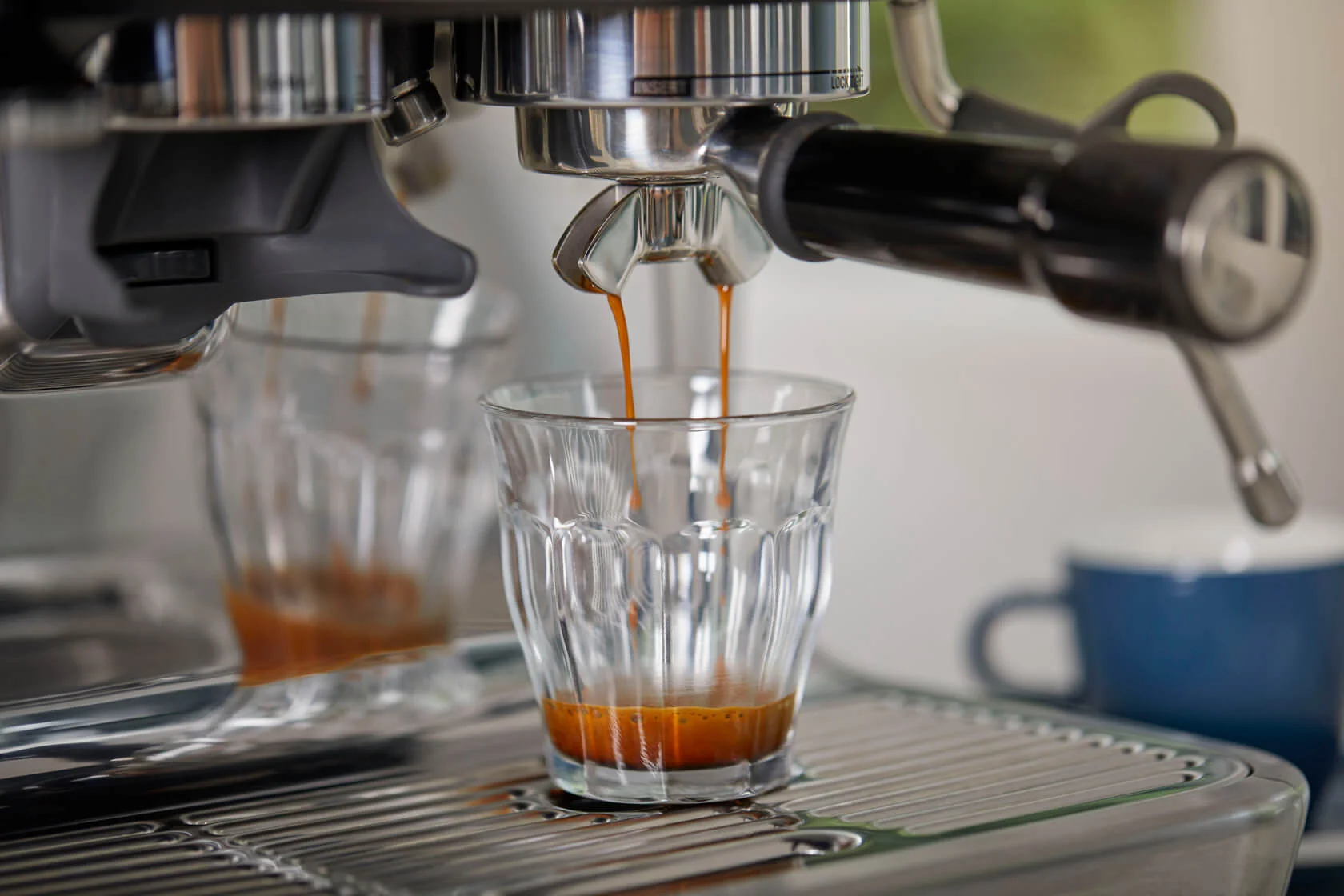
● Pulling a shot (or two) of espresso
● Adding chocolate, either as syrup, powder, or even whole chunks
Pouring steamed and foamed milk into the mix
Baristas have their own twists on the mocha. Some spread chocolate syrup along the rim or inside the cup, allowing the espresso and milk to absorb it naturally once poured. Others might add chocolate crumbles first, letting the hot espresso melt them into the drink.
No matter the method, the result is always the same: a harmonious blend of bold coffee flavor, creamy milk, and a sweet chocolate flavor. Boasting a rich and indulgent flavor profile, this dessert-like beverage is beloved by any coffee lover.
What is a latte?
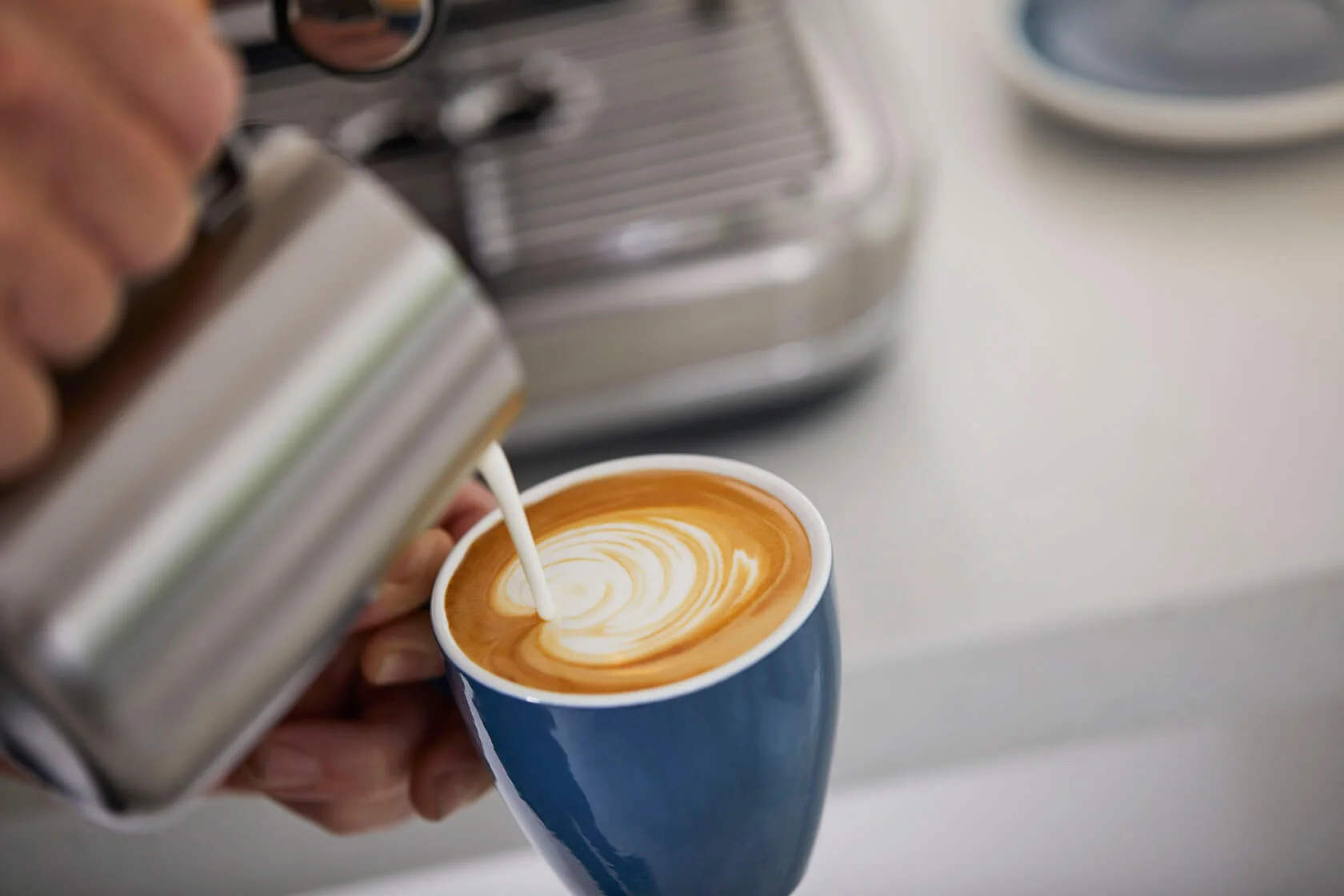
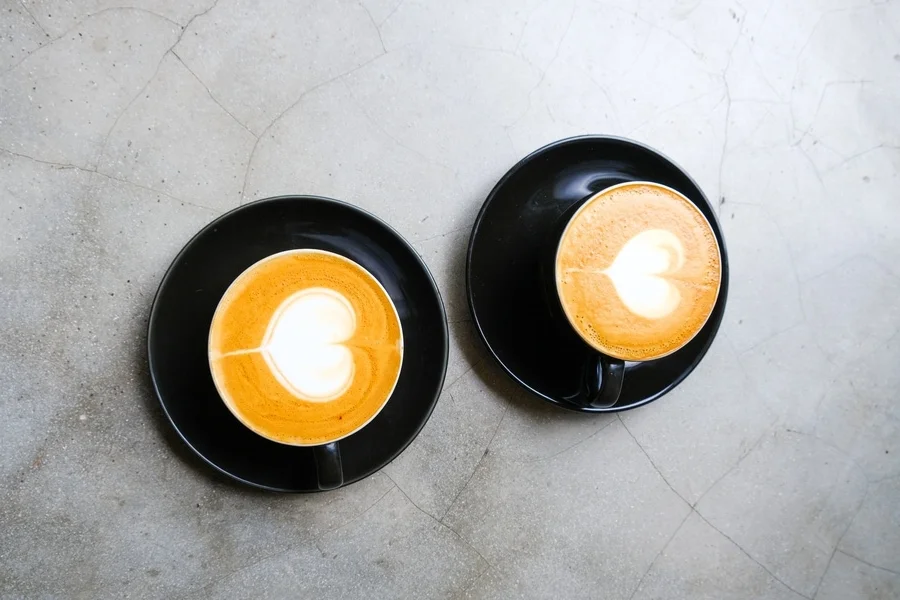
When you think of a latte, you might picture a golden-brown espresso adorned with a frothy, delicate milk rosette—artisanal craftsmanship in a cup. This classic cafe beverage is the ideal blend of milk and espresso, known for its smooth and creamy texture.
● Your standard latte typically consists of:
● One-third espresso
● Two-thirds steamed milk
● A delicate layer of foam
Lattes are one of the world’s most popular coffee beverages, famous for their velvety mouthfeel and easy-to-drink nature. Boasting a balanced coffee flavor profile, lattes let the espresso do its job, mellowed by the steamed milk’s natural sweetness.
Whether enjoyed as a simple mix of frothed milk and espresso or as a canvas for intricate artwork, the latte remains a timeless favorite in today’s coffee culture.
What are the key ingredients of each?
The primary difference between a latte and a mocha actually comes down to one key ingredient: chocolate. This simple addition opens up a world of possibilities:
Mochas: A chocolate lover’s delight
Whether served iced or hot, mochas can be topped with whipped cream for an extra indulgent touch. The choice of chocolate significantly impacts the flavor:
● Dark chocolate – Adds a rich, complex bitterness that enhances the espresso's depth.
● Milk chocolate –Offers a sweet, creamy contrast to the robust espresso.
● White chocolate – Introduces a smooth, vanilla-like sweetness.
Moreover, the form of chocolate also matters.
While chocolate syrups and powders are easy to mix, imagine the satisfaction of melting whole chocolate chunks under a double shot of espresso. That’s a novelty that just can’t quite be put into words.
Lattes: classic caffeinated elegance
With a simple base of milk and espresso, lattes offer incredible versatility. Their primary ingredient, milk, can be customized in numerous ways:
● Flavored syrups – Lattes are a canvas for more than just latte art, they’re also a base for a variety of espresso experiments. Ever craved a caramel latte? Add flavors from vanilla to caramel to hazelnut for a caffeinated creation customized to your palate.
● Plant-based milks – Almond, soy, oat, coconut—any non-dairy milk can be used in a latte, each bringing its own unique flavor and texture. There are lots of different milks for frothing. Experiment to find the best option to complement your taste buds.
Flavor profiles
Despite their similarity, the single addition of chocolate adds an entirely new dynamic to the flavor profile of a mocha vs latte. Here’s how they measure up side by side:
● Mocha Coffee – Rich, complex flavors that combine espresso with the sweetness of steamed milk and chocolate. This trifecta results in a harmonious, indulgent blend that tends to the sweeter side.
● Latte – The strong espresso notes are softened and complemented by creamy steamed milk. Without the sweet complexity of chocolate syrup, lattes allow the original flavors of the coffee to shine through more prominently.
The type of coffee roast and beans also influence the flavor profiles of both drinks. For example, a dark Indonesian roast may complement mochas with earthy undertones, whereas a latte might better match a Colombian coffee’s nuttier, caramel notes.
Both lattes and mochas are the sum of their parts, so selecting the best ingredients is key to a superior coffee experience.
Caffeine content comparison
The caffeine content of both drinks is relatively similar. The biggest factor is how many shots of espresso are used.
Since each shot contains 63 mg of caffeine on average, the standard double shot used in mochas and lattes contains around 126 mg.
It's worth noting that the chocolate in a mocha contains trace amounts of caffeine. However, this amount is negligible compared to the espresso itself. Dark chocolate also contains more caffeine than milk chocolate, but even then, it typically adds only a few extra milligrams to the overall caffeine content.
Is a mocha stronger than a latte?
Whether a mocha is “stronger” than a latte can be interpreted in a few different ways:
● Caffeine strength – As noted previously, mochas only contain a few milligrams more caffeine than standard lattes. So in this sense, neither drink is much stronger than the other.
● Flavor intensity – Judging on taste alone, it’s no surprise that mochas seem stronger due to their more complex flavor profile. Specialty cafes might also offer variations of mochas with less sweetness, enhancing the perception of a stronger espresso flavor.
● Energy boost – While the caffeine content might be similar, some people feel a bigger energy boost from mochas. This could be due to the higher sugar content in mochas, which adds an extra energy kick. This caffeine-sugar combo can make mochas feel stronger in terms of the overall energy boost.
Ultimately, the difference in strength between latte and mocha is somewhat subjective. While a mocha might seem stronger due to its complex flavor and higher sugar content, the actual caffeine difference is minimal.
The biggest factors are individual preferences and sensitivities to caffeine and sugar, meaning the answer to this question will vary from person to person.
Mocha or latte: Which one wins?
We’ve examined their ins and outs, and now only one question remains: Which one is better? The answer depends very much on your personal tastes, but both options offer a unique experience.
Consider the following questions to determine if a mocha drink is your perfect match:
● Are you a chocolate lover? The addition of chocolate makes mochas a delightful treat for anyone with a sweet tooth.
● Do you prefer sweeter or more complex drinks? The combination of espresso, foamed milk, and chocolate creates a rich, multi-layered flavor profile.
● Enjoy lattes, but find something lacking? If it feels like something is missing, the added chocolate in a mocha drink might be just what you need
If those points don’t quite resonate with you, here are a few more questions to see if a latte might be the right choice:
● Do you prefer less sweetness? A latte can often deliver a cleaner cup focused more on the espresso and steamed milk.
● Are you a fan of keeping it simple? A latte's straightforward flavor profile may be your go-to.
● Do you enjoy exploring unique espresso blends? Lattes allow the unique characteristics of the coffee origins to shine through.
The best part—about either beverage—is that they serve as an excellent foundation for customization. For example, you might prefer a skinny mocha made with skim milk and sugar-free chocolate syrup as a guilt-free alternative. Or you can mix things up with syrups and add-ins, whipping up an iced vanilla caramel latte to satiate your sweet tooth.
That’s the real beauty of coffee: there are no winners or losers, only endless possibilities.
Mocha or latte, satisfy your coffee cravings with Breville
The mocha vs. latte debate underscores an essential truth: even a single ingredient can completely change the coffee game.
Whether you prefer the rich, chocolatey indulgence of a mocha or the smooth, balanced simplicity of a latte, both drinks celebrate the art and science of espresso. And with a deeper understanding of their differences, navigating those menus just got a whole lot easier.
But why stop there?
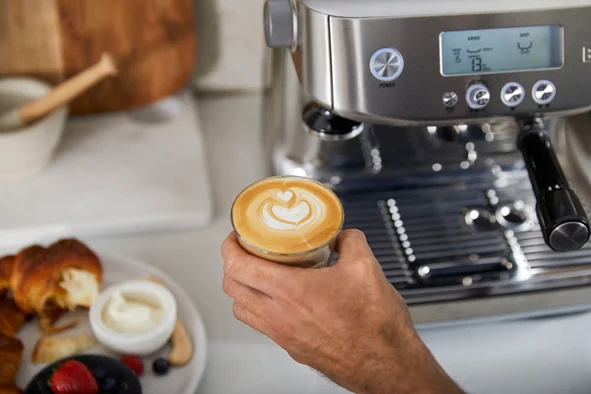
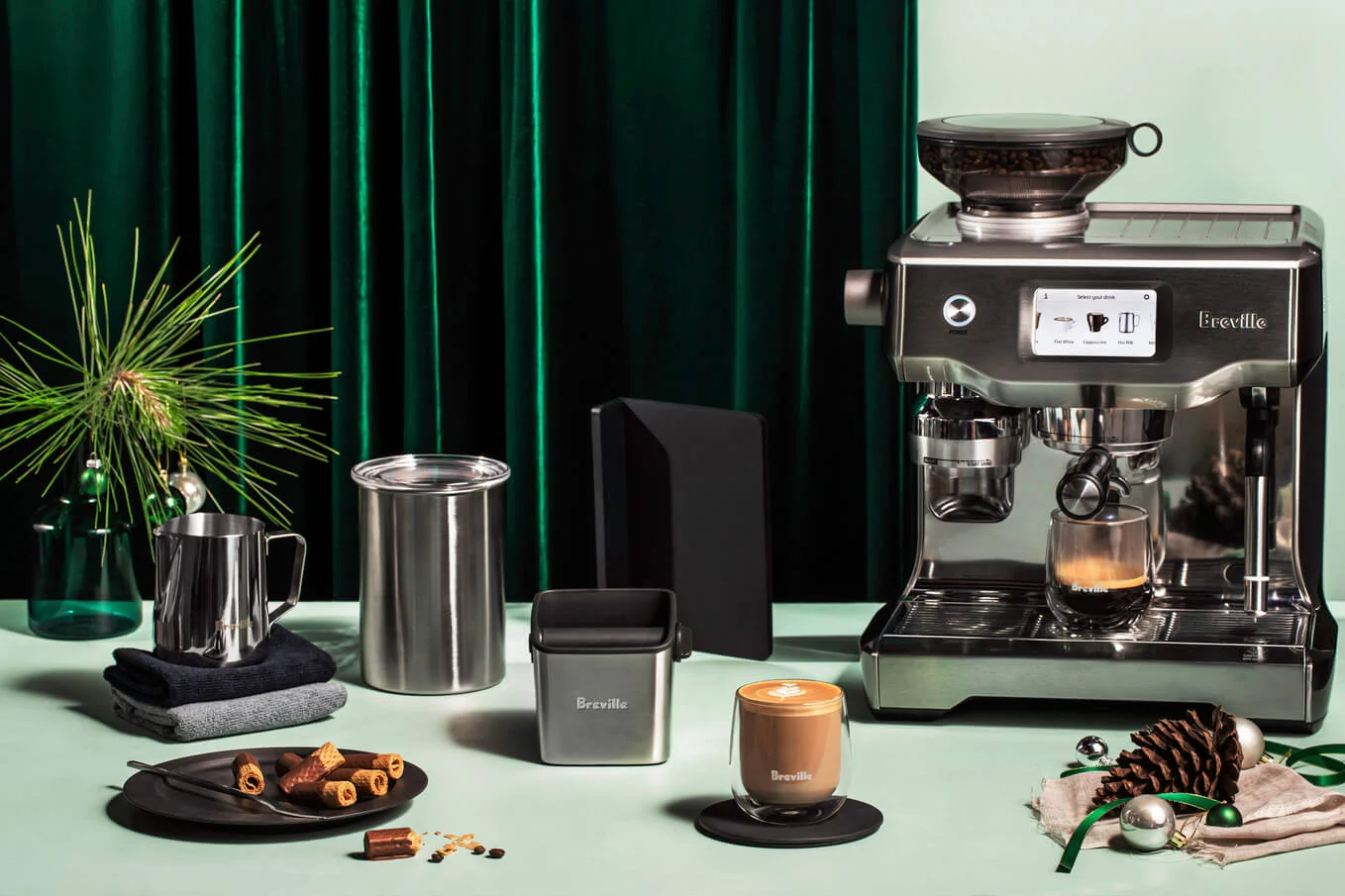
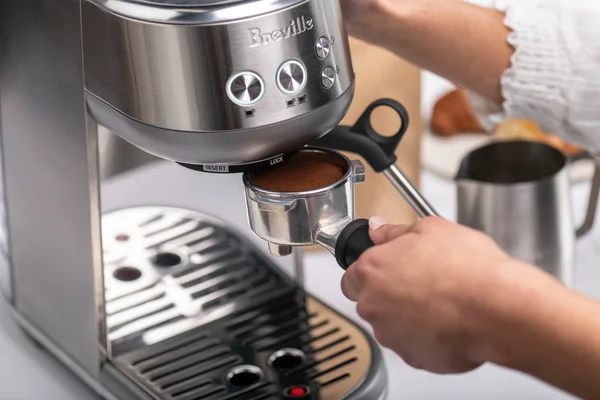
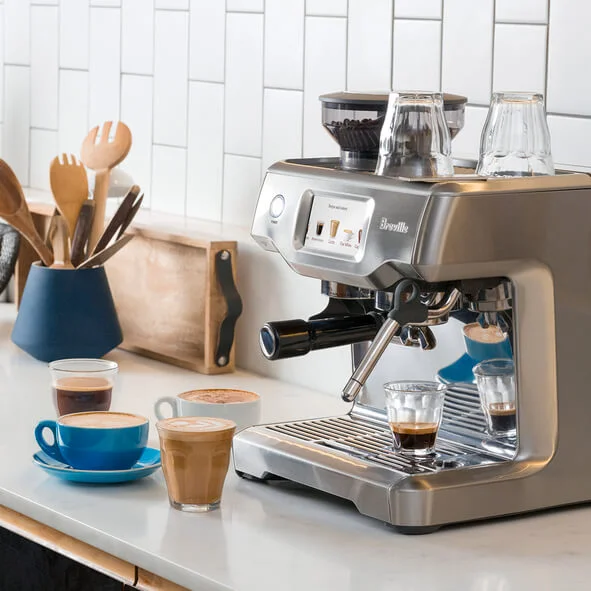
Experiment and create your own cafe-quality beverages at home. Breville offers a wide range of espresso machines and equipment to help you craft the perfect mocha, latte, or any coffee drink you desire.
Discover the endless possibilities and elevate your coffee experience with Breville.
Sources:
1. The Golden Lamb. Mocha vs. Latte – What’s The Difference? https://thegoldenlamb.com/guides/mocha-vs-latte/
2. Culinary Lore. Why is Chocolate Flavored Coffee Called Mocha? https://culinarylore.com/drinks:why-is-chocolate-flavored-coffee-called-mocha/
3. Healthline. How Much Caffeine in a Cup of Coffee? A Detailed Guide. https://www.healthline.com/nutrition/how-much-caffeine-in-coffee#TOC_TITLE_HDR_3
4. WebMD. How Does Too Much Sugar Affect Your Body? https://www.webmd.com/diabetes/features/how-sugar-affects-your-body