Instead of enjoying a delectable cup of joe, you’re left asking the question: Why does my coffee taste bitter?
If your daily cup of coffee has been leaving a bitter taste in your mouth lately, don’t break out the tea bags just yet. In this article, we’re going to solve all your coffee-brewing problems and give you the solution to brewing a cup that’s rich, complex, and strong—without crossing the line into bitterness.
What is bitter coffee?
Whether you take it creamy and sweet, plain and black, or somewhere in between, a hint of bitterness isn’t out of place in good coffee. In fact, coffee bitterness is an integral part of the flavor profile—it provides a bold counterpoint to the other tasting notes contained in those flavor-packed beans.
Ideally, coffee strikes a balance between four major tastes:
● Acid
● Sweet
● Bitter
● Salt
(Note: we’re not talking about flavored coffees like hazelnut or vanilla. We’re focusing on the natural flavors present in coffee beans.)
These flavors are caused by chemical compounds that are released when coffee grounds come into contact with water. The varying concentrations of each compound create the flavor balance of the final brew.
A sweeter bean might bring to mind flavors like caramel or brown sugar, while more acidic coffees may be described as citrusy or tart. Bitterness is often confused for acidity, but it’s subtly different—you might experience bitterness as a dry or burned flavor at the back of the tongue that lingers after each sip.
Causes of bitter coffee
So, we know that a hint of bitterness is a key part of a balanced coffee. The problem comes when bitter notes overpower the other flavors in your cup, leaving you with an unpleasant or harsh aftertaste.
But what causes those bitter notes to take over the harmonious mix of flavors you were aiming for? Several factors can come into play:
● Over-extraction – When you’re troubleshooting a bitter brew, start here. Over-extraction (also known as over-brewing) is the most common culprit behind bitter coffee. This occurs when water is in contact with coffee grounds for too long, extracting more bitter compounds.
● Grind size – While a finer grind can help brew a stronger cup, using coffee that’s too finely ground can also lead to a bitter flavor.
● Water quality – Naturally, the water you use for brewing makes a big difference in the final product. Water that contains high levels of minerals or chemicals like sodium chloride, magnesium, and chlorine can negatively affect the flavor of coffee.
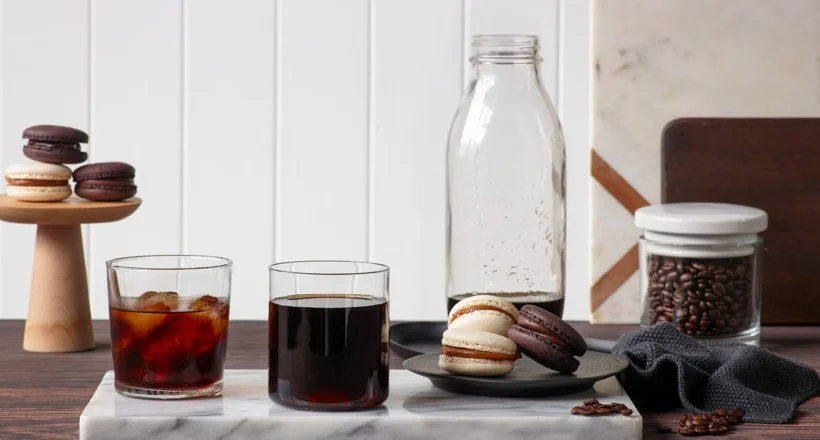
● Water temperature – Hotter water tends to extract more of the bitter compounds in coffee grounds. That’s why cold brew is known for having a sweeter, smoother taste compared to coffee brewed in a traditional automatic machine.
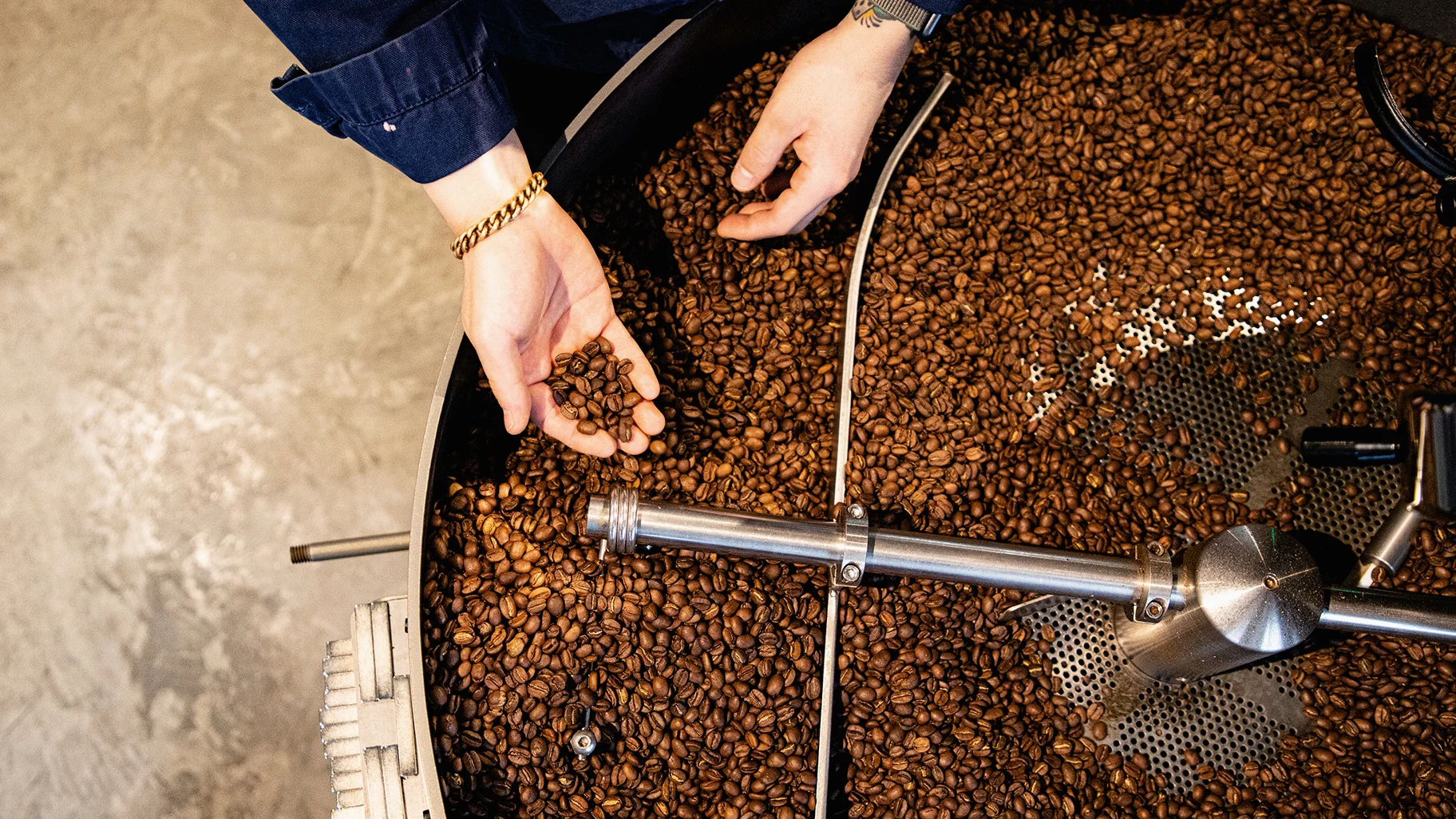
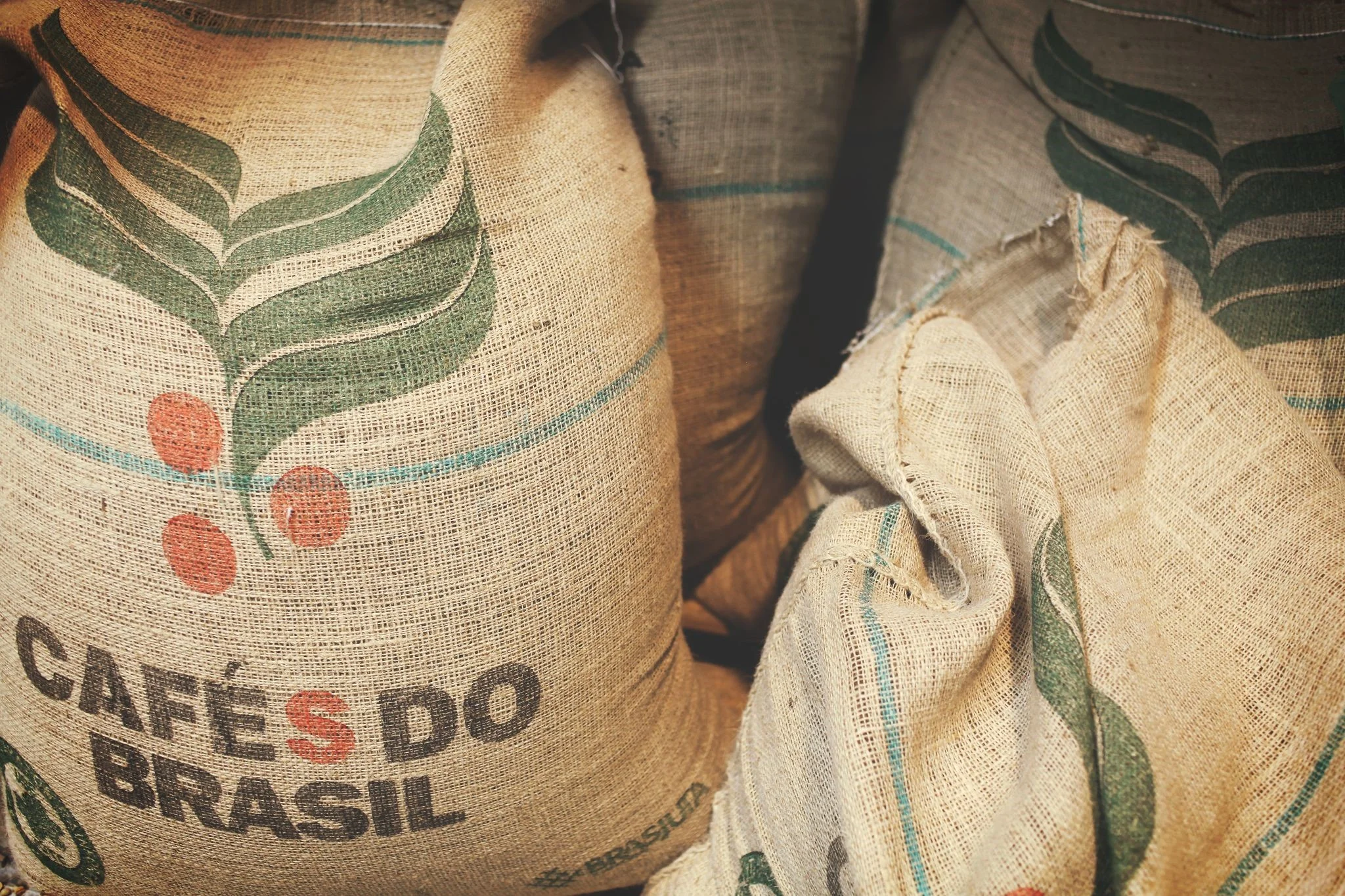
● Coffee variety and roast – Certain types of coffee beans, such as Robusta beans are naturally more bitter due to their high caffeine and chlorogenic acid content. The way the beans are roasted can also play a part—dark coffee that leans into over-roasted territory may taste more bitter than a light roast.
How to make your coffee less bitter
With these causes of bitter-tasting coffee in mind, how can you adjust your brewing technique to avoid an astringent aftertaste? Here are a few of our favorite tips to get a smoother cup every time:
● Reduce brewing time - Since improper coffee extraction is behind most bitter coffee, start your troubleshooting here. Don’t go too far—you don’t want to trade bitterness for a weak or sour brew. Shorten your brew time by 30 seconds to one minute with each test until you find the right balance for your palate.
● Adjust your water temperature - While brewing time is a major factor in over-extraction, high temperature plays a part as well. A coffee brewing temperature between 195 and 205 degrees Fahrenheit (just under boiling) is ideal for extracting full flavor without verging into bitter territory.
● Perfect your grind size - The smaller the size of the coffee grounds, the more quickly flavor compounds are released into the brewing water. Larger grounds don’t become saturated as quickly, so they take longer to release their bitter compounds. If your coffee has been tasting bitter, a coarser grind could be a simple fix.
● Use filtered water - Bicarbonate in hard water can bring out bitter notes even in properly brewed coffee, so using filtered water may solve the problem if adjusting your brewing time, temperature, and grind size doesn’t do the trick. Avoid using softened water, which adds sodium to the water and can result in a salty taste.
Brew it better, never bitter, with Breville
The right balance of sweet, acid, bitter, and salt in the perfect cup of coffee is a matter of personal preference, but we can all agree that an overly bitter brew probably doesn’t make the favorites list. Now that you know the most frequent causes of bitter coffee, you’re one step closer to crafting your ideal coffee every time.
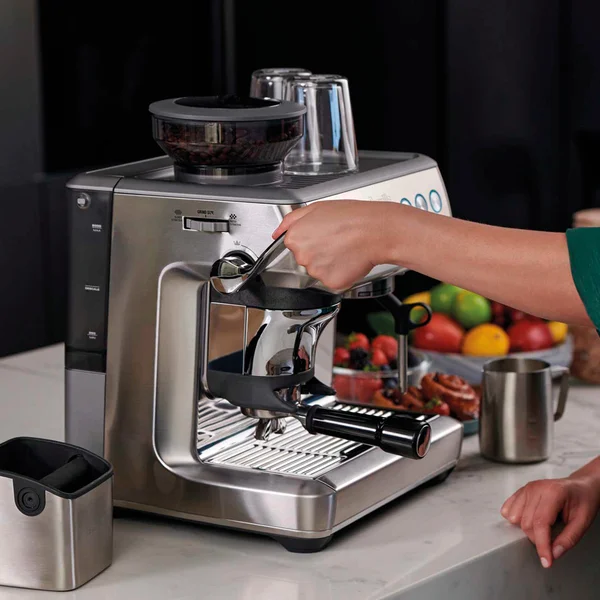
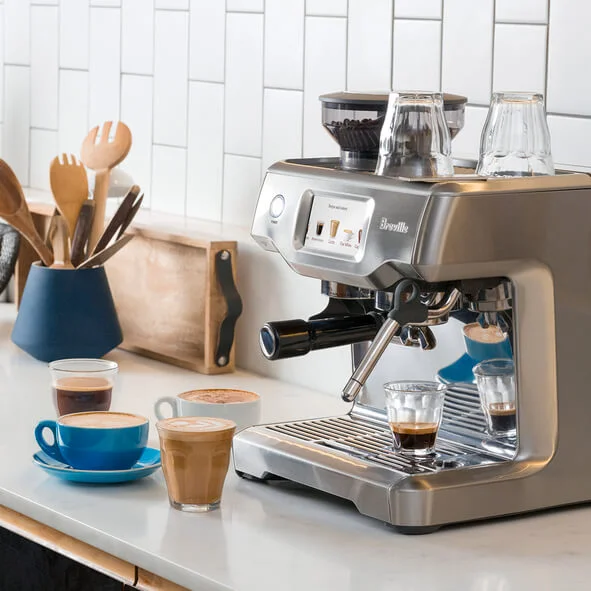
With the Breville line of coffee makers, espresso machines, and coffee grinders, you have complete control over your brewing process. Whether you prefer the convenience of pods or the art of espresso, Breville has just what you need to become a coffee connoisseur.
Sources:
1. Foods. Analysis of volatile compounds in coffee prepared by various brewing and roasting methods. https://www.ncbi.nlm.nih.gov/pmc/articles/PMC8230519/
2. Science of Cooking. Chemical compounds in coffee that produce aroma and bitterness. https://www.scienceofcooking.com/what-is-in-coffee.html
3. World Coffee Research. Sensory lexicon. https://worldcoffeeresearch.org/resources/sensory-lexicon