Join us as we dig into the subtleties of pour over coffee, a classic method you can utilize to boost your home barista experience, from the necessary equipment to pouring tips.
What is pour over coffee?
So what sets apart pour over coffee vs. drip coffee? Unlike traditional drip coffee, pour over coffee puts you in control of the brewing process, resulting in a more personalized, handcrafted coffee experience. But exactly what is pour over coffee, and how do you make it?
In a nutshell, making pour over coffee is a fairly simple process, utilizing hot water that’s “poured over” freshly-ground coffee beans to create more control and manipulation of the many variables introduced when making a cup of coffee.
Every step of the pour over journey offers you the chance to shape the outcome of your brew and tailor it to your taste preference—be that floral and fruity, rich and intense, or anything in between.
Why use the pour over method?
Pour over coffee has become incredibly popular for several reasons:
● Pour over allows you to have unmatched precision and control over brewing variables. You can adjust the water temperature, pouring rate, and contact time precisely. This control helps you bring out the most delicate and delightful flavors in your coffee, revealing the true essence of the beans you've selected.
● Pour over coffee brewing creates a moment of mindfulness and connection. The unhurried and purposeful procedure requires attentiveness and involvement, turning every session into a serene instance of coffee artistry.
Put simply, the pour over coffee method results in a much more flavorful cup than some automated alternatives with the bonus satisfaction of knowing you had a direct hand in the process.
What you need to make pour over coffee
In addition to the coffee itself, pour over coffee requires just a few essential tools:
● Dripper – They come in numerous shapes and sizes, but regardless, choose the one that fits your needs and make sure to match it with the right filters.
● Filter – Choose high-quality paper filters or reusable cloth or metal filters that fit your brewing device. The filter captures unwanted sediment and oils, resulting in the pour over’s signature clean taste.
● Grinder – A burr grinder is the ideal choice for grinding your coffee beans just before brewing. Consistent grind size is crucial for good extraction and delicious taste.
● Scale – By measuring your coffee and water weight with a scale, you can ensure consistency in every cup.
● Gooseneck kettle – These kettles feature a narrow, elongated spout, allowing for precise control over the water flow. While other kettles can work, a gooseneck is ideal for even extraction.
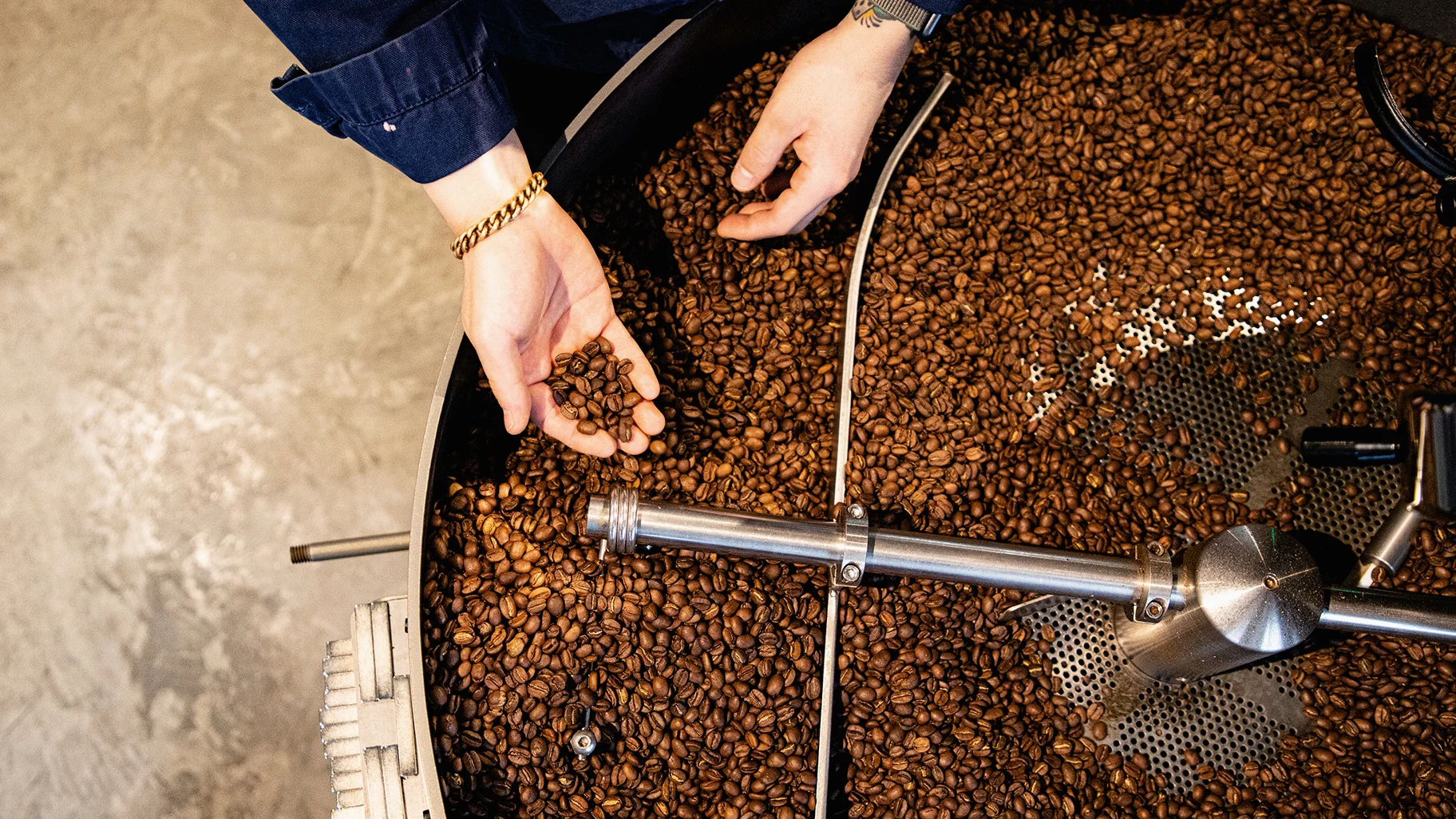
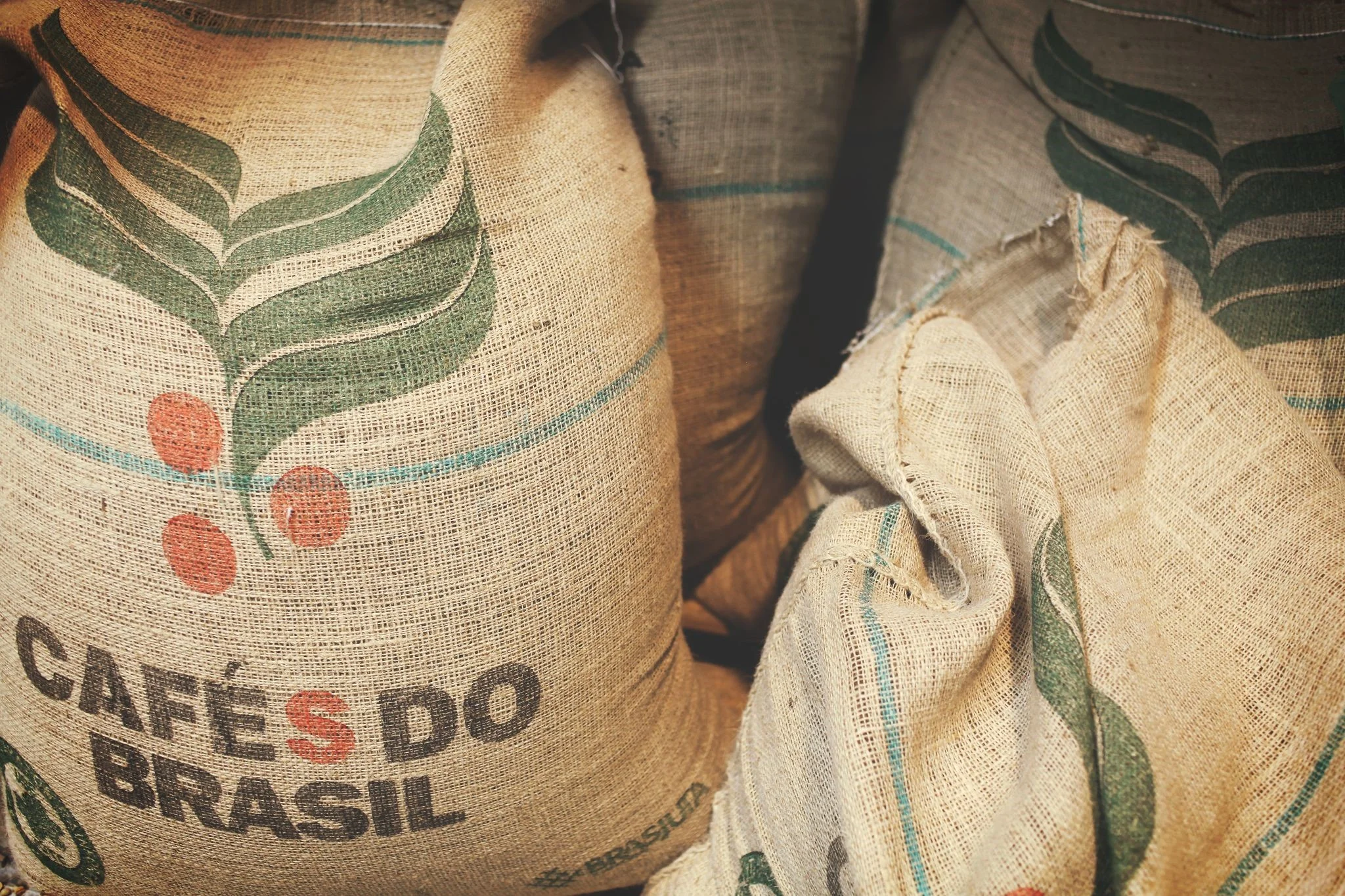
You’ll also want to opt for freshly roasted and ground coffee beans for maximum flavor. Experiment with various origins and roast levels—discovering new types of coffee roasts and beans is yet another delightful step in the journey to a perfect pour over.
How to make pour over coffee
With kettle in hand and the fundamentals of pour over in mind, it’s time to delve into the brewing ritual itself. Follow these simple steps to craft a brew that’s truly your own:
● Measure – Start by measuring your coffee grounds and water. If you’re unsure how much to use, a ratio of about 1:16, or roughly 60 grams of coffee to 1000 grams (or 1L) of water, is a safe start. Grind the coffee beans to a medium consistency, resembling table salt.
● Heat your water – The ideal coffee brewing temperature for pour over hovers around 195°F to 205°F (90°C to 96°C). Avoid boiling water, which can lead to over extracted coffee. Filtered water is recommended to ensure a clean, consistent cup.
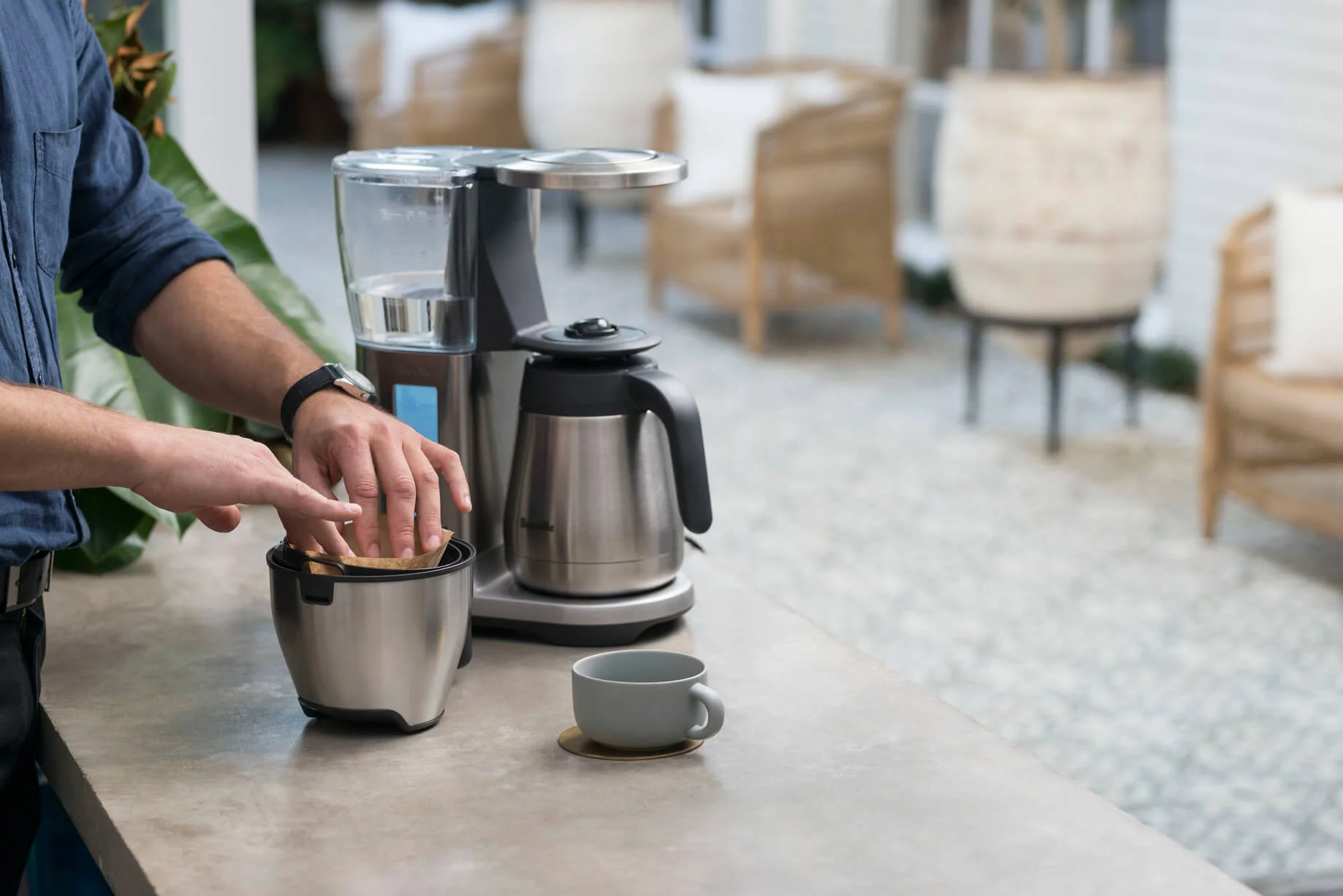
● Pre-wet the filter – If you’re using a paper filter, place it in the dripper and rinse with hot water. This helps prevent any paper taste from the filter while also preheating your carafe. Just don’t forget to toss the rinse water before you brew!
● Add coffee grounds – Place the ground coffee into the filter, ensuring it sits evenly and level.
● “Bloom” – Pour a small amount of hot water over the coffee grounds, known as the bloom. Aim to wet all of the grounds, and allow it to sit for about 30 seconds. During this time, the coffee releases CO2 and is prepared for a more even extraction.
● Pour in stages – Continue pouring in slow, steady circular motions. Aim to evenly saturate the coffee, pausing between pours to let the water fully extract the flavors.
● Drawdown – Once the desired volume is reached, let the remaining water drip through the coffee grounds. Your pour over coffee is now ready to be savored!
As mentioned, each step of the brewing process can be tweaked, optimized, or completely reworked to suit your tastes. With each pour, you’ll refine your technique and elevate your coffee ritual, crafting masterpieces that speak to the heart and palate alike.
Embrace pour over artistry with Breville
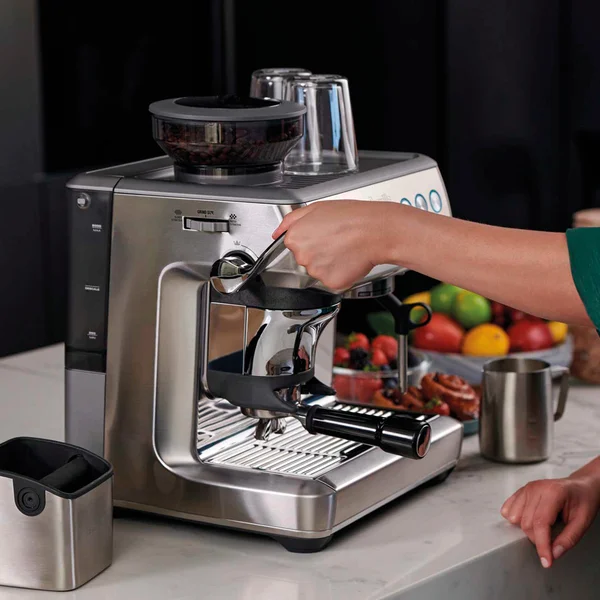
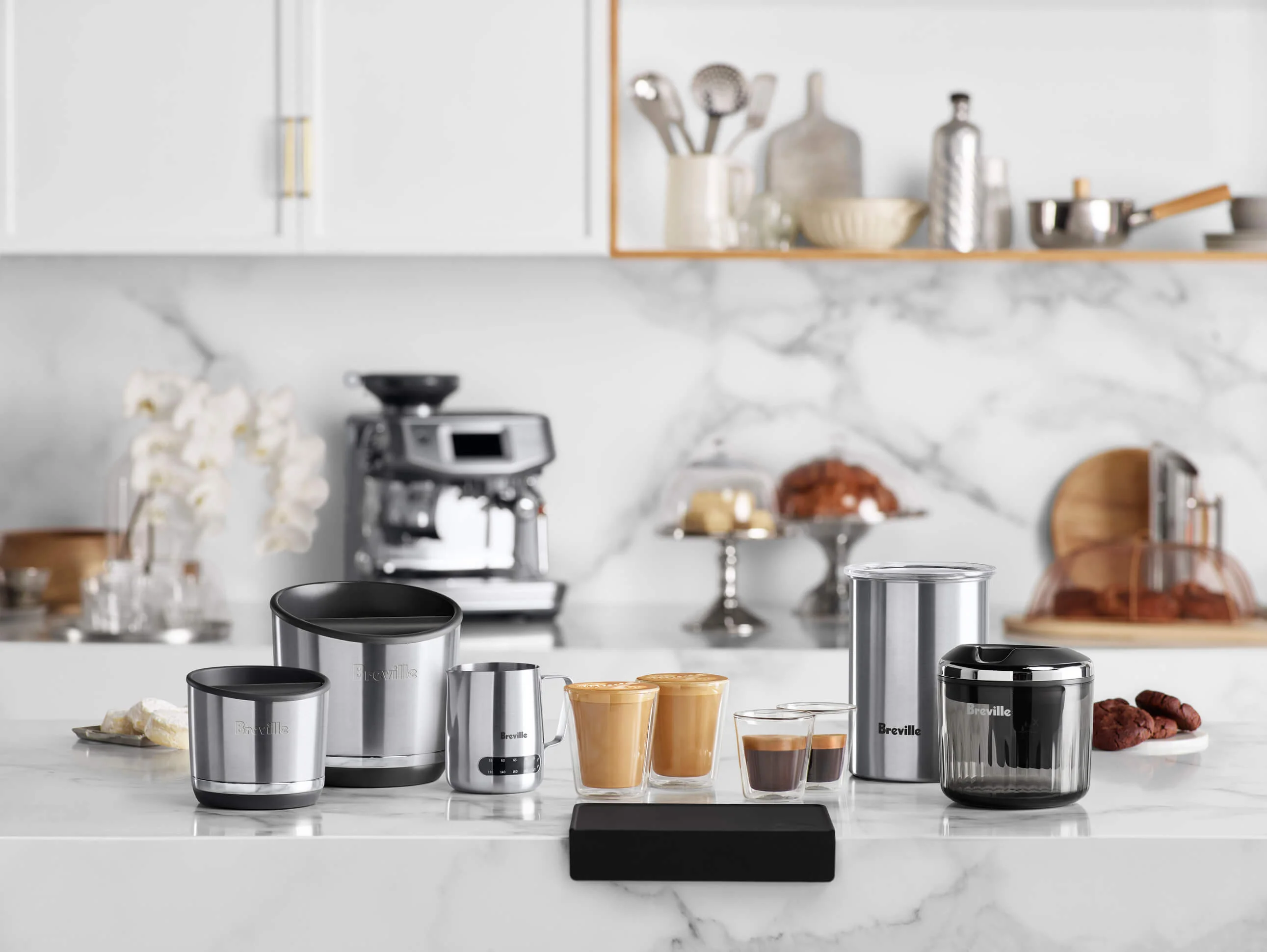
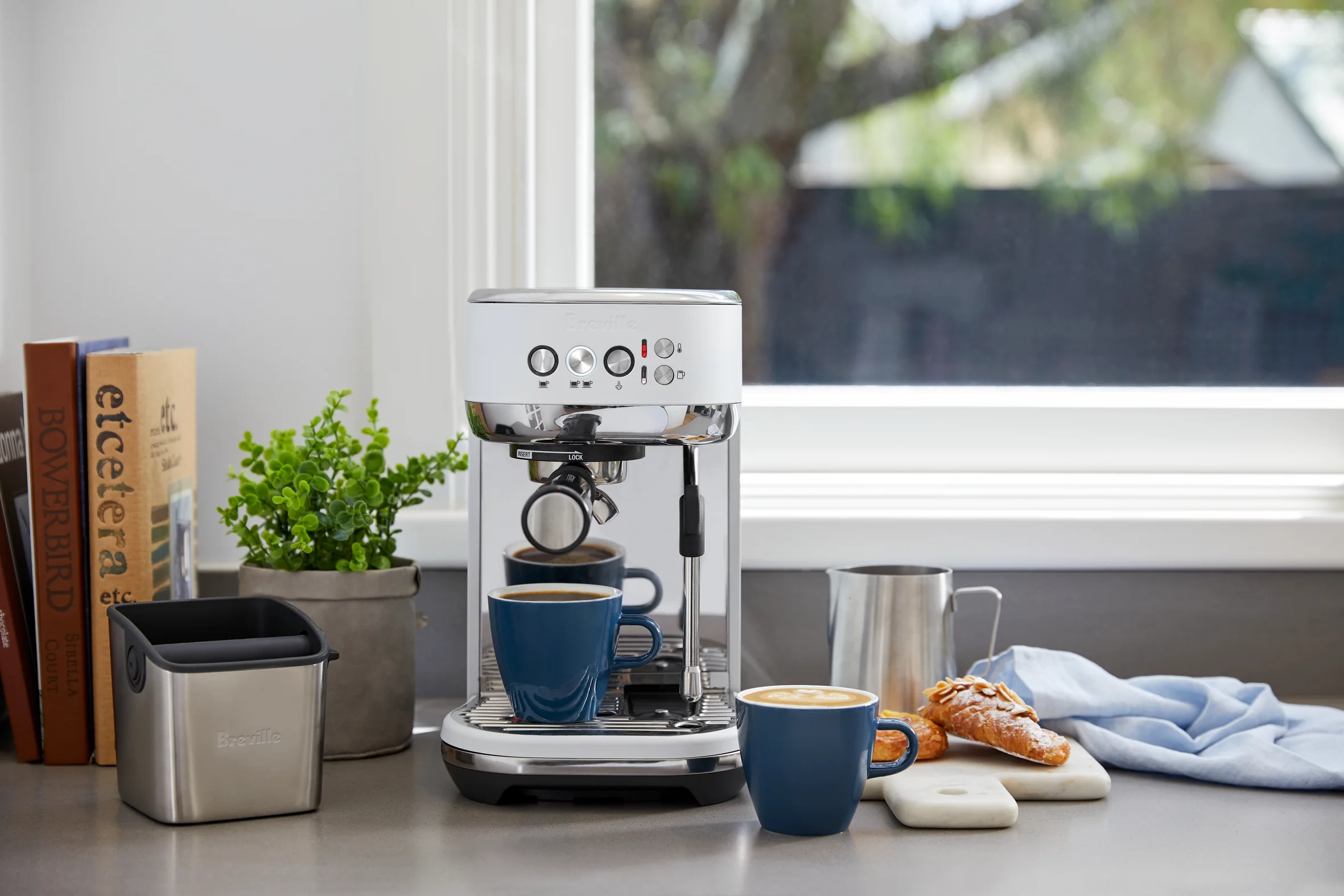
Breville's exceptional range of coffee equipment is designed to complement your home barista journey, providing the precision and craftsmanship necessary for creating the perfect pour over, every time.
Explore our line of coffee machines and embrace your pour over journey with Breville.
Sources:
1. All Recipes. What is Pour-Over Coffee? https://www.allrecipes.com/article/what-is-pour-over-coffee/
2. Epicurious. How to Make Pour-Over Coffee Like a Pro. https://www.epicurious.com/expert-advice/how-to-make-pour-over-coffee