#1 Choose the Right Beans
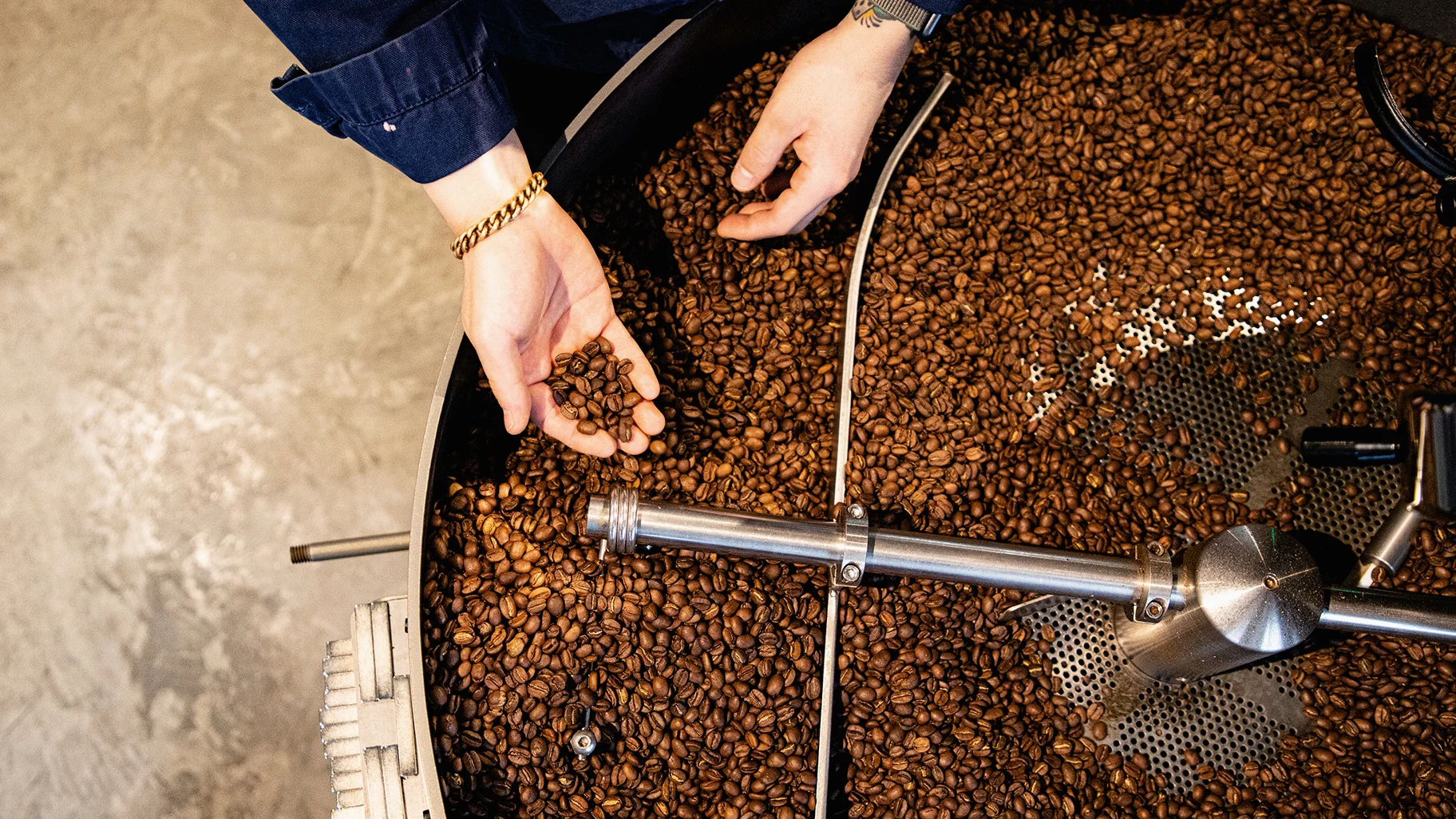
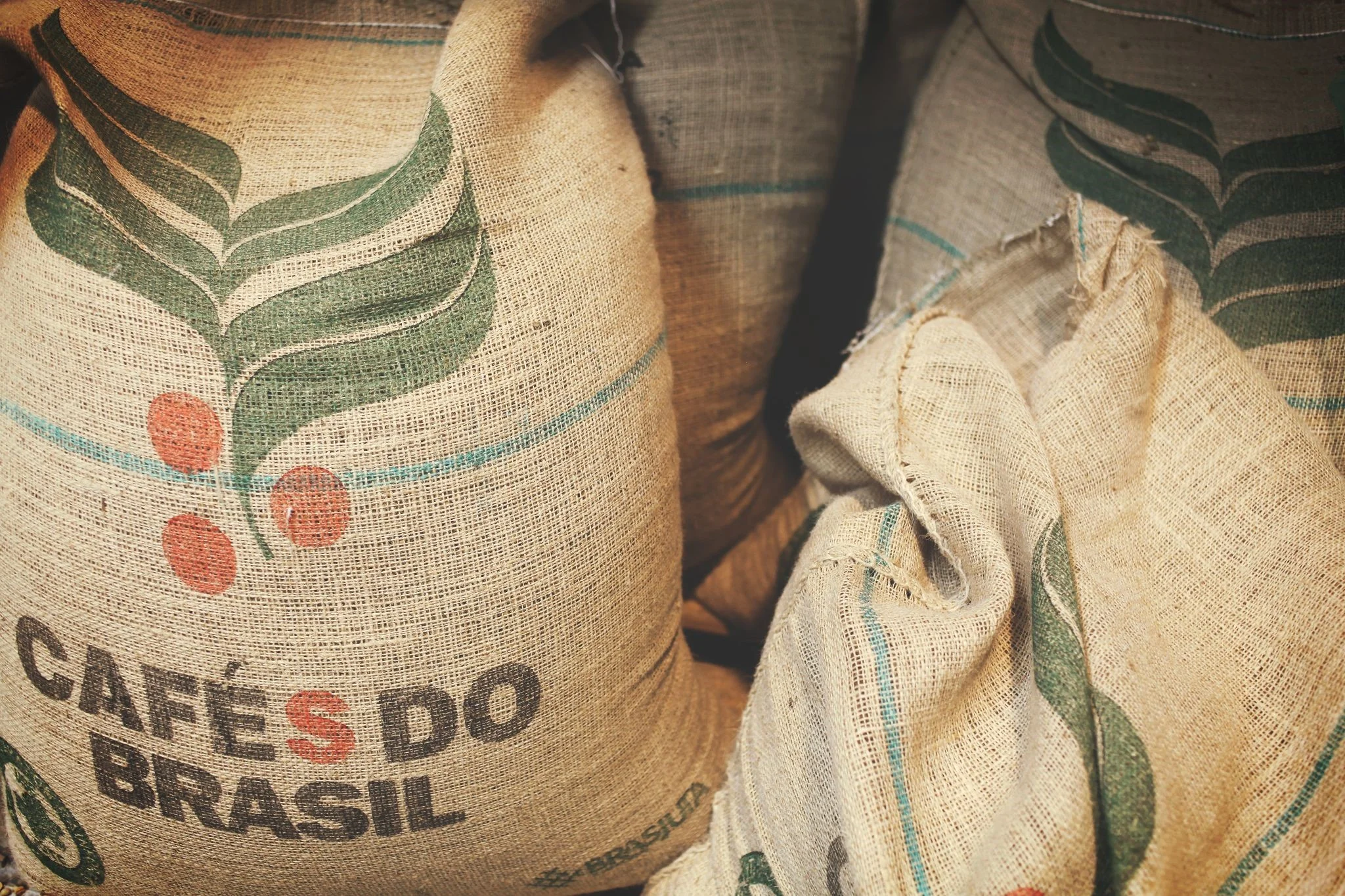
First and foremost, a perfect cup of espresso begins with choosing the best coffee beans. Different roasts and varieties offer varying flavor profiles, from the intensely acidic and bitter to milder, lower-octane options, so a lot of the choices you’ll make here are up to your personal preference.
But there is one aspect of choosing coffee beans for espresso that you should keep in mind. Although espresso uses the same exact coffee beans as pretty much any other method for brewing coffee, there’s a crucial distinction when it comes to grinding the beans.
Espresso machines require coffee beans that have been ground very finely. For other methods, you’ll want to use a coarser ground. But to achieve the intensity of flavor and the recognizable layer of rich foam known as “crema” that tops a well-made cup of espresso, finely ground coffee beans are a must.
You can purchase coffee grounds that have already been ground to make espresso, or you can invest in a coffee grinder and grind your own beans at home. Additionally, you may have an espresso machine with a built-in grinder, which makes the task even easier.
#2 Become Familiar With Your Espresso Machine
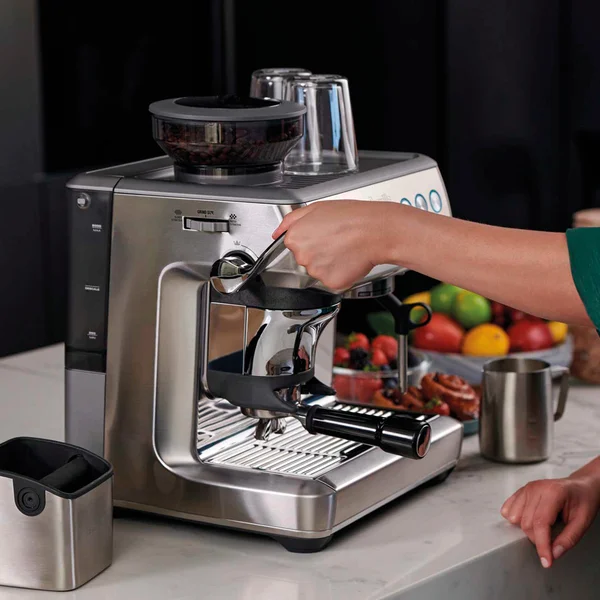
Espresso machines come in many styles and sizes, from the behemoth models that obscure the baristas at your local coffee shop to the more moderately sized designs that decorate kitchen countertops in homes. But despite the range of styles, most espresso machines run by virtue of a similar set of parts.
The average espresso machine has more than 20 individual parts. The good news is, you only need to be familiar with a few of them to know how to make espresso at home. Below are a few of the most important components of an espresso machine.
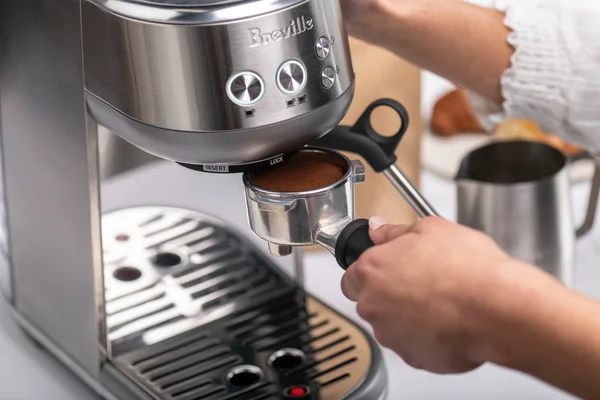
1. Portafilter – The portafilter is a vaguely spoon-shaped device with a handle or wand on one end. The espresso grounds are loaded into the cup end for brewing.
2. Grouphead – On the front of the espresso machine is a small, recessed area that fits the portafilter. Generally, the cup end of the portafilter twists and locks into place here.
3. Pump activator – The mechanism for activating the grouphead will vary from machine to machine. It will typically be a button, switch, or lever and is responsible for activating the brewing process.
4. Steam wand – This is the component that allows you to top your espresso with the perfect microfoam.
Espresso machines are complex, however, with helpful tutorials and lots of practice, you’ll be one step closer to brewing the perfect espresso.
#3 Clean Your Machine
No one ever brewed a truly delicious cup of espresso coffee using a dirty machine. Espresso is a somewhat finicky drink, so cleaning your espresso machine will go a long way toward ensuring your espresso turns out divine.
For most at-home espresso drinkers, that means cleaning two parts of the machine before every use:
● The portafilter
● The grouphead or portafilter lock
A clean portafilter is crucial if you want to pull an espresso that hits the right flavor notes and carries the signature foamy crema that espresso is known for. Moisture or leftover coffee grounds from previous brews can affect the quality of your next cup, so use a napkin or paper towel to wipe down the portafilter and the basket.
You should also clean around the grouphead, especially the area where the portafilter locks into place. This area is prone to collecting bits of coffee grounds that can interfere with the brewing process and hamper your cup.
#4 Mind the Measurements
One of the best tips for anyone wondering how to make espresso at home is to pay attention to how much coffee you’re packing into your portafilter, a process known as “tamping.” You might think overfilling could lead to a more flavorful espresso, but it won’t necessarily make a better beverage.
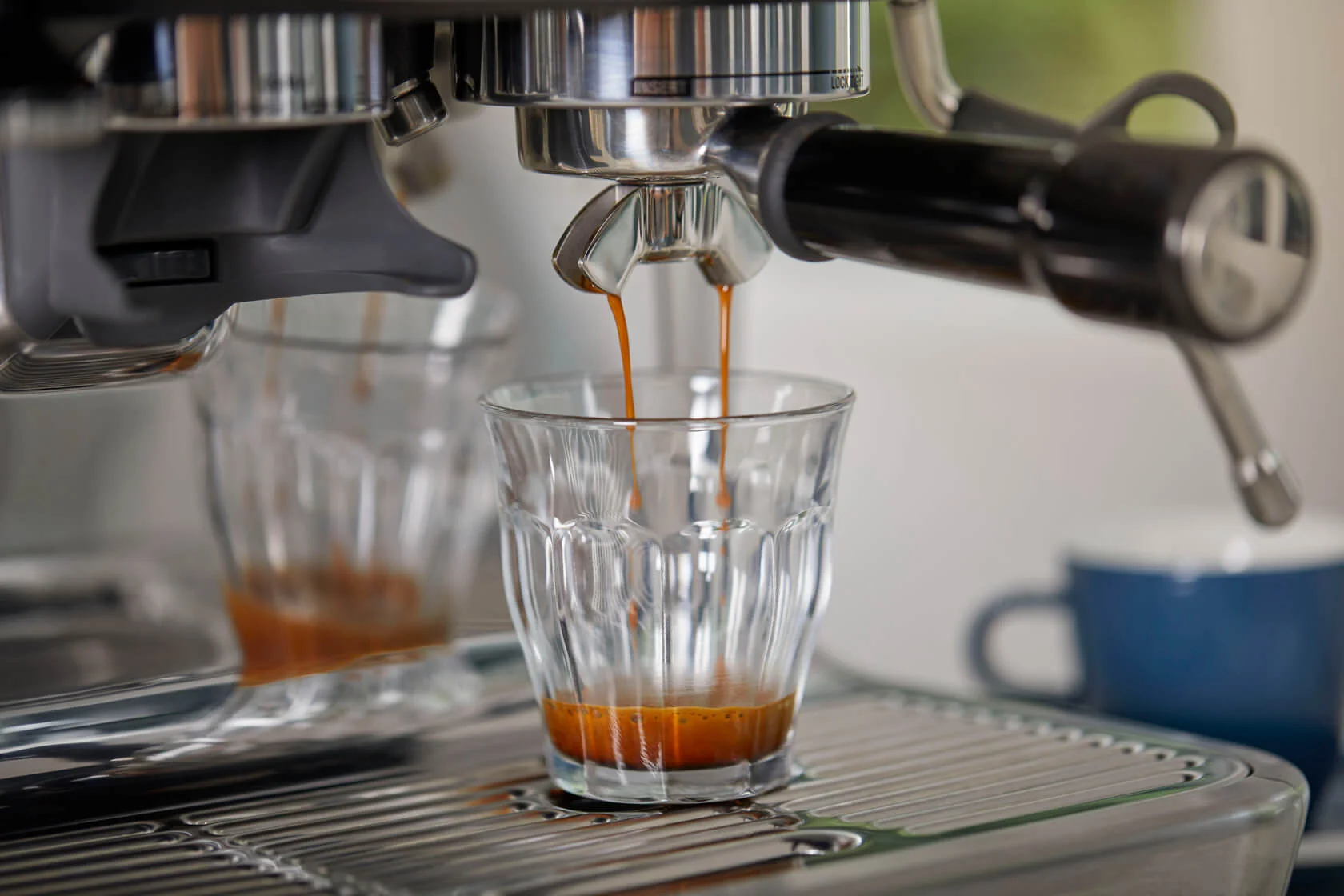
Keep in mind that a single serving of espresso is between one and one-and-a-half fluid ounces. For that serving, you should pack between 9 to 12 grams of coffee grounds into the portafilter.
If you’re pulling a classic doppio, or double shot of espresso, you’ll be working with about two ounces of water, so you can use between 18-22 grams of coffee.
#5 Get On Even Ground(s)
Once you’ve portioned out the correct amount of coffee grounds, you need to ensure it’s evenly distributed in the portafilter cup before packing it in. Espresso is known for being a highly concentrated form of coffee, and the coffee grounds need to be consistently packed.
To ensure the grounds are evenly distributed, tap the sides of the portafilter basket against the palm of your hand. Then, you need to tamp the grounds. This is a process that removes any pockets of air from the grounds, ensuring that they’re firmly packed for brewing. Tamp until the coffee grounds can’t be compressed any further.
#6 Start Brewing Right Away
With the grounds evenly distributed and firmly tamped down into the portafilter basket, you’re very close to brewing the espresso. It’s now time to load the portafilter into the lock.
In most cases, this is a simple procedure that involves two steps:
1. Insert the portafilter and turn it until it locks into place
2. Begin brewing the espresso immediately
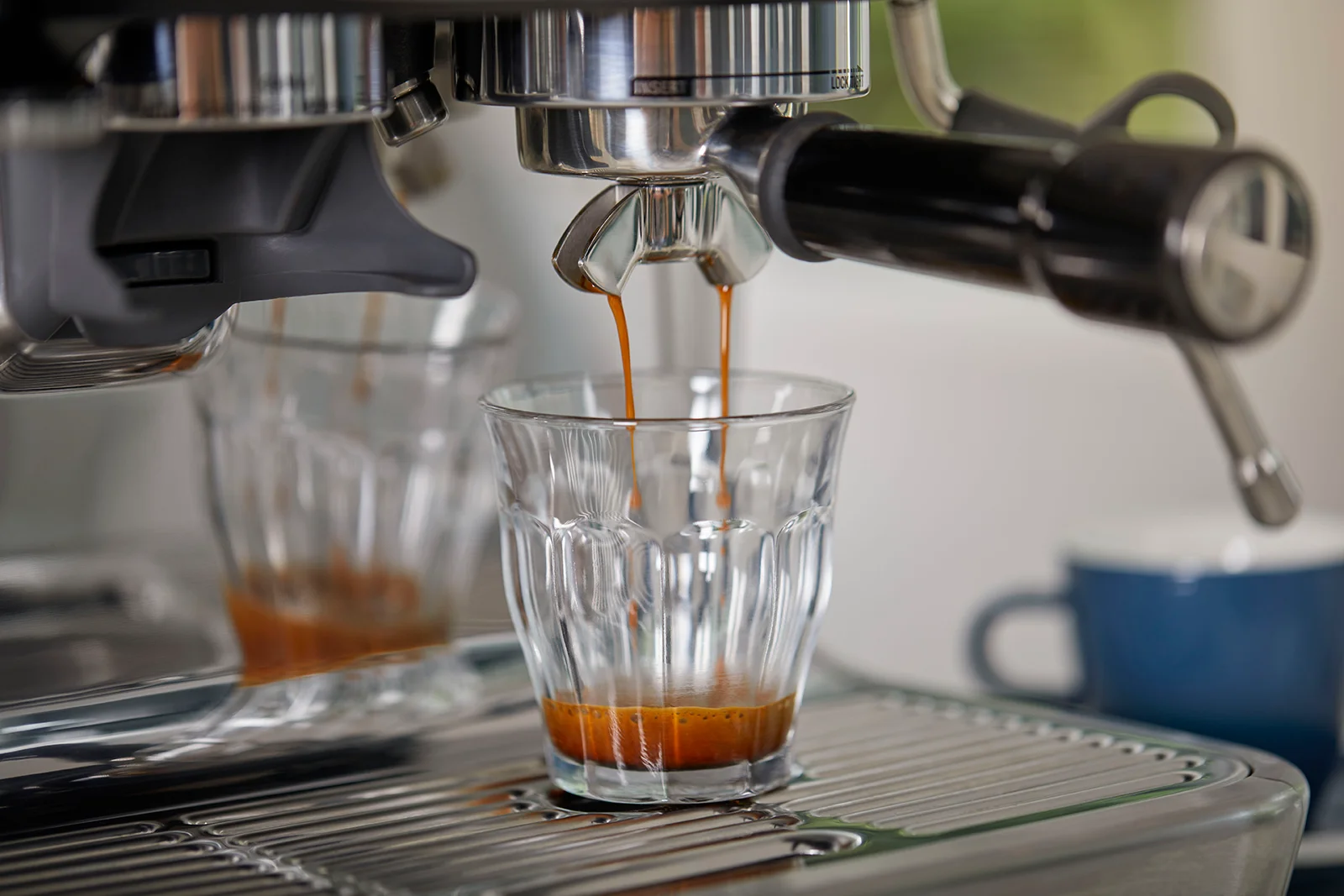
Once the portafilter has been loaded, it’s imperative that you start brewing the coffee right away. If you load the portafilter and let it set, you run the risk of burning the uppermost layer of the grounds on the heated grouphead. For obvious reasons, this can complicate the final flavor of the coffee.
#7 Don’t Over-Brew
In an earlier tip, we mentioned how important it is to load the correct amount of coffee grounds into the portafilter. The flip side of that tip is taking care not to overbrew your espresso or let it brew too long. This will help ensure that the espresso you brew is delicious, bold, and flavorful.
Tracking your brew time depends a bit on the type of machine you have. If you’re using a manual machine, pay attention to the brew time. If you go too long or too short, you risk diluting the espresso and making a cup of coffee that’s flat and weak.
If you’re using an automatic model, there are two risks you should be aware of:
● Over-extraction – This can happen if you run too much water through the coffee grounds. Too much water will dilute the rich acids and oils that make espresso such a tasty way to enjoy coffee, so don’t brew for too long.
● Under-extraction – Similarly, if you don’t brew the espresso long enough, you could end up under-extracting the flavorful goodness, resulting in a substandard cup that lacks the power and punch of true espresso.
In both cases, the wisest move may be starting over and brewing a fresh cup of espresso. Getting the perfect, robust flavor that espresso is known for will certainly be worth the extra time that comes with learning how to extract your espresso.
#8 Have Fun and Experiment
There are dozens and dozens of delicious coffee drink concoctions that use an espresso shot or sometimes a double shot of espresso as their base. Many other drinks start out as a humble shot of espresso before clever home baristas make them into more elaborate drinks, including:
● Americanos
● Cappuccinos
● Lattes
● Macchiatos
That means that your espresso machine is essentially your ticket to sampling myriad coffee drinks—so don’t be afraid to experiment. Once you’ve used these tips to master the art of pulling the perfect espresso, try your hand at concocting new and exciting espresso drinks to sip.
Make Excellent Espresso At Home With Breville
As we’ve outlined above, learning how to make espresso is just the beginning. Before long, you’ll enjoy all kinds of coffee beverages thanks to your espresso machine.
At Breville, we believe everyone deserves to start their morning with the perfect cup of espresso. That’s why our high-end espresso machines come ready-made to help you whip up thick, creamy, delicious espresso anytime you want.
Ready to discover the difference a great espresso machine can make? Start shopping today.
Sources:
Espresso Parts. Inside the Espresso Machine. https://www.espressoparts.com/blogs/barista-basics-tutorials/inside-the-espresso-machine
Barista Institute. 9 Steps How to Make the Perfect Espresso.
Coffee Affection. How to Choose Coffee Beans for Espresso. https://coffeeaffection.com/how-to-choose-coffee-beans-for-espresso/