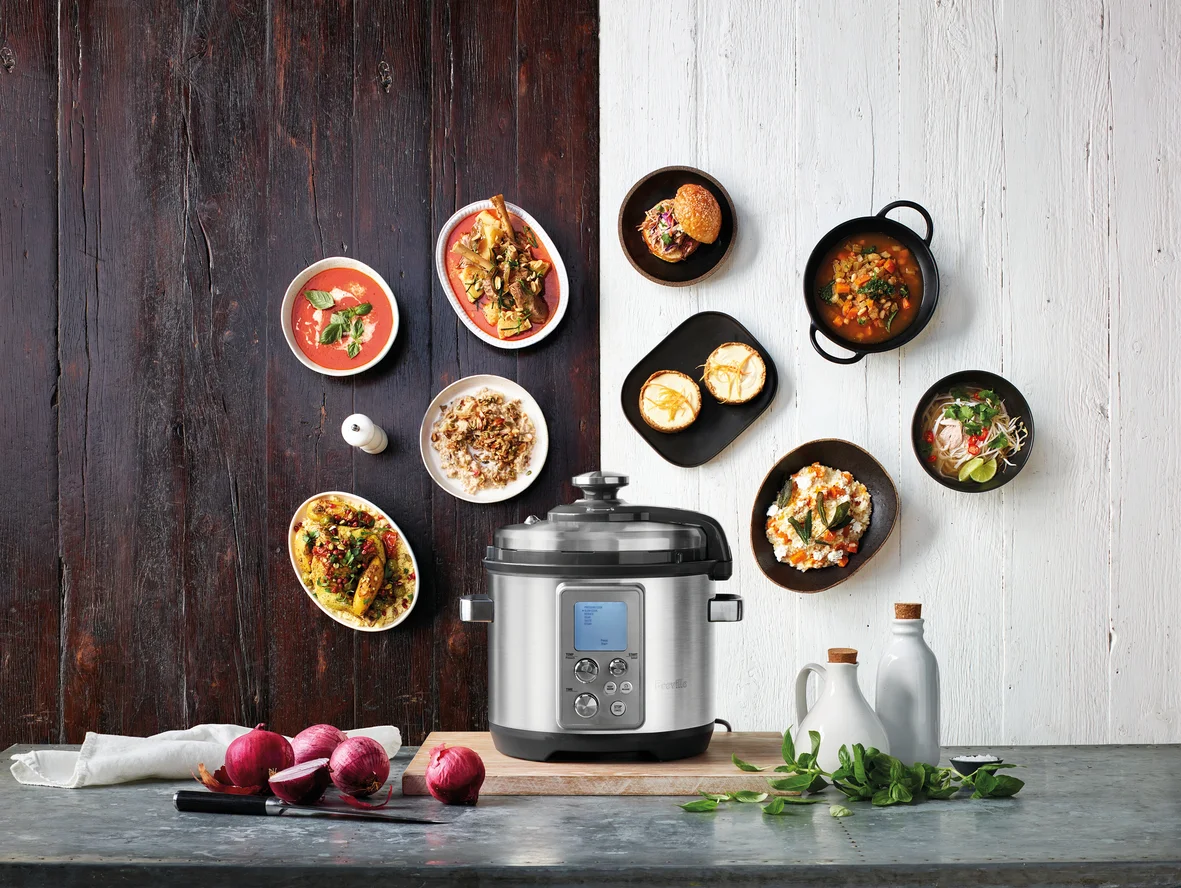
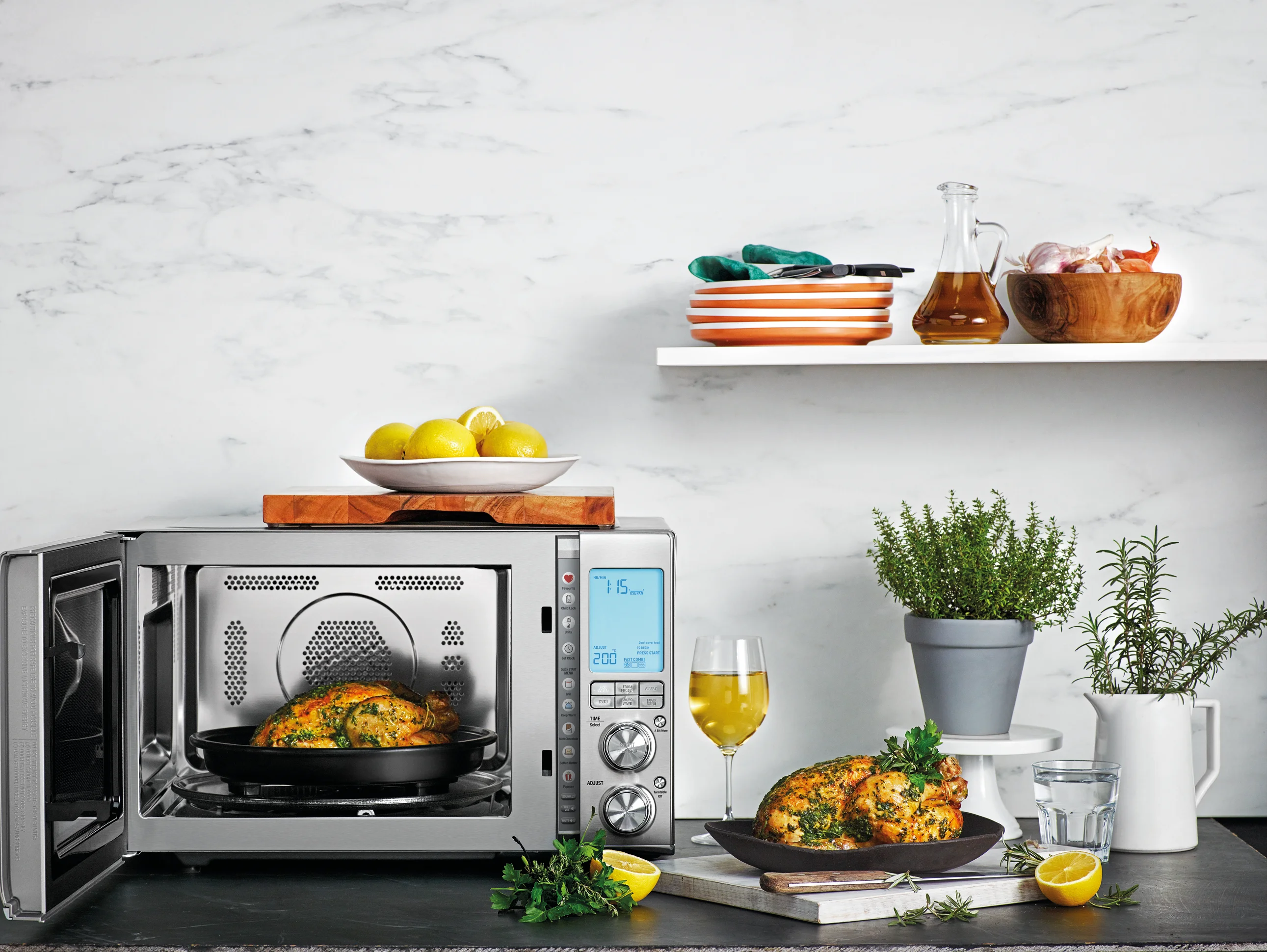
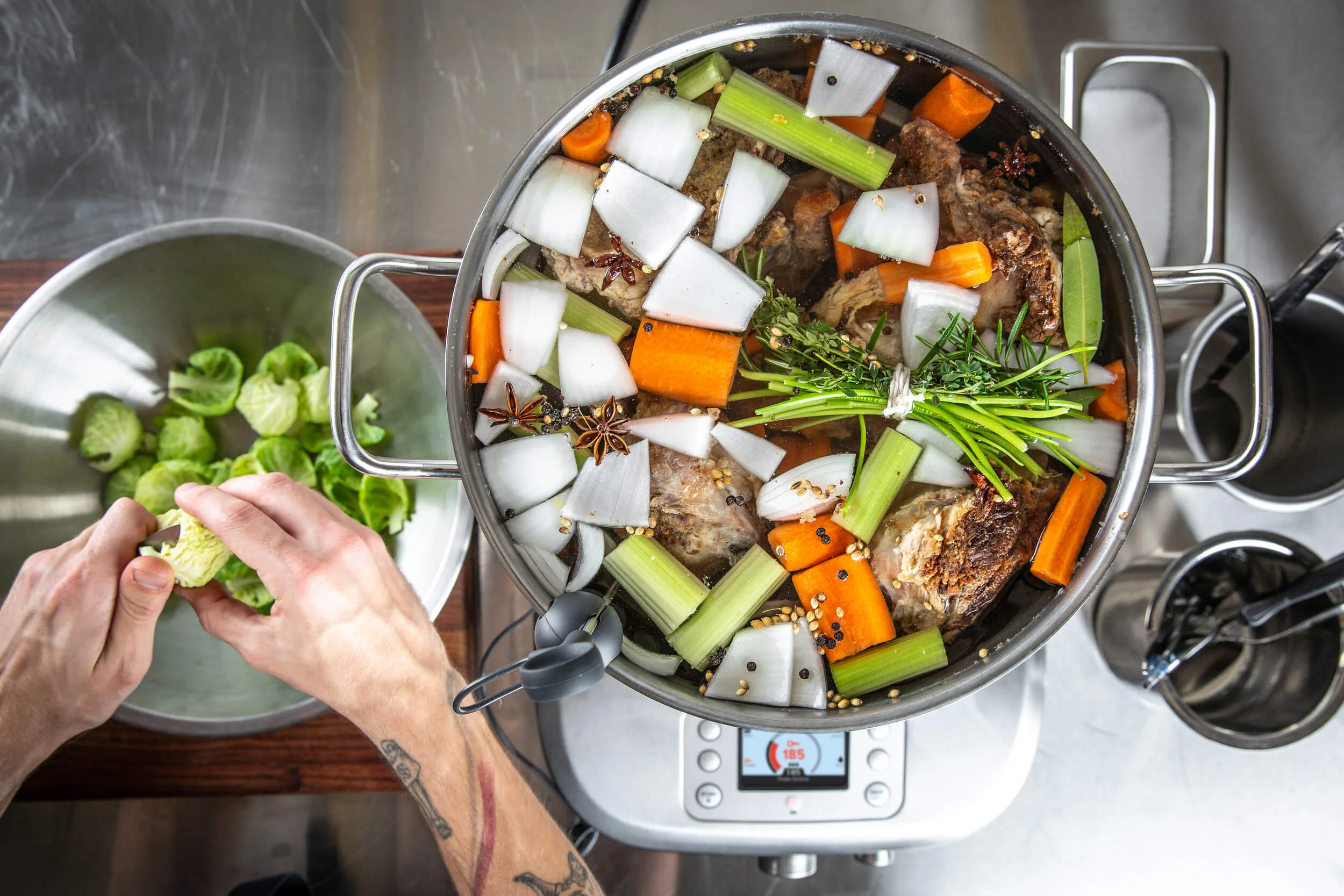
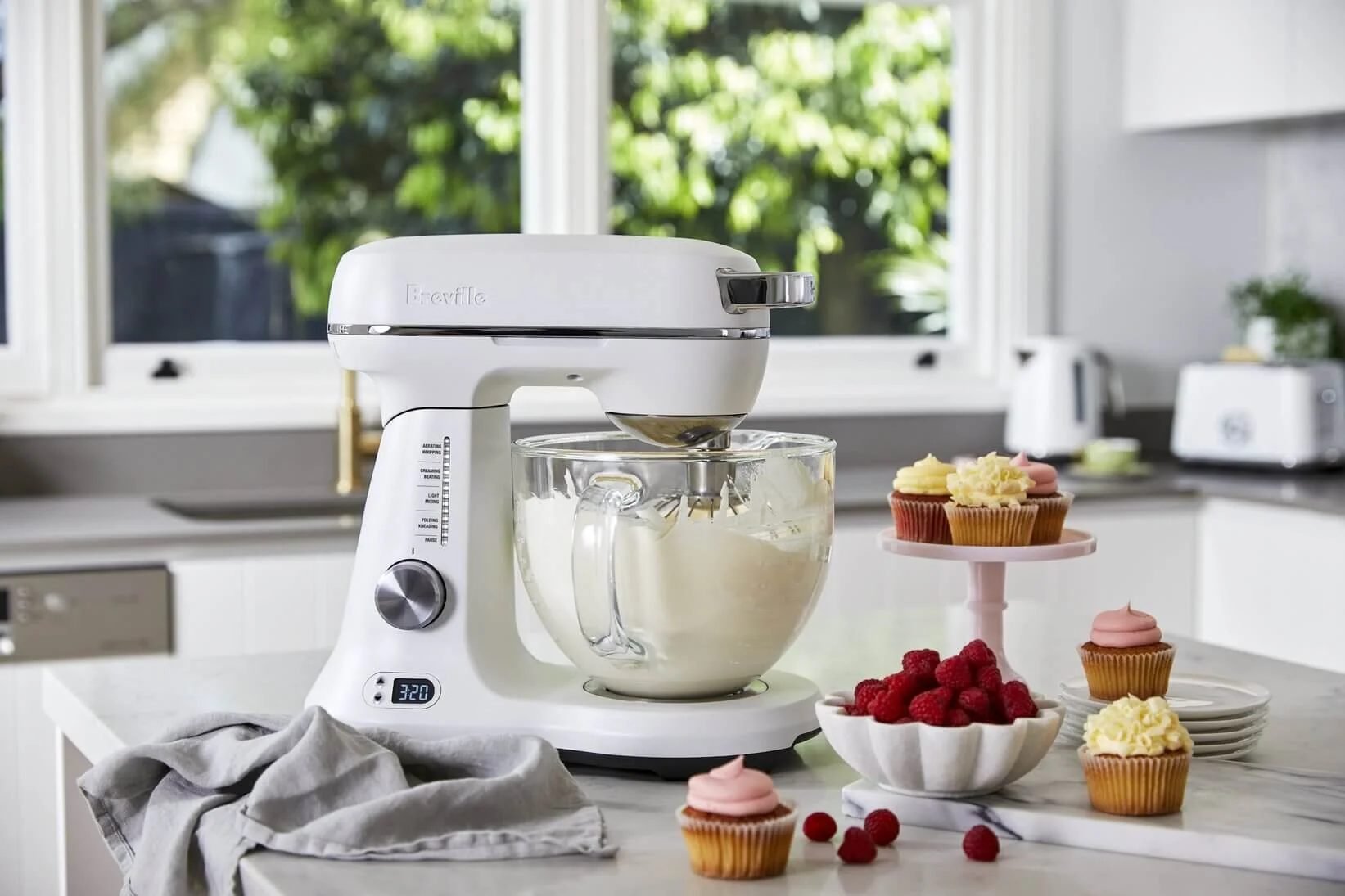
From hands-off dinners waiting for you when you get home to precision-cooked desserts and dishes, a slow cooker opens up a new world of convenience and creativity.
Whether you've just acquired a slow cooker and are eager to explore the basics, or you’re a seasoned home chef looking to refine your slow-cooking skills, this comprehensive guide will enlighten you.
Join us as we delve into recipes, recommended strategies, and tips on how to use a slow cooker to its full potential.
Getting started with your slow cooker
The starting line for home chefs begins with familiarizing yourself with the basic features and functions of your slow cooker.
There are three main types of slow cookers:
● Manual – The original style, best for very simple dishes consisting of one or two ingredients. They often have a knob to adjust cooking time from low to high, as well as a feature that keeps the food warm after finishing.
● Programmable – Ideal for most dishes, a programmable slow cooker allows you to customize time and temperature. Many also offer various preset heating options for more simplicity and precision.
● Multi-function – Allowing for a greater range of preset options and more specialized cooking methods, such as pressure cooking, a multi-function slow cooker is the ultimate combination of convenience and quality. Explore the capabilities of a slow cooker vs. pressure cooker to learn more.
Although your type of slow cooker will influence the kinds of dishes you can make, the basic process of slow cooking remains consistent. Most recipes will follow a similar three-step process:
1. Prepare your ingredients
2. Add ingredients to the pot and seal the lid
3. Set the time and temperature
Once your cooker is set, it requires minimal intervention. The waiting period, ranging from 4 to 10 hours, allows the ingredients to cook slowly and evenly—melding flavors and tenderizing meats to perfection.
Essential slow cooker settings and features
A traditional slow cooker typically has two main temperature settings: low and high. Rather than maximum temperature, this generally refers to how fast the slow cooker will heat to the ideal simmering point of approximately 212°F (100°C).
The following settings are common to most slow cookers:
● Low – Best for longer cooking times of around 8 to 10 hours. Perfect for overnight roasts or to have ready when coming home after work.
● High – Ideal for 4- to 6-hour recipes, generally halving the total cooking time compared to low settings.
● Keep warm – This setting maintains dishes at an ideal serving temperature, activating after cooking has finished.
Programmable and multi-function slow cookers often have more specialized settings and quality-of-life features. This might include a delay start timer, allowing you to further tweak your recipe’s timing, or LCDs that give you full feedback on the cooking process.
Tips for successful slow cooking
Though following a recipe’s instructions always takes priority, here are a few select tips to help you get the most out of your slow cooker:
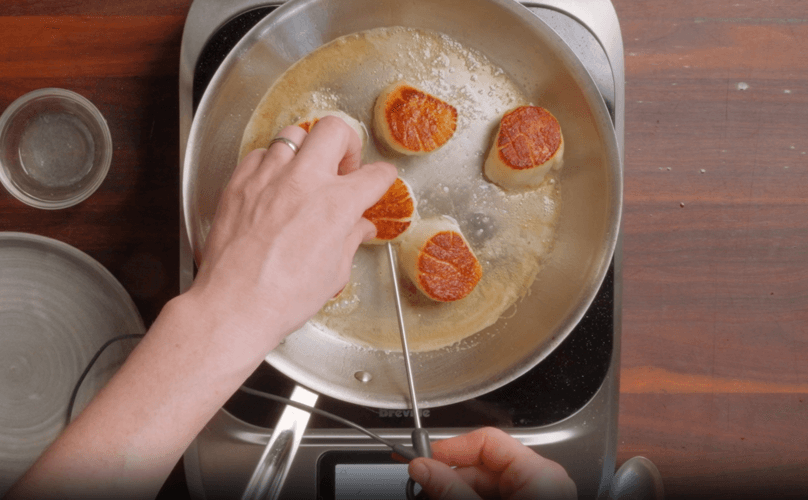
● Sear and sauté beforehand. Due to the low heat of a slow cooker, meats and aromatics sometimes benefit from a quick sear on a frying pan to unlock a grilled flavor before inserting them into the pot.
● Be careful not to overfill. As the temperature rises, so can the liquid! When working with soups and stews, fill the pot per your slow cooker’s instructions, or at about ¾ of the way full.
● Trim the fat. Slow cooking can melt down fat from meats into less-than-savory pools of oil. Consider cutting the fat beforehand, or skimming off excess buildups before serving.
● Resist the urge to lift the lid frequently. While home chefs may be tempted to check on the slow cooker’s progress, this disrupts the delicate temperature balance and releases precious steam, adding to the cook time and possibly drying out the food.
● Layer ingredients. A slow cooker’s heat radiates from the bottom up. Firmer veggies like potatoes and carrots are best on the bottom, followed by meats in the middle and delicate veggies like spinach on top.
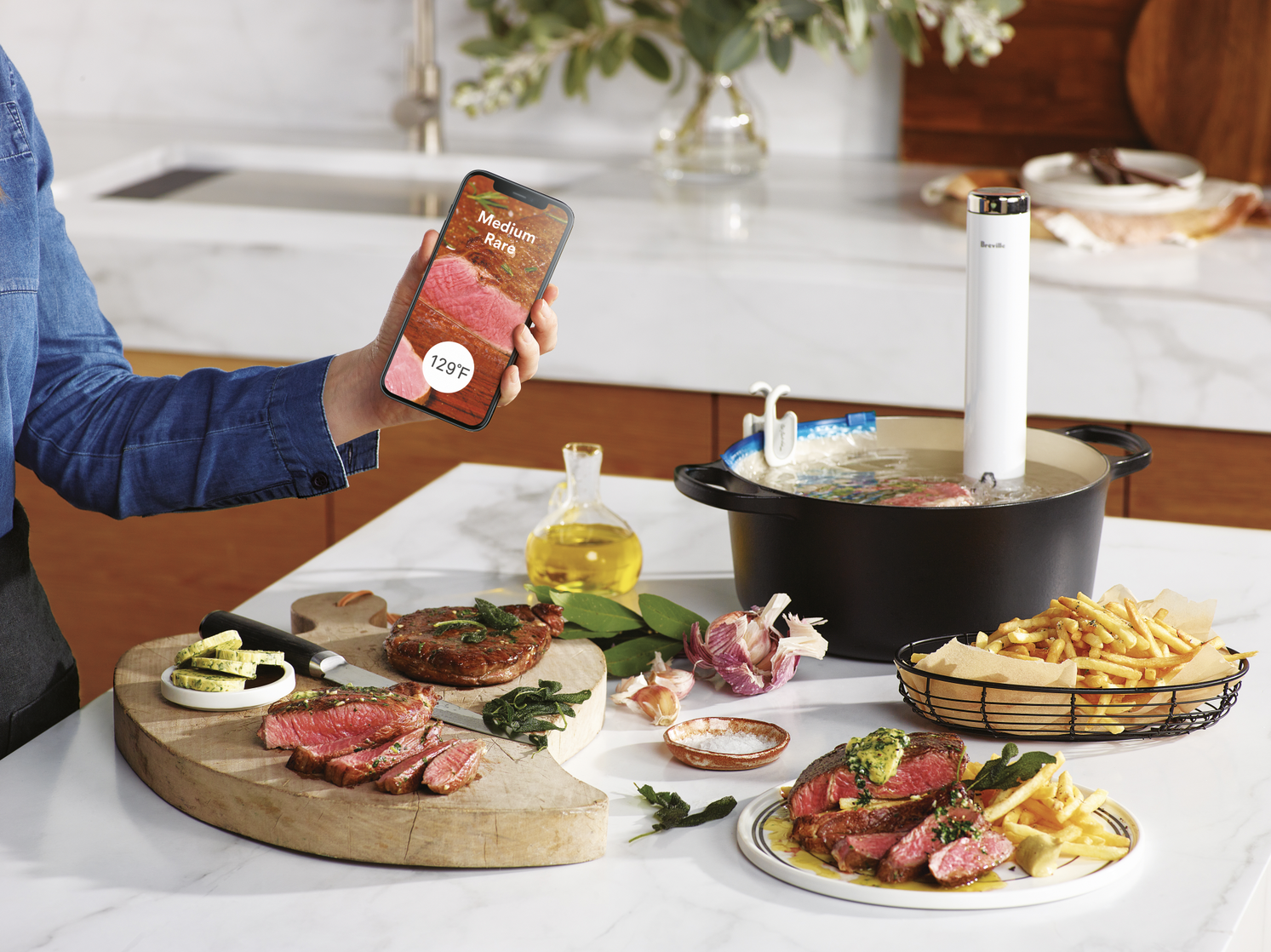
● Use a food thermometer to check for doneness. Using a food thermometer to check the internal temperatures of meat not only ensures that your food is safe to eat, but that it will also taste delicious!
Slow cookers also make an excellent option for busy meal preppers. Simply bag and freeze your pre-prepped ingredients, then defrost and toss them into the pot in the morning. Enjoy your day without worrying about what’s for dinner.
Slow cooker recipes
With a slow cooker, patience is rewarded with the deepest of flavors and most tender of textures.
Whether you’re busy with work or simply want to enjoy a weekend of hands-off cooking, the following slow cooker recipes offer fuss-free feasts for the whole family.
Classic pot roast
Gather around the table for a timeless comfort classic that always pleases. This savory pot roast, with its tender meat and rich wine-infused sauce, is a hearty meal that brings the warmth of home-cooked tradition right to your kitchen.
Ingredients
● 1.5 pounds (1.5kg) chuck roast, halved and trimmed
● 3 teaspoons kosher sal
● 1 teaspoon freshly ground black pepper
● ¼ cup (30g) all-purpose flour
● 1 tablespoon olive oil
● 1 medium onion, sliced
● ¼ cup (60ml) red wine
● 2 carrots, ¾" slices
● 2 cloves garlic, smashed
● 1 bay leaf
● 2 sprigs fresh thyme
● 1 sprig fresh rosemary
● 1 cup (240ml) beef or chicken broth
Directions
1. Season the roast halves with salt and pepper. Put the flour in a large bowl and toss the roast in it to coat evenly.
2. Preheat a separate pan. Heat the olive oil until shimmering and then brown the roast in two batches, about 2 minutes per side.
3. Add the onion and cook until softened, about 2 minutes. Add the red wine and cook for an additional minute or until the wine has mostly reduced.
4. Insert the roast into the slow cooker along with the carrots, garlic, bay leaf, thyme, and rosemary. Pour the broth over the top.
5. Set your slow cooker on 5 to 7 hours for high, or 9 to 11 hours for low.
6. When cooking has completed, remove the roast to a cutting board and cover loosely with foil. Skim any fat off the top of the sauce and discard the bay leaf, thyme, and rosemary sprigs.
7. Slice roast across the grain, place on a warmed platter, and top with sauce and vegetables.
Chicken adobo
Excite your tastebuds with this chicken adobo, a dish that is both simple and bursting with flavors. Enjoy this delicious blend of tangy, sweet, and savory that's as satisfying to cook as it is to eat.
Ingredients
● 2kg bone-in chicken thighs, skin removed
● ¼ cup (60ml) white vinegar
● ¼ cup (60ml) soy sauce
● 4 cloves garlic, crushed
● 1 teaspoon black peppercorns
● 2 bay leaves
● Thinly sliced green onions, for garnish
Directions
1. Combine vinegar and soy sauce in a large bowl, add chicken and turn to coat. Let sit for 10 minutes.
2. Transfer the chicken, marinade, and remaining ingredients to the cooking bowl.
3. Set your slow cooker to 5 to 7 hours on high, or 9 to 11 hours on low.
4. When cooking has completed, remove the chicken to a platter and cover it with foil to keep it warm.
5. Pour sauce over the chicken and sprinkle with sliced green onions. Serve with steamed white rice.
Pulled pork
A classic slow cooker meal, this pulled pork recipe promises a flavorful meat that practically falls apart. Set it in the morning, go about your day, and return to a home filled with an irresistible sweet and smoky aroma.
Ingredients
● 4-5 pounds (1.8-2.3kg) pork shoulder, trimmed of excess fat
● 2 teaspoons smoked paprika
● 1 teaspoon garlic powder
● 1 teaspoon onion powder
● 1 teaspoon dried thyme
● 1 teaspoon ground cumin
● 1 teaspoon brown sugar
● Salt and black pepper to taste
● 1 cup (240ml) apple cider vinegar
● 1 cup (240ml) chicken broth
● ½ cup (120ml) ketchup
● ¼ cup (60ml) molasses
● 2 tablespoons Dijon mustard
● 1 tablespoon Worcestershire sauce
Directions
1. In a small bowl, mix together smoked paprika, garlic powder, onion powder, dried thyme, ground cumin, brown sugar, salt, and black pepper. Rub this spice mixture evenly over the pork shoulder, ensuring it's well coated.
2. Slightly brown the seasoned pork in a pan to maximize flavor before placing it in the slow cooker.
3. In a separate bowl, whisk together apple cider vinegar, chicken broth, ketchup, molasses, Dijon mustard, and Worcestershire sauce. Pour this mixture over the pork in the slow cooker.
4. Set your slow cooker low for 8-10 hours or high for 4-6 hours. The pork is ready when it easily shreds with a fork, and has reached an internal temperature of 145°F.
5. When cooking has completed, carefully remove the pork from the slow cooker and place it on a cutting board. Shred the meat using two forks, and skim any excess fat from the liquid in the slow cooker.
6. Allow the meat to rest for three to five minutes. Serve the pulled pork on buns, tortillas, or with mashed potatoes. Add your favorite coleslaw or pickles for a delightful crunch.
Cleaning and maintaining your slow cooker
After savoring the delights of a meal prepared in your slow cooker, it’s crucial to give attention to its cleaning and maintenance. Here are a few suggestions on how to effectively clean and maintain your slow cooker:
● Removable pot – Most modern slow cookers utilize dishwasher-safe removable pots, making cleanup a breeze. If you're washing by hand, use warm soapy water and a soft sponge to avoid scratching the surface.
● Exterior wipe-down – The exterior of the slow cooker doesn’t usually get as dirty as the inside, but it can accumulate fingerprints and smudges. Use a damp cloth to wipe it down after each use.
● Lid maintenance – The lid should be cleaned after every use since it accumulates steam and food particles. Most glass or plastic lids are dishwasher safe, but check your model's instructions to be sure. If there’s a rubber seal, check for food particles and clean it thoroughly, as this is crucial for maintaining the cooker's efficiency.
Be mindful not to immerse the base of your slow cooker in water, as it contains sensitive electrical components. If the base does need cleaning, unplug the unit and wipe it with a slightly damp cloth, allowing it to dry thoroughly before using.
For particularly stubborn stains or odors, here are three steps that can help:
1. Mix up a combination of ½ cup distilled white vinegar and ½ cup baking soda.
2. Fill the slow cooker pot with water and the mixture, running it for an hour on the low heat setting with the lid on.
3. Turn off and unplug the machine, pour out the water, and wait for it to cool down.
This process eliminates most odors, and any tough stains should be softened and easily wiped down with a sponge or cloth.
Slow cook to perfection with Breville
A slow cooker is more than just another kitchen appliance—it’s a whole new way to cook up complete, ready-to-serve meals with effortless perfection.
Whether you like to cook fast or slow, one thing is certain: Breville is the way to go.
Breville’s multi-function slow cookers combine the convenience of slow cooking with the power of pressure cooking, all wrapped in a user-friendly, safe, and easy-to-clean design. Sautée meats, reduce sauces, and craft 5-star quality meals with the touch of a button.
Find the Breville kitchen appliances that suits your cooking needs today.
Sources:
1. Better Homes and Gardens. How to Clean a Slow Cooker, Including Tough Stuck-On Stains. https://www.bhg.com/homekeeping/house-cleaning/tips/how-to-clean-slow-cooker/
2. Kitchen Infinity. 4 Types of Slow Cooker | Popular Slow Cooker Types. https://kitcheninfinity.com/kitchen/tool/appliance/slow-cooker/types/
3. Ehow. What Are Slow Cooker Temperature Settings? https://www.ehow.com/info_7947443_slow-cooker-temperature-settings.html
4. Lakeland. A beginner’s guide to slow cooking. https://www.lakeland.co.uk/inspiration/a-beginners-guide-to-slow-cooking/