Step 1: Read your bread maker’s manual
Most bread makers operate in similar ways, however, they all feature different components and settings. Thus, the first step you should take is to brush up on your bread machine’s manual.
The manual will outline how to use your bread maker. It may also include troubleshooting tips, care and cleaning instructions, special recipes, and important safety information.
Step 2: Decide what type of bread you want to make
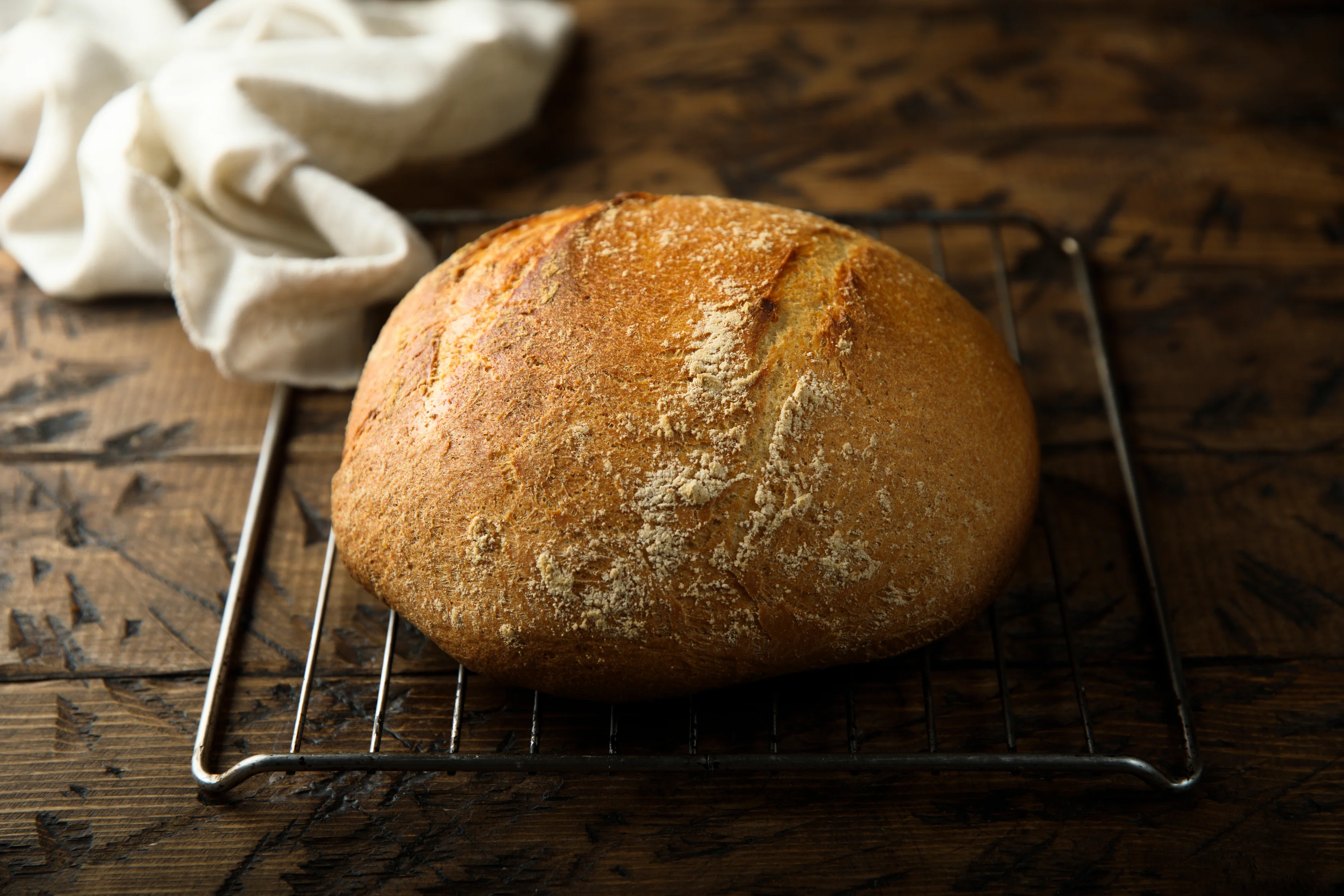
What can you make in a bread maker? From basic white bread to cinnamon raisin bread, there are many versions you can create from home. All types of bread will require slightly different ingredients.
Once you’ve found the right bread maker recipe to bring your creation to life, make sure you have all of the ingredients on hand. You should also double-check that your bread maker recipe’s loaf size is appropriate for your bread machine.
Step 3: Load the ingredients
After gathering your ingredients, it’s time to add them to the bread pan. You should always place them inside in the following order:
● Liquid ingredients
● Fats
● Dry ingredients
● Yeast
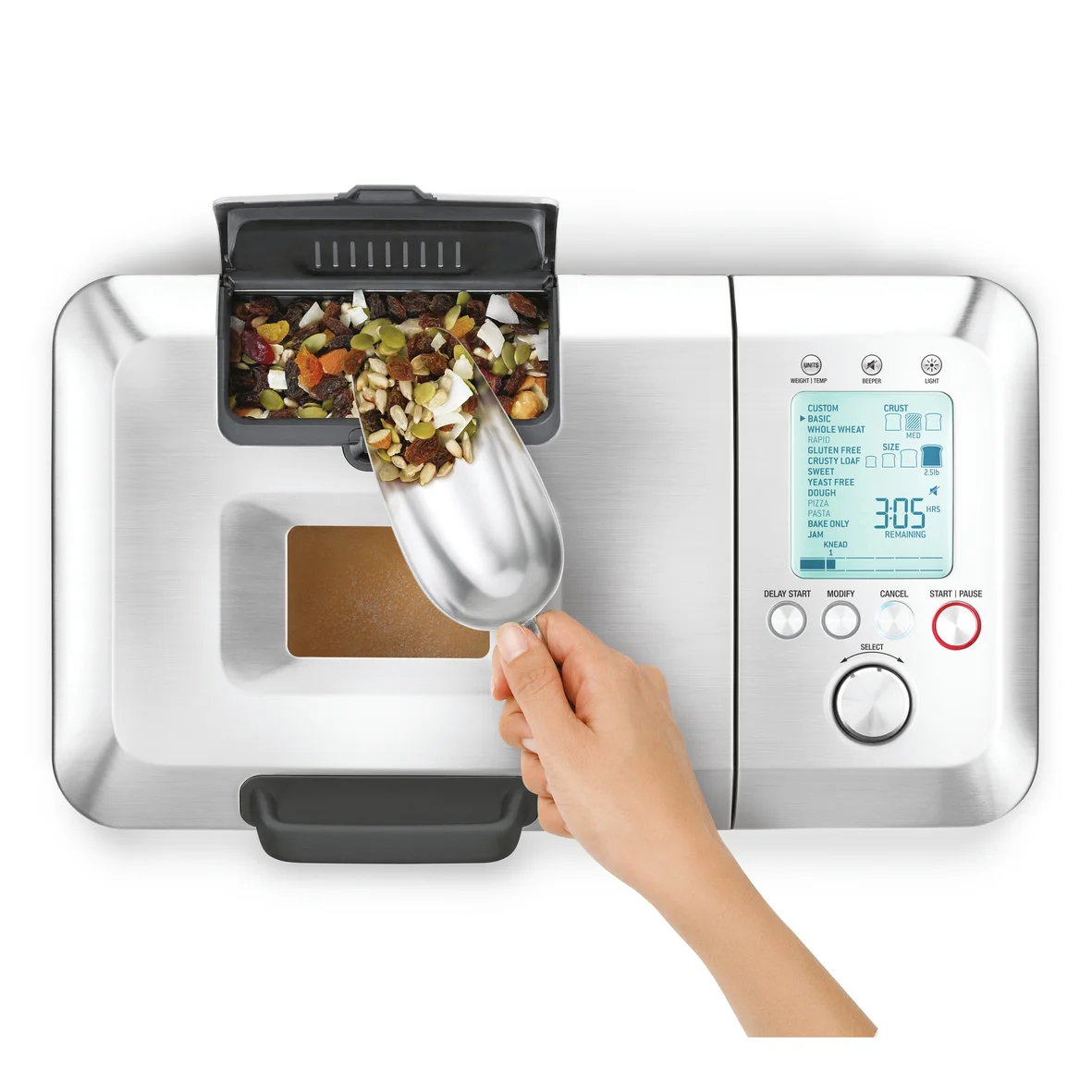
If your bread maker recipe calls for any fruit, nuts, seeds, or chocolate chips, hold off from placing them in the bread pan. The bulkier ingredients may break down if they’re added too early in the kneading process. Luckily, some bread machines have special dispensers where you can load these items separately. These dispensers can distribute these delectable additions at the optimal time.
Can you use regular yeast in a bread maker?
Focaccia and flatbread are two notable exceptions, but most bread recipes call for yeast. Yeast helps bread rise and enhances its flavor.
There are three types of yeast you can buy at the store: cake yeast, active dry yeast, and instant yeast. While cake yeast is rarely used in bread makers, the other two varieties are fair game. The right type will depend on your bread recipe.
Do you put water in a bread maker?
Water is one of the most common liquid ingredients used in bread-making. To ensure proper yeast activation, your water should be heated up to 80°F (27°C).
Do you put oil in a bread maker?
A bread recipe usually features some form of fat, be that softened or melted butter, vegetable oil, or olive oil. These fats can enhance your fresh bread’s taste and texture. However, fats should only be added to the bread machine once they’ve reached room temperature.
Step 4: Select the right setting
After placing your bread pan back in the machine’s chamber, the next step is to plug it in and select your desired setting. Every bread maker’s settings will vary, though most have a mix of standard presets and customizable options.
Step 5: Start the bread maker
Now that the preparation is done, you can press “Start” and let the bread machine get to work. As soon as you start the machine, it will automatically go through the following cycles:
● Preheating
● Kneading
● Resting
● Baking
Once these cycles are complete, you can remove the bread pan and shake out your fresh loaf. Just make sure you use heat-resistant oven mitts and place the bread maker pan on a heat-safe surface.
Step 6: Enjoy your homemade bread
Before giving your fresh bread a try, you should let it cool for at least 20 minutes. If you don’t eat it all in one sitting, you can store it for up to three days at room temperature. It will maintain its freshness longer if you wrap it up in a plastic container or place it in a sealable bread box.
If you want a longer-term storage option, place your freshly baked bread in an airtight container and pop it in the freezer. It should stay fresh for up to one month.
Level up your bread-making game with a Breville bread maker
Baking delicious bread from home is an easy process when you have a bread machine on hand. Now that you know how to make bread using a bread maker, you may be interested in getting one for your kitchen.
The Breville Custom Loaf™ is an innovative bread machine that features collapsible kneading blades, an automatic fruit and nut dispenser, nine custom settings, and three crust color options. In other words, it has everything you need to bake the perfect bread.
Eager to give your kitchen a home-chef update? Explore our selection of kitchen appliances today.
Sources:
1. Science Focus. Why does yeast make bread rise?
https://www.sciencefocus.com/nature/why-does-yeast-make-bread-rise/
2. Reader’s Digest. Which Type of Yeast is Best for Your Bread?
https://www.rd.com/article/types-of-yeast/