Known as Sous Vide, this novel technique blends precision, patience, and a bit of technological engineering with the right cooker to deliver Michelin-star quality dishes that are cooked to the desired temperature every single time.
If you want to learn how to cook sous vide style, keep reading to discover what exactly sous vide is, the benefits of cooking sous vide, and ideas for meals you can try yourself.
An introduction to sous vide cooking
So, what is sous vide? Sous vide (pronounced sue-veed) is a French word that means “under a vacuum.” This phrase describes the cooking process wherein you seal food, herbs, and spices into a plastic bag—typically, a vacuum-sealed bag—then cook it in a precision temperature-controlled water bath that’s heated by a metal coil.
How does this work exactly? According to Food and Wine:
“The hot water in the container is circulated around the bags for a gentle cooking process that slowly brings the temperature of the ingredients up to, but not past, the temperature of the water. This makes it a much more precise cooking method than heating in an oven or stovetop.”
Unlike other cooking methods that involve direct flame, smoke, induction, or boiling water—all of which require experience, a careful eye, and exact timing—sous vide is more precise with much less guesswork involved. It reduces the risk of error, eliminating the age-old cooking conundrums of "Is it done yet?" or "Will it be overcooked?"
Consider a beautifully marbled, dry-aged ribeye steak. With a traditional cooking technique, you might toss it onto a sizzling pan of oil. If the meat is seared properly, the surface heats up quickly, creating a delicious crust.
But what about the inside? You have to either use a meat thermometer, perform a touch test, or cut into it to check for doneness—and even then, you still may feel unsure.
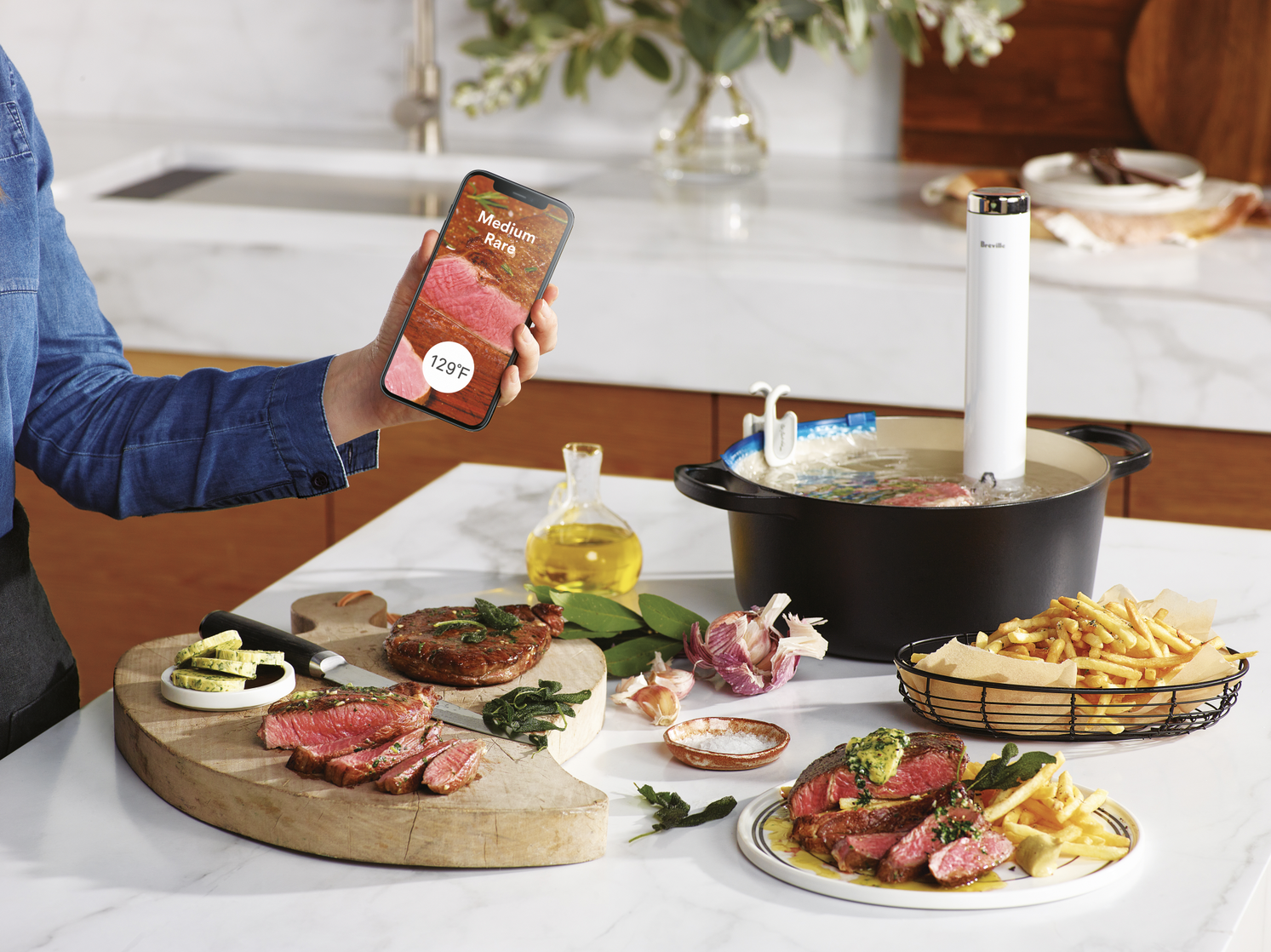
However, with sous vide, it's a different story. The sous vide steak is slowly brought up to the exact temperature you desire. Whether you’re looking for a bloody medium-rare at 130°F or a well-done 160°F, with sous vide, the result is an evenly cooked steak from edge to edge every time.
How to sous vide
To cook a dish sous vide, it’s helpful to have a sous vide machine, also known as an immersion circulator. Additionally, to ensure the food stays dry in the bag and no flavor escapes, many chefs will also acquire a vacuum-sealing machine.
So, what exactly does a sous vide setup entail?
Every sous vide device—whether it's a store-bought precision cooker or a DIY solution—shares certain key components:
● The immersion circulator – This is the heart—and heat—of the sous vide machine. It's a device that has a metal coil that both heats the water and circulates it around the pot, ensuring a consistent temperature throughout the cooking process.
● The water bath – This refers to the container that will hold the water in which the vacuum-sealed food cooks. This could be as simple as a large stockpot or heat-safe food container or a dedicated and specialized housing unit expressly designed for commercial sous vide cooking.
● The vacuum-sealer – The bags must be vacuum sealed to keep your food dry and submerged, and lock all the juicy flavors inside. While this could be done with a simple zip-top bag, as mentioned, most cooks recommend using a professional chamber vacuum sealer.
Naturally, the DIY method will often result in a less-advanced, more hands-on machine that requires you to carefully monitor the water temperature with a thermometer to ensure accuracy.
A manufactured machine designed for sous vide, on the other hand, will automatically monitor and maintain consistent water temperature. Top options will also have Bluetooth capabilities to control and monitor the cooking process from your smartphone or tablet.
Cooking sous vide: The step-by-step process
No matter the type of meal you’re making, the sous vide method will remain relatively unchanged. The only variables are the cooking time and cooking temperature at which your specific food item needs to be cooked.
That said, for perfect results, most sous vide recipes will follow these simple steps:
● Set up the sous vide bath – Fill a pot with water to the recommended level, attach your immersion circulator, and set the temperature according to your recipe.
● Vacuum-seal the food – Season your food—adding herbs, spices, or marinades to enhance the flavor—then place it in a vacuum-sealed bag.
● Cook the food – After the water reaches the desired temperature, add your bag of food. Cook times can vary—from 20 minutes for fish to up to 72 hours for pulled pork.
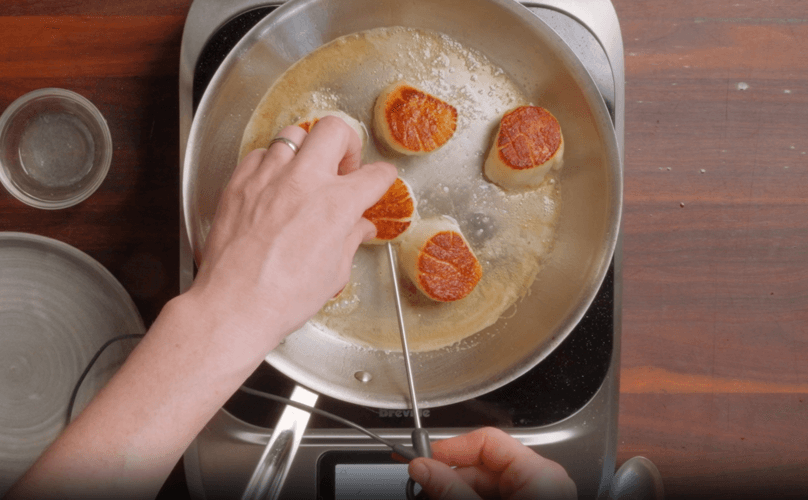
● Sear the food – After the cook, to enhance the appearance, finish your food with a quick sear or broil for a beautiful, delectable crust.
Sous vide recipes: What are the best things to cook?
The true beauty of sous vide is that you can use this method to cook practically anything! Some of the foods you can try to sous vide include:
● Proteins – Meat, fish, poultry, eggs—these all benefit from the precise temperature control of sous vide. When cooking steak, cook to the exact level of doneness, for an edge-to-edge medium-rare. Make tender, juicy chicken breast with no fear of undercooking it. Or, poach eggs like never before.
● Veggies – You can cook veggies to perfection as well, without worrying about them losing their nutrients or vibrant colors. Some of our favorites include broccoli, asparagus, green beans, zucchini, and brussel sprouts.
● Starches – You can easily sous vide delicious potatoes, sweet potatoes, and even mashed potatoes, transforming familiar sides into dishes that can proudly stand alongside your main course.
● Desserts – Sous vide can even elevate desserts to a whole new realm of deliciousness. Whether it's Crème brûlée, cheesecake, apple galette, or lemon curds, the sous vide technique produces delicatessens that are sure to delight.
This recipe: Sous vide turkey
While you can find sous vide recipes for a variety of dishes, one of our favorites is sous vide turkey. To change how you prepare your Thanksgiving meal (and treat your guests to the best turkey they’ve ever had), try this impressive turkey sous vide recipe:
● Break down your bird – Break down your turkey into four different components—two breasts (with drumettes) and two legs (with both thigh and drumstick).
● Prepare the stock – Roast the carcass, skin, and any additional pieces of meat in a covered Dutch oven alongside onion, peppercorns, herbs, and your favorite turkey seasonings. You’ll want to let this cook overnight (or for at least 8 hours) at 107°C (225°F) so that it’s ready to add to your gravy on the big day.
● Pre-sear the meat – Heat a good amount of oil in a pan over medium-high heat. Once the oil is sizzling, use tongs to gently place one of the breasts into the pan, skin side down. Press down on the breast firmly to crisp up the skin, and rotate it occasionally to allow for as much contact as possible. Let the turkey sear for about 1 to 2 minutes, then remove it from the pan and repeat the process with your other pieces.
● Bag everything up – Combine 5 parts salt and 2 parts sugar in a bowl, then sprinkle this salty-sweet seasoning over your turkey. Once coated, place the breasts into a 2-gallon bag along with fresh herbs and a little oil. Make sure to place the herbs on the skinless side of the meat. Do the same with the legs using a separate 2-gallon bag.
● Begin the sous vide process – Since you’re going to start with the legs, go ahead and let the breasts cool to room temperature in their bag, then transfer them to the fridge. Place your bagged legs into a sous vide bath heated to 66°C (150°F), and let them cook for 12 hours.
● Add the breasts – After 12 hours, lower your sous vide bath temperature to 55°C (131°F) and add the breasts. Let them cook alongside the legs for an additional 8 to 14 hours.
● Finish your masterpiece – After sous viding, remove your turkey pieces from their bags and pat them dry on both sides. While doing this, set your oven to broil and heat a good amount of oil in a pan over medium-high heat. Broil the legs for about 5 to 15 minutes—you want the pieces to be golden brown in color. Once your pan is hot, melt a knob of butter in it, then add the breasts, skin side down, and baste with the butter. Sear the breasts for about one minute, then flip and repeat on the other side.
Once everything is a crispy golden brown, slice up your meat and enjoy!
Benefits of sous vide
Interested in trying sous vide for yourself? Here are a few reasons why both home cooks and professional chefs are choosing sous vide:
● Consistency – Sous vide takes the unpredictability and guesswork associated with conventional cooking out of the equation. The temperature you aim for is exactly what you get, providing reassurance that your meal will always turn out perfect.
● Ease of use – Sous vide delivers gourmet results with minimal effort and attention. You simply season, seal, circulate, then sear for a flawless final dish.
● Convenience – Sous vide takes the normally active component of conventional cooking and makes it passive. This is especially helpful for hosting. Sous vide frees you up to focus on preparing the other items of your meal or to converse with your guests.
● Scalability – Once you’ve learned the basics, you can easily replicate the process to cook more food at one time. The only limitation to bulk cooking with the sous vide method is the size of your sous vide setup.
● Versatility – Compared to conventional cooking tools—be it a pressure cooker, slow cooker, or oven—sous vide is the king of culinary adaptability. You can use it to cook most dishes and even try more advanced cooking methods, like pasteurizing, tempering, and fermenting.
Enhance your cooking with the Joule® Turbo sous vide
If you want to create gourmet dishes without the hassle, sous vide is the solution—the nexus of precision and simplicity.
Using the right kitchen appliances is key to successful cooking. With the Joule Turbo Sous Vide cooker from Breville, the process is even easier. This Bluetooth-enabled device takes precision cooking to another level, promising you consistency in every bite, every time.
If you want to start cooking on autopilot, try the Joule today.
Sources:
1. Food & Wine. Sous Vide Cooking at Home Is Easier Than You Think. https://www.foodandwine.com/lifestyle/kitchen/sous-vide-cooking-explained