Each appliance handles ingredients differently, and understanding these differences helps you create the results you want, whether you’re aiming for flaky pie crusts or chewy artisan bread.
● Here’s what this guide covers:
● How stand mixers and food processors handle dough differently
● Which appliance works best for specific dough types
● How gluten development affects texture and structure
● Practical considerations for your kitchen, workflow, and baking habits
By the end, you’ll have learned when a stand mixer is the better option, when a food processor makes more sense, and how to match the tool to your baking style.
How are food processors and stand mixers different?
A stand mixer is better for bread dough, while a food processor works best for pastry dough. This difference is due to how each machine handles the kneading process and develops gluten. The mixing process is an important step in determining the quality of dough-based products.
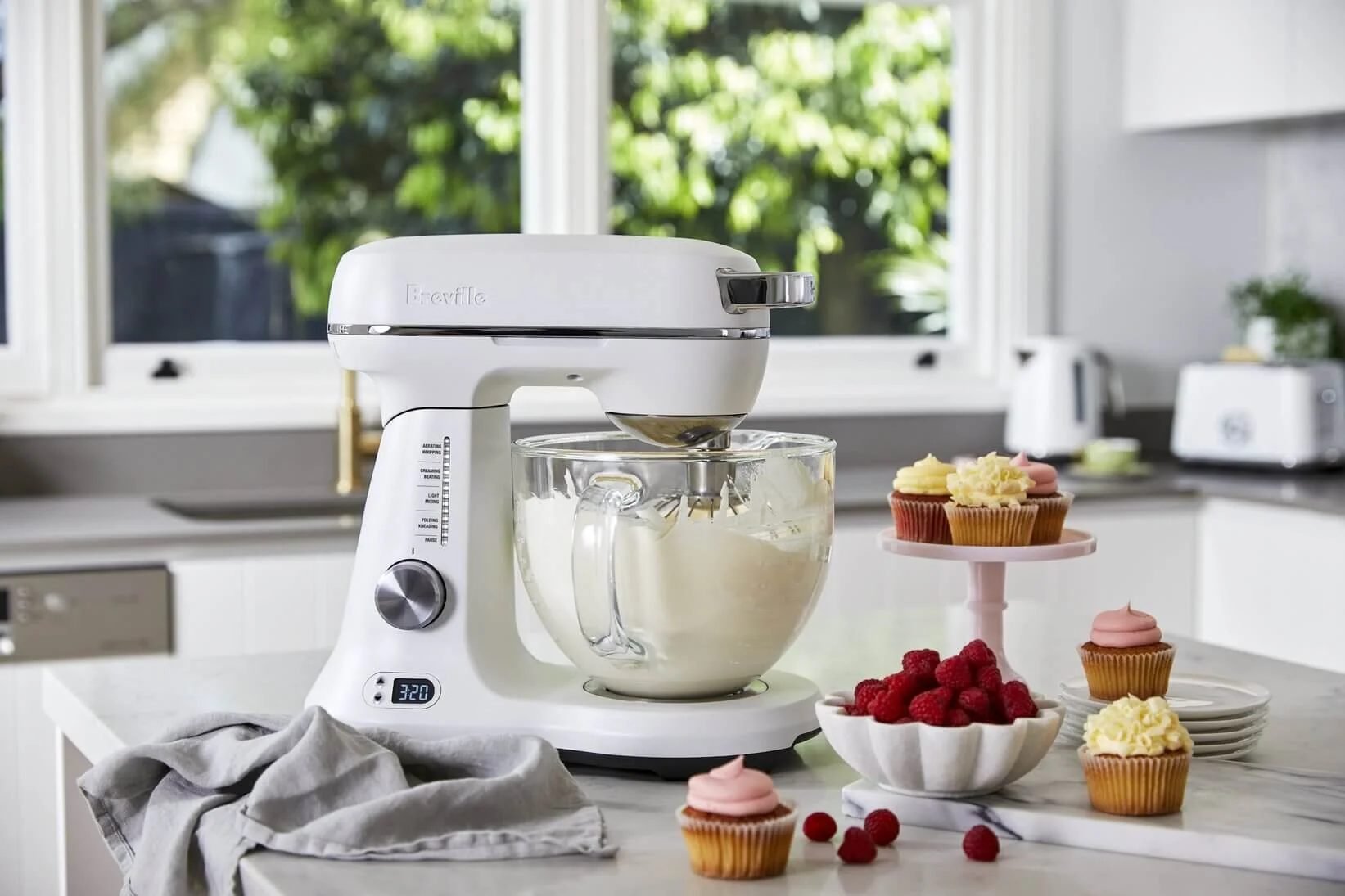
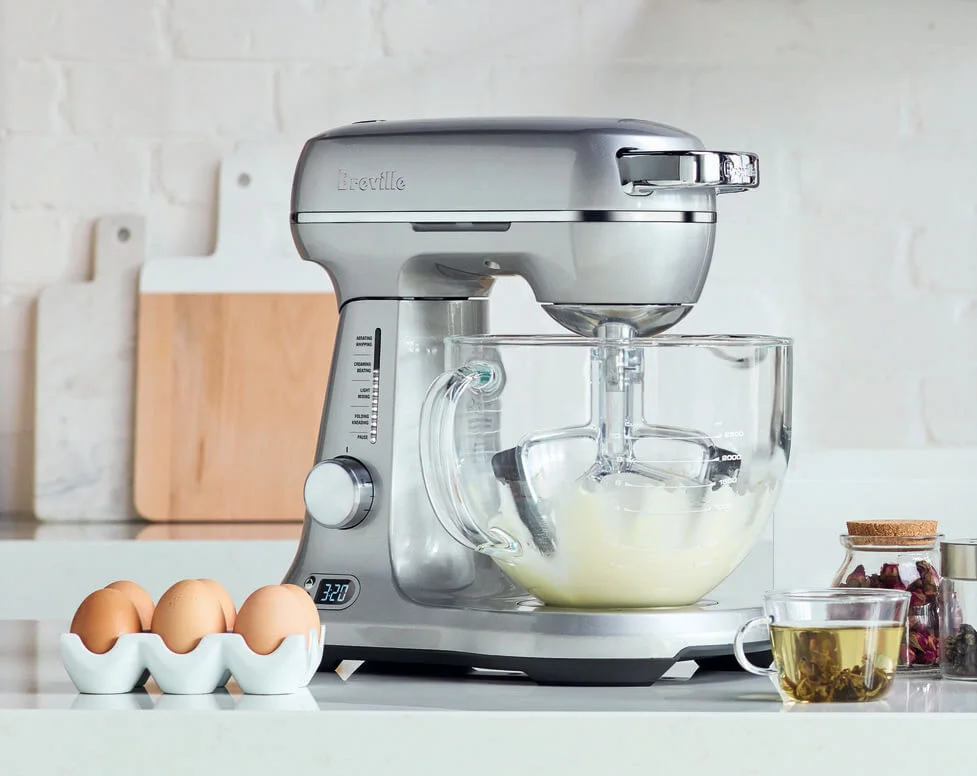
Stand mixers use a dough hook that gently stretches and folds the dough, building gluten gradually over several minutes. Food processors, on the other hand, rely on fast-spinning blades that bring ingredients together in seconds, creating a very different mixing environment. Research on dough mixing shows that factors like speed, mixing time, temperature, and hydration all influence gluten development, meaning the tool you choose directly affects the final texture.
When to use a stand mixer for dough
Stand mixers excel with yeasted doughs that require strong gluten development. The dough hook creates a stable environment for yeast to thrive while gluten forms evenly through consistent, controlled mixing, making it especially effective when kneading dough in a stand mixer. During this process, the proteins unfold and link together into a continuous, stretchy network, forming new bonds and structures that create the dough’s strength and elasticity.
You should reach for your stand mixer when making these doughs:
● Bread dough: Requires long kneading times and strong gluten networks
● Homemade pizza dough: Needs elasticity to stretch thin without tearing
● Bagel dough: Dense texture benefits from consistent, powerful mixing
● Dinner rolls: Light, airy texture comes from proper gluten development
The main advantage is complete control over the process. Stand mixers handle heavy doughs without overheating, and you can adjust speed as needed for consistent results with yeasted recipes.
When to use a food processor for dough
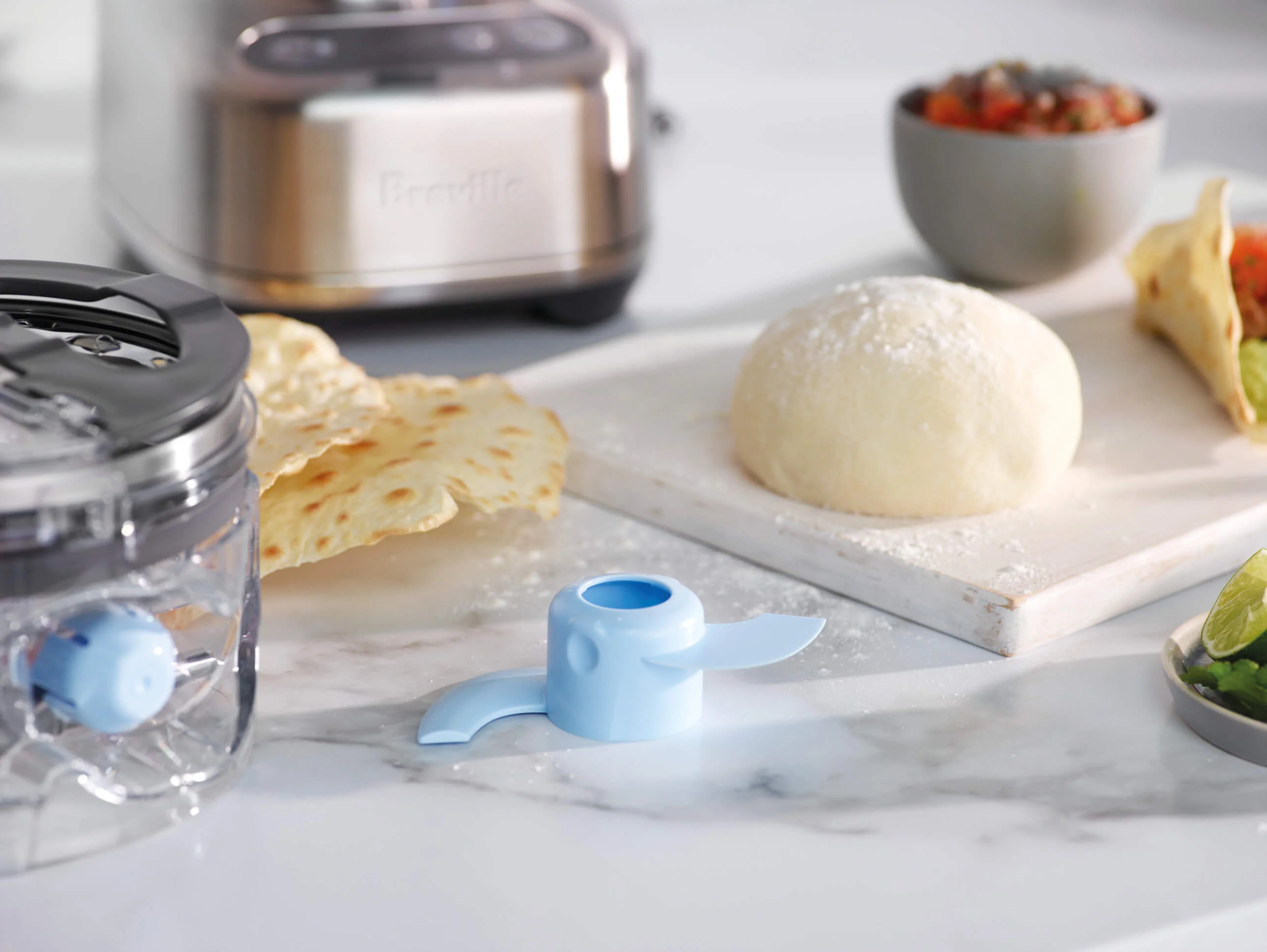
Food processors work best when speed matters more than extensive gluten development. The action of thefood processor blades quickly combines ingredients without overworking delicate doughs.
Food processors are perfect for these quick doughs:
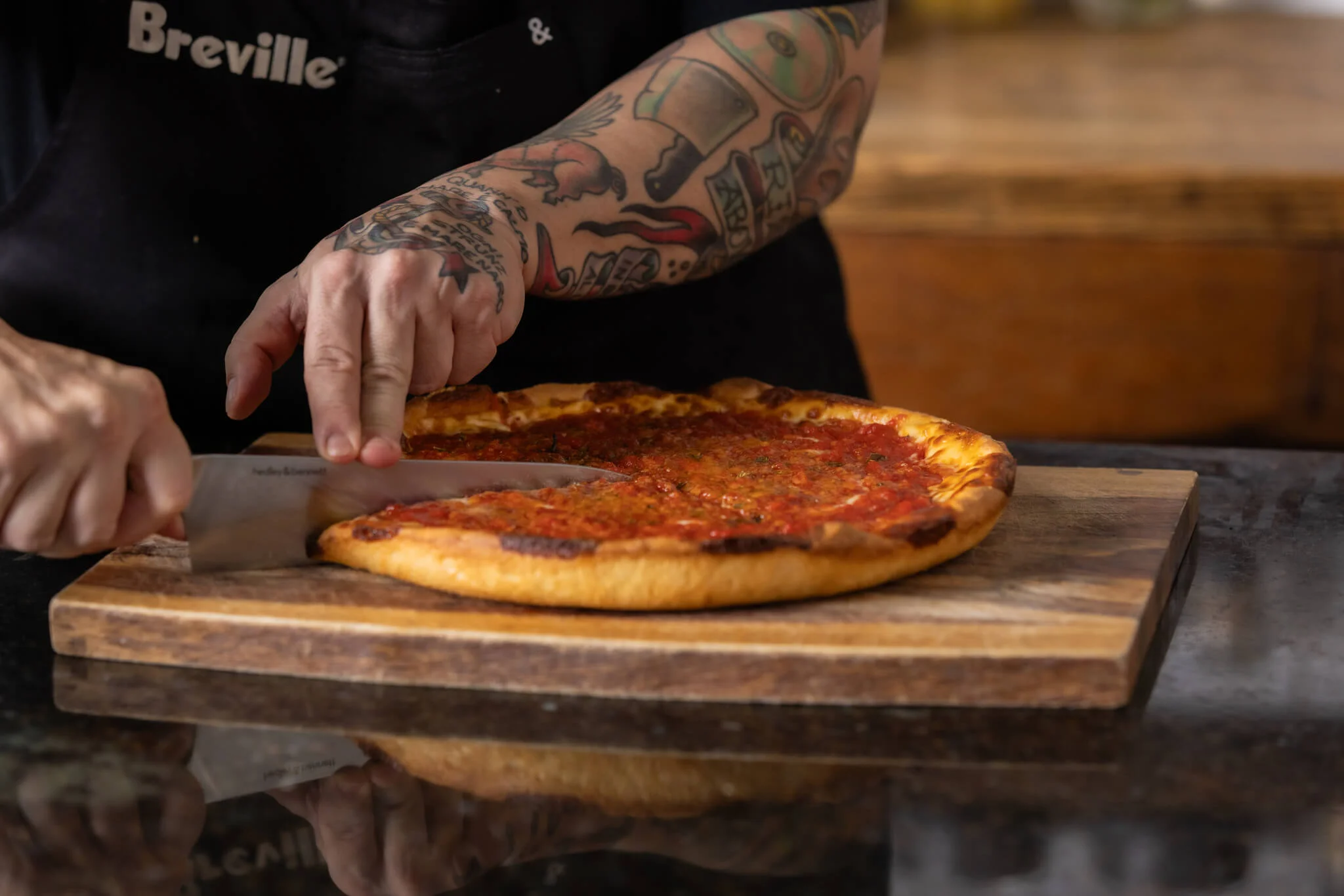
● Pie crusts: Fast mixing keeps butter cold for flaky layers
● Tart dough: Minimal handling prevents a tough texture
● Pasta dough: Quick combination of flour and eggs
● Quick breads: No yeast means less kneading required
However, the speed advantage comes with limitations. Food processors can overheat dough if you process it too long, and they work better with smaller batches than stand mixers. Overmixing can damage the gluten network, while insufficient mixing may also lead to compromised dough structure.
Texture and gluten development comparison
The way each machine works directly affects your final results. If you’ve ever looked into how to knead dough, you know that gluten development is central to structure and texture. Gluten is the protein network that gives bread its chew and stability, and each appliance works to develop it differently. In dough, this network provides viscoelastic properties, strength, mixing tolerance, and the ability to retain gas during leavening.
Stand mixers develop gluten slowly and evenly, creating an organized network that traps gas from yeast. This results in light, airy bread with a desirable chewy texture, while the slower process generates less heat, keeping the dough at the right temperature.
Food processors develop gluten much faster through their cutting action. While this works well for quick doughs, it can create a denser texture in bread if not monitored carefully, and the high speed generates more heat that can affect yeast activity or melt butter in pastry doughs.
Ease of use, cleanup, and kitchen space
Your kitchen setup and baking habits should influence your choice between these appliances. Stand mixers are heavy countertop appliances that work best when left out for easy access, though they handle large batches well and require more storage space for attachments.
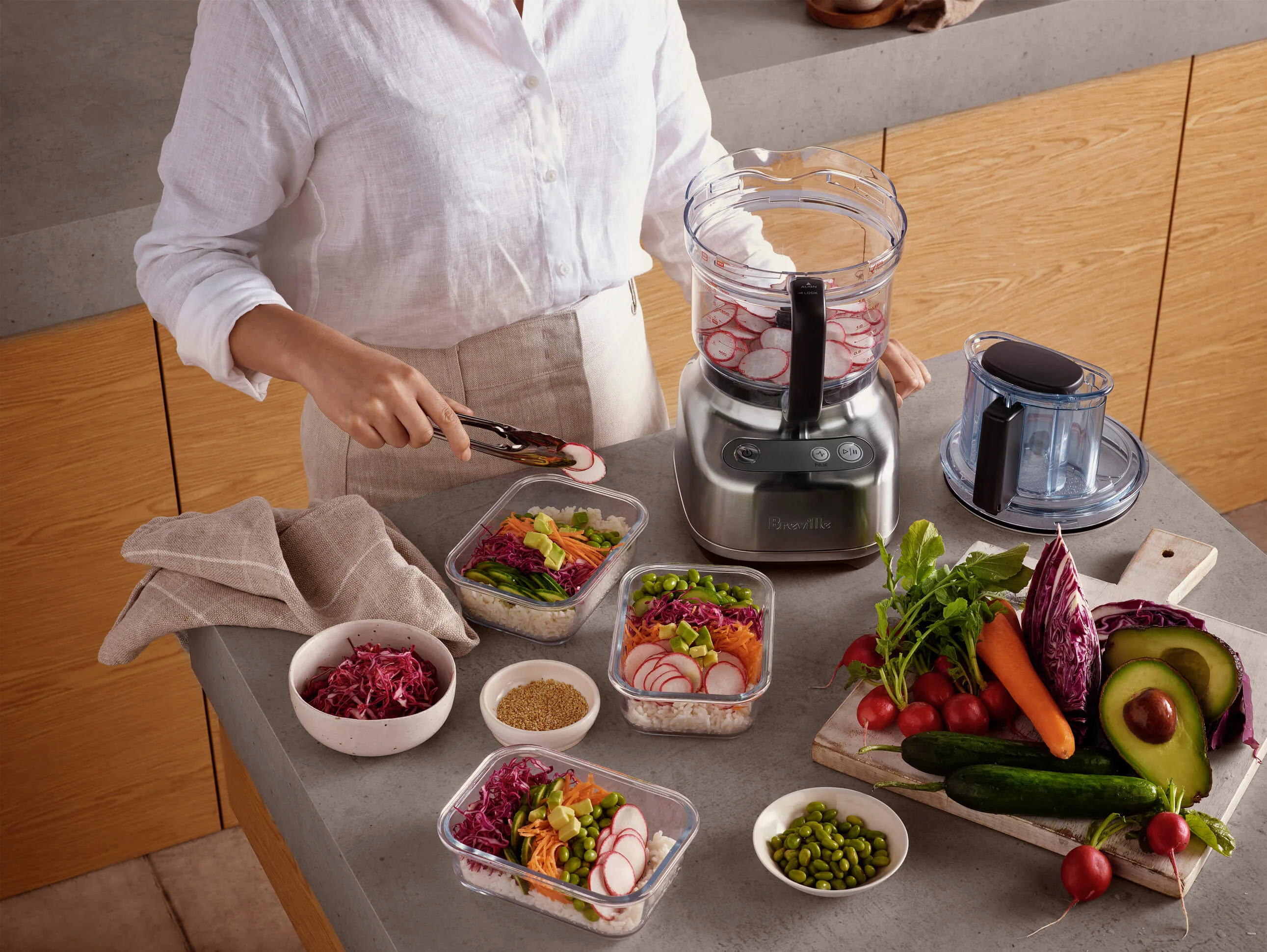
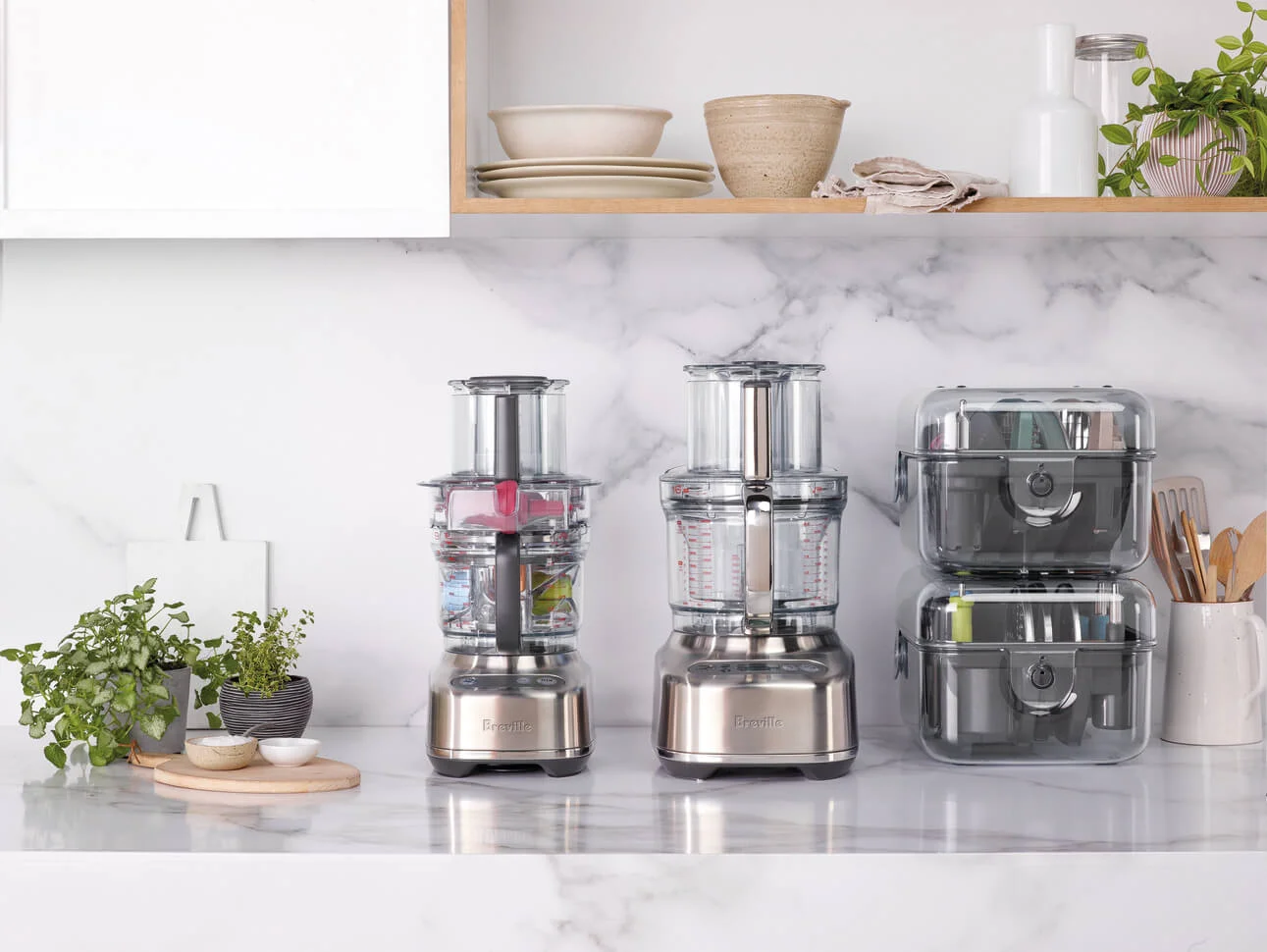
Food processors are lighter and more compact, making them easier to store in cabinets when not in use. As multi-purpose tools, they handle many kitchen tasks beyond dough making, and cleanup is typically faster since most parts are dishwasher safe.
Consider these practical factors when deciding:
● Counter space: Stand mixers require permanent spots due to their numerous uses in cooking and baking, whereas food processors can be stored away.
● Batch size: Stand mixers handle larger quantities more easily, while food processor sizes vary to accommodate various needs
Which tool is right for you?
Your baking habits ultimately determine which appliance is the better fit for you. Consider the types of dough you make most often and the amount of time you want to spend on preparation.
Choose a stand mixer if you bake bread regularly, want hands-free kneading, or prefer a traditional approach to gluten development. Its steady mixing and strong motor deliver consistent results, making the counter space worthwhile for frequent bakers.
Opt for a food processor if you make pastries often, value speed, or need a highly versatile kitchen tool. Its rapid mixing is ideal for quick preparation and cold-fat doughs, though many home bakers keep both appliances on hand for different tasks.
Choosing the right tool for better dough
Both stand mixers and food processors can make excellent dough, and Breville offers smart, well-designed options in both categories. Each tool excels in different areas depending on how it handles ingredients, so understanding when to use one over the other can improve your results and save time in the kitchen.
Ultimately, the right choice comes down to your baking habits and workflow. Stand mixers provide the control and consistency required for bread, while food processors offer the speed and efficiency ideal for making pastries. With Breville’s range of precision-engineered kitchen appliances, it’s easy to choose the tool that fits your style of baking.
Sources:
1. International Journal of Food Studies. Influence of processing on the technological and sensory quality of bread: an overview. https://dx.doi.org/10.15586/ijfs.v37i3.2941
2. MDPI. Dynamic Study on Water State and Water Migration during Gluten–Starch Model Dough Development under Different Gluten Protein Contents.https://www.mdpi.com/2304-8158/13/7/996