For home chefs, these meals represent a delicious dilemma: sous vide or slow cooker? Both methods promise dishes brimming with tenderness and rich flavors. Yet, they employ distinct approaches to cooking, each shining in its own way.
But in what ways, exactly, do they shine? And which technique best complements your home kitchen? Join us as we delve into the sous vide vs. slow cooker debate to find the one that’s best for you.
Introduction to sous vide and slow cooking
Before we compare the two techniques, let's start with a quick overview of how each one works:
The magic of sous vide
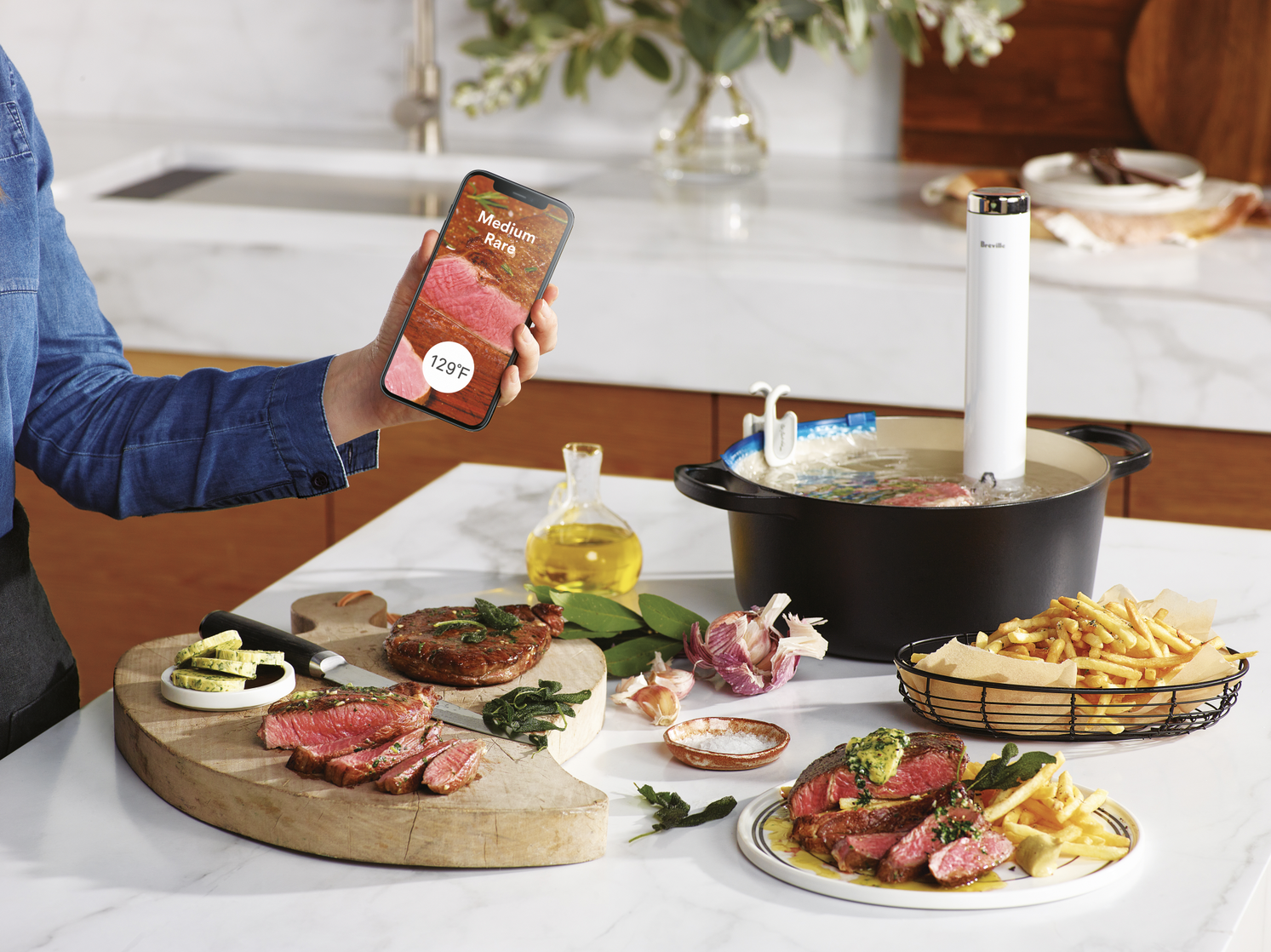
Sous vide, which means "under vacuum" in French, is a precise cooking method that involves sealing food in an airtight sous vide bag and submerging it in a temperature-controlled water bath. Renowned for its ability to cook proteins to their ideal internal temperature, sous vide is the secret behind flawlessly prepared dishes such as:
● Restaurant-quality steaks
● Tender, juicy chicken
● Delicately cooked fish
Through its gentle and unhurried approach, sous vide ensures meals are cooked uniformly, retaining their moisture and enhancing their natural flavors.
The convenience of slow cooking
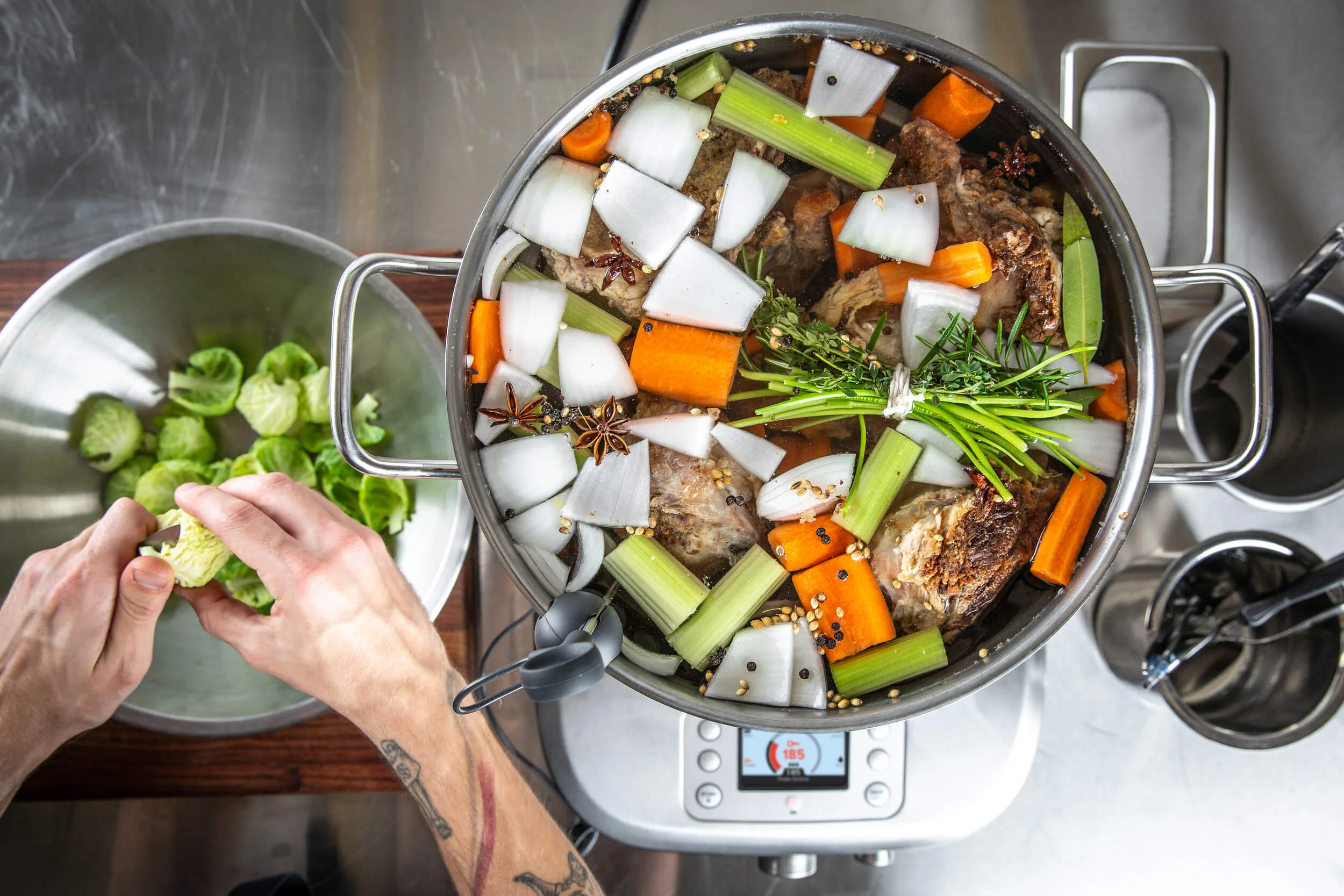
Similar to sous vide, the slow cooking method embraces mild heat over an extended time, softening tough fibers and melding flavors into a rich, cohesive whole. This approach is ideally suited for saucy comfort dishes that thrive under a leisurely warm setting, including:
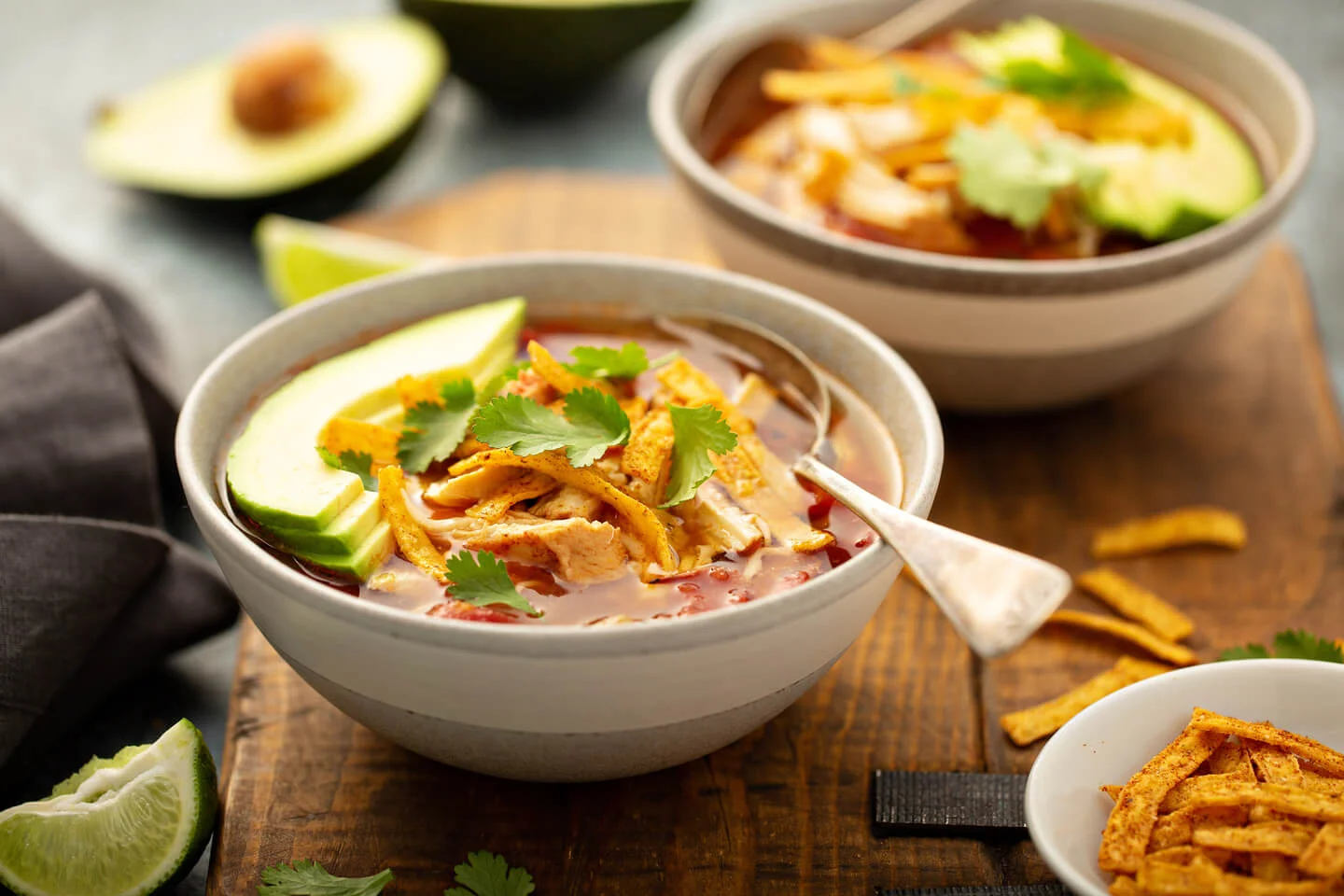
● Hearty stews and soups
● Rich chilis and curries
● Tender braises for tougher meats
With a slow cooker, you simply combine your ingredients in the pot, set it to low or high heat, and let it work its magic for roughly 4 to 10 hours.
Comparing taste and texture
Despite their similarities, the actual culinary output of sous vide vs. slow cooker can be surprisingly different.
Sous vide is celebrated for delivering exceptionally tender and moist dishes. Thanks to the precision of an immersion circulator, it's almost impossible to overcook food using the sous vide technique, ensuring that the natural flavors and juiciness are impeccably preserved.
This precision is especially noticeable with meats—sous vide achieves uniformly cooked steaks with a succulent medium-rare core throughout. Similarly, sous vide veggies retain their vibrancy and a delightful crisp-tenderness hard to replicate with other methods.
Slow cooking, while not as precise, excels at creating rich, complex flavors as ingredients meld together over hours of cooking. Tough cuts of meat become fork-tender, and vegetables break down into silky, flavorful bites.
Slow-cooked dishes tend to reduce and thicken surrounding sauces, resulting in an overall richer, heavier texture. However, because of the long cooking time, ingredients like vegetables tend to become quite soft.
Convenience factor
One of the biggest differences between sous vide vs. slow cooking is the level of convenience and hands-on time required.
For example, sous vide cooking requires some equipment and preparation. You'll need:
● An immersion circulator
● Resealable bags or vacuum sealer bags to package your food
● A large, heat-safe container for the water bath
While it may seem intimidating, sous vide cooking is actually very easy when you have the right tools. Once your food is sealed and submerged in the water bath, you can walk away and attend to other tasks—confident that your food will be cooked to perfection once you return.
Slow cookers, on the other hand, exchange this level of precision and consistency for the ultimate set-it-and-forget-it convenience. Simply throw your ingredients into the pot, set the timer, and go about your day.
This makes slow cookers an ideal choice for busy home cooks who want to come home to a ready-made meal after a long day at work or chasing after kids. Many slow cooker recipes also have short ingredient lists and minimal prep work, making them an appealing option for weeknight cooking.
Best dishes for each method
Another key difference between how slow cookers and sous vides function lies in how they handle liquids. The sous vide technique’s need for a vacuum-sealed environment makes it less suited for dishes that require cooking large quantities of liquid, such as soups.
At the same time, this very characteristic lends itself to more efficient “dry” cooking, eliminating the need for extensive braising sauces when prepping proteins. Knowing this will help you excel as you learn how to cook sous vide in a way that suits your unique palate.
Keeping this difference in mind, let's explore the dishes that each method excels at preparing, starting with sous vide:
● Succulent steaks – The poster child for sous vide cooking, being able to cook meat evenly and precisely makes steak a perfect choice for home cooks experimenting with this method. Sous vide ensures edge-to-edge doneness and a tender, juicy texture every time.
● Perfect eggs – While a simple dish (or component of a dish), eggs are very sensitive to cooking temperature, easily affected by single-digit degree changes. Sous vide thus emerges as the ideal way to achieve your desired consistency, from soft-boiled to creamy scrambled, with unparalleled precision.
● Vibrant veggies – Sous vide enables vegetables like carrots, asparagus, and beets to cook in their own juices, compounding their flavors to new levels without turning them into mush. The result is crisp, tender, flavorful vegetables that retain their vibrant colors.
● Juicy chicken breast – Cooking chicken safely without drying it into stringy leather is an age-old kitchen dilemma. No more dryness with sous vide cooking—the vacuum-sealed water bath locks in moisture for chicken that’s tender, juicy, and perfectly to-temp.
The list goes on, of course. Sous vide is an incredibly versatile cooking method, and the precise temperatures can even pave the way for rich, perfectly set desserts such as crème brûlée.
So what about slow cookers?
Whereas sous vide specializes in target temperature control, a slow cooker usually operates on two settings: high and low. This system of less precise temperature control certainly simplifies many recipes, as there is no need to dial in and calibrate an exact temperature.
Since everything cooks together in direct contact with the liquids, slow cookers are an excellent choice for dishes such as:
● Braised pork shoulder – Along with braised ribs, pork shoulder is an ideal cut for slow cooking. The low, slow heat breaks down the tough connective tissue, resulting in a delightfully tender and saucy dish that you crave on a cozy night.
● Comforting casseroles – From classic green bean to cheesy potato bake, slow cookers are perfect for creating warm casseroles. The even heat and long cooking time allow toppings to blend and brown into a golden, crispy texture.
● Hearty beef stew – Soul-warming and homey, a slow cooker is the ideal vessel for creating a rich, flavorful beef stew. As the beef, vegetables, and broth simmer for hours, the flavors deepen and the meat becomes melt-in-your-mouth tender.
● Macaroni and cheese – A classic comfort food, mac and cheese is elevated to new heights through slow cooking. Low temperature helps the cheese sauce gently melt into an ultra-creamy, gooey texture.
Really, any dish destined to be paired with sauces or soups works great in a slow cooker. From sweet and savory Thai red chicken curry to classic chicken noodle soup, slow cooking unlocks new levels of convenience and quality.
That still leaves one question: which cooking technique is right for you?
Incorporating sous vide and slow cookers into your kitchen
Choosing between sous vide and a slow cooker—or deciding to use both—depends on your cooking style, the types of dishes you prefer, and your daily schedule:
● Sous vide might be for you if you enjoy cooking with precision and are fascinated by the science of food, elevating your culinary creations on special occasions or when you crave perfection in texture and flavor.
● Slow cookers will be your go-to appliance if you treasure the simplicity of tossing ingredients into a pot, flipping a switch, and coming home to a ready meal on your busiest days.
Both methods can coexist beautifully in a kitchen, so don’t be afraid to experiment. You might find that sous vide is perfect for anniversary dinner steaks with a side of veggies, whereas slow cooking is your secret weapon for game-day chili.
That’s the beauty of home cooking: you can tailor it to your own tastes and lifestyle.
Get the best of both worlds with Breville
In the sous vide vs. slow cooker debate, there's no clear winner—both methods have their unique strengths and can yield delicious results. By adding both techniques to your culinary tool belt, you'll be able to tackle a wider range of recipes and wow family and friends with your cooking skills.
Even so, whether you dance to the tune of sous vide salsa or prefer to make dinner a cakewalk with slow cookers, one thing is certain: the equipment you use makes all the difference.
That’s why Breville empowers home chefs with everything they need to succeed. Pair our Joule Turbo immersion circulator with our chamber vacuum sealer for ultra-quick, convenient, and 5-star quality sous vide at home. Or bring out the Fast Slow Pro for the ideal all-in-one pressure cooking, slow cooking, and steam cooking solution.
Explore our collection to start your culinary adventure today.
Sources:
1. The Spruce Eats. What Is Sous-Vide Cooking? https://www.thespruceeats.com/sous-vide-faqs-and-guide-2313695
2. Food and Wine. Our 25 Best Crockpot and Slow Cooker Recipes. https://www.foodandwine.com/cooking-techniques/best-crock-pot-and-slow-cooker-recipes
3. Hipster Homesteader. Crock Pot vs Sous Vide Slow Cooker – Which is Better? https://hipsterhomesteaders.com/sous-vide-vs-crock-pot/
4. Serious Eats. The Guide to Sous Vide Eggs. https://www.seriouseats.com/sous-vide-101-all-about-eggs