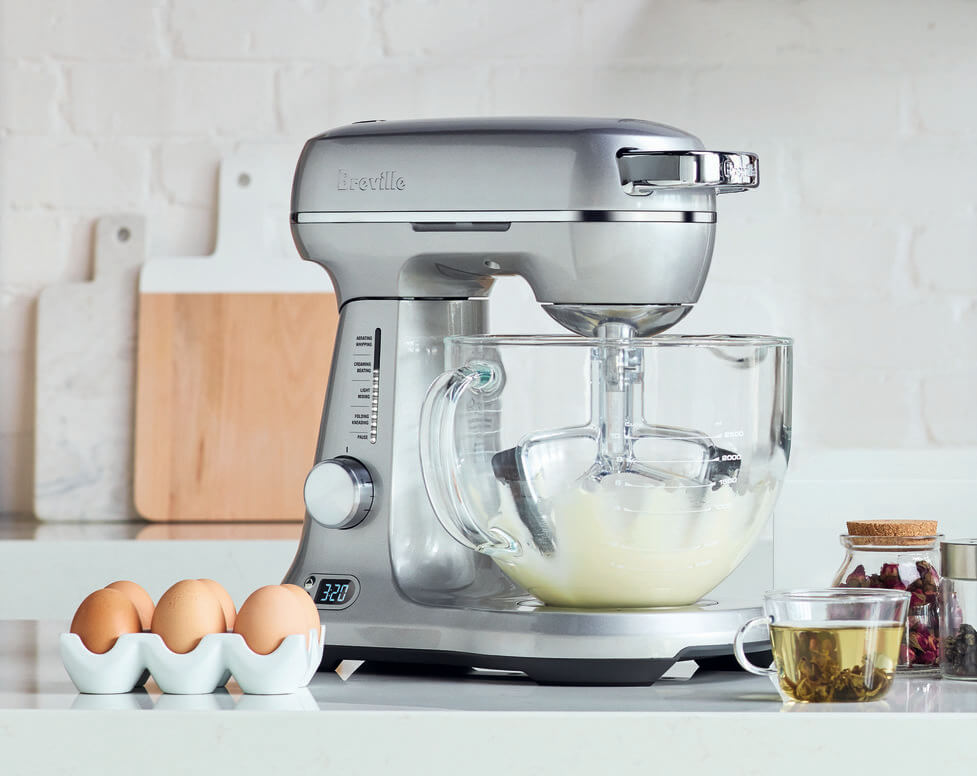
But the journey to reach that point isn’t always easy—especially if you’re working the dough by hand. That’s where a stand mixer comes into play. Kneading dough in stand mixer-equipped kitchens takes the guesswork (and elbow grease) out of the picture, saving you time and effort when tackling those tougher bread recipes.
In this guide, we’ll walk you through simple steps to transform your stand mixer into a baking powerhouse, ensuring consistent, bakery-worthy dough every time.
Preparing to knead dough in your stand mixer
As any home baker knows, preparation is often the secret to success. So, before you begin, verify a few essential points.
Choosing the right dough hook
While seemingly a minor detail, the right dough hook attachment can make a difference depending on your desired bread:
● C-shaped hooks are ideal for softer doughs, like a standard bread recipe and dinner rolls
● Spiral hooks work best with denser doughs, such as pizza dough or bagels
If your stand mixer has just one type of hook, don’t worry. Both options are excellent for general kneading tasks.
Setting up your mixer for dough kneading
Next, ensure your stand mixer is ready for action:
● Make sure the machine is on a stable, dry surface.
● Verify that both the mixing bowl and dough hook attachment are securely locked into place.
● Check your stand mixer manual for the recommended kneading speed and settings.
With the basics covered, you’re ready to get started!
Step-by-step guide to kneading dough in a stand mixer
The stage is set—now, it’s time to get your hands (or rather, your mixer) doughy. Just follow these three simple steps to achieve perfectly kneaded homemade bread dough.
Step 1: Mixing ingredients
Depending on the type of bread you’re preparing, you will most likely need a combination of bread flour, instant yeast, and water for your ingredients. Add wet ingredients into the mixing bowl first, then layer dry ingredients on top. This method ensures better incorporation and prevents dry flour from sticking to the sides of the bowl. A quick stir with a spatula can help bring everything together evenly.
Step 2: Using low-speed settings
Set your mixer to a low-speed setting to avoid any flour clouds or surprise splatters, especially with wet dough. Low speeds allow the dough to blend gradually, ensuring even hydration and helping gluten develop into a smooth texture.
Step 3: Kneading the dough
Finally, let your stand mixer do the heavy lifting. Kneading takes about 8 minutes for most breads, but always refer to your recipe. If needed, pause the mixer to scrape up any buildup along the sides or adjust the dough if it clings to the hook unevenly.
Knowing when the dough is perfectly kneaded
Wheat-colored, round, and smooth, well-kneaded dough is a beautiful sight. But hitting that sweet spot between over- and under-kneading is easier said than done.
Here are a few tips that can help.
The windowpane test
One of the most reliable methods for spot-checking your dough is known as the “windowpane test.” Performing it is straightforward:
● Take a golf ball-sized piece of dough and stretch it between your fingers.
● If the dough stretches thinly enough to let light through (like a windowpane) without tearing, it’s perfectly kneaded.
● If the dough tears easily, it may require a few more minutes of kneading.
Since different recipes and types of dough have unique ideal textures, this quick trick is a versatile way to determine your dough’s quality.
Other signs of perfectly kneaded dough
The ideal dough is characterized by a smooth yet elastic texture. A gentle press should reveal dough that yields easily and springs back slowly. You should also notice that it no longer sticks to the sides of the bowl during kneading, but pulls away cleanly.
Pro tip: After kneading in your stand mixer, take out the dough and hand-knead for about 30 seconds. This final touch smooths out the surface and helps you assess whether it’s ready for rising.
Common mistakes to avoid when kneading dough in a stand mixer
While a stand mixer certainly makes things easier, it also introduces some other potential challenges. Keep an eye out for common mistakes like:
● Over-kneading – Signs include a bleached coloration and tight, unworkable texture that tears easily. Overworked dough produces tough, chewy bread with stale flavor notes.
● Under-kneading – Dough that’s under-kneaded lacks structure, elasticity, and bounce. It often feels extra-tacky and may struggle to rise properly.
● Using high speeds – Faster might sound better, but high speeds can backfire by overheating the dough and possibly overloading your mixer’s motor.
To avoid these issues (and the less-than-delicious bread that results), aim for a balanced approach. Maintain a low speed on your mixer and monitor the dough’s texture closely. Remember, you can always knead more—but over-kneaded dough is much harder to fix.
When you’re done with your bread kneading, be sure to clean your stand mixer thoroughly to preserve its condition and keep it ready at all times.
Achieve the perfect kneads with Breville
Breadmaking is more than a recipe—it’s a form of art. And like any art, it takes time and practice to master. While a stand mixer can simplify the process, crafting those golden, fluffy loaves still relies on your keen eye and baker’s intuition.
But what if you had a trusty partner to help you achieve perfect results—every time?
Breville’s Bakery Chef stand mixer is that companion. Equipped with a commercial-grade motor, precision-engineered dough hook, and integrated timer, the Bakery Chef ensures every knead is consistent and effortless.
Experience the joy of baking made simple. Explore Breville’s range of stand and hand mixers today.
Sources:
1. Bakestarters. 4 Types of Kitchen Mixer Attachments and What They Are Used For. https://bakestarters.com/blogs/education/4-types-of-mixer-attachments
2. King Arthur Baking. What is the windowpane test for bread dough? https://www.kingarthurbaking.com/blog/2022/10/14/what-is-the-windowpane-test-for-bread-dough
3. America's Test Kitchen. How to Knead Dough Like a Professional Baker. https://www.americastestkitchen.com/articles/374-Bread-Baking-101-How-to-Knead-Dough
Related Articles
- Cooking
How to clean a microwave: 4 tips
Microwaves can easily get sticky and greasy, but it's important to know to clean them. Here's how to clean a microwave properly. - Cooking
How to use an induction cooker: Essential tips
Master your induction cooker with our easy tips. Enhance your cooking experience with efficient, safe techniques. - Cooking
6 stand mixer uses for cooking and baking
From prepping desserts to kneading dough, the stand mixer is essential for every kitchen. Discover the versatile stand mixer uses for baking and cooking. - Cooking
How to use a bread maker: 6 Steps
Want fresh homemade bread with minimal effort? Read to discover how to easily use a bread machine and enjoy warm, fresh loaves whenever you please. - Cooking
How to make crispy pizza crust
Want a perfectly crispy pizza crust every time? Learn the secrets to achieving a golden, crunchy base with this step-by-step guide. - Cooking
Best slow cooker Super Bowl recipes
Host an easy Super Bowl spread with slow cooker recipes made for a crowd — think hearty mains, warm dips, and game-day favorites that cook while you watch. - Cooking

Air fryer vs. deep fryer
Discover how air fryers and deep fryers are different and which is best for your cooking needs. Read on to learn more. - Cooking
Food processor vs. Blender: Which do you need in your kitchen?
Which appliance is better suited for your kitchen needs: the food processor or blender? Read on to find out the key differences and choose the right one for you. - Cooking
Why is pizza oven temperature important?
Pizza ovens have the ability to create a perfect pizza when using the correct temperature. Learn why the high temperature of a pizza oven is important. - Cooking
Hand mixer vs. stand mixer: Which should you use?
Choosing between a hand mixer and a stand mixer? Learn about their differences and how to choose the right one for different baking and cooking needs. - Cooking
What can you make in a bread maker?
Looking to create delicious treats at home? Read on to discover the endless possibilities of what you can make in a bread maker and satisfy your cravings. - Cooking
Food processor vs. stand mixer for dough
Food processor or stand mixer for dough? Compare speed, texture, ease of use, and when to use each tool for perfect homemade bread, pizza, and pastries. - Cooking
Air fryer vs. microwave: What to know
When it comes to cooking, air fryers and microwaves are useful for very different things. Read on for more about air fryers vs. microwaves. - Cooking
Sous vide vs slow cooker: Best techniques
Compare sous vide and slow cooker methods. Find out which cooking technique is best for your culinary needs and lifestyle. - Cooking
How to use a toaster oven: 4 ways
Just bought your first toaster oven? Keep reading for a beginner's guide to using a toaster oven, including some of the best recipes you can try. - Cooking
Kneading dough in stand mixer: How to get started
Learn how to knead dough in a stand mixer with our step-by-step guide. Discover how to achieve the right texture and common mistakes to avoid. - Cooking
Healthy air fryer recipes for the family
Discover healthy air fryer recipes the whole family will enjoy, from crispy veggies to kid-friendly mains and better-for-you snacks. - Cooking

Electric vs. stovetop kettle: Which should you buy?
Evaluate electric vs. stovetop kettles for your kitchen needs. Make an informed choice with our guide. - Cooking
Air fryer vs. convection oven: Which is better?
Uncover the pros and cons of air fryers and convection ovens with this expert cooking guide. Read on now. - Cooking
Induction cooktop vs. gas stove: Which is better?
Debating between induction cooktop vs gas? Learn which offers better efficiency, control, and safety for cooking. - Cooking
Food processor sizes: How to choose
Discover the different sizes of food processors and how to choose the best one for your kitchen needs. Learn which food processor size is ideal for you. - Cooking
Convection oven vs. toaster oven
When cooking, should you use your convection oven or toaster oven? Here is a comprehensive guide on the main differences between a convection and a toaster oven. - Cooking

How to cook sous vide
Looking for tips on how to successfully use the sous vide cooking method? Check out our tips on how to cook sous vide. - Cooking
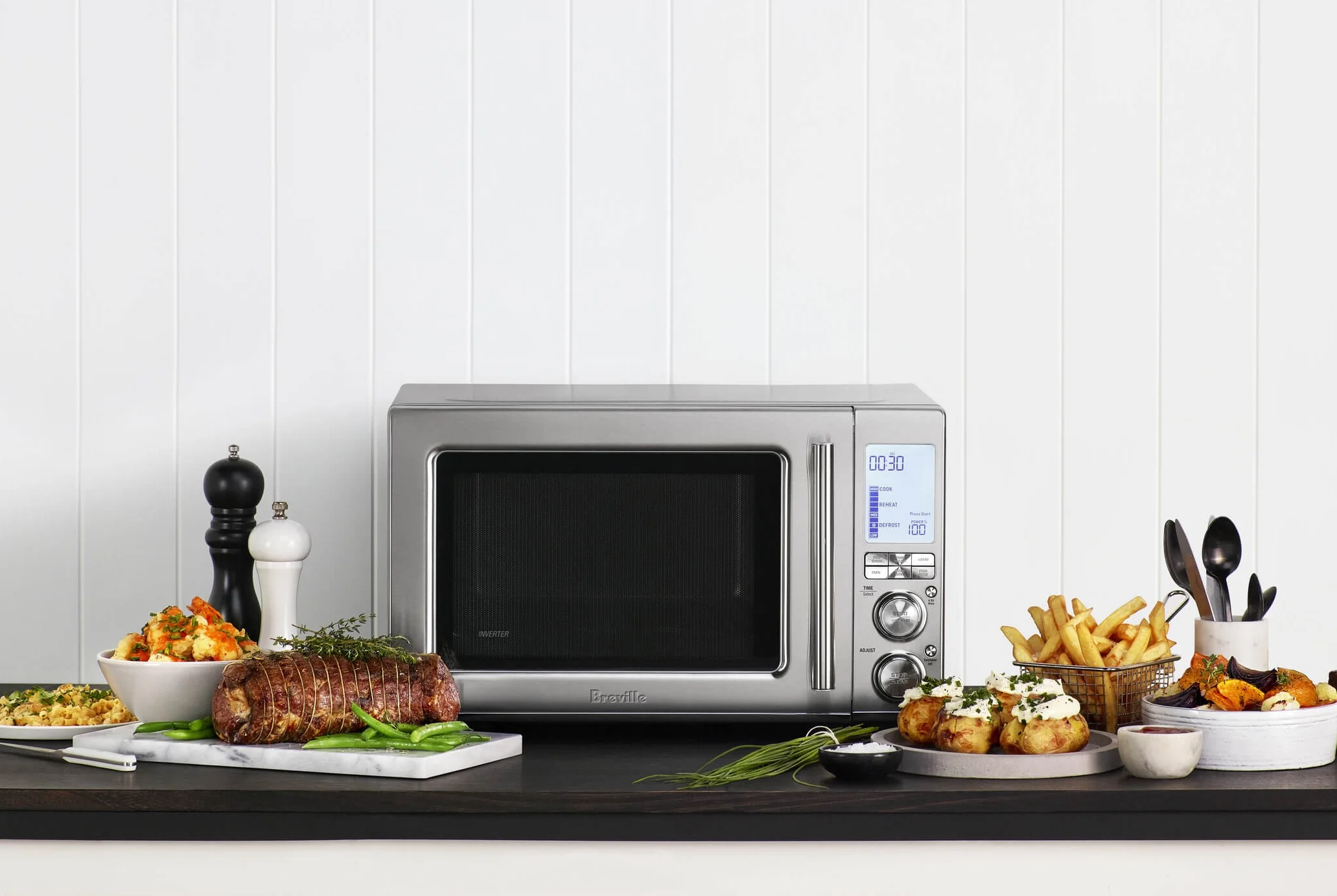
4 simple microwave recipes
Microwaves aren't only for heating up frozen meals. Check out these microwave recipes you can create yourself.