If you’re wondering which type of mixer is the ideal companion for your baking and cooking endeavors, look no further. Dive into this comprehensive guide as we uncover the intricate details of the hand mixer vs. stand mixer.
Pros and cons of hand mixers
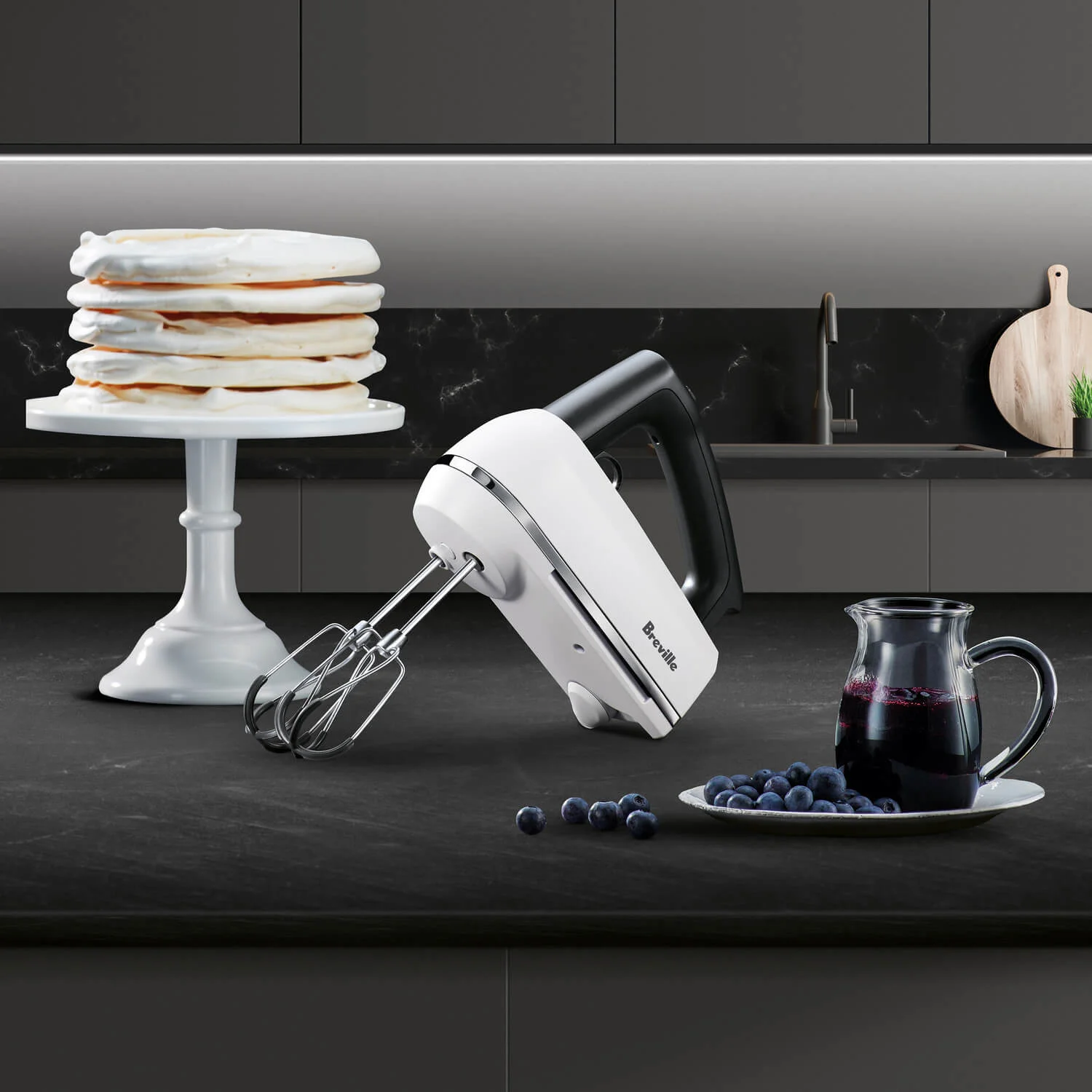
Hand mixers are versatile kitchen tools celebrated for their compact design and specific utility. Their handheld nature allows home chefs to adopt a tactile approach, feeling the consistency of mixes and adjusting in real-time.
Let’s take a look at the pros of hand mixers:
● Portability – Hand mixers are lightweight, making them easy to move around the kitchen or even pack for a trip. Unlike stand mixers, hand mixers have minimal setup time; simply plug one in, and it's ready to go.
● Easy storage – The compact design of both hand mixers and accompanying accessories means they can fit snugly in a drawer or on a small shelf. This is particularly ideal for kitchens with limited counter space.
● Versatile for quick tasks – Hand mixers are perfect for whipping cream, making meringues or cookies, or blending a small batch of ingredients.
● Budget-friendly – Generally more affordable than stand mixers, hand mixers offer great value for the home baker on a budget.
● Simple cleaning – With fewer components and a straightforward design, cleaning a hand mixer can be a swift and hassle-free experience.
● Increased control – Some recipes, such as butter or cream, may require speed setting adjustments and fine-tuning on the fly—control that only hand mixers can offer.
While hand mixers boast several factors that make them a popular choice, it's essential to consider the other side of the equation. No tool is without its limitations, after all.
Let's weigh in on the cons and areas where hand mixers might not be the ideal choice:
● Limited power – Hand mixers may struggle with heavy dough or larger volumes of ingredients due to their smaller, lighter construction.
● Manual operation – Continuous holding and operating can lead to fatigue, especially for lengthy mixing tasks with a large batch of ingredients. This also leads to less overall stability, possibly leading to spills.
● Inconsistent mixing – On a related note, the increased control of manual operations risks the possibility of uneven, inconsistent mixing if not moved around properly.
● Fewer attachments – Unlike their standing counterparts, hand mixers typically come with a limited set of attachments, reducing their versatility for specialized tasks.
● Shorter overall life span – Due to their lighter build and motor, hand mixers might not last as long as stand mixers do.
Understanding the limitations of hand mixers is crucial in making an informed decision. With the pros and cons laid out, you're one step closer to deciding if this lightweight dynamo aligns with your needs.
Next, let’s explore the world of stand mixers to see how they compare.
Pros and cons of stand mixers
Preferred by many professional bakers and serious home chefs, stand mixers bring both function and flair to the cooking space.
Despite this professional image, they are gaining popularity in home kitchens everywhere due to the many stand mixer uses. Let’s delve into the pros of this kitchen staple:
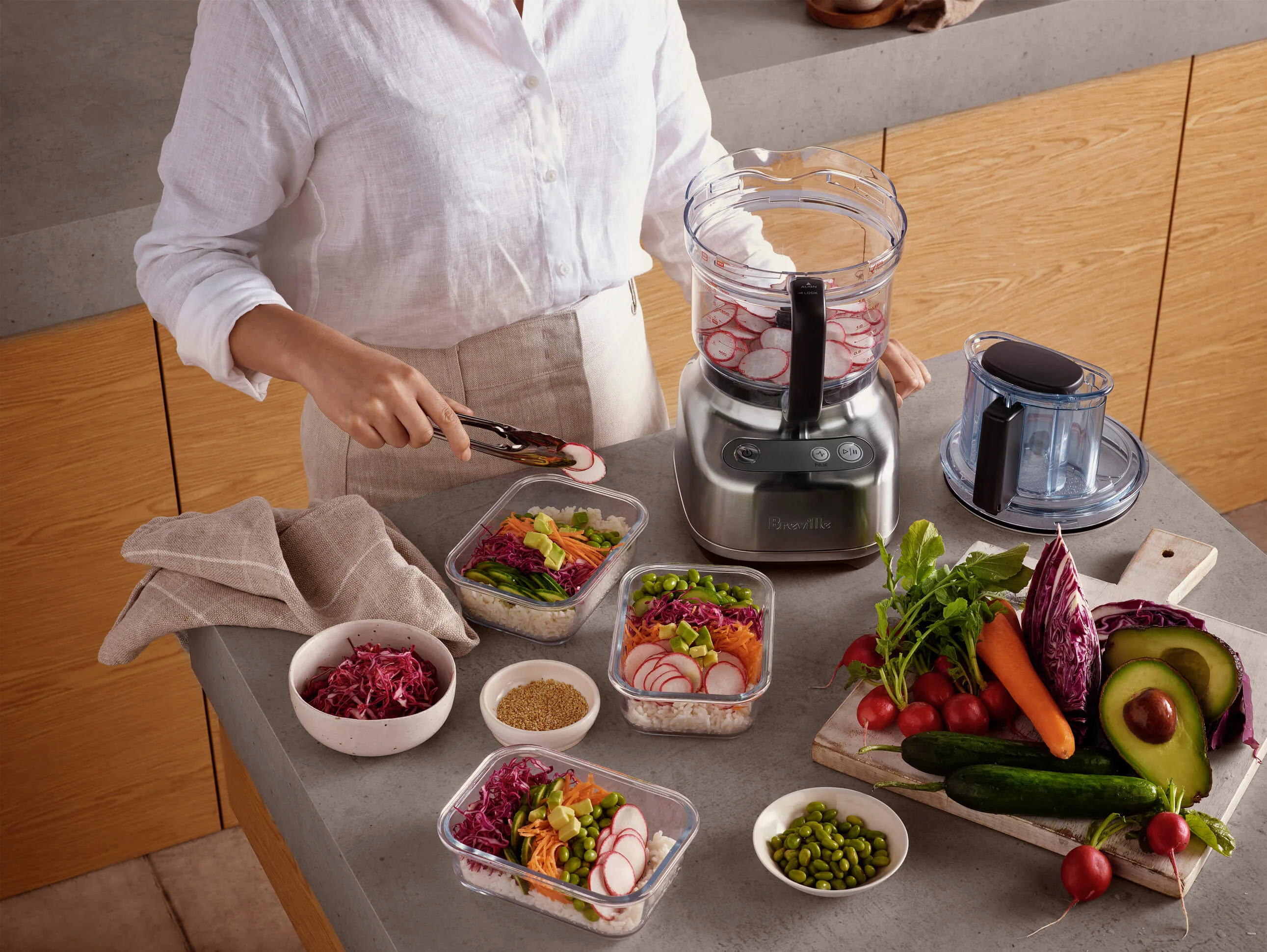
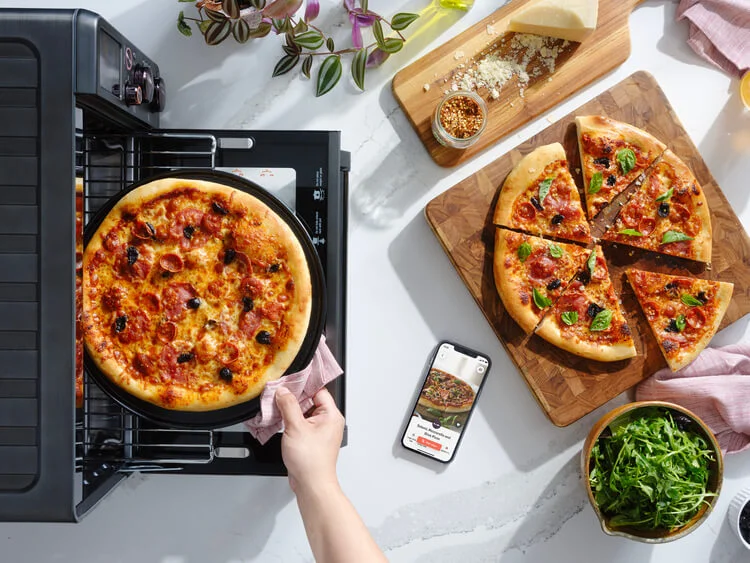
● Powerful performance – With their robust motors, stand mixers can handle heavy doughs, large batches, and continuous mixing without a hiccup. This uniform consistency is especially beneficial for large-batch preparations such as pizza or bread dough.
● Hands-free operation – Once set up (generally with pre-programmed options), you can let the machine do the work, freeing your hands for other, more essential tasks.
● Versatile attachments – Many models of stand mixers come with various attachments, such as a dough hook, expanding their functionality beyond just mixing—think pasta making, meat grinding, and even homemade ice cream making, to name just a few.
● Advanced features – Some stand mixer models have built-in timers, allowing for a “set and forget” approach. Many also come with safety features to help prevent accidents.
● Stability – Stand mixers' hefty weight and design ensure they remain stable, even during high-speed operations.
● Durability – Built with longevity in mind, a quality stand mixer can last decades with proper care.
However, even with the undeniable advantages, there are other aspects of a stand mixer to consider. Let's take a measured look at the potential downsides of incorporating one into your culinary arsenal:
● Size and weight – Stand mixers can be bulky, sometimes 20-50 pounds. This often requires dedicated counter space or a sturdy storage spot.
● Price – High-quality stand mixers come with a heftier price tag than hand mixers, making them an investment piece.
● Complex cleaning needs – With more parts and attachments, and often intricate designs, cleaning a stand mixer can be more tedious than hand mixers.
● Not always efficient for small batches – For very small quantities, a stand mixer’s large bowl size might not work as effectively as an electric hand mixer, and the effort to set it up may not be worthwhile.
● Learning curve – With a plethora of settings and attachments, it might take some time for a beginner to get fully acquainted with all the functionalities of this kitchen appliance.
In essence, stand mixers are ideal for those who frequently bake or cook, particularly in large batches. They're an asset for handling rigorous tasks and offer a versatility that's hard to match.
However, they do demand space, budget, and commitment, making them more suited for passionate bakers and chefs who frequently experiment in the kitchen.
Best mixer for cooking
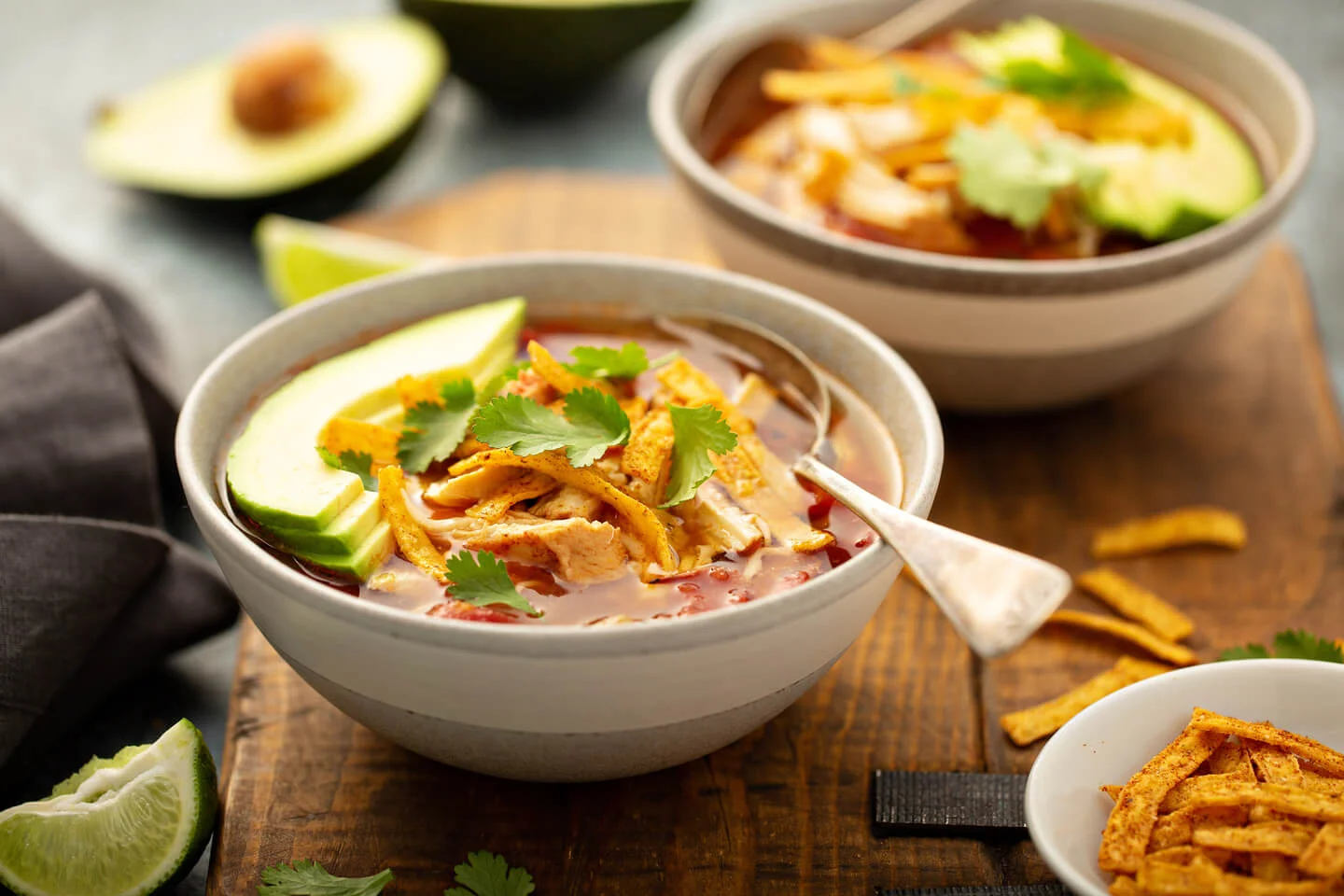
When it comes to cooking, the tasks at hand are quite different from the world of baking. Think whipping up savory dips, mashing vegetables, or even shredding chicken. Each of these tasks demands a unique touch.
So, hand mixer vs. stand mixer—which one is best when it comes to cooking?
● For everyday tasks like making cream for a soup or blending a quick vinaigrette, the compact design and direct manual control of a hand mixer make it the ideal, clutter-free choice.
● Stand mixers shouldn't be dismissed from the cooking scene, though. They excel when it comes to bulkier tasks, such as making big batches of guacamole, mashed potatoes, or scrambled eggs. In fact, stand mixers can take care of more heavy-duty work while you take on other tasks, like sautéing veggies.
For most cooking tasks, especially those that require quick and easy solutions, the hand mixer often comes out on top. Its flexibility, direct control, and easy clean-up make it an instant kitchen favorite.
That said, for those who regularly whip up gourmet meals or entertain large groups, the versatility and power of a stand mixer, especially one equipped with multiple attachments, can be invaluable.
In essence, the best mixer for cooking largely depends on factors like:
● Personal cooking style
● The kind of tasks you regularly tackle
● The amount of food you usually prepare
Both mixers have their place; it's all about choosing the right tool for the job.
Best mixer for baking
Baking is sometimes considered the more precise and scientific sibling of cooking. Whether creating delicate pastries, fluffy cakes, or perfectly kneaded bread, choosing between a hand mixer and a stand mixer can significantly impact your baking results.
● Hand mixers certainly have their strengths in the world of baking. Offering an ideal mixture of precision and control is especially helpful with delicate creations such as meringues or macarons.
● Stand mixers, on the other hand, have long been considered a baker's best friend. Powerful, consistent motors churn through heavy dough and thick batter easily, leaving your hands free for ingredient prep or the all-important duty of taste testing.
When it comes to baking, the stand mixer often wins. Particularly for serious bakers or those who regularly tackle complex recipes, the stand mixer’s power, versatility, and ability to handle heavy dough make it an indispensable tool.
That said, for occasional bakers or those with limited kitchen space, a hand mixer may still be a practical choice.
Again, the best mixer for baking depends on factors unique to you—factors such as:
● Your baking habits and frequency
● The types of recipes you enjoy making
● How much you value consistency and a hands-free option
Both mixers have their merits, and choosing the right one for your arsenal is a question with no right or wrong answer.
Achieve mixer mastery with Breville
The secret ingredient in every culinary masterpiece isn't just what goes inside the bowl—it's the tool you use to mix it all together. So, whether you’re leaning toward the hand mixer's flexibility or the stand mixer's robust capabilities, your decision rests on the dishes you dare to dream of.
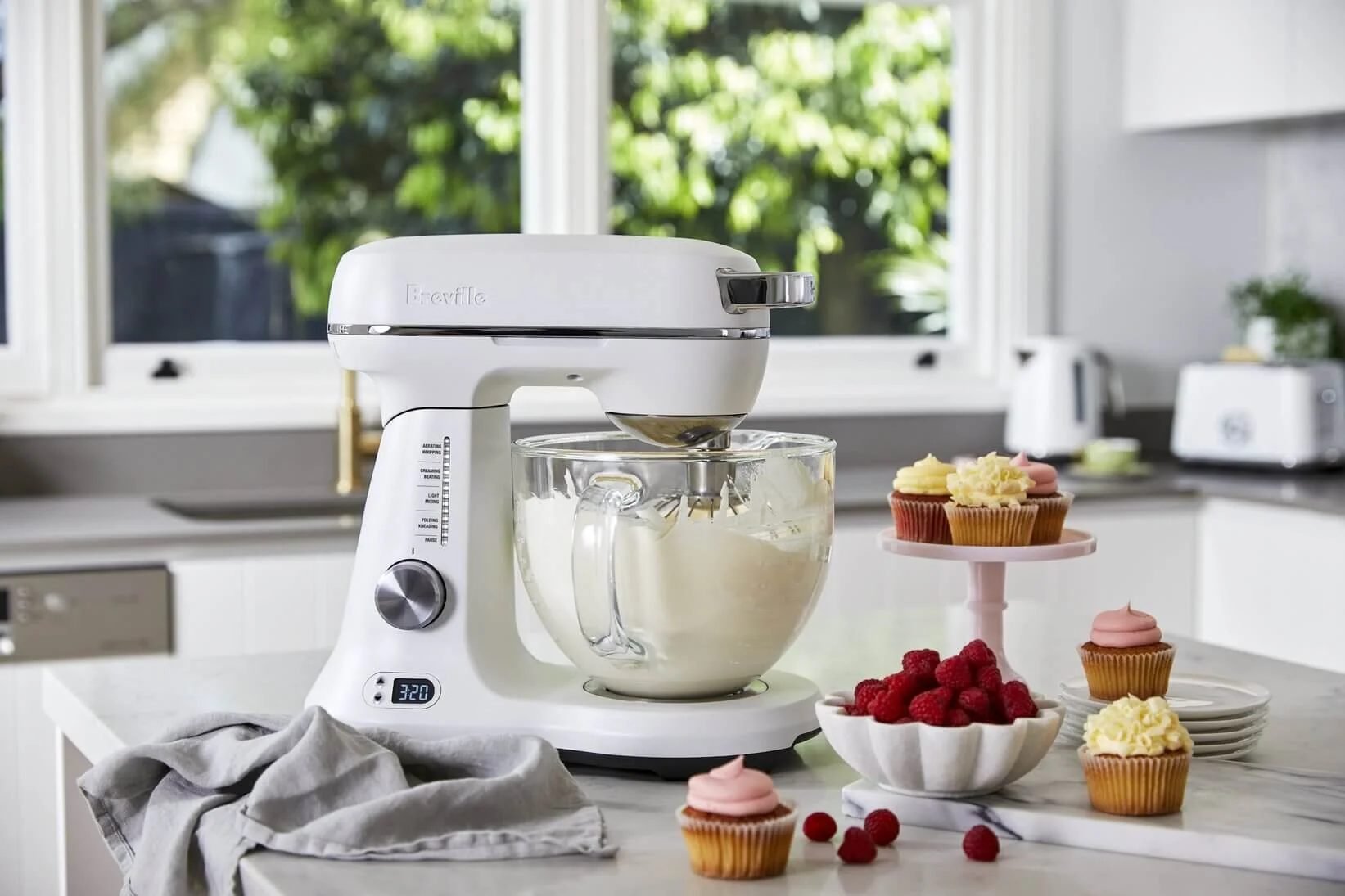
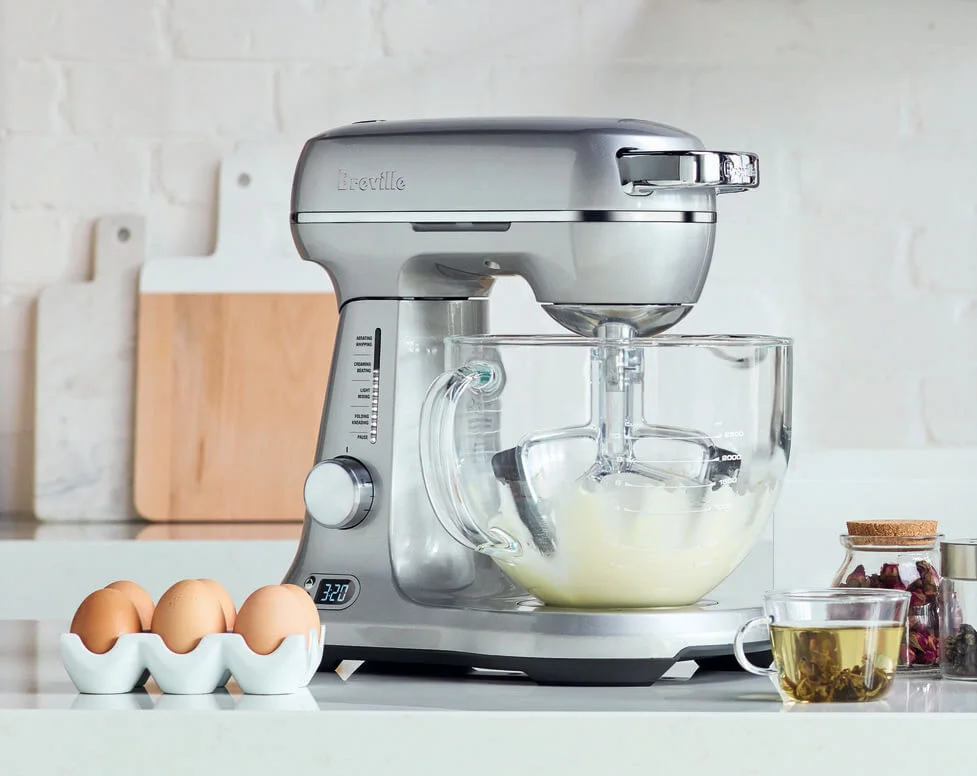
Regardless of your choice, Breville ensures there's a mixer tailored just for you. For hand mixers, we offer the Handy Mix Scraper, which automatically adjusts its speed setting to the texture and toughness of the mix in your bowl. If you prefer a stand mixer, we offer the Bakery Chef, which uses a double-sided scraper to cut mixing times by 60%.
Take your cooking and baking to new heights by exploring mixers from Breville today.
Sources:
1. Trusted Reviews. Stand mixer vs hand mixer – which one should you buy? https://www.trustedreviews.com/opinion/stand-mixer-vs-hand-mixer-which-one-should-you-buy-4120067
2. Lid & Ladle. Hand Mixer vs Stand Mixer: What’s the Difference? https://learn.surlatable.com/hand-mixer-stand-mixer-difference/