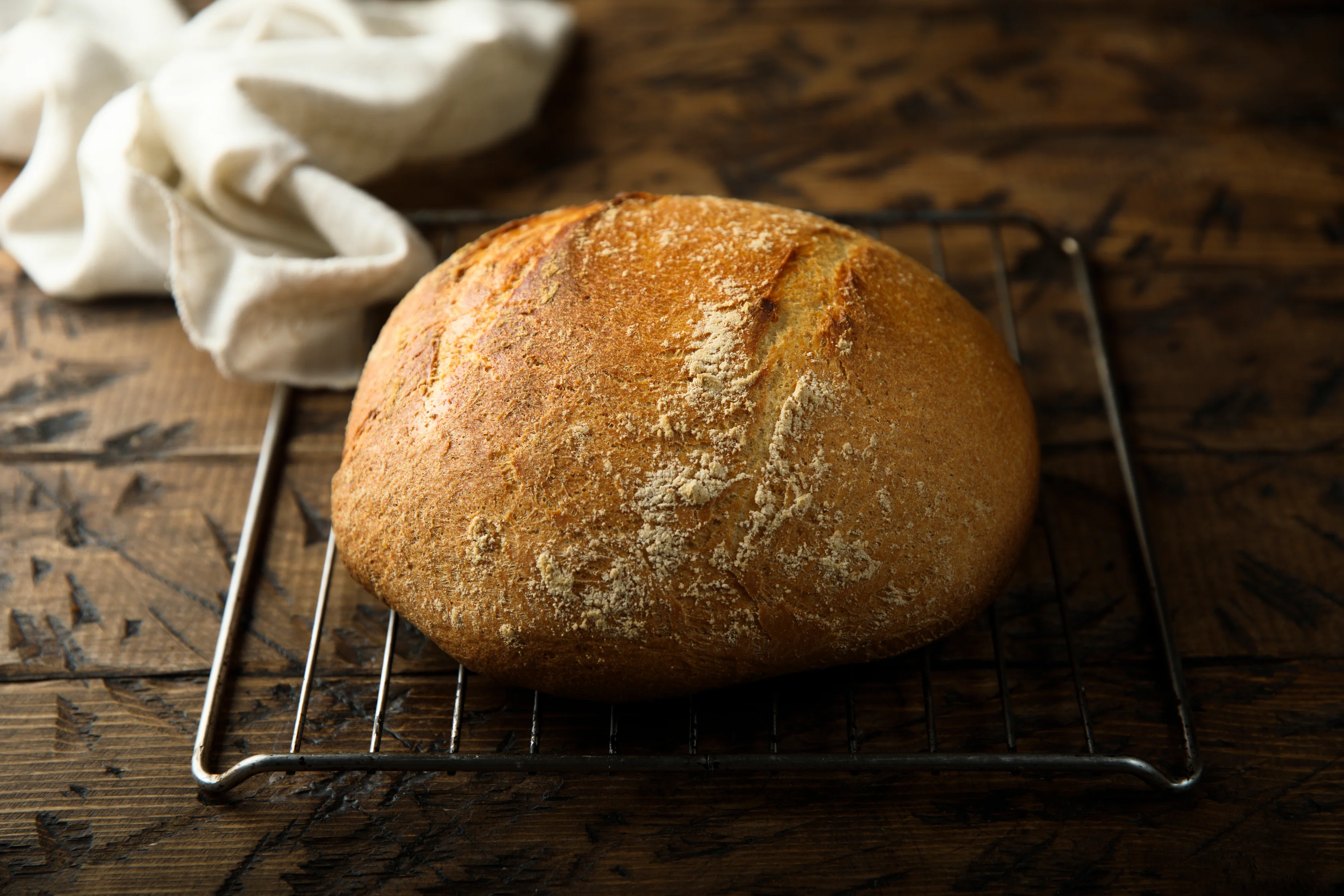
Beyond that, making bread can be a lot of fun. Not only can it fill your kitchen with the irresistible aroma of fresh bread, but it also gives you a chance to impress your friends and family. After all, there’s nothing better than a slice of freshly-baked bread.
If you want to learn how to make bread at home, you’re in the right place. Below, we’ll break down what ingredients and tools you need. We’ll also provide some bread-making tips, along with three delicious bread recipes.
Tip #1: Know your ingredients
Before you can transform your kitchen into a home bakery, you need to make sure you have all of the required ingredients on hand. Every homemade bread recipe’s ingredient list will vary slightly.
Regardless, the four basic categories of ingredients for homemade bread are as follows.
Dry ingredients
As you may have guessed, flour is the basis for most bread. There are many types of flour you can choose from, including:
● All-purpose flour (bleached or unbleached)
● Whole wheat flour
● Bread flour
● Rye flour
● Gluten-free flour
Your flour selection will impact your bread’s texture, structure, and nutritional content.
After flour comes salt and sweetener. These ingredients enhance the bread’s flavor and activate its yeast. Some popular sweeteners include white sugar, brown sugar, honey, agave, maple syrup, and molasses.
Liquid ingredients
When combined, liquid ingredients transform dry ingredients into a supple dough.
Water is the primary liquid ingredient used in most bread. Before adding it in, you should heat it to 80°F (27°C). Otherwise, it may not activate the yeast properly. For reference, this temperature is warm but not so hot that it would burn a baby’s skin.
Some other common liquid ingredients include:
● Milk – Some bread contains milk or milk powder. Like water, milk should be warmed up to 80°F (27°C).
● Eggs – Eggs can enhance a bread’s tenderness and flavor. You can use fresh eggs, egg substitutes, or powdered eggs—just make sure they’ve reached room temperature before adding them to your bread dough.
Fats
Fats can enhance your bread’s taste and texture. Some common fats used in bread recipes include:
● Butter
● Olive oil
● Vegetable oil
If your recipe calls for butter, it’s important to let it reach room temperature before mixing it into your dough.
Yeast
Last but not least is yeast. This vital ingredient is responsible for your bread’s fermentation. When activated by heat, water, salt, or sugar, yeast produces carbon dioxide gas, which causes the dough to rise and produces a lighter, airier end product.
Tip #2: Collect the proper tools
In addition to your bread ingredients, you also need some basic kitchen tools. If you bake your bread in the oven, this list may include:
● Mixing bowls
● Kitchen scale
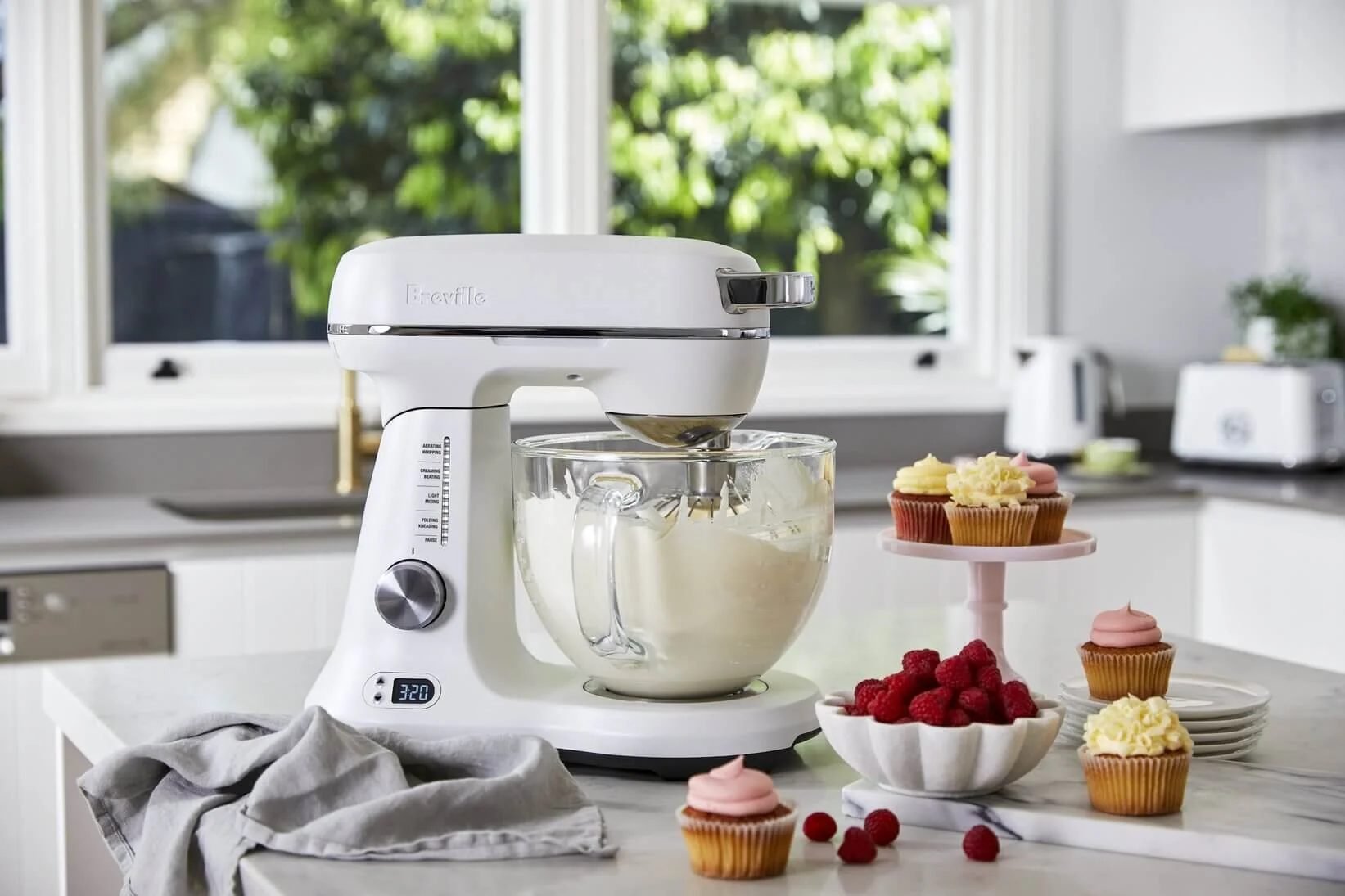
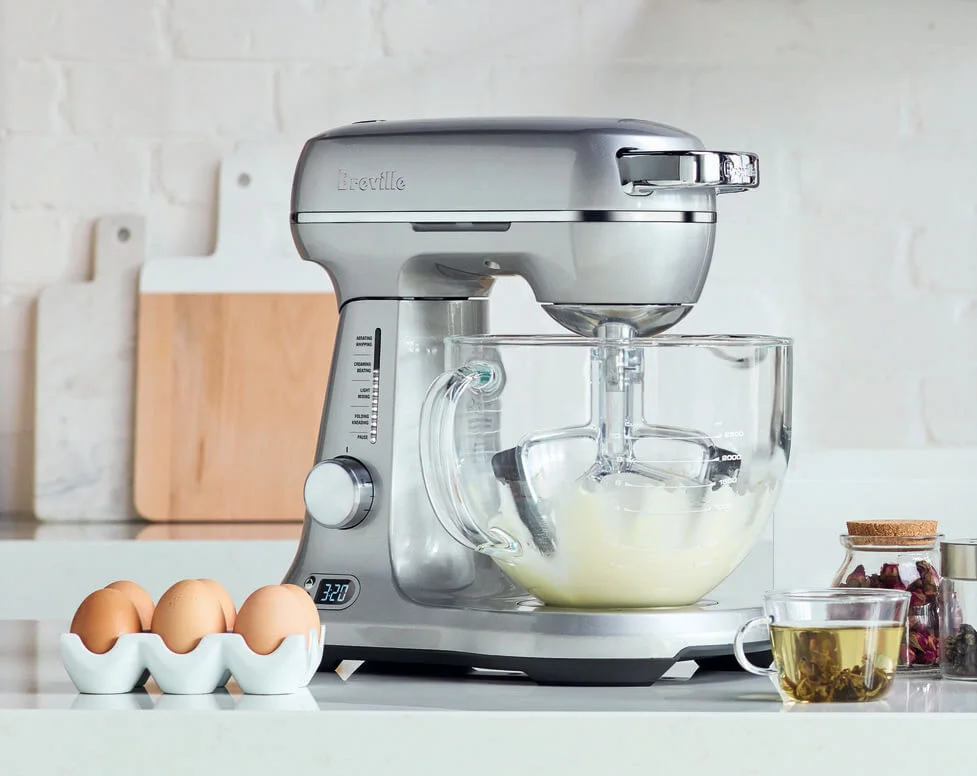
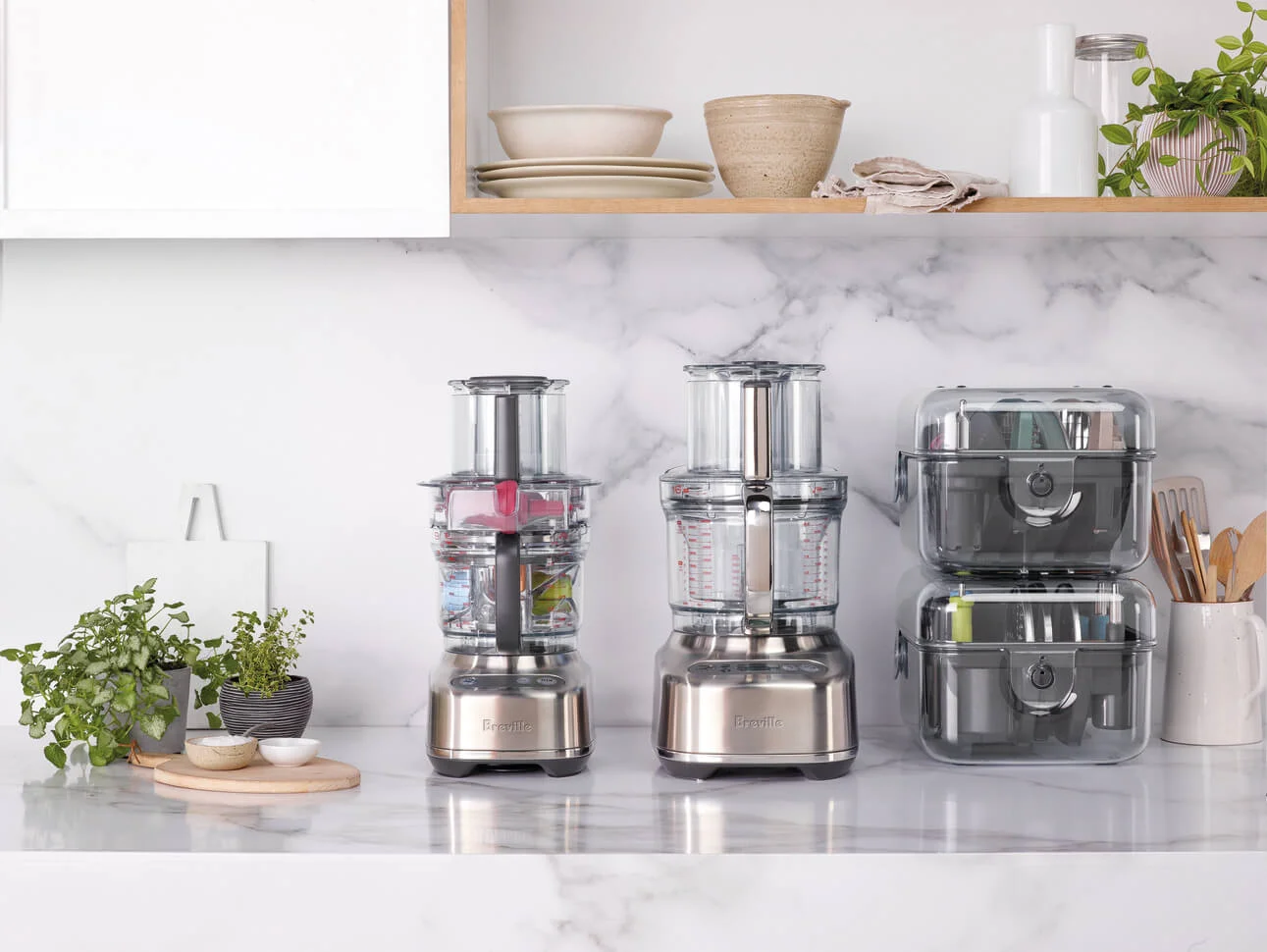
● Stand mixer or food processor
● Measuring cups
● Measuring spoons
● Mixing spoons
● Dough scraper
● Bread pan
● Fabric bowl covers
Don’t want to clutter up your kitchen? Investing in a bread maker can keep your cabinets clear.
This innovative machine can mix, knead, and bake your bread on your behalf, enabling you to bring your carb-fuel creation to fruition with minimal effort.
Tip #3: Follow the order of operations
Gathering the ingredients and tools is just the first step of the bread-making process. Once you’re done with that, you can get started with the rest.
Here are ten steps for baking the perfect loaf of bread using a bread machine:
● Read the manual – Every bread maker operates differently. Thus, it’s important to read through your machine’s operating instructions before you attempt any recipes. This way, you’ll know how to use your machine safely, select the right settings, and troubleshoot any issues that arise.
● Review your recipe – While your bread maker will do the majority of the work, you still need to load it up with the right ingredients. Don’t forget to make sure your recipe’s loaf size is suitable for your bread maker.
● Remove the bread pan – Start by taking the bread pan out of the chamber. After that, make sure to press the kneading paddle into the base so it’s securely attached. You’ll know you’ve done it right when the paddle can freely spin around while staying securely in place.
● Load the ingredients into the bread pan – Next, measure out your ingredients and place them into the bread pan. Regardless of your recipe, you’ll want to load them in the following order: liquids, fats, dry ingredients, yeast.
● Place the bread pan back in its chamber – Once your bread pan is full, place it back into your bread machine. Make sure it’s securely positioned within the chamber. After that, close the bread maker’s lid.
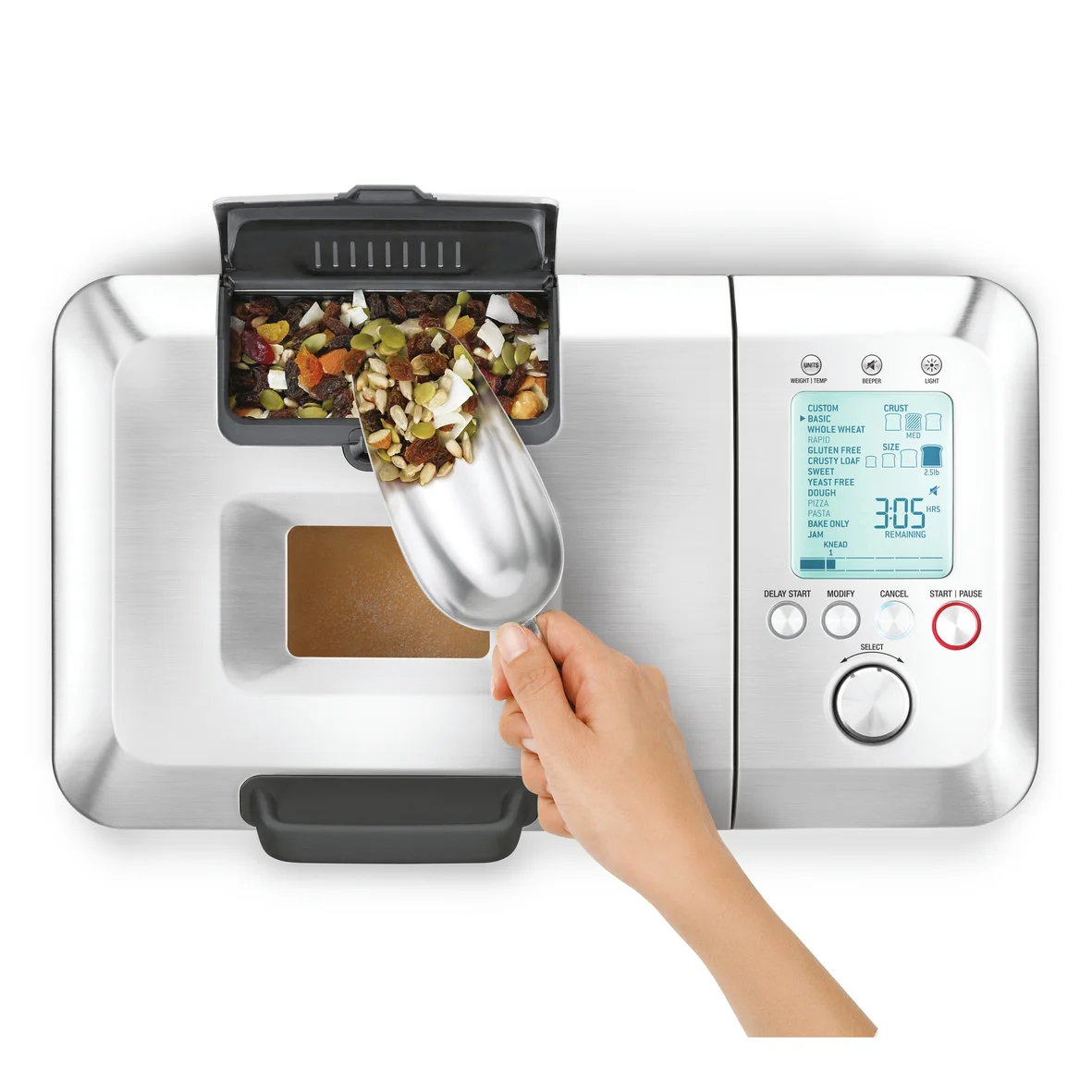
● Add in any extra ingredients – Some bread makers have separate dispensers where you can place nuts, fruits, chocolate chips, and other extras. If your bread recipe calls for any of these items, place them in the dispenser.
● Select your setting – At this point, it’s safe to plug in your bread maker and search for the appropriate baking setting for your homemade bread recipe. If you’re unsure which setting to choose, you can always consult your manual.
● Start the bread maker – Once you hit “start,” the bread machine will start cycling through several stages automatically, including mixing, kneading, rising, and baking. If you want to check on the bread’s progress, you can always hit pause and take a peak.
● Take the bread pan out of the machine – When your bread is done baking, it’s time to remove the bread pan. It will likely be very hot, so make sure you pick it up using heat-resistant mittens or pads and only place it on heat-safe surfaces.
● Remove your bread and enjoy – Turn the bread pan on its side and shake out your fresh loaf. You’ll be greeted with a heaven-sent scent. Before cutting a slice right away, it’s a good idea to let your bread cool on a cooling rack for at least 20 minutes.
Tip #4: Practice, practice, practice
Baking bread at home (and the clean-up afterward) is easy with a bread maker. But whether you choose to learn how to use a bread maker or bake bread the old-fashioned way, the best way to perfect your loaves is to practice.
Here are a few popular types of bread recipes to get you started.
Basic white bread
White bread is a staple in many households. It’s perfect for savory sandwiches, sweet PB&Js, and everything in between.
To make a one-pound loaf of white bread, you’ll need:
● ¾ cup of water
● 1 tablespoon of unsalted butter
● 1 teaspoon of salt
● 1 tablespoon of granulated sugar
● 2 cups of bread flour
● 1½ teaspoons of vital wheat gluten (optional)
● 1½ tablespoons of milk powder
● 1¼ teaspoons of active dry yeast
Note: With a Breville bread maker, you can bake this bread using the Basic setting.
Sourdough
Favored for its tangy flavor, digestive benefits, and artisanal appearance, sourdough is a go-to bread for many home bakers. You can whip up your own sourdough loaf using the following ingredients:
● ½ cup of ripe sourdough starter (prepared at least 8 days before baking)
● 1 cup and 1 teaspoon of water
● 1 teaspoon of salt
● 1¼ cups of bread flour
● ¾ tablespoon of vital wheat gluten
● ¼ teaspoon of active dry yeast (*Note: Although you’re using a sourdough starter, adding yeast will give the bread more lift)
Together, these measurements will yield a one-pound loaf.
Note: If you’re using the Breville bread maker, use the Crusty Loaf setting.
Whole wheat
Packed with complex carbohydrates, insoluble fiber, vitamins, and minerals, whole wheat bread is heralded for its health benefits. To bake a one-pound loaf, you’ll need:
● ¾ cup of water
● 1 tablespoon of unsalted butter
● 1 teaspoon of salt
● 1½ tablespoons of brown sugar
● 2 cups of whole wheat flour
● ¾ tablespoon of vital wheat gluten (optional)
● 1½ tablespoons of milk powder
● 1¼ teaspoons of active dry yeast
Note: You can seamlessly achieve this healthy loaf using the Whole Wheat setting on your Breville bread maker.
Start crafting custom loaves in your kitchen today with Breville
Now that you know how to make bread at home, there’s nothing stopping you from giving it a try. To get started, you just need the expert kitchen appliances for the job.
If you want a bread maker that’s easy to use and built to last, the Breville Custom Loaf™ is designed for you. With its 830 watts of power, it can craft scrumptious sourdoughs, gourmet gluten-free bread, personalized pasta dough, and so much more.
Ready to enjoy some homemade loaves? Browse our selection of high-quality bread makers today.
Sources:
1. The Guardian. Banned bread: why does the US allow additives that Europe says are unsafe? https://www.theguardian.com/us-news/2019/may/28/bread-additives-chemicals-us-toxic-america
2. Science Focus. Why does yeast make bread rise? https://www.sciencefocus.com/nature/why-does-yeast-make-bread-rise/
3. Reader’s Digest. Which Type of Yeast is Best for Your Bread? https://www.rd.com/article/types-of-yeast/
4. The Guardian. The rise and rise of sourdough bread. https://www.theguardian.com/lifeandstyle/2014/aug/12/rise-sourdough-bread-slow-fermented-health-benefits
5. Insider. Why 100% whole wheat bread is usually a healthier choice than white bread. https://www.insider.com/guides/health/diet-nutrition/wheat-bread-vs-white-bread