By sealing meals into plastic bags and submerging them in precise, temperature-controlled water baths, the sous vide method gently cooks your food in a way that retains moisture and intensifies flavors.
While traditionally associated with steaks and high-class restaurants, sous vide equipment has since expanded into home kitchens—and it’s a meal prep game-changer.
Join us as we delve into the art and science of sous vide meal prep, complete with step-by-step guidelines, recipes, and tips on getting the most out of this unique modernist cooking method.
Benefits of sous vide meal prep
From achieving the perfect texture to saving time in the kitchen, the sous vide method offers many advantages that make meal prepping efficient and enjoyable.
Here are some of the top reasons to incorporate low-temperature precision cooking into your weekly prep routine:
● Consistent results – Sous vide takes the guesswork out of cooking. By controlling the exact temperature and time, you can achieve consistently delicious results.
● Maximized flavor – The gentle heat of a sous vide bath retains moisture, while the sealed sous vide bag allows food to soak up seasoning and aromatics for intensified flavor.
● Ultimate convenience – Hands-off cooking translates to easier, more flexible, laissez-faire meal prep.
● Free-range customization – Accommodate various dietary needs by sous viding meats, vegetables, and other ingredients separately before assembling them into meals.
In addition, some studies show that sous vide can offer nutritional advantages compared to traditional high-heat methods, such as boiling. This is because the sealed sous vide bag and low heat preserve key minerals, such as zinc, iron, and potassium.
How to meal prep: Sous vide style
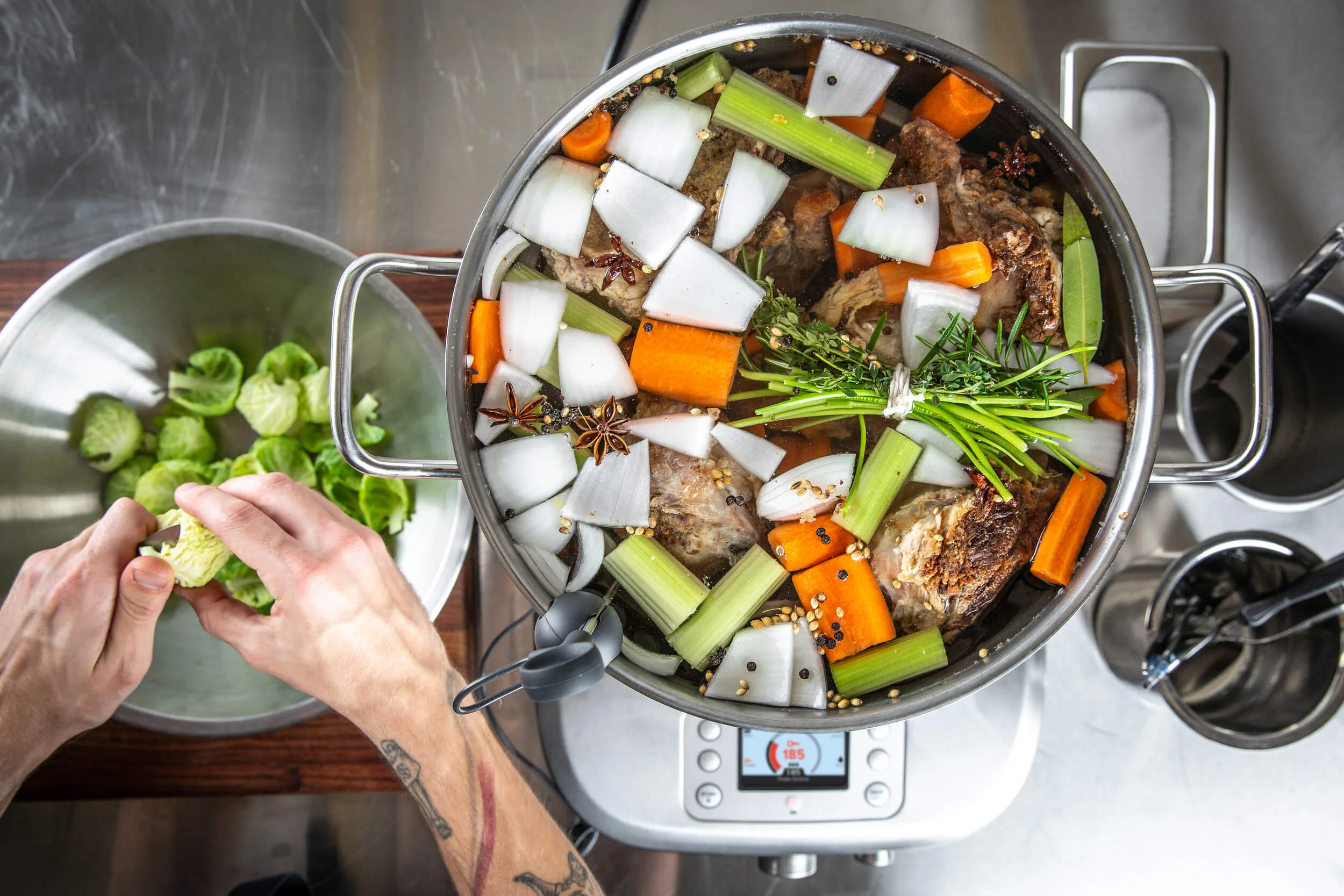
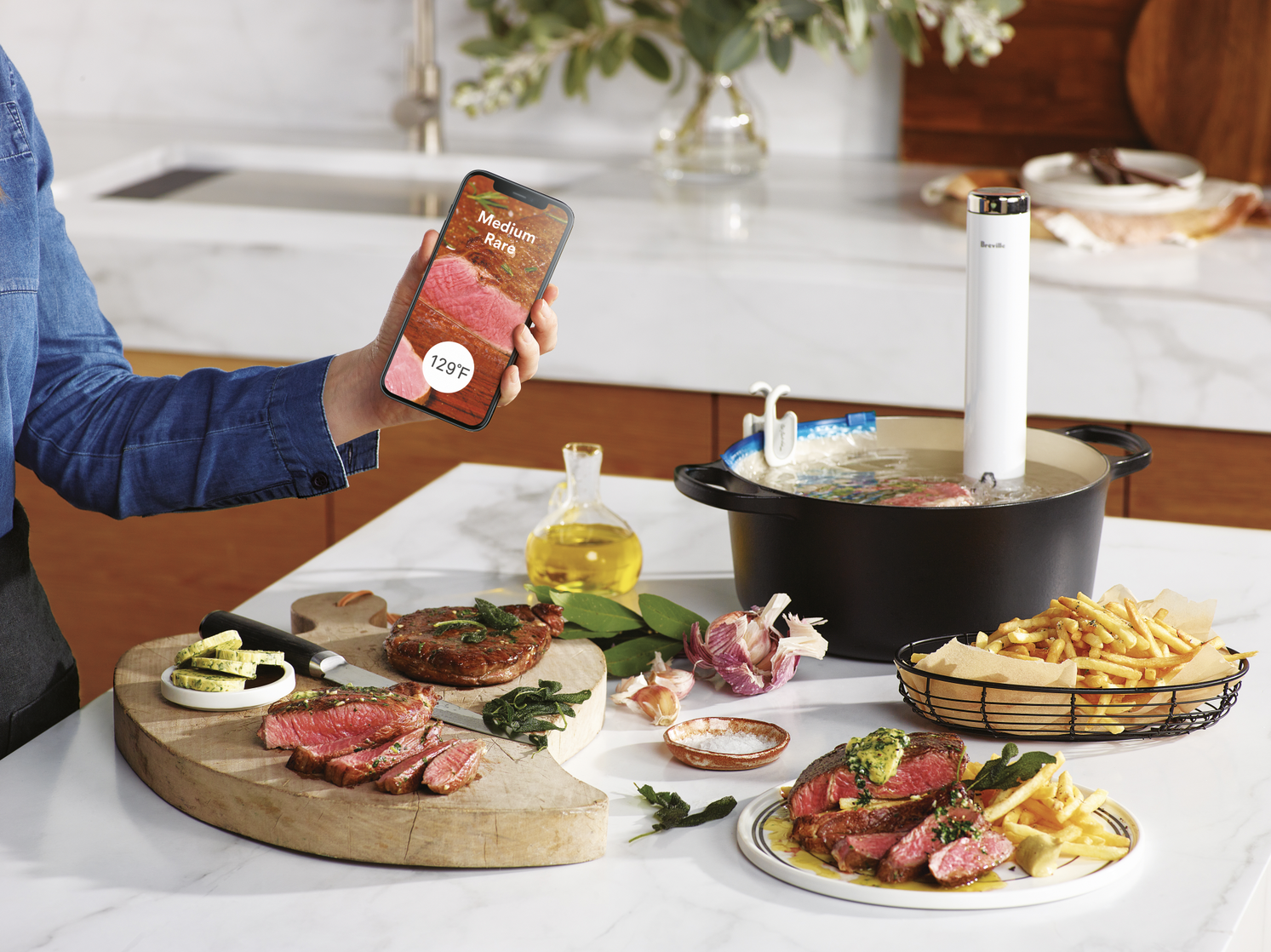
The secret to sous vide cooking is an immersion circulator—a tool that attaches to a pot or container and regulates the water temperature to ultra-precise levels. And since many modern immersion circulators link to your smartphone, you can even start cooking from the comfort of your couch.
Here is a step-by-step breakdown of the process for meal prep, sous vide style:
● Decide on meals and prep recipe ingredients. Chop meat and veggies, measure spices, cook grains, and prepare other necessary components.
● Seal your food in bags. Use vacuum sealers or zip-top bags to seal all your ingredients together. Remove excess air from bags.
● Cook in a water bath. Set the time and temperature according to the recipe using your immersion circulator.
● Label and store bags. Let contents cool completely before refrigerating or freezing bags. To stay organized, it may help to label the bags with the meal type and cooking date.
● Reheat, brown, and assemble. When ready to eat, simply reheat the sealed bags in hot water or a microwave. Finish with a sear to add color and flavor.
Whether you’re fixing up fajitas or fish, for dinner or meal prep, sous vide is an excellent way to ensure consistent results without needing to stand over the stove. This frees you up to plan, portion, and prepare the rest of your meals.
Sous vide meal prep recipes & ideas
With such a precise cooking process, sous vide meal prep recipes offer a convenient blueprint to help home chefs save time without skimping on flavor. Here are three of our top sous vide meal prep recipes to inspire your weekly routine:
#1 Sous vide chicken breast
No longer a meal defined by dry and leathery texture, transform your chicken breast into a succulent and flavorful dish through sous vide cooking. This sous vide chicken recipe ensures tender, juicy, and perfectly cooked chicken to serve as the heart of your meal.
Ingredients
● 1 ½ lbs chicken breast
● Fresh sage leaves
● Thyme sprigs
● 2 tbsp butter
● 1 clove of garlic, thinly sliced
Instructions
● Arrange the chicken breasts in a single layer in your zip bag. Intersperse the herbs evenly on top. Add your butter and the thinly sliced garlic clove, and then seal the bag tightly.
● Place the bag in your sous vide cooker, setting the temperature to 160°F (71°C).
● Cook for up to 2 hours.
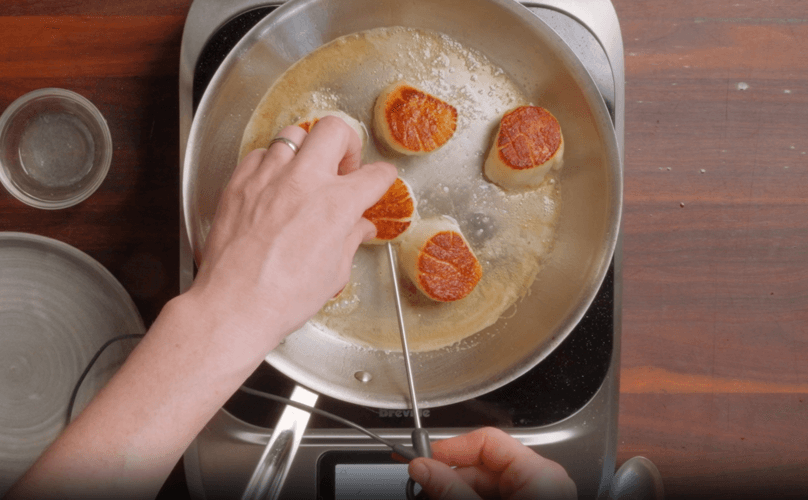
When ready to serve, remove the chicken from the bag and give it a quick sear in a hot pan. This provides a delightful golden crust to complement the tender interior.
For a Mediterranean twist, consider replacing the sage and thyme with rosemary and oregano, adding a spritz of lemon for a zesty, citrusy finish.
#2 Simple sous vide vegetables
Sous vide cooking elevates the humble vegetable dish, preserving its vibrant colors and nutrients, resulting in a healthy and delectable side. This method is wonderfully adaptable to a variety of vegetables, bringing out their natural flavors and textures.
Ingredients
● Broccoli florets (half a head), cut into bite-sized pieces
● 1 zucchini, sliced and halved
● 1 red bell pepper, chopped
● 1 medium onion, chopped
● 1 tablespoon olive oil
● Salt, to taste
● Ground black pepper, to taste
Instructions
● Set your immersion circulator to 183°F (84°C) in a large water bath.
● Chop and prepare your veggies for even cooking.
● Place each vegetable type into a separate bag and seal it.
● Submerge for 12 minutes, then remove the broccoli and zucchini.
● Allow the remaining veggies to cook for 3 minutes.
The simplicity of sous vide veggies allows for a wide range of culinary creativity. Combine them in a large mixing bowl, drizzle olive oil, or experiment with other seasonings like garlic powder or balsamic vinegar to add fresh flavors.
#3 Sous vide top sirloin steak
Sous vide cooking heats meat slowly and gently, transforming even a normally tough cut of steak into a tender, five-star dining experience. This zero-marinade recipe is both keto-friendly and gluten-free, meant to bring out the natural flavors of top sirloin.
Ingredients
● 2 sirloin steaks, ½ lbs
● 1 teaspoon salt
● 1 teaspoon pepper
● 2 tablespoons olive oil or butter
Instructions
● Set your sous vide cooker to your desired temperature based on how rare you like your steak (see below for reference.)
● Season both sides of the steaks with a generous dry rub of salt and pepper. Optionally, minced garlic, fresh rosemary, and thyme can be added to enhance flavor.
● After sealing and submerging the steaks, set the timer and cook for 1 hour.
● Before eating, add your olive oil or butter to a pan, pat the steak dry, and sear for 1 to 2 minutes over medium-high heat.
Sirloin steak temperature chart
● 129°F (54°C) – Rare (cool red center)
● 136°F (58°C) – Medium (warm pink center)
● 154°F (68°C) – Well-done (little or no pink)
This sous vide meal prep recipe crafts a perfectly cooked sirloin steak, tailored to your taste, every time. Feel free to experiment with seasonings, such as adding a tablespoon of olive oil to the bag for extra juiciness.
Additional tips and tricks to consider
To master and truly elevate your sous vide meal prep recipes, there are a few best practices to keep in mind:
● Food arrangement is key. Carefully place your food in bags so as to ensure even thickness, which is crucial for consistent and thorough cooking.
● Use a vacuum sealer for best results. Zip-top bags work too—you’ll just need to be diligent about removing air.
● Preheat your sous vide bath while you prep other ingredients to save time. Invest in a quality immersion circulator to reduce heating time and maximize efficiency.
● If you find your bags tend to float, try weighing them down with plates to keep the bags fully submerged during cooking.
● Use an ice bath to stop carryover cooking for meal prep foods you plan to store and eat later. This also helps maintain food safety by avoiding the temperature “danger zone” where bacteria thrive.
● Avoid overcrowding the water bath. This helps maintain proper water circulation and even cooking.
● Most meals, especially meats and fish, benefit from a quick sear after cooking in the water bath. For an extra flavorful finish, add a tablespoon or two of butter or olive oil, and any leftover spices from the bag.
As always, with specialized equipment such as an immersion circulator, it’s always good to follow any instructions attached. With practice, you'll be able to make the most of your cooking time and prep multiple sous vide meal bags like a professional chef.
Simplify sous vide with Breville
While sous vide cooking offers fantastic benefits for meal prep, excellent equipment is key to the best results. That's where Breville comes in.
With user-friendly, beautifully designed sous vide immersion circulators, Breville makes it easy to achieve restaurant-level quality from the comfort of your home. Our compact and easy-to-store sous vide machines heat water quickly, utilizing Bluetooth connection that allows you to precisely control time and temperature, leaving you free to focus on other tasks.
Whether meal prepping for weekday dinners or an elaborate weekend feast, Breville empowers home chefs to embrace high-end kitchen appliances for better-tasting meals. Come home to perfectly cooked meals—every time—with minimal effort and maximum flavor.
Sources:
1. National Library of Medicine. Nutritional advantages of sous‐vide cooking. https://www.ncbi.nlm.nih.gov/pmc/articles/PMC5448368/
2. Izzy Cooking. 12 Best Sous Vide Vegetable Recipes. https://izzycooking.com/sous-vide-vegetable-recipes/#recipe
3. Forks and Folly. Sous-Vide Meal Prep Ideas. https://forksandfolly.com/2018/06/sous-vide-meal-prep-ideas/
4. Upstate Ramblings. Deliciously Tender Sous Vide Sirloin Steak. https://www.upstateramblings.com/sous-vide-sirloin-steak/