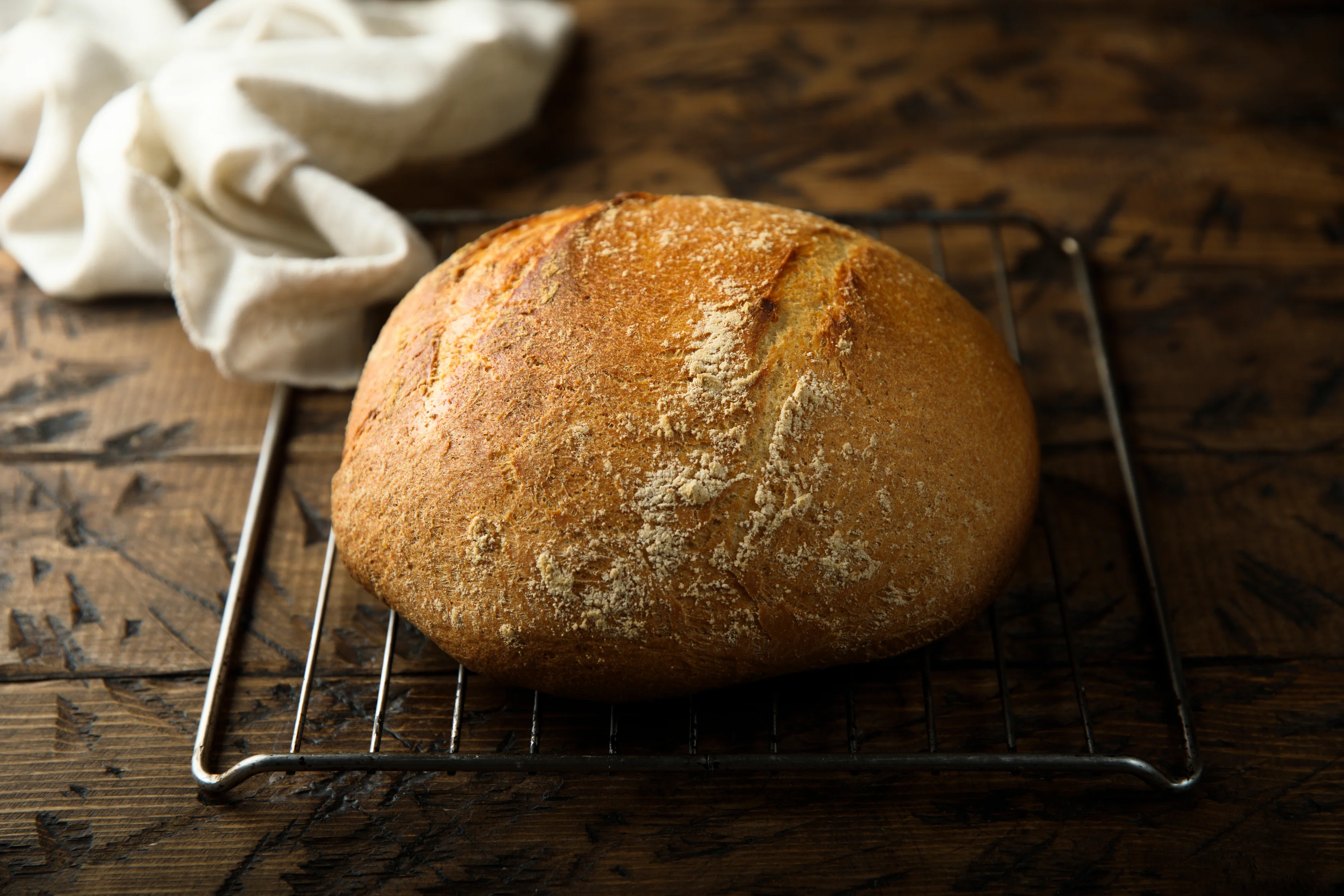
Instead of relying on rise time, this traditional loaf gets its lift from the reaction between baking soda and buttermilk, creating a tender crumb and beautifully golden crust.
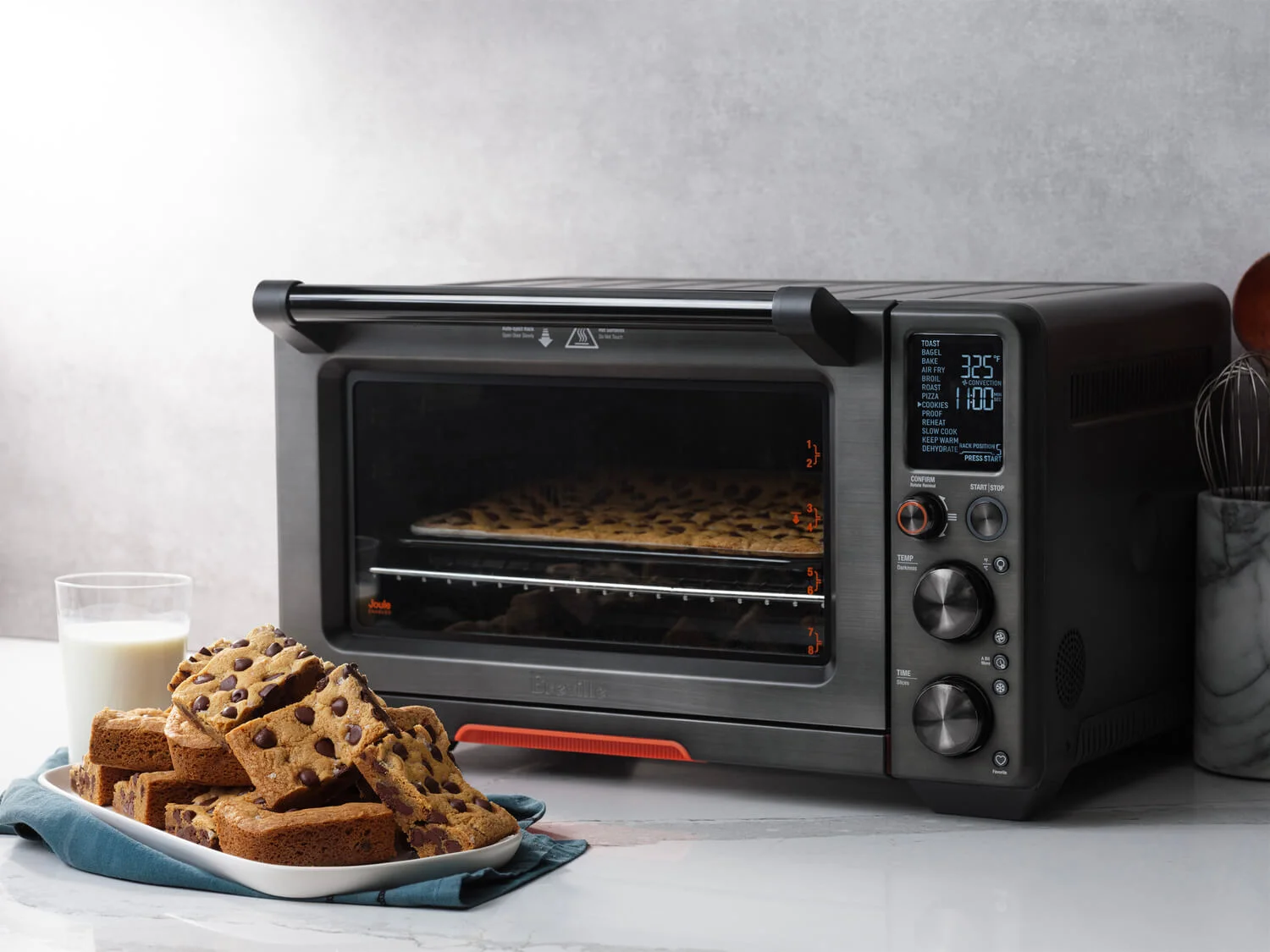
This recipe walks you step by step through making authentic Irish soda bread in the Breville Smart Oven Pro, which delivers consistent heat and even baking for dependable results. You’ll learn how to properly combine the ingredients, handle the dough with a light touch, and prepare the loaf for baking. In about 50 minutes, you’ll have a crisp, deep golden exterior and a soft, slightly dense interior ready to slice and serve.
Quick Highlights:
● No yeast required — baking soda and buttermilk provide the rise
● Simple pantry ingredients
● Ready in about 50 minutes
● Baked in the Breville Smart Oven Pro for even, consistent results
● Crisp golden crust with a tender, hearty crumb
● Ideal for St. Patrick’s Day or everyday baking
Ingredients
Gathering your ingredients before you begin makes the process smoother. Here is what you will need for one loaf of Irish soda bread that you can bake in a 10-inch cast-iron skillet:
● 3 ½ cups all-purpose flour
● 1 teaspoon baking soda
● 1 tablespoon sugar
● 1 teaspoon kosher salt
● ¾ cup dried raisins or currants, soaked and drained (optional)
● 1 tablespoon caraway seeds (optional)
● 1 ¼ cups buttermilk
Ingredient notes:
● The currants add pockets of sweetness throughout the bread, though they remain entirely optional.
● Caraway seeds lend an earthy, slightly anise-like flavor found in many traditional Irish soda bread recipes.
● If you choose to include dried fruit, soak briefly in warm water first to plump it up, then drain and pat dry before adding to the dough.
● If you don't have buttermilk, combine 1 tablespoon lemon juice or vinegar with 1 cup milk (minus 1 tablespoon) and let sit for 5 minutes.
How to make Irish soda bread in the Smart Oven Pro
This St. Patrick’s Day classic comes together with a simple method, but each step plays a role in creating a tender, beautifully textured loaf—so once the wet and dry ingredients meet, move quickly to keep the crumb light and airy.
Step 1: Prepare the dry ingredients
Begin by sifting the flour, baking soda, sugar, and salt into a large bowl. Whisk these dry ingredients together until evenly combined. Sifting removes any lumps and distributes the leavening agent evenly, which ensures a consistent rise throughout the loaf.
If you have chosen to add currants, make sure they are completely dry before tossing them into the flour mixture. The flour coating also prevents them from sinking to the bottom during baking.
Step 2: Mix the dough
Create a well in the center of the dry ingredients and pour in the buttermilk. Using a wooden spoon, stir gently from the center outward until the bread dough just comes together. The mixture should look shaggy and feel quite soft and sticky.
Unlike yeasted bread types, you do not need to knead this dough. Gentle handling is key to avoiding a dense loaf.
Step 3: Preheat and prepare for baking
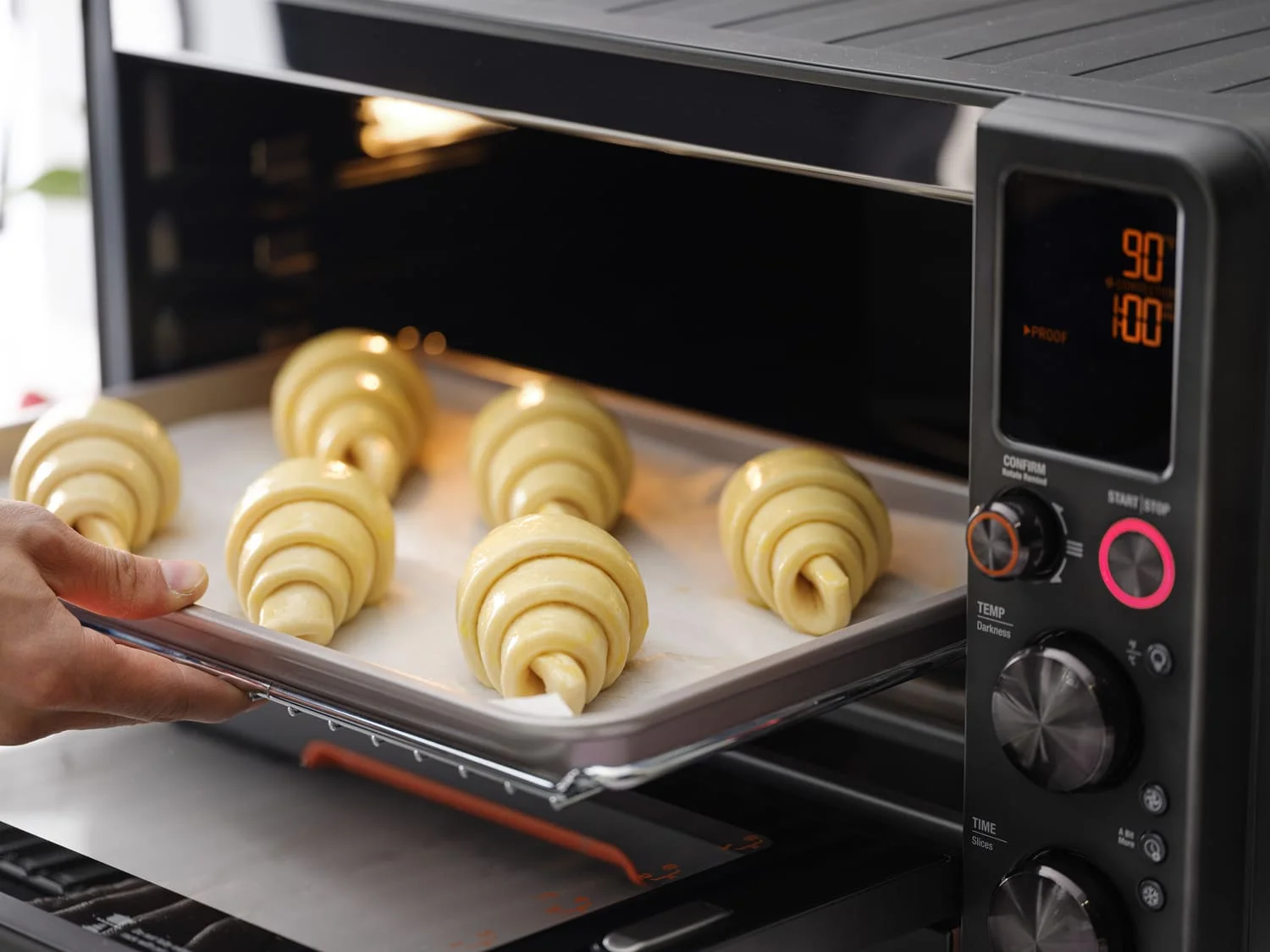
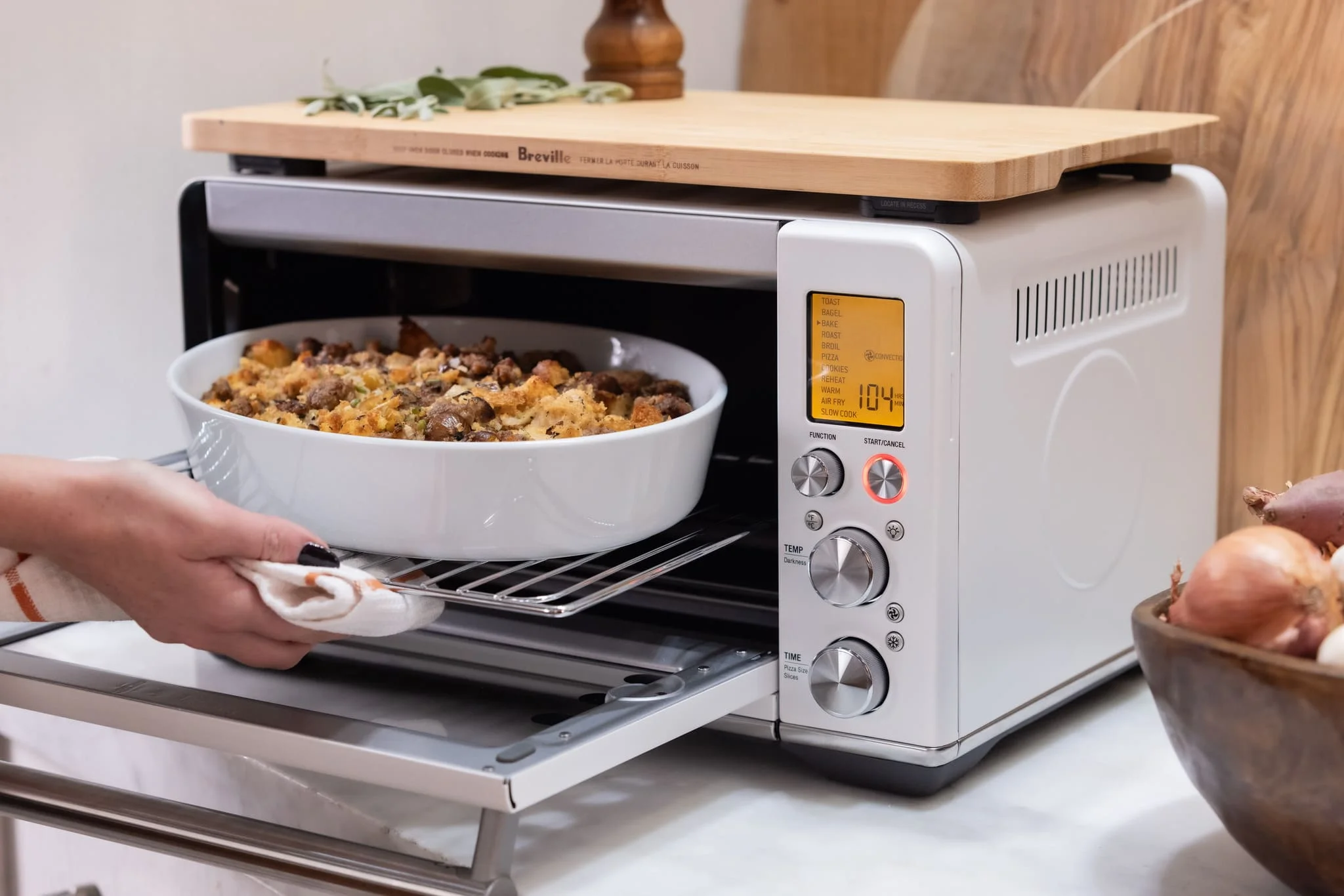
While preparing the dough, set the wire rack into position 6 of your countertop oven. Select the BAKE function, preheat to 375°F with convection enabled, and set the timer for 40 minutes.
Lightly oil a 10-inch cast-iron skillet to prevent sticking. Then, transfer the dough into your prepared pan and gently shape it into a round mound. Alternatively, you can also shape the dough on a parchment-lined baking sheet before placing it on the skillet.
Using a sharp knife, score a deep X across the top. This traditional mark allows heat to penetrate the thickest part and helps the bread bake evenly.
Step 4: Bake until golden
Bake the bread until the crust turns deep golden brown and the internal temperature reaches 200–205°F. The loaf is ready when it sounds hollow when tapped on the bottom, or when a skewer inserted into the center comes out clean. If the top browns too quickly before the interior finishes cooking, loosely tent the bread with foil for the remaining baking time.
Cooling and serving tips
Proper cooling makes a noticeable difference in the texture of your finished loaf. Allow the bread to rest inside the skillet for about 10 minutes after removing it from the oven. After this initial rest, transfer to a wire rack.
Slicing too soon can result in a gummy interior, so patience at this stage is worthwhile. Once the bread has cooled slightly but remains warm, it is ready to enjoy. Traditional accompaniments include:
● Salted butter
● Fruit preserves
● Corned beef and cabbage
● Hearty soups or braises
Homemade Irish soda bread pairs wonderfully alongside hearty dishes. Its mild flavor and substantial crumb make it an excellent vehicle for savoring rich broths and sauces. You can also eat it with your favorite St. Patrick’s Day drink.
A simple St. Patrick's Day bake made easy with Breville
Irish soda bread shows that freshly baked bread at home does not require advanced skills or extensive time commitment. The Breville Smart Oven Pro streamlines this process by delivering consistent temperature control and even convection airflow, eliminating the guesswork that sometimes comes with baking.
Whether you are preparing for a holiday gathering or simply craving fresh bread, Breville's air fryer ovens help you achieve reliable, satisfying results with minimal effort.
Sources:
1. NC State Extension. Baking Substitutions That Work.https://randolph.ces.ncsu.edu/2025/05/baking-substitutions-that-work/
2. Martha Stewart. Traditional Irish Soda Bread.https://www.marthastewart.com/338479/irish-soda-bread
3. The Irish Times. Granny's brown bread recipe.https://www.irishtimes.com/food/recipes/2025/09/07/grannys-brown-bread-recipe/.
4. ThermoWorks. Cakes, Breads, Custards, and More: Doneness Temperatures for Baked Goods.https://blog.thermoworks.com/bread/baked-good-doneness-temps/.