How can one appliance accomplish all this? With a small arsenal of food processor blades.
To reap maximum benefits from your food processor, you need to know your blades and how each one can help with food processing tasks. Keep reading to learn how to identify basic and specialty food processor blades, what they do, and how to care for them. With a little practice, you’ll be able to look at any food and know precisely how to slice it using the correct metal blade.
Basic types of food processor blades
Depending on its design, each food processor blade completes a specific food-prepping task. Attach the metal blade to a spindle in the bowl, turn the machine on, and let the blade do all the tedious chopping, shredding, and kneading for you.
And when it’s time to switch tasks during your food prep, simply switch the blade.
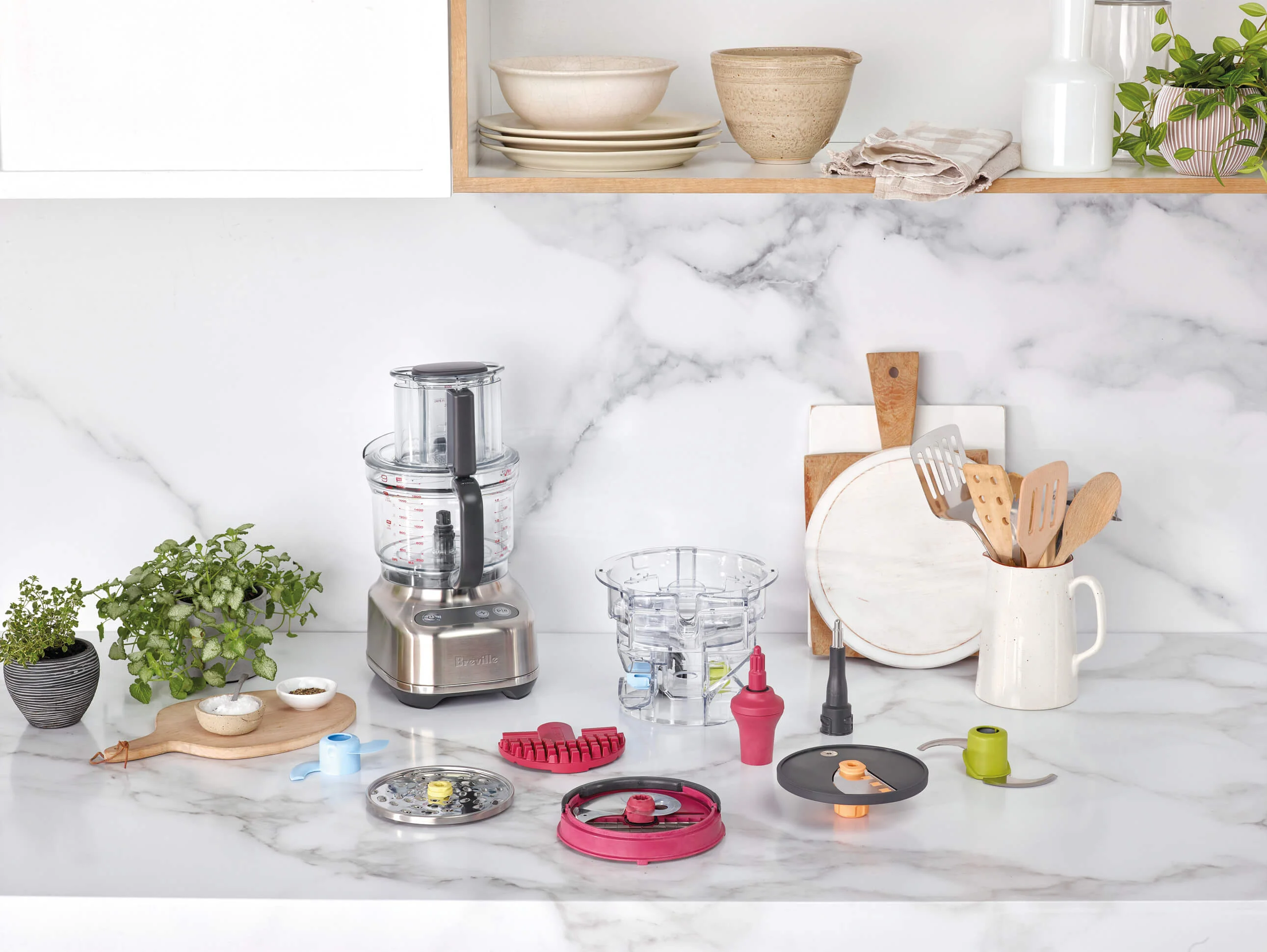
Before investing in a food processor, check which blades accompany each model. Most standard food processors come with several unique blades for versatile food prepping, including:
● S-blades
● Shredding and grating discs
● Slicing blades
● Bread dough blades
● Chopping and dicing blades
Depending on the model, you may be able to purchase additional compatible blades—including specialty blades for cutting fries and julienning—to meet all your kitchen needs. To fully understand the unlimited potentials of these kitchen appliances, let’s look at each blade design individually.
S-blade: The all-purpose workhorse
The S-blade, also known as a Sabatier blade, is the classic food processor attachment that comes with practically every model.
You can quickly identify the S-blade by its double-sided, fittingly S-shaped curves. The blade spans the entire diameter of the food processor, ensuring that all the food in the bowl receives the same treatment when in motion.
This super-slicer effortlessly processes any ingredients you drop in the feed chute, any way you like. Use it to:
● Puree veggies and beans for the smoothest soups
● Whip up thick smoothies and milkshakes
● Chop and mix your favorite salad ingredients
● Grind nuts into hearty flours or nut butter
● Blend pesto, hummus, guacamole, and any other dressing, sauce, or salsa
The key to achieving these versatile results lies in your food processor’s settings. The pulse function engages the S-blade in short bursts, giving you finely chopped and combined ingredients; the continuous function spins the S-blade until you have thoroughly blended sauces and dips.
Shredding and grating discs: Perfect for vegetables and cheese
Want a quick and precise shred for salads, pizza toppings, and garnishes? Choose one of these discs.
Unlike the S-blade, which sits at the bottom of the food processor, these discs attach to the top. You press your block of cheese or carrot stick against the disc, protecting your fingers with the pusher, and as the disc spins, the food will shred and collect in the food processor bowl.
You’ll never nick your knuckles against a grater again.
Shredding and grating discs often have two sides, one for coarse shreds and the other for fine. Whether you want to produce thick shreds of lettuce for taco toppings or finely grated cheese for your pasta dish, this food processor can do it all.
Slicing blades: Achieving uniform cuts every time
Say goodbye to knives, cutting boards, and mandolines—all you need is a slicing disc or blade for your food processor.
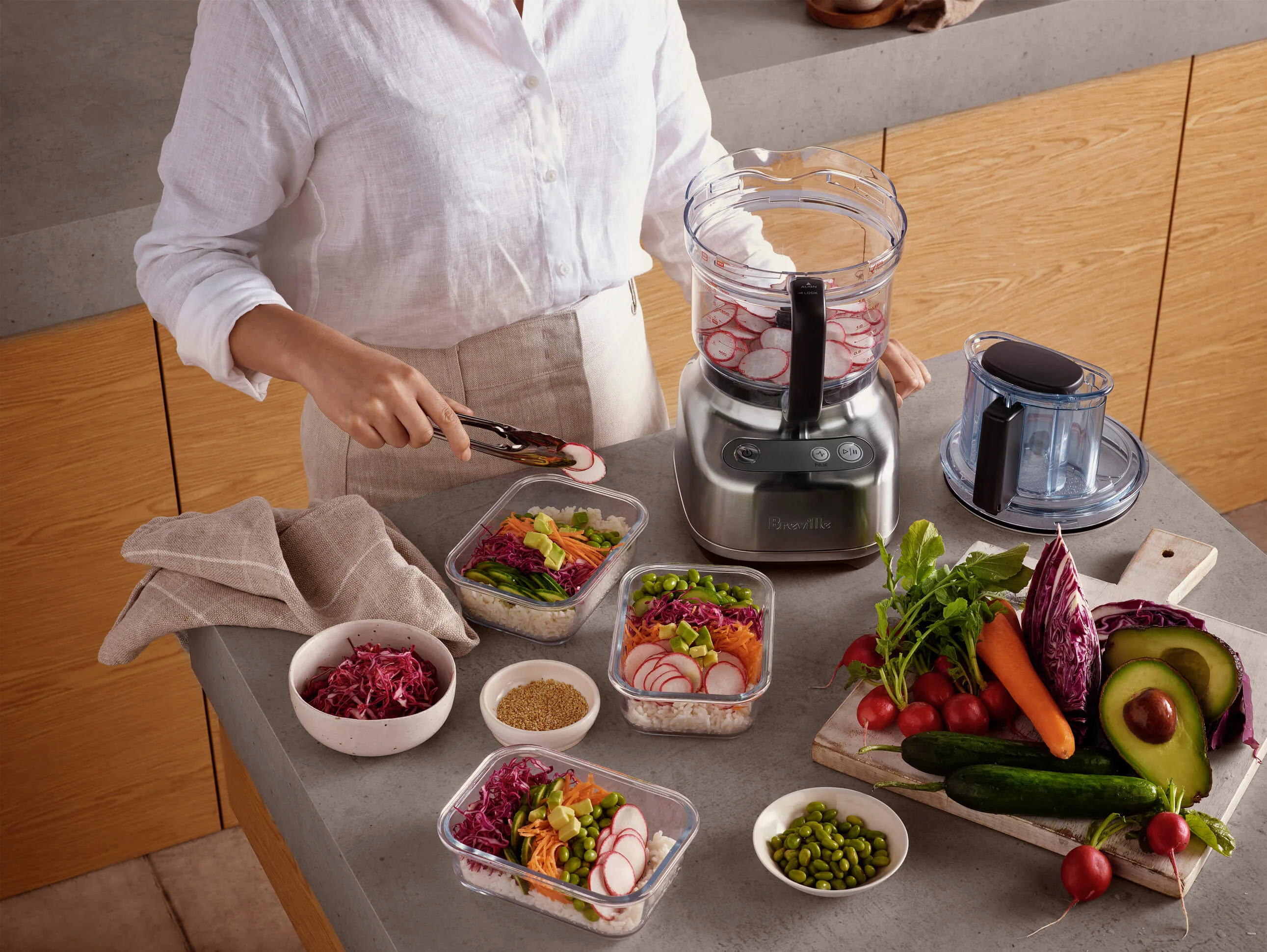
Not only do slicing blades cut your cooking time in half, they produce precise pieces of every food, no matter how slippery or hard-to-hold they are. The blade sits at the top of the food processor; using the feed chute walls and pusher, you can slice without worrying about a dangerous slip.
Here are a few examples of all you can slice:
● Razor-thin apple pieces for a pie or crisp
● Cucumber rounds for pickling
● Potato slivers for crispy and consistent chips
Some models come with multiple slicing blades in various sizes, while others have highly adjustable blades that offer several slicing levels to achieve different thicknesses.
Dough blades: Effortless kneading and mixing
Hand-kneading dough can be tedious. Instead, pop the ingredients in your food processor with a bread dough blade attachment and watch them combine faster than you can work out a hand cramp.
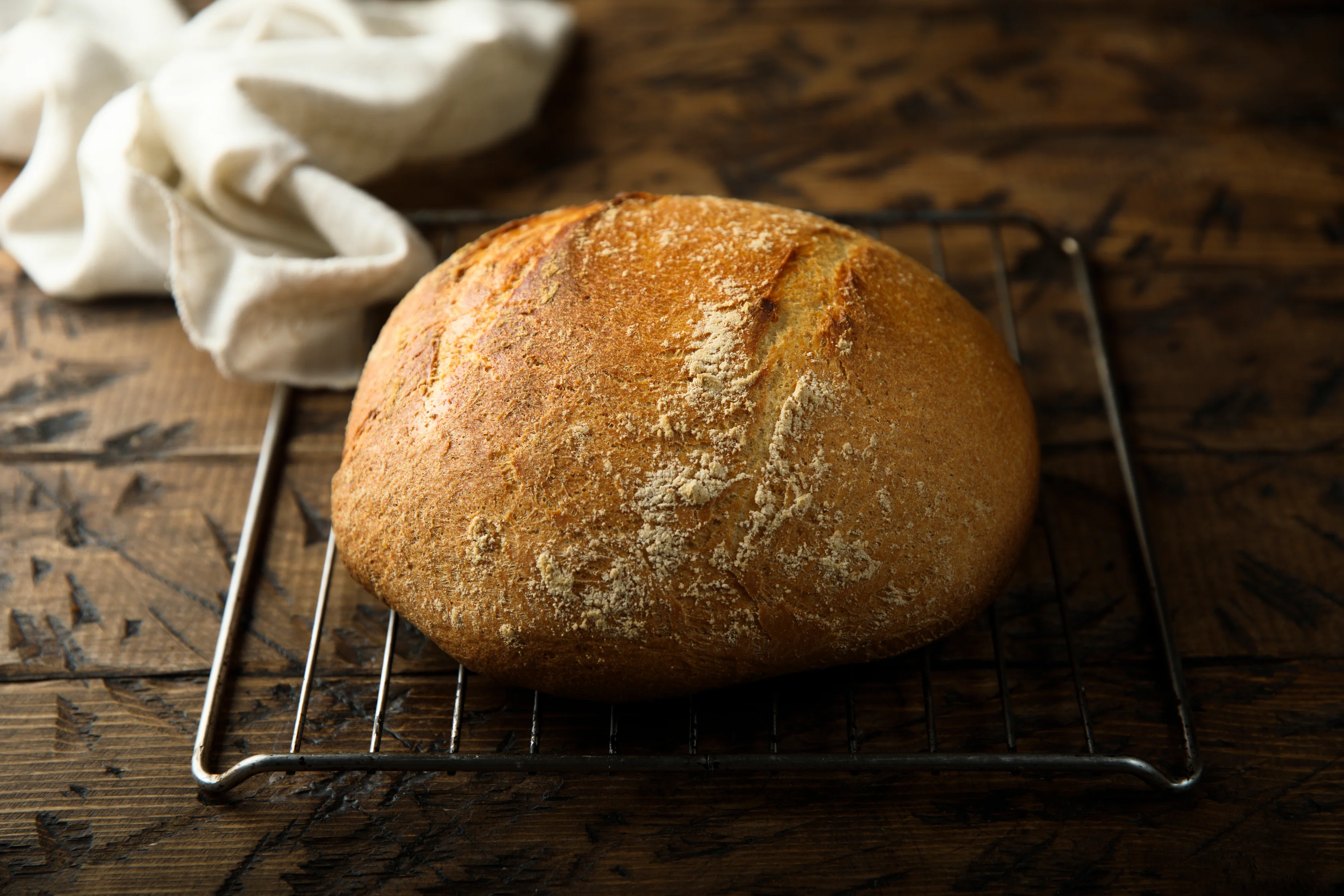
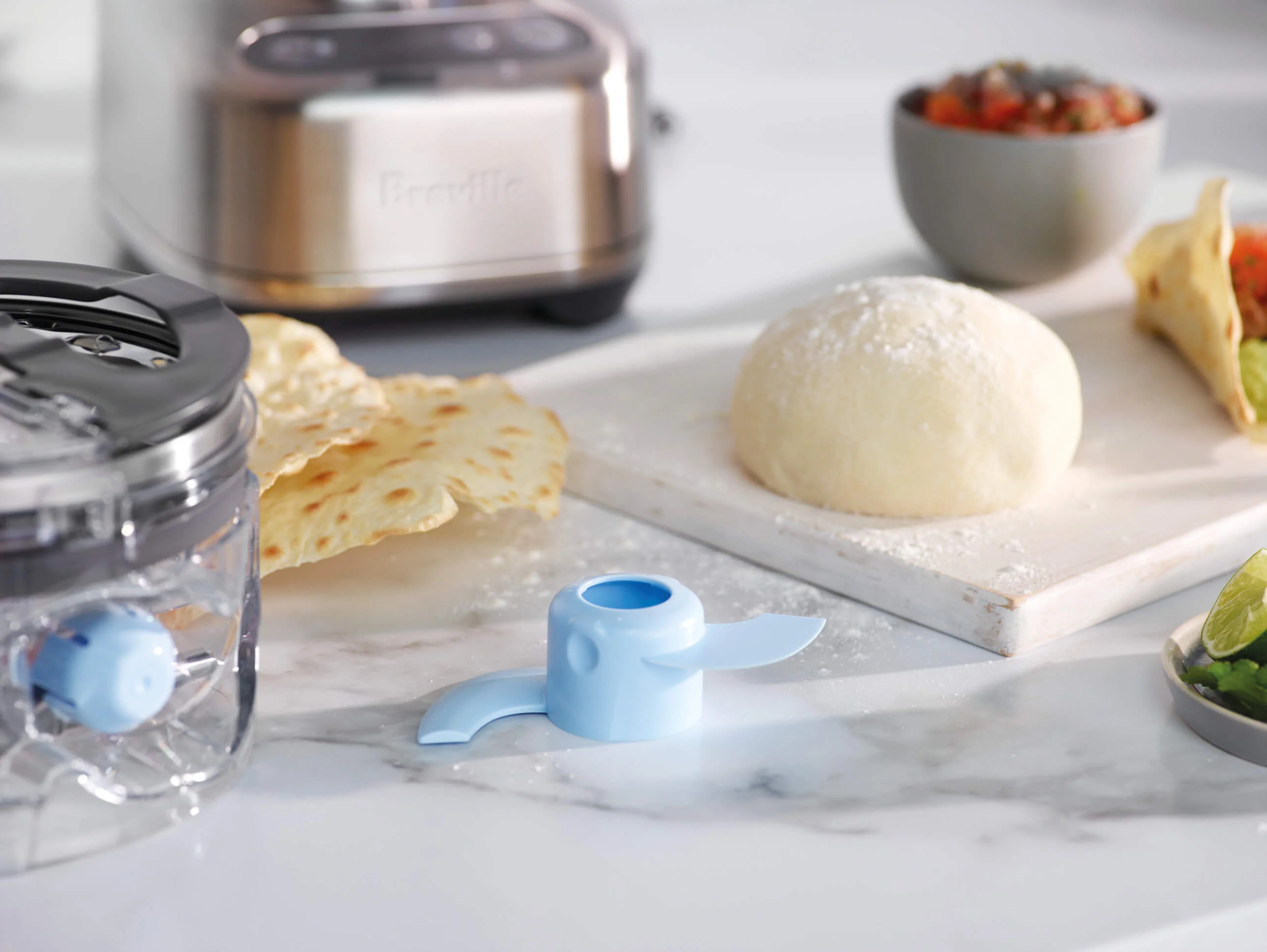
Dough blades share the same shape as S-blades, though they have blunted edges typically made from plastic. Instead of cutting, this “blade” mixes and churns even the toughest doughs, ensuring they’re ready to go in the oven in minutes (unless you need to let them rise, of course).
Knead quick homemade doughs for:
● Breads
● Cookies
● Pies
● Scones
● Pastas
If accessibility issues have kept you from preparing these mouth-watering confections, let the dough blade handle all the manual work for you. Don’t worry—it’ll still be a labor of love.
Chopping and dicing blades: For precise food preparation
Dicing blades are razor-sharp grids that can cut any food into satisfying, uniform cubes. Simply push your ingredients in the feed chute and instantly transform them into geometric marvels.
Some popular dishes that require dicing include:
● Fruit salads
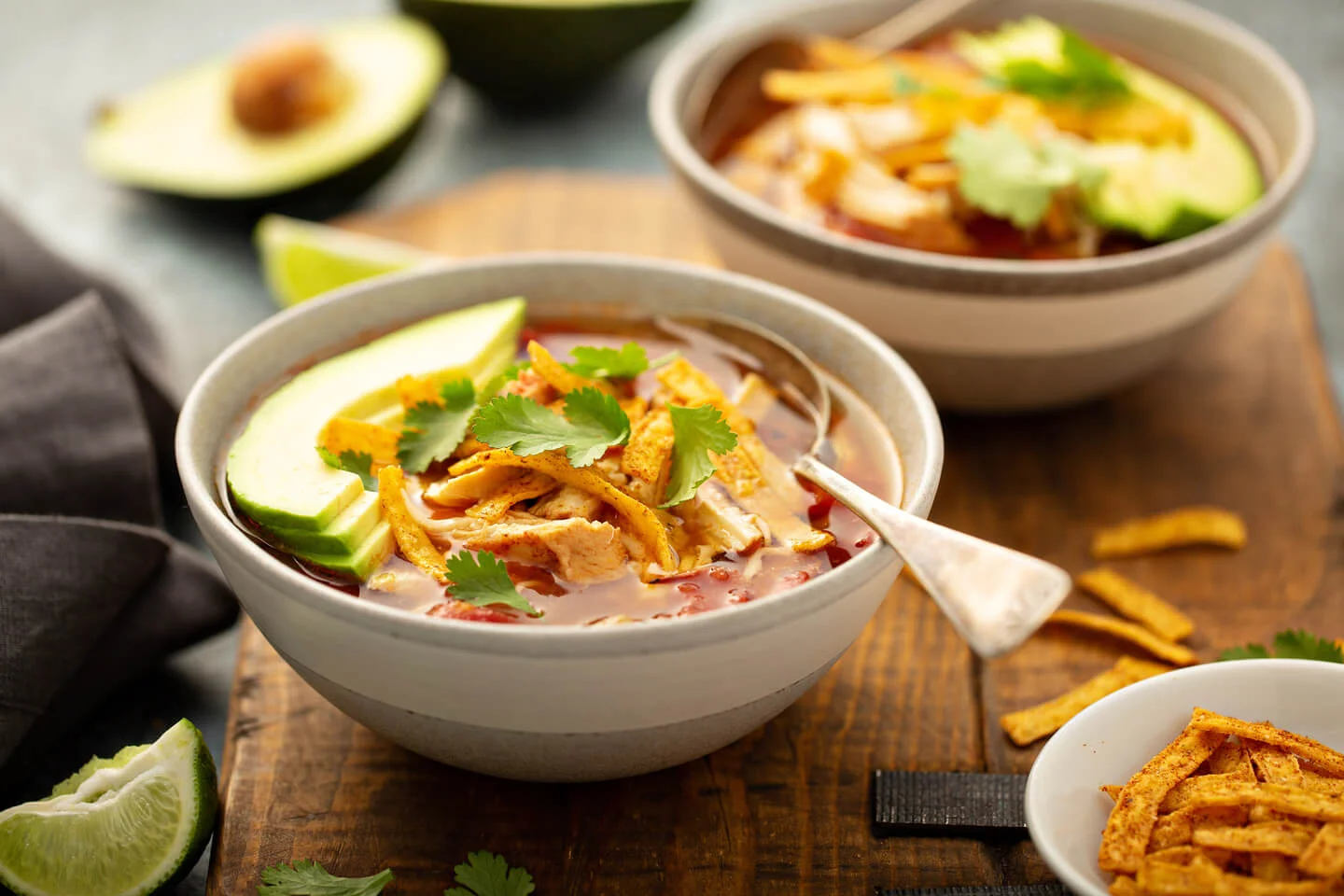
● Pico de gallo and other salsas
● Soups and stews
● Home fries
Precision is the name of the game when working with food processors. Dicing blades usually come in multiple sizes to help you achieve the perfect cube for every dish. You can also find different food processor sizes to suit your personal cooking needs.
Specialty blades: French fry cutters, julienne, and more
In addition to your standard slicing and dicing, these kitchen appliances can achieve unique cuts using certain specialty blades. Popular ones include:
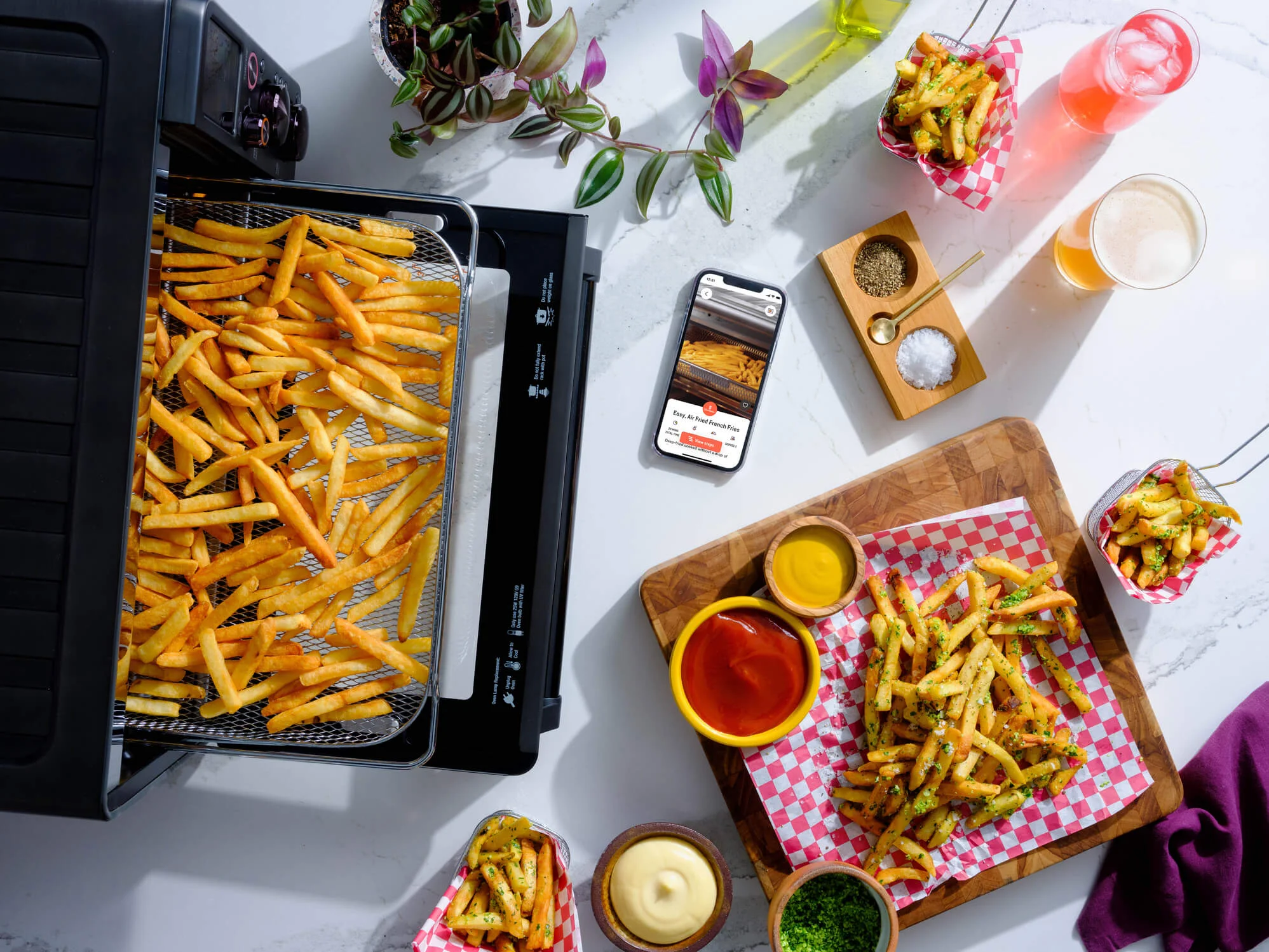
● French fry cutter – To make delicious home-cooked French fries, you’d probably sacrifice time. With a French fry cutter for your food processor, you don’t have to.
● Julienne blade – To julienne means to cut food into thin, even strips, often resembling matchsticks. Chefs use the julienne cut to prepare fruits and veggies for everything from sushi to salads. Julienning by hand requires several time-consuming steps, however. Instead, attach a julienne blade to your food processor and achieve instant and precise julienne cuts.
● Peeler disc – To shave off minutes from your food prepping time, use a peeler disc to remove the skin from all kinds of fruits and veggies. Try it on potatoes, carrots, cucumbers, apples, and more.
Odds are, if a kitchen task requires a sharp edge, you can find a food processor blade to do it for you.
How to choose the right blade for your recipe
If the recipe author used a food processor, they may include the blades they used directly in the recipe’s instructions. If not, match the manual action described in the recipe with the blade that performs it. If the recipe calls for dicing, use your dicing blade. For any blending needed, use the S-blade.
Before revving up the food processor, consider your desired:
● Size
● Shape
● Thickness
To save time later, keep track of which blades you use. When you choose to make that recipe again, you’ll slice, dice, and whip it up in no time.
Tips for safely handling and maintaining food processor blades
While food processors remove many of the dangers of using knives and other cutting tools, the blades can still cut you if mishandled. Follow these tips to keep you and your blades in-tact before, during, and after use:
● Avoid blades while in use – Your food processor’s feed chute and food pusher will help prevent you from harming yourself while the blades spin or pulse. Always use these guards, and never reach your fingers in while the machine is on.
● Use gloves to handle blades – When switching out or cleaning your food processor blades, protect your skin by wearing tear-resistant gloves. That way, you won’t have to worry about making the wrong kind of cuts.
● Turn off your food processor to change blades – Always turn off and unplug your food processor to safely attach and remove blades as needed.
● Promptly and thoroughly clean blades – Cleaning will preserve your blade’s sharpness and precision. Clean shortly after use with soap and warm water to prevent gunk from building up on its edges.
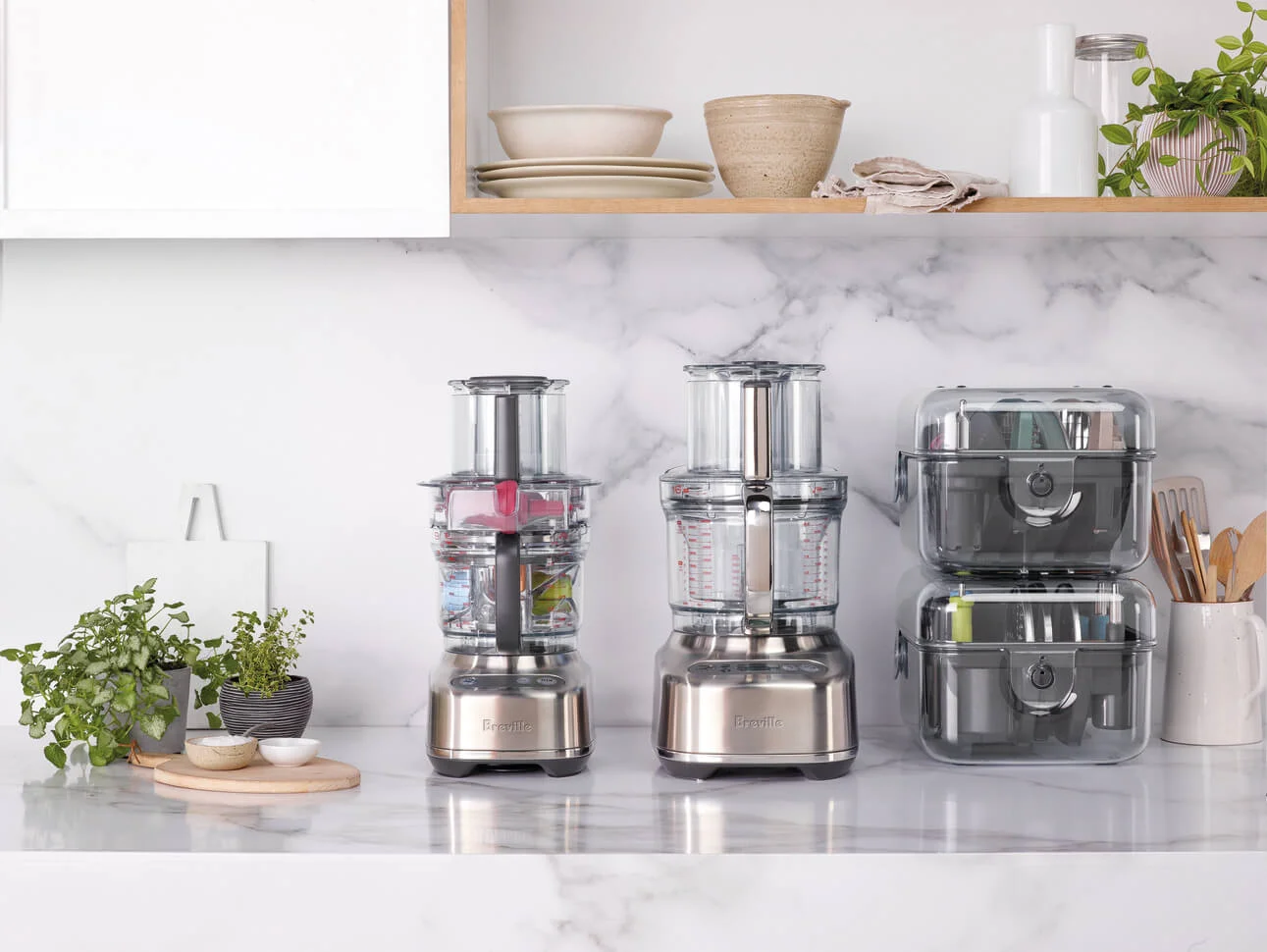
● Store your blades in a safe place – Designate a drawer or cabinet away from wandering fingers to house your food processor blades. Some models include a handy housing container to keep your blades neatly and safely tucked away for your next food prepping session.
Food processor blades may grow dull after lots of use (which you’re sure to get out of them). Instead of attempting to sharpen the blades, consider replacing them to continue enjoying easy and efficient food prepping.
Process food like the pros with Breville
With food processor blades explained fully, you can prepare complex dishes in record time. First, you need a premium food processor with a complete set of blades—for that, there’s Breville.
Transform your home kitchen into an efficient, restaurant-worthy operation with the Paradice™ 9 from Breville.
This food processor can hold up to nine cups of food, supporting all the slicing and dicing needed to prepare an entire meal. It comes with several essential blades, including an S-blade, fine/coarse reversible shredder, 15-level adjustable slicer, and dough blade. Plus, it helps maximize storage space with an onboard storage caddy to store the complete dicing kit.
Create a kitchen haven with the Paradice™ 9, or browse our full food processor collection for unlimited versatility.
Sources:
1. The Kitchn. How to Use All of the Blades and Discs Your Food Processor Comes With. https://www.thekitchn.com/a-guide-to-the-food-processor-blades-and-discs-youre-not-using-228700
2. Food Network. How to Julienne Cut. https://foodnetwork.com/how-to/packages/food-network-essentials/how-to-julienne-cut